Le Petit Cambodge on Avenue Claude Vellefaux sits inside the 10th arrondissement's most concentrated stretch of Southeast Asian dining, where Cambodian cooking holds its own distinct place amid Thai and Vietnamese neighbours. The address is known to the neighbourhood's regulars as a direct, affordable entry point into Khmer food in a city where that cuisine remains comparatively rare on the formal restaurant circuit.
Pearl is the En Primeur Club membership app — saves, bookings, and concierge access live there. Same editors, same standards.
- Address
- 24 Av. Claude Vellefaux, 75010 Paris, France
- Phone
- +33 1 44 84 83 05
- Website
- lepetitcambodge.fr
- Directions
- Get directions
 Saves & bookings on Pearl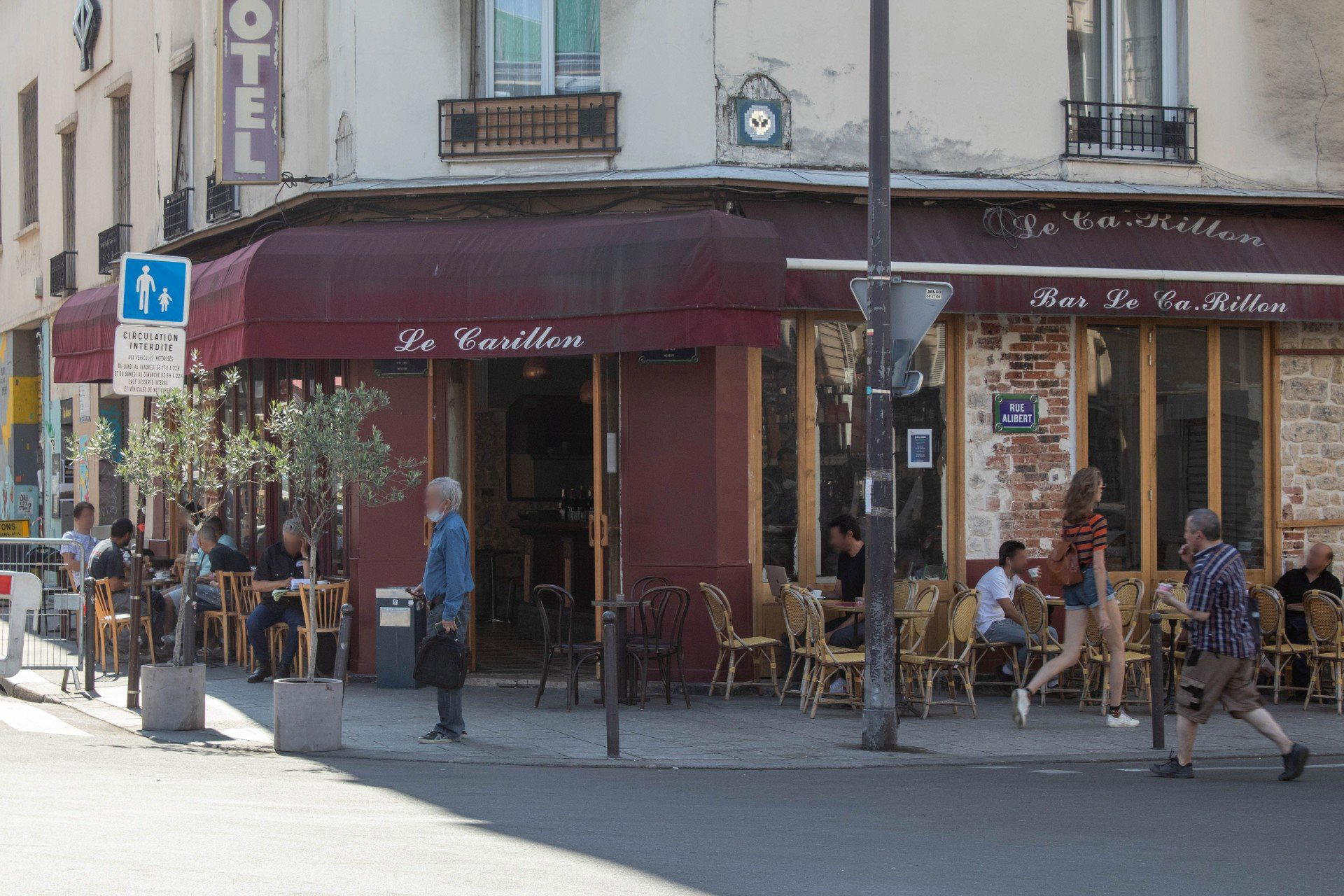
The 10th's Southeast Asian Corridor and Where Cambodian Fits
Paris's 10th arrondissement has spent the better part of two decades building one of the city's most coherent clusters of Southeast Asian cooking. The stretch around Canal Saint-Martin and up toward the Hôpital Saint-Louis pulls in Vietnamese pho houses, Thai canteens, and Cambodian addresses, all operating at a price point that keeps them local-facing rather than tourist-dependent. Within that context, Cambodian cuisine occupies a specific and underrepresented slot. Unlike Vietnamese food, which has deep institutional roots in Paris going back to the post-colonial migration waves of the 1950s through 1980s, Cambodian cooking arrived later and never built the same density of dedicated addresses. Finding a credible Khmer kitchen in Paris still requires some navigation, which gives the handful of serious addresses in the 10th an outsized role in defining what the cuisine means to the city.
Le Petit Cambodge at 24 Avenue Claude Vellefaux sits inside this corridor. The address has become a reference point in the neighbourhood through sustained local reputation in a city where neighbourhood loyalty tends to be the more durable signal. For those tracking where Cambodian food has a genuine foothold in Paris, the 10th, and this stretch of it in particular, is where to look first.
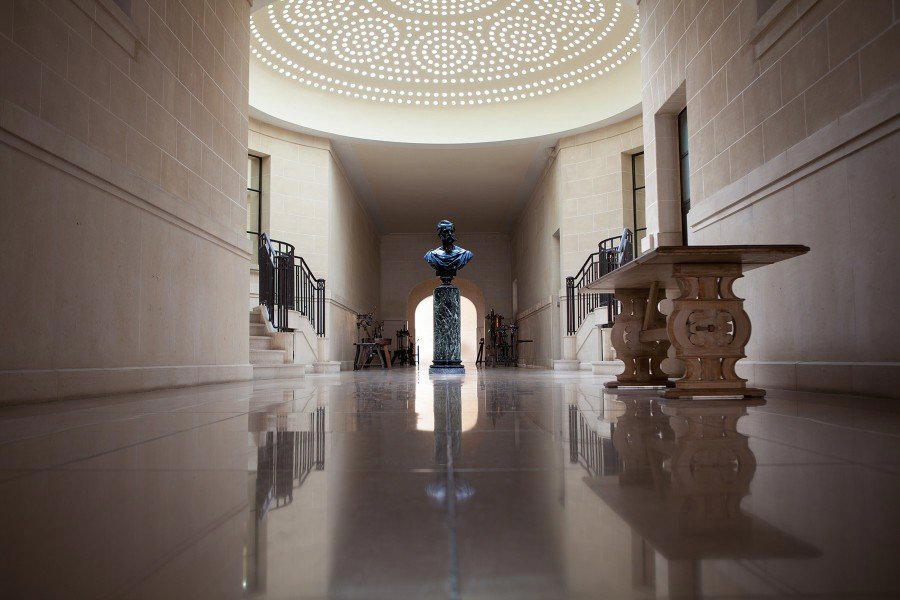
The Physical Space and What It Signals
The design logic of small Southeast Asian restaurants in Paris often follows a familiar pattern: compact rooms, communal or close-set seating, minimal acoustic treatment, and décor that signals cultural reference without veering into theme-park territory. Le Petit Cambodge fits recognisably within that format. The name itself signals scale, this is a neighbourhood canteen operating at canteen scale, not a dining room built around occasion or ceremony.
That spatial register matters because it shapes the entire dining dynamic. Counter or tightly arranged table seating creates the kind of ambient proximity that makes conversation between tables inevitable, and turnover tends to move at a pace set by the kitchen rather than by extended lingering. For visitors accustomed to the formal separation of Parisian grand-brasserie dining, the informality here is a deliberate feature of the category. In Southeast Asian cooking traditions, the distinction between a quick weeknight meal and a proper shared table has never been as rigidly policed as in French haute cuisine, and the room format at addresses like this reflects that directly.
The 10th arrondissement's restaurant interiors across this category tend to share the logic of functional density: they are built to feed a neighbourhood, not to stage a production. That austerity is its own form of editorial statement, the cooking is the content, and the room exists to frame it without competing. Compare this to, say, the theatrical dining rooms that characterise parts of the 8th or the polished material language of the newer neo-bistro wave in the 11th, and the contrast becomes instructive. Stripped-back spaces in this part of the city carry a different kind of credibility signal, one rooted in price-point honesty and local use rather than design investment.
Cambodian Cooking in Paris: What the Cuisine Actually Involves
For diners arriving without prior familiarity, Cambodian cooking occupies a distinct position within Southeast Asian culinary traditions. It shares certain aromatics and structural similarities with Thai and Vietnamese food, lemongrass, galangal, fish sauce, fresh herbs, but its flavour profile tends toward a lower heat register and a greater use of fermented shrimp paste (prahok) as a base note. The cuisine also has a strong tradition of noodle soups, rice-based dishes, and grilled preparations that differ structurally from the more herb-forward freshness of Vietnamese cooking or the chilli intensity of much Thai food.
In Paris, the relative scarcity of Cambodian restaurants means that most diners encounter the cuisine for the first time at addresses like this rather than building up a comparative reference set over time. That places an implicit responsibility on the few working kitchens in the city: they are, in practice, defining the category for a significant portion of their clientele. The 10th arrondissement's cluster of Southeast Asian addresses does at least give diners the chance to eat across the regional spectrum in a single evening's walk, which makes cross-cuisine comparison more accessible here than in most Paris neighbourhoods.
For context on how Paris's drinking and bar culture maps alongside this kind of informal dining, addresses like Candelaria and Danico operate in the serious cocktail register, while Bar Nouveau and Buddha Bar serve different segments of the Paris evening market. Outside the capital, the bar culture in cities like Lyon, Bordeaux, Strasbourg, and Toulouse follows its own logic, see La Maison M. in Lyon, Bar Casa Bordeaux, Au Brasseur in Strasbourg, and Coté vin in Toulouse for regional comparison. Further afield, Papa Doble in Montpellier, Le Café de la Fontaine in La Turbie, and Bar Leather Apron in Honolulu illustrate how bar formats diverge once you leave the major French urban centres. The EP Club's full Paris restaurants guide maps these distinctions across the city's neighbourhoods in more granular detail.
Timing and Practical Planning
The 10th arrondissement's informal dining corridor runs warmest from late spring through early autumn, when the neighbourhood's outdoor seating and canal-adjacent foot traffic make the whole stretch more animated. Reservations are recommended, especially for Friday and Saturday nights at peak hours.
The address is directly accessible via the Louis Blanc metro station on lines 7 and 7b, placing it within easy reach from central Paris. The surrounding streets hold enough adjacent dining and drinking options that the area functions as a destination in itself for an evening, rather than a single-stop itinerary.
Know Before You Go
- Address: 24 Avenue Claude Vellefaux, 75010 Paris
- Arrondissement: 10th, Canal Saint-Martin / Hôpital Saint-Louis corridor
- Metro: Louis Blanc (lines 7, 7b)
- Price tier: Neighbourhood canteen register, affordable relative to central Paris dining
- Booking: Reservations recommended
- Leading timing: Arrive before 7:30 PM on weekends to avoid peak queues
- Cuisine context: Cambodian (Khmer), lower heat profile than Thai, distinct from Vietnamese
Similar Picks
Comparable venues nearby, for context on price, style, and recognition.
| Venue | Cuisine | Price | Notes |
|---|---|---|---|
| Le Petit CambodgeThis venue — the venue you are viewing | wine_bar | $$ | Not listed |
| Rosa Bonheur Buttes Chaumont | lounge | $$ | Buttes-Chaumont |
| Le Subliminal | lounge | $$ | 9ème arrondissement |
| Le Louxor | lounge | $$ | Barbès |
| Café Ventura | Bar | $$ | 9th Arr. - Opéra |
| The Bombardier | pub | $$ | Latin Quarter |
Continue exploring
More in Paris
Bars in Paris
Browse all →
Restaurants in Paris
Browse all →
Hotels in Paris
Browse all →



At a Glance
- Cozy
- Lively
- Casual
- Casual Hangout
- After Work
- Communal Tables
- Outdoor Terrace
Current opening hours
- Monday
- 12–2:30 PM, 6:30–10:30 PM
- Tuesday
- 12–2:30 PM, 6:30–10:30 PM
- Wednesday
- 12–2:30 PM, 6:30–10:30 PM
- Thursday
- 12–2:30 PM, 6:30–10:30 PM
- Friday
- 12–11 PM
- Saturday
- 12–11 PM
- Sunday
- 12–10:30 PM
Hours can change for holidays and private events. Last verified .
Cozy and lively with an unpretentious, inviting atmosphere.