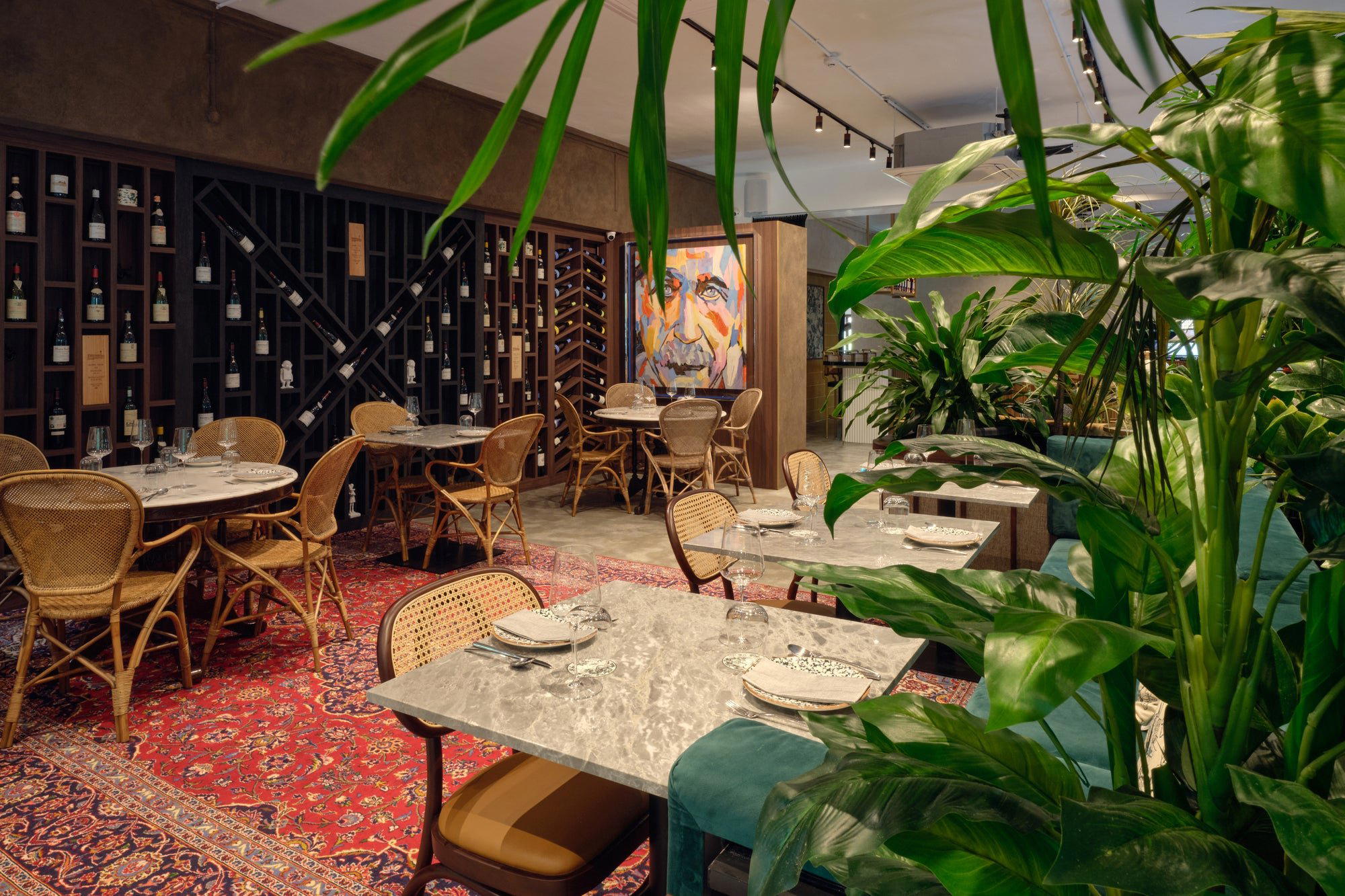
Situated in the New Bahru development on Kim Yam Road, Le Clos operates at the intersection of serious wine culture and considered dining — a format that positions it within Singapore's growing tier of specialist, low-volume food-and-wine destinations. The wine house format distinguishes it from the city's cocktail-forward bar scene, making it a reference point for bottle-led evenings in a neighbourhood that rewards slow exploration.
 Discover on Pearl
Pearl is the En Primeur Club membership app — saves, bookings, and concierge access live there. Same editors, same standards.
- Address
- 46 Kim Yam Road #01-18, Level 1 New Bahru, Singapore 239351
- Phone
- +65 9387 4969
- Website
- leclos.sg
A Wine House in a City That Runs on Cocktails
Singapore's premium drinking scene has spent the last decade consolidating around two poles: the high-concept cocktail bar, represented by programmes at 28 HongKong Street and Analogue, and the hotel bar, anchored by operations like Anti:Dote and the grand-European register of Atlas. What sits less obviously in that picture is the wine house format — a room where the bottle list is the programme, and the food exists in genuine dialogue with it rather than as an afterthought. Le Clos, at 46 Kim Yam Road in the New Bahru development, occupies exactly that gap.
New Bahru itself is worth understanding as a context. The adaptive reuse complex on Kim Yam Road, in the Robertson Quay-adjacent corridor of River Valley, has attracted a concentration of considered independent operators rather than chains. The broader precinct has a quieter register than Clarke Quay's volume-driven hospitality strip, which is precisely the environment in which a wine-focused format can function without competing on noise or spectacle. Arriving at Le Clos, you are already in a neighbourhood that has self-selected for a slower pace.
The Wine House Format and What It Demands
Globally, the wine bar has bifurcated. One branch runs on natural wine, chalkboard lists, and studied informality — a format that has taken hold in Paris, Melbourne, and increasingly in Asian cities. The other operates closer to a merchant's showroom: curated bottles, deeper verticals, and service that can talk through a region's producers with the same fluency a sommelier would bring to a fine-dining room. Internationally, wine-forward formats like Kumiko in Chicago and 1806 in Melbourne have demonstrated that a drinks-first identity, executed with precision, creates a distinct and loyal audience separate from the conventional restaurant or bar tracks.
The name Le Clos carries deliberate resonance. In French viticulture, a clos is a walled vineyard, historically associated with Burgundy, where enclosed plots like Clos de Vougeot produced wines that commanded premiums precisely because of their defined, protected identity. Using that term as a trade name signals an orientation toward European wine culture, toward specificity of provenance, and toward the kind of drinking that rewards attention rather than volume consumption.
Drinking Here: What the Format Implies
In cities like Singapore, where humidity and temperature make cellaring genuinely difficult without serious infrastructure, wine houses that do the work of proper storage and selection provide a real service that goes beyond curation. The format at Le Clos positions the bottle list as the primary draw. Rather than a cocktail programme built around a lead bartender's creative vision, the equivalent intellectual weight here sits with whoever has assembled and maintains the wine selection, the equivalent architecture to what a bar director does with spirits and technique, but expressed through region, vintage, and producer relationships instead.
That distinction matters for how you approach an evening here. Comparable cocktail-focused destinations in Singapore, and globally at places like Jewel of the South in New Orleans, Julep in Houston, or Superbueno in New York City, orient the experience around a named programme with distinct creative authorship. At a wine house, the authorship is more diffuse: it lives in the selection, the vintage depth, and the pairing logic rather than in a single signature drink. Guests who arrive expecting a cocktail list will leave having understood the format; guests who arrive with a region or producer in mind, or with genuine openness to being guided through the list, will find the format working in their favour.
The food component in a wine house of this type functions differently from a restaurant's menu. Rather than dishes that anchor the meal sequentially, the kitchen's role is to sustain the drinking, to provide things that hold up against tannin, acidity, or the particular weight of whatever is in the glass. This is a format that rewards ordering from the wine list first and letting the food follow, not the reverse. It is also a format where the room's pace is set by how long you want to stay with a bottle, not by how many covers the kitchen needs to turn.
Kim Yam Road and the Broader River Valley Corridor
The Robertson Quay and River Valley area has increasingly positioned itself as the more considered alternative to the Orchard Road hotel-bar circuit. The density of independent operators in this corridor, of which New Bahru is now a focal point, has created the conditions for a wine-focused format to find its footing. Guests staying centrally can reach Kim Yam Road without difficulty; the walk from Robertson Quay MRT (Thomson-East Coast Line) takes under ten minutes, and the neighbourhood is accessible enough that it does not require the destination commitment that some more remote Singapore dining addresses demand.
For context on the broader Singapore drinks scene and how Le Clos sits within it, our full Singapore restaurants guide maps the current range of formats and price tiers across the city. For those comparing wine-focused operations across Asia-Pacific, Bar Leather Apron in Honolulu and The Parlour in Frankfurt on the Main offer instructive reference points on how the spirit-forward and wine-forward formats diverge at the premium end of the market.
Planning Your Visit
Le Clos operates within the New Bahru development at 46 Kim Yam Road, Level 1, unit #01-18. For current hours, booking arrangements, and whether reservations are accepted or walk-ins are the expected format, checking directly with the venue is advisable, wine house formats in Singapore range from fully bookable to drop-in only, and the specific policy here is not publicly confirmed at time of writing. Given that New Bahru has attracted genuine attention as a destination precinct, arriving earlier in the evening on weekends is the more reliable approach if you are without a reservation. The format suits lingering rather than quick turnarounds, so building time into your evening is the correct assumption.
Peer Set Snapshot
A quick peer snapshot; use it as orientation, not a full ranking.
| Venue | Awards |
|---|---|
| Le Clos | Wine House & RestaurantThis venue — the venue you are viewing | |
| Native | World's 50 Best |
| 28 HongKong Street | World's 50 Best |
| Analogue | World's 50 Best |
| Anti:Dote | World's 50 Best |
| Atlas | World's 50 Best |
Continue exploring
More in Singapore
Bars in Singapore
Browse all →
Restaurants in Singapore
Browse all →
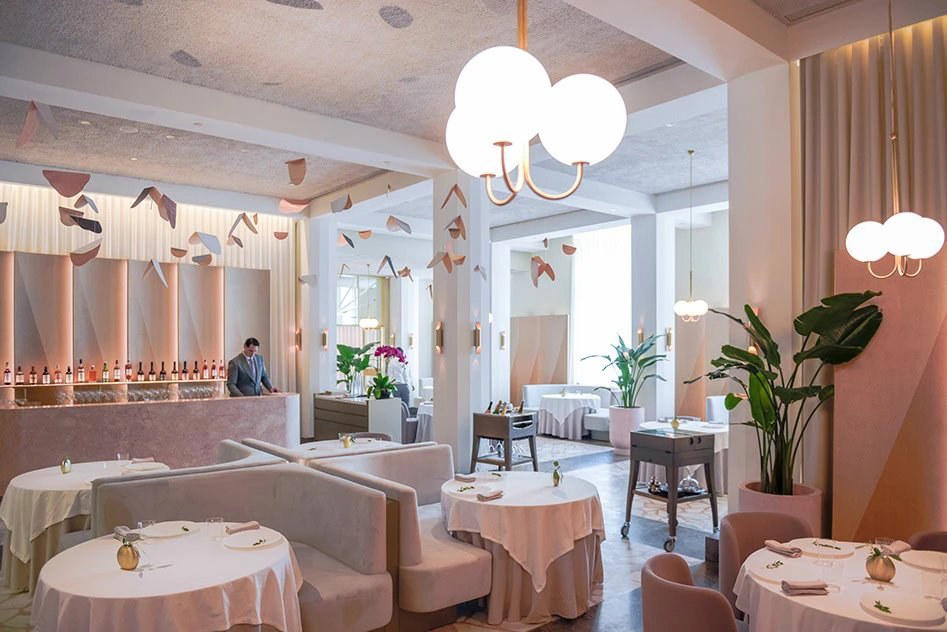
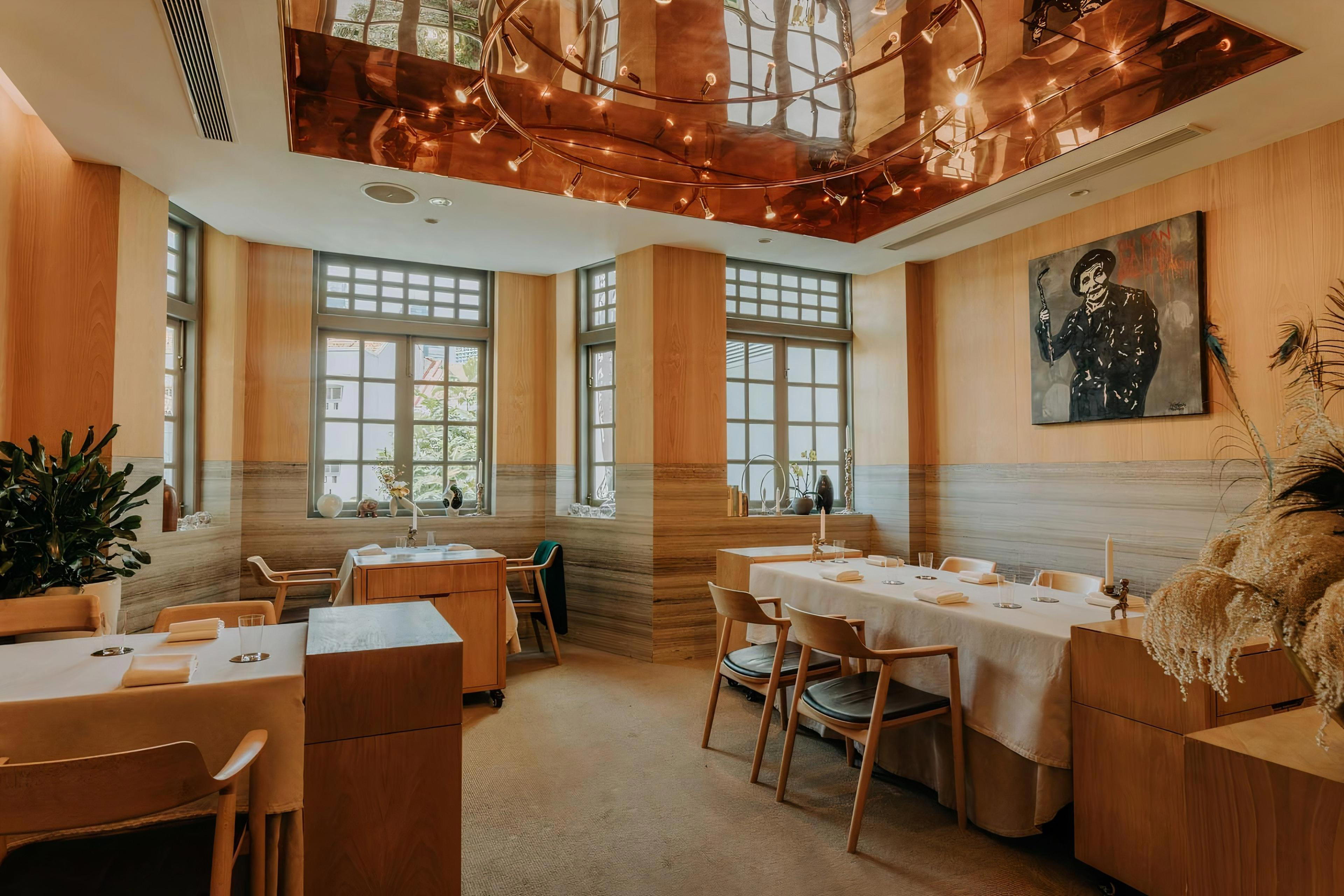
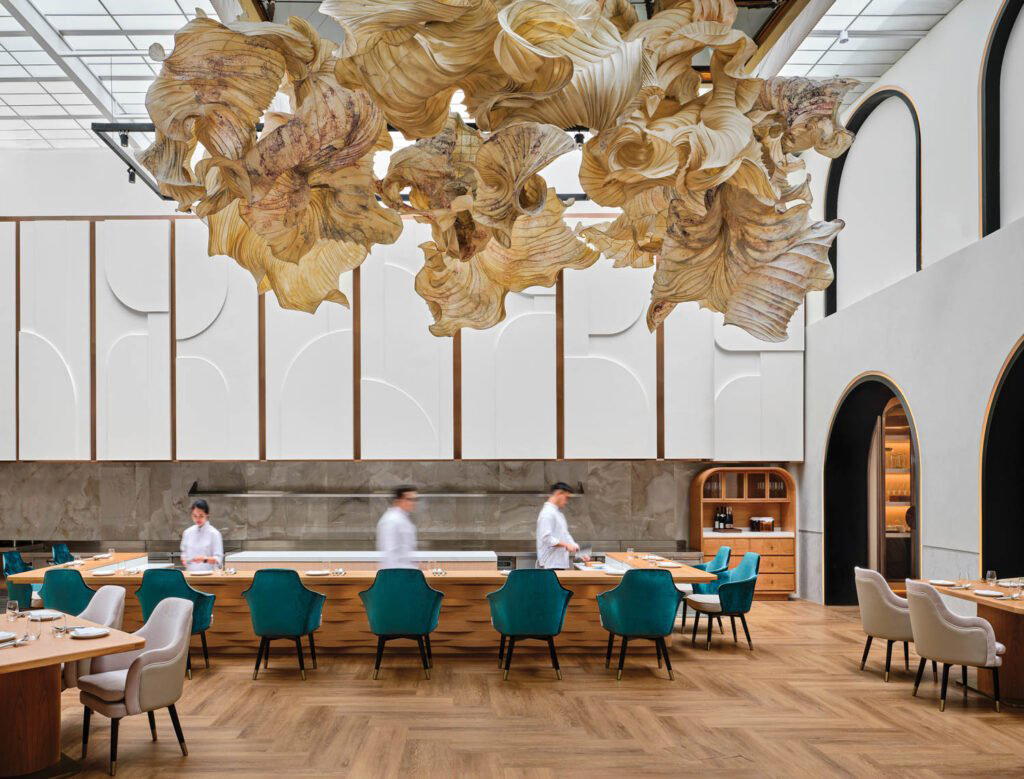
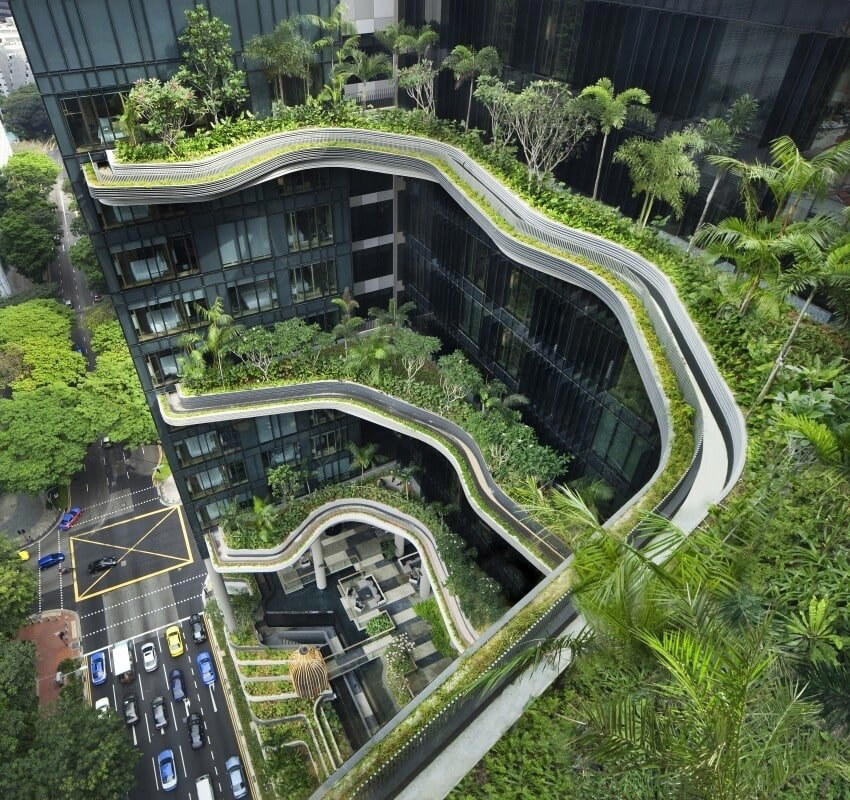
At a Glance
- Elegant
- Cozy
- Sophisticated
- Intimate
- Date Night
- Special Occasion
- Casual Hangout
- Terrace
- Seated Bar
- Lounge Seating
- Outdoor Terrace
- Conventional Wine
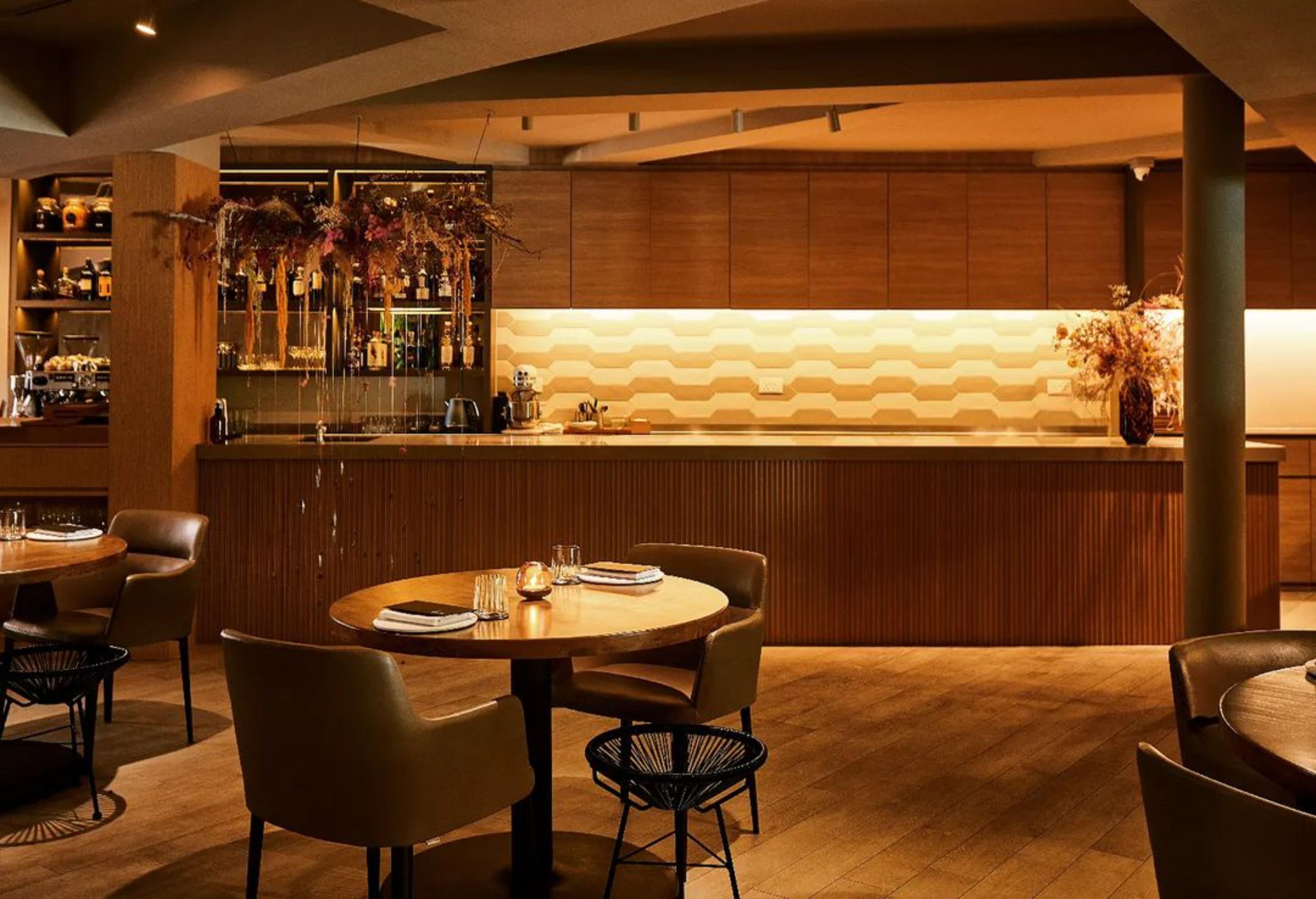
Elegantly relaxed with cosy bar, inviting alfresco terrace, and warm inviting atmosphere.