La Villette sits on Avenue Jean Jaurès in Paris's 19th arrondissement, operating in a neighbourhood more associated with the Cité des Sciences and canal-side walks than with the city's polished bar circuit. The address places it squarely in a local, unpretentious register, the kind of bar Paris still does quietly well, away from the tourist-facing theatrics of the right-bank cocktail corridor.
Pearl is the En Primeur Club membership app — saves, bookings, and concierge access live there. Same editors, same standards.
- Address
- 211 Av. Jean Jaurès, 75019 Paris, France
- Phone
- +33 1 40 03 75 75
- Website
- lavillette.com
- Directions
- Get directions
 Saves & bookings on Pearl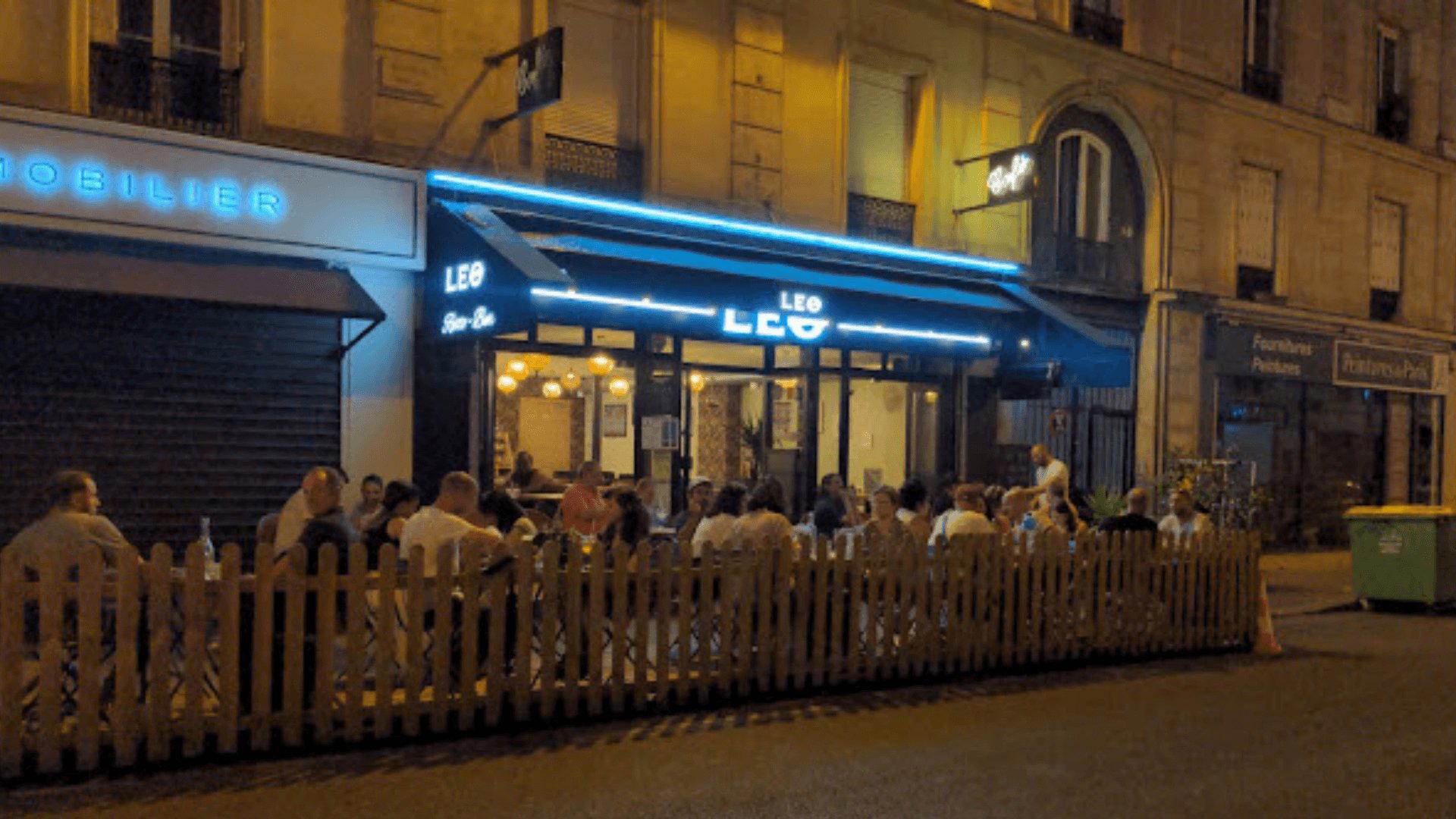
The 19th and the Case for Drinking Away from the Centre
Paris's bar scene has consolidated around a familiar axis: the Marais, Saint-Germain, and a handful of addresses near the grands boulevards that attract a mix of international visitors and well-heeled locals. The 19th arrondissement sits firmly outside that orbit. Avenue Jean Jaurès runs north from the Bassin de la Villette, past the Cité des Sciences, toward the Périphérique, a working artery through a neighbourhood that has resisted the gentrification pressure felt more acutely in the 10th and 11th. Bars here answer to a different brief. They serve regulars, absorb the rhythms of the surrounding streets, and price accordingly. La Villette, a casual bar at 211 Av. Jean Jaurès in Paris's 19th arrondissement, operates within that context.
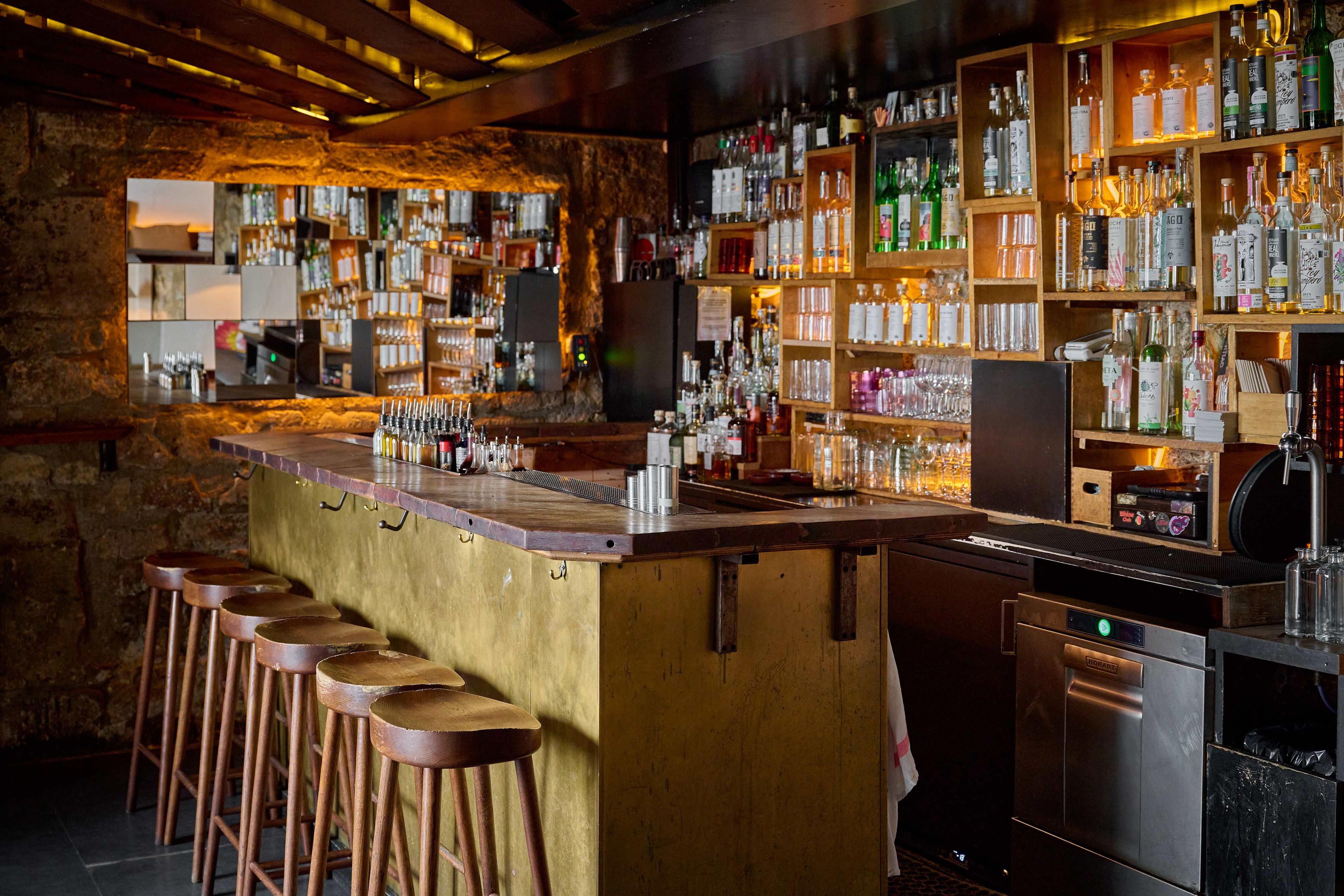
There is a strand of Parisian drinking culture that rarely makes it into international press coverage: the neighbourhood bar that functions as a kind of semi-public living room, where the back bar is stocked with more care than the décor would suggest. These places exist at some distance from the clarified-cocktail programs and lacquered interiors that dominate coverage of the Paris bar scene. They are harder to categorise, and that difficulty is part of what makes them worth attention. La Villette belongs to that tradition rather than to the more photogenic tier of the city's cocktail circuit, though the distinction between a serious spirits collection and a serious cocktail program is increasingly blurred in Paris, as it has been in London and New York for most of the past decade.
The Back Bar as Editorial Statement
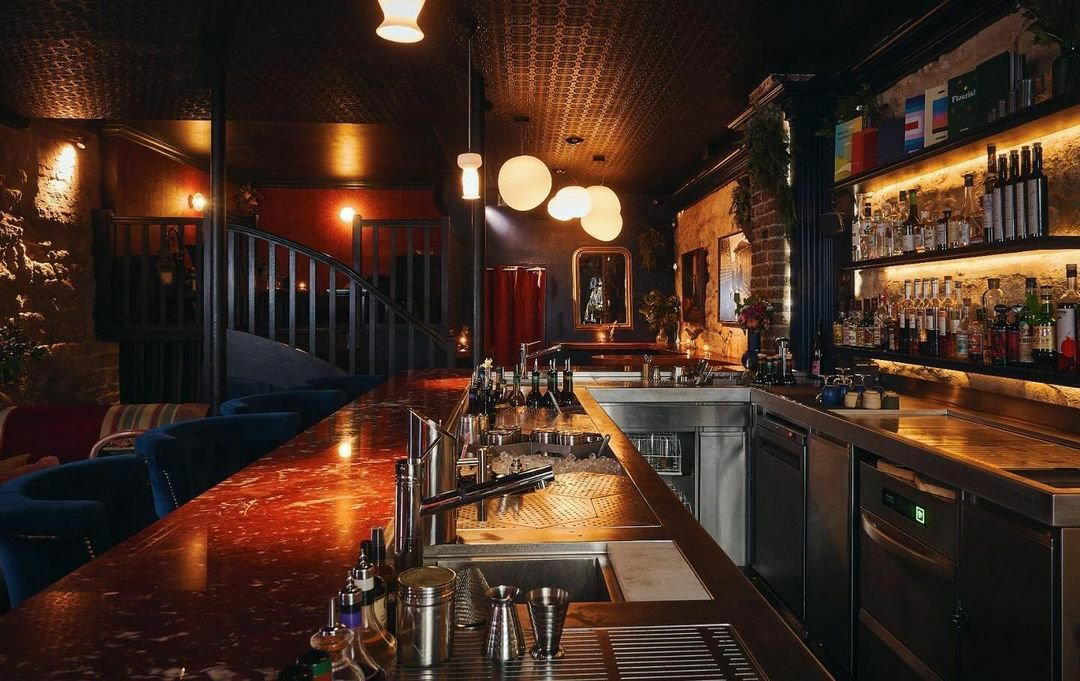
In any bar where the spirit selection carries editorial weight, the back bar functions as an argument. What gets stocked, in what depth, and at what price point communicates something about the bar's intended audience and its relationship to the broader drinks trade. Paris has a number of addresses where that argument is made explicitly, Danico in the 1st, for instance, operates with a pronounced commitment to technical precision and bottle depth, placing it in a comparable set that includes Candelaria and the more theatre-forward Buddha Bar. The bar occupies a quieter register within that broader city frame, an address where the case for spirits is made through availability and familiarity rather than through formal curation signals like prix-fixe menus or reservation-only formats.
The distinction matters because it shapes who drinks there and what they drink. A bar in the 19th that has built a meaningful selection over time draws a different crowd than one that has assembled bottles as visual props. The former tends to attract people who already know what they want, who use the bar as a reference point rather than a discovery vehicle. That pattern, replicated across dozens of Paris neighbourhood addresses, constitutes a quietly important counterweight to the attention-heavy addresses closer to the centre. Bar Nouveau represents another variation on this model, approaching the spirits conversation from a different neighbourhood position.
Situating La Villette in a French Context
The question of how a bar in the Parisian 19th relates to the wider French drinking culture is not a trivial one. France's bar scene is geographically dispersed in ways that England's, for example, is not. Serious drinks programs operate at considerable remove from Paris: Papa Doble in Montpellier has built a reputation on rum depth; Au Brasseur in Strasbourg anchors its identity in fermentation; Bar Casa in Bordeaux operates in a city where wine still dominates the drinks conversation but where cocktail culture has found a foothold. Coté Vin in Toulouse and La Maison M. in Lyon occupy analogous positions in their respective cities, bars that read as local institutions rather than aspirants to a national platform. Le Café de la Fontaine in La Turbie represents a different proposition again, where geography imposes its own context.
The bar sits within the Paris instance of this pattern: a bar defined by its arrondissement, its street, its habitual clientele, rather than by a position within a curated international bar ranking. That is a legitimate and, in some respects, more durable identity. The bars that attract consistent year-on-year custom in Paris are often the ones that have never needed to make an international case for themselves, their audience is already there, already returning.
Comparing Notes Across the Atlantic
For context on what a serious neighbourhood back bar can look like when the format is well-developed, Bar Leather Apron in Honolulu offers a useful reference point. There, a spirits-forward program in a secondary market (relative to New York and San Francisco) has produced sustained critical recognition by combining depth of selection with a rigorous approach to service. The lesson for any bar attempting something similar in a neighbourhood context is that depth of selection alone is insufficient, the knowledge to serve from it, and the confidence to suggest from it, determine whether a back bar becomes a selling point or simply a storage arrangement. In Paris, the bars that have managed this most consistently tend to be in exactly the kind of location the bar occupies: away from the tourist-facing centre, where the clientele's expectations are formed by regular use rather than by occasion.
Planning a Visit to Avenue Jean Jaurès
The 19th arrondissement is accessible via the Porte de Pantin and Corentin Cariou metro stations on line 5, and via Laumière and Jaurès on lines 5 and 7bis respectively. Avenue Jean Jaurès runs the length of the arrondissement's western edge, making it navigable on foot from multiple directions. Given the neighbourhood's character and the bar's address at number 211, visitors from central Paris should allow approximately twenty to twenty-five minutes by metro from the Marais or République. The area rewards time spent in context: the Bassin de the bar a short walk south, the Parc de the bar to the north, both offering the kind of outdoor space that makes a post-walk drink feel earned rather than scheduled. The bar is open daily from 6 AM to 1 AM and is walk-in friendly.
Cost Snapshot
Comparable venues nearby, for context on price, style, and recognition.
| Venue | Cuisine | Price | Notes |
|---|---|---|---|
| La VilletteThis venue — the venue you are viewing | La Villette, lounge | $$ | Not listed |
| Cinéma Studio 28 | Montmartre, lounge | $$ | Not listed |
| La Buvette | Not listed | $$ | 11th arrondissement, wine_bar |
| Liquiderie | Not listed | $$ | 11th Arr. - Popincourt, wine_bar |
| Les Darons | Not listed | $$ | Montmartre, wine_bar |
| Les Trois 8 | Not listed | $$ | Ménilmontant, beer_bar |
At a Glance
- Lively
- Trendy
- Late Night
- Group Outing
- Casual Hangout
- Live Music
- Terrace
- Garden
- Lounge Seating
- Outdoor Terrace
- Craft Cocktails
- Waterfront
Current opening hours
- Monday
- 6 AM–1 AM
- Tuesday
- 6 AM–1 AM
- Wednesday
- 6 AM–1 AM
- Thursday
- 6 AM–1 AM
- Friday
- 6 AM–1 AM
- Saturday
- 6 AM–1 AM
- Sunday
- 6 AM–1 AM
Hours can change for holidays and private events. Last verified .
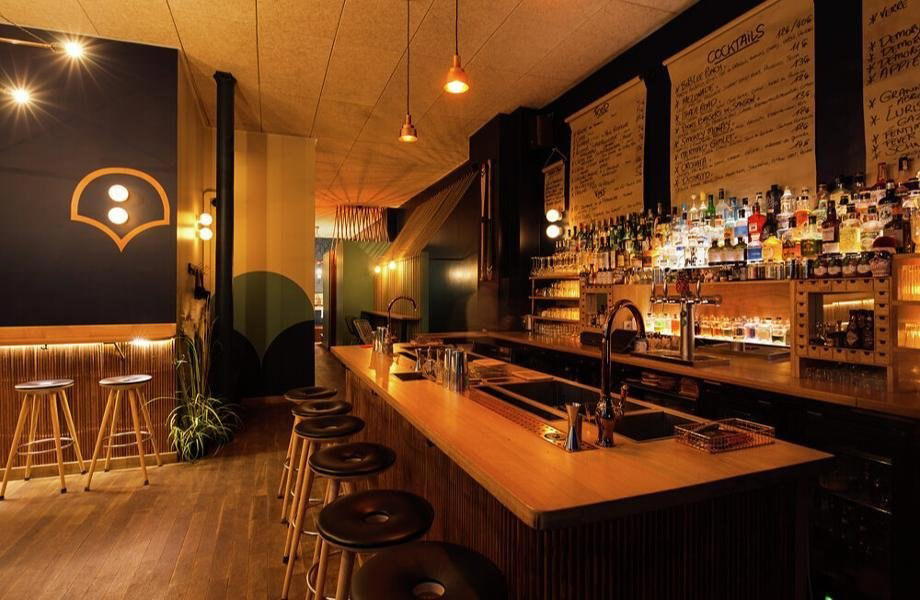
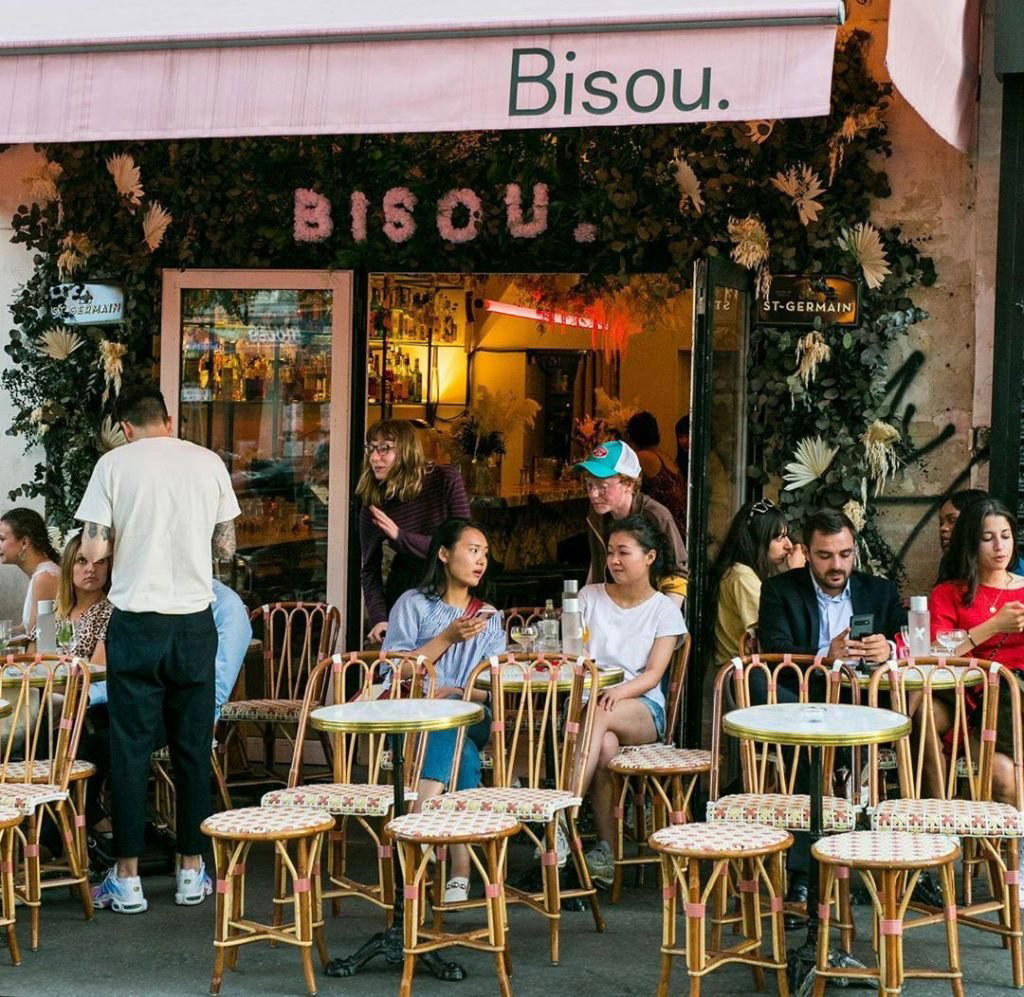
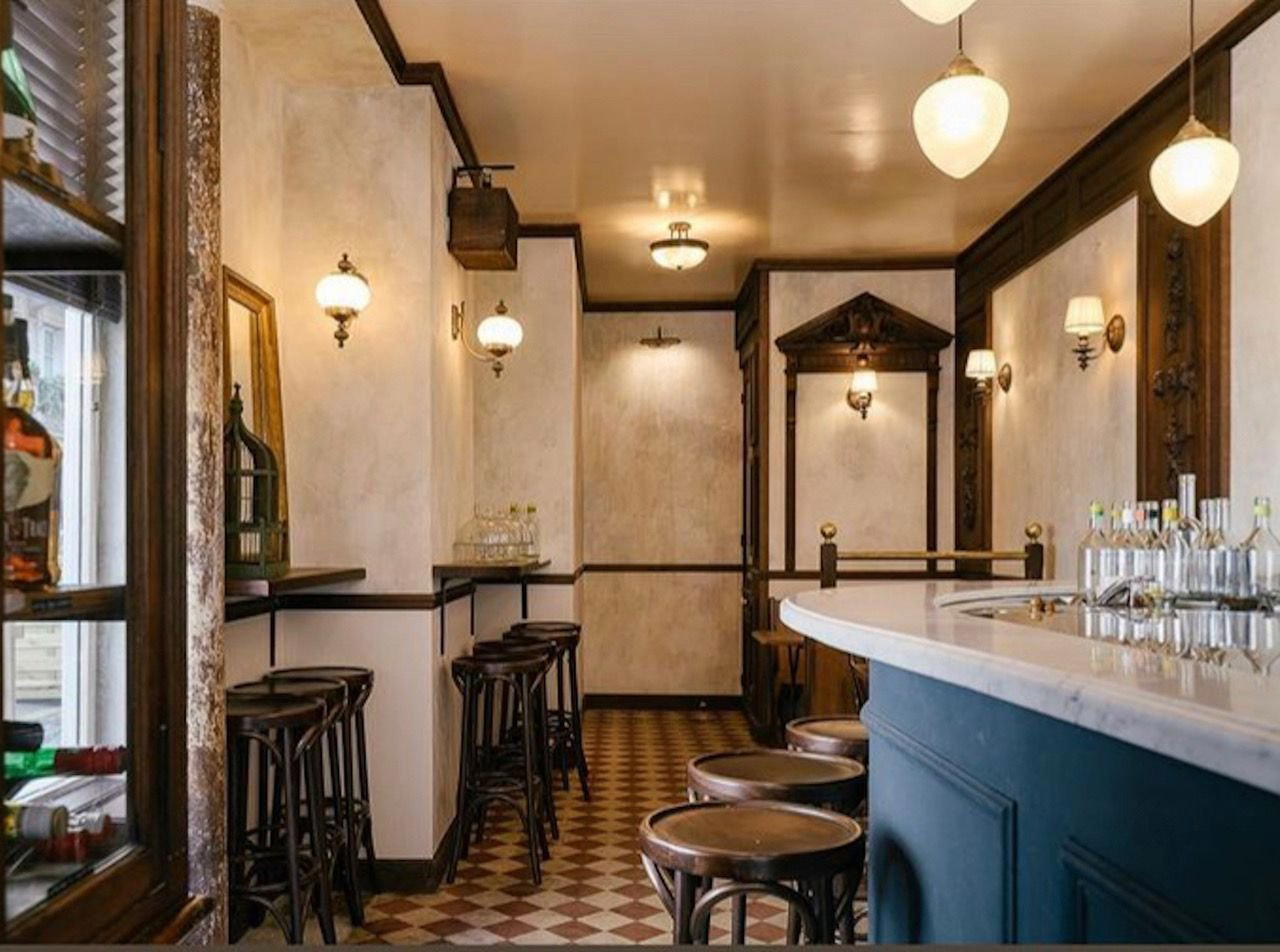
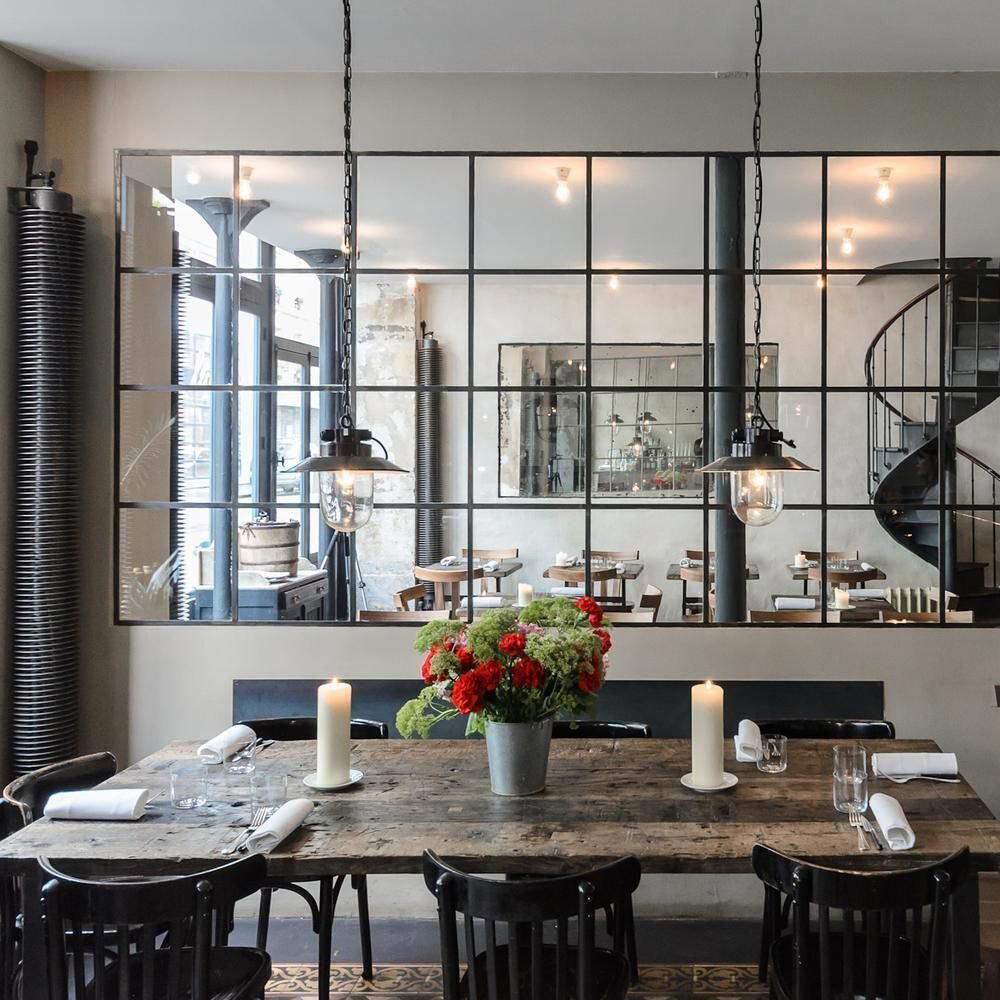
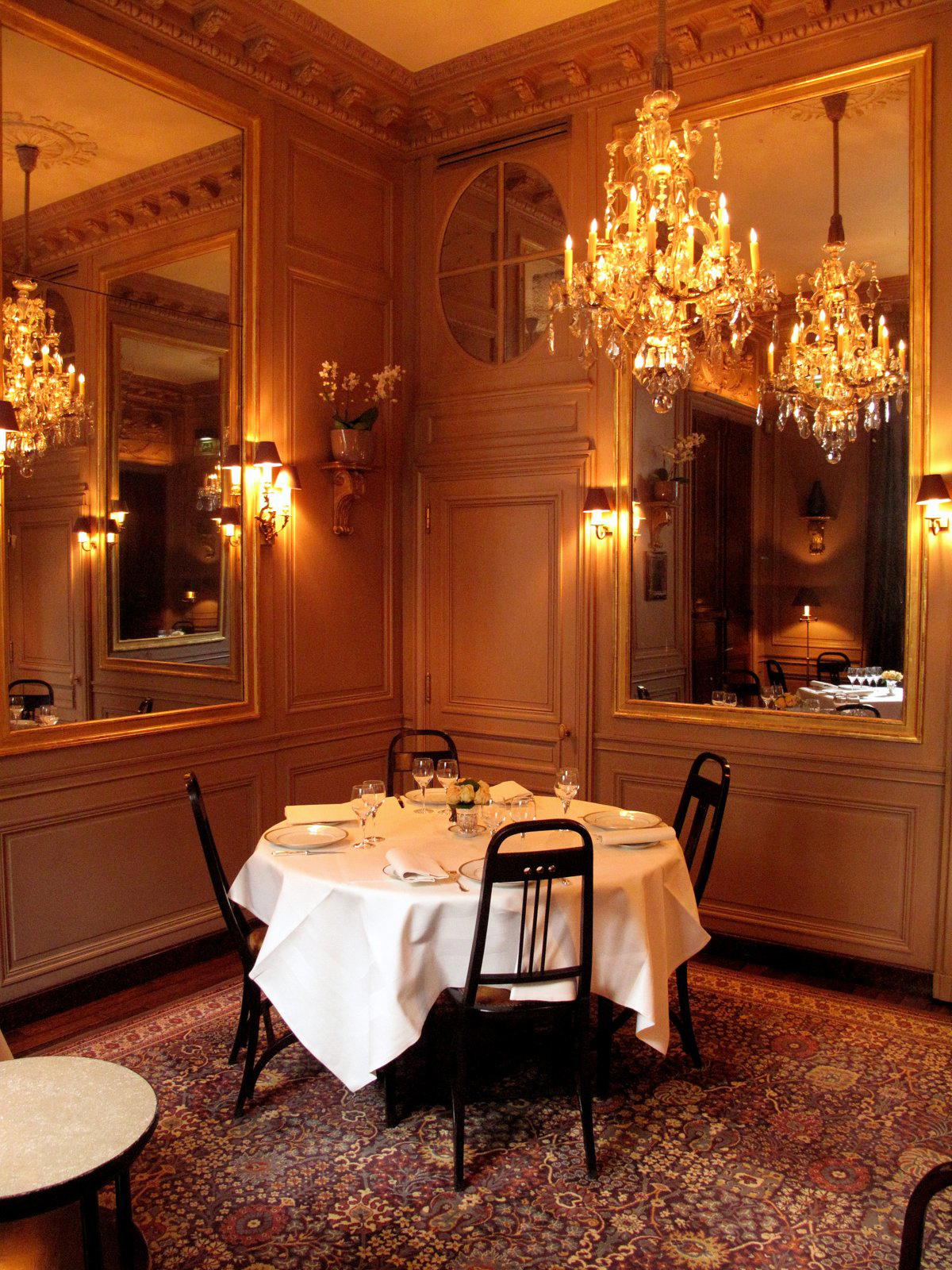
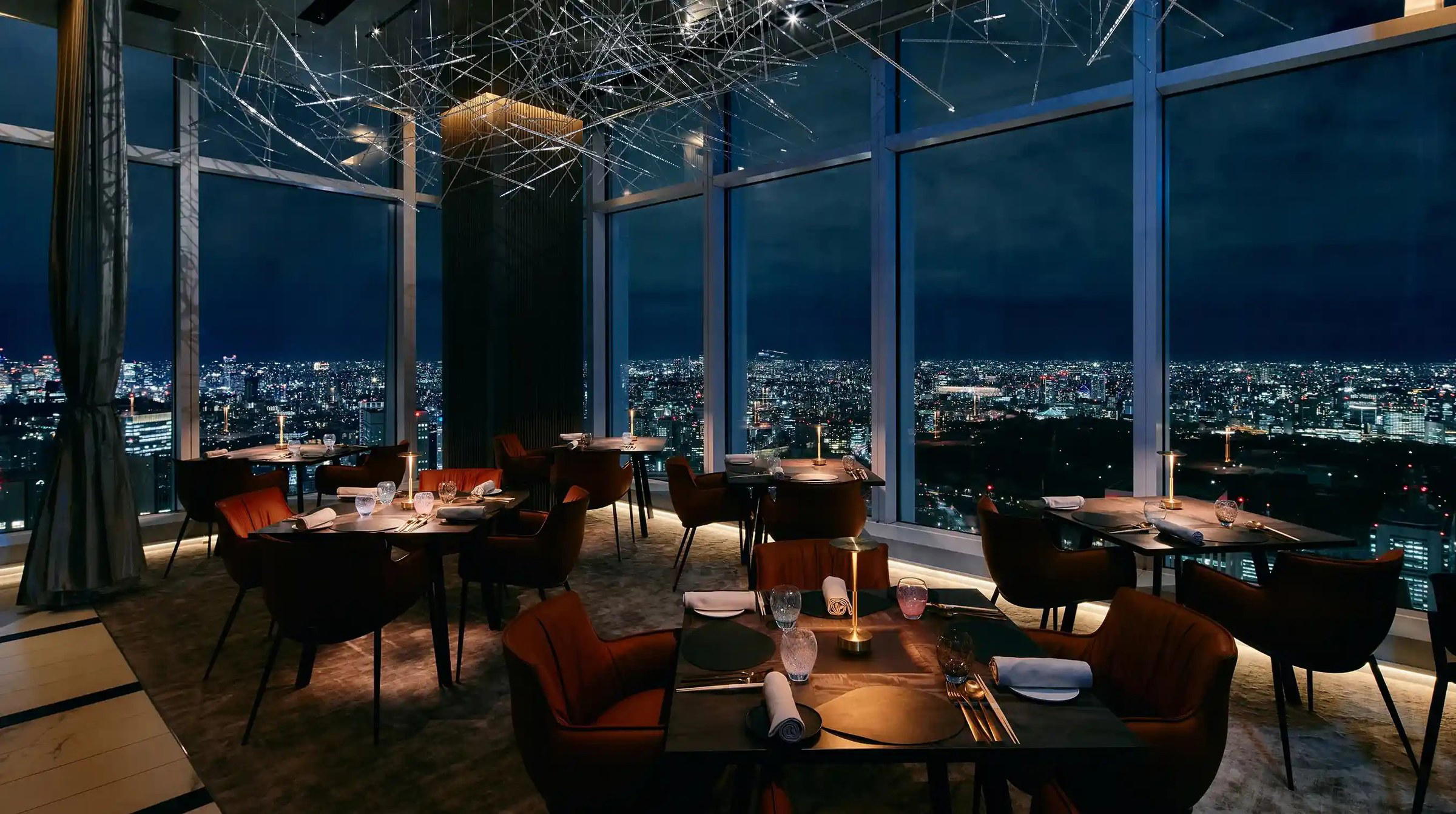
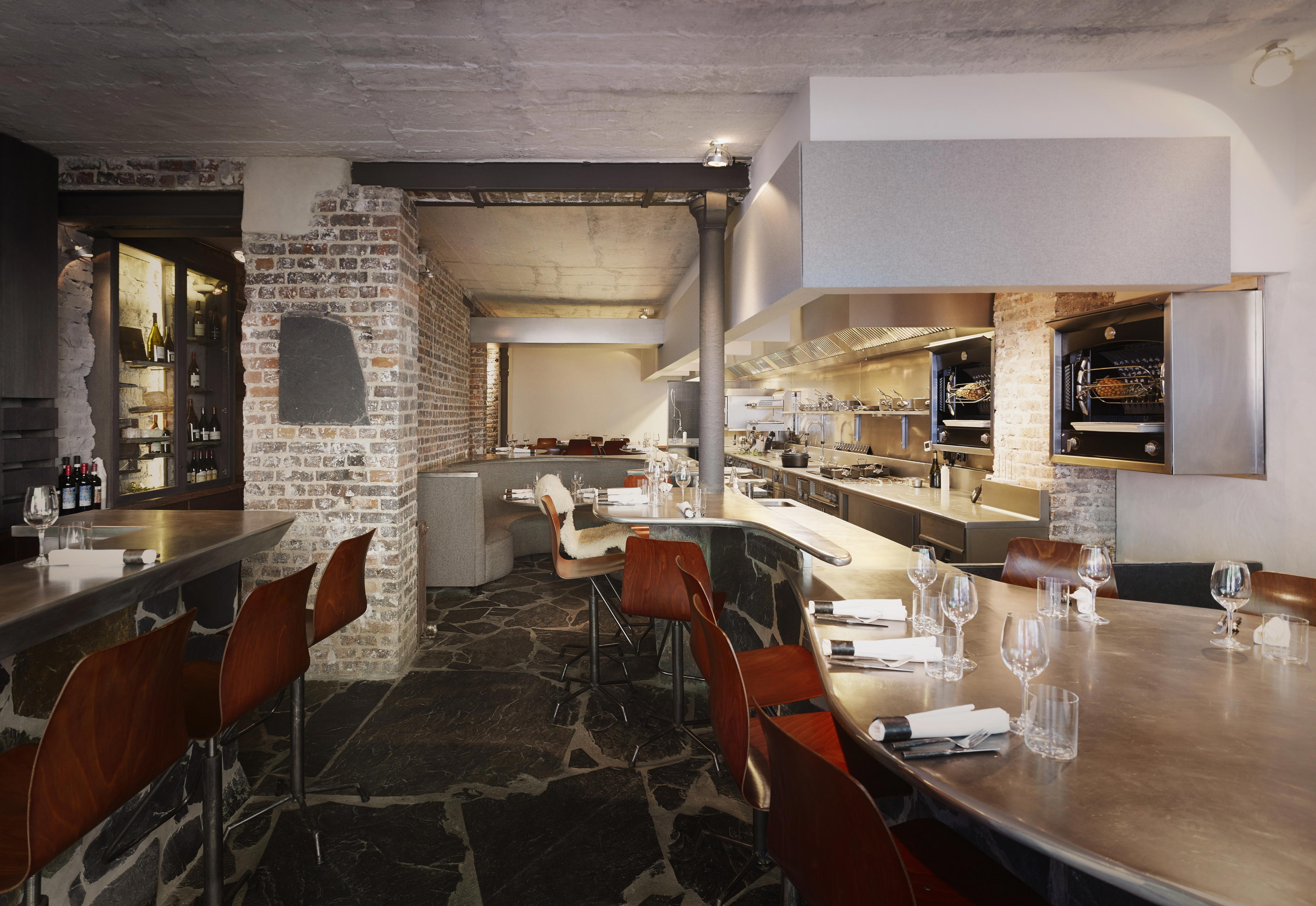
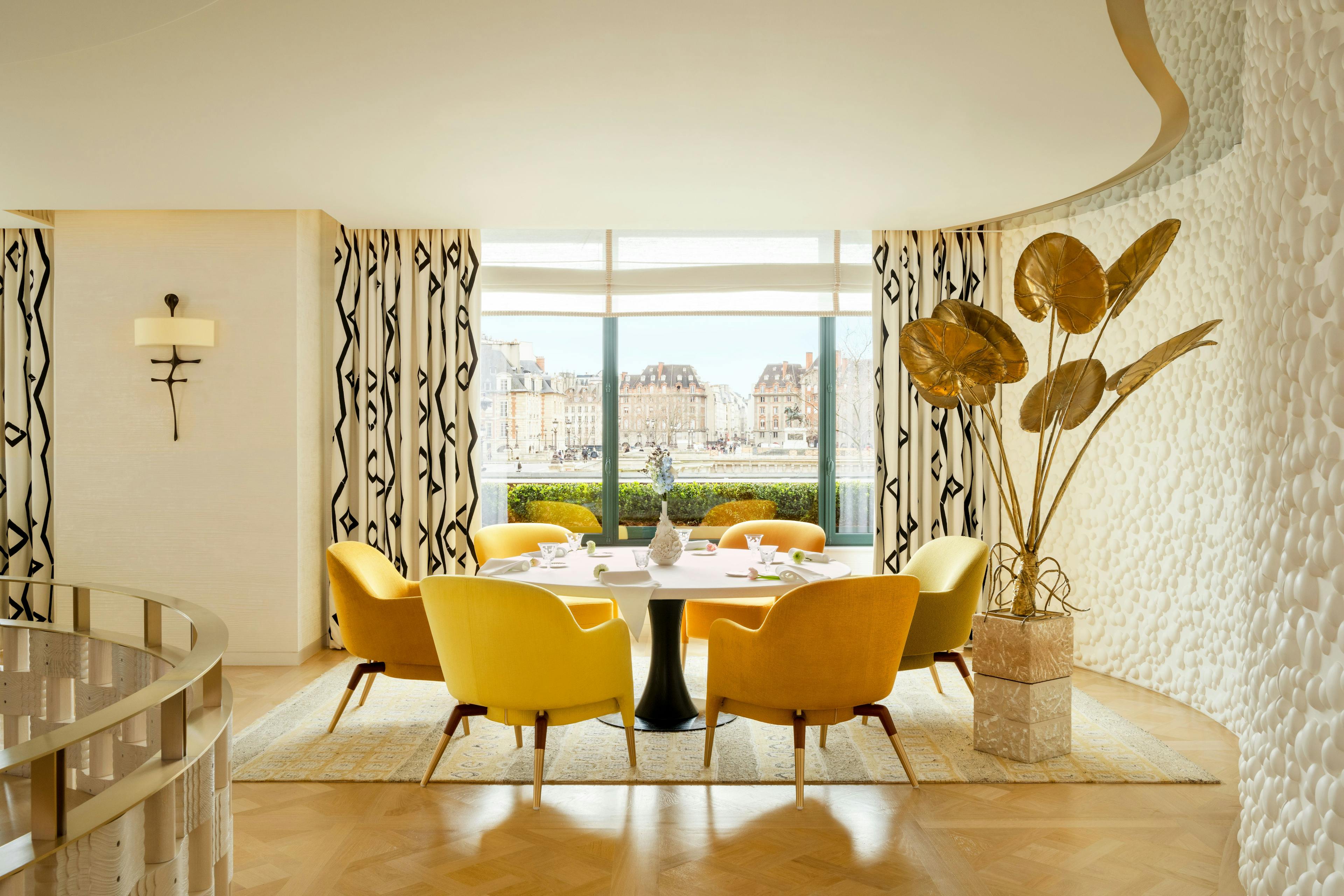
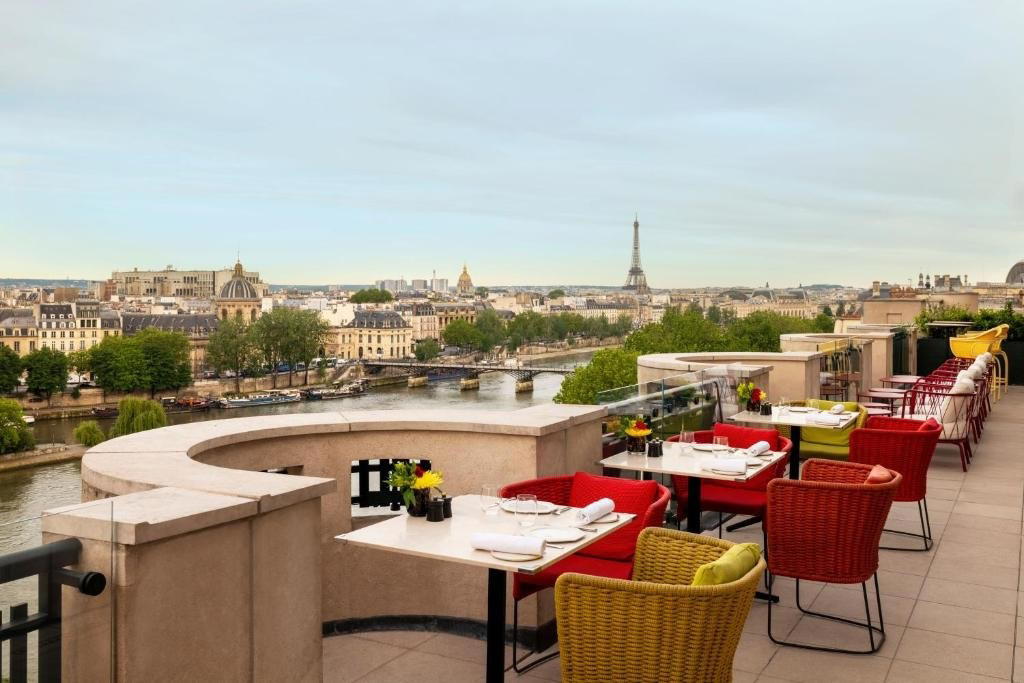
Loft-like interior with bright, spacious setting and laid-back atmosphere, enhanced by a terrace for good weather.