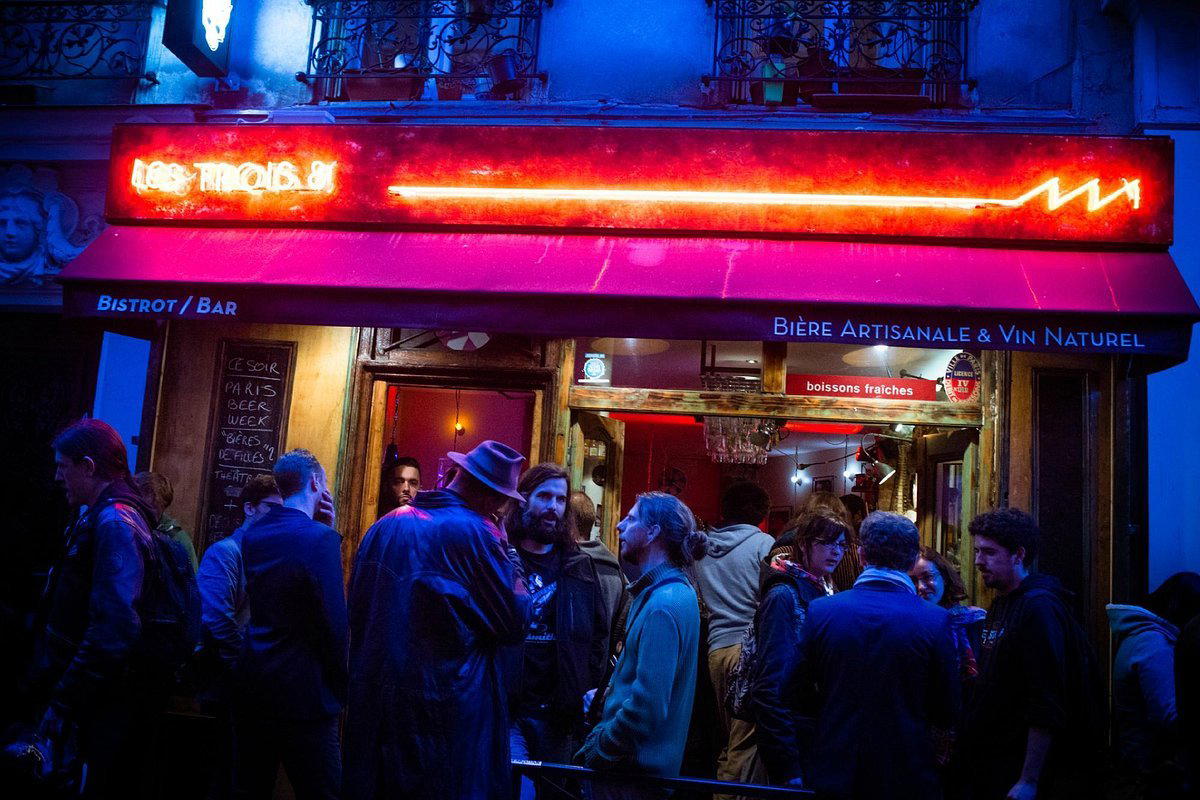
Les Trois 8 at 11 Rue Victor Letalle sits at the edge of the 20th arrondissement's shifting bar scene, where neighbourhood drinking culture has gradually absorbed the craft-beer and natural-wine movements that reshaped Paris after 2010. The address has evolved alongside the Belleville corridor, making it a useful reference point for how the eastern districts rewrote their own hospitality identity.
- Address
- 11 Rue Victor Letalle, 75020 Paris, France
- Phone
- +33 1 40 33 47 70
- Website
- lestrois8.fr
- Directions
- Get directions
A Corner of the 20th That Kept Reinventing Itself
Paris's 20th arrondissement has spent the last fifteen years in a state of quiet but persistent transformation. The Belleville corridor and its outer streets, including the stretch around Rue Victor Letalle, absorbed successive waves of bar culture: the early craft-beer surge, the natural-wine pivot, and more recently the consolidation of neighbourhood bars that do several things competently rather than one thing theatrically. Les Trois 8 is a bar at 11 Rue Victor Letalle, 75020 Paris, France.
Bars here serve a genuinely local clientele alongside the visitors who follow editorial coverage, and that dual function shapes everything from pricing posture to the hours that actually matter. Venues that survive in this part of the city tend to be adaptable, and Les Trois 8 carries that quality through its address and its evident staying power in a neighbourhood that cycles through openings at pace.
How the Eastern Bar Scene Changed Around It
The evolution of Paris's craft-drink culture is easier to trace in the 20th than almost anywhere else in the city. Before roughly 2010, the arrondissement's bar life was dominated by traditional bistrots and a handful of dive bars with little crossover into the specialist-drink conversation happening in more central neighbourhoods. The shift came in stages: first craft beer, which found cheaper rents and more permissive neighbourhood character in the east; then natural wine, which followed the same logic; then a blurring of categories that produced bars capable of holding a serious beer list, a thoughtful wine selection, and a short cocktail offering under one roof.
Les Trois 8 is a casual, walk-in-friendly bar in Paris's 20th arrondissement. The name itself, a reference to the three-eights system of the eight-hour working day, signals a certain solidarity with the neighbourhood's working-class and immigrant heritage, even as the bar draws a crowd that includes the creative and professional population that has moved into the area since the mid-2000s. That tension between roots and gentrification plays out across dozens of Belleville and Ménilmontant addresses, but few manage it as visibly as this one.
The Physical Space and What It Signals
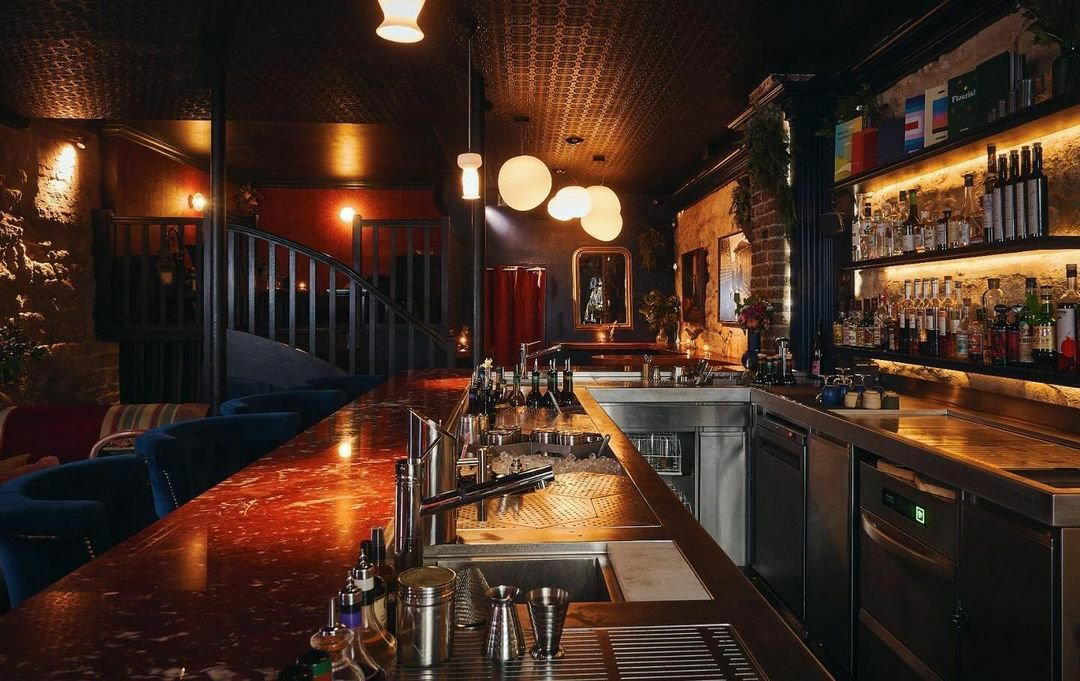
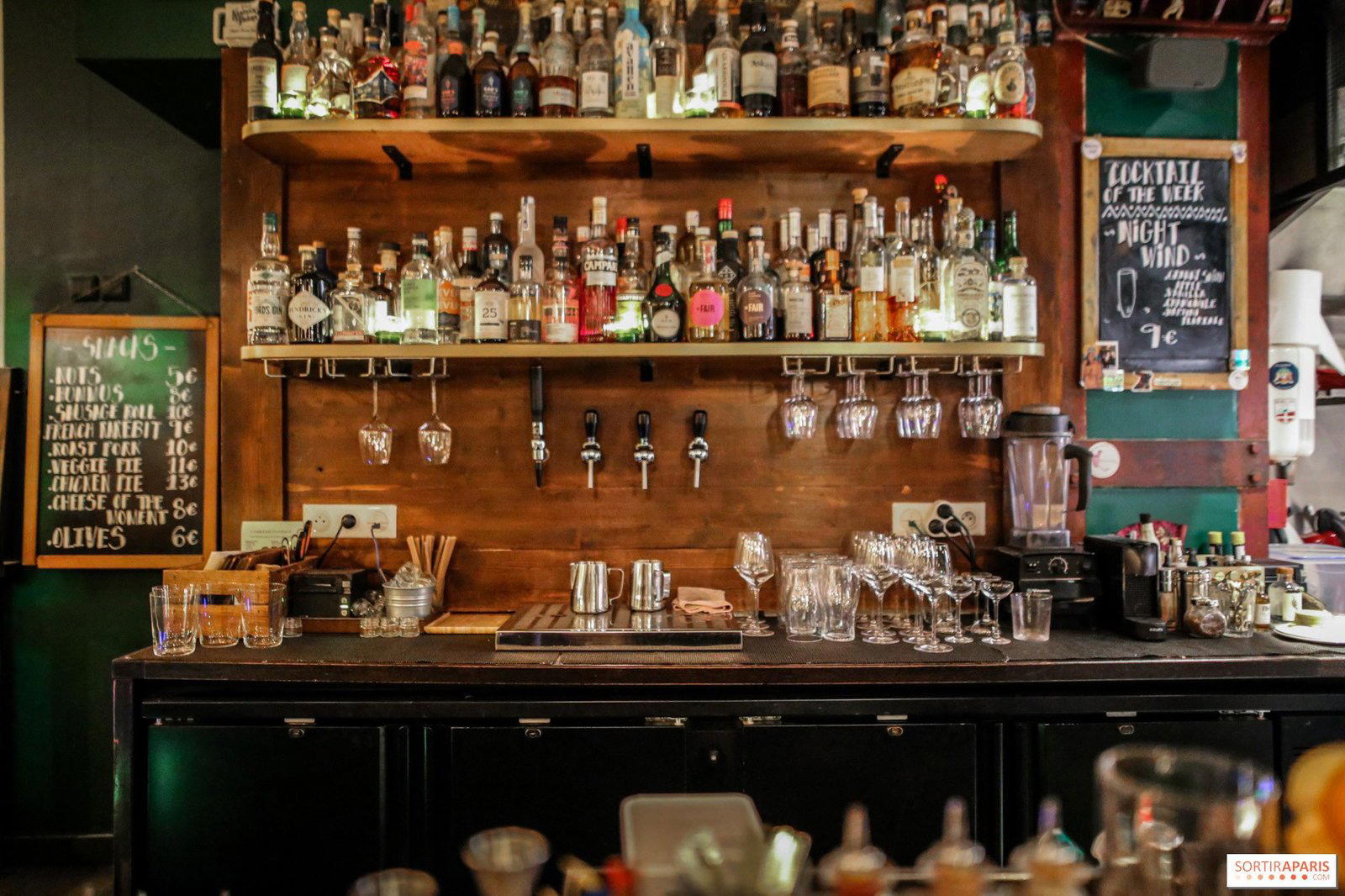
Approaching Rue Victor Letalle from the Ménilmontant side, the street reads as transitional: social housing blocks giving way to smaller residential buildings, a few neighbourhood shops, and the bar itself occupying a corner position that gives it visibility from two directions. Corner bars in Paris carry a particular social function; they become de facto meeting points for the surrounding blocks, and the bar has that quality. The interior layout is modest in finish, with a casual room suited to standing at the bar.
Paris's eastern bars that survive a decade tend to do so by being genuinely useful to the neighbourhood, not by positioning themselves as destinations that require a special trip. That said, they do attract the special trip once editorial attention arrives.
Placing It in the Wider French Bar Context
The neighbourhood-bar format that bar represents appears across French cities with variations shaped by local culture. In Strasbourg, Au Brasseur anchors a different kind of local drinking tradition centred on the brasserie format. In Lyon, La Maison M. and the city's broader bar culture reflect a more wine-forward orientation. In Toulouse, Coté vin operates in a similar hybrid territory between wine bar and neighbourhood anchor. In Bordeaux, Bar Casa Bordeaux works the same edge between local identity and outside interest. Montpellier's Papa Doble and the southern coastal bar culture take a different shape again. What connects them is the ambition to serve a real place rather than a concept, and the bar belongs to that category more than it belongs to the Paris craft-destination tier.
For readers exploring Paris more systematically, Bar Nouveau offers a useful comparison point within the city's more technically focused bar scene. Outside France entirely, the craft-neighbourhood-bar format has international parallels: Bar Leather Apron in Honolulu operates in a different climate and context but shares the instinct to serve a specific community rather than project outward.
Know Before You Go
| Address | 11 Rue Victor Letalle, 75020 Paris, France |
|---|---|
| Arrondissement | 20th (Ménilmontant / Belleville edge) |
| Booking | Walk-ins are the norm. |
| Getting There | Ménilmontant (line 2) is the nearest Métro station; Rue Victor Letalle is a short walk east |
| Ideal time to visit | Evening trade is the core session for Belleville-corridor bars; late afternoon on weekdays for a quieter read of the space |
| Price Range | About $15 per person. |
In Context: Similar Options
Comparable venues nearby, for context on price, style, and recognition.
| Venue | Cuisine | Price | Notes |
|---|---|---|---|
| Les Trois 8This venue — the venue you are viewing | beer_bar | $$ | Not listed |
| La Mano | lounge | $$ | Faubourg Montmartre |
| Artisan | cocktail_bar | $$ | South Pigalle |
| L'entrée des artistes | cocktail_bar | $$ | Pigalle |
| Huitrerie Régis | wine_bar | $$ | Saint-Germain-des-Prés |
| LQV Le Quinze Vins Paris | wine_bar | $$ | Gaillon |
Continue exploring
More in Paris
Bars in Paris
Browse all →
Restaurants in Paris
Browse all →
Hotels in Paris
Browse all →
At a Glance
- Cozy
- Trendy
- Industrial
- Casual Hangout
- After Work
- Counter Only
- Craft Beer
Dark brick walls, eclectic art, and consistent punk music rotation creating a local, punk-inspired atmosphere.