One of Paris's oldest surviving cinemas, Studio 28 has operated in Montmartre since 1928, screening art-house and independent films in a room that still carries the weight of its surrealist past. The experience sits somewhere between neighbourhood cinema and cultural institution, with a bar that extends the evening before and after screenings. A Montmartre fixture for anyone serious about Paris cinema culture.
Pearl is the En Primeur Club membership app — saves, bookings, and concierge access live there. Same editors, same standards.
- Address
- 10 Rue Tholozé, 75018 Paris, France
- Phone
- +33 1 46 06 47 45
- Website
- cinema-studio28.fr
- Directions
- Get directions
 Saves & bookings on Pearl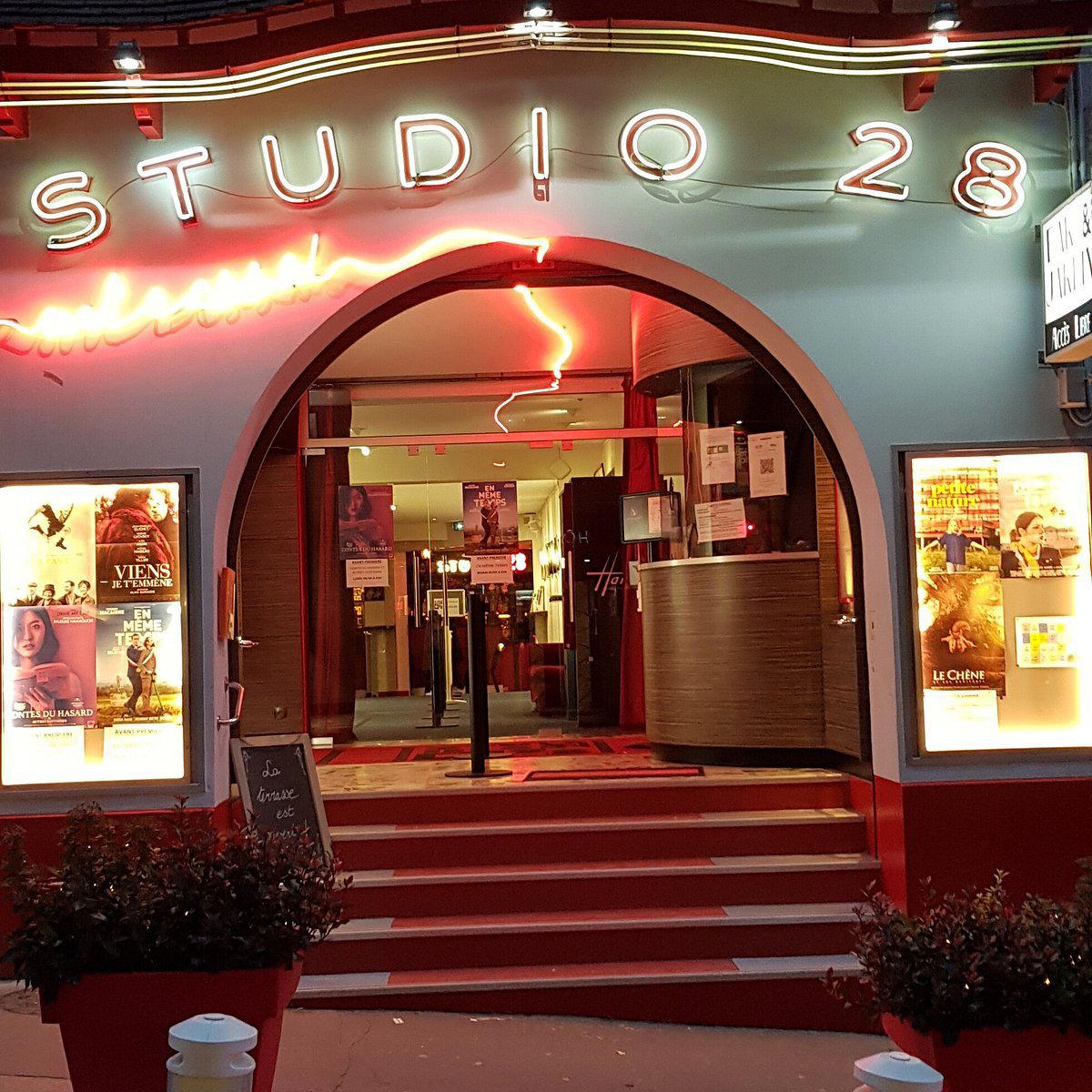
A Room That Holds Its History
Cinéma Studio 28 is a bar and art-house cinema in Paris's 18th arrondissement, at 10 Rue Tholozé, with, walk-in-friendly setup. Rue Tholozé climbs steeply through the 18th arrondissement, the kind of Montmartre street where the incline forces you to slow down and pay attention to what surrounds you. At number 10, the facade of Studio 28 announces itself with a restraint that feels deliberate: a simple marquee, worn lettering, no attempt at spectacle. The effect, once you step inside, is a form of displacement. The interior belongs to a Paris that predates multiplexes, stadium seating, and digital projection upgrades installed primarily for superhero franchises. The ceiling is low, the seating is close, and the bar adjacent to the screening room operates as though the drinks are the proper beginning of the evening rather than a concession to commerce.
Paris cinema culture occupies a specific stratum of the city's cultural life. The French critical tradition, the politique des auteurs, the reverence for directors as primary creative voices: these ideas were not born in the grandes salles along the Champs-Élysées. They were shaped, in part, in rooms like this one. Studio 28 has been part of Montmartre's cinema life since 1928. Jean Cocteau contributed decorative elements to the auditorium, the lampshades in the room bear his designs, a detail that places the venue inside a specific moment in Parisian cultural history when surrealism and cinema moved in the same social circles.
The Atmosphere as the Argument
What cinema-going in Paris still does, which many cities no longer manage, is treat the act of watching a film as a social and sensory occasion with weight at both ends. You arrive early enough for a drink. You stay afterward because the bar is there and the conversation demands it. Studio 28 operates on that rhythm. The bar space carries the aesthetic of the cinema itself: dark, lived-in, furnished without the aspirational neutrality of a venue trying to attract every possible demographic. The room has a point of view, and it holds it consistently.
Among Paris's independent cinemas, Studio 28 occupies a particular position in Montmartre specifically. The 18th arrondissement has historically been the kind of neighbourhood where artistic identity is embedded in the streets rather than performed for visitors, and the cinema functions accordingly. It screens art-house programming, retrospectives, and independent releases rather than chasing the wide-release commercial calendar. The audience it draws reflects that programming choice: people who chose Montmartre for the evening specifically, not people who happened to walk past and checked the listings on their phones.
For those coming from elsewhere in the city, the 18th is a deliberate journey. The Abbesses metro stop is within reasonable walking distance on Rue Tholozé, but the neighbourhood rewards arriving slightly early and covering some ground on foot first. The streets around Place des Abbesses and up toward the cinema have a density of small bars and restaurants that makes the pre-film hour genuinely useful. Paris's independent cinema circuit tends to cluster programming in the evenings, so mid-week screenings draw a more local crowd, while weekend slots attract a broader mix including visitors oriented toward the neighbourhood's cultural reputation.
Where Studio 28 Sits in the Paris Bar and Cinema Conversation
Paris's drinking culture and its cinema culture intersect more naturally here than in most cities. A number of the city's more considered bars operate in close proximity to cultural venues in a way that creates genuine evening circuits. Bar Nouveau and Danico represent the more technically driven end of Paris cocktail culture, while Candelaria has built a strong following around its mezcal and tequila program. Buddha Bar operates at an entirely different scale, with a format aimed at large groups and a high-volume atmosphere. None of these are in Montmartre, which is part of the point: Studio 28's bar has something those venues do not, which is a captive context. The film creates the conversation. The bar sustains it.
Outside Paris, France's bar scene has developed real depth in recent years. Papa Doble in Montpellier, Au Brasseur in Strasbourg, Bar Casa Bordeaux in Bordeaux, Coté vin in Toulouse, and La Maison M. in Lyon each anchor a distinct local drinking culture in their respective cities. Le Café de la Fontaine in La Turbie and Bar Leather Apron in Honolulu show how far the conversation around considered drinking now extends. But the Studio 28 bar belongs to a different category: it is not trying to be a destination bar. It is trying to be the right bar for this room, and in that narrower ambition, it succeeds on its own terms.
Planning the Visit
Studio 28 is a cinema first, and visiting it means engaging with its programme. Screenings are the entry point, and the bar wraps around that. For visitors to Paris spending time in the 18th arrondissement, the cinema fits naturally into an evening that might begin in the streets around Abbesses and continue after a late screening. The neighbourhood is at its most atmospheric in autumn and winter, when the tourist volume drops and the streets around Montmartre recover something closer to their daily character. Summer evenings can still work, particularly for later screenings, but the weeks between October and March offer a more direct encounter with the neighbourhood's year-round texture.
Questions Worth Asking Before You Go
What should I drink at Cinéma Studio 28?
The bar at Studio 28 aligns with the cinema's identity: unpretentious, French in orientation, and suited to a long conversation rather than a quick round. Wine by the glass is the sensible choice in a room like this, and the selection follows the logic of a neighbourhood bar with a literary sensibility. The drink is secondary to the film and the company it generates.
Why do people go to Cinéma Studio 28?
People go because it is one of the few places in Paris where the act of watching a film still carries the ceremony it once had across the city. The programming skews toward art-house and repertory titles, the room has genuine historical character, Jean Cocteau's lampshade designs remain in the auditorium, and the bar extends the evening in a way that a standard multiplex exit does not. For visitors who treat Paris's cultural life seriously, it represents the kind of experience the city is genuinely good at preserving.
Do they take walk-ins at Cinéma Studio 28?
Studio 28 is walk-in friendly, though popular screenings and retrospective events can sell through quickly. Checking the programme in advance and arriving early is the practical approach for any specific title you have in mind.
Is Studio 28 connected to any documented moment in film history?
Yes. In 1930, Studio 28 screened Luis Buñuel and Salvador Dalí's film L'Age d'Or, a surrealist work that provoked a riot in the auditorium and led to the cinema's temporary closure by authorities. The event is documented in accounts of both Buñuel's career and the history of surrealism in Paris. That single screening places Studio 28 inside a specific and verifiable chapter of European cinema history, which is part of why the room carries the weight it does for those who know it.
Peers in This Market
Comparable venues nearby, for context on price, style, and recognition.
| Venue | Cuisine | Price | Notes |
|---|---|---|---|
| Cinéma Studio 28This venue — the venue you are viewing | lounge | $$ | Not listed |
| Le Subliminal | lounge | $$ | 9ème arrondissement |
| La Fine Mousse | beer_bar | $$ | Oberkampf |
| Le Dépanneur Terrasse | cocktail_bar | $$ | Pigalle |
| Chez Prune | lounge | $$ | Canal Saint-Martin, 10th arrondissement |
| L'Avant Comptoir du Marché | wine_bar | $$ | Saint-Germain-des-Prés |
Continue exploring
More in Paris
Bars in Paris
Browse all →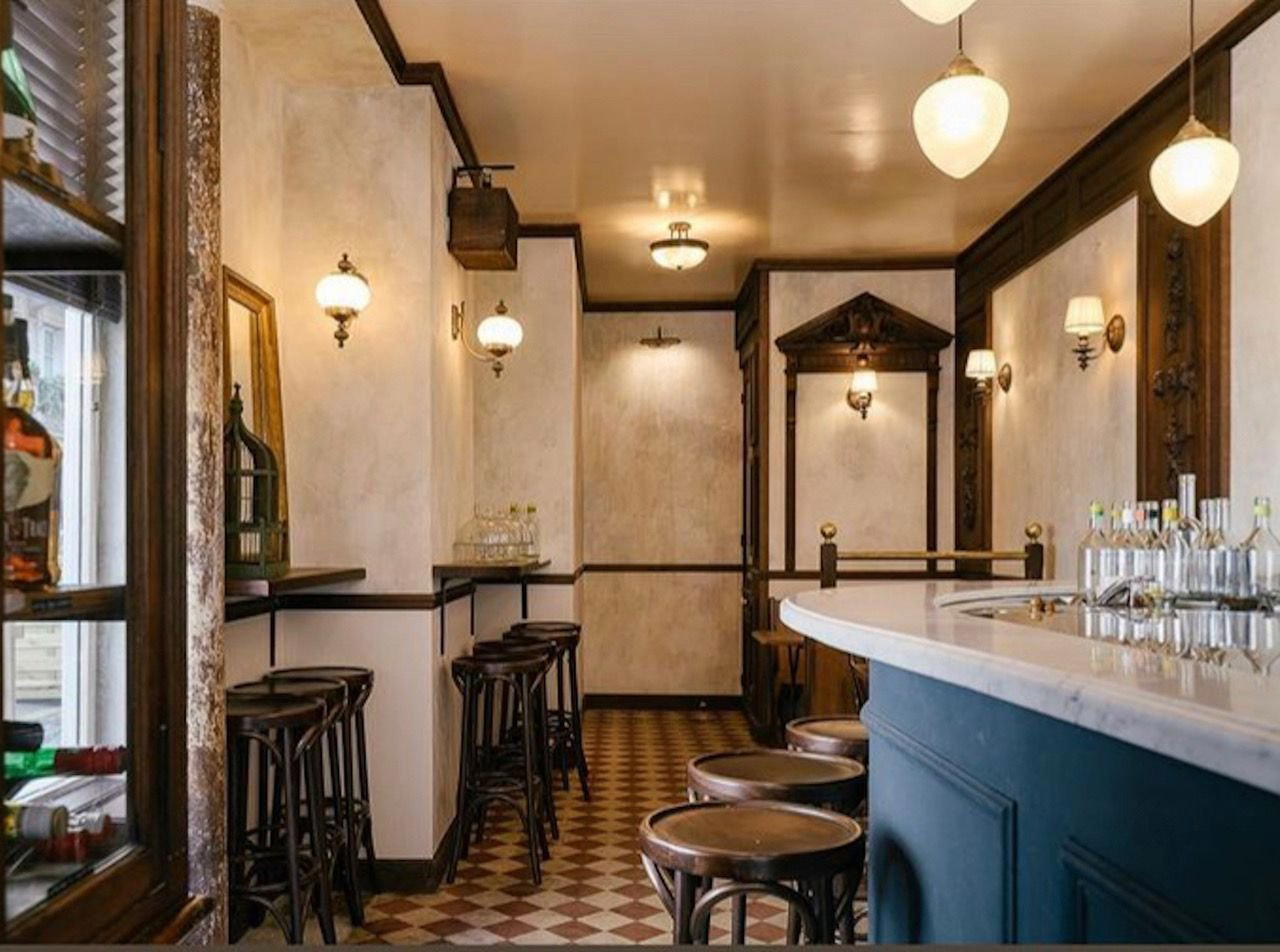

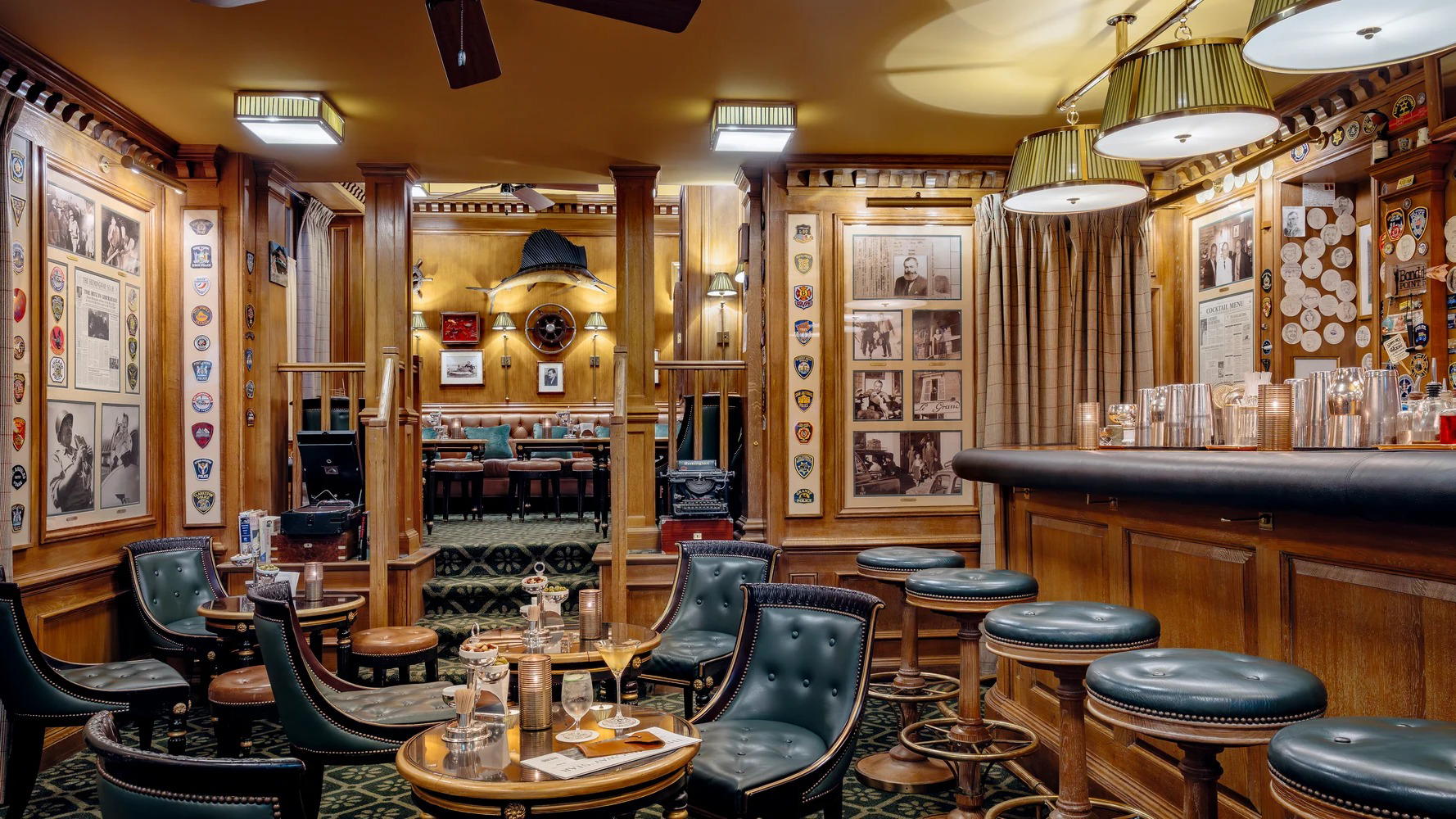
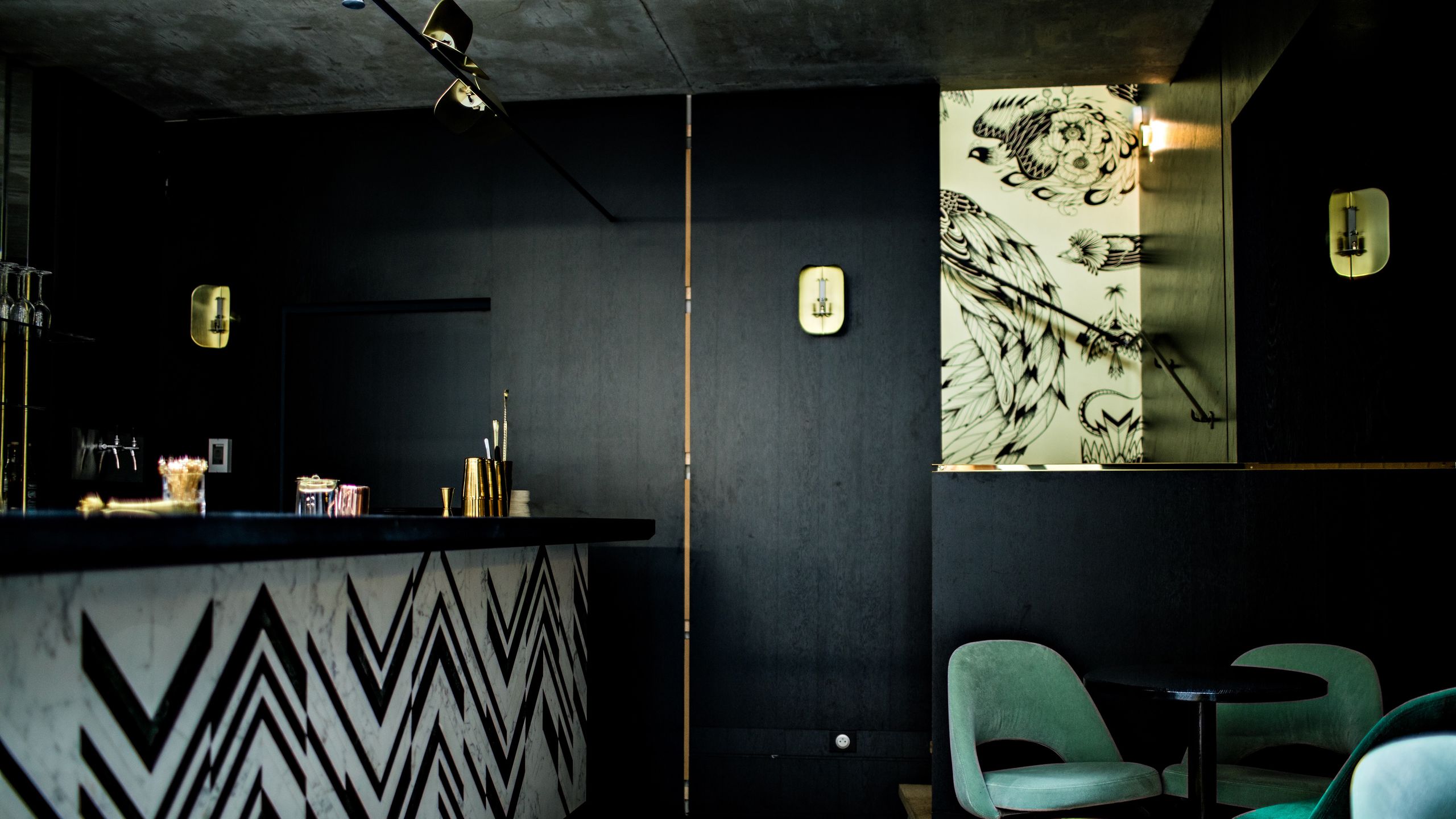
Restaurants in Paris
Browse all →
Hotels in Paris
Browse all →



At a Glance
- Well Known
- Classic
- Bohemian
- Intimate
- Cozy
- Casual Hangout
- After Work
- Group Outing
- Historic Building
- Garden
- Courtyard
- Standalone
- Outdoor Terrace
- Lounge Seating
- Conventional Wine
- Garden
- Street Scene
Plush screening room with baroque wall lights designed by Jean Cocteau featuring tentacle-like fixtures topped with Punchinello hat shades; intimate bar-garden with vintage charm and artistic heritage throughout.