La Loteria
La Loteria occupies a West Village address at 29 7th Avenue South with a name that signals the lottery-style serendipity long associated with New York's more personality-driven bars. Among the neighbourhood's cocktail options, it occupies a distinct position in the conversation between Mexican-inflected drinking culture and Greenwich Village's tradition of intimate, ritually paced bars.
- Address
- 29 7th Ave S, New York, NY 10014
- Phone
- +1 212 858 9096
- Directions
- Get directions
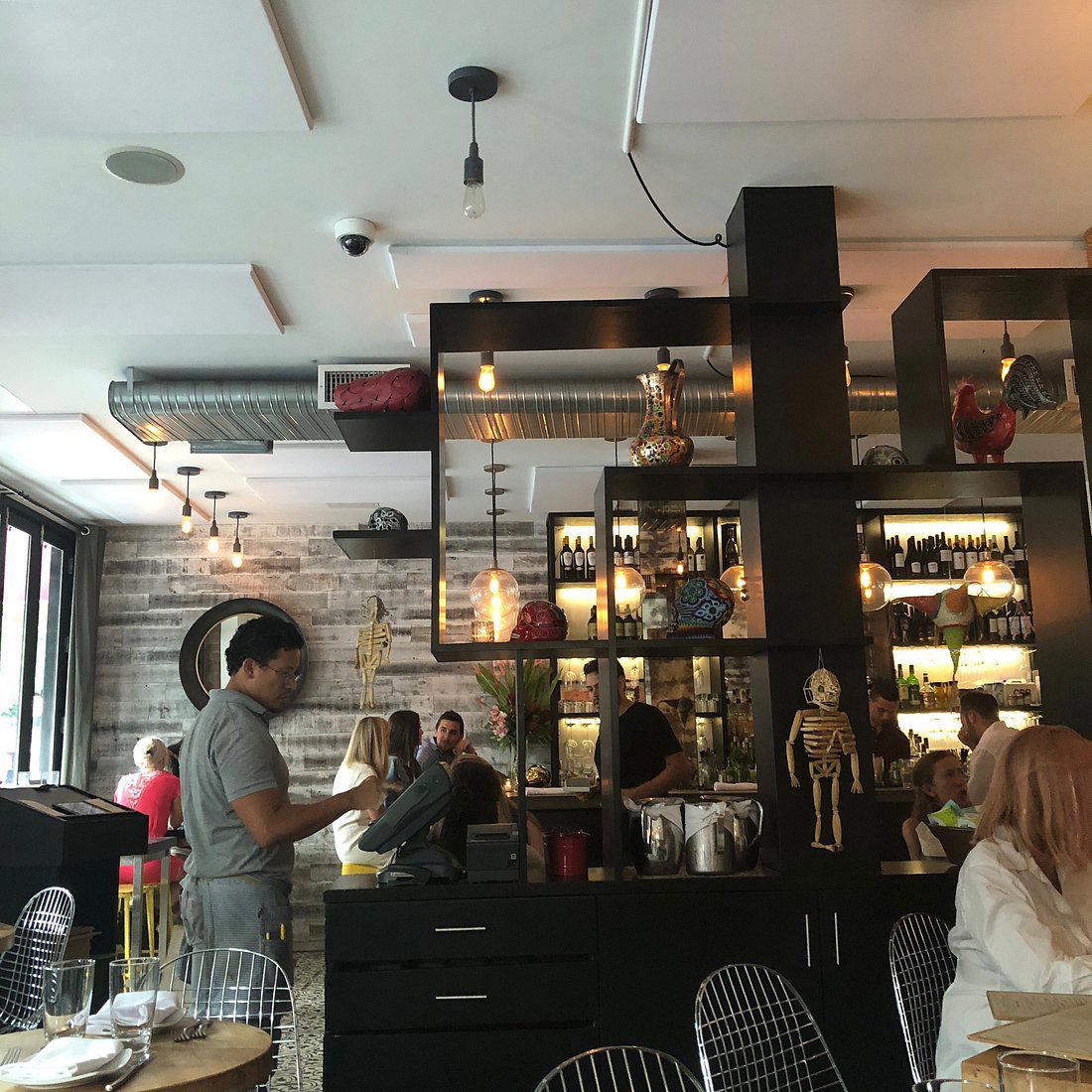
West Village and the Grammar of the Evening Drink
The West Village has operated as one of New York's most stable corridors for drinking rituals since well before craft cocktails became a category. The neighbourhood's low-rise streetscape, compressed bar footprints, and proximity to the Hudson encouraged a particular format: intimate rooms, deliberate pacing, and a sense that the evening has a shape worth following. La Loteria, at 29 7th Avenue South, sits within that tradition at an address that places it among a dense cluster of bars where the question is rarely whether to stay for another round, but how long the night should run.
The name itself carries a reference load. In Mexican popular culture, La Loteria is the card game played at family gatherings, a system of images and chance that rewards familiarity with the deck. Translating that register into a West Village bar creates an expectation: the ritual of the game, applied to the ritual of the drink. That tension between inherited custom and downtown Manhattan context is the most interesting thing about the address before you even consider what's in the glass.
How the West Village Structures an Evening
Context matters here. The West Village bar scene has historically split into two camps: the theatrically hidden, which peaked with the speakeasy revival of the early 2010s, and the quietly authoritative, which favours transparency, neighbourhood regulars, and menus with editorial point of view. Attaboy NYC and Amor y Amargo each represent different poles of that second camp: the former built around the guest's stated preference, the latter around a rigorous aperitivo and amaro logic that effectively trains the drinker over repeated visits. Angel's Share in the East Village offers a third reference point, where the format is Japanese precision applied to cocktail service, quiet by policy rather than by accident.
La Loteria's position is shaped by that competitive set. A bar operating under a Mexican cultural reference in this neighbourhood is not working with a thin playbook. Mexican spirits, particularly mezcal and tequila, have moved from novelty category to program anchor at serious bars across New York over the past decade. Superbueno, with its agave-forward format and deliberate approach to spirits from Oaxaca and Jalisco, helped establish that a bar built around Mexican drinking culture could sustain a technically serious program in New York without compromise. La Loteria works adjacent to that conversation.
The Ritual of the Drink: Pacing and Etiquette
What separates bars that attract one visit from those that generate regulars is usually ritual, the sense that the room has a logic, that the staff know what the evening is supposed to feel like, and that the guest is being guided through something rather than simply served. Mexican drinking traditions carry their own ritual vocabulary: the slow work of a mezcal neat, the communal format of shared rounds, the way food and drink interweave more naturally than in a standard American bar context.
Across the broader New York bar scene, this approach has found its clearest expression in places where the menu is sequenced rather than encyclopaedic, where the opening drink is different in register from the third, and where the bar team makes active recommendations rather than standing back. Bars that do this well, including Kumiko in Chicago with its Japanese-inflected progression, or Jewel of the South in New Orleans with its historically grounded format, have shown that a clear point of view about the arc of an evening is itself a form of hospitality. The question La Loteria poses is whether it applies that same editorial discipline to its Mexican-inflected format.
For a bar anchored in a West Village address, the practical shape of a visit tends to follow the neighbourhood's own rhythms. The area draws an early-evening crowd from the surrounding residential blocks before a later shift of guests arriving from further afield. The 7th Avenue South location puts the bar within walking range of several competing rooms, which makes the case for staying put more important than at a destination bar in a less saturated area.
Mexican Spirits and the New York Cocktail Conversation
The broader category context is worth holding alongside any specific venue. Mezcal's rise in American cocktail programs tracked alongside an increased critical attention to terroir in spirits, the idea that where an agave grows, how it is harvested, and who distills it produces meaningful variation in the glass. That conversation has moved well past novelty. Bars in cities as different as San Francisco's ABV, Honolulu's Bar Leather Apron, and Washington D.C.'s Allegory have integrated agave spirits into programs that reward multiple visits and reward guests who ask questions. Julep in Houston offers a complementary reference: a bar built around a specific regional tradition, whiskey, that uses that focus to create a coherent point of view rather than a comprehensive spirits list.
La Loteria operates in that same register of focused identity. A name drawn from Mexican lottery culture implies a commitment to source material rather than a casual appropriation of aesthetic. Whether the menu delivers that commitment in the glass is the test any serious bar built around cultural reference has to pass. For the internationally minded drinker comparing programs across cities, see our full New York City restaurants and bars guide and also consider The Parlour in Frankfurt on the Main as a European point of comparison for bars that build an evening's arc from a defined cultural framework.
Planning a Visit
La Loteria is located at 29 7th Avenue South in the West Village, within a few blocks of Christopher Street and the broader Greenwich Village grid. The West Village's compact format means parking is difficult and unnecessary; the 1 train to Christopher Street or the A/C/E to 14th Street both leave a short walk. Given the neighbourhood's density of options and the bar's position among them, arriving early in the evening allows for the kind of deliberate, paced visit the format rewards.
Continue exploring
More in New York City
Bars in New York City
Browse all →
Restaurants in New York City
Browse all →
Hotels in New York City
Browse all →





At a Glance
- Casual Hangout
- Seated Bar
Inviting atmosphere with lively Mexican cuisine and full bar service.
Know Before You Go
- Getting there
- 29 7th Ave S, New York, NY 10014