La Doña Mezcaleria
La Doña Mezcaleria on East Louisiana Avenue brings the agave-forward drinking culture of Oaxaca and central Mexico to Denver's South Broadway corridor. The mezcaleria format places the spirit itself at the center of the experience, with cocktails built around smoke, terroir, and traditional production methods. For Denver drinkers who want depth over novelty, it occupies a specific and serious niche in the city's bar scene.
Pearl is the En Primeur Club membership app — saves, bookings, and concierge access live there. Same editors, same standards.
- Address
- 13 E Louisiana Ave, Denver, CO 80210
- Phone
- +1 303 778 1294
- Website
- xn--ladoamezcaleria-1qb.com
- Directions
- Get directions
 Saves & bookings on Pearl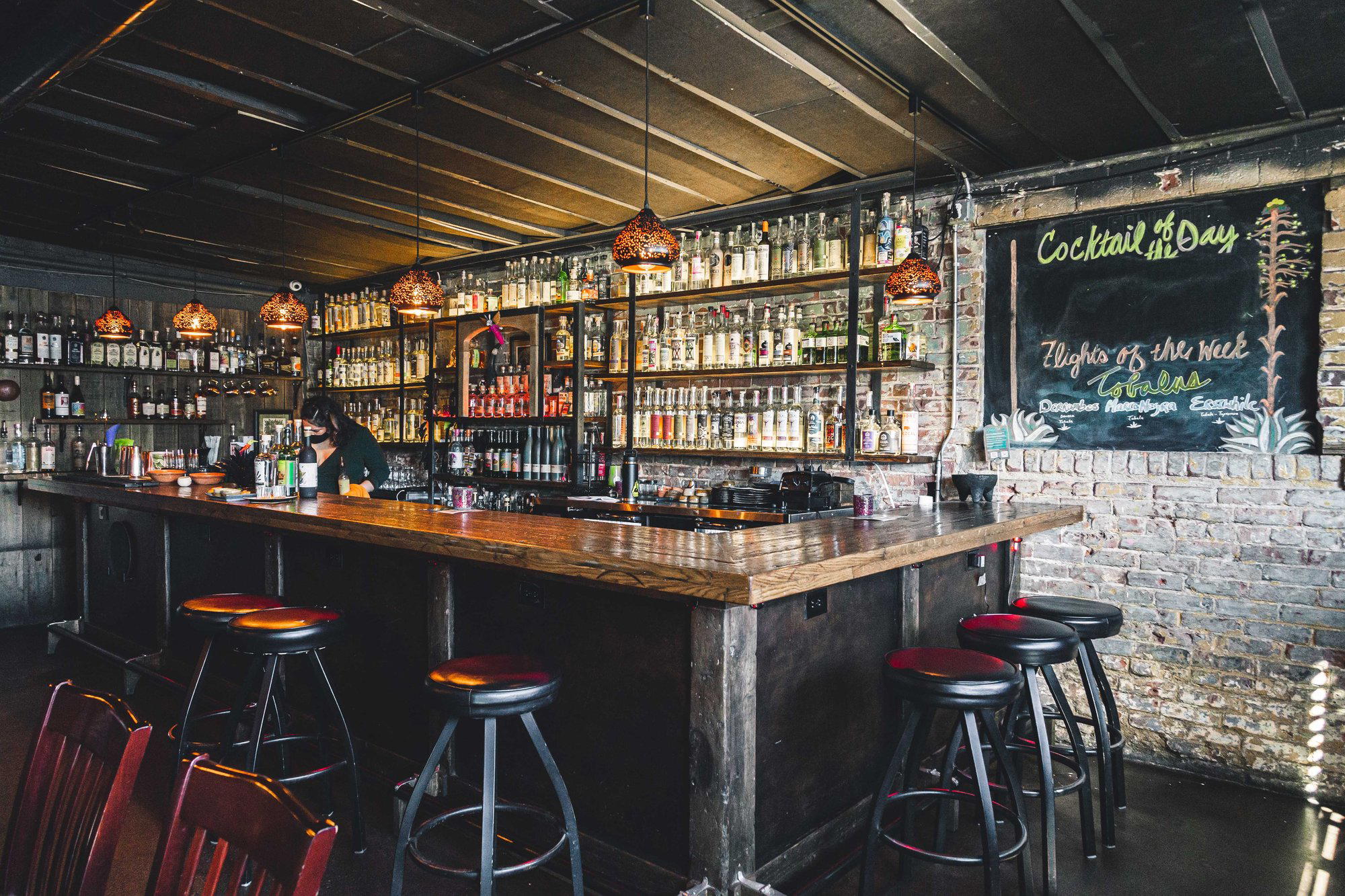
Agave Culture Comes to South Broadway
Denver's bar scene has developed genuine range over the past decade, moving from craft-beer dominance into a more textured drinking culture that now includes serious cocktail programs, spirits-led formats, and category specialists. La Doña Mezcaleria, at 13 East Louisiana Avenue, sits in the specialist tier of that evolution. The address puts it in the South Broadway corridor, a stretch that rewards the kind of bar-hopper who moves by interest rather than proximity, mixing between dedicated cocktail rooms and neighborhood anchors without the self-conscious scene-making of the RiNo district.
The mezcaleria format itself carries cultural weight that predates any single venue. Mezcal, unlike tequila's tightly regulated and largely industrialized production, spans dozens of agave species, multiple Mexican states, and production traditions that vary by village, producer, and season. A bar organized around mezcal is implicitly organized around that complexity. It's a different proposition from a bar that stocks mezcal among many spirits: the selection, the staff knowledge, and the cocktail architecture all have to follow the spirit's logic rather than a generic cocktail menu's logic.
What the Mezcaleria Format Means in Practice
The mezcaleria tradition has a strong precedent in Mexico City, Oaxaca City, and increasingly in American cities with deep Mexican-American communities. In cities like New York, Chicago, and Houston, bars built specifically around agave spirits have carved out a recognizable identity within the broader cocktail bar category. Superbueno in New York City represents one version of this shift, using Mexican spirits and flavors as the organizing principle of a full program. Julep in Houston demonstrates how a spirits-specialist format can anchor itself to a specific regional tradition without becoming a museum piece.
What these programs share is a commitment to education as a byproduct of the experience, not as a sales pitch. Drinkers at mezcalerias tend to encounter spirits they won't find at general cocktail bars: ensambles (blends of multiple agave varieties), batch-limited releases from small Oaxacan producers, tobala or cuishe expressions that showcase how radically agave character can shift by species. The conversation around what's in the glass is built into the format.
Denver's drinking culture has been receptive to this kind of specificity. The city's cocktail scene has moved steadily toward programs with a defined point of view. Williams & Graham built its reputation on a prohibition-era speakeasy format with genuine depth of spirit selection. Death & Co (Denver) brought a New York cocktail program's technical rigor to the market. La Doña fits a different but equally coherent niche: category specialist, with cultural specificity as the framework.
The Cultural Roots of Mezcal and Why They Matter Here
Mezcal's production history is tied to pre-Columbian traditions of roasting agave hearts (piñas) in earthen pits, a process that survives largely unchanged in Oaxacan villages like San Baltazar Chichicapam or Santiago Matatlán. The smoke that characterizes many mezcals is a direct byproduct of that process, not an additive or a stylistic choice. This means that when you taste smoke in a mezcal, you're tasting the intersection of volcanic soil, native yeast fermentation, and centuries-old pit-roasting technique in a specific geography.
This is a meaningfully different story than most spirits can tell, and a mezcaleria organized around communicating that story gives drinkers access to something that a generalist cocktail bar, however skilled, cannot replicate. The selection available at a well-curated mezcaleria reflects ongoing relationships with producers, an understanding of what's being made in each harvest cycle, and a curatorial judgment about which expressions tell the most coherent story. For comparison, Kumiko in Chicago applies a similar curation logic to Japanese whisky and spirits, where the selection itself is the editorial statement.
Colorado's Mexican-American population provides a natural audience for this kind of operation, and Denver's broader food-and-drink culture has grown sophisticated enough to support it beyond that base. The mezcaleria format works because it has cultural authenticity on one side and craft-spirits enthusiasm on the other, and in Denver in 2024, both of those audiences are real and overlapping.
Denver now has a developed enough cocktail bar scene that new openings need to differentiate clearly to find their footing. The agave-specialist position is one that remains undercrowded relative to demand. General cocktail programs like Ace Eat Serve and Yacht Club bring distinct personalities to Denver's drinking culture without organizing around a single spirit category. La Doña's mezcaleria identity puts it in a different competitive conversation, closer in spirit to agave-focused programs in other American cities than to its Denver neighbors.
Comparisons are useful here. Bar Leather Apron in Honolulu demonstrates how a small-format specialist bar can develop genuine authority through selection depth and program consistency. Jewel of the South in New Orleans shows how a historically-rooted spirits culture can be honored without being frozen in amber. ABV in San Francisco is another reference point for how a cocktail bar can build authority through curation rather than scale. The Parlour in Frankfurt illustrates that this kind of specialist approach travels across markets. The thread connecting all of them is a program built around a specific drinking culture rather than a general menu of popular formats.
Planning Your Visit
La Doña Mezcaleria is located at 13 East Louisiana Avenue, in the South Broadway stretch of Denver. The South Broadway corridor is accessible by car with street parking on surrounding blocks, and it sits near the Broadway light rail corridor for those arriving from the city center or the southern suburbs. For those building a broader Denver evening, our full Denver restaurants and bars guide maps the city's drinking culture across neighborhoods and formats.
Budget Reality Check
| Venue | Price |
|---|---|
| La Doña MezcaleriaThis venue — the venue you are viewing | This venue |
| Death & Co (Denver) | World's 50 Best |
| Williams & Graham | World's 50 Best |
| Yacht Club | World's 50 Best |
| Vaultaire | French-inspired small plates |
| Keepers Cocktail Lounge | Cocktail lounge, small plates |
Continue exploring
More in Denver
Bars in Denver
Browse all →
Restaurants in Denver
Browse all →
Hotels in Denver
Browse all →
At a Glance
- Lively
- Rustic
- Bohemian
- Group Outing
- Celebration
- Casual Hangout
- Special Occasion
- Live Music
- Standalone
- Terrace
- Seated Bar
- Lounge Seating
- Outdoor Terrace
- Booth Seating
- Mezcal
- Tequila
- Craft Cocktails
- Classic Cocktails
Current opening hours
- Monday
- Closed
- Tuesday
- 4–9 PM
- Wednesday
- 4–9 PM
- Thursday
- 4–9 PM
- Friday
- 4–10 PM
- Saturday
- 4–10 PM
- Sunday
- Closed
Hours can change for holidays and private events. Last verified .
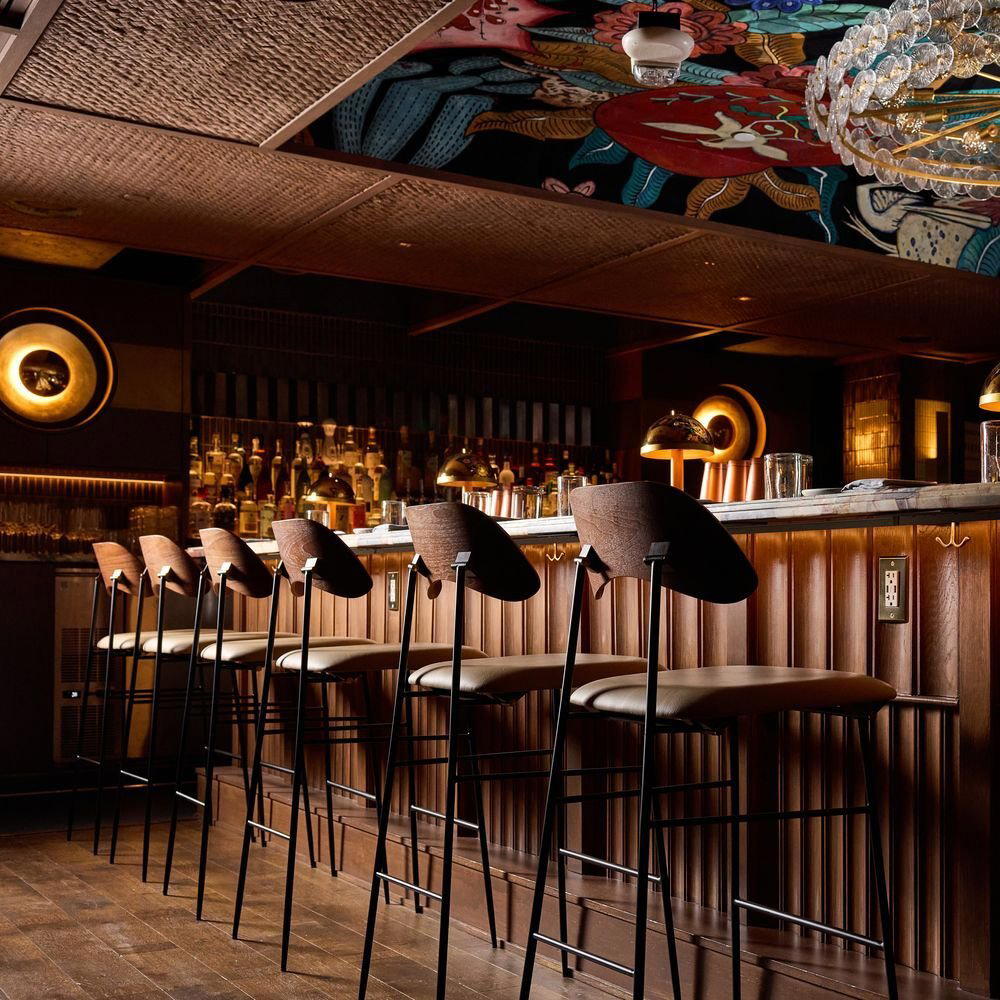
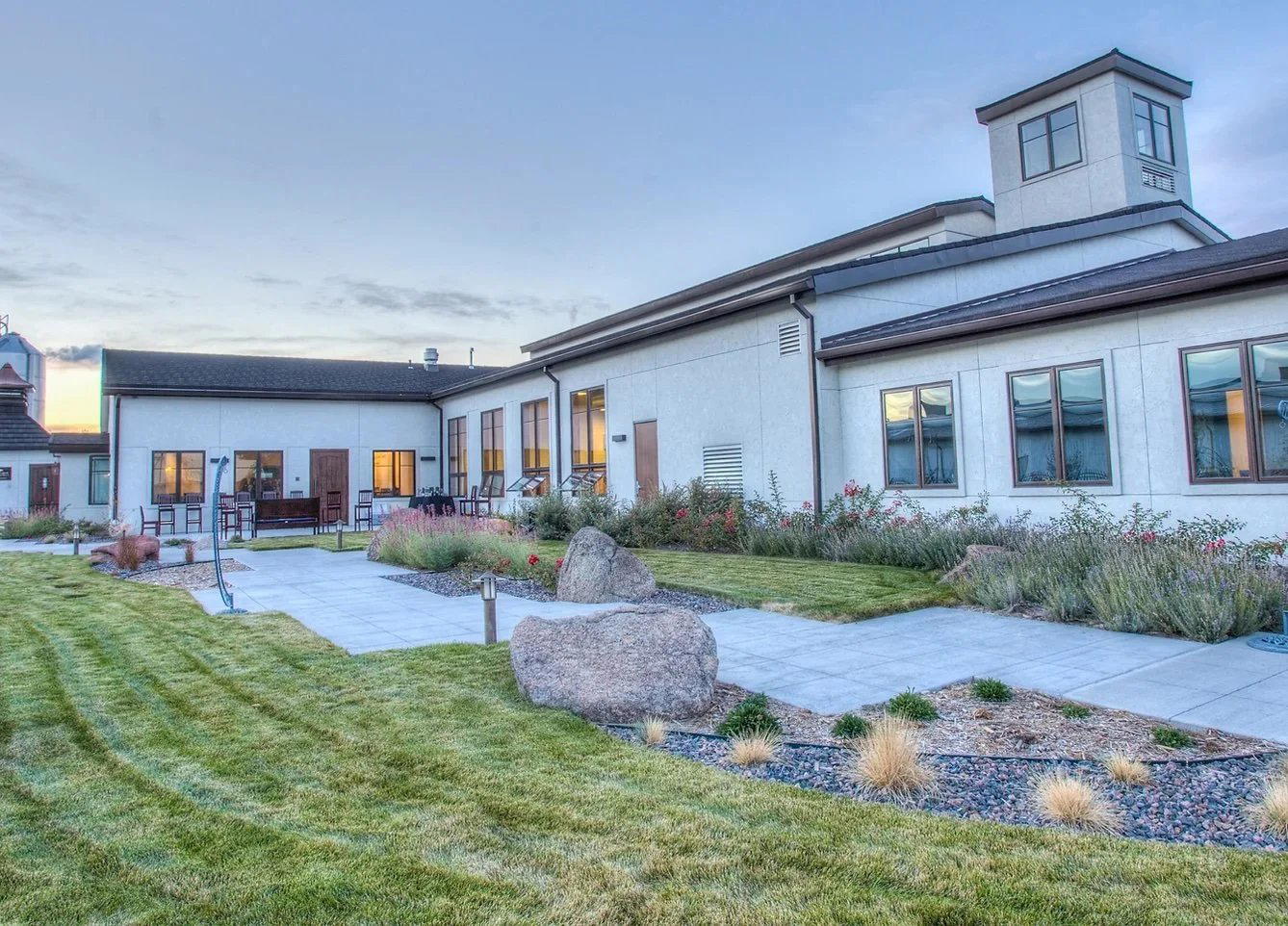
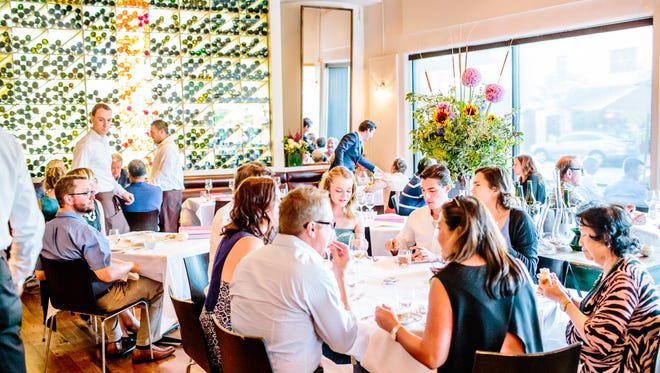
Colorful decor with lively atmosphere and traditional Mexican music, featuring both patio and cozy indoor seating.
Know Before You Go
- Getting there
- 13 E Louisiana Ave, Denver, CO 80210