Kyoto Japanese Restaurant
Kyoto Japanese Restaurant on Salt Lake City's east side occupies a corner of the city's Japanese dining scene that sits apart from the downtown restaurant corridor. Positioned among a small cohort of Japanese-concept independents in Utah, it draws regulars from the Sugarhouse and Avenues neighborhoods looking for a Japanese format outside the sushi-conveyor mainstream.
 Discover on Pearl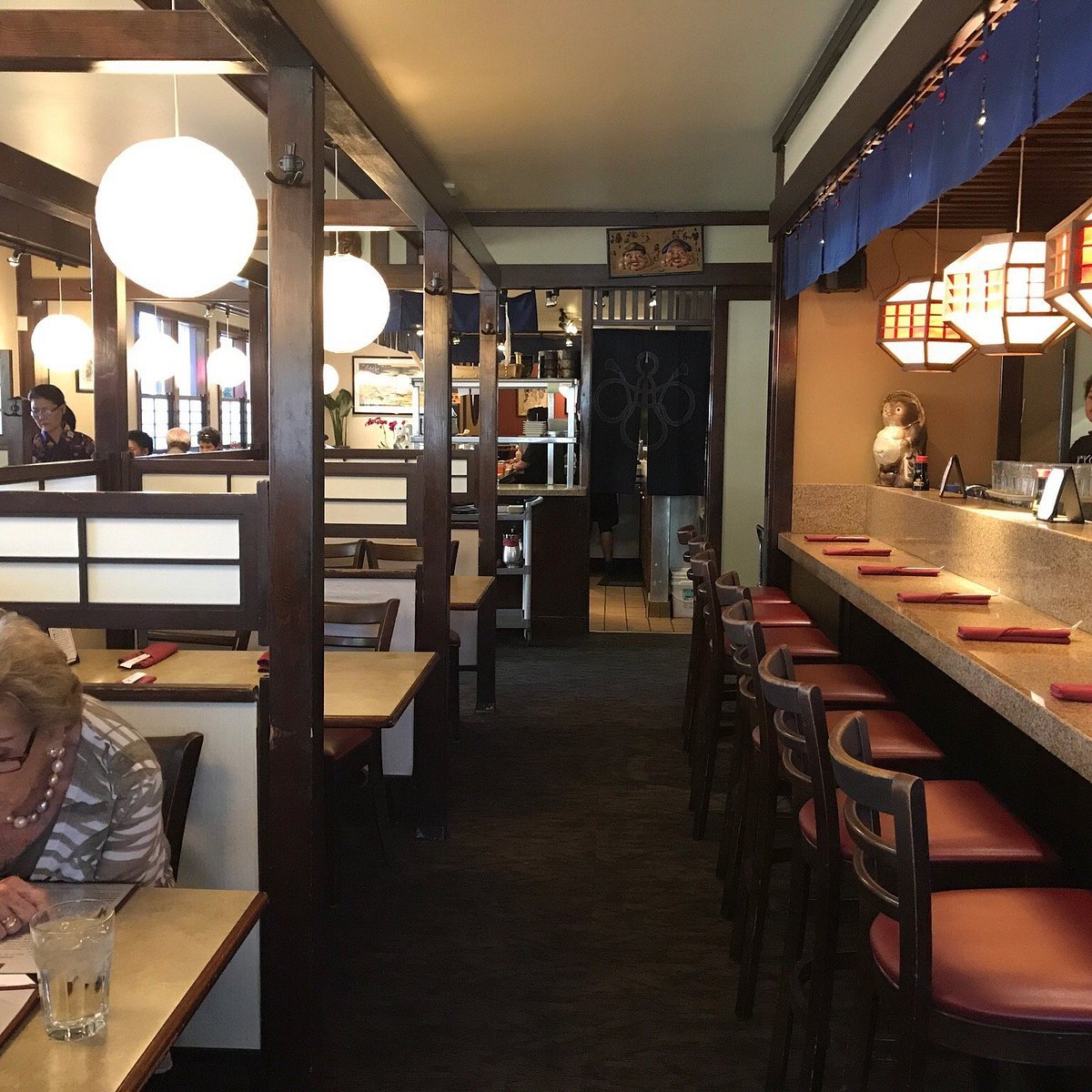
Japanese Dining in Salt Lake City: Where Kyoto Sits in the Picture
Salt Lake City's Japanese restaurant category has grown more layered over the past decade, moving beyond the teriyaki-and-tempura shorthand that defined the format here for much of the 1990s and 2000s. The east side, particularly the stretch running through Sugarhouse and the blocks south of the University of Utah, now carries a small but coherent cluster of Japanese-influenced independents. Kyoto Japanese Restaurant, at 1080 E 1300 S, sits in that zone, occupying a position that locals have returned to consistently enough to make it a fixture of the neighborhood's dining rhythm. For context on the broader Salt Lake City scene, see our full Salt Lake City restaurants guide.
The address places it within walking distance of residential blocks rather than the commercial density of downtown, which shapes the atmosphere before you even step inside. Japanese restaurants that operate at this kind of neighborhood remove tend to develop a regulars-first culture over time, where the room reads less as a curated dining event and more as a reliable weekly option. That dynamic is distinct from what you find at the more theatrical Japanese concepts clustering around downtown.
The Atmosphere: A Neighborhood Register
The physical context of a Japanese restaurant on a quiet Salt Lake City residential block carries its own kind of discipline. Absent the foot traffic pressure of a downtown corridor, the room tends toward a quieter register, where conversation carries easily and the pace is set by the table rather than the turn. Japanese dining formats that operate in this key, from soba counters in Tokyo's outer wards to ramen shops in suburban Osaka, often develop their most loyal followings precisely because they don't perform. The meal is the point.
Kyoto Japanese Restaurant fits the pattern common to Japanese independents in mid-sized American cities that have been operating long enough to accumulate neighborhood trust: the décor is likely understated rather than theatrical, the lighting functional rather than designed, and the experience shaped more by consistency than by novelty. That profile contrasts with the more concept-forward Japanese venues emerging in cities like Chicago, where Kumiko has drawn sustained recognition for its Japanese-inflected bar program, or in New York, where Superbueno demonstrates how focused programming in a compact space can build a distinct identity.
Ethical Sourcing and the Japanese Kitchen Tradition
Japanese cuisine carries one of the most deeply embedded relationships between cooking and sustainability of any culinary tradition in the world. The kaiseki framework, with its seasonal rotation of ingredients and strict attention to what is available rather than what is convenient, is essentially a codified version of what Western restaurants now market as farm-to-table. The mottainai concept, a Japanese term expressing regret over waste, has shaped professional kitchens in Japan for generations, producing techniques like dashi-making that extract maximum flavor from ingredients before discarding them, and knife work precise enough to reduce trim waste to near zero.
Japanese restaurants in American cities inherit that tradition to varying degrees. The most rigorous operations, whether high-ticket omakase counters or neighborhood soba shops, tend to source fish with attention to seasonal availability and work with distributors who can speak to provenance. In landlocked cities like Salt Lake City, the sourcing question becomes more pointed: the distance from major fishing ports means that quality Japanese fish programs depend entirely on the reliability of the distribution chain, and the restaurants that sustain reputation over years are typically those that have built consistent supplier relationships rather than chasing the cheapest available product.
Kyoto Japanese Restaurant's east-side location and apparent longevity in the neighborhood suggests the kind of operation that has worked through those sourcing questions over time, building the supplier relationships that allow a kitchen to maintain consistency in a state not known for proximity to Pacific fish markets. That kind of infrastructure is less visible than a signed menu or a sustainability certification, but it is ultimately what determines whether a Japanese kitchen can deliver the quality it implies.
Salt Lake City's Broader Japanese Dining Context
The comparison venues that frame Kyoto's position in Salt Lake City include Ozora Izakaya and From Scratch, both of which point toward a market that has developed enough appetite for Japanese-adjacent formats to support more than a single interpretation. The izakaya format in particular, with its emphasis on shared plates, grilled skewers, and drinking alongside eating, has become one of the more durable Japanese imports into American casual dining precisely because it accommodates the way Americans already prefer to eat out: communally, across multiple courses, without the formality of a set menu.
For drinks alongside your meal, Salt Lake City's bar scene has its own points of interest. Bar Nohm operates with a Southeast Asian-influenced cocktail program that pairs well with the region's Asian dining options. Avenues Proper runs a house-fermentation program that reflects the kind of process-driven bar thinking now common in cities with more established cocktail cultures, comparable in spirit if not in scale to what ABV in San Francisco or Jewel of the South in New Orleans have built. Aker Restaurant and Lounge and Beer Bar round out the options for those who want to extend an evening after dinner on the east side.
Beyond Salt Lake City, the Japanese-influenced bar format has developed serious depth in other American cities. Bar Leather Apron in Honolulu has become a reference point for Japanese whisky-led programs, and Julep in Houston shows how a focused concept can build national recognition from a regional base. The Parlour in Frankfurt demonstrates the same principle across the Atlantic. The point in each case is that a clearly defined format, executed consistently, matters more than scale or spectacle.
Planning Your Visit
Kyoto Japanese Restaurant sits at 1080 E 1300 S in Salt Lake City's Sugarhouse-adjacent east side, accessible by car with street parking typical of residential Salt Lake City blocks, and reachable by the TRAX light rail network for those coming from downtown. Given the venue's neighborhood positioning and the regulars-first culture that tends to develop in Japanese restaurants of this type, visiting on a weekday evening or arriving early on weekends is likely to offer a quieter experience than a Friday prime-time slot. Specific hours, pricing, and booking details are leading confirmed directly with the restaurant before arrival, as this type of independent Japanese operation often maintains flexible seasonal hours.
Frequently Asked Questions
The Essentials
A compact comparison to help you place this venue among nearby peers.
| Venue | Notes | Price |
|---|---|---|
| Kyoto Japanese Restaurant | This venue | |
| From Scratch | ||
| Ozora Izakaya | ||
| Aker Restaurant & Lounge | ||
| Avenues Proper | ||
| Bar Nohm |
Need a Table?
Our members enjoy priority alerts and concierge-led booking support for the world's most difficult bars and lounges.
Get Exclusive Access