Kudu - Coffee, Craft Beer & Wine
Kudu sits at 4 Vanderhorst Street in Charleston's lower peninsula, positioning itself at the intersection of coffee culture, craft beer, and wine in a city better known for its cocktail bars. Where much of Charleston's drinking scene leans toward the theatrical or heritage-driven, Kudu occupies a quieter, more everyday register, a neighborhood anchor that spans morning espresso through evening pours.
Pearl is the En Primeur Club membership app — saves, bookings, and concierge access live there. Same editors, same standards.
- Address
- 4 Vanderhorst St, Charleston, SC 29403
- Website
- kuducharleston.com
- Directions
- Get directions
 Saves & bookings on Pearl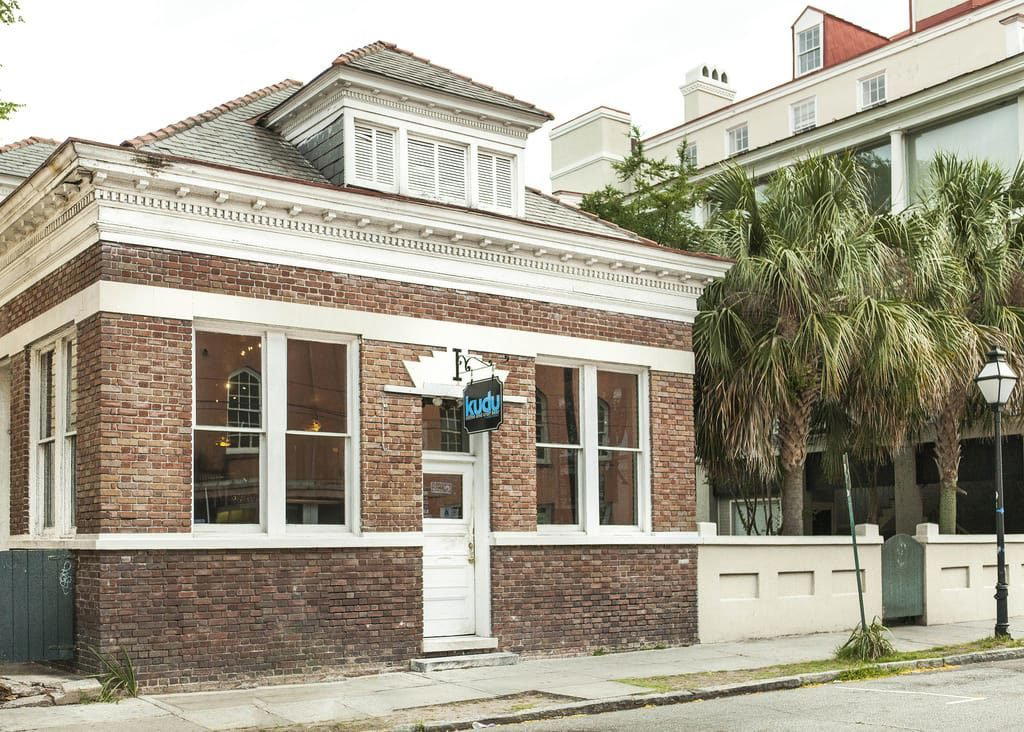
A Corner of the Lower Peninsula That Works Differently
Charleston's drinking culture has long organized itself around two poles: the legacy cocktail bar drawing on Southern spirits tradition, and the ambitious hotel bar chasing national recognition. What sits between those poles, the neighborhood spot that functions as a genuine all-day anchor, is rarer than it should be in a city this size. Kudu, at 4 Vanderhorst Street in the lower peninsula's Radcliffeborough neighborhood, occupies that middle ground with a format that most Charleston venues don't attempt: coffee in the morning, craft beer and wine by afternoon, with no hard reset between them.
The address matters. Vanderhorst Street sits just west of the King Street corridor, far enough from the tourist-facing stretch of bars and restaurants to draw a population that actually lives nearby. That geographic position shapes what Kudu is: less a destination in the conventional sense, more a place that earns repeat visits through proximity and consistency rather than spectacle. In a city where the dining and drinking calendar often revolves around reservation windows and dress-code considerations, a spot that you can walk into on a Tuesday morning without a plan carries its own value.
The Format and What It Signals
The combination of coffee, craft beer, and wine under one roof is not unusual in cities like Portland, Austin, or Brooklyn, where the all-day cafe-bar hybrid has been a fixture for over a decade. In Charleston, the format appears less frequently. The city's bar scene, which includes technically sharp programs at places like The Cocktail Club and the heritage-leaning rooms at 39 Rue de Jean, tends toward defined categories. You go to a cocktail bar for cocktails, a wine bar for wine. Kudu's decision to hold coffee and alcohol in the same space without splitting them into separate service periods reflects a different philosophy about what a neighborhood venue is for.
That philosophy has precedents elsewhere in the American bar scene. Venues like ABV in San Francisco built their reputation on the all-day format, treating coffee and alcohol as parts of a continuous service arc rather than separate businesses sharing a room. At a different scale, Kumiko in Chicago demonstrated that a program without a single dominant category can still accumulate credibility. Kudu's Charleston context is distinct from either of those cities, but the underlying logic, that the venue should serve the neighborhood across its full day, translates.
Craft Beer and Wine in the Charleston Context
Charleston has developed a meaningful craft beer presence over the past decade, with local producers now occupying shelf space across the city's bars. A venue that foregrounds craft beer rather than cocktails sits in a different competitive position from the more celebrated rooms in the city. 82 Queen and babas on cannon both represent the cocktail-forward end of the Charleston drinking market; Kudu's emphasis on beer and wine places it in a quieter corner of that market, one that tends to attract regulars over one-time visitors.
The wine component at venues like this typically follows a by-the-glass model that prioritizes accessibility over deep cellar investment. Wine bars operating at the higher end of the market, like Jewel of the South in New Orleans or Julep in Houston, occupy a different category entirely. Kudu's comparable set is the neighborhood all-day venue, not the destination wine program, and that's a legitimate position to hold.
Coffee as the Anchor
In cities where the specialty coffee scene has matured, the morning trade at a venue like Kudu does more than generate early revenue. It builds a customer base that returns in the evening. The morning espresso drinker who finds the space comfortable and the coffee consistent is a more reliable repeat customer than the weekend tourist. Charleston's specialty coffee scene has grown substantially over the past several years, and a venue that combines credible espresso with afternoon and evening drinking options is well-positioned to accumulate that kind of loyalty.
The geography reinforces this. Radcliffeborough, the neighborhood surrounding Vanderhorst Street, is a residential pocket with a walker-friendly grid that routes pedestrian traffic past the address without requiring a deliberate detour. That kind of foot traffic is the lifeblood of the all-day format in a way it isn't for a dinner-only restaurant or a late-night cocktail bar.
Where Kudu Sits in the Broader Picture
Comparative context helps here. Particularly technically ambitious bars in cities like Honolulu, New York, or Frankfurt operate in a register that prizes innovation, credential, and controlled scarcity. Kudu doesn't operate in that register, and doesn't need to. The neighborhood all-day venue serves a function that the destination bar cannot: it shows up for the same people repeatedly, across different times of day and different moods, without asking for a reservation or a special occasion.
Charleston's tourism pressure means that many venues in the city orient themselves toward the visitor rather than the resident. The lower peninsula, particularly the stretches south of Calhoun Street, can feel designed for a two-day itinerary rather than a two-year lease. Kudu's position on Vanderhorst, just far enough from the main tourist corridor to feel residential, gives it room to operate differently. For visitors who want a break from the choreographed Southern hospitality experience, that difference is exactly the point.
4 Vanderhorst Street is walkable from most lower-peninsula accommodation, and the all-day format means timing is flexible in a way that restaurant bookings rarely allow. The combination of coffee, beer, and wine also means the venue works for solo visits in a way that a tasting menu or cocktail bar often doesn't.
Just the Basics
Comparable venues nearby, for context on price, style, and recognition.
| Venue | Cuisine | Price | Notes |
|---|---|---|---|
| Kudu - Coffee, Craft Beer & WineThis venue — the venue you are viewing | Not listed | $ | Not listed |
| The Royal American | Not listed | $ | Upper Peninsula, dive_bar |
| D'Allesandro's Pizza | Not listed | $ | Cannonborough - Elliottborough, beer_bar |
| The Griffon | French Quarter, pub | $$ | Not listed |
| The Charleston Pour House | Not listed | $$ | James Island, dive_bar |
| Revelry Brewing Co | Not listed | $$ | NoMo, beer_bar |
Continue exploring
More in Charleston
Bars in Charleston
Browse all →
Restaurants in Charleston
Browse all →
At a Glance
- Cozy
- Trendy
- Casual Hangout
- After Work
- Beer Garden
- Courtyard
- Lounge Seating
- Outdoor Terrace
- Craft Beer
- Conventional Wine
Current opening hours
- Monday
- 7 AM–8 PM
- Tuesday
- 7 AM–8 PM
- Wednesday
- 7 AM–8 PM
- Thursday
- 7 AM–8 PM
- Friday
- 7 AM–8 PM
- Saturday
- 7 AM–8 PM
- Sunday
- 7 AM–8 PM
Hours can change for holidays and private events. Last verified .
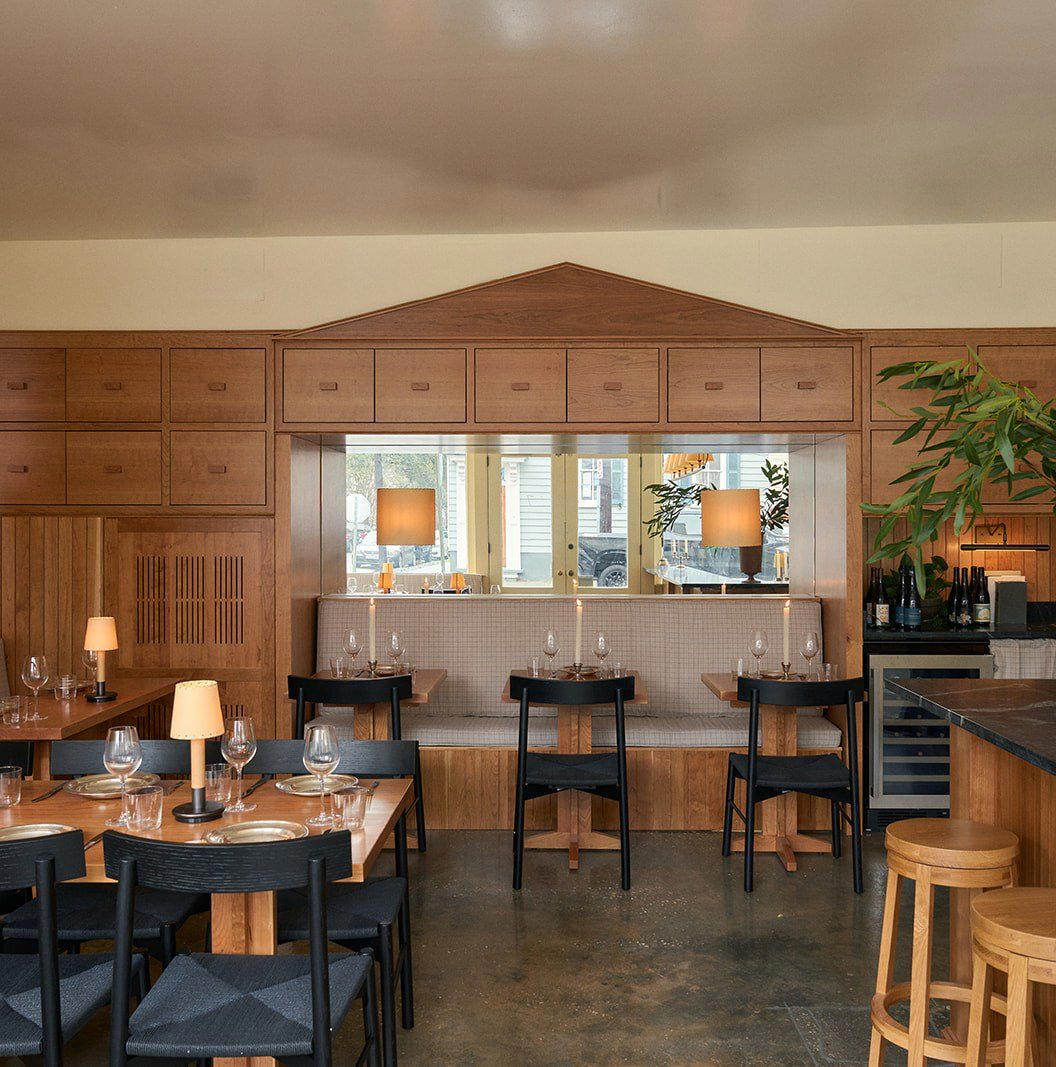
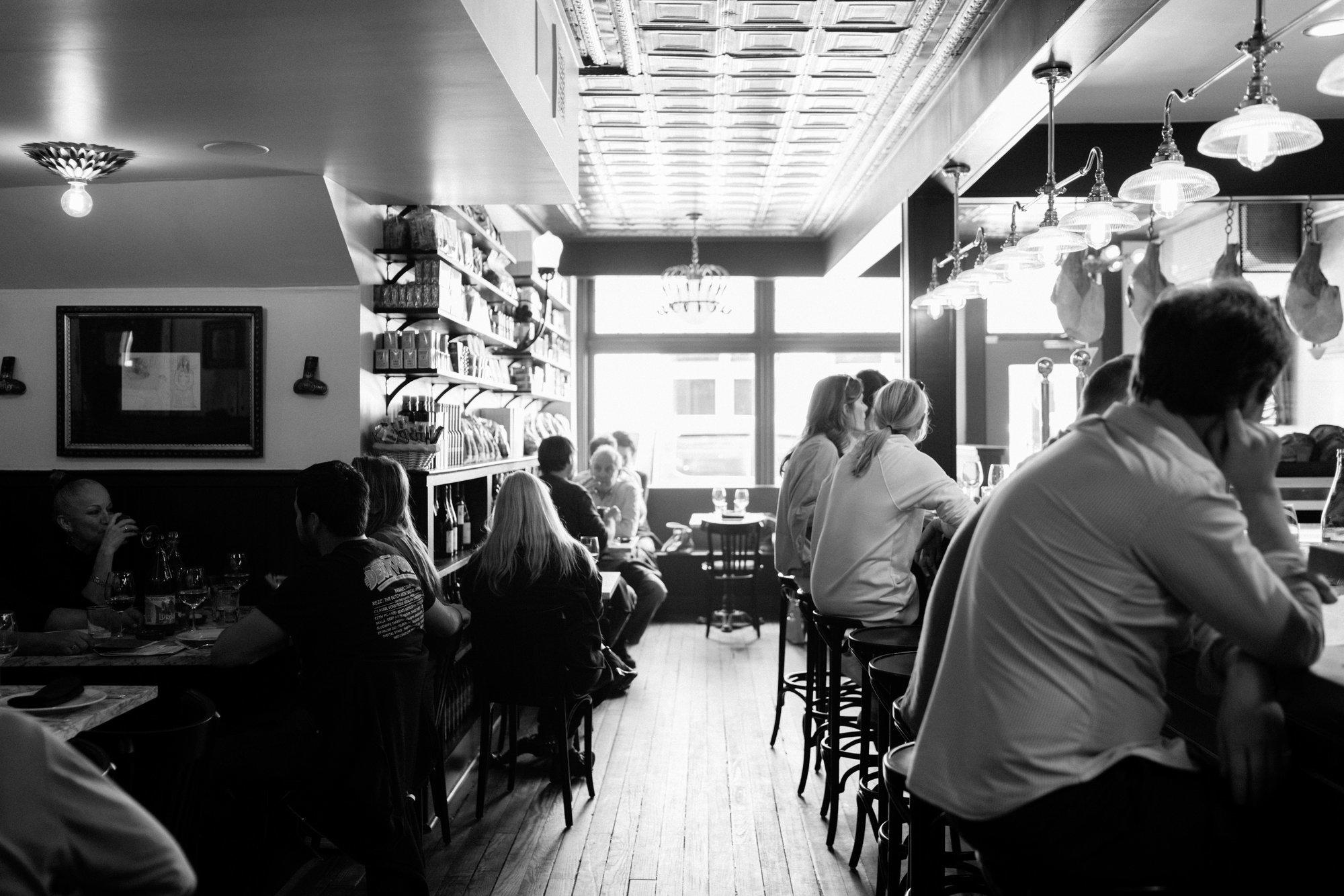
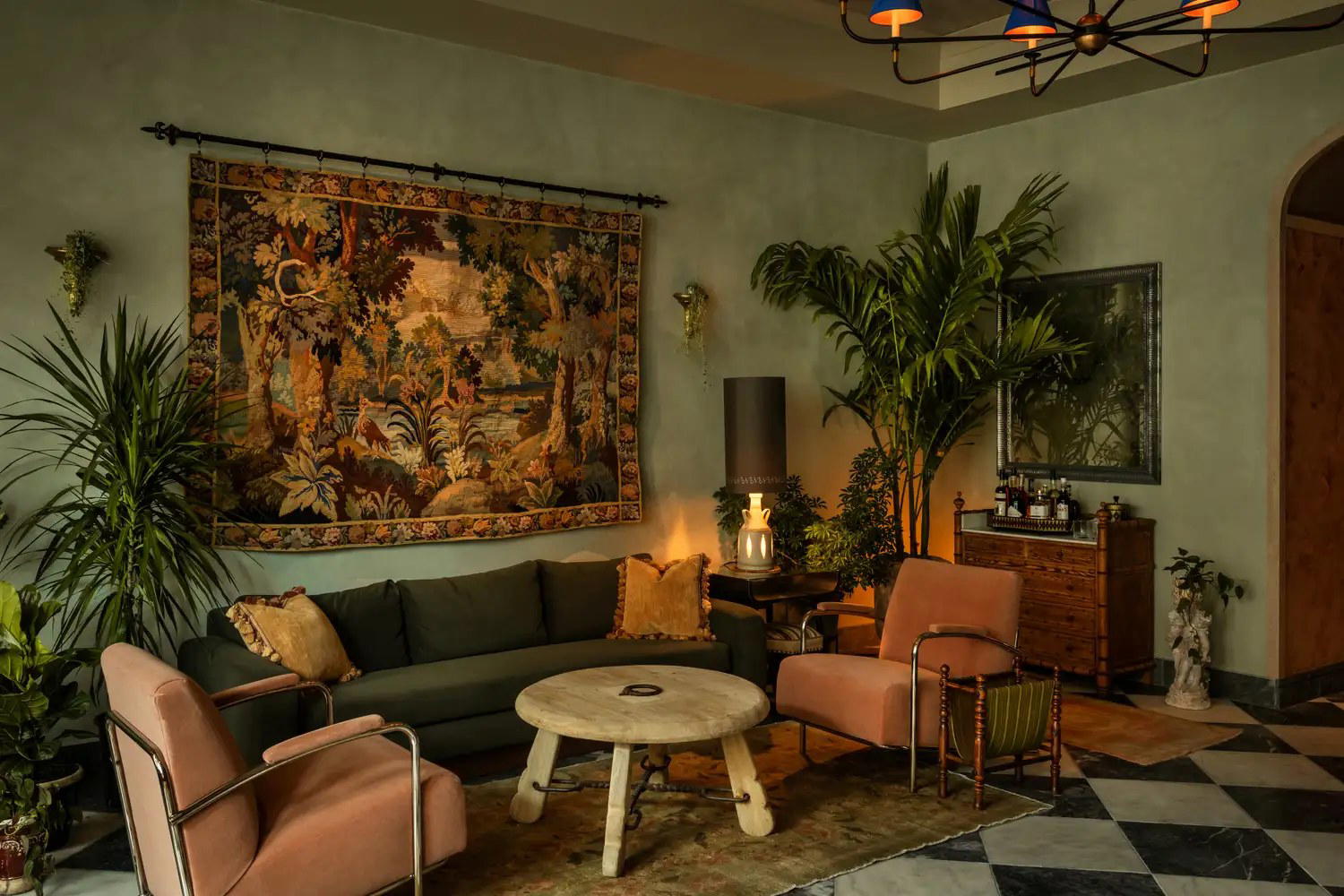
Relaxed and cool vibe with cozy indoor seating and a beautiful outdoor patio featuring a running fountain.