Google: 4.6 · 1,682 reviews
KazuNori: The Original Hand Roll Bar
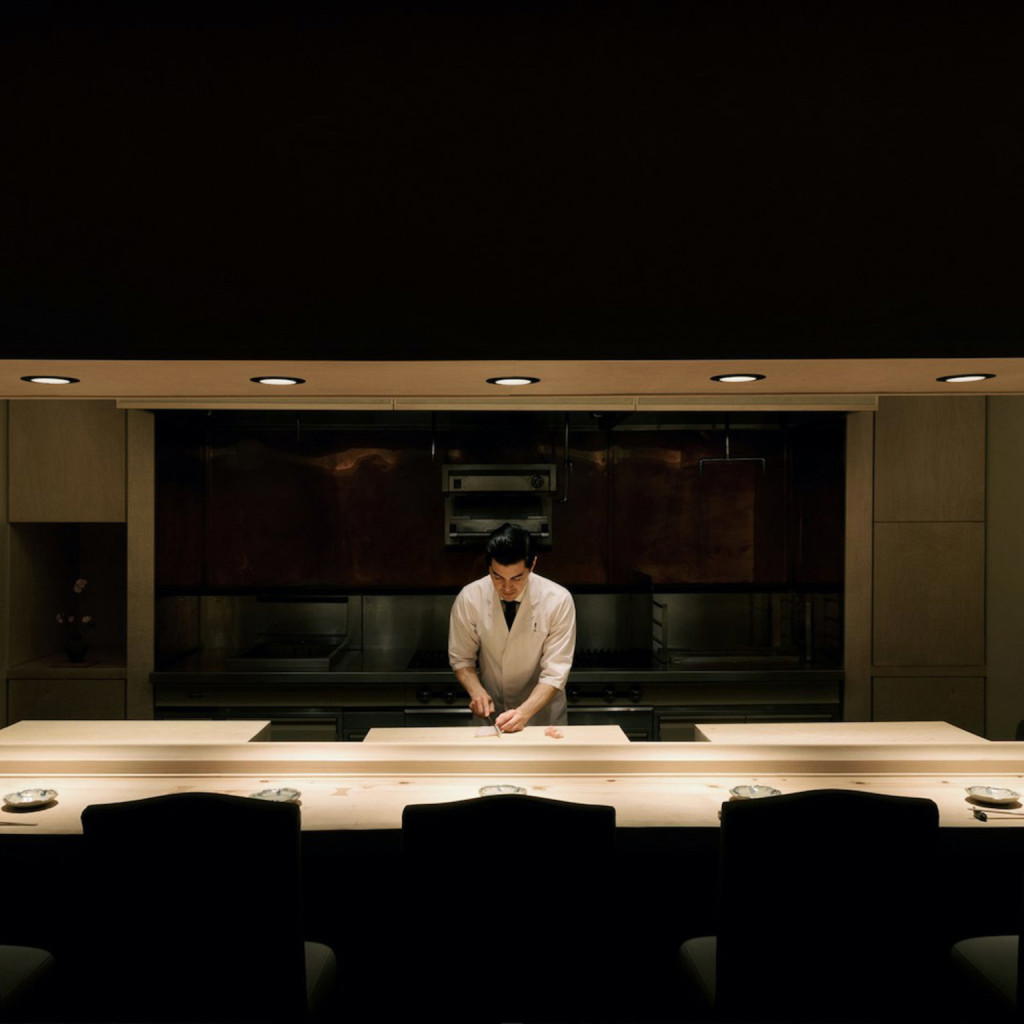
KazuNori on Main Street in Downtown Los Angeles brought the hand roll bar format to the American market before it became a category. The counter-only model strips the omakase ritual down to its most immediate expression: seaweed, rice, and fish assembled to order and eaten before the nori loses its crunch. It sits in a different tier from full-service sushi rooms, trading ceremony for precision and pace.
 Discover on Pearl
Pearl is the En Primeur Club membership app — saves, bookings, and concierge access live there. Same editors, same standards.
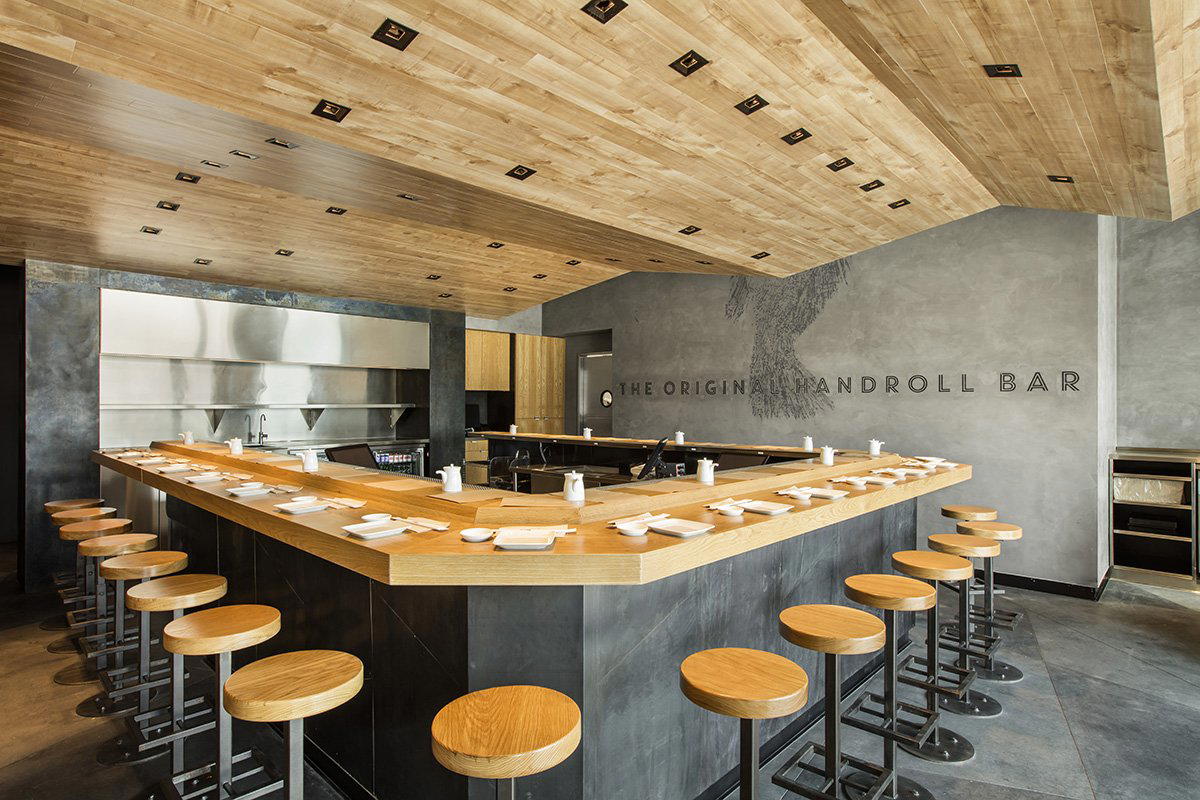
The Counter as the Point
Downtown Los Angeles has accumulated a particular kind of dining shorthand over the past decade: narrow rooms, counter seating, formats imported from Japan and reassembled for a city that moves fast and eats seriously. The hand roll bar fits that pattern more cleanly than almost any other format. You sit, you eat, you leave. There is no tasting menu arc, no sake pairing ceremony, no chef's monologue about sourcing. The architectural logic of the room is the menu logic: everything faces the counter, and the counter faces you.
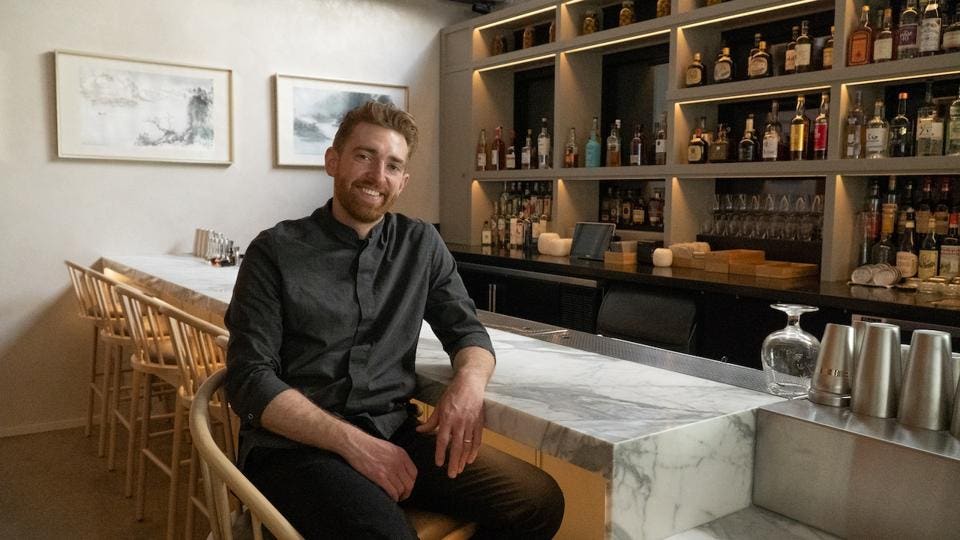
KazuNori at 421 Main Street in the Arts District sits inside this format with a stripped-back interior that signals intent before a single piece of nori is placed in front of you. The space is compact by design. Counter seating runs along the bar, the kitchen operates in direct sightline, and the absence of tablecloths or ambient clutter is not minimalism as aesthetic gesture but minimalism as operational requirement. The room exists to support one thing: the hand roll, made and delivered in sequence, eaten immediately.
What the Format Actually Demands
The hand roll bar as a dining category makes specific physical demands that most formats do not. Nori deteriorates within seconds of contact with warm rice. The gap between assembly and consumption cannot be more than a minute or two before the texture shifts from crisp to soft, and the entire appeal collapses. This is why the counter format is not incidental to the experience but constitutive of it. You cannot replicate a properly executed hand roll at a table ten feet from the kitchen, plated and rested under a pass lamp. The architecture of the room is the recipe.
This discipline separates the hand roll bar from the broader casual sushi category that expanded across Los Angeles through the 2000s and 2010s. At a standard sushi restaurant, rolls arrive plated, often in advance of the diner's full attention, and the window of optimal texture is treated loosely. The hand roll bar format imports the counter logic of high-end omakase and applies it to a faster, lower price-point operation. The proximity of diner to maker is not theater. It is quality control.
Downtown LA as Context
The Arts District and adjacent blocks of Main Street developed their restaurant density later than the Westside or Silver Lake, but the concentration of counter-format venues in the area reflects a broader shift in how Angelenos relate to downtown as a dining destination. The neighbourhood rewards walking between venues in a way that few LA districts do, and the compact format of operations like KazuNori fits that rhythm. You are not committing two hours to a sitting. The meal is calibrated to an hour or less, which makes it a natural anchor in a longer evening rather than the whole event.
For those planning around the area, nearby bar programming varies considerably in style. Bar Next Door and Death & Co (Los Angeles) both operate within the cocktail-forward category that has grown alongside the Arts District's dining scene, while Mirate and Standard Bar offer different registers of the same neighborhood's evening energy. The hand roll bar is short enough in duration that pairing it with a pre- or post-dinner bar visit is structurally simple rather than aspirational.
Positioning Within the Sushi Tier
Los Angeles has a deep sushi culture that spans from neighbourhood omakase counters in the San Fernando Valley to multi-course Michelin-recognised rooms in Beverly Hills and West Hollywood. The hand roll bar occupies a distinct position in that range. It is not competing with the $300-per-head omakase experience on either price or ceremony. It is doing something different: making high-quality fish and properly prepared shari available at speed, in a format that has more in common with serious ramen bars than with traditional kaiseki-adjacent sushi rooms.
That positioning matters for how you approach the visit. Expectations calibrated to a long-form omakase experience will produce the wrong reading. Calibrated to a precise, fast, counter-based operation with serious sourcing and real technique, the format delivers exactly what it promises. The question is not whether the hand roll bar is better or worse than the room down the street with twelve courses and a sake library. It is a different argument entirely.
For comparison across American cities where Japanese counter formats have taken hold, the precision-over-ceremony model appears in various forms. Kumiko in Chicago brings a similar counter-discipline to its drinks program, and the broader trend of compact, technically focused operations has peers in Bar Leather Apron in Honolulu and ABV in San Francisco, where the format itself is the editorial statement.
Planning the Visit
KazuNori operates on Main Street in the Arts District, accessible by Metro or a short drive from the broader downtown core. The counter-only format means capacity is limited and the room turns over at the pace of the meal, which at a hand roll bar is naturally quicker than at a full-service restaurant. Arriving early in the service or during off-peak hours typically means shorter waits, though the format's popularity in the neighbourhood means midday and early evening windows fill quickly. There is no elaborate booking architecture to manage: the format is built for directness, and the logistics reflect that.
The meal does not require a full evening commitment, which gives it flexibility that larger format restaurants cannot offer. If you are building a longer night across the Arts District, the sequencing question is mostly one of preference: hand rolls before cocktails preserve appetite focus, while the reverse works equally well given the meal's brevity.
For those tracking the broader US cocktail and counter-dining scene, EP Club covers comparable operations across American cities, including Jewel of the South in New Orleans, Julep in Houston, Superbueno in New York City, and The Parlour in Frankfurt on the Main. The full context for Los Angeles dining, including neighbourhood-level breakdowns and category comparisons, is available in our full Los Angeles restaurants guide.
Continue exploring
More in Los Angeles
Bars in Los Angeles
Browse all →
Restaurants in Los Angeles
Browse all →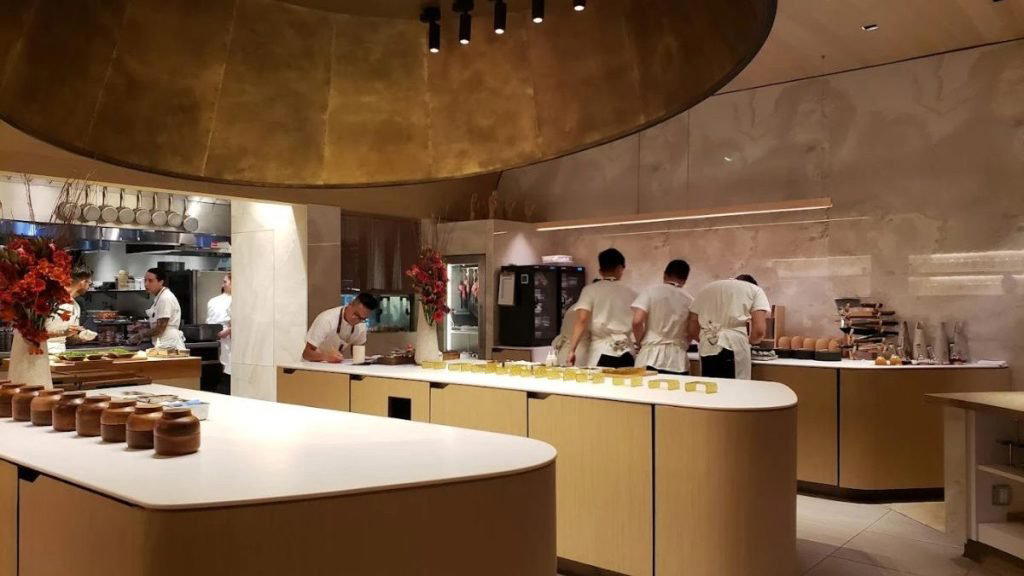
Hotels in Los Angeles
Browse all →
Wineries in Los Angeles
Browse all →
At a Glance
- Trendy
- Modern
- Lively
- Casual Hangout
- Group Outing
- After Work
- Standalone
- Design Destination
- Counter Only
- Standing Room
- Sake
Underground, hip setting with chill EDM music and a unique square counter design where sushi chefs prepare hand rolls in an open kitchen.