Ka-Vá Kava Bar
Ka-Vá Kava Bar in Williamsburg, Brooklyn occupies a specific and underserved niche in New York's bar scene: a dedicated kava bar where the Pacific Island ceremonial root drink is the primary offering rather than an afterthought. Housed at 160 Havemeyer Street, the space functions as a counterpoint to alcohol-forward bars across the city, drawing a crowd that ranges from kava regulars to curious newcomers looking for something outside the cocktail canon.
Pearl is the En Primeur Club membership app — saves, bookings, and concierge access live there. Same editors, same standards.
- Address
- 160 Havemeyer St #4, Brooklyn, NY 11211
- Phone
- +1 929 250 2244
- Website
- ka-va-bar.com
- Directions
- Get directions
 Saves & bookings on Pearl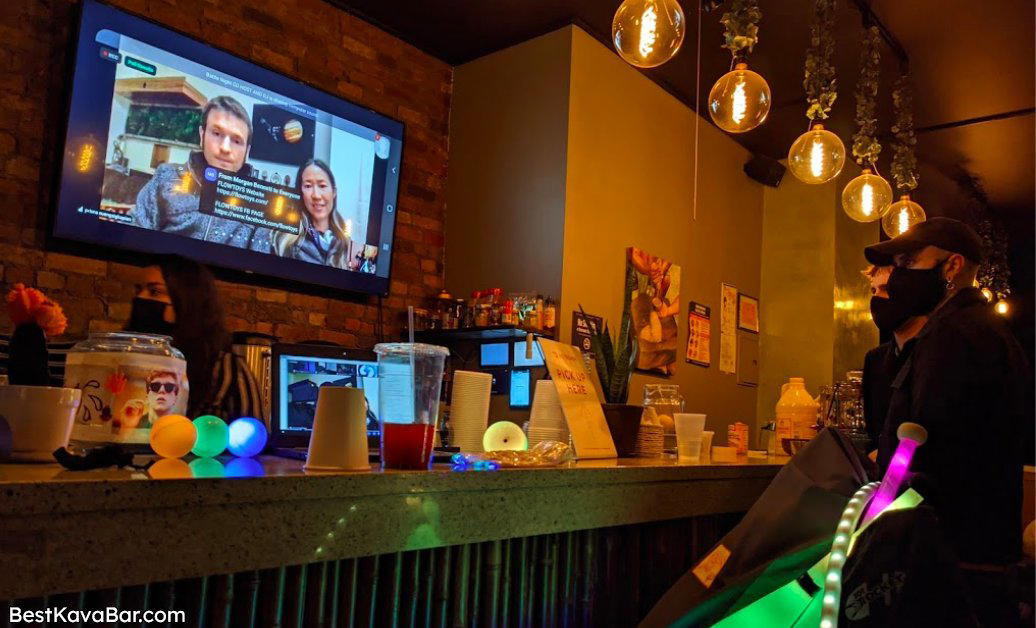
A Different Kind of Bar, in a Borough That Invites Them
New York's bar scene has diversified considerably over the past decade. The city moved from the speakeasy revival of the early 2010s through the technical cocktail era championed by places like Attaboy NYC and the bitter-forward school represented by Amor y Amargo, and now accommodates a wider range of formats: zero-proof programs, fermentation-focused menus, and, in Williamsburg, a bar built almost entirely around kava. Ka-Vá Kava Bar at 160 Havemeyer Street sits in that last category, occupying a format that remains genuinely rare in the northeastern United States even as kava bars have become fixtures in Florida, Hawaii, and parts of the Pacific Coast.
Kava itself has a history that predates cocktail culture by centuries. Consumed ceremonially and socially across Polynesia, Micronesia, and Melanesia, the drink is made from the root of the Piper methysticum plant, which produces a mild sedative and anxiolytic effect without impairing cognition in the way alcohol does. That specific pharmacological profile, a social drink that relaxes rather than intoxicates, is what has driven interest in kava bars as a category across the United States, particularly among people who want a venue's atmosphere without its alcohol.
The Physical Container: Havemeyer Street and What the Space Does
The address places Ka-Vá in a stretch of Williamsburg that functions as a transitional zone between the neighbourhood's heavily trafficked Bedford Avenue corridor and the quieter residential streets closer to the BQE. Havemeyer Street has accumulated a cluster of independent businesses over the past several years, and the building at number 160 is the kind of mixed-use Brooklyn structure where small bars and specialty shops have found room that Manhattan rarely offers at viable rent.
The interior design of kava bars as a category tends to lean deliberately toward the ceremonial contexts that gave kava its original meaning. That typically means low seating, natural materials, muted lighting, and a deliberate departure from the backlit bottle displays and bar-rail geometry that define most cocktail venues. The vertical positioning alone, above street level in a building without the street-facing glass of a typical bar, shapes the experience before anyone sits down. A bar that requires you to go upstairs has already filtered its audience.
That physical remove from the street is a design decision with consequences. It means Ka-Vá does not pull in casual foot traffic the way a ground-floor venue would. The people who find their way to the fourth floor have, in most cases, already decided to be there. That self-selecting dynamic tends to produce a room with a different energy than a bar that relies on walk-ins: quieter, more intentional, with guests who already know the basic vocabulary of what they're drinking.
Kava's Position in the New York Drinking Scene
New York has absorbed specialty bar formats at pace. The city supports dedicated natural wine bars, Japanese whisky lounges, and high-concept non-alcoholic programs at venues like Superbueno, which has pushed the boundary of what a bar can offer without defaulting to spirits. Kava, however, has taken longer to find a permanent foothold in New York than in cities with larger Pacific Islander communities or in states like Hawaii, where Bar Leather Apron in Honolulu exists in a market already fluent in kava culture. Ka-Vá's presence in Williamsburg represents a bet that Brooklyn's openness to alternative food and drink formats extends to something that requires a degree of consumer education.
That education component matters more for kava than for most specialty bar categories. Unlike a clarified cocktail at a technically ambitious bar, or a digestif-heavy menu at a place like Angel's Share, kava asks guests to set aside familiar frameworks for what a bar experience feels like. The drink is traditionally served in a coconut shell cup called a bilo, consumed in rounds, and accompanied by the social ritual of clapping once before drinking. Whether Ka-Vá incorporates that ceremonial structure in full or a simplified version of it, the category's leading operators use that ritual layer as a differentiator rather than a barrier.
Across the United States, the kava bar category has matured in pockets. In cities like Chicago, Kumiko has demonstrated that specialty drink formats can build sustained audiences when the physical space and the product knowledge behind the bar are aligned. The comparison holds differently for kava, since the product itself is less familiar to most American drinkers than Japanese whisky or craft cocktails, but the underlying dynamic is the same: format consistency and genuine expertise behind the counter convert curious first-timers into regulars.
Who the Room Is For
Kava bars draw a range of visitors, but the consistent audience tends to cluster around three groups: people reducing or eliminating alcohol who want a social venue that does not feel clinical or compromise-oriented; people with an existing relationship to Pacific Island culture or kava specifically; and a third, growing group of younger drinkers in cities who approach specialty beverage formats with the same exploratory interest they apply to natural wine or single-origin coffee. Brooklyn, and Williamsburg in particular, has a high concentration of that third group.
For bars built around non-alcoholic or low-alcohol programming in other cities, the challenge is consistently the same: the room has to justify itself on atmosphere and experience, not just on what is absent from the menu. Ka-Vá's format, a dedicated kava bar rather than a bar with a kava option, positions it to meet that challenge more credibly than a venue where kava appears as a footnote. The same principle applies to bars in other American cities that have built clear identities around a specific format: Jewel of the South in New Orleans, Julep in Houston, and ABV in San Francisco each occupy a specific lane, and the clarity of that positioning is part of what makes them readable to the audience they're trying to reach.
For a broader sense of how Ka-Vá fits into New York's full range of bars and drinking destinations, see our full New York City restaurants and bars guide. Internationally, dedicated format bars have found audiences in cities with strong specialty-drink cultures: Allegory in Washington, D.C. and The Parlour in Frankfurt on the Main both demonstrate that a room built around a clear point of view tends to hold its audience better than a generalist program.
Planning Your Visit
Ka-Vá Kava Bar is located at 160 Havemeyer St #4, Brooklyn, NY 11211, in Williamsburg. The Havemeyer Street address is walkable from the J/M/Z trains at Marcy Avenue and within reasonable distance of the L train at Bedford Avenue. Reservations: Not confirmed as required; the fourth-floor format suggests drop-ins are possible, but verifying directly before visiting is advisable given limited public booking data. Dress: No dress code data available; the kava bar format broadly runs casual. Confirming current pricing and hours directly with the venue before visiting is recommended.
Continue exploring
More in New York City
Bars in New York City
Browse all →
Restaurants in New York City
Browse all →
Hotels in New York City
Browse all →




At a Glance
- Cozy
- Bohemian
- Casual Hangout
- Standalone
- Seated Bar
- Low Abv
Artsy Brooklyn feel with a relaxed atmosphere for enjoying kava beverages.
Know Before You Go
- Getting there
- 160 Havemeyer St #4, Brooklyn, NY 11211