Kampai Sushi Bar
Kampai Sushi Bar on West Pine Boulevard sits within St. Louis's Central West End, where a compact bar format and Japanese-focused menu serve a neighbourhood with relatively few dedicated sushi counters. The address places it alongside a mix of independent restaurants and nightlife, making it a reference point for raw fish in a city whose dining identity leans more heavily toward Italian-American and Midwestern traditions.
Pearl is the En Primeur Club membership app — saves, bookings, and concierge access live there. Same editors, same standards.
- Address
- 4949 W Pine Blvd, St. Louis, MO 63108
- Phone
- +1 314 367 2020
- Website
- kampaisushibarstl.com
- Directions
- Get directions
 Saves & bookings on Pearl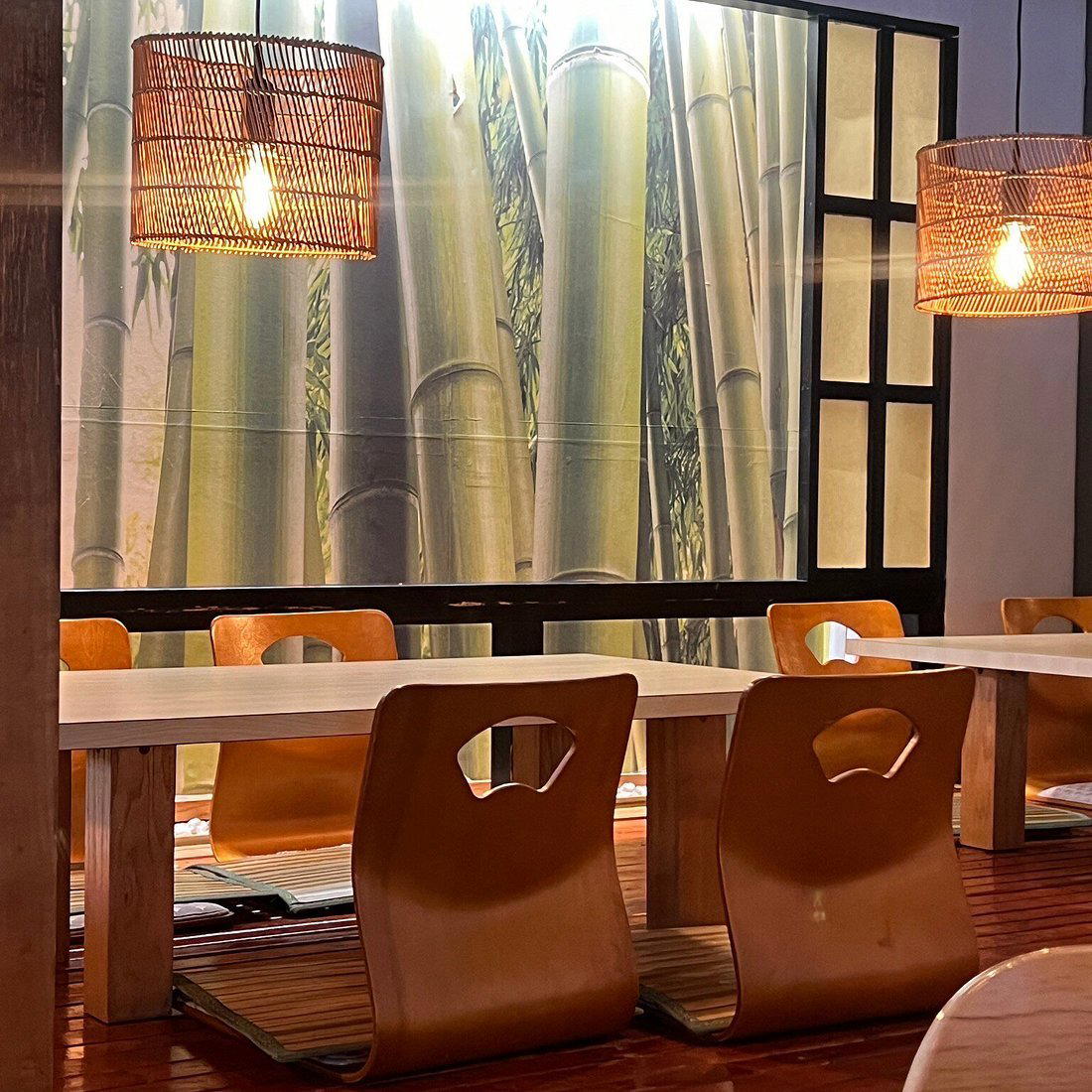
Sushi in a Midwestern City: The Context
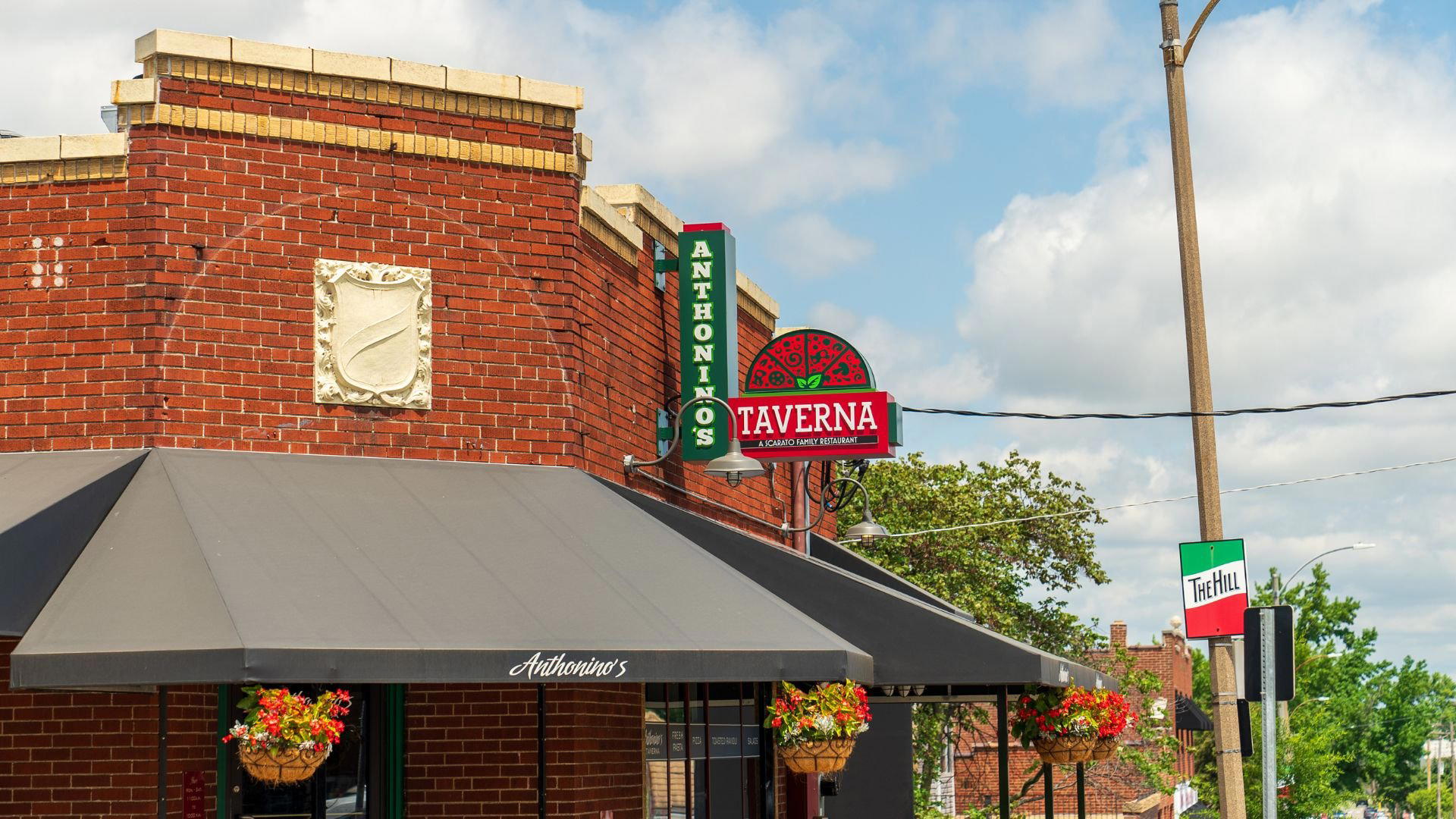
St. Louis has never been defined by Japanese cuisine the way coastal cities have. The city's dining identity runs through toasted ravioli, German-inflected sausage, and prodigious barbecue, with Italian-American traditions in The Hill neighbourhood providing some of the most deeply rooted culinary continuity in the Midwest. Against that backdrop, a dedicated sushi bar occupies a specific niche: it serves a market that isn't saturated with high-volume omakase counters or the kind of Japan-trained competition that shapes the category in Chicago or New York. That relative scarcity changes the calculus for a venue like Kampai Sushi Bar, which sits on West Pine Boulevard in the Central West End at 4949 W Pine Blvd, St. Louis, MO 63108.
The Central West End is one of St. Louis's more cosmopolitan neighbourhoods, a stretch of independent restaurants, gallery-adjacent bars, and residential streets that draws from the adjacent medical district and Washington University community. It is a neighbourhood that supports sustained, repeat-visit dining rather than tourist-driven traffic, which means the bar for consistency is set by local regulars, not one-time visitors passing through.
What the Room Signals Before You Order
Sushi bars in American cities outside the coastal markets tend to fall into two broad categories: the high-volume, everything-on-the-menu format aimed at broad accessibility, and the more restrained counter-focused model that emphasises the fish itself over the elaborate roll architecture. The name Kampai, meaning "cheers" in Japanese, signals something social and accessible rather than austere, which frames the experience before you sit down. That positioning places it closer to the first category by temperament, even if the execution at any given moment might push toward something more considered.
The West Pine Boulevard address is walkable from several of the neighbourhood's established bars and independent restaurants, making Kampai part of an evening circuit rather than a destination requiring dedicated planning. For context on the broader St. Louis drinking and dining scene, our full St Louis restaurants guide maps the neighbourhoods and the venues that define them. The bar format, implicit in the name, also suggests a program beyond the plate, and in American sushi bars the cocktail list often operates as a secondary draw, particularly for the portion of guests who arrive for drinks and stay for food.
Ingredient Sourcing and the Geography of Raw Fish
The sourcing question is worth examining seriously in any sushi context, and especially so outside gateway markets. In cities like Tokyo or even Los Angeles, the supply chains for premium fish are deep and competitive. In St. Louis, landlocked in the geographic centre of the country, the path from ocean to plate is longer, and the variables multiply accordingly. The quality of a sushi bar in this city is almost always a function of how seriously its kitchen manages those supply relationships: which distributors it works with, how frequently it receives deliveries, and whether it prioritises whole-fish purchasing over commodity pre-portioned product.
American sushi market has developed more sophisticated inland supply chains over the past decade, with overnight shipping from both coasts and dedicated Japanese-fish importers now serving mid-sized cities that previously had limited access to premium product. Venues that tap into those networks can compete on ingredient quality in ways that would have been structurally impossible twenty years ago. The relevant question for any St. Louis sushi counter is whether it operates within that upgraded supply infrastructure or relies on more conventional distributor relationships.
None of the specific sourcing details for Kampai are available in verified form, so the editorial point is this: in a city where sushi is not the dominant cuisine, the sourcing discipline of any given counter is the single variable most likely to separate a genuinely good experience from a competent but unremarkable one. It is the question worth asking before you order, and the answer, if you get one, tells you a great deal about how the kitchen thinks about the food.
The Cocktail Program in American Sushi Bars
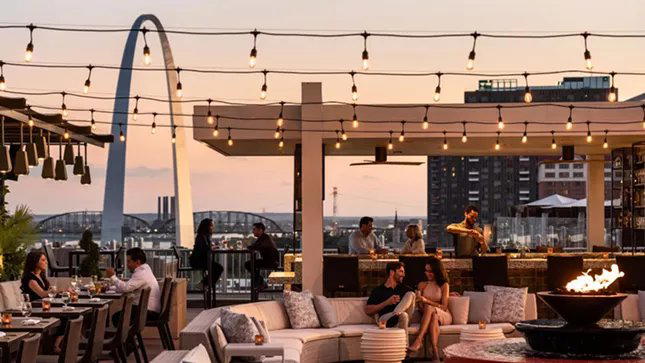
The bar component of American sushi venues has matured considerably since the early 2000s, when the category was largely defined by sake bombs and generic fruit-flavoured martinis. The more interesting tier of American sushi bars now operates a cocktail list that takes Japanese spirits seriously, whether that means shochu served in the traditional way, Japanese whisky used in simple builds, or yuzu and shiso as genuine flavour references rather than cosmetic garnish. For comparison, venues like Kumiko in Chicago have set a benchmark for Japanese-influenced cocktail programs in the Midwest, building menus that treat Japanese spirits with the same depth of knowledge that wine-focused restaurants apply to their cellar. In Honolulu, Bar Leather Apron demonstrates how a Japanese-adjacent cocktail sensibility can anchor an entire bar identity. Closer to St. Louis's own register, 2nd Shift Brewing and 4 Hands Brewing Company represent the city's broader craft beverage culture, while 360 Rooftop Bar and the bar at the Angad Arts Hotel St. Louis fill different evening-out categories in the city's bar circuit.
For those interested in how American cities outside the traditional cocktail markets are building serious bar programs, venues like Jewel of the South in New Orleans, Julep in Houston, Superbueno in New York City, ABV in San Francisco, and The Parlour in Frankfurt each represent a different regional approach to the same ambition: a cocktail list that rewards attention.
Planning a Visit
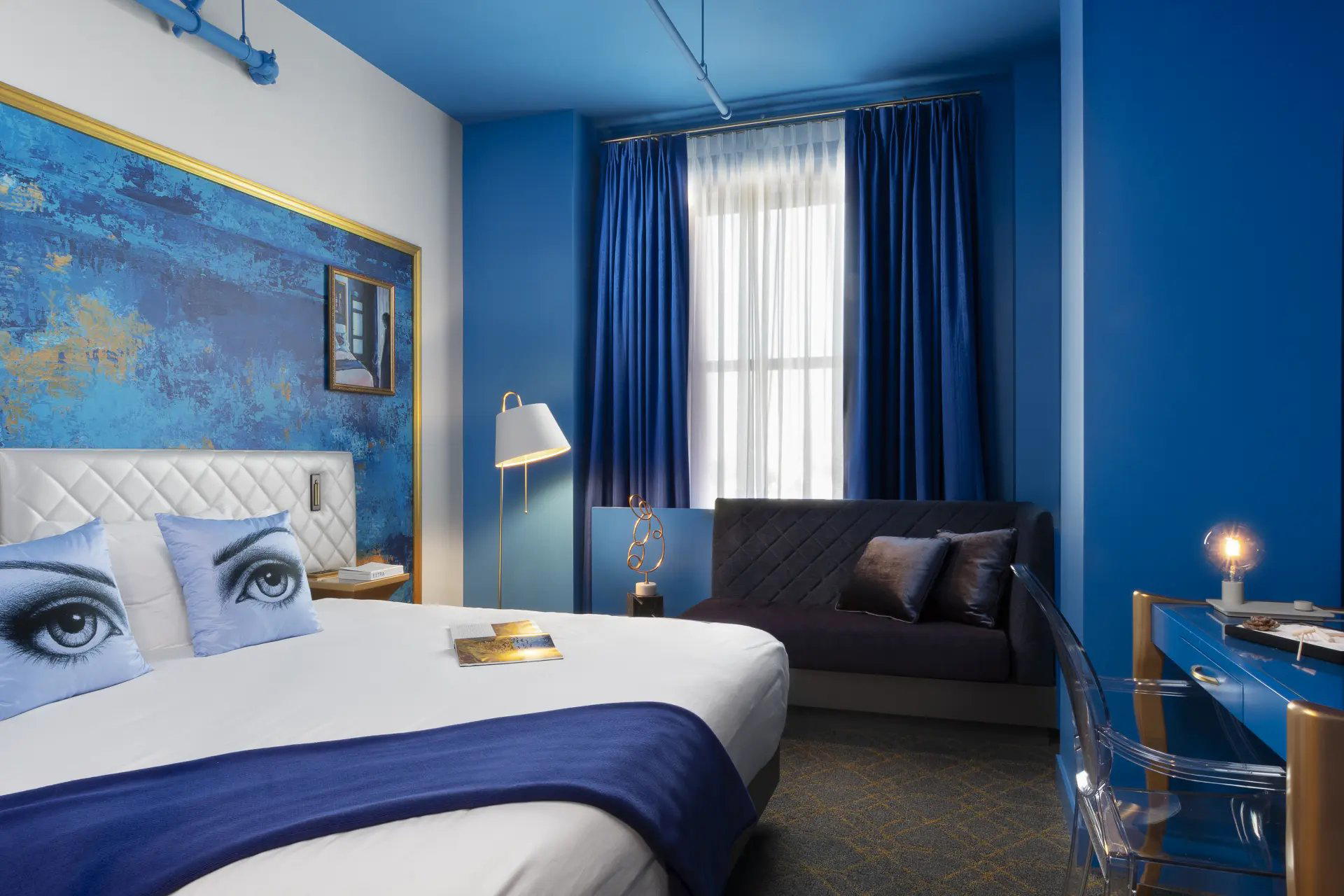
Kampai Sushi Bar is located at 4949 W Pine Boulevard in the Central West End, a neighbourhood that is walkable from several hotel options and accessible by car from most of St. Louis proper. The Central West End tends to be busiest Thursday through Saturday evenings, when the neighbourhood's restaurant and bar corridor draws a consistent crowd, so earlier sittings on those nights generally involve less friction than arriving without a plan at peak time. For anyone building an evening around the area, the neighbourhood rewards walking between venues rather than treating any single stop as a full-night commitment.
City Peers
| Venue | Cuisine |
|---|---|
| Kampai Sushi BarThis venue — the venue you are viewing | This venue |
At a Glance
- Lively
- Trendy
- Date Night
- Group Outing
- Standalone
- Seated Bar
- Booth Seating
- Sake
Current opening hours
- Monday
- 11 AM–2 PM, 5–10 PM
- Tuesday
- 11 AM–2 PM, 5–10 PM
- Wednesday
- 11 AM–2 PM, 5–10 PM
- Thursday
- 11 AM–2 PM, 5–10 PM
- Friday
- 11 AM–2 PM, 5–11 PM
- Saturday
- 5–11 PM
- Sunday
- 5–9 PM
Hours can change for holidays and private events. Last verified .
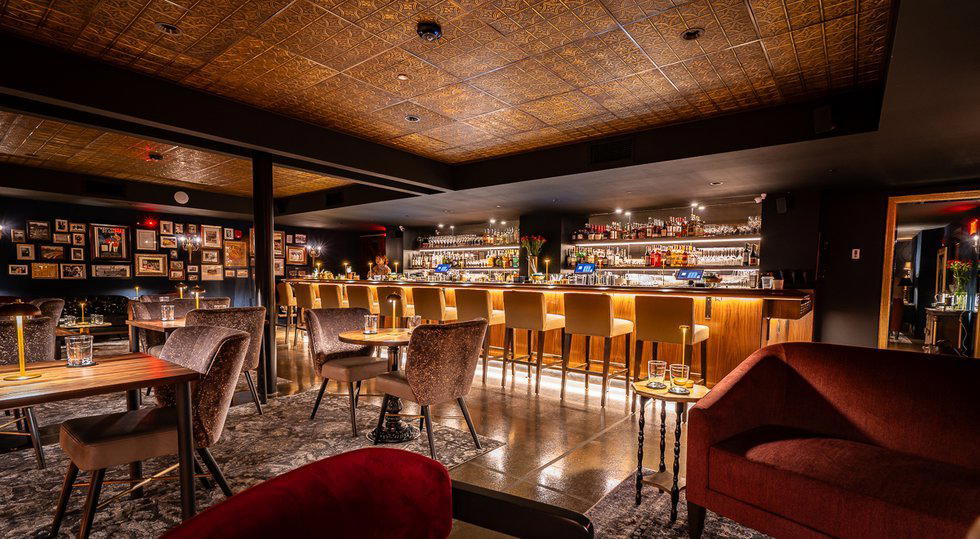
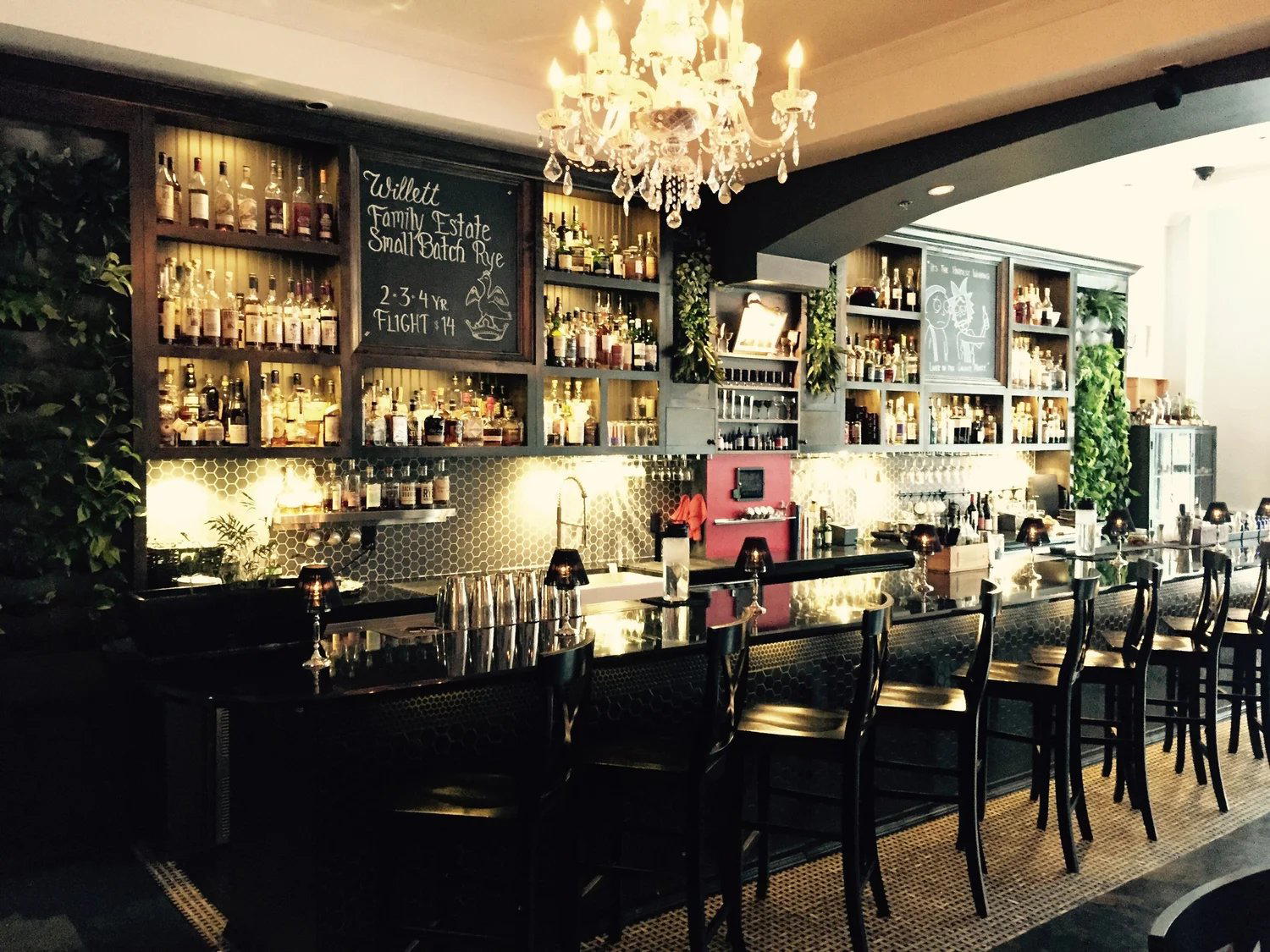
Dimmed lights with contemporary piano music creating a sophisticated atmosphere.
Know Before You Go
- Getting there
- 4949 W Pine Blvd, St. Louis, MO 63108