Google: 4.5 · 909 reviews
Kaldi's Coffee
Kaldi's Coffee on South Kirkwood Road sits within a suburban St. Louis coffee culture that has grown more technically serious over the past decade. The Kirkwood outpost draws a neighborhood crowd looking for something beyond the chain-counter default, with a program that positions itself in the specialty tier. For visitors working through our full Kirkwood guide, it reads as a reliable anchor for the area's caffeine circuit.
 Discover on Pearl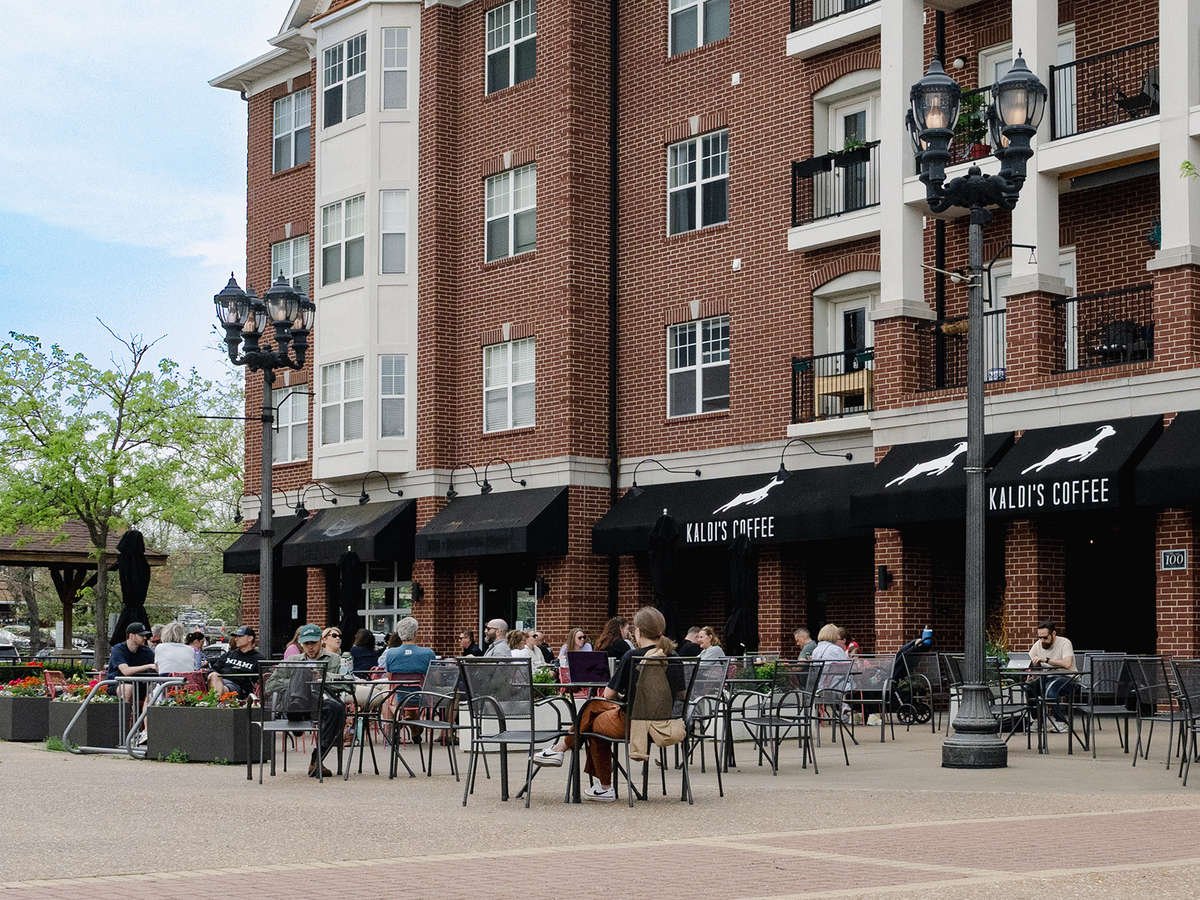
Where Kirkwood Pours Its Morning
South Kirkwood Road has the unhurried quality of a main street that never fully gave itself over to chain retail. The sidewalks are wide enough to linger, the storefronts low enough to see sky, and the foot traffic runs on a rhythm set by commuters, weekend browsers, and the kind of regulars who know which table catches the morning light. At 120 S Kirkwood Rd, Kaldi's Coffee occupies a position on that street that reflects something broader about how specialty coffee has taken root in mid-sized American cities outside the coastal markets.
The broader story here is about geography. St. Louis built a specialty coffee identity relatively quietly, without the volume of press that followed Seattle or Portland, but with genuine depth. Kaldi's, as a St. Louis-rooted operation, belongs to that tradition — a regional coffee culture that developed its own standards and customer expectations without needing national validation to do so. The Kirkwood location extends that into a residential suburb where the alternative to a serious coffee counter is, typically, a drive-through window. That context matters when reading what a place like this is doing in the neighborhood.
The Drink Program as the Point
In American coffee culture, the meaningful distinction between operators has shifted. Sourcing transparency, roast philosophy, and extraction discipline now define the upper tier, in the same way that spirits provenance and technique vocabulary define the gap between a serious cocktail program and a service bar. The coffee counter, at its leading, operates on similar logic to venues like Kumiko in Chicago or Bar Leather Apron in Honolulu — the drink is the argument, and the room is built around making that argument clearly.
What that means in practice at a specialty roaster-retailer like Kaldi's is that the espresso program and the drip or pour-over options reflect decisions made upstream, at the roasting level, rather than simply at the machine. Regional roasters with retail presence tend to carry that through more consistently than wholesale accounts, because the feedback loop between the roaster and the counter is shorter. Customers sitting inside the Kirkwood location are, in effect, drinking something closer to the source than they would at a cafe buying from a distant wholesaler.
The comparison set for a specialty coffee operation in a suburban St. Louis context is not the downtown flagship or the airport kiosk. It sits in a middle register that includes independent roasters with neighborhood retail footprints, where the quality floor is higher than the chain tier but the theater is lower than the destination coffee bar format you find in larger urban markets. This is a different register from the cocktail programs at Jewel of the South in New Orleans or Allegory in Washington, D.C., but the underlying logic , program over atmosphere, craft over throughput , runs parallel.
Reading the Room: Coffee Bars and Their Cocktail Counterparts
The conversation about what separates serious drink programs from casual ones has migrated from cocktail bars into coffee in a way that is more than superficial. Techniques borrowed from the bar world , fat-washing, cold clarification, carbonation, ingredient layering , have found their way into specialty coffee menus at the more experimental end. The venues doing this well, whether behind an espresso machine or a cocktail shaker, share an approach: the drink carries an idea, not just a flavor.
Places like ABV in San Francisco, Julep in Houston, and Superbueno in New York City have each staked their identity on a technical or conceptual point of view. Bitter & Twisted in Phoenix and Canon in Seattle represent the depth-of-selection model. Bar Kaiju in Miami and The Parlour in Frankfurt on the Main illustrate how the bar format travels across markets and adapts without losing coherence. Coffee operations at the specialty tier are navigating a similar set of decisions: what is the program's argument, and how consistently does the execution deliver it?
For Kaldi's in Kirkwood, the argument is rooted in the St. Louis regional identity: a coffee culture that developed outside the coasts, found its standards internally, and built a retail presence that reflects those standards rather than importing them from a trend cycle. That is not a minor thing in a suburban market where the default is considerably lower.
Arriving and Timing Your Visit
Kirkwood is accessible from central St. Louis by MetroLink to the Kirkwood-Ferguson station, with South Kirkwood Road a short walk from there. The neighborhood's pace runs unhurried by city standards, and the morning window , before the lunch crowd shifts the street's energy , is when the coffee counter format works leading for anyone who wants a seat and some time with a drink. South Kirkwood Road parking is generally available on weekdays, and the area rewards an extended walk: the downtown Kirkwood strip around the train station carries the same independent retail character as the coffee block. For a fuller picture of where Kaldi's sits within the area's broader food and drink offerings, our full Kirkwood restaurants guide maps the neighborhood in more detail.
At a Glance
- Cozy
- Elegant
- Casual Hangout
- Lounge Seating
- Outdoor Terrace
- Craft Beer
- Street Scene
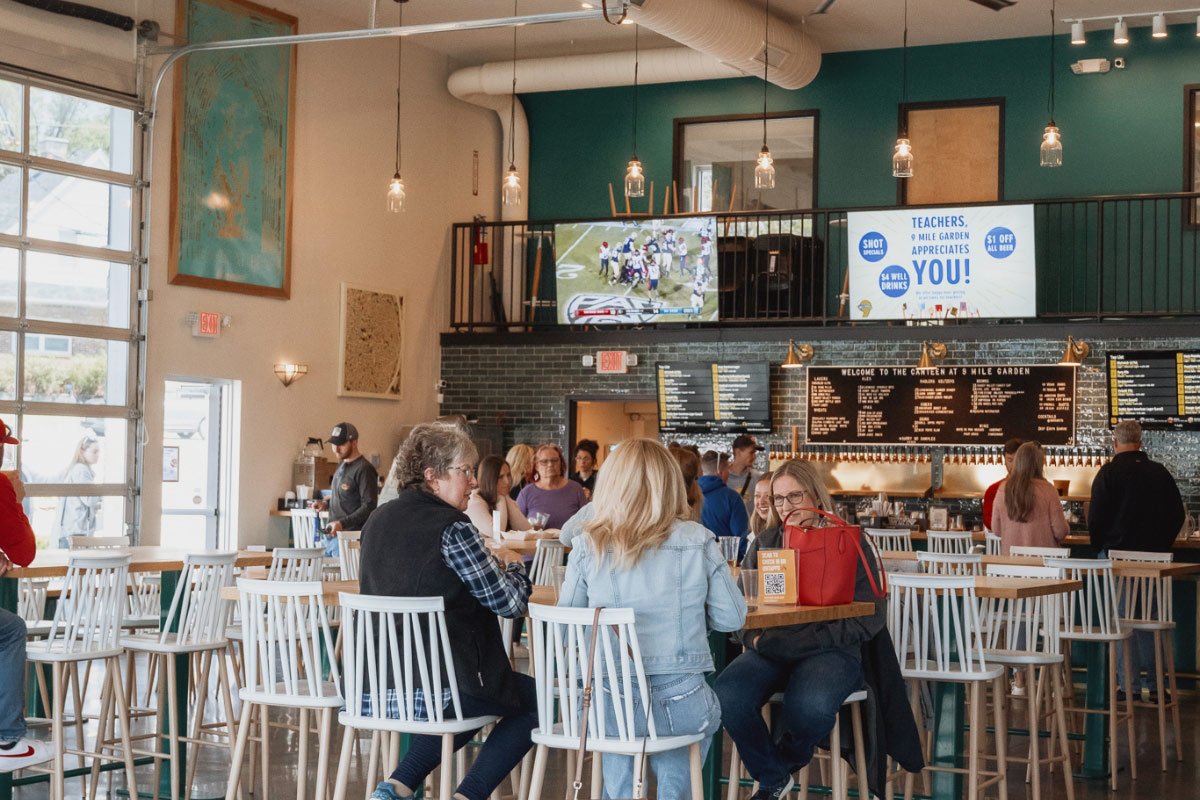
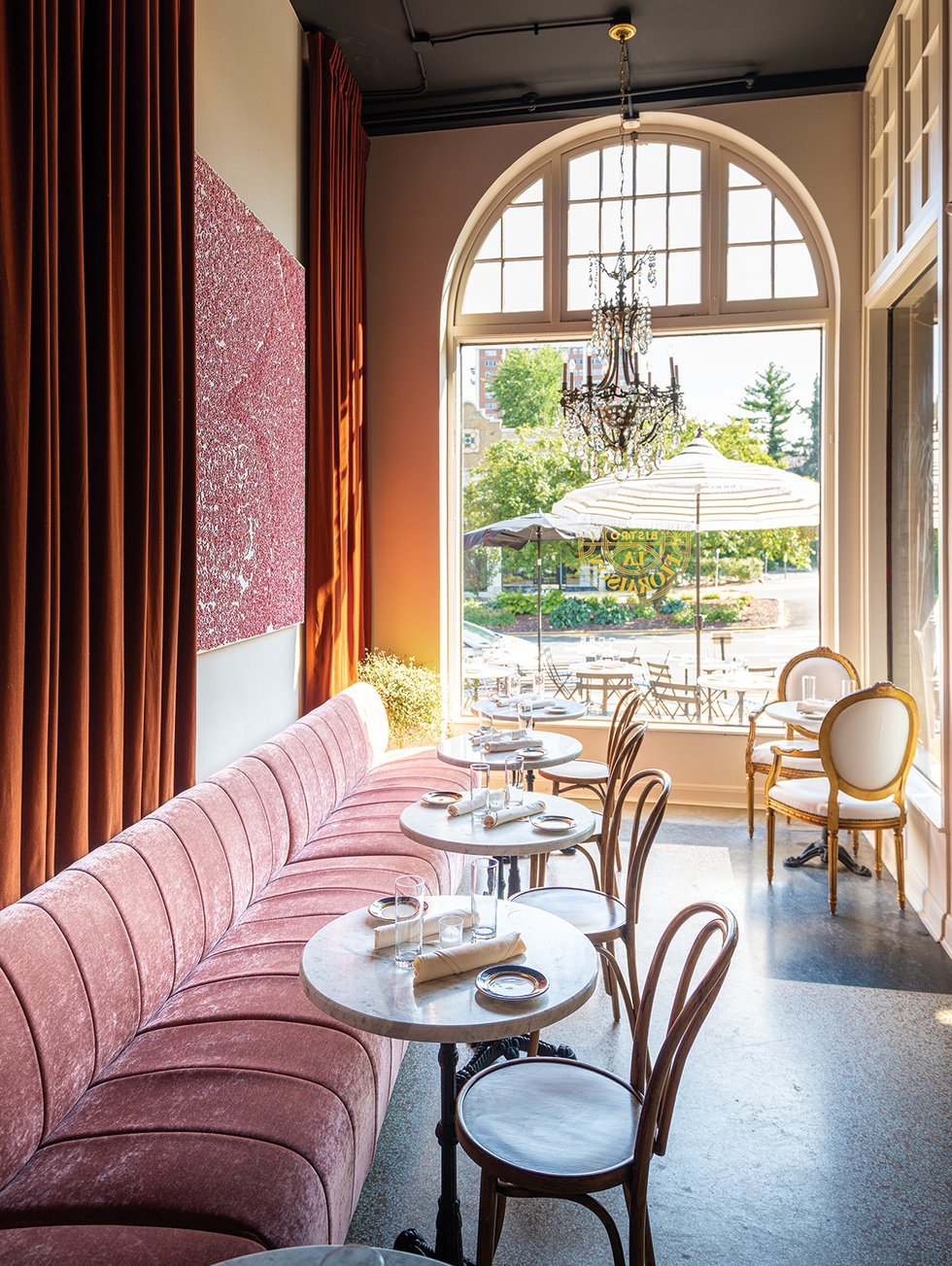
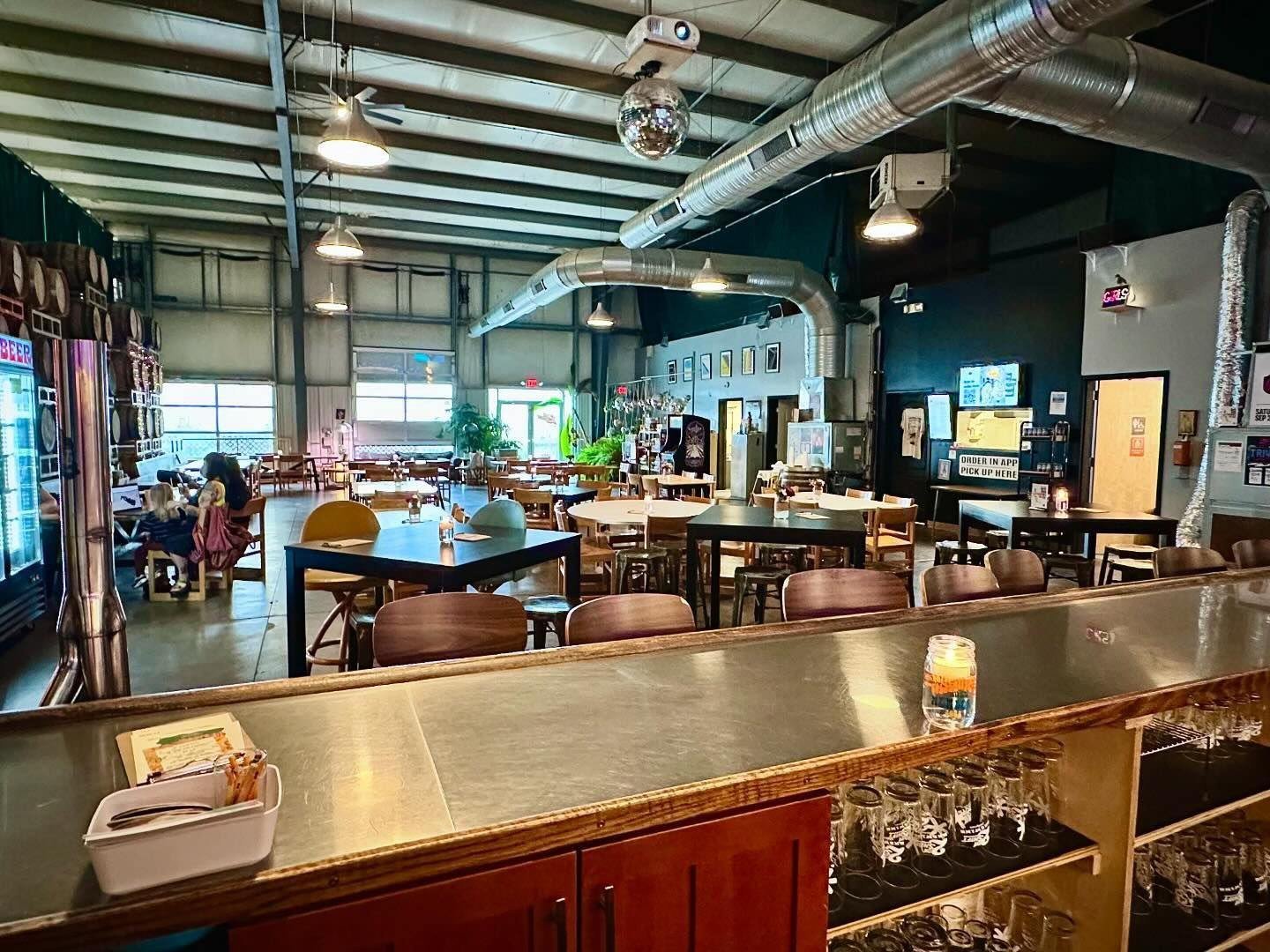
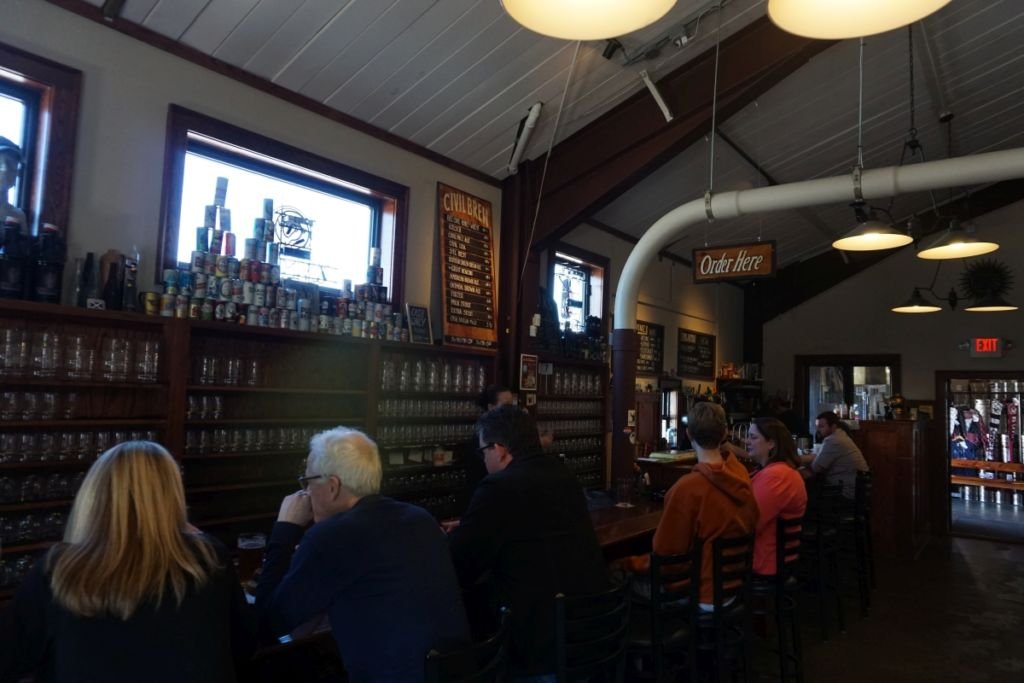
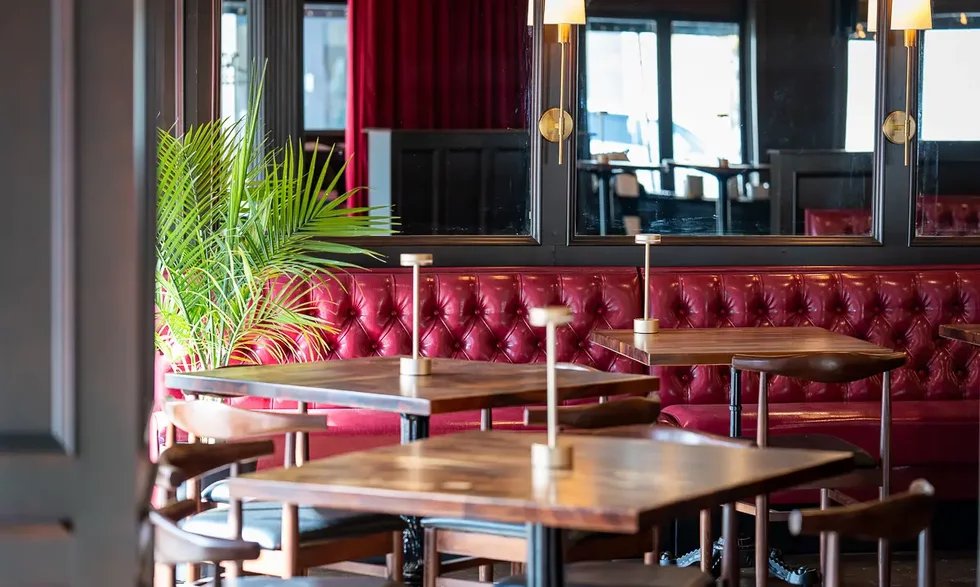
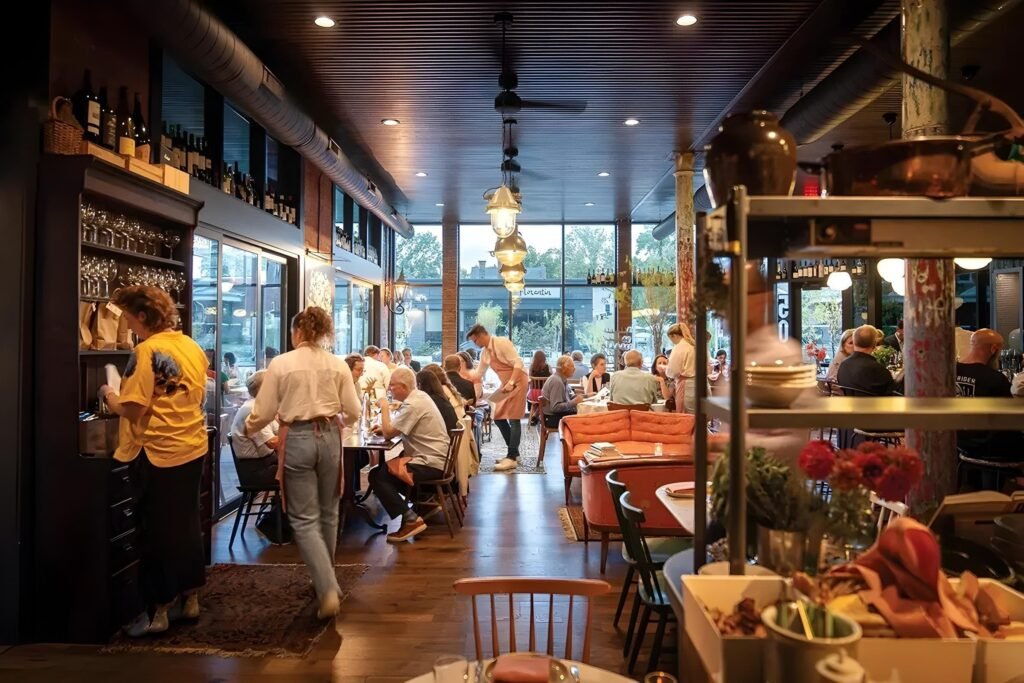
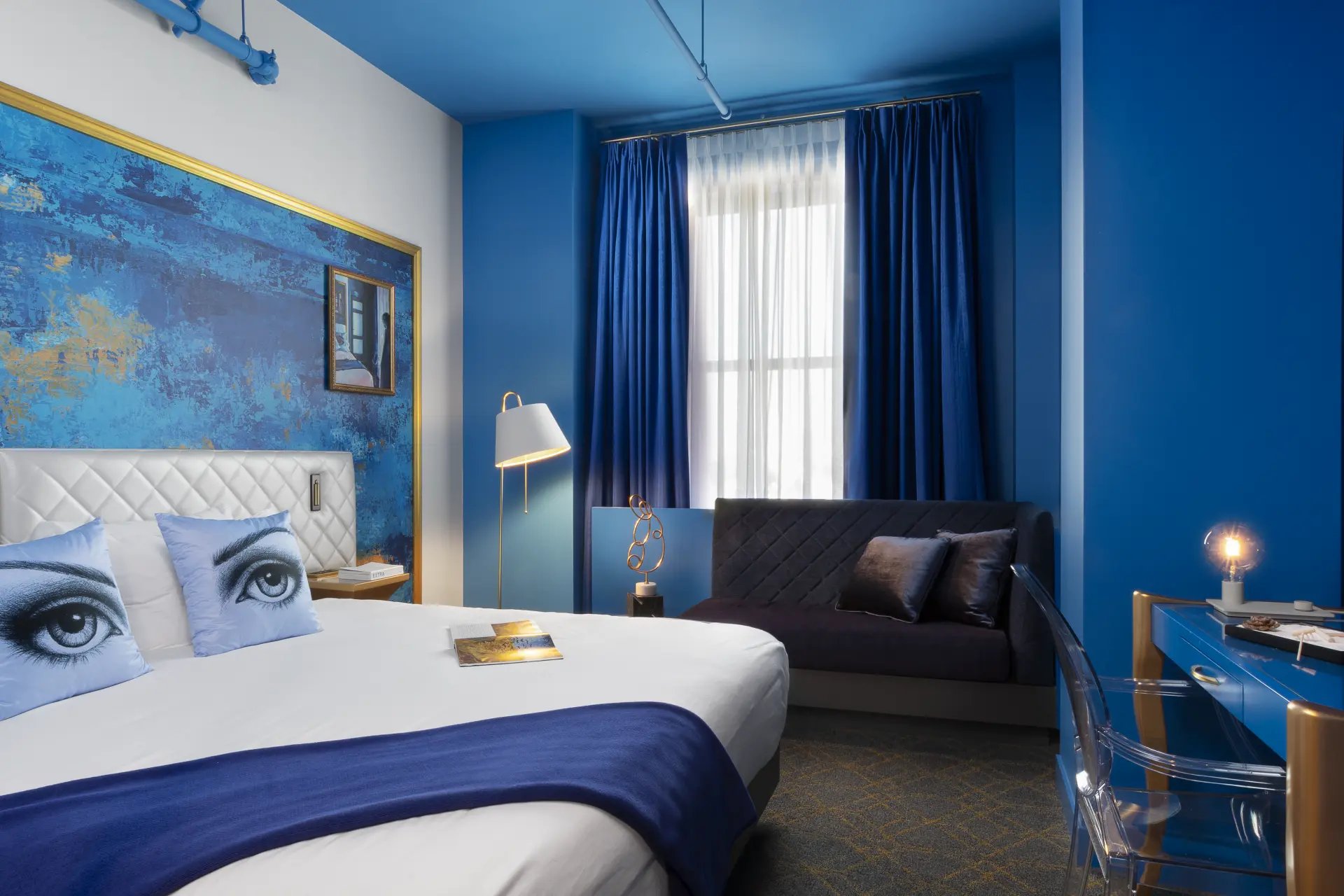
Both elegant and cozy with a variety of seating options including comfy seats, booths, and tables.