Kaita Japanese Restaurant
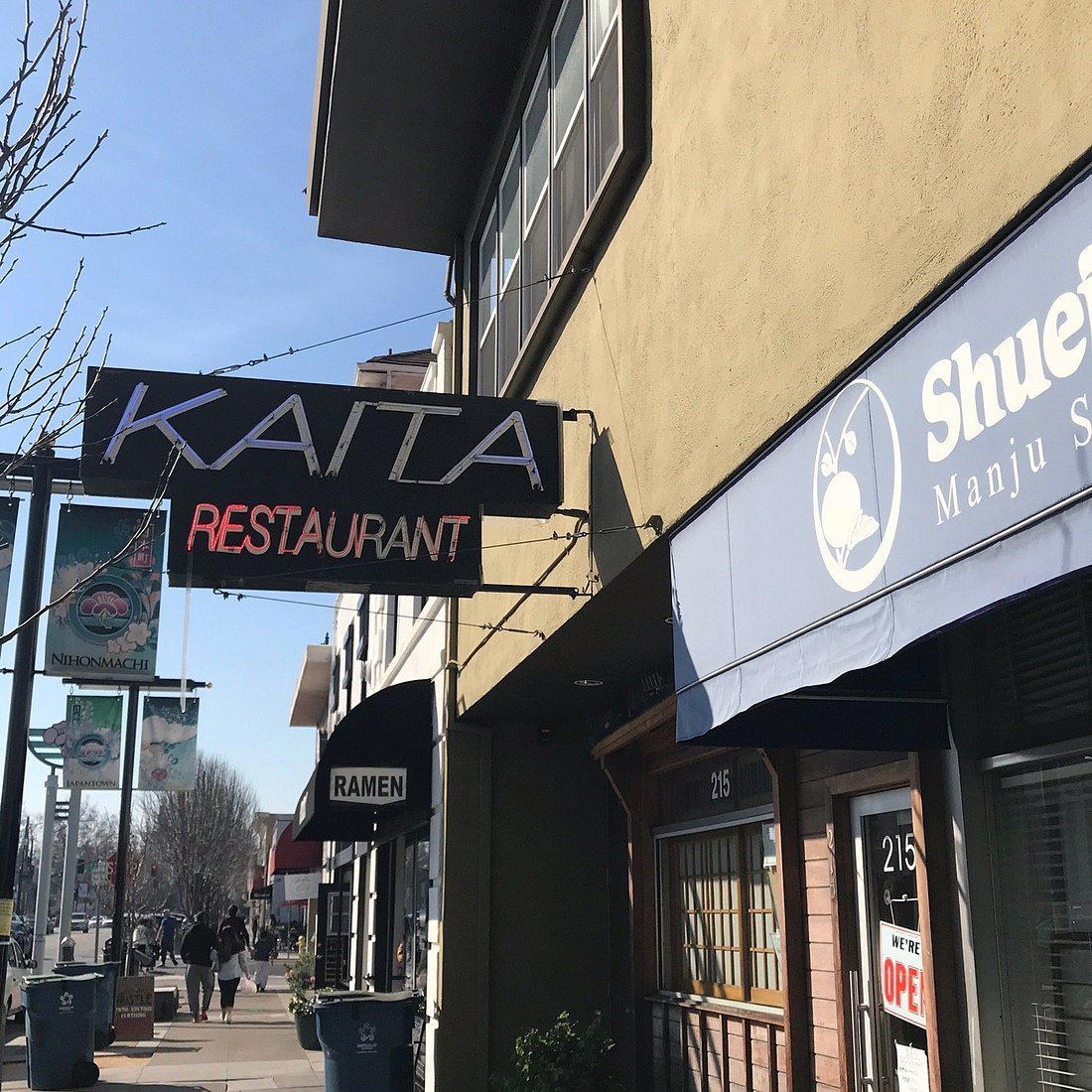
Kaita Japanese Restaurant occupies a spot on Jackson Street in San Jose's downtown corridor, where the city's Japanese dining scene runs from conveyor-belt casual to more considered counter formats. Located at 215 Jackson St, Kaita sits within reach of the neighbourhood's broader mix of cuisines and nightlife, making it a practical anchor for evenings that extend beyond the table.

Pearl is the En Primeur Club membership app, where members save venues, book tables and use the concierge.
Downtown San Jose and the Japanese Dining Tier
San Jose's Japanese restaurant scene follows a pattern recognisable across mid-size American cities with significant Asian-American populations: a wide base of sushi-casual and ramen-focused spots, a mid-tier of neighbourhood izakayas, and a smaller cohort of more deliberate Japanese dining rooms where the emphasis shifts from volume to execution. Jackson Street, where Kaita Japanese Restaurant sits at number 215, is part of the downtown grid that has absorbed a cross-section of this range. Nearby, Cha Cha Sushi and Fuji represent different points on that spectrum, giving the area a genuine density of Japanese-influenced options rather than a single dominant format.
That density matters for how any individual venue positions itself. In a neighbourhood where the diner can choose between a sushi boat experience at Cha Cha Sushi or a more traditional sit-down format, the decision about where to spend an evening becomes less about access and more about what kind of experience the table is after. Kaita operates in this context, drawing from a local population that has both the appetite and the frame of reference for Japanese cuisine at multiple registers.
The Service Architecture of Japanese Dining Rooms
One of the more underexamined qualities of serious Japanese restaurants in American cities is how the collaboration between kitchen and floor determines the character of an evening. In Japan, the itamae and the front-of-house operate within a clear hierarchy of communication: the kitchen sets the pace, the floor translates it to guests, and the drink program punctuates the progression. When this coordination works, the meal moves with a logic that feels intuitive even if the guest cannot articulate why. When it breaks down, courses arriving without context, drink pairings suggested only after food has been placed, the experience fragments.
This dynamic is part of what separates a considered Japanese dining room from a Japanese restaurant that happens to have good food. The team dynamic, in other words, is structural rather than incidental. Venues that manage it well tend to attract a repeat clientele that is less price-sensitive and more sequence-aware, guests who notice whether the second pour arrives before or after the next course, or whether the server can speak to the provenance of a particular preparation. In the American context, where the sommelier role often sits apart from the food service rhythm, Japanese restaurants that integrate drink guidance into the floor rotation rather than treating it as an add-on tend to produce more coherent evenings. This is the standard against which any serious Japanese dining room in a city like San Jose should be measured.
For reference points in how this team architecture functions at its most developed, places like Kumiko in Chicago demonstrate how Japanese sensibility around beverage service can be translated into an American setting without losing its internal logic. Similarly, Bar Leather Apron in Honolulu shows how precision in front-of-house communication can become the defining quality of an evening rather than the food alone.
Drink Programming and Japanese Restaurant Culture
Japanese cuisine in America has historically been under-served by its drink programs. The default pairing of sake or Japanese whisky, offered without particular structure or progression, has been the norm in most mid-market Japanese restaurants. The more considered tier has begun to close that gap, building drink lists that treat sake as a serious category with regional variation, producer specificity, and appropriate glassware rather than a default accompaniment. Shochu, umeshu, and Japanese craft beer have also entered programs at this level, giving front-of-house teams more tools to construct a coherent beverage arc across a meal.
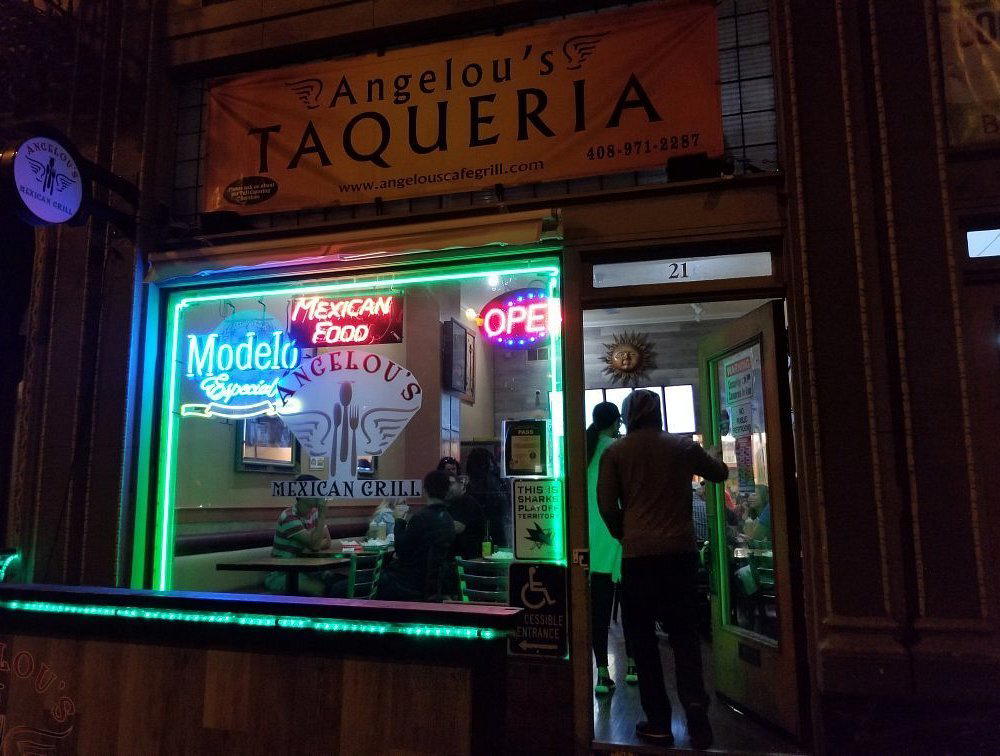
In San Jose's broader bar and restaurant scene, the approach to drinks has been evolving across cuisines. Eos and Nyx and Angelou's Mexican Grill each represent different registers of how local venues are approaching drink programming with more intention. The question for Japanese dining rooms specifically is whether the beverage selection serves the food's seasonality and texture, or whether it functions as a separate revenue line with no connective tissue to what arrives from the kitchen.
For context on how ambitious drink programs operate in Japanese-influenced settings nationally, Jewel of the South in New Orleans, Julep in Houston, and Superbueno in New York City each approach the integration of drink and culinary identity from different angles, and each illustrates what happens when that relationship is treated seriously from the outset rather than retrofitted.
San Jose's Position in the Bay Area Japanese Dining Conversation
San Francisco has historically commanded more critical attention for Japanese dining in the Bay Area, with its concentration of omakase counters, Japanese-owned izakayas, and a population with deep roots in Japanese food culture. San Jose's contribution to that conversation is less documented in the national press, which creates a gap between what the city actually supports and what gets written about. ABV in San Francisco and the broader Mission and Japantown corridors tend to absorb the critical oxygen, leaving South Bay venues to build their reputations through repeat local business rather than editorial coverage.
This is not necessarily a disadvantage. Restaurants that build their clientele through local loyalty rather than media cycles tend to operate with more consistency and less performance. The pressure to execute on any given night is higher when the room is full of regulars who will notice a slip than when it is full of first-time visitors working through a checklist. For diners approaching Kaita from outside San Jose, the broader context is a San Jose restaurant scene that is doing more interesting work than its national profile suggests, across Japanese formats and beyond. The Parlour in Frankfurt offers an interesting international parallel: a city where serious hospitality operates largely below the radar of international press, rewarding the diner who arrives with local intelligence rather than a headline.
Planning Your Visit
Frequently Asked Questions
Price and Positioning
A quick peer list to put this venue’s basics in context.
| Venue | Price |
|---|---|
| Kaita Japanese RestaurantThis venue (the venue you are viewing) | $20–30 |
| Angelou's Mexican Grill | $10–20 |
| Kazoo Japanese Sushi Boat Restaurant | $20–30 |
Continue exploring
More in San Jose
Bars in San Jose
All bars in San Jose →
Restaurants in San Jose
All restaurants in San Jose →
Details
- Cozy
- Classic
- Intimate
- Casual Hangout
- Group Outing
- Historic Building
- Standalone
- Seated Bar
- Booth Seating
Current opening hours
- Monday
- Closed
- Tuesday
- 11:30 AM–2 PM, 5–8:30 PM
- Wednesday
- 11:30 AM–2 PM, 5–8:30 PM
- Thursday
- 11:30 AM–2 PM, 5–8:30 PM
- Friday
- 11:30 AM–2 PM, 5–9 PM
- Saturday
- 11:30 AM–2 PM, 5–9 PM
- Sunday
- Closed
Hours can change for holidays and private events. Last verified .
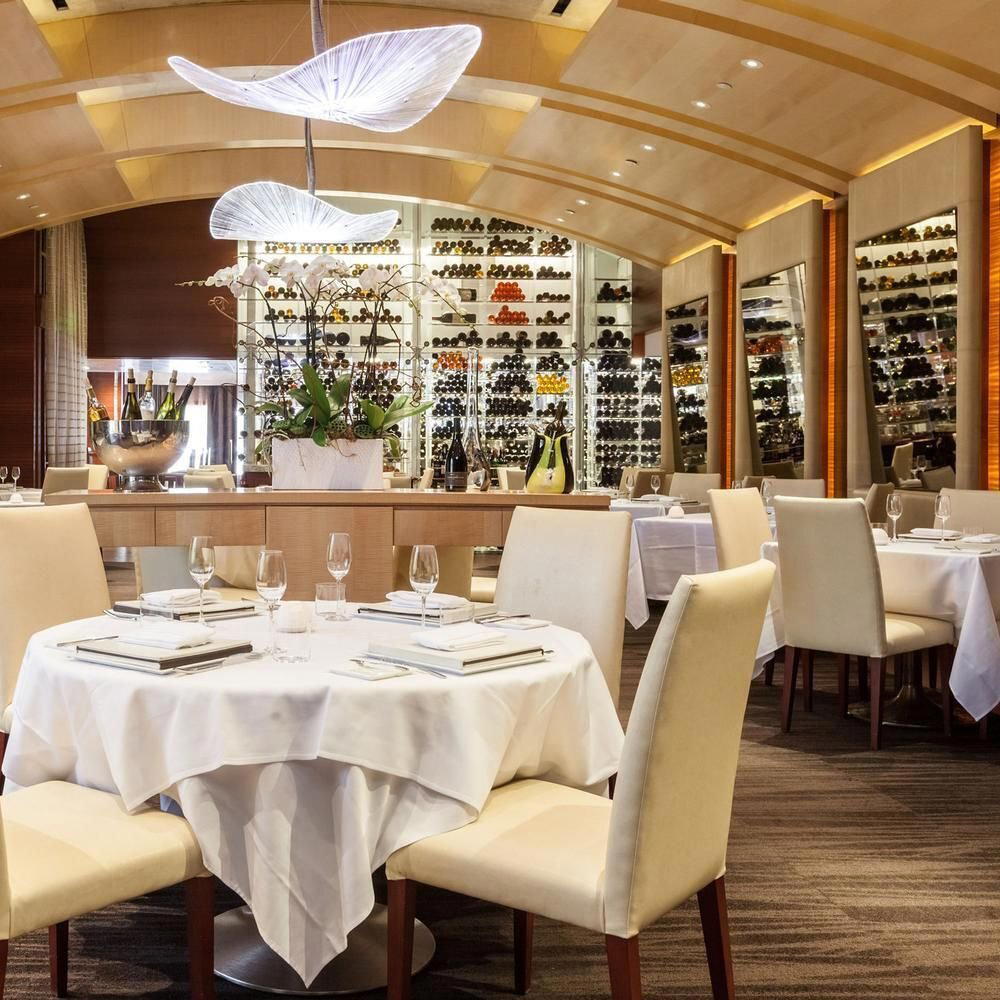
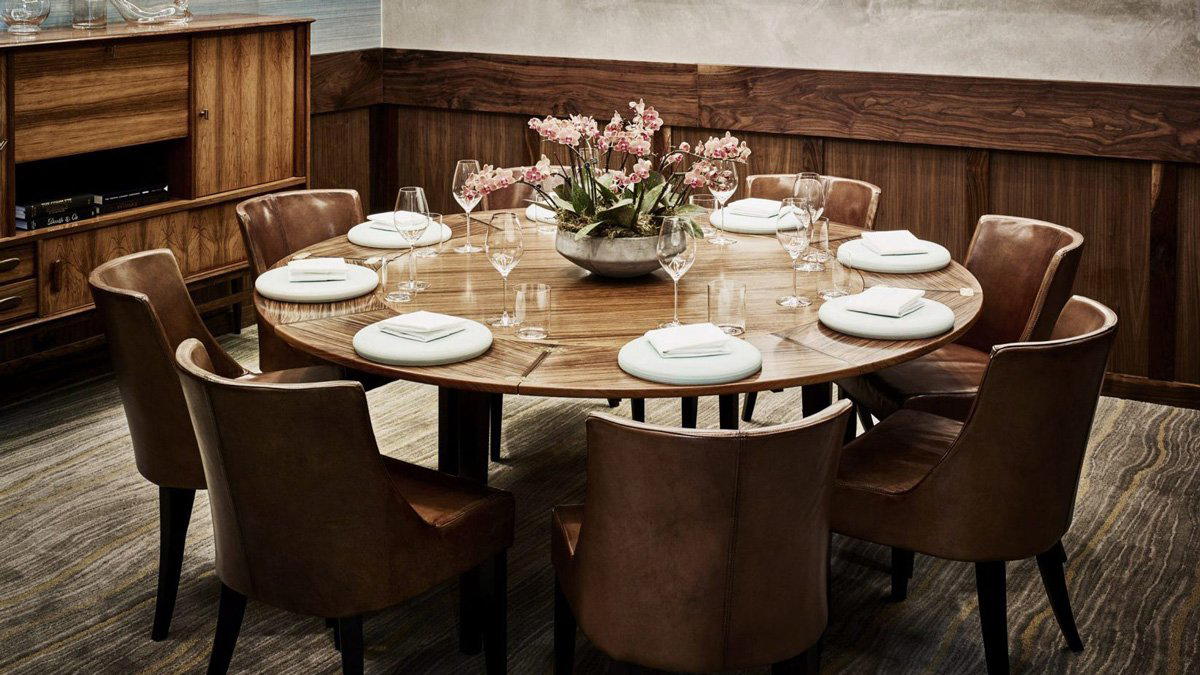
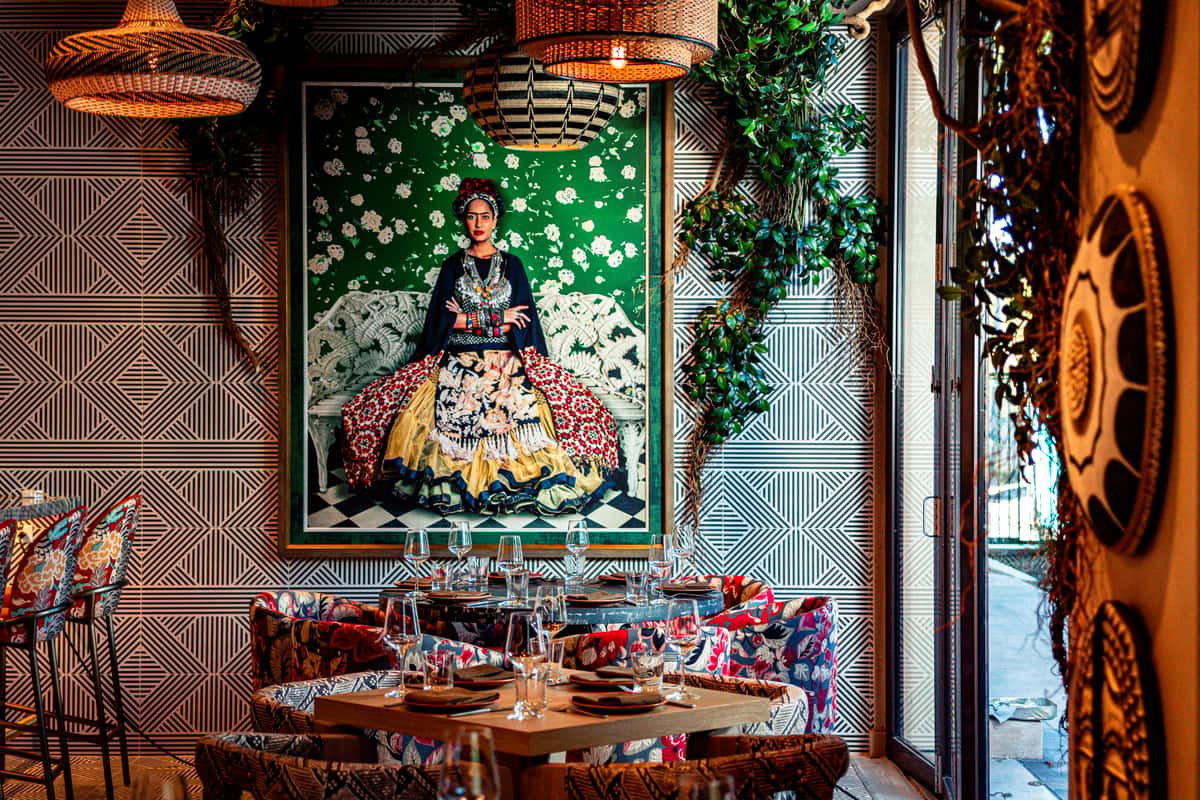
Warm and welcoming family atmosphere with recently installed blue carpeting and comfortable benches creating a cozy dining environment.