Umi Hand Roll Bar
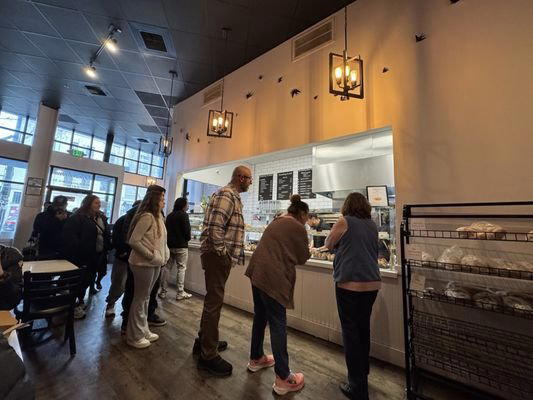
Umi Hand Roll Bar occupies a compact address on First Street in downtown San Jose, sitting inside a segment of Japanese casual dining that prizes counter speed and ingredient precision over ceremony. The hand roll format strips omakase theatrics down to their functional core: fish, rice, nori, and timing. For San Jose's growing appetite for focused Japanese formats, Umi is a credible reference point.

Pearl is the En Primeur Club membership app, where members save venues, book tables and use the concierge.
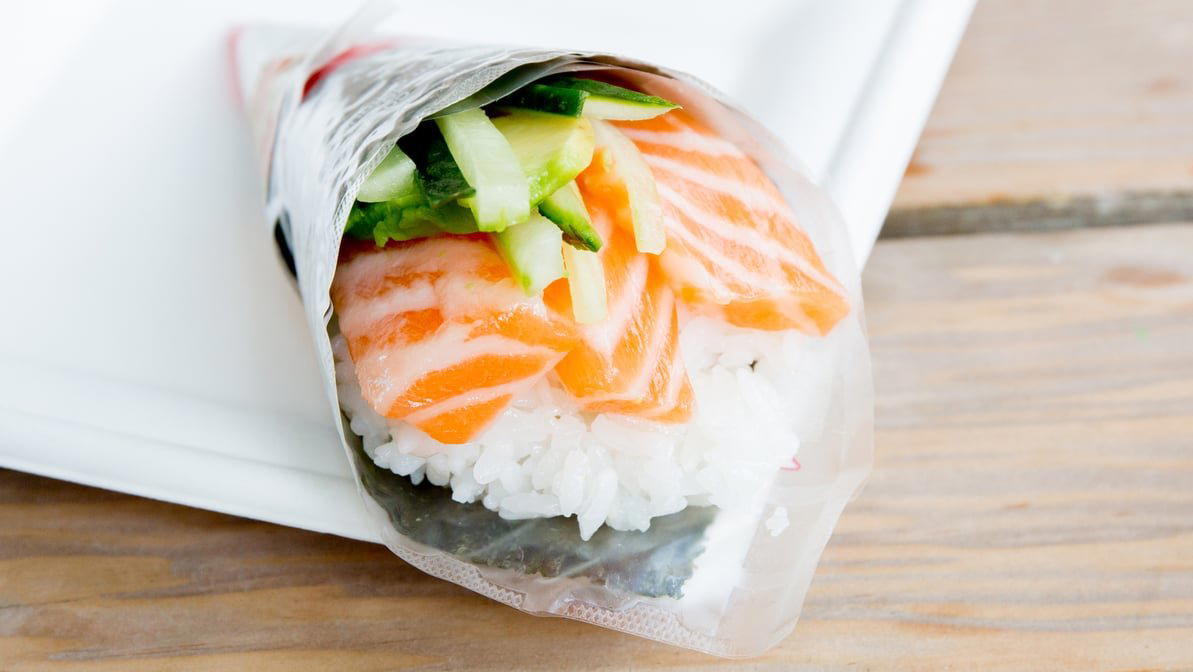
First Street and the Hand Roll Counter
Downtown San Jose's First Street corridor has accumulated a working mix of quick-service and casual sit-down formats over the past decade, with Japanese concepts holding a consistent share of that terrain. The hand roll bar as a format sits in an interesting middle position: it borrows the counter discipline of omakase without the ceremony, and the speed of fast-casual without sacrificing ingredient focus. Umi Hand Roll Bar, at 387 First St, occupies that space with a format that has found genuine traction in West Coast cities where Japanese food culture has deepened well beyond the sushi conveyor belt.
Walk into a well-run hand roll bar and the operating logic is immediately legible: the counter is the kitchen, the kitchen is the dining room, and the transaction between cook and guest is stripped to its clearest form. Nori arrives dry, rice is pressed to order, and the window between assembly and consumption is deliberately short. That structural brevity is what separates the format from conventional sushi dining, where pacing is orchestrated across a long menu. Here, the edit is tighter and the margin for error correspondingly narrower.
A Format Finding Its Place in San Jose's Japanese Scene
San Jose sits within a broader Bay Area Japanese dining ecology that extends from omakase counters in San Francisco's SoMa and Japantown to conveyor-belt and izakaya formats spread across the South Bay. Within that range, the hand roll bar represents a format that has matured rapidly in cities like Los Angeles and New York over the last several years, driven partly by ingredient-forward operators who wanted a tighter, less labour-intensive format than full omakase, and partly by a guest appetite for counter dining that doesn't require a three-month booking lead time or a triple-digit per-person commitment.
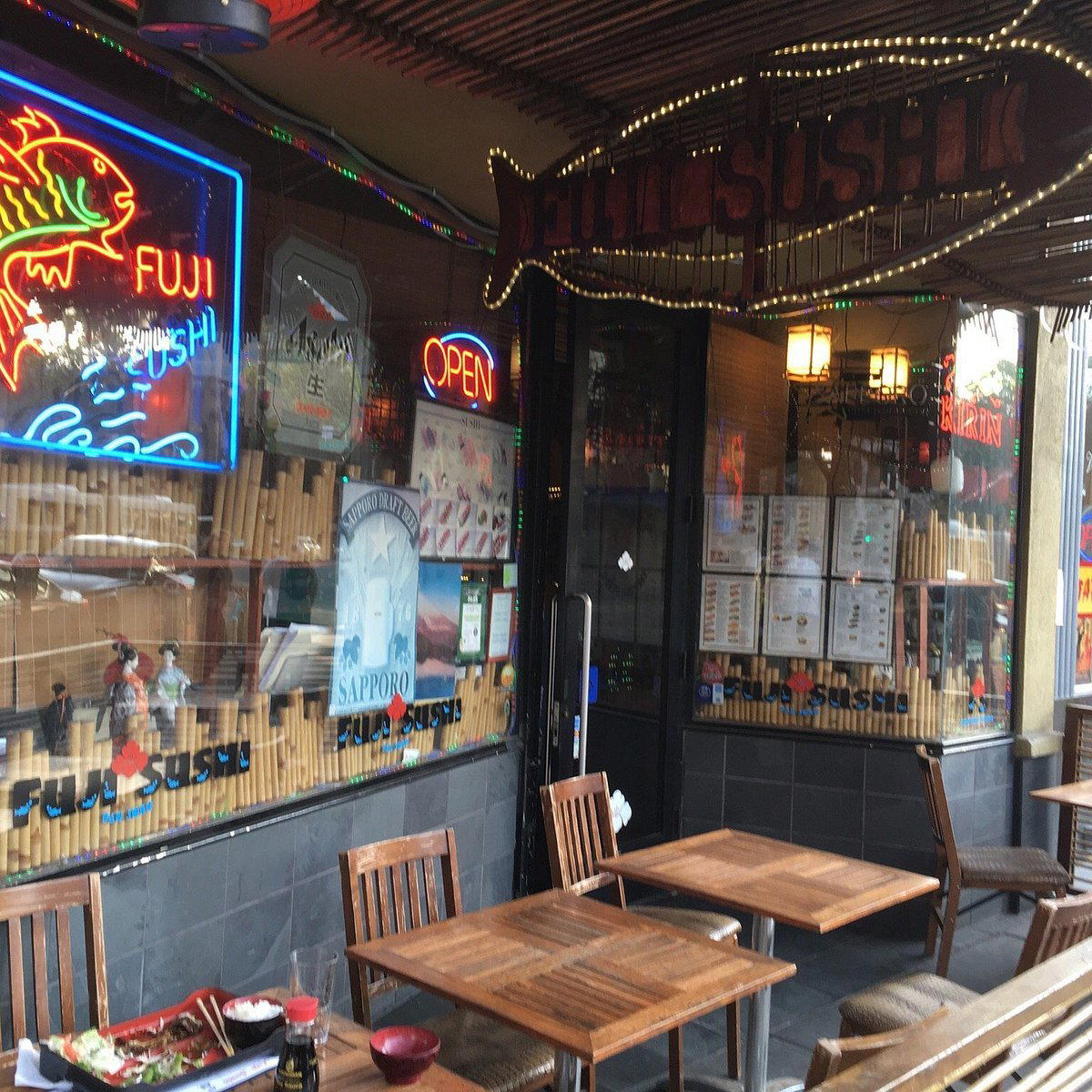
San Jose's own Japanese dining options include a spread of approaches. Cha Cha Sushi and Fuji represent different points on that range, while the broader downtown corridor, which also holds Angelou's Mexican Grill and Eos and Nyx, reflects the city's appetite for varied counter and casual formats. Against that backdrop, a focused hand roll concept at street level on First Street is a coherent addition rather than a novelty.
The format's discipline is also what makes it genuinely accessible to first-time visitors. There is no multi-course structure to decode, no wine pairing pressure, and no menu length that requires prior research. The sequence is self-evident. That accessibility does not reduce the technical requirements on the kitchen side: dry nori, properly seasoned rice at the right temperature, and protein quality that can withstand close-quarters inspection are non-negotiable in a format where nothing is hidden by sauce or theatrical plating.
Planning a Visit: What to Know Before You Go
The editorial angle that matters most for Umi Hand Roll Bar is practical: how you get there, when you go, and what the booking situation actually looks like. The venue sits at 387 First St, San Jose, CA 95113, within walking distance of the core downtown transit infrastructure including the San Jose Diridon station corridor and the downtown light rail stops. For anyone arriving from San Francisco or the broader Bay Area, Caltrain access to the area is a direct option.
Booking intelligence for hand roll bars as a format tends to follow a consistent pattern: the lower-capacity counters in major West Coast cities have moved toward reservation systems, sometimes through Resy or Tock, while others operate on a walk-in basis with limited seating that creates short queues at peak times. Given the venue's downtown position on First Street, arrival timing matters. Weekday lunch and early dinner windows typically carry less pressure than Friday and Saturday evening service. Arriving at or shortly after opening, or targeting the mid-afternoon lull where the format allows, is a sensible approach in the absence of advance booking confirmation.
For context on how focused counter formats handle the booking question more broadly, venues like Bar Leather Apron in Honolulu and Kumiko in Chicago have built distinct booking cultures around their counter formats, each with different lead times and policies. The principle applies here: check current booking availability directly before planning around a specific time slot, since counter-format venues can shift policy seasonally or in response to demand.
The hand roll format also has a natural pace advantage for the visitor managing a tighter schedule. Unlike a full omakase or multi-course tasting, a hand roll counter visit typically resolves in under an hour at a comfortable pace. That compresses the planning commitment and makes Umi a realistic option even on a working lunch or a short downtown stop rather than a dedicated dining evening.
The Counter Compared: San Jose in a National Frame
It is worth placing San Jose's focused Japanese counter scene against the broader national picture. Cities like New York and Chicago have seen a clear bifurcation in Japanese dining between the high-end omakase tier and the more accessible focused formats. Superbueno in New York City and Jewel of the South in New Orleans illustrate how cities develop distinct counter-format dining cultures, each shaped by local ingredients, neighbourhood character, and price tier expectations. Julep in Houston and ABV in San Francisco point toward how focused, format-disciplined concepts build loyal audiences by doing a narrow thing with consistency. The Parlour in Frankfurt demonstrates that the appeal of the tight counter format extends well beyond North America.
For San Jose, a city that often sits in San Francisco's editorial shadow despite a substantial and growing dining scene, the hand roll bar format is a meaningful signal. It suggests that the market is sophisticated enough to support ingredient-focused formats that require no explanatory scaffolding, no prix-fixe ceremony, and no destination-dining branding to draw a consistent crowd. That is a different kind of confidence than the one that drives tasting-menu openings, and arguably a more durable one. Consult our full San Jose restaurants guide for a broader map of where the city's dining scene is concentrating its energy.
At-a-Glance Comparison
| Venue | Price |
|---|---|
| Umi Hand Roll BarThis venue (the venue you are viewing) | $20–30 |
| Angelou's Mexican Grill | $10–20 |
| Kazoo Japanese Sushi Boat Restaurant | $20–30 |
Continue exploring
More in San Jose
Bars in San Jose
All bars in San Jose →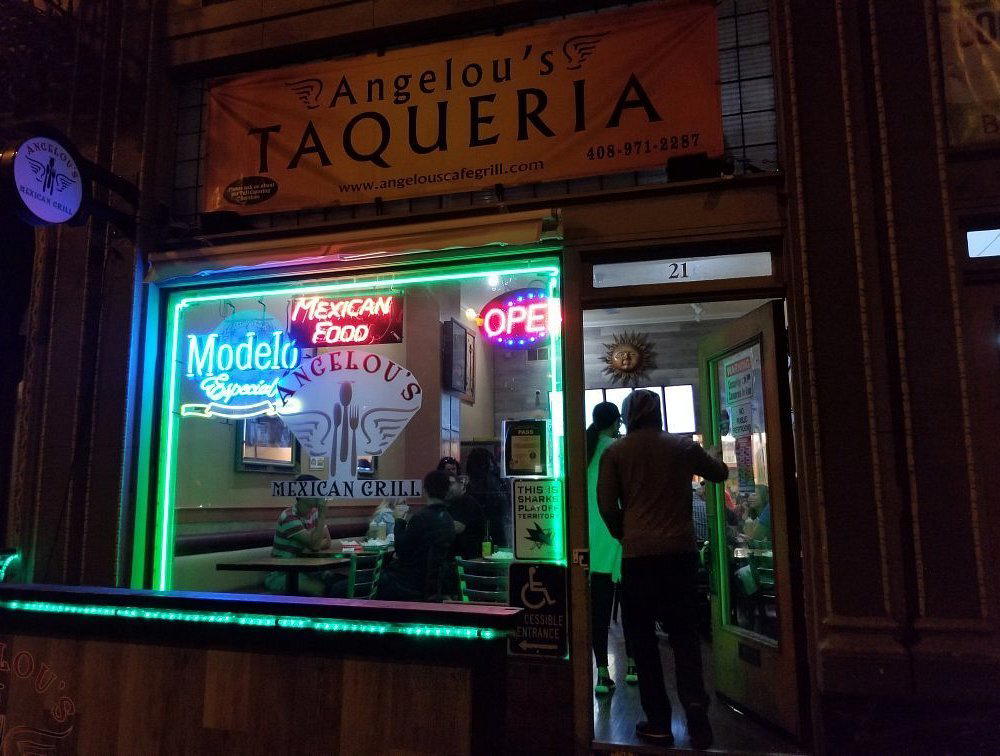
Restaurants in San Jose
All restaurants in San Jose →
Details
- Trendy
- Casual Hangout
- Standalone
- Communal Tables
- Counter Only
- Sake
Current opening hours
- Monday
- 10:30 AM–8 PM
- Tuesday
- 10:30 AM–8 PM
- Wednesday
- 10:30 AM–8 PM
- Thursday
- 10:30 AM–9 PM
- Friday
- 10:30 AM–9 PM
- Saturday
- 10:30 AM–9 PM
- Sunday
- 10:30 AM–9 PM
Hours can change for holidays and private events. Last verified .
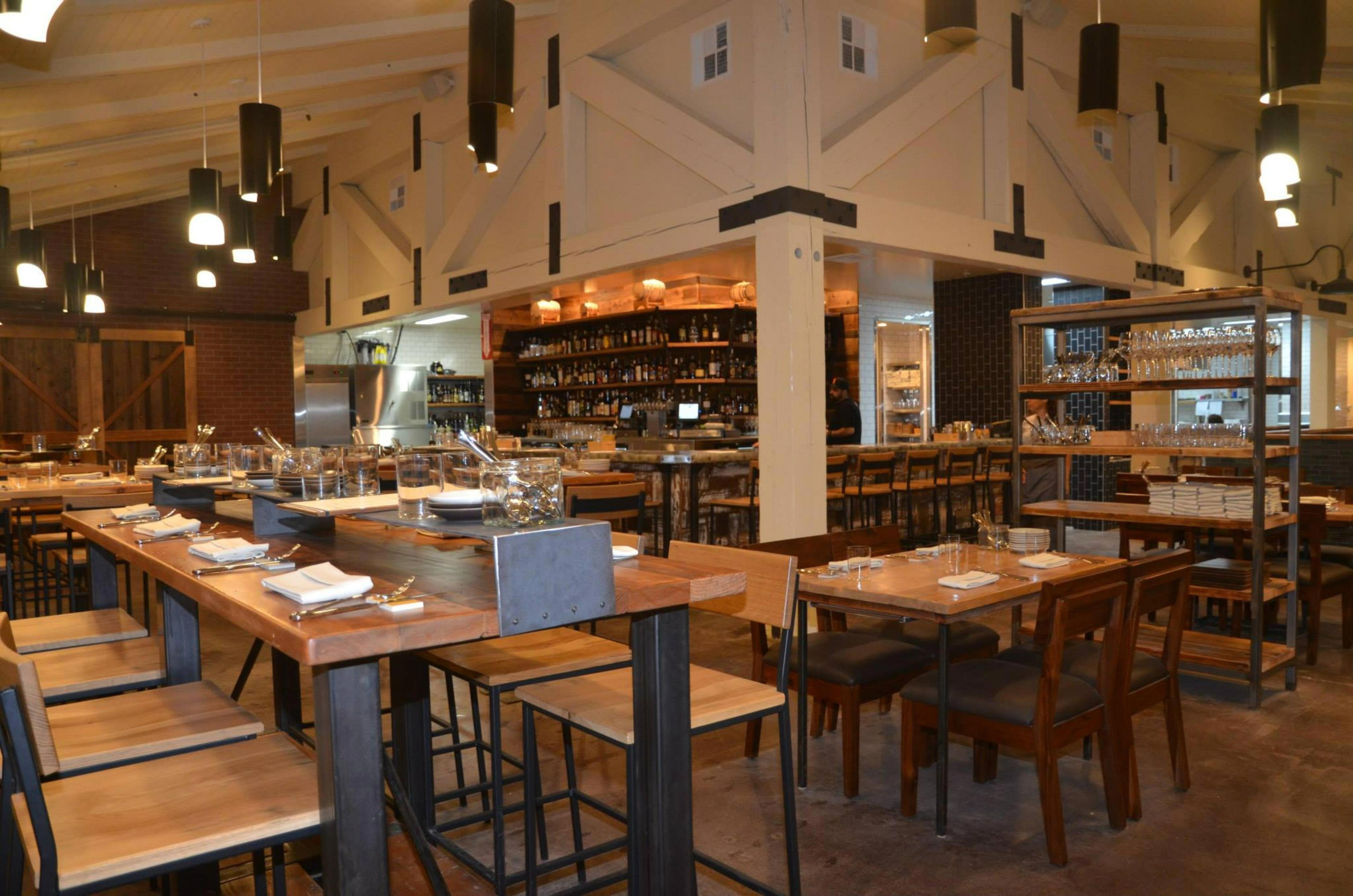
Communal atmosphere in a trendy food hall with industrial high ceilings.