Joo Joo Restaurant & Karaoke
Joo Joo Restaurant & Karaoke on Olive Boulevard in Maryland Heights brings together a dining room and private karaoke in a format that fits the St. Louis suburb's appetite for social eating. The combination of food and song-booth entertainment puts it in a specific niche within the area's Korean and Asian dining circuit, where shared-table culture and after-dinner programming often run together.

Pearl is the En Primeur Club membership app — saves, bookings, and concierge access live there. Same editors, same standards.
- Address
- 12937 Olive Blvd, St. Louis, MO 63141
- Phone
- (314) 469-1999
- Hours
- Mon 12–9 PMTue ClosedWed–Thu 12–9 PMFri–Sat 12–10 PMSun 12–9 PM
- Website
- joojoo.us
- Directions
- Get directions
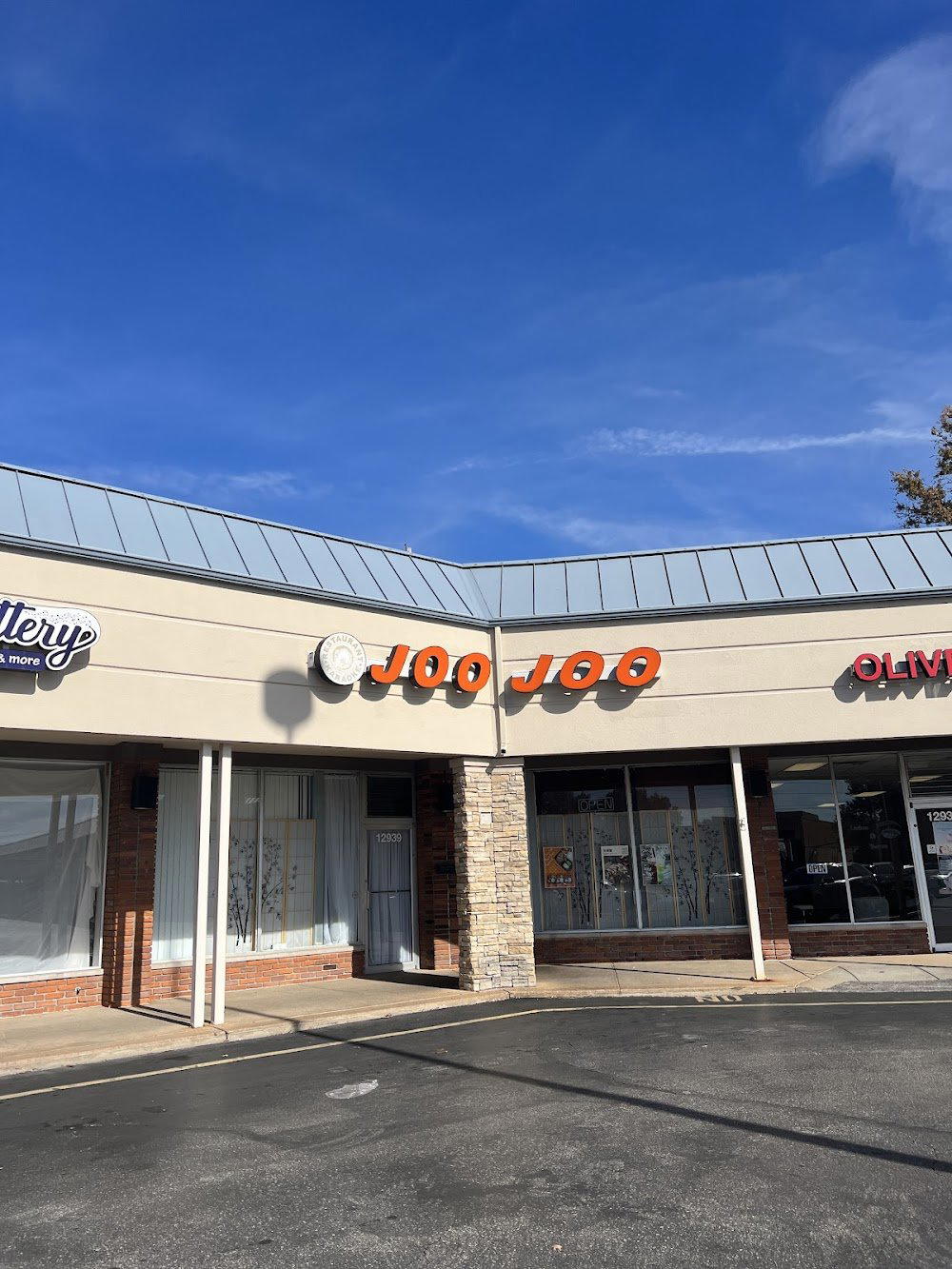
Where the Dining Room Ends and the Song Booth Begins
In American suburbs with sizable Korean and East Asian communities, the restaurant-karaoke hybrid is less a novelty than a logical evolution of how people actually eat and spend an evening. The format consolidates two activities that, in Korea, would often happen in adjacent venues: a full dinner service followed by a private norebang session. Maryland Heights, positioned along the Olive Boulevard corridor that runs west from St. Louis city into the first-ring suburbs, has seen this model take hold alongside the Korean barbecue spots and pan-Asian kitchens that now anchor the strip. Joo Joo Restaurant & Karaoke, at 12937 Olive Blvd, sits inside that pattern rather than outside it.
The Olive Boulevard corridor functions as St. Louis's primary concentration of Korean and broader East Asian dining, a stretch where the infrastructure of grocery importers, specialty suppliers, and a settled residential community creates the conditions for formats that wouldn't sustain themselves elsewhere in the metro. For visitors arriving from the city, the drive west on Olive takes roughly fifteen minutes from Clayton. For those coming from the airport or the Westport Plaza area, Joo Joo is within a short radius of a cluster of bars and restaurants that define Maryland Heights's evening economy, including 360 Westport.
The Karaoke-Dining Format and What It Signals
Across American cities, the karaoke-dining combination has matured into two distinct tiers. The first is the large-format entertainment venue, where karaoke is the anchor and food is secondary, often a simplified menu designed for high throughput. The second is the restaurant-first model, where a kitchen operates as the genuine center of gravity and private karaoke rooms function as an after-dinner option rather than the main event. Joo Joo reads as the latter type, a configuration that reflects how Korean dining culture treats song booths: as an extension of the meal's social arc rather than a replacement for it.
This distinction matters for how you plan the evening. Venues where the kitchen holds its own tend to attract a crowd that lingers over the table before moving to a booth, which in practice means earlier reservations free up later in the night and the room has a different energy at 7pm than at 10pm. For comparison, the bar programs at venues like Kumiko in Chicago and Jewel of the South in New Orleans demonstrate how a well-structured drinks list can anchor a multi-hour visit in a way that karaoke rooms do in the Asian-dining context: they extend dwell time without requiring the kitchen to keep carrying the night.
Reading the Back Bar in a Korean Dining Context
The editorial angle that matters most in a venue combining Korean cuisine with private entertainment rooms is what the drinks program looks like behind the food. In the strongest examples of this format, the bar moves beyond the standard soju-and-beer pairing into curated spirits that acknowledge both Korean drinking culture and the American cocktail moment. Soju, makgeolli, and Korean whisky labels have expanded considerably in import availability over the past decade, and venues that have kept pace with that expansion tend to build a back bar with at least three tiers: entry-level soju for the traditional pairing, premium Korean spirits for those who want to explore the category, and a selection of international whisky and cocktail ingredients for guests who don't come from a Korean drinking background.
This kind of curation is what separates a considered spirits program from a default one. Programs built around depth rather than breadth tend to show in small decisions: whether the soju selection goes beyond a single brand, whether the menu acknowledges the difference between distilled and diluted soju, whether there's a makgeolli option for the fermented rice wine drinker who wants something lower-alcohol. Comparable attention to spirits architecture can be seen in bars like Bar Leather Apron in Honolulu, where the back bar is organized around a specific collecting logic, or ABV in San Francisco, where the selection functions as an argument about what a serious bar stocks. The question for a venue like Joo Joo is whether the drinks side of the operation matches the social ambition of the karaoke format.
The Broader Maryland Heights Dining Context
Maryland Heights sits in an interesting position within the St. Louis dining conversation. It lacks the editorial attention that the city's central neighborhoods attract, but the Olive corridor has a functional depth that rewards visitors who look past the county's reputation as a pass-through. The restaurant-karaoke model is one part of that. Korean barbecue, Vietnamese pho kitchens, and Chinese regional cooking all have established footholds along this stretch, and the competition among them has sharpened quality in ways that don't always register in mainstream St. Louis coverage.
For anyone building an evening around the area, the geography works in favor of combining venues. The Westport Plaza cluster is close enough to allow a drinks stop before or after dinner, and bars with structured cocktail programs in the region offer a counterpoint to the Korean-dining drinks list. Venues like Julep in Houston, Superbueno in New York City, Allegory in Washington, D.C., Bar Kaiju in Miami, Bitter & Twisted in Phoenix, and The Parlour in Frankfurt each demonstrate how a cocktail program can carry a room's identity with the same clarity that a kitchen does. That kind of bar culture hasn't fully arrived on Olive Boulevard, which makes the drinking decisions at a venue like Joo Joo more consequential for the overall experience.
See our full Maryland Heights restaurants guide for a broader map of the corridor's dining options and how they fit together across an evening or a weekend.
Planning Your Visit
Joo Joo Restaurant & Karaoke is located at 12937 Olive Blvd, St. Louis, MO 63141, in Maryland Heights. The venue combines a restaurant dining room with karaoke room bookings, which means the evening typically unfolds in two stages: dinner first, then the booth. Groups planning to use the karaoke side of the venue should account for this sequencing when booking and communicate room needs alongside table reservations. The Olive corridor is car-dependent from St. Louis proper; street parking is generally available along the commercial strip, and the location is accessible from I-270 via the Olive Boulevard exit.
Cost and Credentials
Comparable venues nearby, for context on price, style, and recognition.
| Venue | Cuisine | Price | Notes |
|---|---|---|---|
| Joo Joo Restaurant & KaraokeThis venue — the venue you are viewing | Creve Coeur, lounge | $20–30 | Not listed |
| 360 Westport | Not listed | $30–50 | Westport Plaza, rooftop_bar |
| Yellowbelly | Not listed | $20–30 | Central West End, tiki_bar |
| SUSHI KOI | Not listed | $20–30 | Central West End, sake_bar |
| Blackthorn Pub and Pizza | Tower Grove East, pub | $20–30 | Not listed |
| Tokyo Sushi | Sunset Hills, Bar | Not listed | Not listed |
Continue exploring
More in Maryland Heights
Bars in Maryland Heights
Browse all →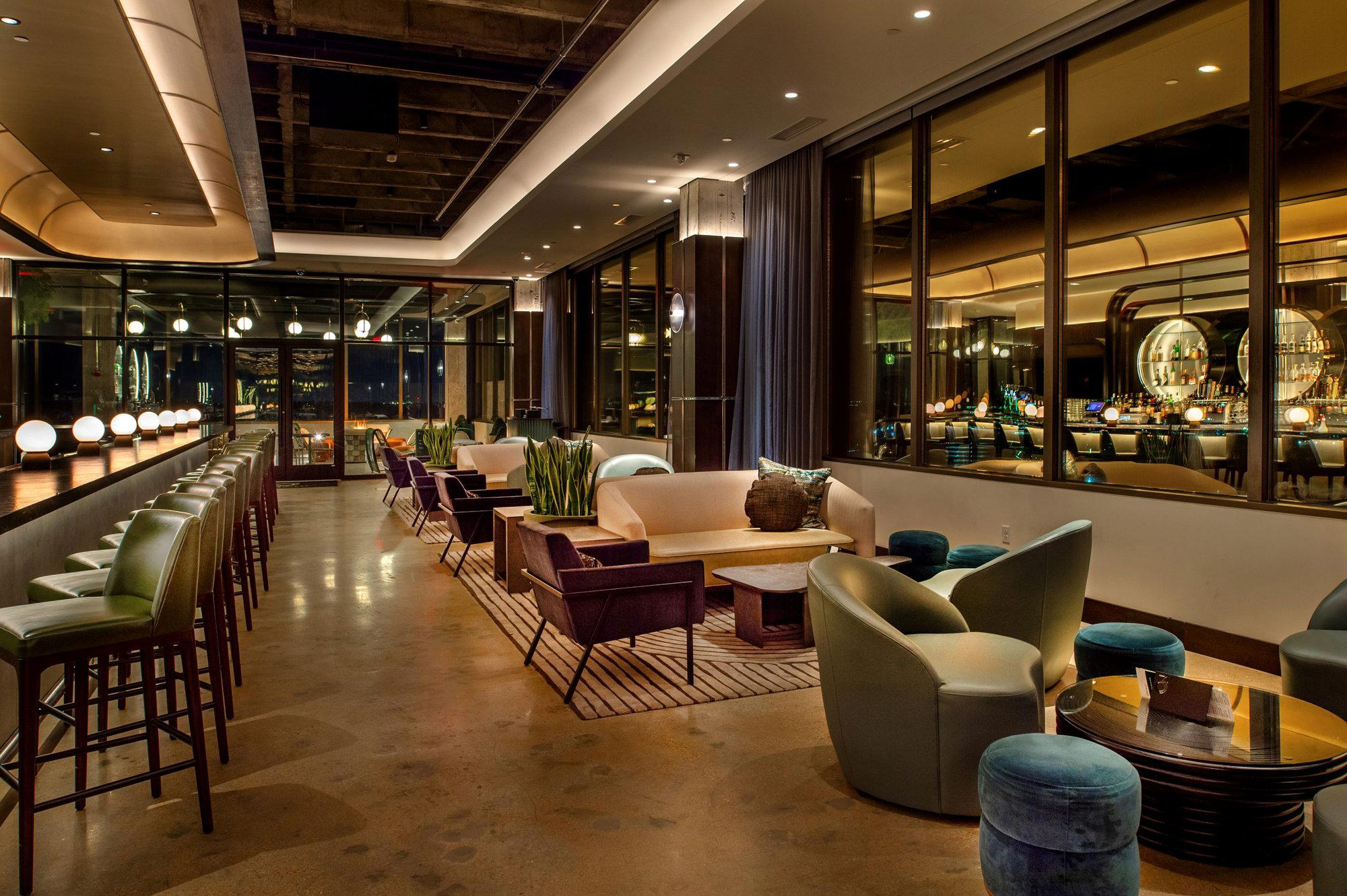
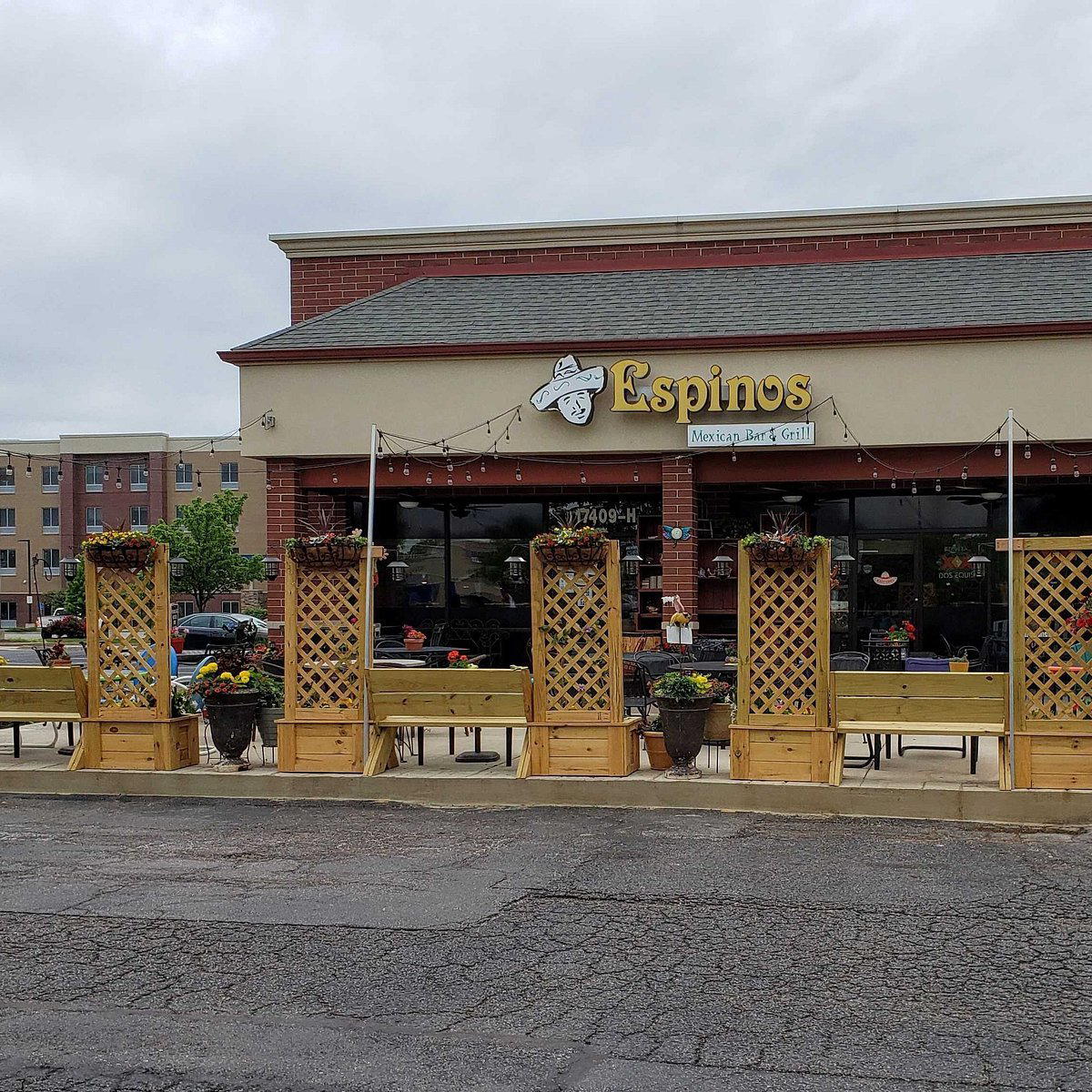
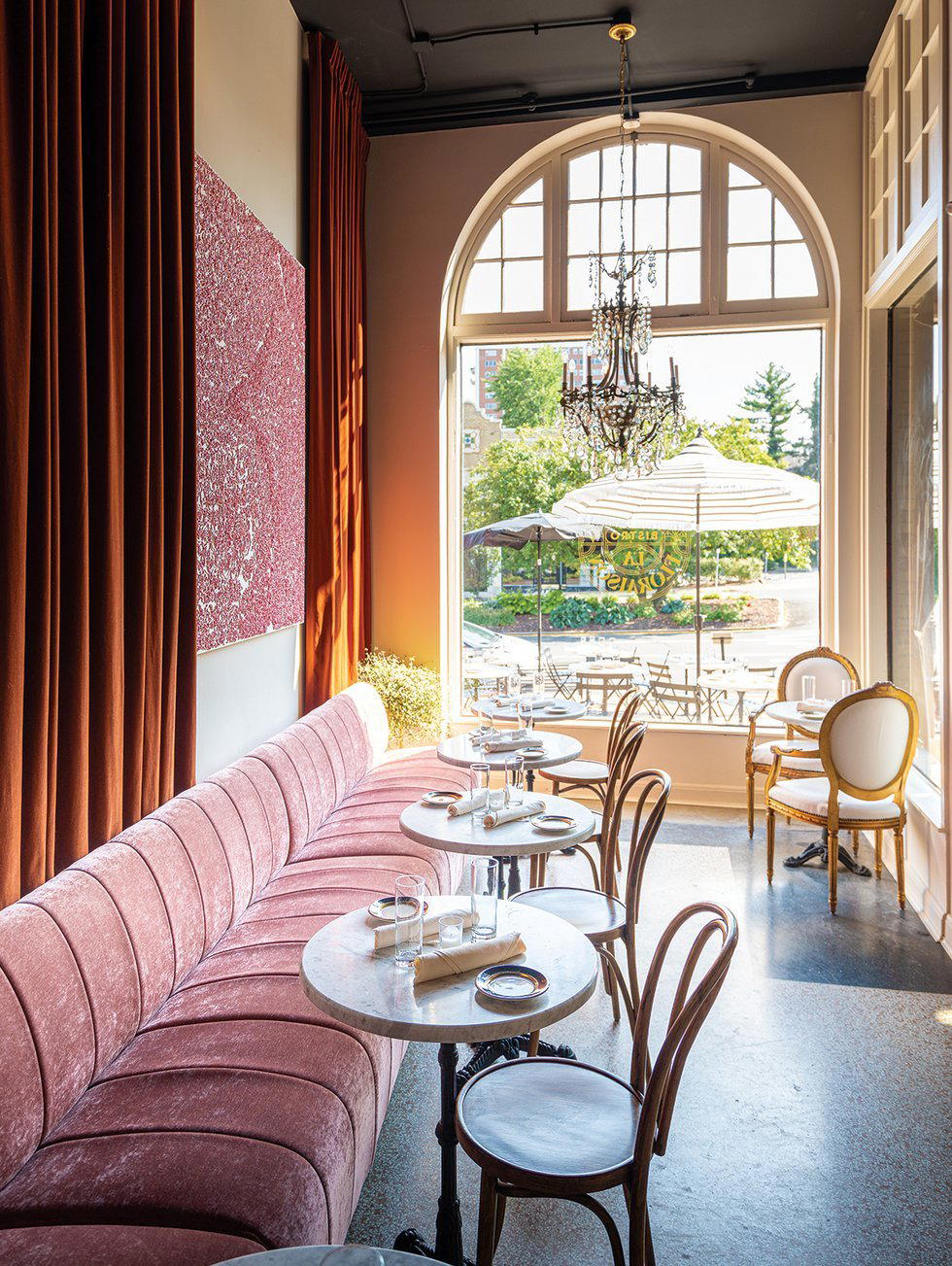
Restaurants in Maryland Heights
Browse all →
Details
- Lively
- Casual
- Group Outing
- Celebration
- Private Rooms
- Classic Cocktails
Current opening hours
- Monday
- 12–9 PM
- Tuesday
- Closed
- Wednesday
- 12–9 PM
- Thursday
- 12–9 PM
- Friday
- 12–10 PM
- Saturday
- 12–10 PM
- Sunday
- 12–9 PM
Hours can change for holidays and private events. Last verified .
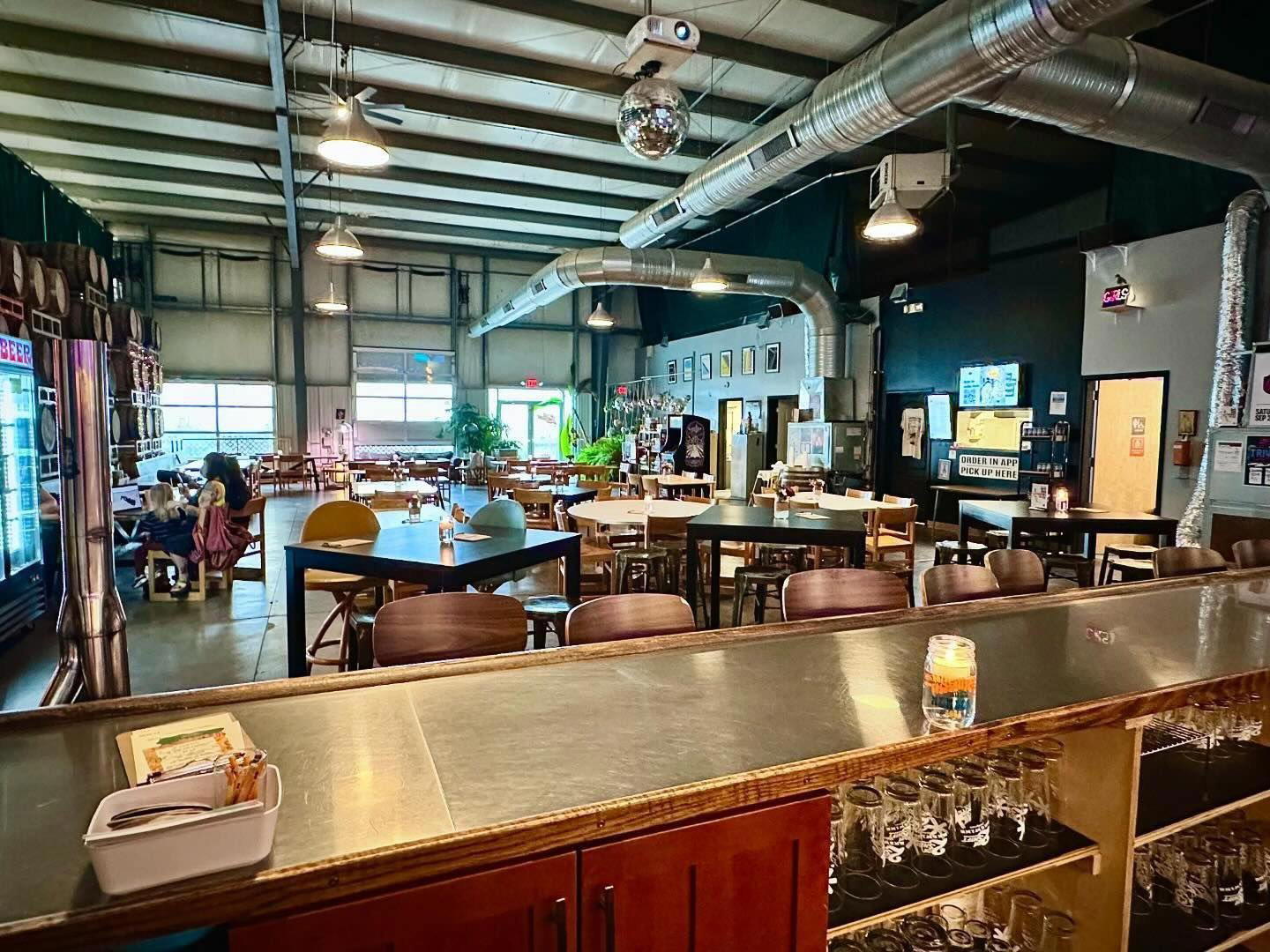
Casual and unpretentious with bright lighting and family-run atmosphere, lively during karaoke sessions.