Tokyo Sushi
Tokyo Sushi sits on South Lindbergh Boulevard in Sunset Hills, Missouri, representing the kind of Japanese-American dining that suburban St. Louis has quietly built over decades. The restaurant draws from sushi traditions that have taken firm root outside major coastal markets, offering a counter-service and table format that suits both quick weeknight visits and longer weekend meals.

Pearl is the En Primeur Club membership app — saves, bookings, and concierge access live there. Same editors, same standards.
- Address
- 3729 S Lindbergh Blvd, St. Louis, MO 63127
- Phone
- (314) 984-5050
- Hours
- Mon–Thu 11 AM–2:30 PM, 4:30–9 PMFri 11 AM–2:30 PM, 4:30–10 PMSat 12–2:30 PM, 4:30–9:30 PMSun Closed
- Website
- tokyosushimissouri.com
- Directions
- Get directions
Suburban St. Louis and the Quiet Rise of Japanese Dining
South Lindbergh Boulevard in Sunset Hills is not the address that comes to mind when American food writers discuss the country's sushi scene. That conversation tends to orbit Ginza omakase counters, Manhattan's West Village, or a handful of Los Angeles strip-mall institutions that critics have now formally canonized. But the suburban Midwest has been doing its own version of Japanese-American dining for long enough that the restaurants are no longer novelties. They are fixtures. Tokyo Sushi, at 3729 S Lindbergh Blvd, is one of those fixtures — a neighborhood address that functions as a reliable point of reference for Japanese food in the southwestern corridor of the St. Louis metro. For our full coverage of where to eat and drink in the area, see our full Sunset Hills restaurants guide.
The Room and What It Signals
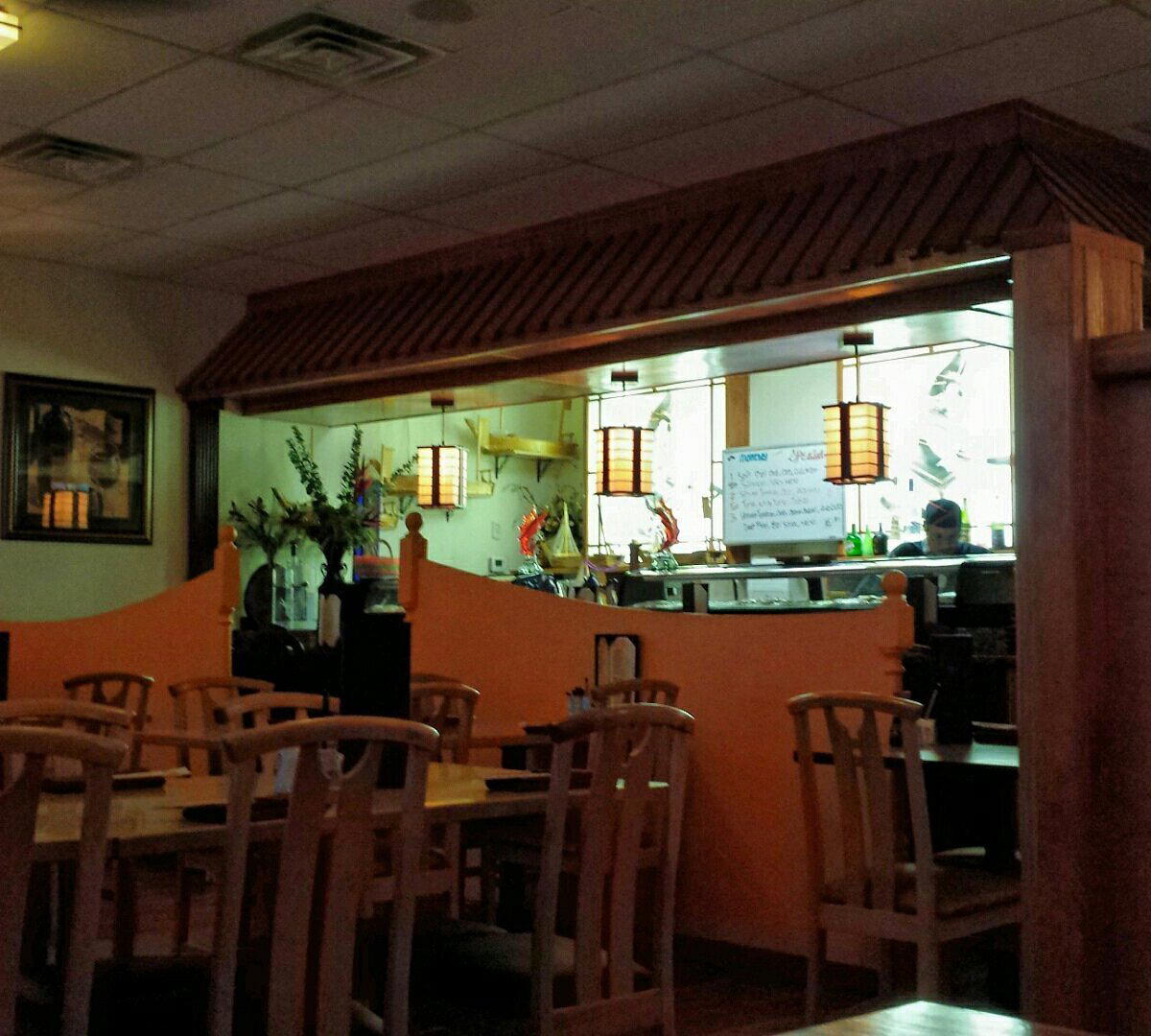
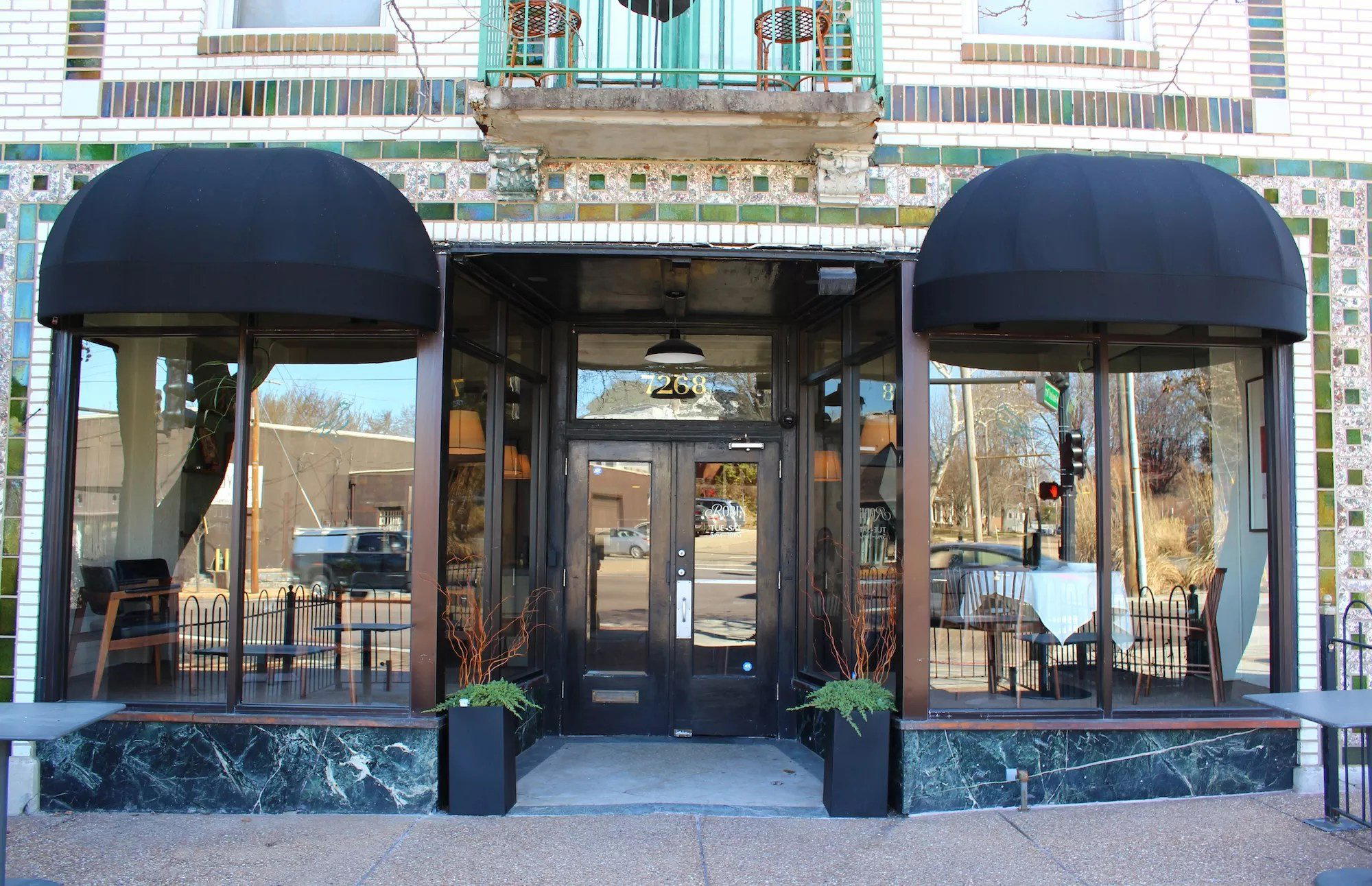
Approaching a Japanese restaurant on a Missouri commercial strip tells you something about how cuisine travels. The exterior gives little away. Inside, the format is typically the kind that defined Japanese-American dining from the 1980s onward: a sushi bar running along one wall, table seating filling the rest of the room, a menu that spans traditional nigiri and maki alongside cooked dishes designed for guests less committed to raw fish. This is not the austere, counter-only omakase format that high-end coastal operators have refined into a formal ritual. It is something older and in many ways more democratic — a room that works for first-timers and regulars in equal measure.
The sushi bar itself is the functional center. In American suburban sushi restaurants, this counter does double duty as both preparation theater and a de facto tasting seat, where guests can watch the knife work and make spontaneous additions to their order. It is a format that draws from Japanese precedent but adapted, over decades, to the pace and expectations of American dining rooms outside major metropolitan cores.
What the Drink Side Tells You
The cocktail and drink programs at Japanese-American restaurants in suburban markets occupy a different register than the technical bar culture that has developed in cities like Chicago or San Francisco. At venues such as Kumiko in Chicago, the drink program operates as a parallel curriculum to the food, with Japanese spirits and technique given the same curatorial weight as the kitchen. At ABV in San Francisco, the format foregrounds craft and provenance in a way that positions the bar as destination in its own right.
Suburban Missouri model is less concerned with signaling technique. Sake lists at restaurants in this tier tend toward approachable junmai and nigori selections rather than the single-brewery allocations that specialist programs source. Japanese whisky, if present, usually appears as a handful of bottles rather than a curated flight program. Beer choices frequently include both Japanese lagers and domestic options. What this loses in depth it recovers in accessibility, a drink list calibrated to a room that includes families, casual date-night diners, and the kind of regulars who have been ordering the same California roll and Sapporo for fifteen years.
For readers who want to benchmark what a technically ambitious bar program looks like as a point of comparison, the American cocktail scene offers useful reference points across multiple cities: Bar Leather Apron in Honolulu, Jewel of the South in New Orleans, Julep in Houston, Superbueno in New York City, Allegory in Washington, D.C., Bar Kaiju in Miami, Bitter and Twisted in Phoenix, Canon in Seattle, and The Parlour in Frankfurt. These venues represent the direction bar programming has traveled when it is treated as a primary discipline rather than a secondary support for the kitchen.
Japanese-American Dining in Suburban Markets: What the Format Delivers
The style of Japanese dining that took hold in American suburbs during the 1980s and 1990s developed largely independent of Japan's own evolving restaurant culture. It fused the visual and theatrical elements of teppanyaki and sushi bars with American portion expectations and menu breadth. Over time, it became its own genre, not quite Japanese, not quite American fusion in the pejorative sense, but a stable and legitimate hybrid that millions of Americans understand as their primary reference point for Japanese food.
Within that genre, the variation between restaurants comes down to a few key variables: the quality and sourcing of fish, the knife skills at the sushi bar, the ratio of cooked to raw items on the menu, and how the kitchen handles the middle ground between Japanese tradition and local taste. These are the variables that separate a reliable neighborhood spot from one that has let standards drift. Without current sourcing data or a verified menu on file for Tokyo Sushi, EP Club is not in a position to rate it against peers on those dimensions. What the address and format confirm is its position in a category that Sunset Hills residents return to repeatedly.
Practical Information for First-Time Visitors
Tokyo Sushi is located at 3729 S Lindbergh Blvd in Sunset Hills, a suburb immediately southwest of St. Louis proper. South Lindbergh Boulevard is a commercial corridor accessible by car; street parking and lot parking are the standard arrival mode for this stretch of road, and the area follows the auto-dependent logic of most post-war Missouri suburban development. EP Club does not currently hold verified hours, booking policy, or current pricing for this location, so confirming details directly with the restaurant before visiting is advisable, particularly for larger groups or weekend evenings when suburban Japanese restaurants in this tier tend to see higher demand.
Comparable Venues
Comparable venues nearby, for context on price, style, and recognition.
| Venue | Cuisine | Price | Notes |
|---|---|---|---|
| Tokyo SushiThis venue — the venue you are viewing | Bar | Not listed | Not listed |
| Yellowbelly | tiki_bar | $20–30 | Central West End |
| The Whiskey Ring | cocktail_bar | $20–30 | Benton Park West |
| UpBar STL | rooftop_bar | $20–30 | Midtown |
| Anheuser-Busch St. Louis Brewery | beer_bar | $20–30 | Soulard |
| Katie's Pizza & Pasta – Rock Hill | cocktail_bar | $30–50 | Rock Hill |
Continue exploring
More in Sunset Hills
Bars in Sunset Hills
Browse all →
Restaurants in Sunset Hills
Browse all →
Details
- Cozy
- Casual Hangout
- Sake
Current opening hours
- Monday
- 11 AM–2:30 PM, 4:30–9 PM
- Tuesday
- 11 AM–2:30 PM, 4:30–9 PM
- Wednesday
- 11 AM–2:30 PM, 4:30–9 PM
- Thursday
- 11 AM–2:30 PM, 4:30–9 PM
- Friday
- 11 AM–2:30 PM, 4:30–10 PM
- Saturday
- 12–2:30 PM, 4:30–9:30 PM
- Sunday
- Closed
Hours can change for holidays and private events. Last verified .
Cozy restaurant atmosphere with friendly service.