Izakaya Tori
Tampa's izakaya format sits at a particular crossroads of Japanese drinking-food culture and Florida's increasingly confident bar scene. Izakaya Tori on South Dale Mabry brings that format to a neighbourhood more accustomed to sports bars and casual chains, placing the pairing of small plates and considered drinks at the centre of the experience rather than the margins.
Pearl is the En Primeur Club membership app — saves, bookings, and concierge access live there. Same editors, same standards.
- Address
- 310 S Dale Mabry Hwy #160, Tampa, FL 33609
- Phone
- +1 813 875 4842
- Website
- izakayatorifl.com
- Directions
- Get directions
 Saves & bookings on Pearl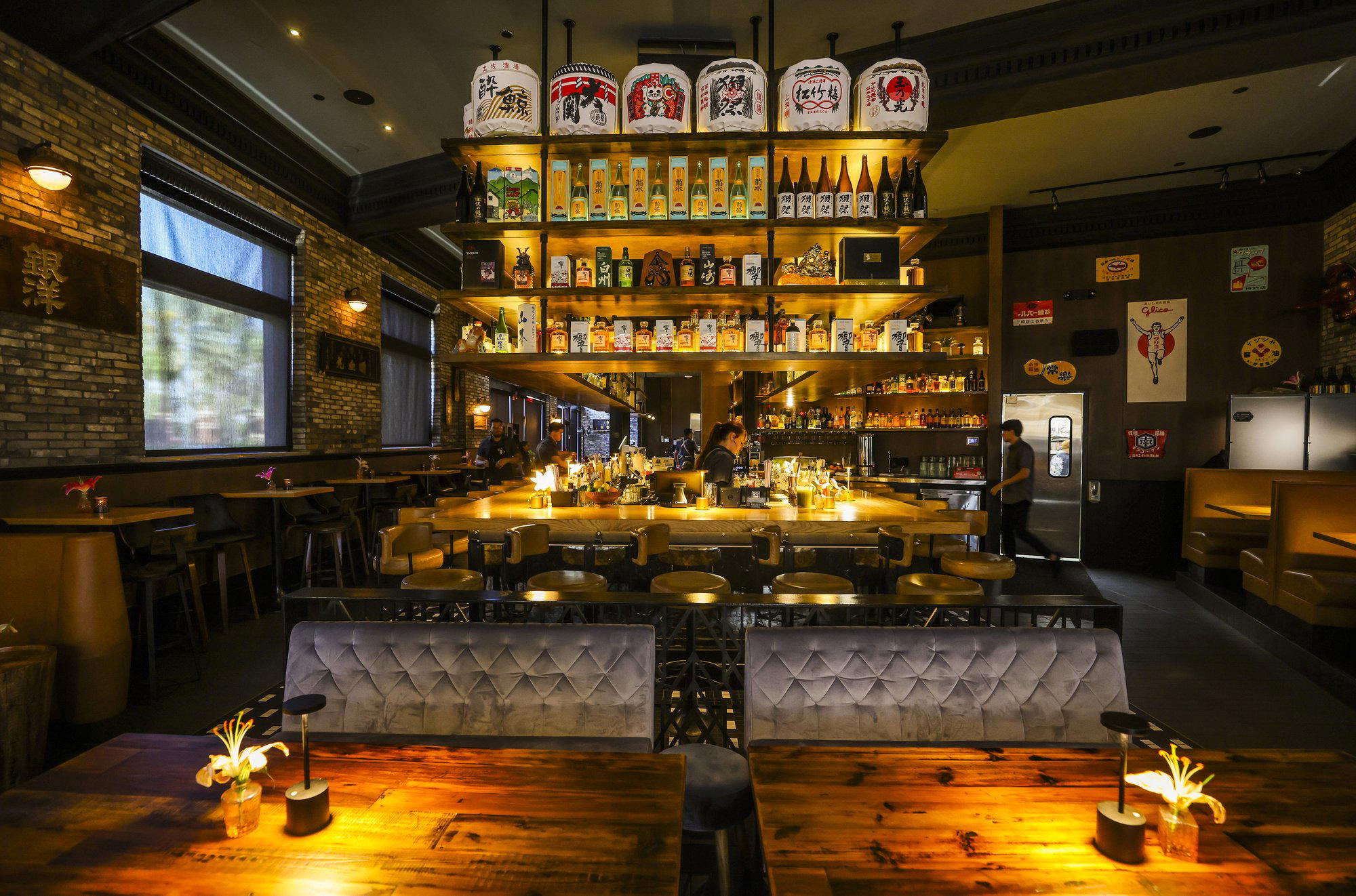
Where the Drinking-Food Format Earns Its Place in Tampa
South Dale Mabry Highway is not the address most people associate with precision dining or serious drink programmes. The strip runs through a part of Tampa defined by convenience, volume, and the gravitational pull of Raymond James Stadium a mile or so north. Against that backdrop, an izakaya format carries a specific kind of ambition: the proposition that the relationship between food and drink matters more than either in isolation, and that the room should feel like a place to stay rather than turn over. Izakaya Tori occupies a suite in a low-rise retail block at 310 S Dale Mabry Hwy, an address that asks the food to do the work of establishing atmosphere before the architecture can.
The izakaya tradition itself is worth understanding before arriving. In Japan, the format emerged as a way to anchor drinking occasions with small, complementary dishes rather than treat food as an afterthought to alcohol consumption. The drinks are not incidental to the plates, and the plates are not incidental to the drinks. The rhythm of an izakaya meal is sequential and conversational: a round of drinks arrives, food follows, the cycle repeats. It is a format designed for groups and for time, which makes it a different category of experience than a restaurant that serves alcohol or a bar that offers snacks. Tampa's dining scene has been developing in this direction for several years, with more venues treating the drink-food pairing as a design decision rather than an operational convenience.
The Pairing Logic at the Centre of the Programme
The izakaya model places a specific demand on both the kitchen and the bar: they must produce items that function together. This is not about matching wine to a finished dish after the fact. It is about building a menu where the salt and fat in the food pull on the cocktail structure, where the acidity in a highball or a sour cuts through fried protein, where a lower-ABV option exists precisely because you are eating across two or three hours rather than committing to a single course. Japanese drinking culture developed a precise vocabulary for this: the atsukan of warm sake against salted skewers, the cold lager against fried chicken, the whisky highball as the sustained companion for a longer session.
Bars in other American cities have formalised this pairing intelligence into explicit programmes. Kumiko in Chicago built its reputation partly on Japanese spirits and considered small-plate accompaniments. Bar Leather Apron in Honolulu operates in a Pacific-influenced space where spirits and food interact rather than coexist. Jewel of the South in New Orleans and Julep in Houston both demonstrate how a bar kitchen can become a substantive part of the drinks proposition rather than a liability management tool. Tampa's version of this conversation is less documented in national press, but the format is present and the logic is identical wherever it appears.
Tampa's Bar Scene as Context
The city's bar programme has matured considerably in the past decade. Venues like Ash and 7th + Grove operate with cocktail programmes that would not read as out of place in larger markets. Armature Works demonstrated that there was appetite for ambitious food-and-drink programming in a neighbourhood setting, drawing from across the city rather than just its immediate catchment. Even American Legion Post 111 holds a specific place in the city's drinking culture, evidence that Tampa's bar audience is more varied than the stadium-adjacent strip might suggest.
For comparison beyond Florida, the bar-kitchen integration that izakaya formats require is well-established in both coasts. Superbueno in New York City and ABV in San Francisco both represent the serious bar-food-pairing tier in their respective cities. Internationally, The Parlour in Frankfurt shows how European bar culture is converging on the same pairing model. Izakaya Tori enters this broader conversation from a less expected address, which is precisely what makes the format decision notable.
What to Expect From the Format
An izakaya visit is structured differently from a standard restaurant experience, and arriving with the wrong expectation will produce the wrong result. The format rewards ordering incrementally rather than front-loading the table with dishes. Drinks should be chosen in relation to what is coming from the kitchen, not independently of it. Japanese highballs, built with Suntory Toki or a comparable blended whisky over ice with soda, are the structural companion to fried and grilled items precisely because their carbonation and relative lightness do not compete with bold flavours. Sake, ordered by the flask rather than the glass, carries different weight depending on whether it is junmai, ginjo, or daiginjo, and each functions differently alongside food.
The seasonality of an izakaya menu is worth considering when planning a visit. Japanese small-plate culture has strong seasonal instincts: lighter preparations tend to dominate in warmer months, heavier and more intensely flavoured dishes appear as temperatures drop. Florida's climate compresses this range, but the instinct to adjust the drink programme accordingly is present in any well-run izakaya operation. Visiting in the cooler months between November and March, when Tampa evenings drop enough to justify warmer drinks and richer preparations, may produce a different experience than a summer visit focused on cold cocktails and lighter fare.
Planning a Visit
Izakaya Tori is located at 310 S Dale Mabry Hwy, Suite 160, Tampa, FL 33609, in a retail complex that requires knowing what you are looking for rather than stumbling across it. South Dale Mabry is a high-traffic arterial road with parking available in the surrounding lot, which makes it more accessible by car than by foot. The format works well with two or more people, given that the rhythm of sharing small plates and ordering in rounds depends on having someone to share with.
City Peers
Comparable venues nearby, for context on price, style, and recognition.
| Venue | Cuisine | Price | Notes |
|---|---|---|---|
| Izakaya ToriThis venue — the venue you are viewing | sake_bar | $$ | Not listed |
| Gourmet Pizza Company | pub | $$ | Courier City-Oscawana |
| Crowbar | pub | $$ | Ybor City |
| The Castle | lounge | $$ | Ybor City |
| Due Amici Pizza & Pasta Bar | Bar | $$ | Ybor City |
| GANGCHU | pub | $$ | Old Seminole Heights |
At a Glance
- Lively
- Trendy
- Intimate
- After Work
- Casual Hangout
- Group Outing
- Date Night
- Standalone
- Design Destination
- Seated Bar
- Lounge Seating
- Craft Cocktails
- Sake
- Whiskey
- Low Abv
Current opening hours
- Monday
- 11:30 AM–2:30 PM, 5–9:30 PM
- Tuesday
- 11:30 AM–2:30 PM, 5–9:30 PM
- Wednesday
- 11:30 AM–2:30 PM, 5–9:30 PM
- Thursday
- 11:30 AM–2:30 PM, 5–9:30 PM
- Friday
- 11:30 AM–2:30 PM, 5–10 PM
- Saturday
- 4–10 PM
- Sunday
- Closed
Hours can change for holidays and private events. Last verified .
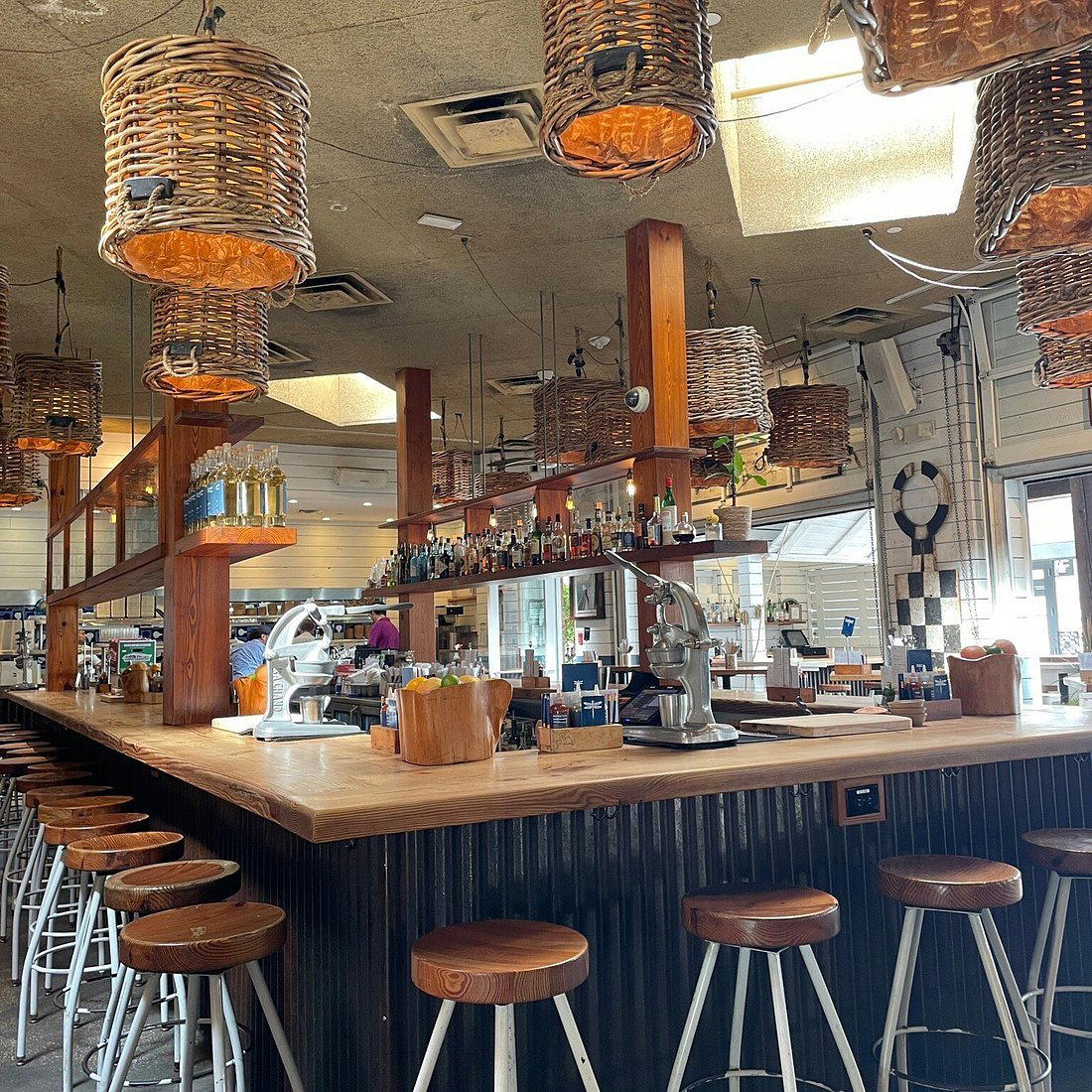
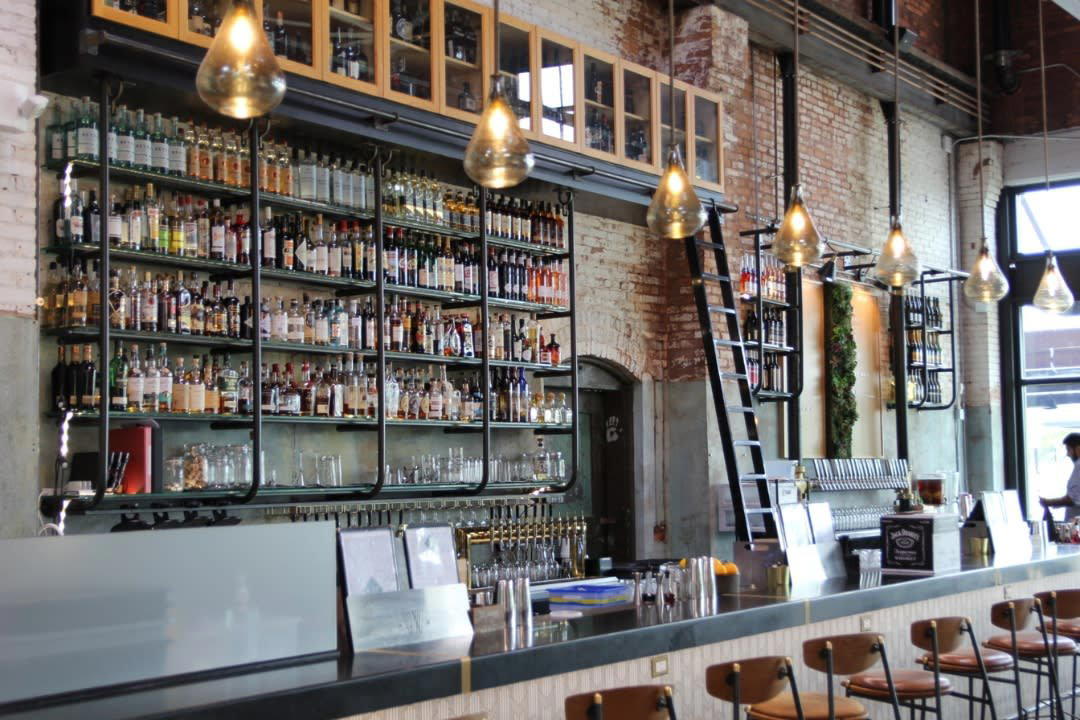
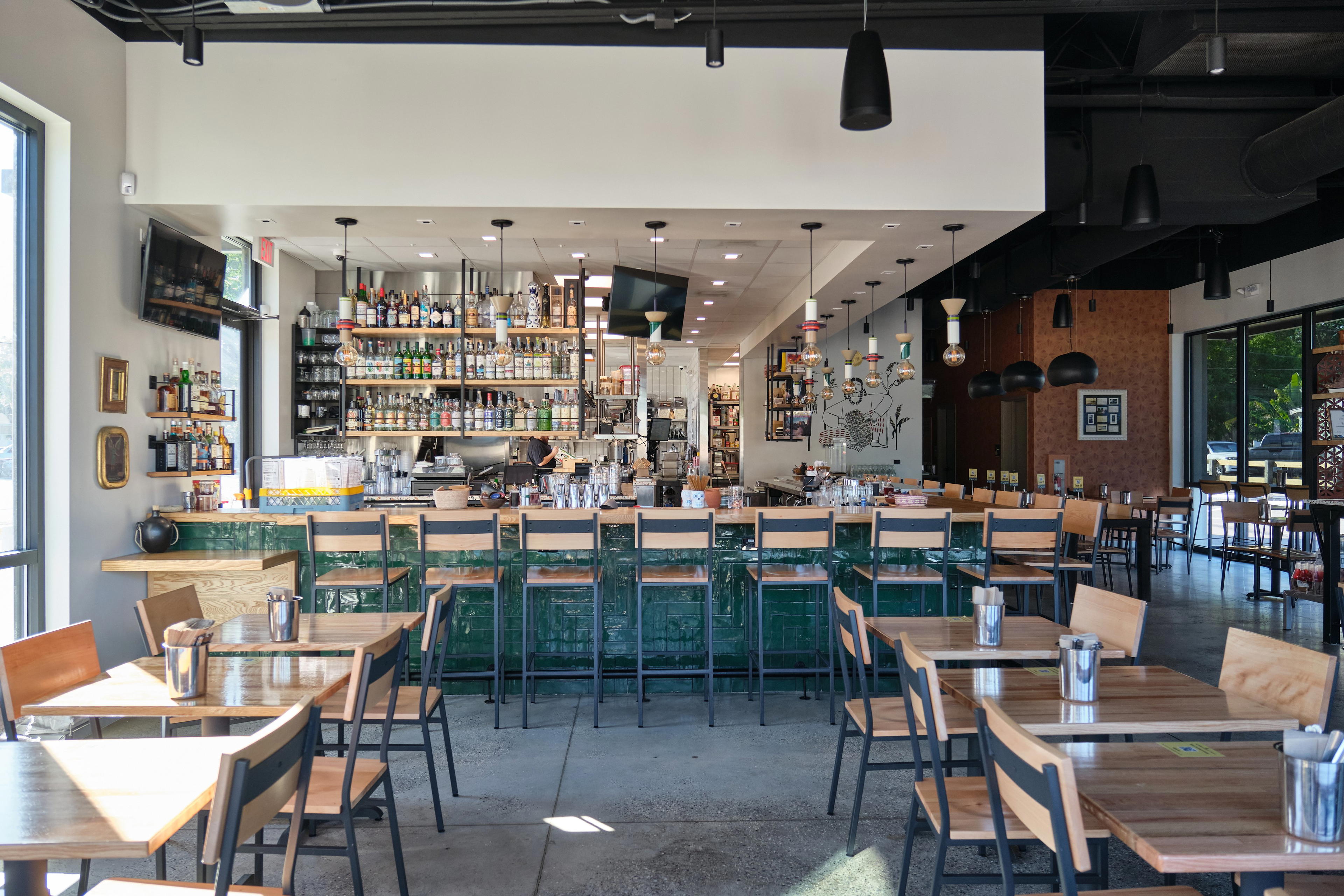
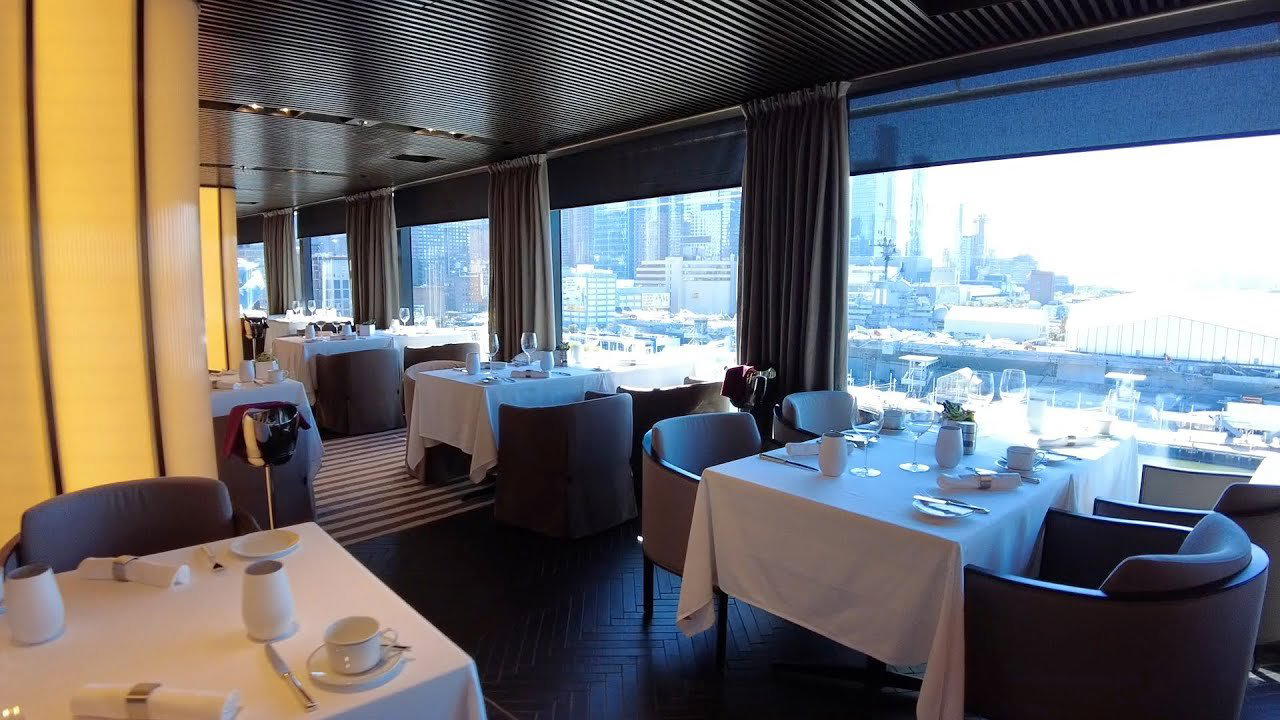
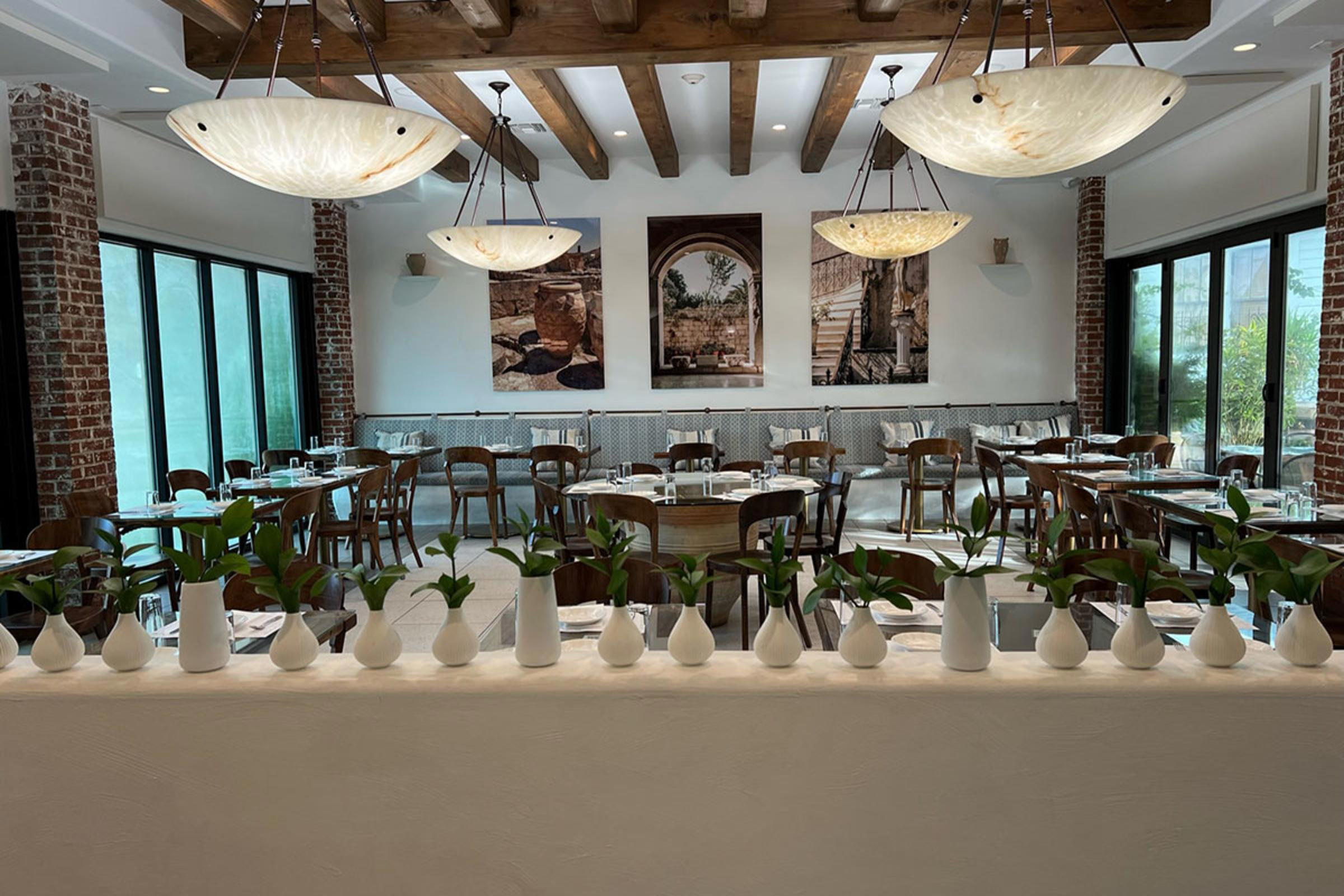
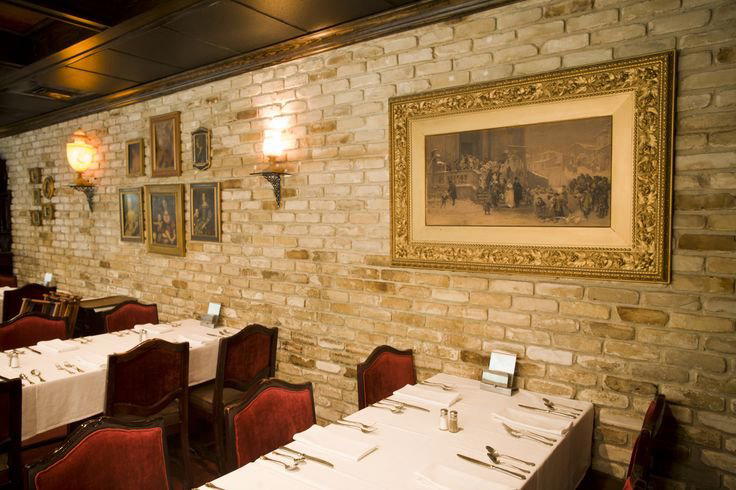
Refined and relaxed atmosphere designed for unwinding with friends and family, blending Japanese hospitality with craft cocktail culture.