il Vinaio
Il Vinaio occupies a corner of downtown Mesa's Main Street corridor, where Italian-inflected bar programming meets the kind of craft-drink seriousness more often associated with major city venues. In a Mesa bar scene that skews toward casual formats and regional breweries, il Vinaio represents a quieter, more considered approach to hospitality behind the bar.
Pearl is the En Primeur Club membership app — saves, bookings, and concierge access live there. Same editors, same standards.
- Address
- 270 W Main St, Mesa, AZ 85201
- Phone
- +1 480 649 6476
- Website
- ilvinaio.net
- Directions
- Get directions
 Saves & bookings on Pearl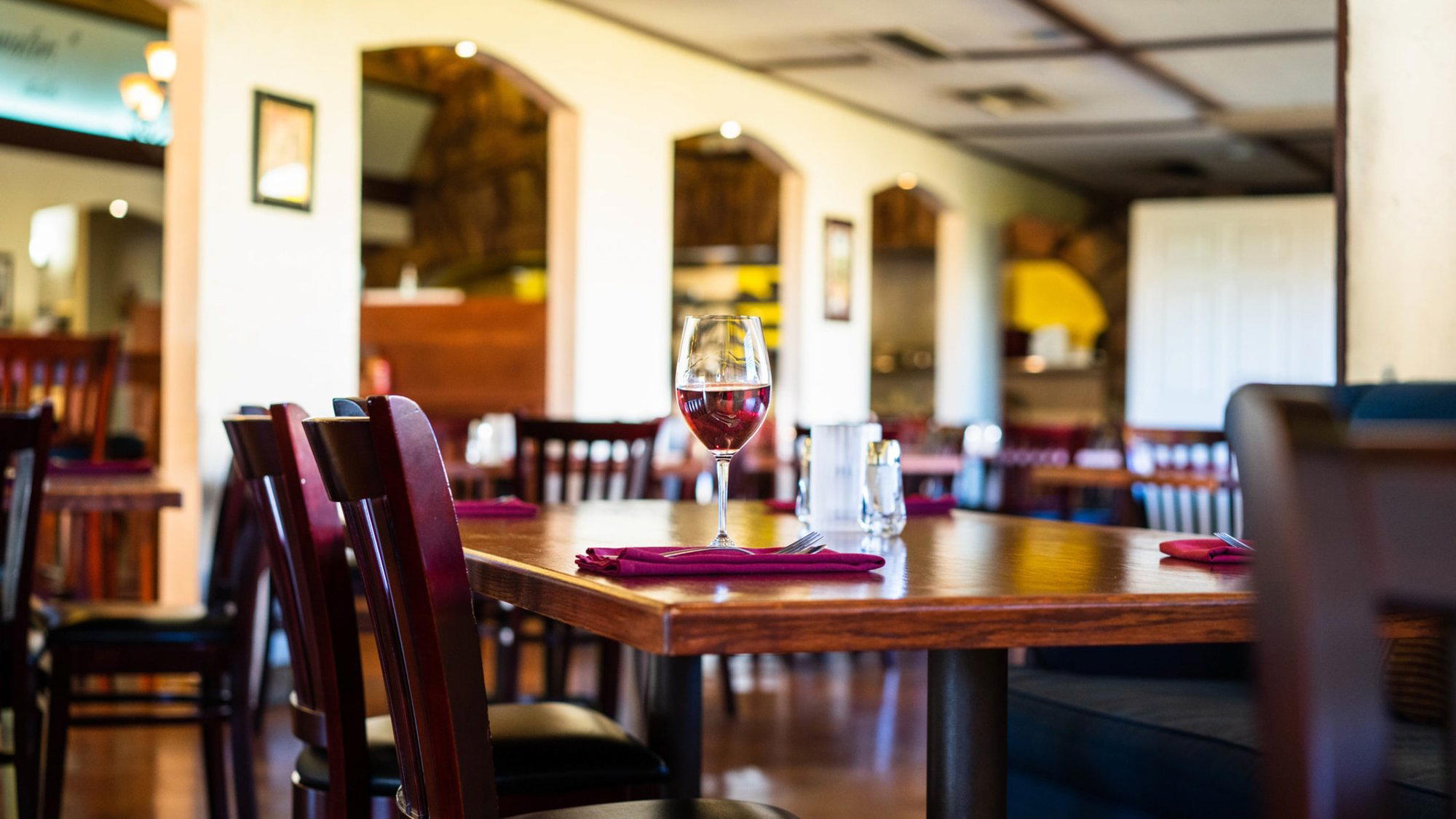
Downtown Mesa and the Bar It Belongs To
Main Street in downtown Mesa has spent the better part of a decade in gradual reinvention. The stretch around 270 W Main St has attracted independent operators willing to work with older building stock and a neighborhood identity that is still sorting itself out. That environment tends to reward venues with a clear point of view, because foot traffic alone will not carry a concept that lacks conviction. Il Vinaio is the kind of place that benefits from that context: a bar with an Italian-leaning name on a block where the competition runs from Arizona Distilling Co. to Baja Joe's, formats that could hardly be more different from what il Vinaio appears to be doing.
Mesa's bar scene is not Phoenix's, and that distinction matters. The city draws less of the transient hospitality crowd that keeps Scottsdale's bar programs perpetually refreshed, which means venues here tend to develop a more committed local following or they do not survive. The bars that hold on in downtown Mesa — including Drunken Tiger and Alessia's Ristorante Italiano — each occupy a specific niche rather than trying to be everything to a broad demographic. Il Vinaio's positioning in that ecosystem, Italian in name and apparently deliberate in execution, puts it in a subset of Mesa's drinking options where the format itself is part of the identity.
The Craft Bar's Shift Toward Hospitality-Led Programming
Across American cocktail culture, the most interesting bars of the past few years have not been defined primarily by spectacle or by a single bravura ingredient. The shift has been toward what might be called hospitality-led programming: bars where the person behind the counter shapes the experience as much as what is in the glass. Venues like Kumiko in Chicago and Jewel of the South in New Orleans have made that case at a nationally recognized level. Bar Leather Apron in Honolulu and Julep in Houston represent different regional expressions of the same underlying priority: the bartender's attention, knowledge, and read of the room matter as much as technical precision.
Il Vinaio sits in that broader current. The Italian framing, whether through aperitivo traditions, amaro-forward builds, or wine-bar adjacency, positions the program within a European hospitality model that has always placed the host relationship at the center of the experience. That is not merely an aesthetic choice. It implies a different pacing at the bar, a different expectation around product knowledge, and a different kind of conversation between guest and bartender than the transactional pour-and-move model that characterizes higher-volume venues.
What the Bartender's Craft Looks Like at This Address
The craft-bar movement in mid-sized American cities has produced two recognizable archetypes. The first is the technically ambitious program that imports ideas from coastal scenes and applies them locally, sometimes with a self-conscious seriousness that can feel at odds with the neighborhood. The second is the program that takes its cues from place as much as from trend, using local sourcing, regional spirits, and a read of the local palate to build something that actually belongs where it operates. Arizona has its own spirits production infrastructure, with distillers like Arizona Distilling Co. providing a regional foundation that the more attentive bars in the state are beginning to incorporate seriously.
In that context, a bar with an Italian identity in downtown Mesa is making a specific argument about contrast and complementarity. The amaro category, which sits at the intersection of bitter, herbal, and digestif traditions, has grown substantially across American bar programs over the past decade. Bars like ABV in San Francisco and Superbueno in New York City have demonstrated how Italian and Latin European drink traditions can be reinterpreted for American audiences without losing their structural integrity. The question at il Vinaio is how that tradition lands in a desert city context, where the climate, the local spirits, and the drinking culture all push in somewhat different directions.
The bartender who understands both the Italian reference points and the Mesa context has an interesting brief. The aperitivo hour, built around lower-alcohol, bitter, and citrus-driven drinks, is arguably better suited to a hot-weather city than most of the American markets where it has found traction. The logic of a Campari spritz or a properly made Negroni in 100-degree heat is not difficult to construct. Whether il Vinaio makes that argument explicitly or lets it emerge from the menu is the kind of detail that separates a bar with a genuine program from one with a borrowed concept.
Positioning Among Bars in the Same Weight Class
Nationally, the bars that il Vinaio's format most closely echoes tend to operate in the mid-to-upper range of their local markets, with a price point that reflects the cost of quality spirits and the time investment of made-to-order drinks, but without the aspirational pricing of destination cocktail venues in gateway cities. The Parlour in Frankfurt offers a useful international comparison: a bar where European drinking traditions meet a carefully considered modern program, neither trying to be a high-volume club nor a museum of cocktail history.
In Mesa specifically, il Vinaio occupies a niche that has room to develop. The downtown corridor is at a point in its evolution where a well-run bar with a coherent identity can build a following before the market gets more crowded. That is a different competitive environment than operating in Scottsdale's Old Town or in central Phoenix, where the bar density is higher and the differentiation pressure is more immediate. For a venue with a particular craft and hospitality philosophy, the current Mesa moment may actually be an advantage rather than a limitation.
Planning a Visit
Il Vinaio is located at 270 W Main St in downtown Mesa, accessible from the Valley Metro Light Rail's Main Street/Mesa Drive station, which puts the address within a short walk without requiring a car, a practical point worth noting given the nature of a bar visit. The Main Street corridor in this stretch has enough adjacent venues to support an evening that moves between stops, with Drunken Tiger and the broader downtown Mesa offering covered in our full Mesa restaurants and bars guide. As with most independent bar programs in the area, checking current hours before arriving is advisable; downtown Mesa's independent venues occasionally adjust schedules seasonally. Given the format, an evening visit rather than an afternoon drop-in is likely to deliver the fuller version of the bar's program and pacing.
At a Glance
- Cozy
- Elegant
- Intimate
- Romantic
- Date Night
- Casual Hangout
- Live Music
- Booth Seating
- Conventional Wine
Current opening hours
- Monday
- Closed
- Tuesday
- 11 AM–9 PM
- Wednesday
- 11 AM–9 PM
- Thursday
- 11 AM–9 PM
- Friday
- 11 AM–10 PM
- Saturday
- 9 AM–10 PM
- Sunday
- 9 AM–8 PM
Hours can change for holidays and private events. Last verified .
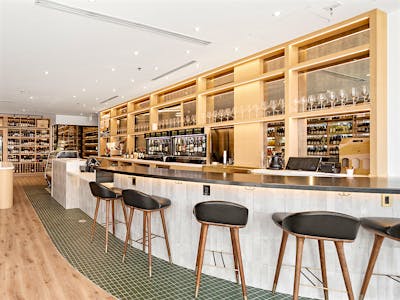
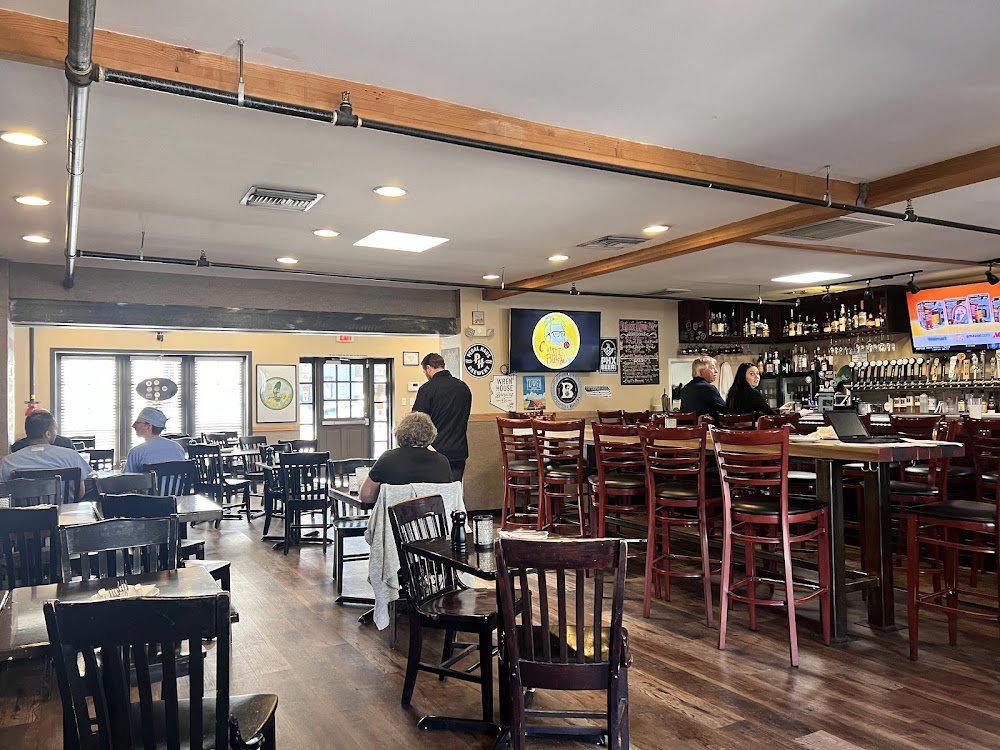
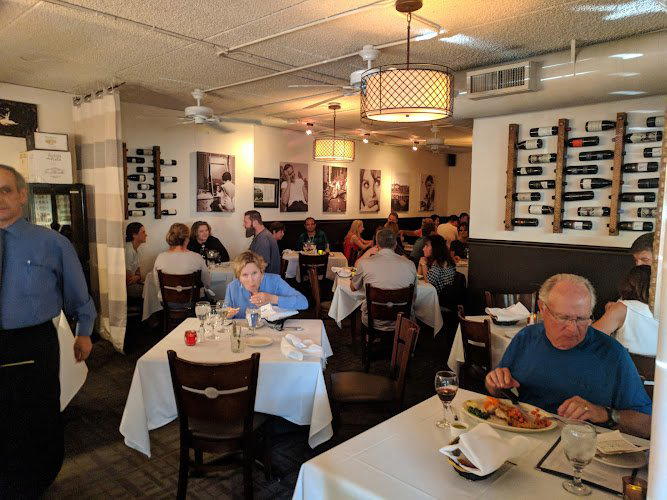
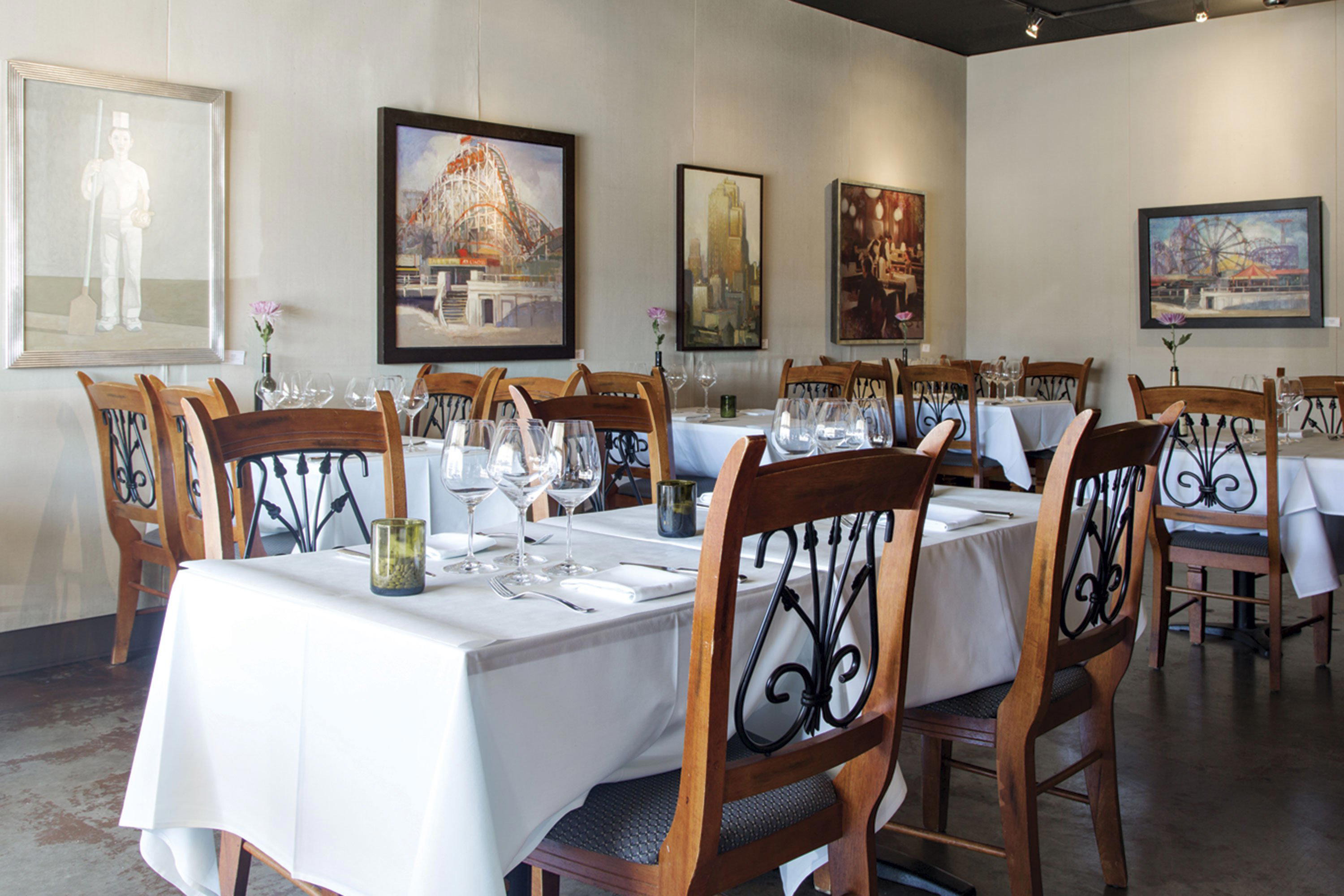
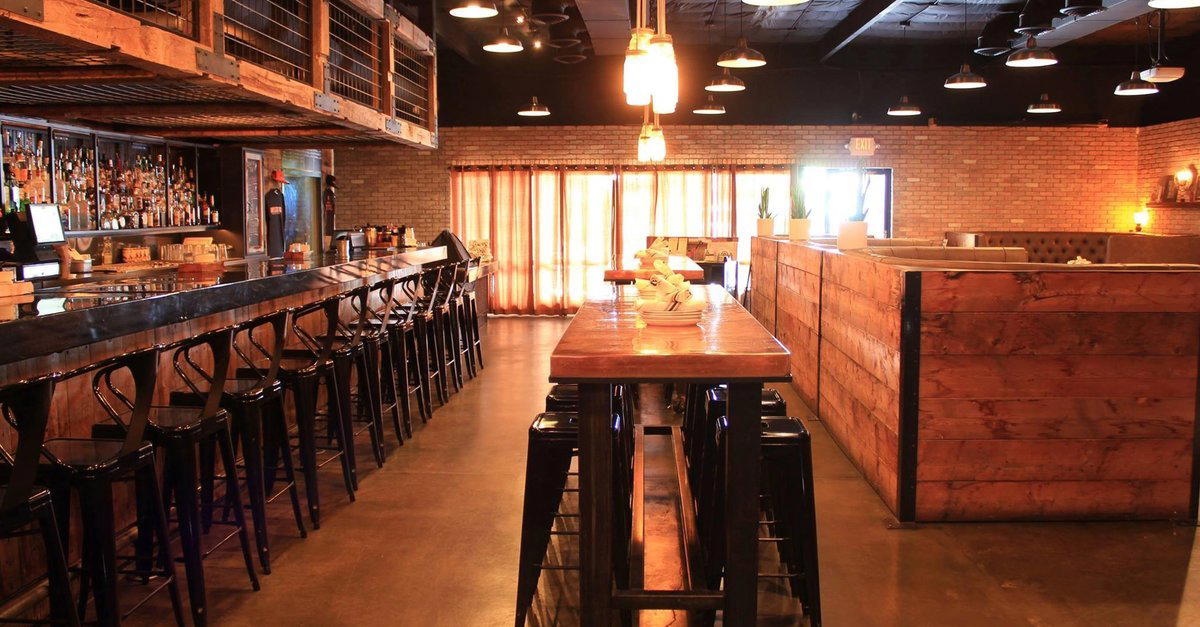
Casually elegant with warm hospitality and inviting atmosphere, highlighted by intimate seating and quiet semi-private spaces.
Know Before You Go
- Getting there
- 270 W Main St, Mesa, AZ 85201