Hook & Ladder Manufacturing Company
Hook & Ladder Manufacturing Company occupies a converted firehouse on S Street in Midtown Sacramento, where the industrial bones of the original building set the stage for a dining room that registers more as neighborhood institution than destination restaurant. The space draws from Sacramento's farm-to-fork identity while holding its own character distinct from the city's fine-dining tier.
Pearl is the En Primeur Club membership app — saves, bookings, and concierge access live there. Same editors, same standards.
- Address
- 1630 S St, Sacramento, CA 95811
- Phone
- +19164424885
- Website
- hookandladder916.com
 Saves & bookings on Pearl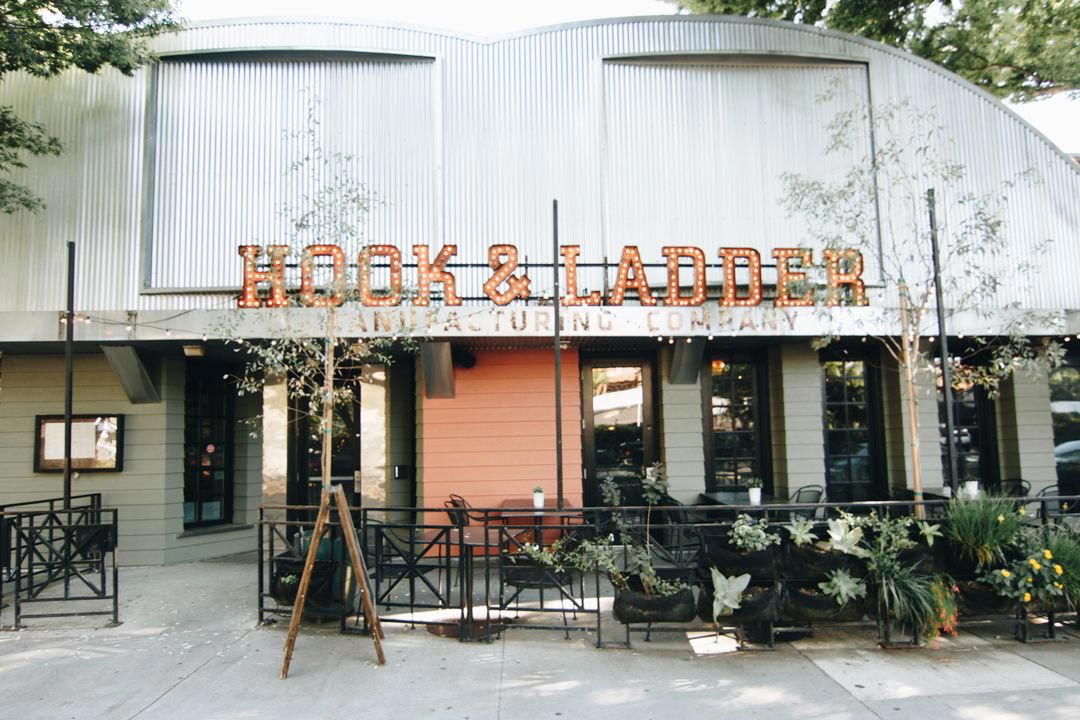
A Firehouse Turned Gathering Point in Midtown Sacramento
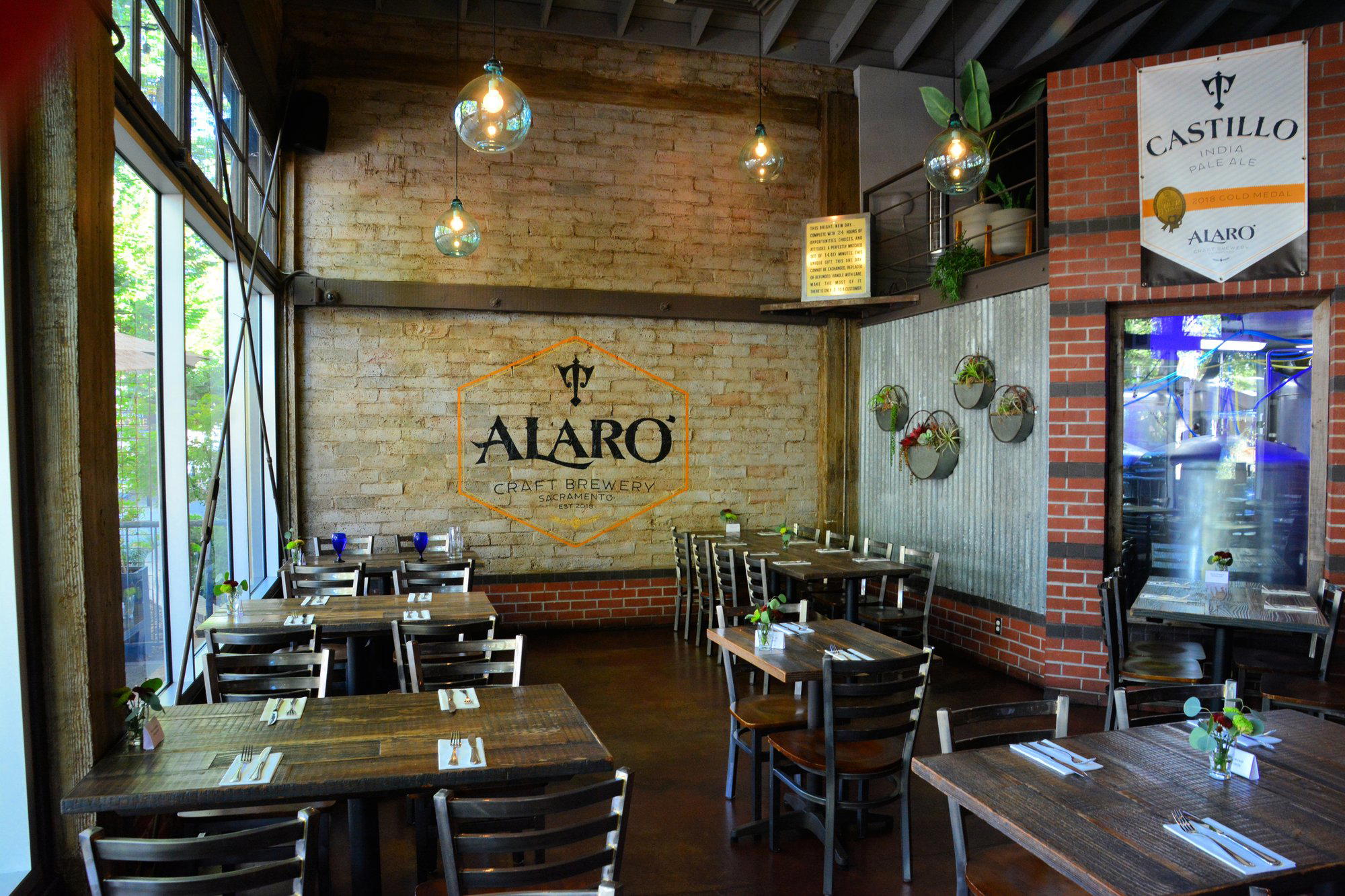
Midtown Sacramento has a particular relationship with its repurposed buildings. The grid of streets between Capitol Avenue and the R Street corridor is dense with former warehouses, machine shops, and civic structures that have been converted into bars, galleries, and restaurants over the past two decades. Hook & Ladder Manufacturing Company on S Street sits inside this tradition, occupying a firehouse whose high ceilings, exposed brick, and generous floor plan give the room a scale that most Midtown dining rooms cannot match. Approaching the building, the architecture announces itself before the signage does: this is a space with a previous life, and the current occupants have not tried to paper over that history.
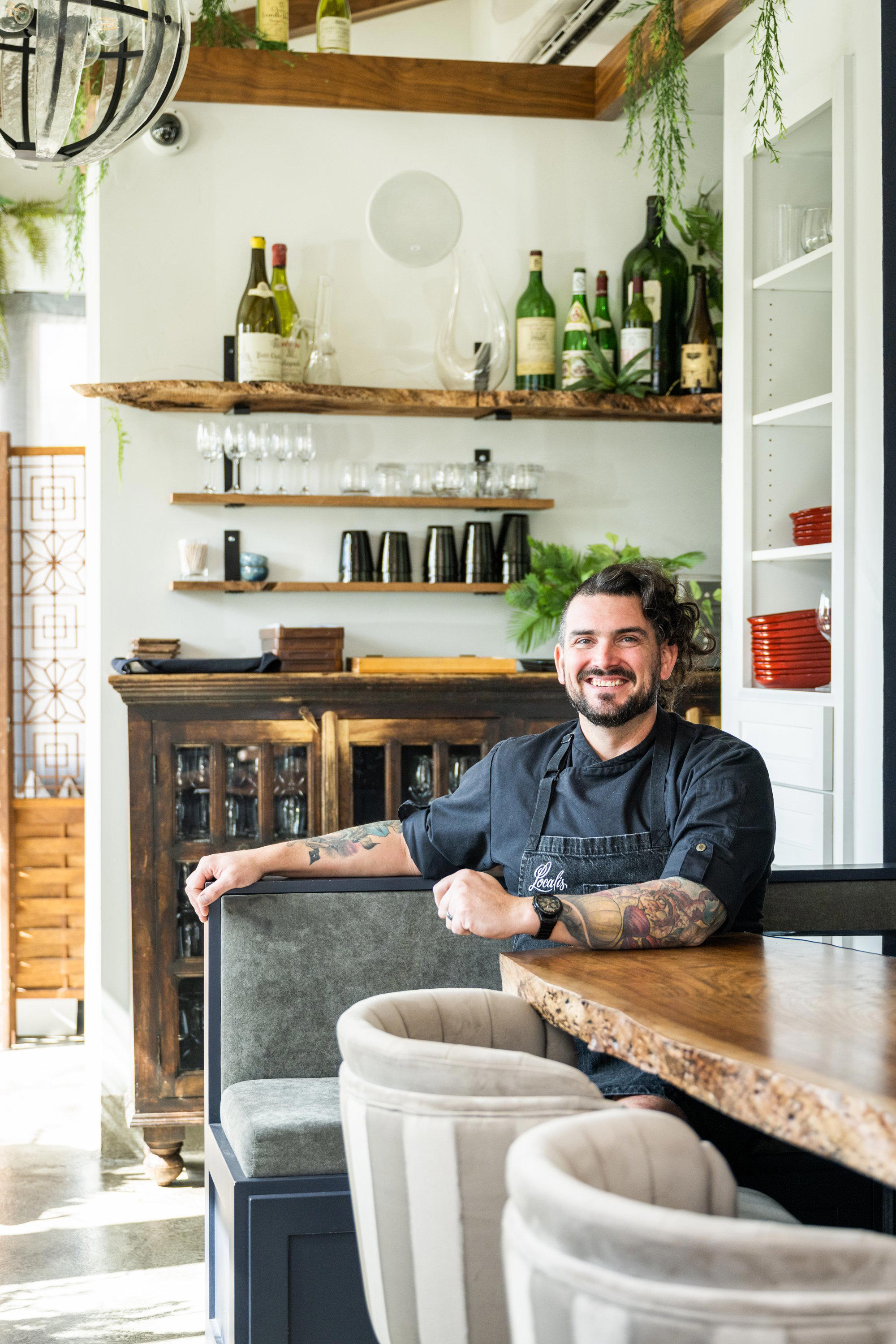
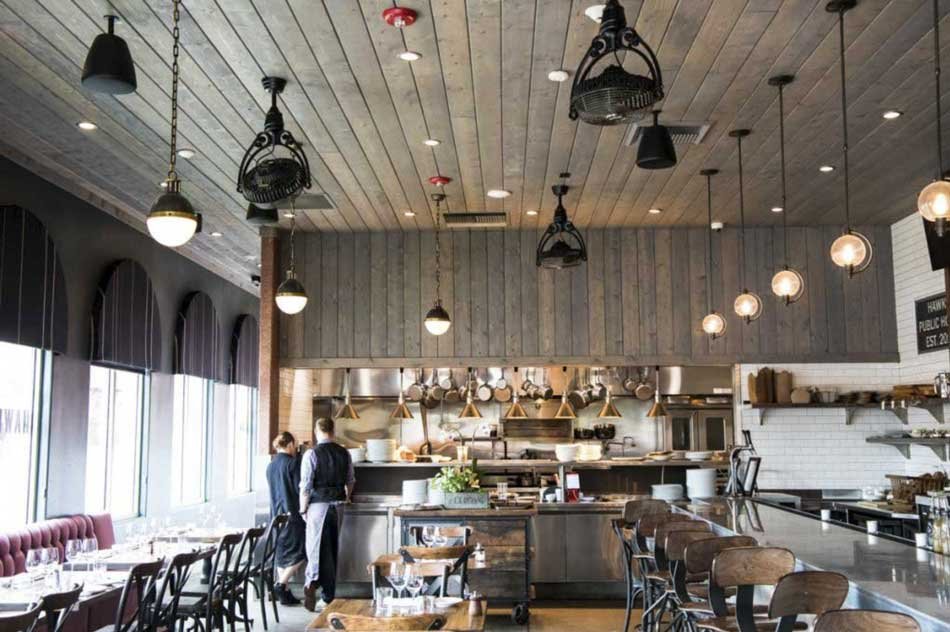
Inside, the physical environment does most of the work that a design-led renovation might otherwise accomplish. The open volume of the former vehicle bay creates a soundscape that differs noticeably from smaller, more intimate Sacramento rooms like Localis or Allora, where compressed spaces encourage a different kind of conversation. At Hook & Ladder, voices carry and the ambient noise builds in a way that feels communal rather than cacophonous. The light shifts over the course of a meal in ways that smaller venues cannot replicate.
Sacramento's Farm-to-Fork Identity and Where This Fits
Sacramento's claim as America's farm-to-fork capital is not marketing language, the city sits at the intersection of the Sacramento Valley and the Delta, within reach of some of California's most productive agricultural land. That geographic reality has shaped how the city's restaurants approach sourcing in ways that are now deeply embedded in local dining culture. The question worth asking about any Midtown restaurant is not whether it engages with local produce, but how seriously and how specifically it does so.
Hook & Ladder operates within that broader city-wide conversation. Its location in Midtown, rather than the more tourist-facing areas near Old Sacramento or the Downtown Convention Center, places it inside the neighborhood where Sacramento's daily food culture actually runs. This is the part of the city where residents eat rather than where they take visitors for a first impression. That positioning tells its own story about what the venue is trying to be: a place that functions across occasions, from weeknight dinners to weekend events, rather than a single-register destination.
The broader Sacramento dining scene has stratified in recent years. At the top tier, The Kitchen runs a theatrical prix-fixe format that places it in a comparable set closer to experiential restaurants nationally. Below that, a mid-tier of serious but informal rooms has emerged, producing the kind of dining culture where a converted firehouse can anchor a neighborhood without needing awards or a celebrity chef to validate it. Hook & Ladder sits in that mid-register, where the room and the occasion matter as much as the menu.
The Physical Experience: What the Space Delivers
The sensory experience of eating in a repurposed firehouse is distinct from purpose-built dining rooms. The ceilings retain their original height, which means sound and light behave differently than in a standard restaurant build-out. The brick absorbs some of the room's energy while the open floor plan keeps the space from feeling enclosed. For diners accustomed to the quieter, more design-controlled rooms of Sacramento's higher-end establishments or the intimate setups of places like Adamo's Kitchen and Aioli Bodega Espanola, Hook & Ladder registers as a deliberate shift in register, looser, more social, and less precious about the dining ritual.
This approach has parallels in cities where former industrial and civic structures have become restaurant anchors. Nationally, the conversation around dining experience has moved from pure gastronomy to a broader consideration of atmosphere and occasion. Restaurants like Lazy Bear in San Francisco or Blue Hill at Stone Barns in Tarrytown have demonstrated that the physical context of a meal carries its own weight. Hook & Ladder is not operating at that altitude of ambition or price, but it belongs to the same broader cultural argument: that where you eat shapes the experience as much as what arrives on the plate.
The bar program in spaces like this tends to anchor the room as much as the kitchen does, and converted industrial venues with their long bar counters and high stools naturally encourage a drinks-first, food-second approach that a more formal dining room would resist. Whether a first-time visitor arrives for dinner or drinks, the layout accommodates both without forcing a choice.
Positioning Against Sacramento's Dining Range
Nationally, the restaurants most often discussed in the context of serious American dining, The French Laundry in Napa, Alinea in Chicago, Le Bernardin in New York City, Providence in Los Angeles, or Addison in San Diego, operate in a register defined by precision, formality, and a clear hierarchy of occasion. Sacramento has entries at that level too, most visibly The Kitchen. Hook & Ladder occupies a different lane entirely, one defined by accessibility and frequency of use rather than ceremony.
That positioning is not a concession. In cities with strong food cultures, the mid-tier venues often do more to define daily eating life than the destination restaurants. Emeril's in New Orleans shaped that city's dining identity at a particular moment, but New Orleans' food culture runs deeper through its neighborhood institutions. Sacramento's farm-to-fork identity depends on exactly this kind of venue: places that keep high-quality sourcing and serious cooking in circulation at accessible price points and informal settings, not just at the top of the market where spots like Single Thread Farm in Healdsburg or Atomix in New York City operate.
Planning a Visit
Hook & Ladder Manufacturing Company is located at 1630 S Street in Midtown Sacramento, within easy walking distance of the R Street Corridor and the broader grid of Midtown restaurants and bars. The address places it in a neighborhood that rewards walking between venues, making it a natural stop within a longer evening rather than a standalone destination requiring dedicated transport. As with most Midtown Sacramento venues, the room tends to fill on weekend evenings and during the city's active event calendar, particularly around the farm-to-fork festival season in September and October, when the city's dining culture draws visitors from across Northern California.
Peers in This Market
Comparable venues nearby, for context on price, style, and recognition.
| Venue | Cuisine | Price | Notes |
|---|---|---|---|
| Hook & Ladder Manufacturing CompanyThis venue — the venue you are viewing | Farm-to-Table American | $$ | |
| Fixins Soul Kitchen | Soul Food | $$ | Med Center |
| Capitol Garage | American Fusion Eclectic | $$ | Mansion Flats |
| Magpie | Farm-to-Fork American | $$ | Richmond Grove |
| Bennett's American Cooking | Contemporary American Grill | $$ | Woodside |
| Paragary's | Modern California Bistro | $$$ | Alhambra Triangle |
Continue exploring
More in Sacramento
Restaurants in Sacramento
Browse all →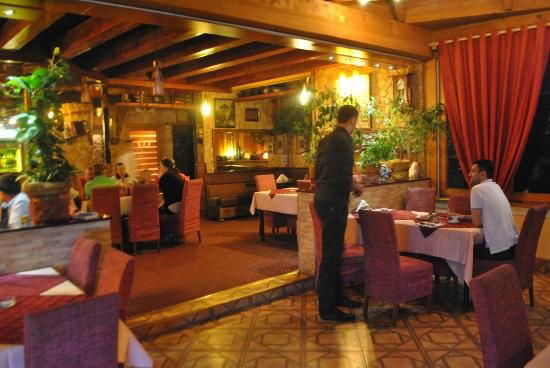
Bars in Sacramento
Browse all →
Hotels in Sacramento
Browse all →
Wineries in Sacramento
Browse all →
At a Glance
- Cozy
- Lively
- Rustic
- Casual Hangout
- Brunch
- Group Dining
- After Work
- Terrace
- Open Kitchen
- Craft Cocktails
- Beer Program
- Farm To Table
- Local Sourcing
Warm and inviting with a neighborhood feel; described by guests as comfortable and friendly with attentive service, though can be noisy during busy periods.