Hofbräuhaus Cleveland
Hofbräuhaus Cleveland pairs craft beer and draft cocktails with communal tables, booth seating, and an outdoor terrace, making it workable for group-led plans.

Pearl is the En Primeur Club membership app — saves, bookings, and concierge access live there. Same editors, same standards.
- Address
- 1550 Chester Ave, Cleveland, OH 44114
- Phone
- (216) 621-2337
- Hours
- Mon–Thu 11 AM–10 PMFri–Sat 11 AM–12 AMSun 10 AM–8 PM
- Website
- hofbrauhauscleveland.com
- Directions
- Get directions
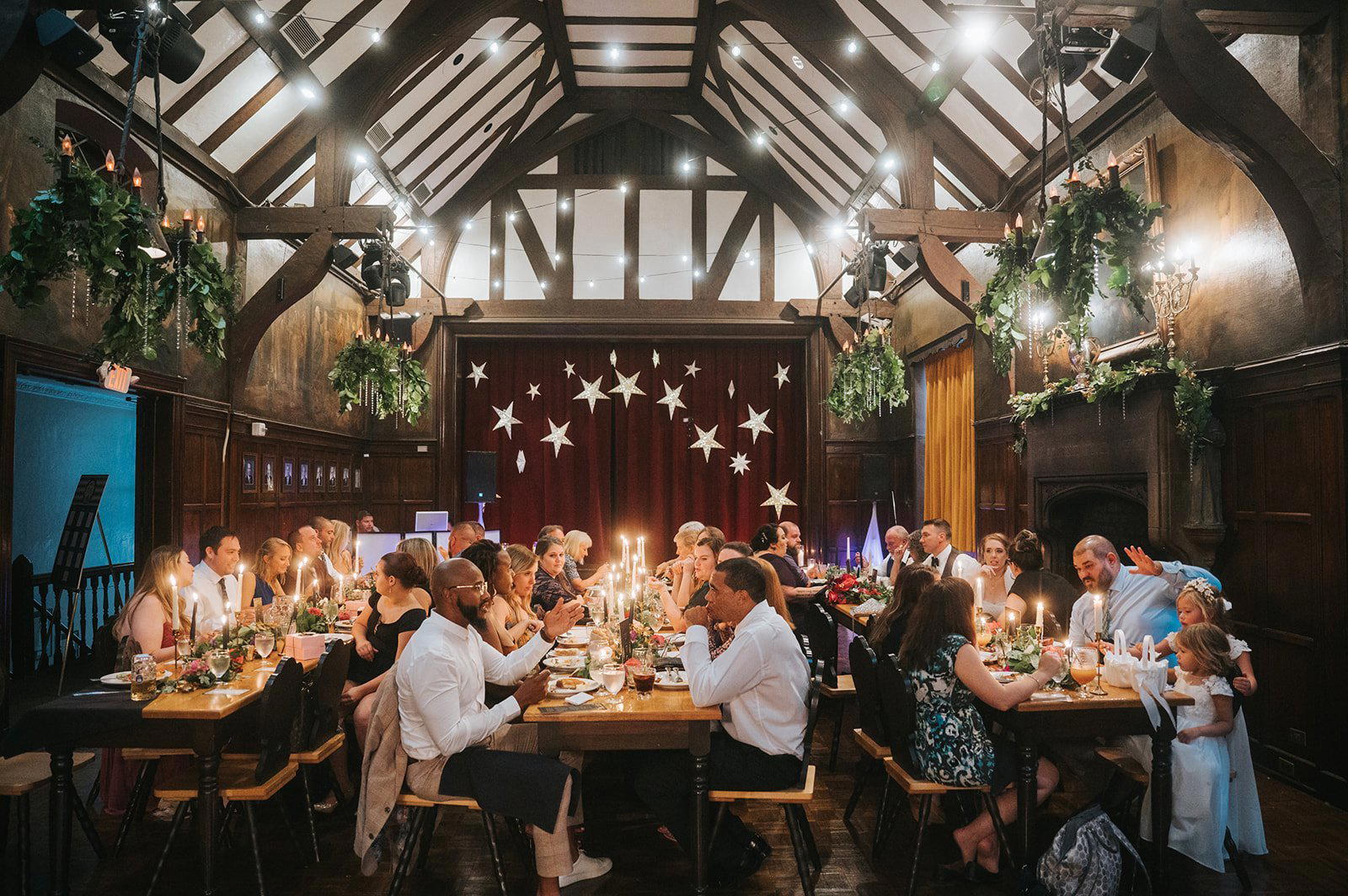
The Weight of the Hall
There is a particular kind of noise that defines a German-style beer hall, and Hofbräuhaus Cleveland produces it faithfully. Long communal tables fill a space designed for volume, conversation, and the clatter of ceramic steins. The address on Chester Avenue places the hall within the broader downtown Cleveland corridor, a zone that has absorbed everything from arena crowds to convention foot traffic. Walking in, you are not entering a quiet bar or a chef-driven dining room. You are entering a format with its own logic, its own rhythm, and a clientele that understands both.
A Format Built for Return Visits
The German beer hall tradition rewards regulars in ways that other dining formats do not. The menu is stable, the portions are generous, and the social architecture of communal seating means that strangers become temporary acquaintances by the second round. In Cleveland, where the hospitality scene has diversified considerably over the past decade to include technically ambitious cocktail programs like Acqua di Dea and creative hybrids like Brewnuts, Hofbräuhaus occupies a categorically different position. It is not competing on cocktail innovation or small-batch roasting credentials. It is competing on atmosphere, volume, and a sense of occasion that scales with group size.
That is precisely why regulars return. The experience does not change in ways that require relearning. The steins are the same weight. The format is the same format. For a visitor who has been before, this consistency functions as comfort. For a first-timer, it functions as orientation.
Beer as the Organizing Principle
In the Hofbräuhaus lineage, the beer program is not a supporting element. It is the point around which everything else is arranged. The Munich original, founded in 1589, established a brewing identity that the international licensed locations carry forward. Cleveland drinkers can expect the core Hofbräu range, including the Original lager, the Dunkel, and the Hefeweizen, served in the half-liter and one-liter formats that define the beer hall experience. These are lager-category beers: clean, malt-forward, and designed to be consumed in quantity over a long sitting rather than analyzed sip by sip.
For a city that has developed a meaningful craft beer culture, with spots like Blue Sky Brews representing the local independent brewing side, Hofbräuhaus positions itself as the counterpoint: an institution rather than an experiment. The beer is not Ohio-sourced or small-batch. It is German-style, brewed to specification, and served in the vessel that gives it cultural context.
What the Regulars Know
The unwritten menu at any beer hall is timing and table selection. Groups that arrive before the evening crowd settles have more control over seating, and communal tables fill quickly on weekends and during Cleveland's event calendar, which runs dense with Guardians and Cavaliers games at nearby venues. The Hofbräuhaus crowd on a game night looks different from a Tuesday after-work visit, and regulars know to calibrate expectations accordingly.
Noise levels are high by design, not by accident. The hall is built for this. Conversations here are not whispered. Deals are not discussed. The social contract of the beer hall prioritizes collective experience over private intimacy, and guests who return understand that quickly. Those who prefer the quieter, more intimate cocktail format that Cleveland also offers would do better to explore the city's other options, including the live-music adjacent atmosphere at Beachland Ballroom and Tavern.
Placing Cleveland in the Hofbräuhaus Network
The Hofbräuhaus brand has extended globally through a licensed model that applies the Munich original's visual and brewing identity to markets outside Germany. Cleveland is one of several American cities that have absorbed the format. This raises a reasonable editorial question: what does a licensed beer hall in the American Midwest have to do with the Munich tradition?
The honest answer is that it transmits the format faithfully while localizing the clientele. The architecture of the experience, communal seating, house-brewed or imported lager, traditional food pairings, live entertainment, reflects Munich's Hofbräuhaus accurately enough to function as a genuine cultural reference rather than a theme bar. The distinction matters. Theme bars borrow surface aesthetics. The Hofbräuhaus format borrows a functional social model, and that model holds up at scale regardless of geography.
For a reference point on how seriously other cities take their beer-hall or institution-bar formats, the bar programs at places like Kumiko in Chicago or Jewel of the South in New Orleans demonstrate how anchored, tradition-conscious formats can command loyalty precisely because they resist trend pressure. Hofbräuhaus operates in a parallel logic: the format's durability is its argument.
Planning Your Visit
Hofbräuhaus Cleveland sits at 1550 Chester Avenue, placing it within walking distance of downtown hotels and the main sports and entertainment cluster. Groups planning visits around events at nearby venues should book ahead for weekends and game days; walk-in seating on communal benches is possible but not guaranteed during peak periods. The format suits groups of four and above most naturally, though solo visitors and pairs integrate easily into the communal table structure. Dress code is casual by convention. Practical information on current hours and reservations is best confirmed directly via the venue or a current city guide, as neither phone nor website data was available at press time. For a broader view of where Hofbräuhaus fits within Cleveland's wider hospitality options, see our full Cleveland restaurants guide.
How Cleveland Compares Nationally
American cities have handled the premium bar and hospitality tier in notably different ways. The clarified-cocktail technical rigor of Bar Leather Apron in Honolulu, the spirit-driven depth of Julep in Houston, the fermentation focus at ABV in San Francisco, and the creative cocktail programming at Superbueno in New York City all represent one end of the American bar spectrum. Hofbräuhaus represents something structurally different: a volume-driven, occasion-focused institution where the drink is a known quantity and the experience is the variable. Neither model is superior. They are solving different problems for different guests.
For international context, it is worth noting that Frankfurt, a city with its own deep beer-hall tradition, hosts credentialed cocktail programs like The Parlour alongside traditional taverns. The coexistence of both formats in the same city is standard in Germany. Cleveland, in hosting Hofbräuhaus alongside a growing independent bar culture, is following a similar pattern, whether by design or not.
Cuisine Lens
Comparable venues nearby, for context on price, style, and recognition.
| Venue | Cuisine | Price | Notes |
|---|---|---|---|
| Hofbräuhaus ClevelandThis venue — the venue you are viewing | beer_bar | $20–30 | Not listed |
| Hecks Ohio City | lounge | Not listed | Ohio City |
| Il Rione | Bar | $20–30 | Detroit-Shoreway |
| La Dolce Vita | lounge | $30–50 | Little Italy |
| Ha Ahn Restaurant | Bar | $10–20 | The Quadrangle |
Continue exploring
More in Cleveland
Bars in Cleveland
Browse all →
Restaurants in Cleveland
Browse all →
Details
- Lively
- Energetic
- Classic
- Rustic
- Well Known
- Group Outing
- Celebration
- Casual Hangout
- After Work
- Special Occasion
- Private Event
- Live Music
- Beer Garden
- Historic Building
- Standalone
- Standing Room
- Seated Bar
- Communal Tables
- Outdoor Terrace
- Booth Seating
- Private Rooms
- Craft Beer
- Draft Cocktails
Current opening hours
- Monday
- 11 AM–10 PM
- Tuesday
- 11 AM–10 PM
- Wednesday
- 11 AM–10 PM
- Thursday
- 11 AM–10 PM
- Friday
- 11 AM–12 AM
- Saturday
- 11 AM–12 AM
- Sunday
- 10 AM–8 PM
Hours can change for holidays and private events. Last verified .
Festive and lively with traditional Bavarian decor, brass music, and an energetic atmosphere reminiscent of Oktoberfest with guests singing and dancing.