Harumi Sushi Bar
Harumi Sushi Bar at 101 N 1st Ave runs with seated bar, lounge seating, and an outdoor terrace, alongside sake and craft cocktails.
Pearl is the En Primeur Club membership app — saves, bookings, and concierge access live there. Same editors, same standards.
- Address
- 101 N 1st Ave, Phoenix, AZ 85003
- Phone
- +1 602 258 0131
- Website
- harumisushiaz.com
- Directions
- Get directions
 Saves & bookings on Pearl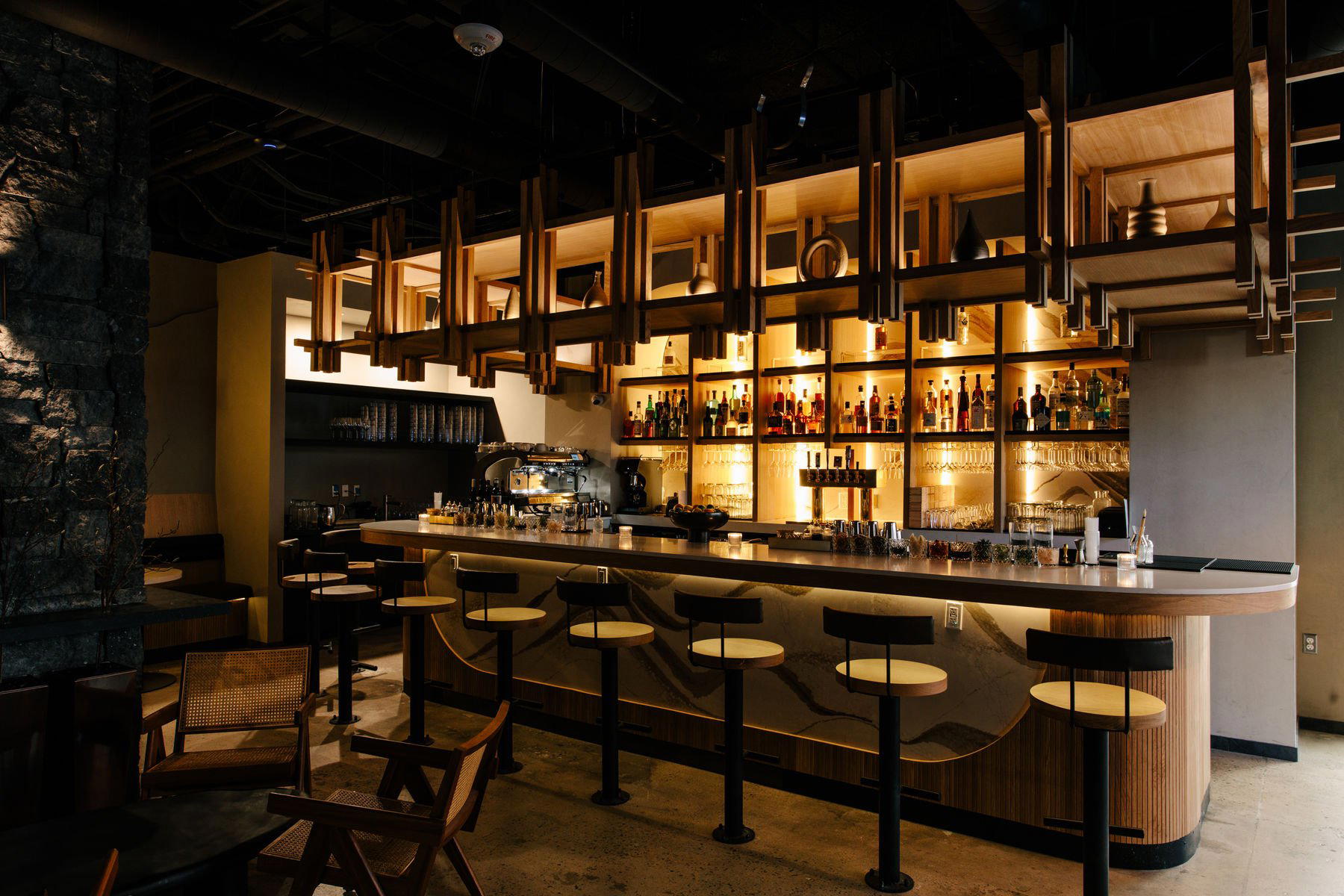
Downtown Phoenix and the Sushi Counter Format
The sushi counter has become one of the more telling indicators of a city's dining maturity. Where a decade ago the format in American inland cities meant conveyor belts or casual maki rolls, a new generation of operators has introduced the counter as a deliberate, paced experience: a fixed number of seats, a chef working in direct sight line, and a sequence of fish dictated by the kitchen rather than the menu. Phoenix has moved in that direction faster than most mid-sized inland cities, and its downtown core, anchored around the arts and government district near 1st Avenue, has attracted the kind of independent restaurants that signal genuine ambition rather than franchise expansion.
Harumi Sushi Bar sits at 101 N 1st Ave in that downtown cluster, a postcode that in recent years has drawn concentrated dining investment. The address places it within walking distance of the city's light rail corridor and the broader cultural precinct, which means foot traffic from a mixed audience: office workers at lunch, arts-district visitors in the evening, and the growing cohort of Phoenix residents who treat downtown as a genuine dining destination rather than a stopover. That demographic shift matters for a sushi operation, which depends on regulars who return for the rhythm of a counter rather than tourists chasing a single meal.
The Physical Logic of a Sushi Counter
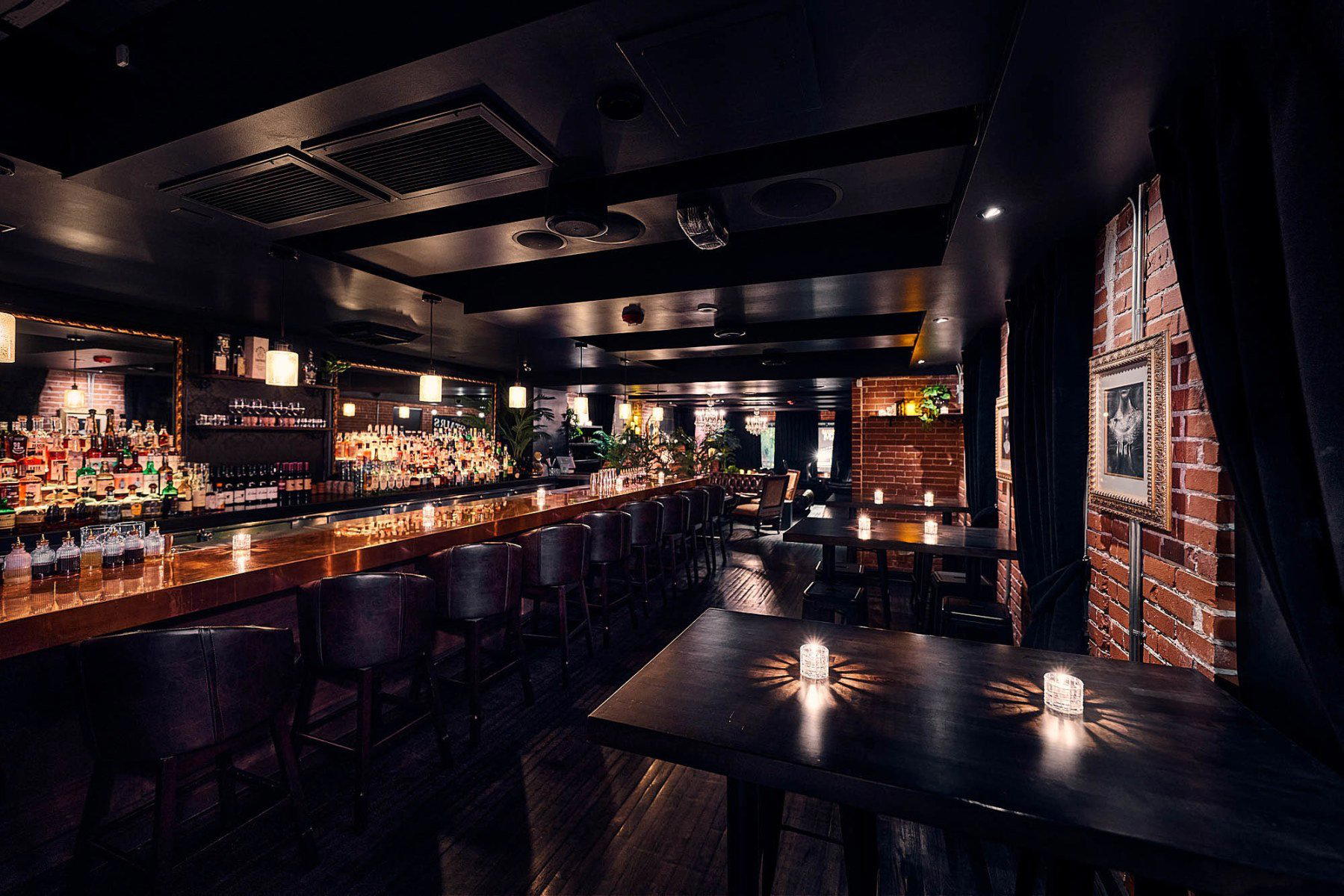
Counter-format dining operates on a different atmospheric logic than a conventional restaurant. The room is the relationship between the chef and the person seated in front of them: the prep board, the knife work, the rice temperature, the pacing of courses. Ambient noise operates at a lower register by design. Lighting tends toward warm and directional, illuminating the counter rather than the dining room as a whole. These aren't aesthetic choices so much as functional ones, calibrated so that the food, not the room, carries the sensory weight.
In Phoenix specifically, the counter format has arrived later than in coastal cities, which means local operators have had the advantage of learning from a decade of refinement elsewhere. The omakase model that hardened in New York and Los Angeles, with strict booking windows, prepaid reservations, and course counts fixed at twenty or more, has given way in many second-tier cities to a more accessible hybrid: counter seating with some structured sequence, but without the full theatre and price commitment of the coastal format.
Reading the Room: Atmosphere as Editorial Evidence
What the address and format type do signal is the kind of experience the operator is building toward. A sushi bar in a downtown arts-district postcode in Phoenix in 2024 is not opening to compete with casual Japanese chains on the suburban corridors. The decision to operate at 101 N 1st Ave implies a customer who is walking or taking the light rail, not driving forty minutes from Scottsdale. It implies an evening pacing rather than a quick lunch turnover. It implies, at minimum, a counter where the atmosphere is controlled enough that the food can speak at the register it needs to.
For comparison, the cocktail bars that have defined Phoenix's downtown drinking culture in recent years, including Bitter & Twisted, Century Grand, Highball, and Platform 18, have all made deliberate spatial decisions that reinforce their drink programs. The same logic applies to a serious sushi counter: the physical space encodes the intent. Bars with equivalent ambition in other cities, from Kumiko in Chicago to Bar Leather Apron in Honolulu to Jewel of the South in New Orleans, have demonstrated that spatial discipline and a clearly defined format are as important as what's on the plate or in the glass. The same is true at venues like Julep in Houston, Superbueno in New York City, ABV in San Francisco, and The Parlour in Frankfurt, each of which has built its reputation as much on format clarity as on the technical quality of its output.
Phoenix's Broader Japanese Dining Context
Arizona's Japanese dining scene has historically concentrated in the suburban corridors, particularly around Tempe and Scottsdale, where larger restaurant footprints and parking availability suited the state's car-dependent settlement patterns. Downtown Phoenix has been slower to develop a Japanese dining identity, partly because the customer density needed to sustain a counter-format operation only arrived with the city's recent urban residential growth. The light rail expansion and a series of downtown residential developments in the 2010s created the conditions for that density, and restaurant investment has followed accordingly.
The result is that a sushi operation opening in downtown Phoenix now is entering a market that is still forming its habits and expectations around the format. That creates both opportunity and risk. Operators who set the terms early, establishing what a Phoenix sushi counter looks and feels like at a serious level, tend to define the category for a generation. Those are the rooms that become references for what came next.
Planning Your Visit
Harumi Sushi Bar is located at 101 N 1st Ave, Phoenix, AZ 85003, in the downtown core accessible via the Valley Metro light rail. Harumi Sushi Bar is recommended for reservations and typically runs at about $40 per person. Reservations are recommended.
Price and Recognition
Comparable venues nearby, for context on price, style, and recognition.
| Venue | Cuisine | Price | Notes |
|---|---|---|---|
| Harumi Sushi BarThis venue — the venue you are viewing | Not listed | $$ | Not listed |
| Valley Bar | Not listed | $$ | Copper Square, cocktail_bar |
| Arizona Wilderness DTPHX | Not listed | $$ | Roosevelt Row, beer_bar |
| La Grande Orange Grocery & Pizzeria | Camelback East, lounge | $$ | Not listed |
| Gallo Blanco | Not listed | $$ | Roosevelt Row, cocktail_bar |
| Zinburger | Not listed | $$ | Biltmore Villas, wine_bar |
At a Glance
- Trendy
- Modern
- Elegant
- Sophisticated
- Date Night
- Casual Hangout
- Standalone
- Seated Bar
- Lounge Seating
- Outdoor Terrace
- Sake
- Craft Cocktails
Current opening hours
- Monday
- 11 AM–9 PM
- Tuesday
- 11 AM–9 PM
- Wednesday
- 11 AM–9 PM
- Thursday
- 11 AM–9 PM
- Friday
- 11 AM–10 PM
- Saturday
- 12–11 PM
- Sunday
- 12–9 PM
Hours can change for holidays and private events. Last verified .
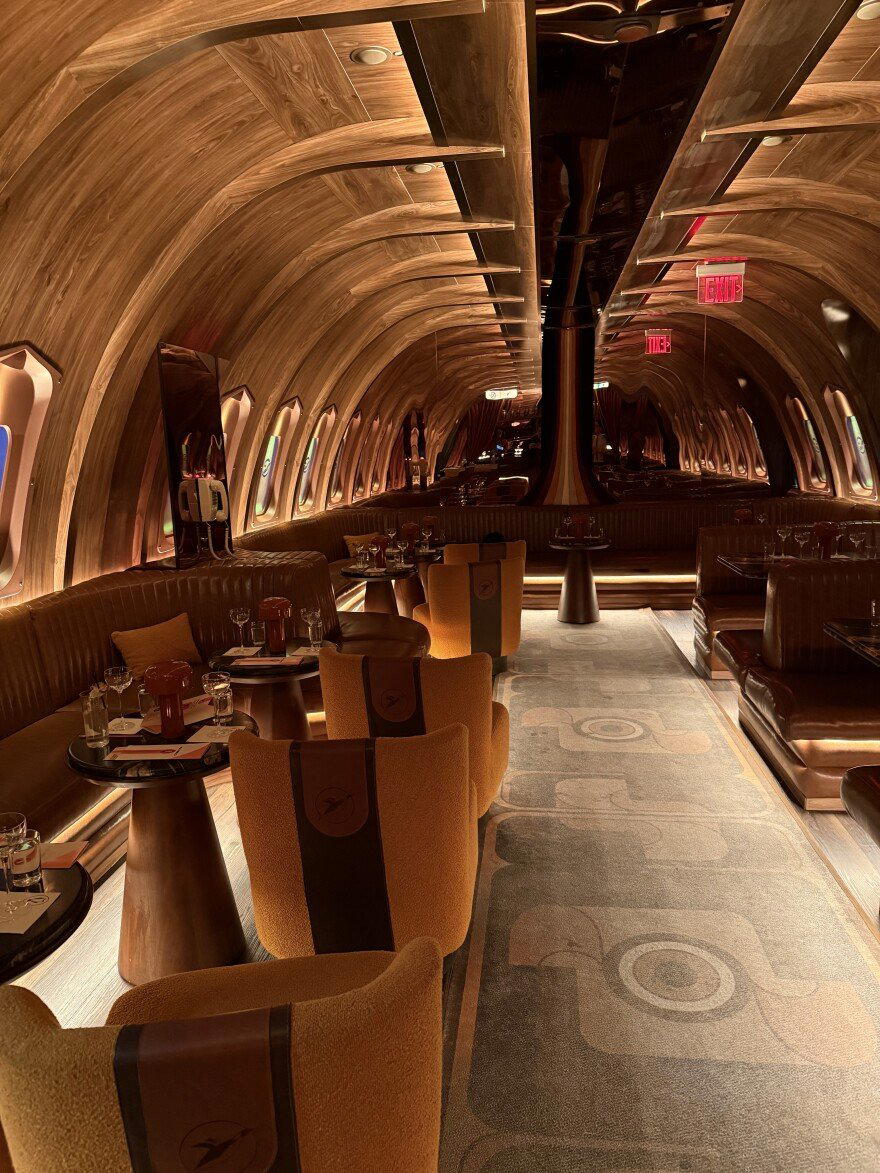
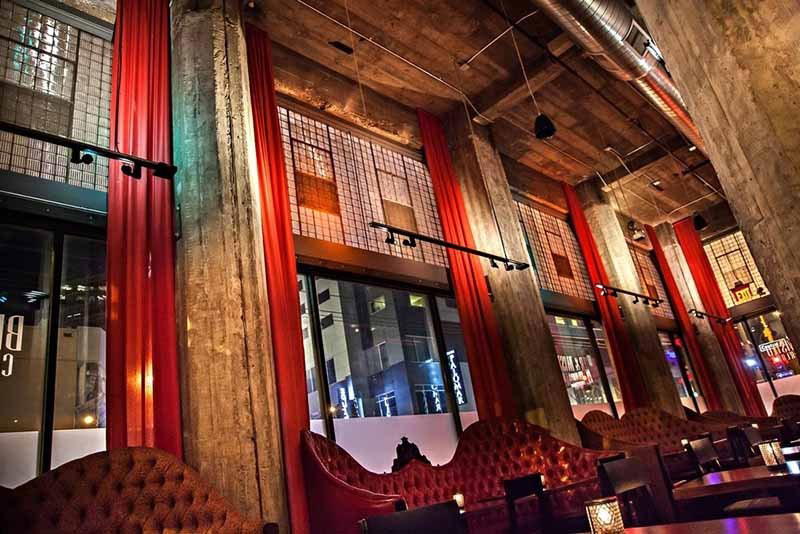
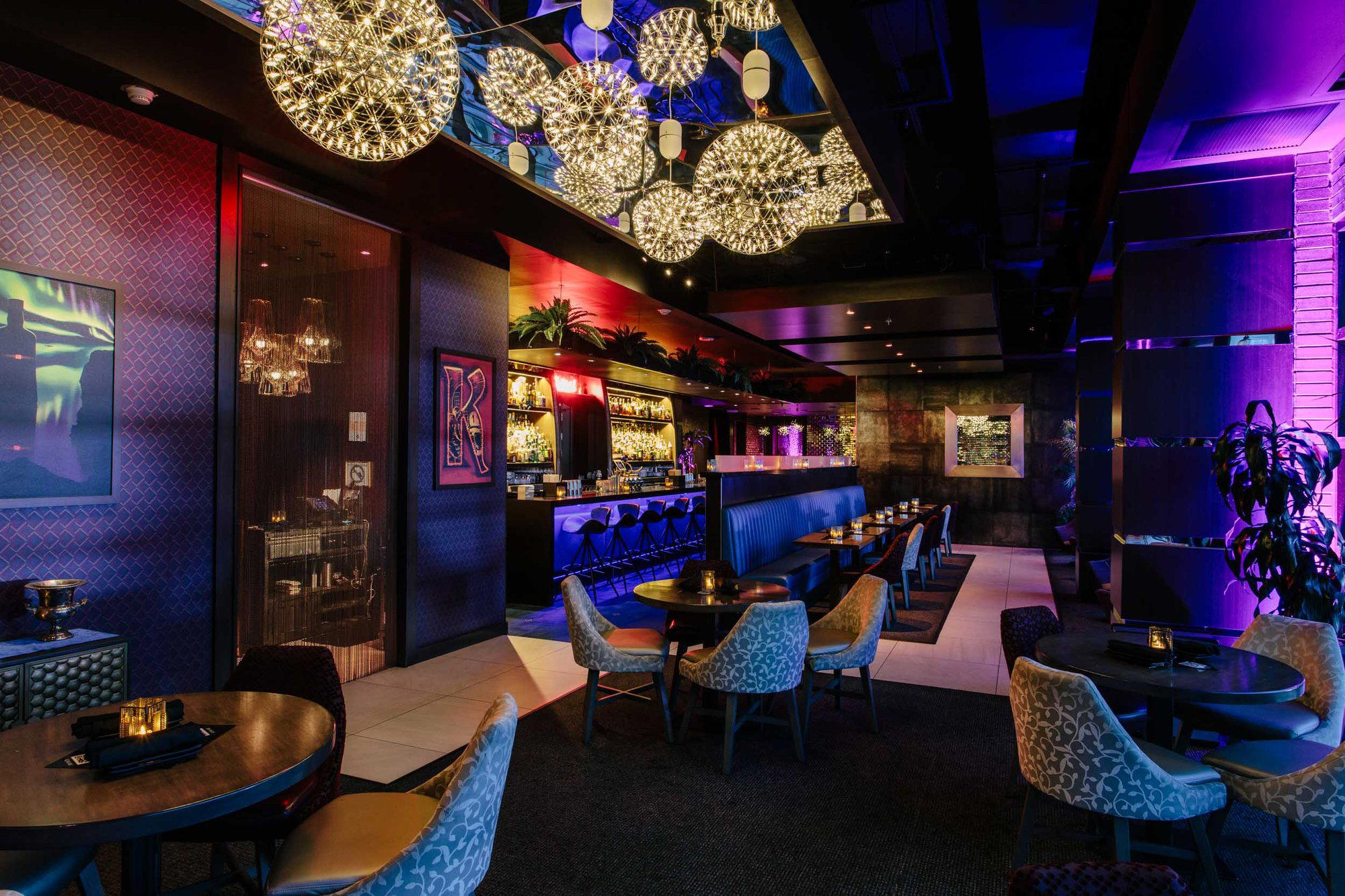
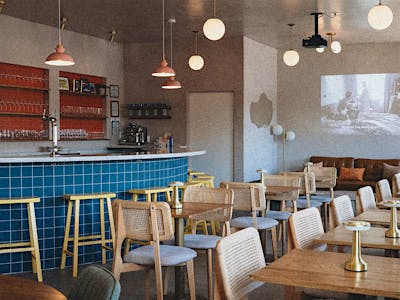
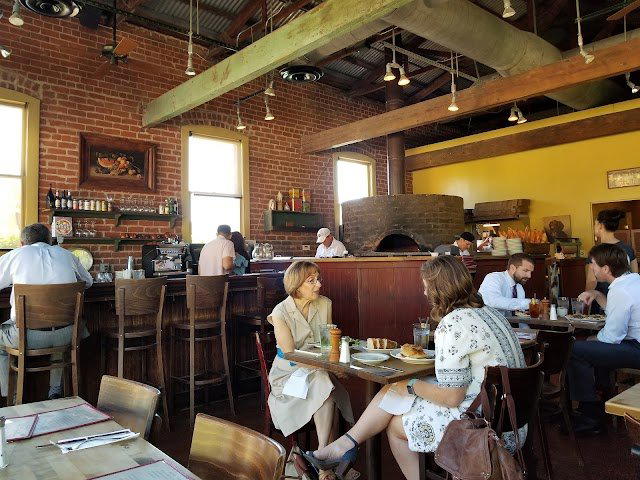
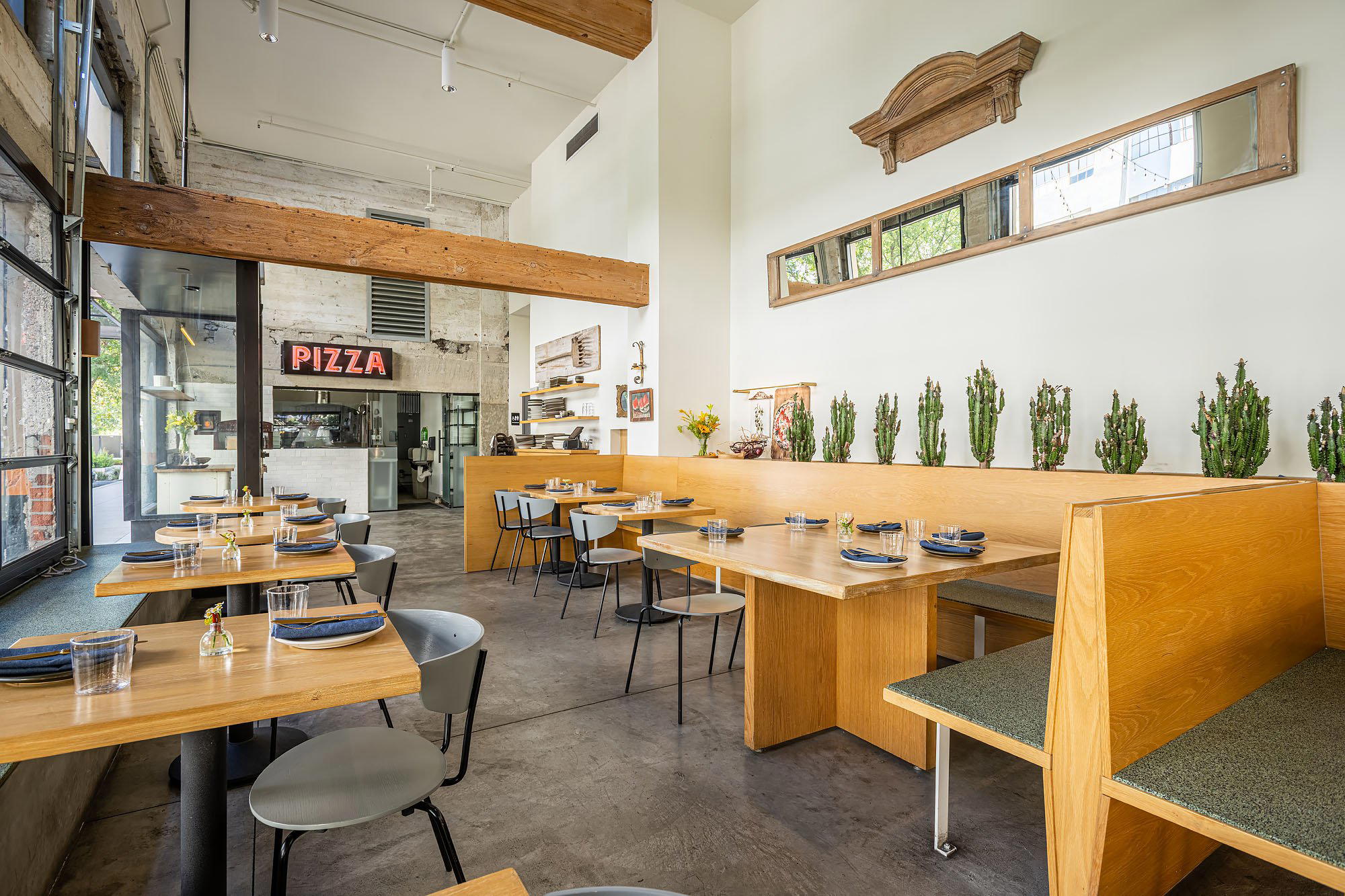
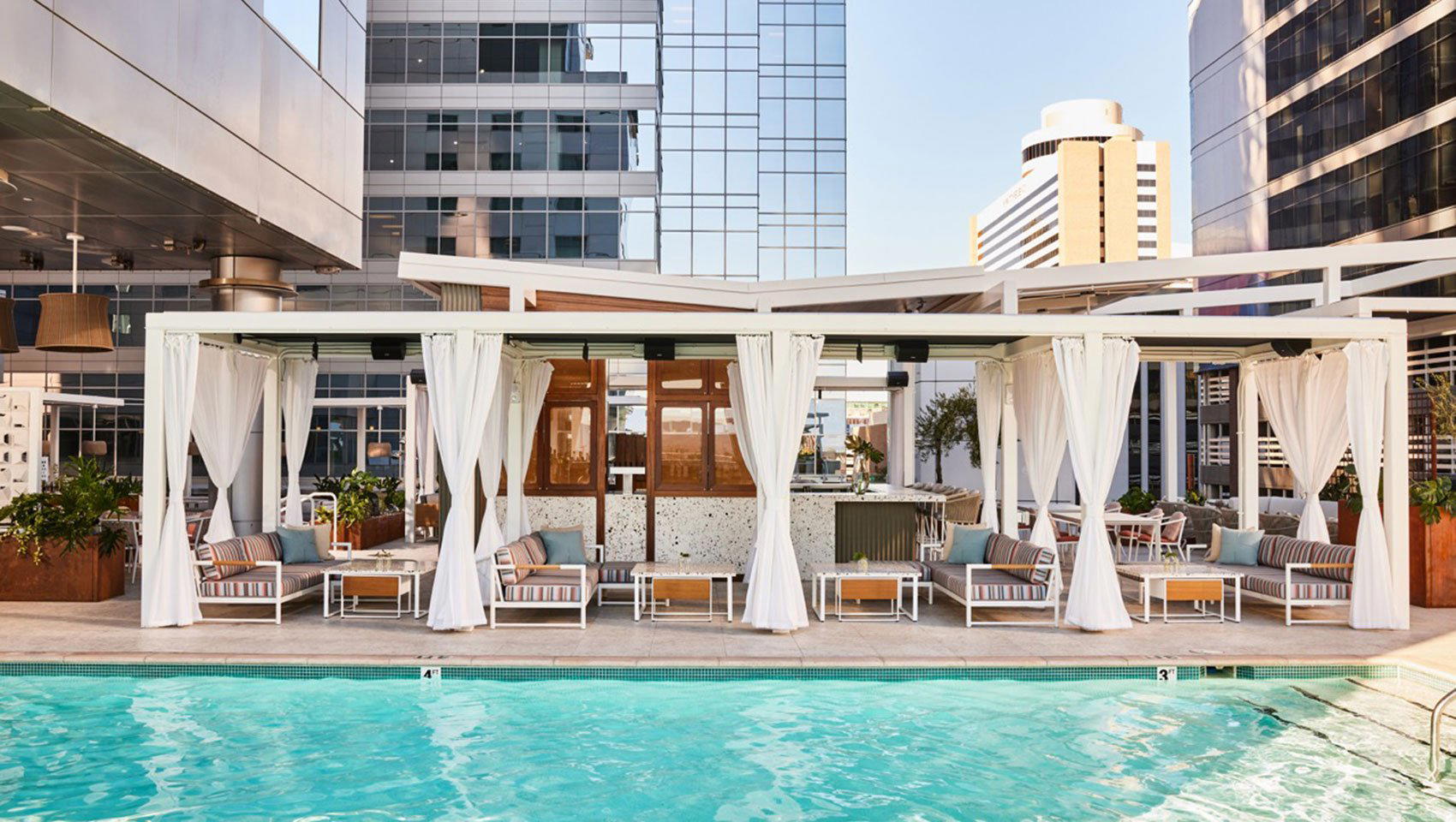
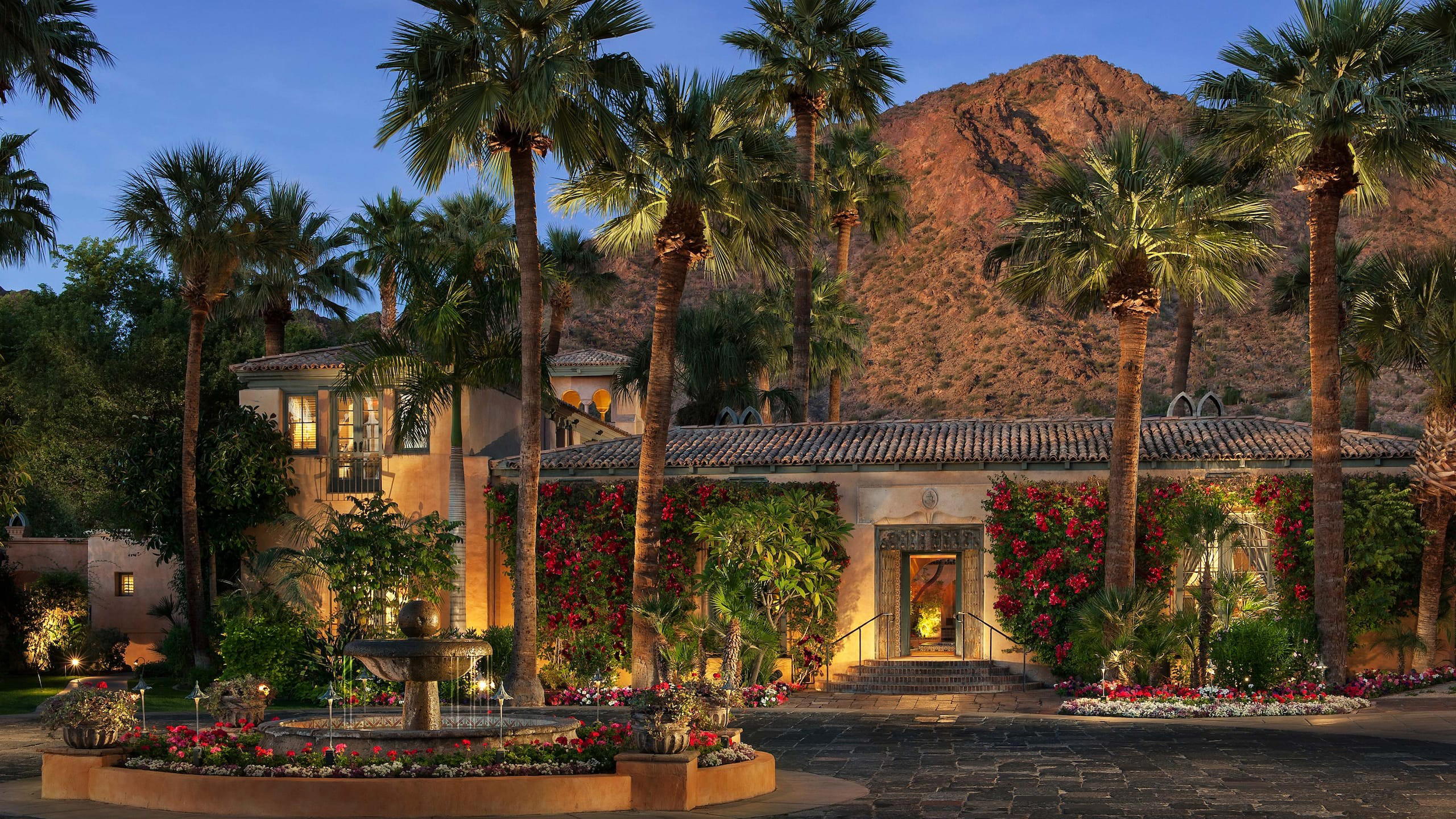
Calming neutral palette with natural raw materials, warm woods, flagstone, mixed metals, and dramatic yet soft lighting fixtures creating a nature-inspired, sophisticated atmosphere.