Hank's Seafood Restaurant
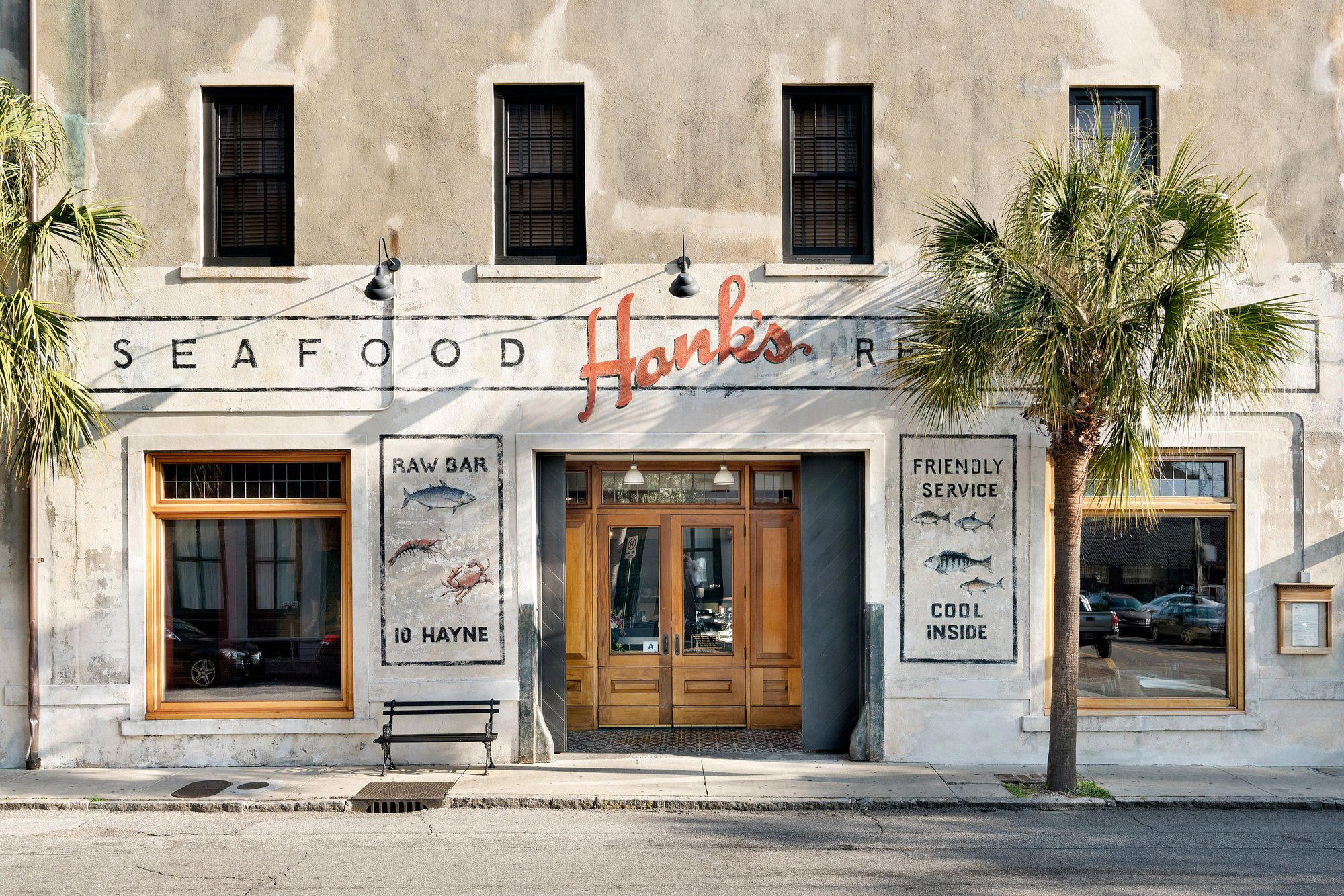
Hank's Seafood Restaurant on Hayne Street is Charleston's benchmark for Low Country seafood in a setting that reads more supper club than tourist trap. The bar program holds its own against the city's dedicated cocktail venues, pairing Southern spirits and coastal ingredients with the kitchen's shellfish-forward menu. Book ahead, particularly in spring and fall when demand from both locals and visitors peaks.

Pearl is the En Primeur Club membership app — saves, bookings, and concierge access live there. Same editors, same standards.
- Address
- 10 Hayne St, Charleston, SC 29401
- Phone
- (843) 723-3474
- Hours
- Mon–Wed 5–9 PMThu 11:30 AM–2 PM, 5–9 PMFri–Sat 11:30 AM–2 PM, 5–10 PMSun 11:30 AM–2 PM, 5–9 PM
- Website
- hanksseafoodrestaurant.com
- Directions
- Get directions
- Booking
- Book on the venue's website
Where Charleston's Seafood Tradition Meets the Bar
Hayne Street sits just inside the French Quarter, a block removed from the heavier foot traffic of Market Street, and that small distance carries real meaning. The venues that occupy this stretch tend to attract a local crowd alongside visitors who have done their research, rather than the walk-in trade that fills the more visible corridors of the historic district. Hank's Seafood Restaurant is on this street, and its address alone signals something about how Charleston's serious dining establishments position themselves: close enough to the center to be convenient, far enough away to set a tone.
Charleston's seafood dining scene has matured considerably over the past two decades. What was once a category dominated by fried baskets and tourist-facing menus has fractured into distinct tiers. At one end sit the casual raw bars and dock-side shacks that trade on informality and volume. At the other sit restaurants that treat Low Country shellfish with the same sourcing discipline applied to fine dining protein in other American cities. Hank's occupies the latter position, functioning as a reference point for what Charleston seafood looks like when it is taken seriously as a dining format rather than a regional novelty.
The Cocktail Program and What It Says About the Room
The cocktail program at a seafood restaurant carries a specific burden: it has to complement brine, fat, and acidity without overwhelming the food, while still holding enough interest to sustain a pre-dinner drink or a full bar visit on its own terms. Charleston's bar scene has developed considerable depth in recent years, with venues like The Cocktail Club, 39 Rue de Jean, and babas on cannon running programs built around technique and local spirits. A seafood-focused kitchen that wants to keep pace with that scene has to think carefully about its drinks architecture.
The Southern states have produced a cocktail culture built heavily on whiskey, bourbon, and locally distilled spirits, but coastal South Carolina also offers a case for rum, amaro-forward builds, and citrus-led formats that mirror the acidity of a good oyster mignonette. Bars that understand this pairing logic, placing something bracingly acidic or bittersweet alongside shellfish, tend to hold their guests longer and sell more across both the bar and the kitchen. 82 Queen, a few blocks away, reflects a similar dual identity where the bar and the restaurant inform each other rather than operating as separate functions within the same space.
At the American level, the most technically sophisticated seafood-adjacent bar programs share a common approach: sourcing from the same regional producers as the kitchen, using citrus and brine as structural elements in cocktail design, and keeping the format legible enough that guests who are primarily there for food do not feel lectured to by the drinks list. Jewel of the South in New Orleans operates in a comparable coastal-city environment and has built a nationally recognized program on exactly this logic. Julep in Houston takes a Southern-spirits-first approach that translates well to a seafood context. Both offer a useful frame for understanding what a serious cocktail program inside a seafood institution can look like when the two sides of the menu are genuinely in conversation.
The Low Country Table and Seasonal Timing
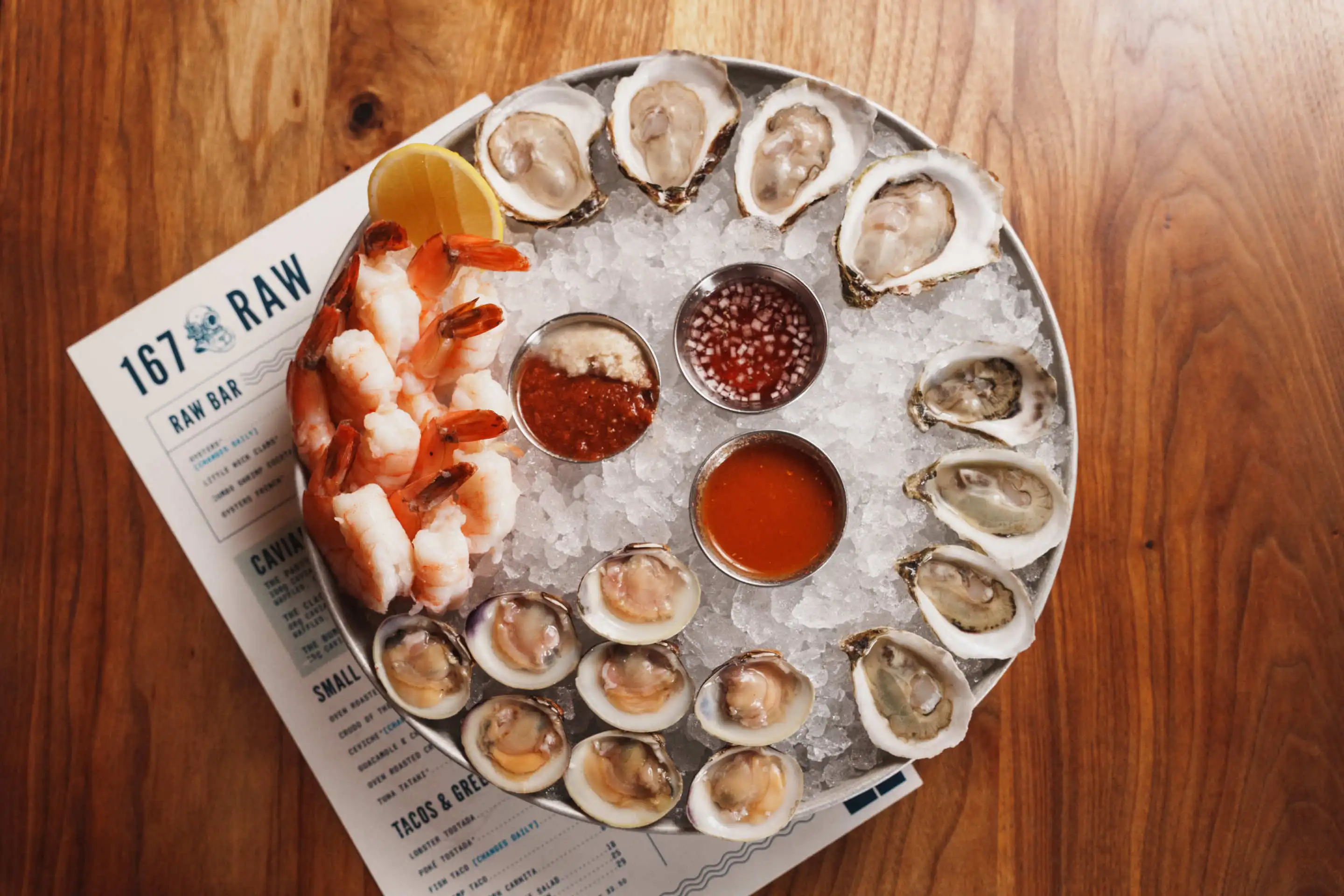
Low Country cooking is not a static tradition. It shifts with the estuary calendar: blue crabs peak in late summer, oysters come into season properly in the fall and run through early spring, shrimp season follows its own rhythm across the South Carolina coast. A restaurant that takes sourcing seriously will reflect these shifts on the plate, which means the experience in October, when oysters are at their tightest and most saline, differs meaningfully from a visit in July, when the shrimp and crab calendar takes precedence.
This seasonal structure is one reason fall and spring represent the sharpest moments to visit. October through November delivers peak oyster quality alongside cooler evenings that make the French Quarter particularly pleasant to move through on foot. April and May bring the tail end of oyster season and the first proper warm evenings of the year, which tends to drive demand at the better Charleston restaurants. Planning a visit during these windows, and booking further ahead than you might assume necessary, remains the practical baseline for anyone serious about the experience.
Across American coastal dining, the restaurants that matter over time are those that resist the pressure to homogenize their menus toward year-round availability. Venues like Bar Leather Apron in Honolulu and Kumiko in Chicago have built durable reputations partly by anchoring their programs in ingredients and formats that are inherently seasonal. The discipline required to say no to something out of season is the same discipline that produces the leading plates when the season arrives.
Where Hank's Sits in the Charleston Picture
Charleston has enough dining density in its historic core that any serious restaurant operates within a competitive frame. The French Quarter and the surrounding streets hold a concentration of venues ranging from hotel dining rooms to chef-driven independents, and the bar scene has its own geography, with The Cocktail Club and its peers establishing cocktail-first destinations that draw guests before and after dinner at places like Hank's.
Nationally, the conversation about serious bar programs inside restaurants rather than as standalone destinations has grown considerably. ABV in San Francisco and Superbueno in New York City represent the direction the category is moving: beverage programs with enough editorial identity to draw guests independently of the food. The Parlour in Frankfurt demonstrates that this approach is not limited to American cities. Within Charleston, a seafood institution that holds its bar program to a comparable standard occupies a specific and durable niche.
For visitors building a Charleston itinerary around food and drink, Hank's functions as an anchor reservation, the kind of booking you confirm first and build the rest of the evening around. The address on Hayne Street is practical enough to reach from most of the historic district on foot, which matters in a city where evening logistics tend to be pedestrian. See our full Charleston restaurants guide for context on how the broader dining scene maps across the city's neighborhoods.
Planning Your Visit
Hank's Seafood Restaurant is at 10 Hayne Street in Charleston's French Quarter, within easy walking distance of the main hotel corridor along Wentworth and Meeting Streets. Given the seasonal demand patterns described above, reservations in the October-to-November oyster window and the April-to-May spring period should be secured as far in advance as possible. The restaurant's position in the upper tier of Charleston seafood dining means it draws from both the local repeat-guest base and a well-researched visitor cohort, both of whom tend to plan ahead. Walk-in availability is possible outside peak season and on weekday evenings, but should not be assumed for a venue at this level of the market.
City Peers
Comparable venues nearby, for context on price, style, and recognition.
| Venue | Cuisine | Price | Notes |
|---|---|---|---|
| Hank's Seafood RestaurantThis venue — the venue you are viewing | lounge | $50–100 | Not listed |
| Ritual Rooftop Restaurant & Lounge | rooftop_bar | Not listed | Downtown |
| Fiat Lux | rooftop_bar | $30–50 | King Street |
| The Belmont | cocktail_bar | $30–50 | Upper King Street |
| Events at 495 + Satellite Rooftop Bar | rooftop_bar | $30–50 | Upper King Street |
| Le Farfalle | cocktail_bar | Not listed | Harleston Village |
Continue exploring
More in Charleston
Bars in Charleston
Browse all →

Restaurants in Charleston
Browse all →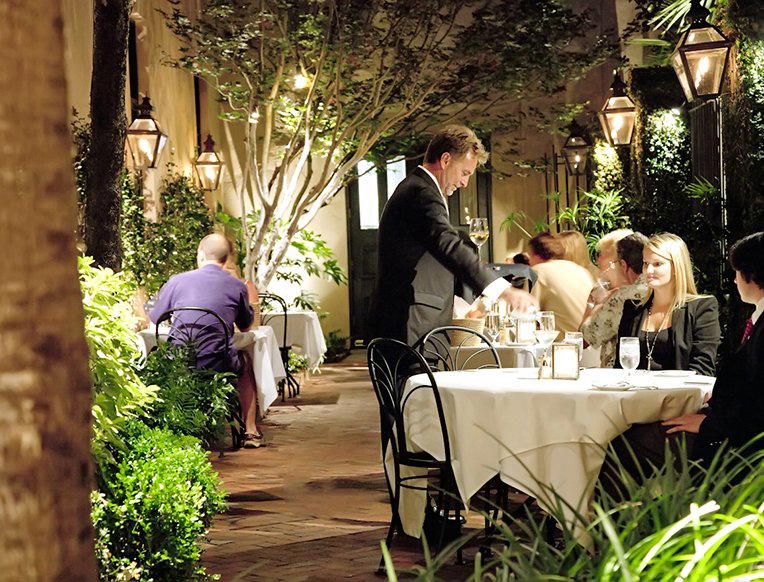
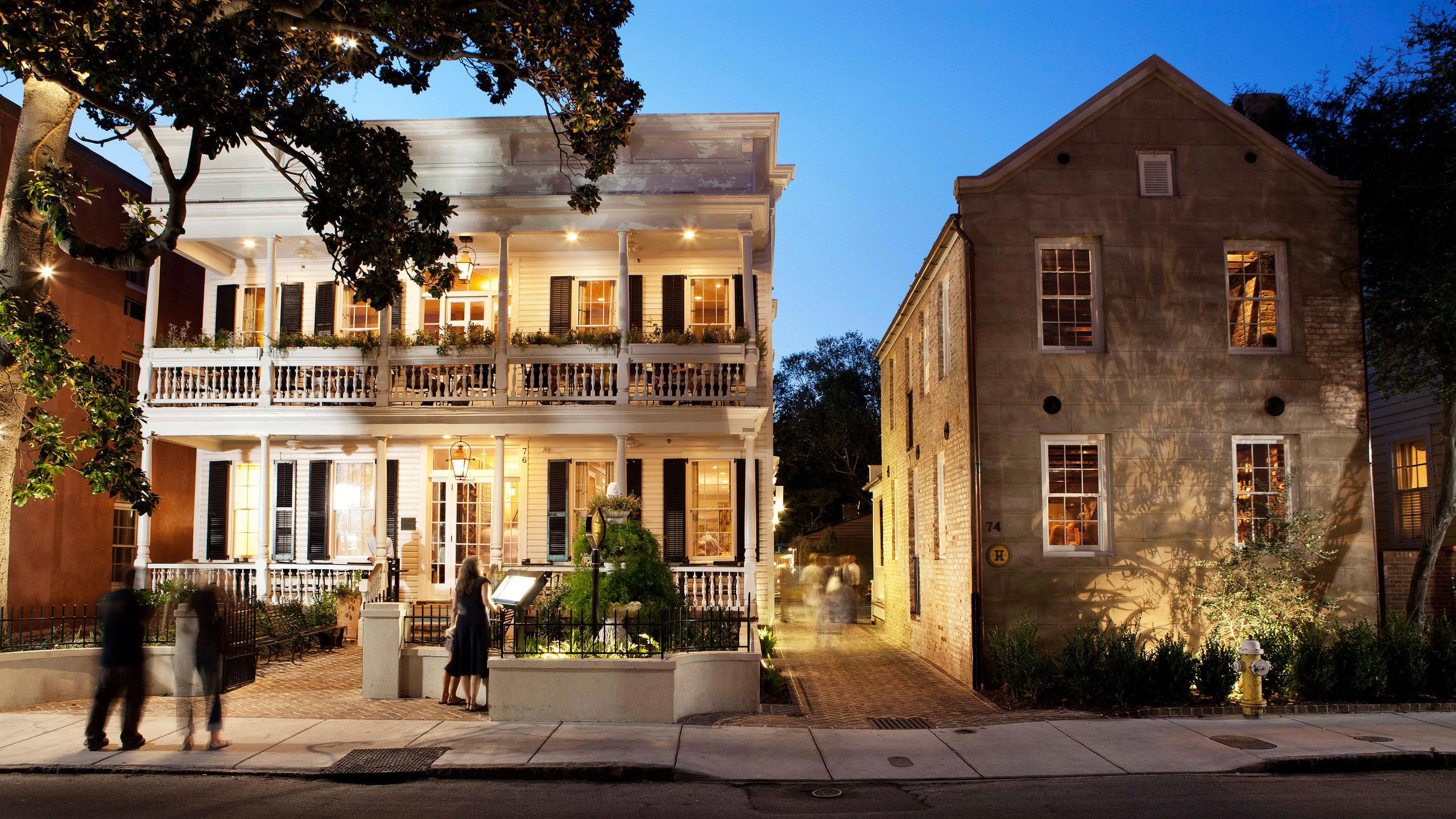
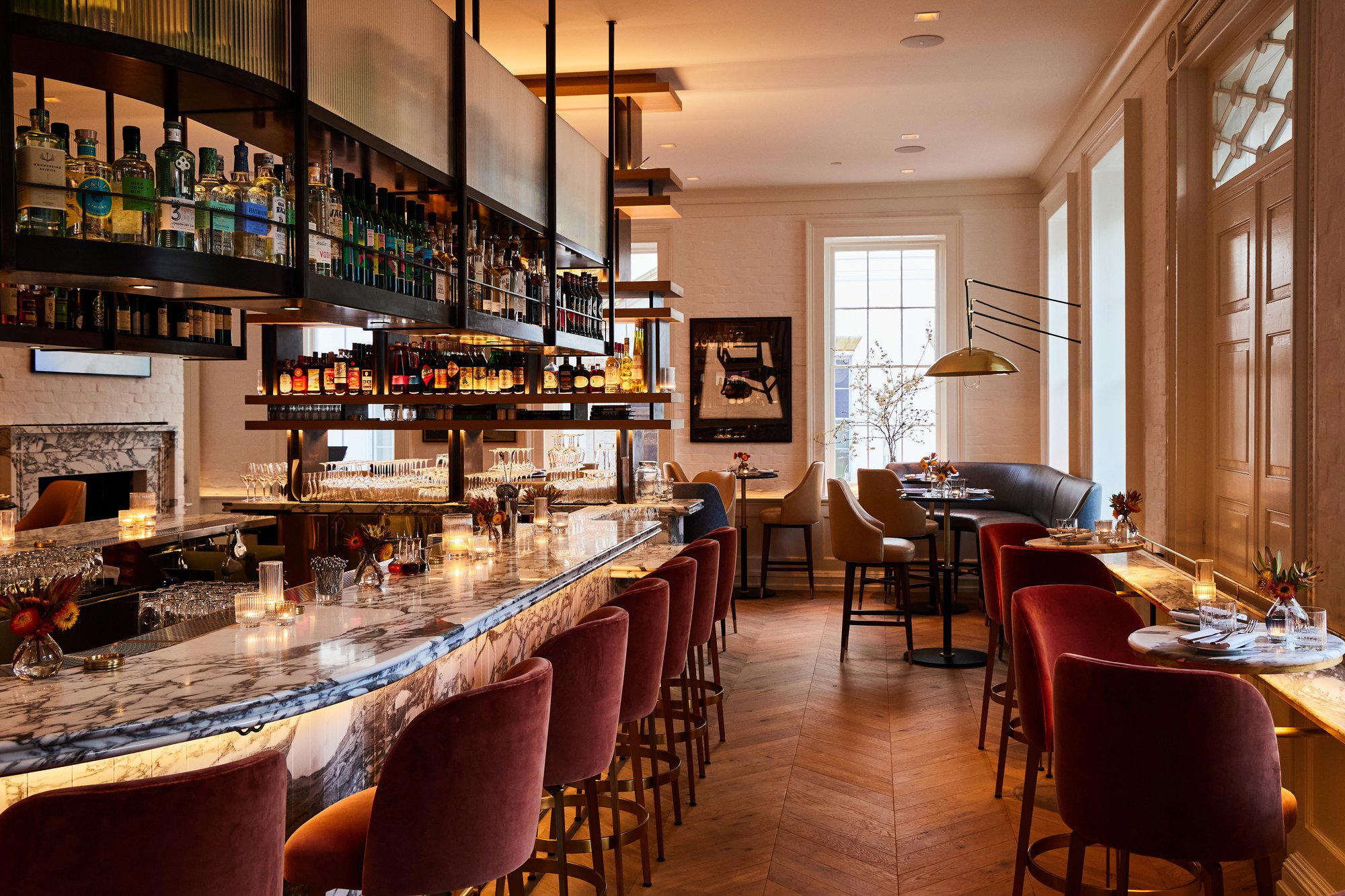
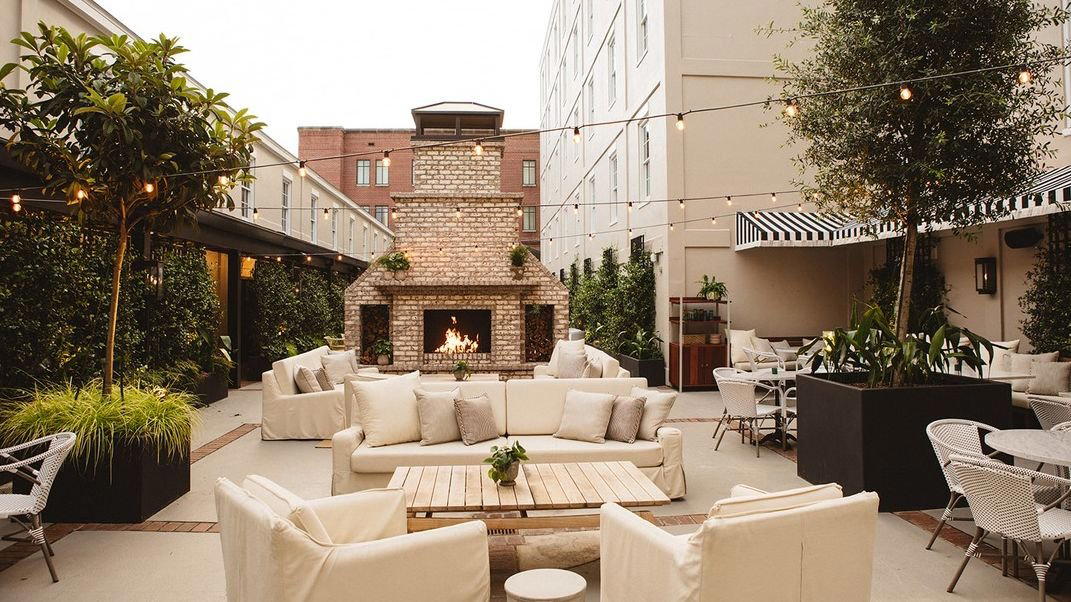
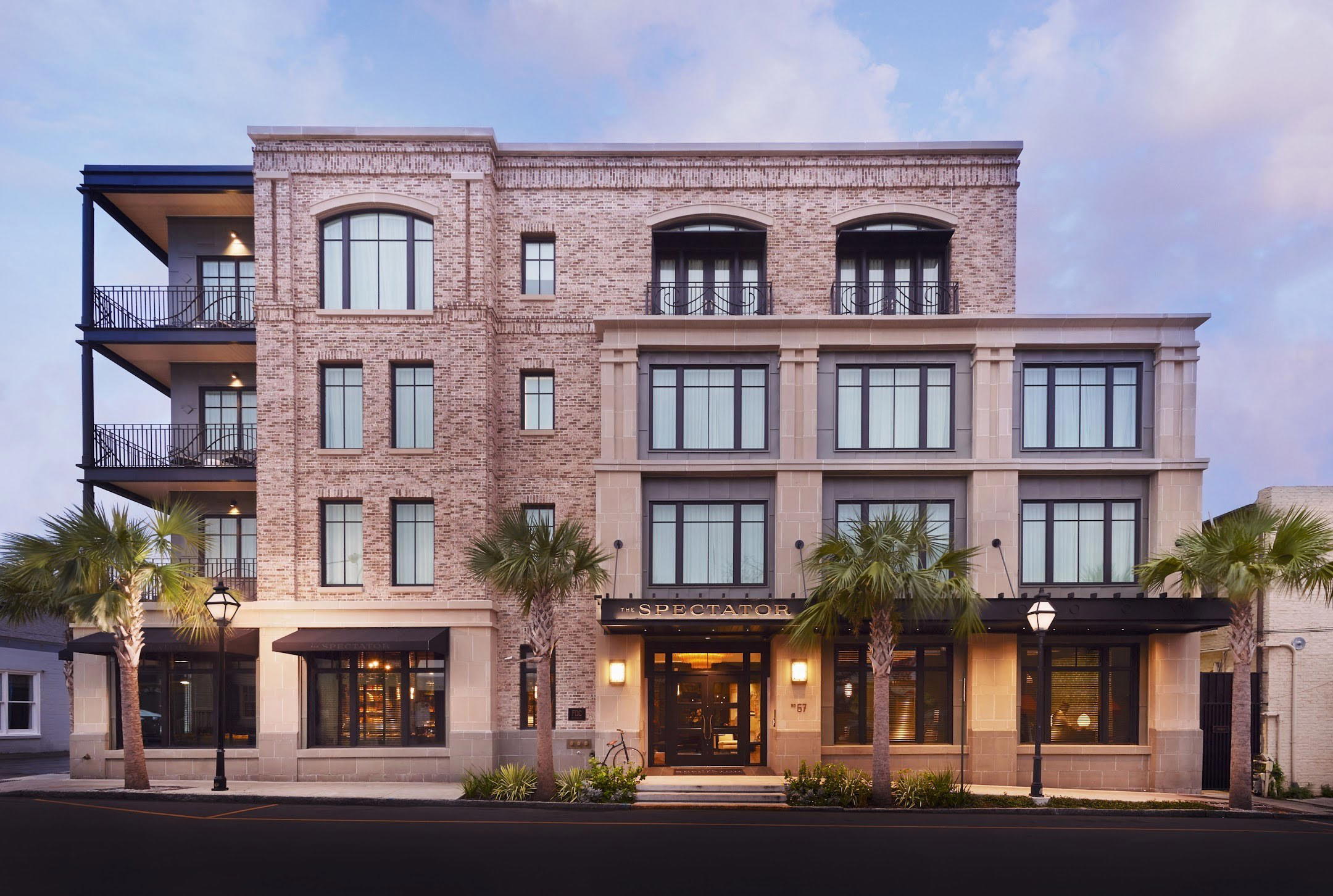
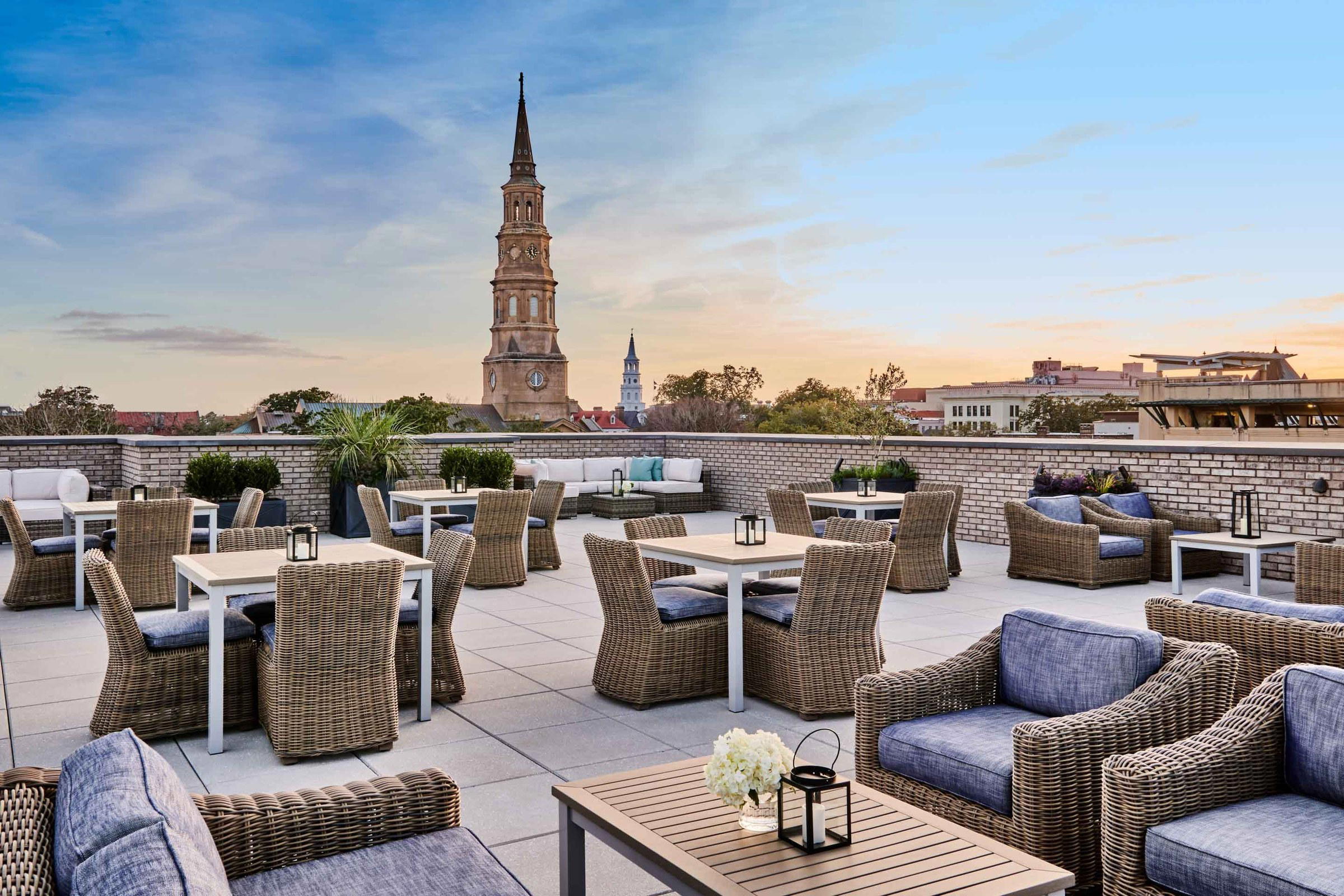
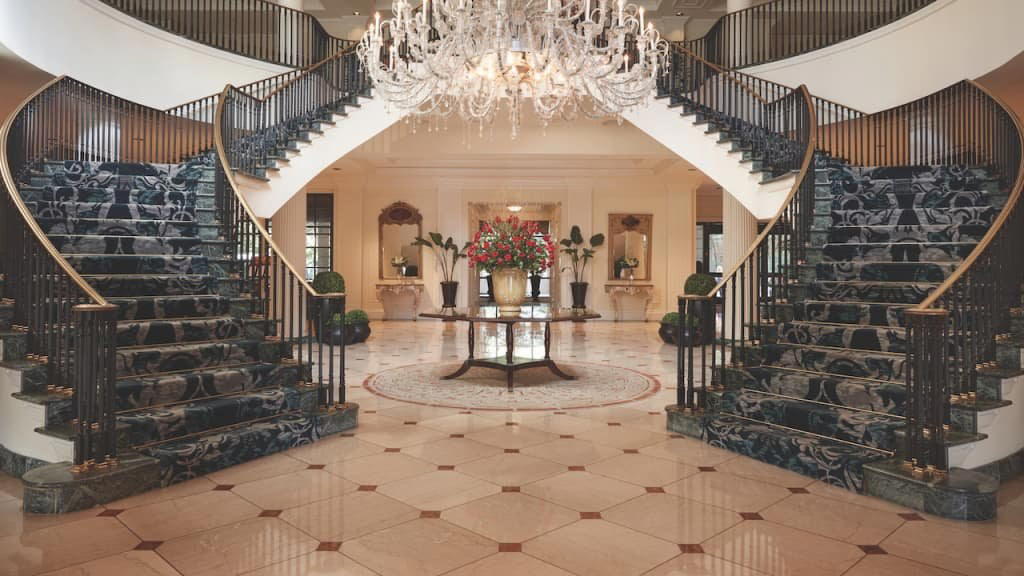
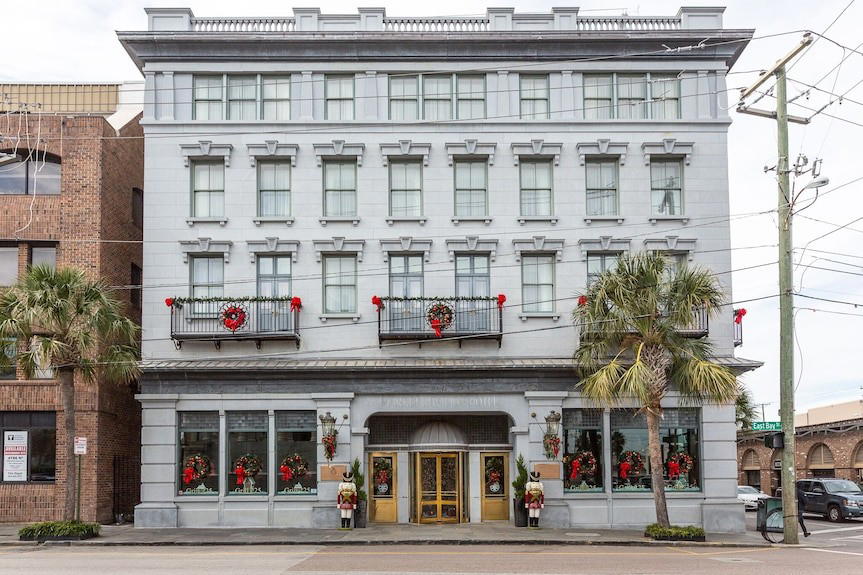
Hank's Seafood Restaurant
The wine
- Wine program
- Curated wine list
- Classic cocktails
Signature drinks: Tiki Maria, For the Pilot.
Details
- Classic
- Elegant
- Date Night
- Special Occasion
- Group Outing
- Historic Building
- Seated Bar
- Communal Tables
- Booth Seating
- Classic Cocktails
- Street Scene
Current opening hours
- Monday
- 5–9 PM
- Tuesday
- 5–9 PM
- Wednesday
- 5–9 PM
- Thursday
- 11:30 AM–2 PM, 5–9 PM
- Friday
- 11:30 AM–2 PM, 5–10 PM
- Saturday
- 11:30 AM–2 PM, 5–10 PM
- Sunday
- 11:30 AM–2 PM, 5–9 PM
Hours can change for holidays and private events. Last verified .
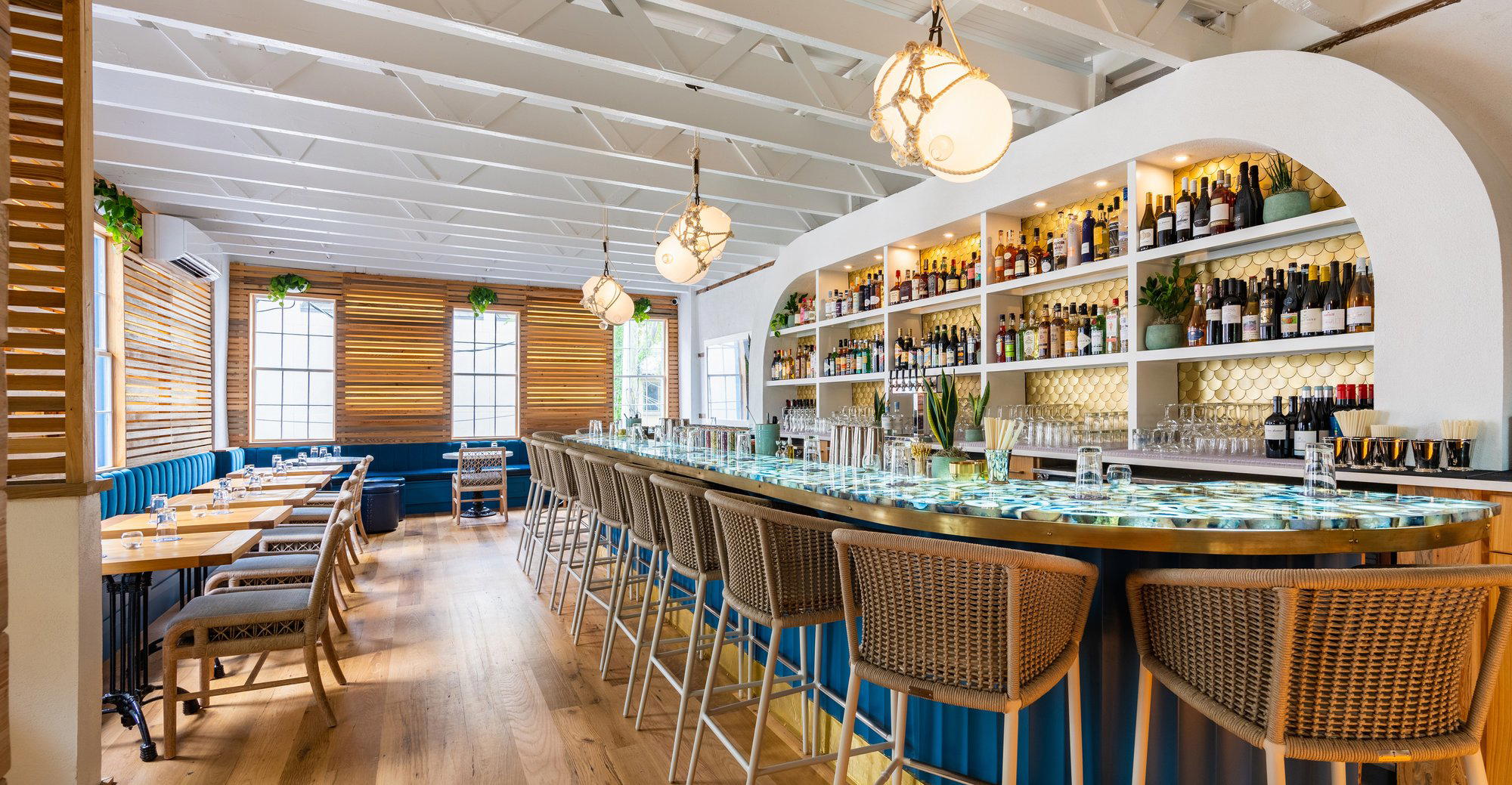
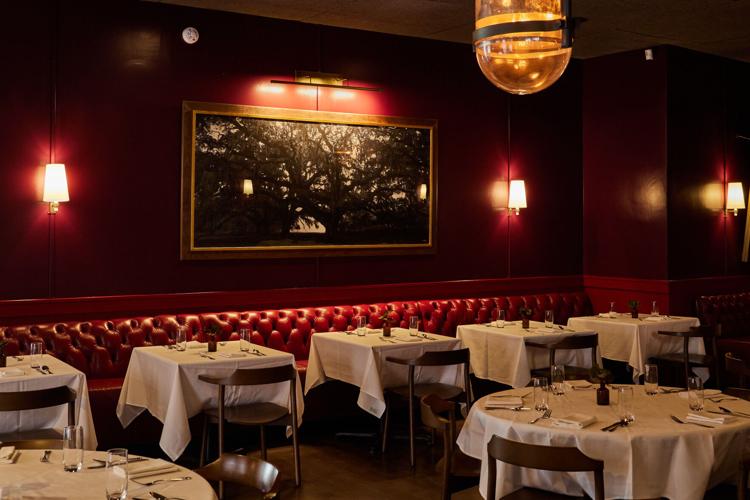
Clubby atmosphere with wood paneling, banquettes, white tablecloths, and a buzzy vibe.