CAFÉ TRISTE
Café Triste sits on N Broadway in Los Angeles's Chinatown corridor, a stretch that has absorbed successive waves of creative energy without ever fully resolving into a single identity. The address places it squarely in a neighbourhood where bars and café-adjacent spaces compete on atmosphere and editorial coherence as much as menu depth. For LA drinking, the context matters as much as the glass.
Pearl is the En Primeur Club membership app — saves, bookings, and concierge access live there. Same editors, same standards.
- Address
- 980 N Broadway, Los Angeles, CA 90012
- Phone
- +1 213 278 0820
- Website
- cafetristela.com
- Directions
- Get directions
 Saves & bookings on Pearl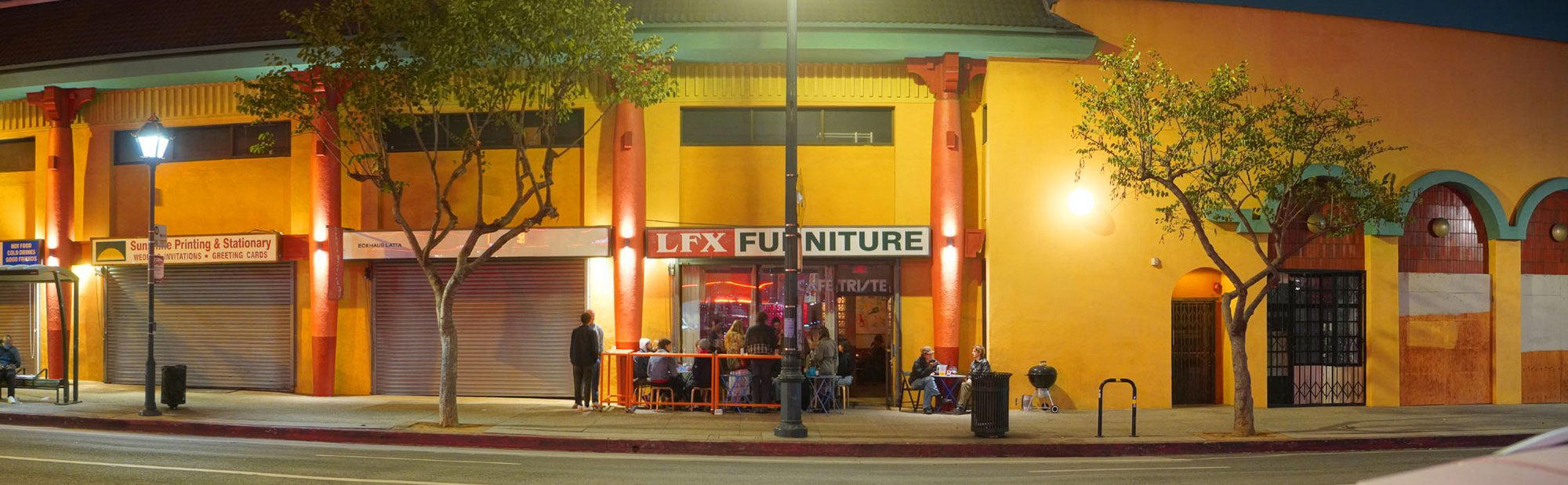
Chinatown's Shifting Drinking Culture and Where Café Triste Fits
Broadway north of the 101 has been one of Los Angeles's more productive zones of ambiguity over the past decade. Chinatown proper bleeds into a corridor of independent galleries, small-format restaurants, and bars that operate with the low-overhead confidence of places that never needed to announce themselves to tourists. The neighbourhood doesn't have the cocktail-bar density of Silver Lake or the celebrity-chef gravity of West Hollywood, but it has accumulated a specific kind of seriousness: spaces that attract regulars with a higher tolerance for the unfamiliar and a lower tolerance for noise theatre.
Café Triste, at 980 N Broadway, sits inside that corridor. The name suggests a particular emotional register, the melancholy café of European literary tradition, the kind of place that prizes duration over turnover, where a second drink is expected rather than upsold. Whether the interior delivers that promise is something each visitor calibrates on arrival, but the address alone signals intent.
The Case for Collaborative Front-of-House in Small LA Bars
Los Angeles has spent the better part of fifteen years importing and adapting the American cocktail revival's vocabulary, specification-driven bartending, house-made ingredients, ice programs, seasonal sourcing, but the city's bar culture has always had a secondary preoccupation with the room as much as the recipe. The bars that hold attention longest in LA tend to be the ones where the service dynamic between the bar team, the floor staff, and the kitchen (where one exists) creates something more than a transaction.
That team dynamic, bartender reading the room, floor staff managing pacing, a shared sense of when to push a recommendation and when to leave the guest alone, is the quiet differentiator in the mid-tier independent bar market. It's what separates a technically competent drinks list from an experience that makes a neighbourhood feel worth returning to. Venues like Kumiko in Chicago have built reputations precisely on this kind of choreographed hospitality, where the sommelier-adjacent role at the bar carries the same weight as the liquid itself. Jewel of the South in New Orleans operates on a similar axis, where historical cocktail knowledge is transmitted through the service interaction rather than a printed menu essay. The principle travels well: in smaller, independent spaces, the staff relationship with guests is the product as much as the drink.
Café Triste's Chinatown address puts it near a handful of bars that each approach this differently. Mirate works within a specific spirits tradition. Bar Next Door leans into its adjacency model. Death & Co (Los Angeles) brings a branded national programme to the city with a high degree of technical finish. Standard Bar anchors a different kind of hotel-adjacent experience. Each carves its space by emphasis rather than category, and the bar's name suggests a prioritisation of atmosphere and duration that places it in a different conversation than the specification-forward cocktail bar.
What to Order and How to Approach the Menu
At a venue where atmosphere does significant work, arriving with a rigid agenda may be beside the point. The productive approach at bars of this register is to read what the team is steering toward: ask what's made in-house, ask what they're currently enthusiastic about, and treat the first round as orientation rather than destination. Staff who genuinely know their programme will answer differently than staff reading from a script, and that difference is information.
For comparison, bars like ABV in San Francisco and Bar Leather Apron in Honolulu have built reputations on programmes where the bartender's ability to read and respond to a guest's preferences is the distinguishing feature, the menu is a starting point, not a ceiling. Julep in Houston takes a tradition-anchored approach where knowledge of a specific spirits lineage shapes every recommendation. Superbueno in New York City demonstrates how a strong editorial point of view on a single spirits category can focus an entire room's identity. The throughline in each case is that the service team's fluency with the programme is what makes or breaks the experience.
Planning Your Visit: What the Address Tells You
The 980 N Broadway address places the bar on a stretch of Chinatown that is walkable from the nearby Gold Line station, accessible by car with the usual LA parking arithmetic, and close enough to the Arts District that an evening could reasonably string both neighbourhoods together. The broader Chinatown bar circuit is compact enough to allow two or three stops without significant transit, which is a practical advantage in a city where bar-hopping often requires a car or a ride.
The bar is walk-in friendly. Bars of this format in similar LA neighbourhoods tend to operate without reservations for most seating, with the bar counter itself functioning as the primary interface. Arriving early in the evening, before the neighbourhood's ambient foot traffic peaks on weekends, generally offers better engagement with the staff and more flexibility in where you sit.
For those exploring LA's wider independent bar scene, The Parlour in Frankfurt offers a useful reference point for how European café-bar hybrids handle atmosphere-first service. The bar's name suggests alignment with that tradition transplanted to a Los Angeles address.
Comparable Venues
Comparable venues nearby, for context on price, style, and recognition.
| Venue | Cuisine | Price | Notes |
|---|---|---|---|
| CAFÉ TRISTEThis venue — the venue you are viewing | wine_bar | $$ | Not listed |
| Monty’s Good Burger | pub | $$ | Echo Park |
| Barbrix Wine Shop and Restaurant | wine_bar | $$ | Silver Lake |
| Break Room 86 | speakeasy | $$ | Wilshire Center |
| Plan Check Kitchen + Bar | lounge | $$ | Sawtelle |
| Broken Shaker at Freehand Los Angeles | rooftop_bar | $$ | Downtown |
Continue exploring
More in Los Angeles
Bars in Los Angeles
Browse all →
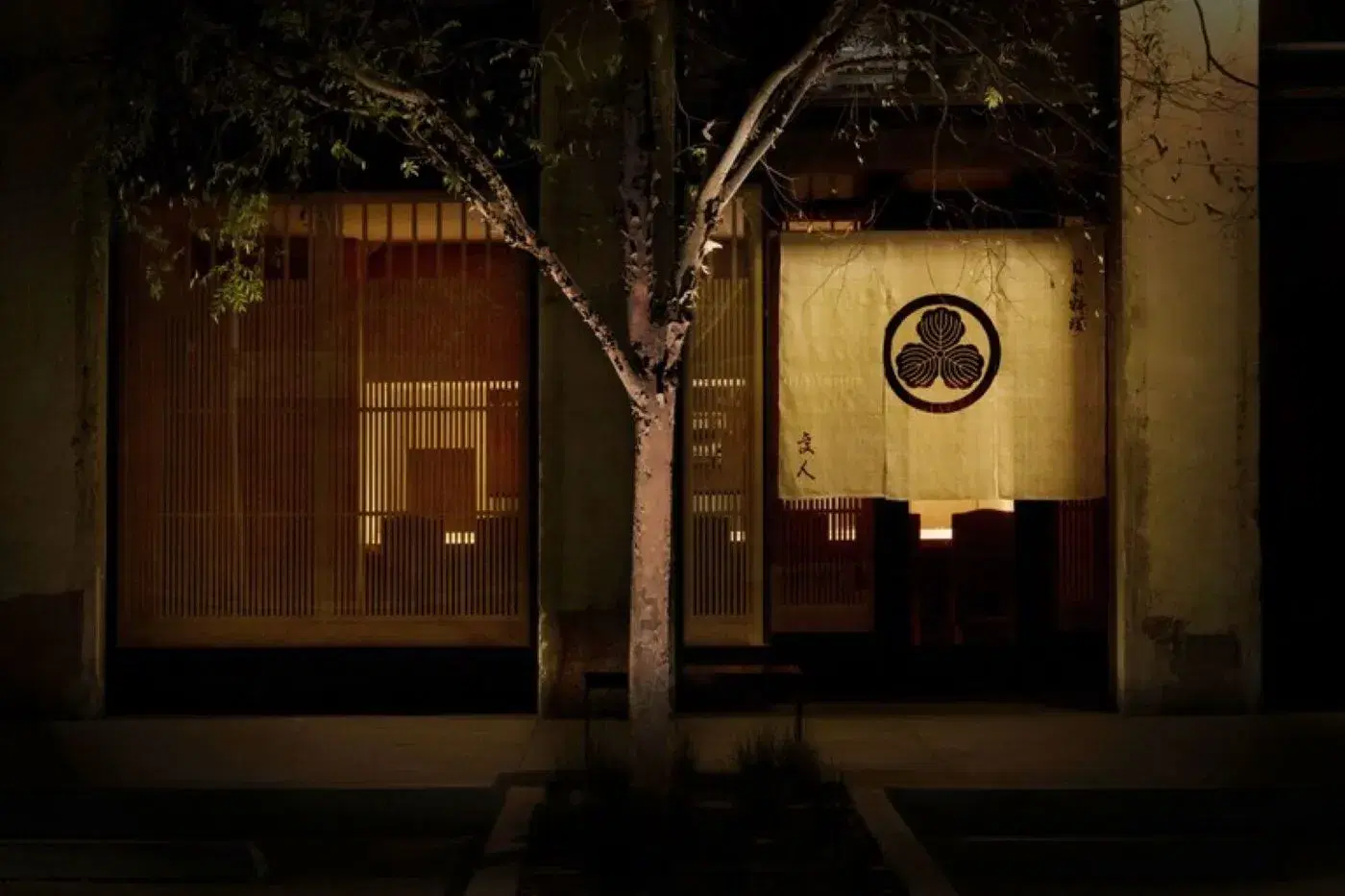
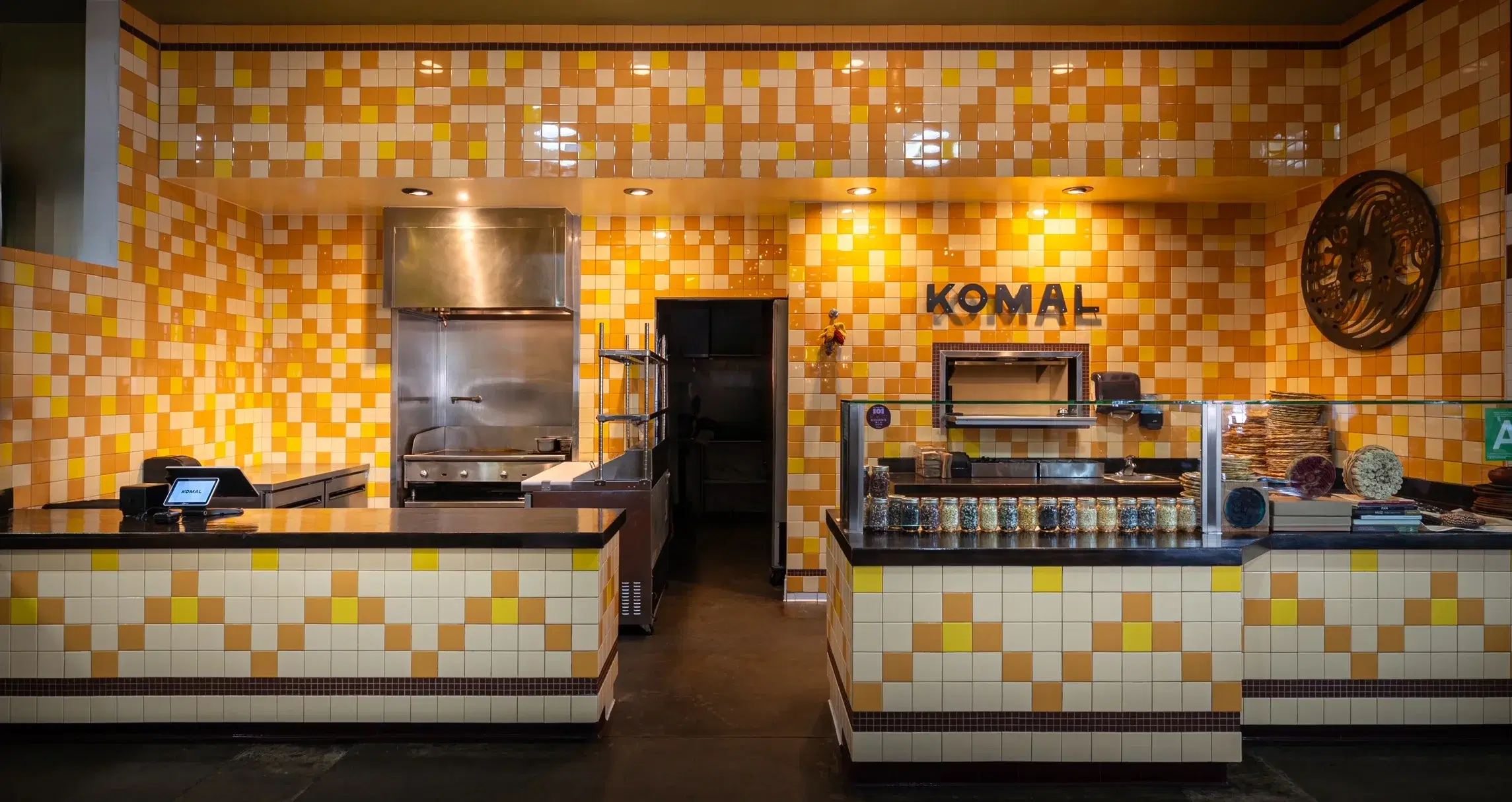
Restaurants in Los Angeles
Browse all →
Hotels in Los Angeles
Browse all →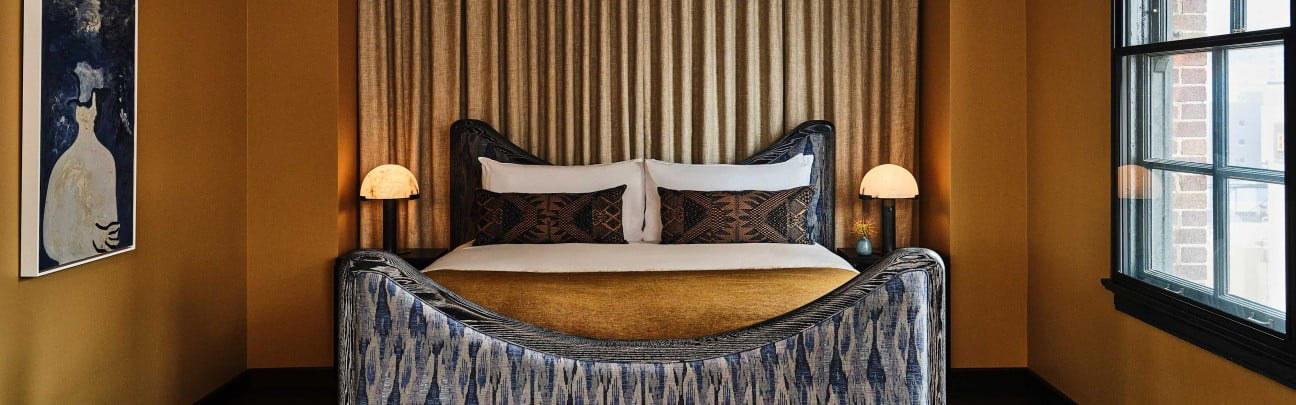
Wineries in Los Angeles
Browse all →
At a Glance
- Cozy
- Trendy
- Intimate
- Modern
- Date Night
- Casual Hangout
- After Work
- Design Destination
- Standalone
- Seated Bar
- Lounge Seating
- Natural Wine
Current opening hours
- Monday
- 5–11 PM
- Tuesday
- 5–11 PM
- Wednesday
- 5–11 PM
- Thursday
- 5–11 PM
- Friday
- 5 PM–12 AM
- Saturday
- 5 PM–12 AM
- Sunday
- 5–11 PM
Hours can change for holidays and private events. Last verified .
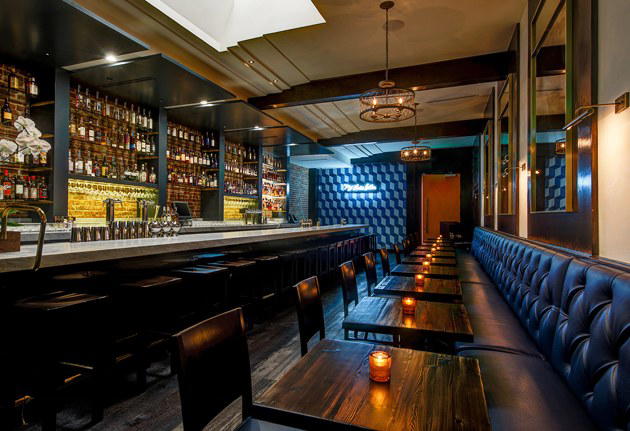
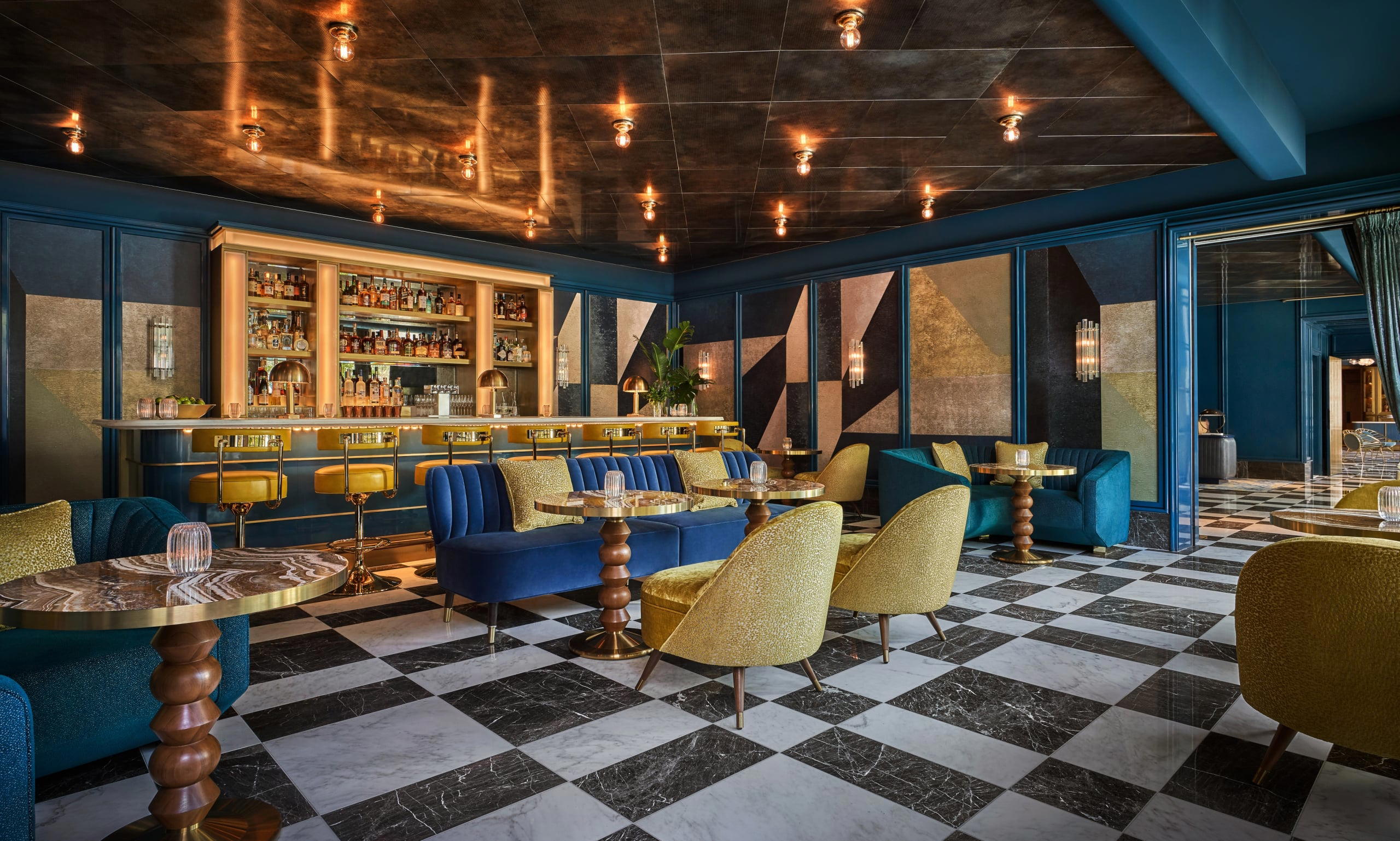
Neon-lit with blue hues, glass block partitions, and a contemplative, elegantly restrained atmosphere ideal for nuanced conversations among creatives.