Google: 4.3 · 151 reviews

A small bistro on Hallings gate that reads, in atmosphere and spirit, like a transplant from Paris's 11th arrondissement. Grotto Bistro & Cave sits in Oslo's Frogner district and draws a crowd that leans toward natural wine and unfussy French-leaning cooking. The stemware divides opinion, but the room's conviction rarely does.
 Discover on Pearl
Pearl is the En Primeur Club membership app — saves, bookings, and concierge access live there. Same editors, same standards.
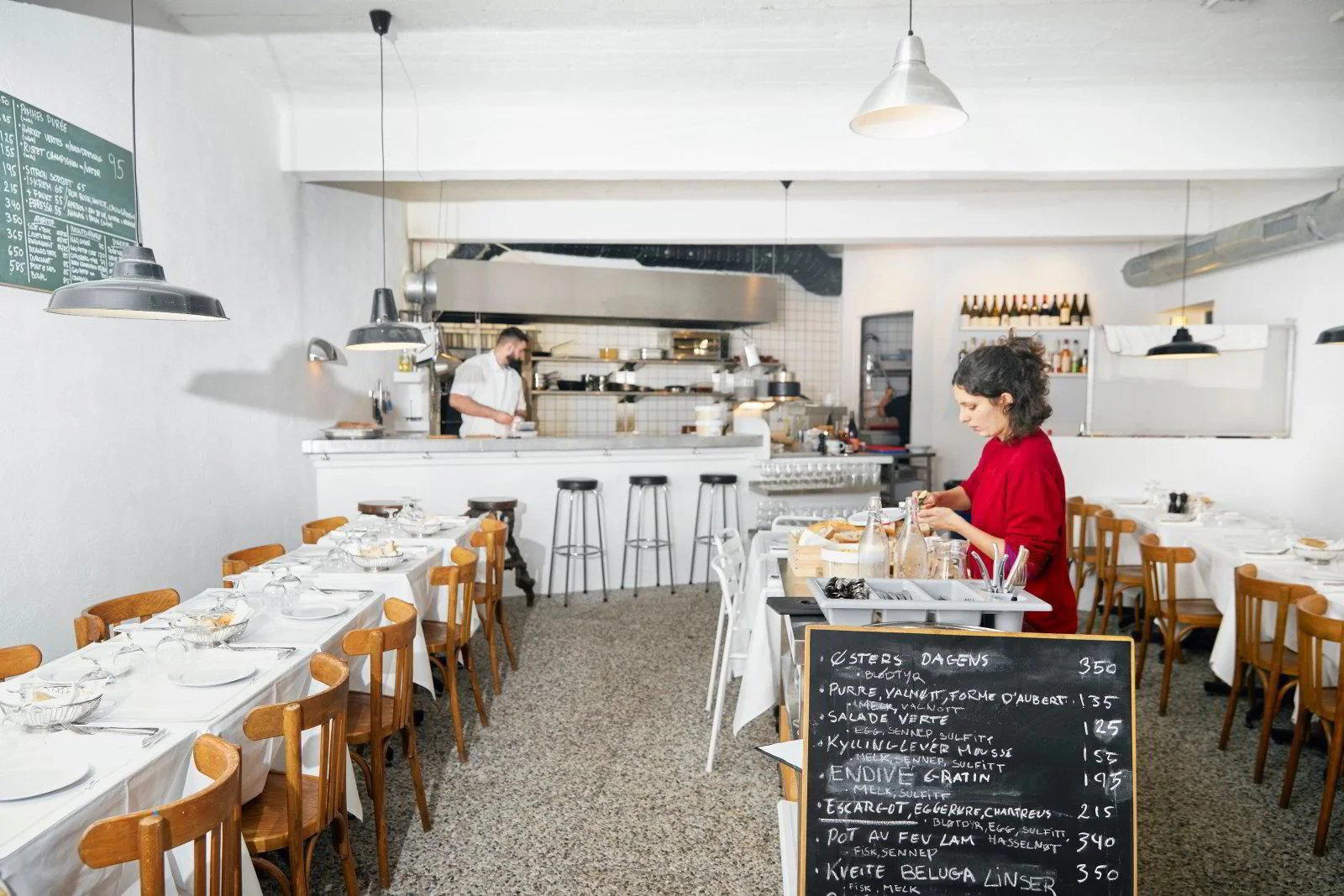
Paris in the 11th, Transposed to Frogner
There is a particular register of Parisian bistro that the 11th arrondissement has refined over three decades: tight tables, a wine list that skews natural and unfiltered, food that treats simplicity as a discipline rather than a limitation, and a room temperature that sits somewhere between convivial and loud. It is a format that does not travel easily, because it depends less on a chef's résumé than on a density of small decisions made consistently over time. Oslo, for all its sophistication in new Nordic cooking and cocktail culture, does not have many places that manage this particular register. Grotto Bistro & Cave, at Hallings gate 5 in the Frogner district, is one of the rare addresses that gets close enough to matter.
What the Room Signals
The bistro format, at its most functional, is an exercise in compression. Small stemware, close quarters, a menu that changes with supply rather than season announcements, and a price point that treats wine as the anchor of the bill rather than an afterthought. Grotto's stemware has become something of a talking point among Oslo's wine-focused crowd: smaller glasses than the current trend toward large Burgundy bowls favored by many of the city's newer wine bars. Whether that reads as charming authenticity or a mild inconvenience depends entirely on what you are drinking. For wines that benefit from limited oxidation, or those meant to be consumed young and cold, the argument for smaller glass is entirely coherent. It is one of the details that marks the difference between a venue replicating an aesthetic and one that has absorbed the logic behind it.
The comparison to Paris's 11th is not decorative. That arrondissement, particularly the strip around Rue de la Roquette, Rue Oberkampf, and the streets around Père Lachaise, established a template that spread through European natural wine culture during the 2010s: low margins on wine, food that respects the larder without performing around it, a room that feels assembled rather than designed. The formula works because it asks very little of the diner in terms of occasion-dressing while delivering a lot in terms of return visits. Oslo's dining scene, which has produced serious Michelin-tracked restaurants and internationally recognized cocktail programs at addresses like Himkok, has been slower to build out this lower-intensity, high-conviction tier. Grotto occupies that space.
The Cultural Logic of the Small Bistro
French bistro culture, in its post-nouvelle configuration, made a decision that most fine-dining formats have struggled to replicate: it centered wine as the primary reason for sitting down, and treated food as the structure that kept guests at the table long enough to order another glass. This is why the leading 11th arrondissement bistros feel simultaneously casual and serious. The food is not simple because the kitchen lacks ambition. It is simple because the menu is engineered to pair, to not compete, and to move. The same logic informs how small European wine bars have developed across Scandinavian cities over the last decade, from addresses like Bukken Vinbar in Oslo to Blomster og Vin in Trondheim and Dråpen Vinbar in Bergen. Each city has developed its own version of the format, inflected by local sourcing and room character. Grotto reads as the Oslo entry in that broader Scandinavian conversation about what a serious but unserious wine-and-food room should feel like.
The distinction worth drawing is between wine bars that use food as a formality and bistros that treat the plate as equal to the glass. Grotto sits closer to the bistro end of that spectrum, which is not universal in Oslo's mid-tier wine venue category. Venues like Arakataka and Svanen each carry their own character and serve a somewhat different function in the city's hospitality map, with Arakataka leaning into cocktail-forward programming and Svanen drawing a different neighborhood crowd. Grotto's specific gravity is French-leaning and wine-first, which narrows its audience and sharpens its focus simultaneously.
Where It Fits in Oslo's Wine Venue Tier
Oslo's wine bar and bistro tier has grown considerably since 2018, and the category now spans everything from aggressively curated natural wine lists in converted corner shops to more conventional European wine programs in well-appointed rooms. What defines Grotto's position within that range is the deliberate smallness of the operation. Small venues in this format succeed or fail on repetition: the return visitor who comes back because the room is consistent, the wine buyer who knows the list will shift with the seasons but not with trend cycles. The compressed, slightly polarizing details, the stemware among them, are features of a venue that has made choices rather than one that is still deciding.
For those planning a longer Oslo itinerary that moves through the city's wine and bar culture, the Frogner district operates at a different pace than Grünerløkka or Aker Brygge. It is quieter, more residential, and the hospitality venues here tend to have regulars rather than tourists as their primary audience. Hallings gate 5 is walkable from the Majorstuen metro station. Reservations are advisable for evenings, particularly later in the week. The venue does not appear to maintain a public booking platform, which makes a direct contact attempt the practical route. For broader context on how Grotto fits into Oslo's full dining and drinking picture, our full Oslo restaurants guide maps the city's key neighborhoods and venue tiers in detail.
For those extending a trip north, comparable wine-led formats exist at Amtmandens in Tromsø, Huset i Gato in Mosjøen, Køl Bar & Bistro in Molde, and Kork Vinbar & Scene in Rørvik, each of which reflects the same broader shift toward low-intervention wine and convivial small-format rooms that has characterized Norwegian hospitality over the last several years. Further afield, Bar Leather Apron in Honolulu represents a different regional expression of the same precision-focused small bar ethos, worth noting for travelers who move between the two programs.
Price and Positioning
A quick look at comparable venues, using the data we have on file.
| Venue | Awards |
|---|---|
| Grotto Bistro & CaveThis venue — the venue you are viewing | |
| Himkok | World's 50 Best |
| Svanen | World's 50 Best |
| Arakataka | |
| Bukken Vinbar | |
| Fat City |
Continue exploring
More in Oslo
Restaurants in Oslo
Browse all →
Hotels in Oslo
Browse all →
Wineries in Oslo
Browse all →
At a Glance
- Cozy
- Rustic
- Intimate
- Elegant
- Trendy
- Date Night
- Special Occasion
- Group Outing
- Historic Building
- Design Destination
- Standalone
- Seated Bar
- Lounge Seating
- Counter Only
- Natural Wine
- Conventional Wine
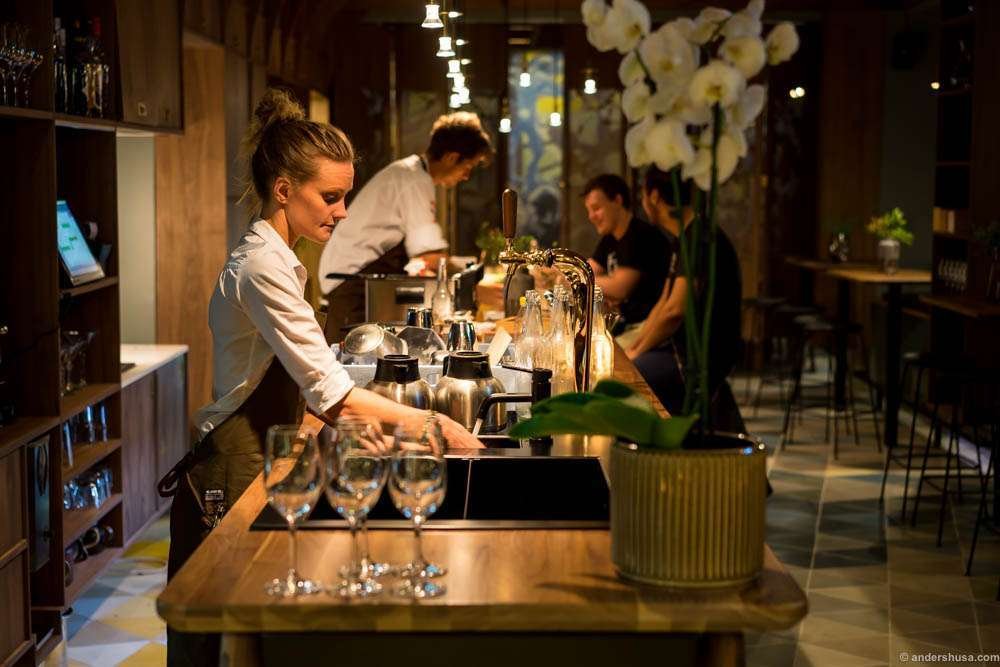
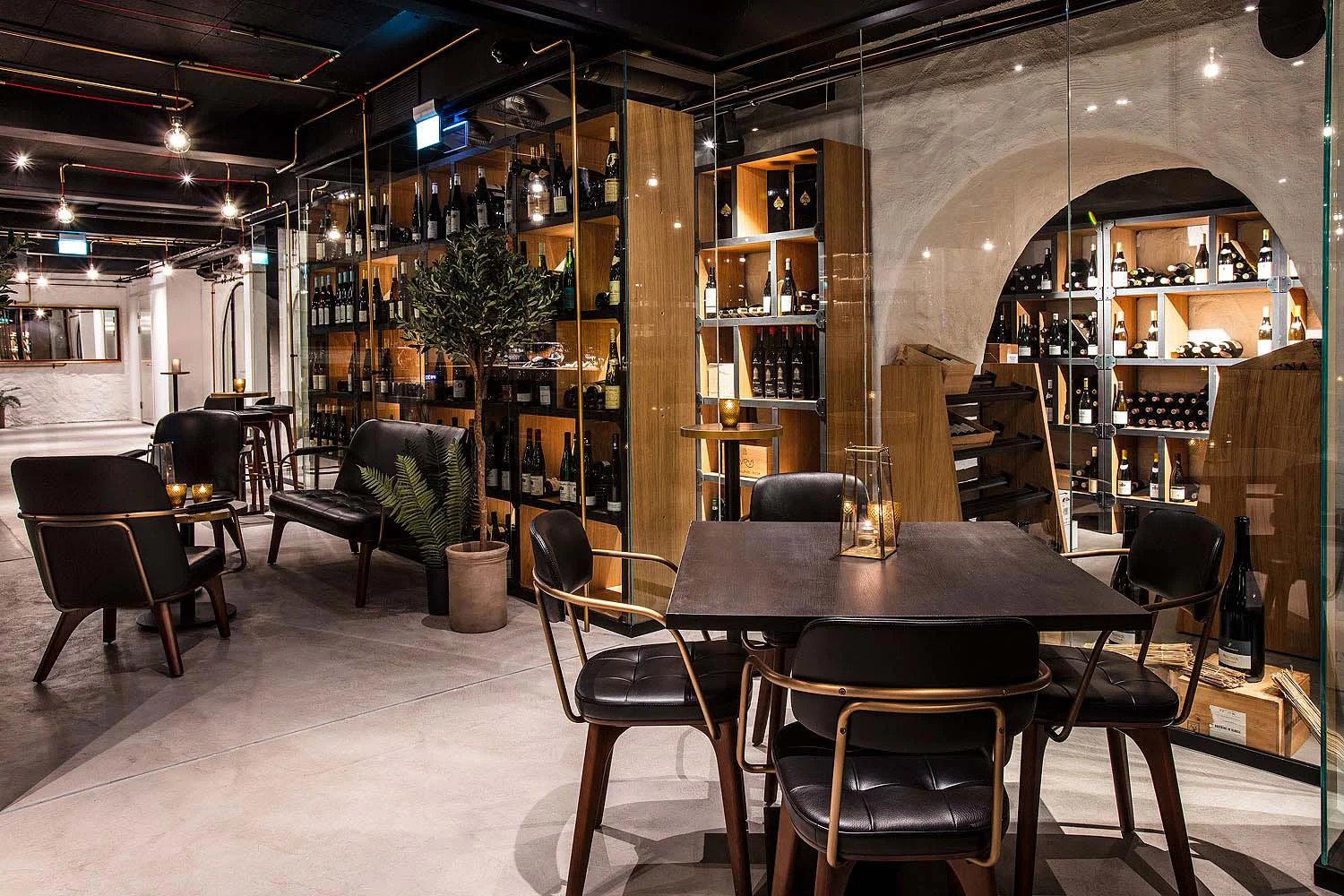
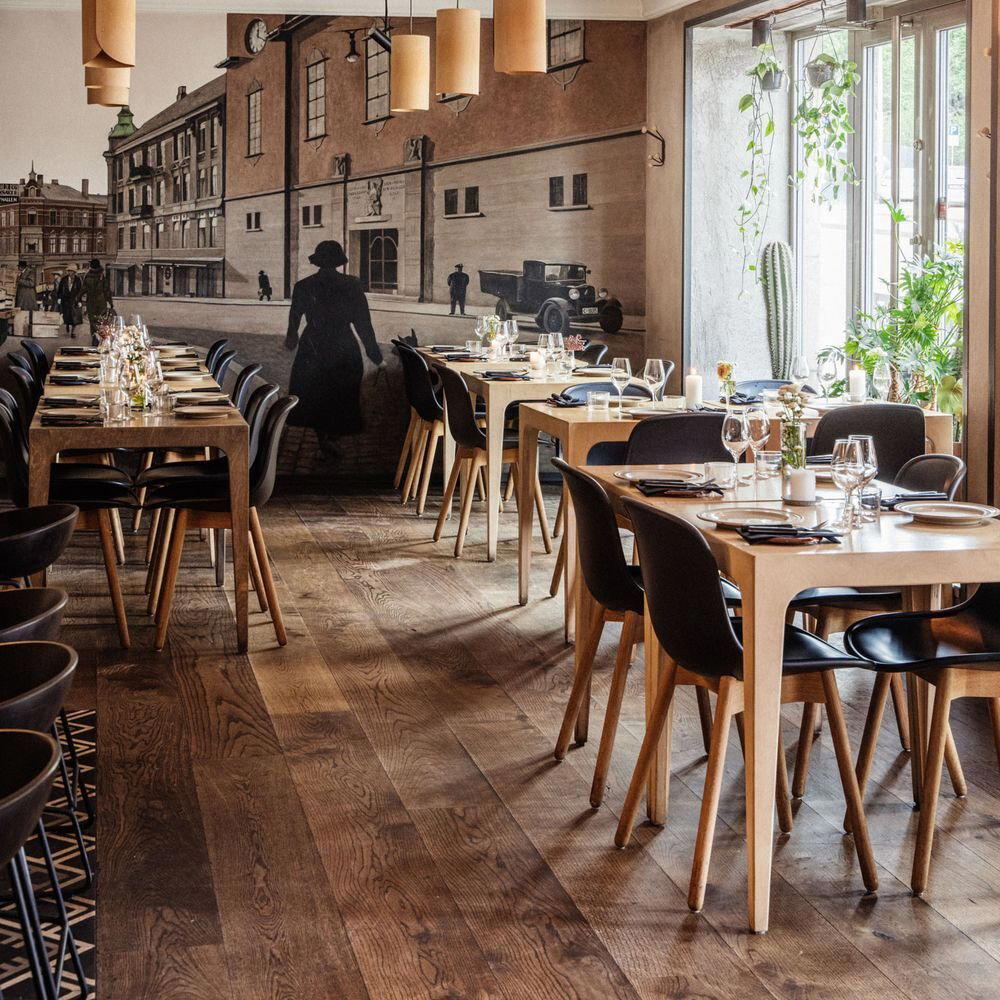
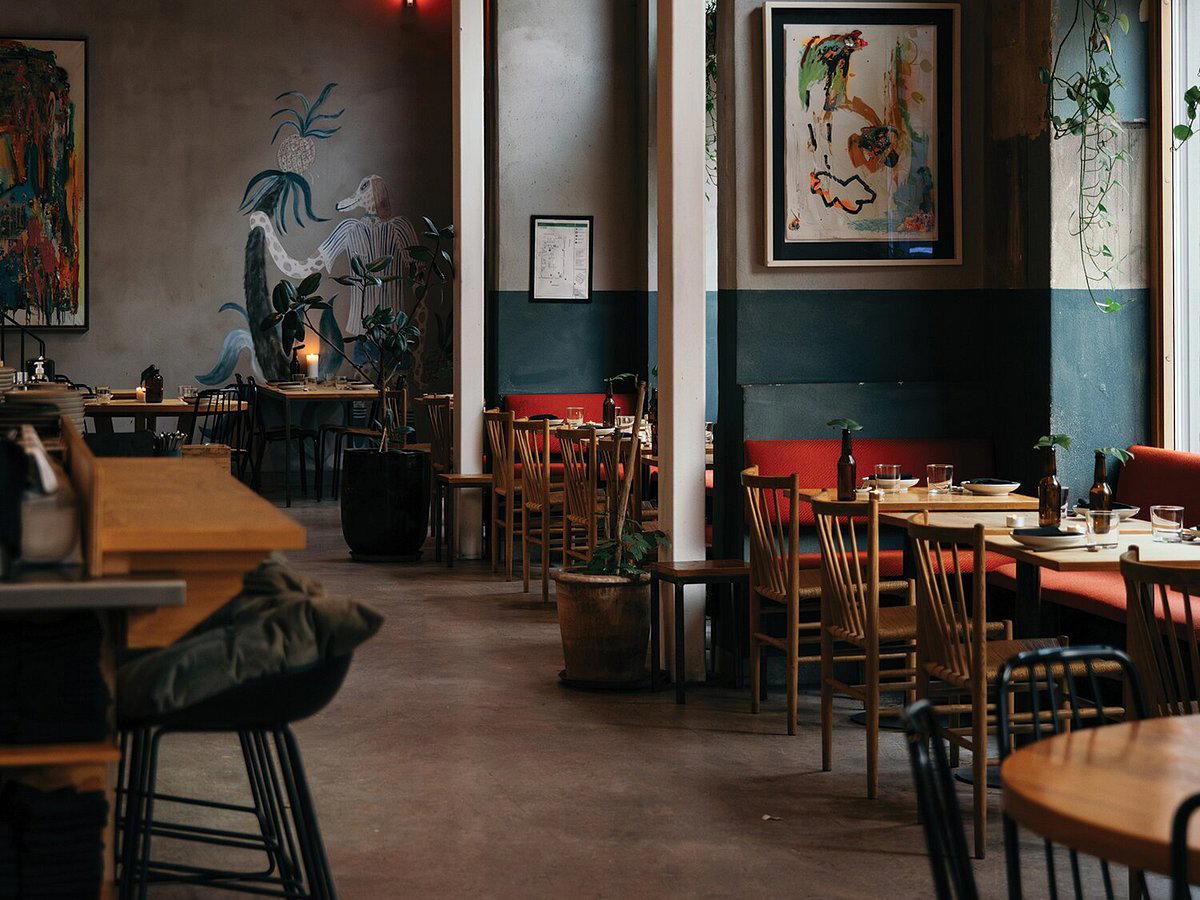
Warm, cozy interior with intimate lighting and lively but conversational atmosphere; guests enjoy watching chefs work from bar seating and communal areas.