Gretel
On a stretch of Armitage Avenue where Logan Square bleeds into Bucktown, Gretel occupies the quieter end of Chicago's bar conversation — less visible than the downtown flagships, more deliberate in what it offers. Positioned away from the high-volume cocktail circuit, it draws the kind of crowd that arrives knowing what it wants and leaves having found it.
Pearl is the En Primeur Club membership app — saves, bookings, and concierge access live there. Same editors, same standards.
- Address
- 2833 W Armitage Ave, Chicago, IL 60647, USA
- Phone
- +1 773 770 3427
- Website
- gretelchicago.com
- Directions
- Get directions
 Saves & bookings on Pearl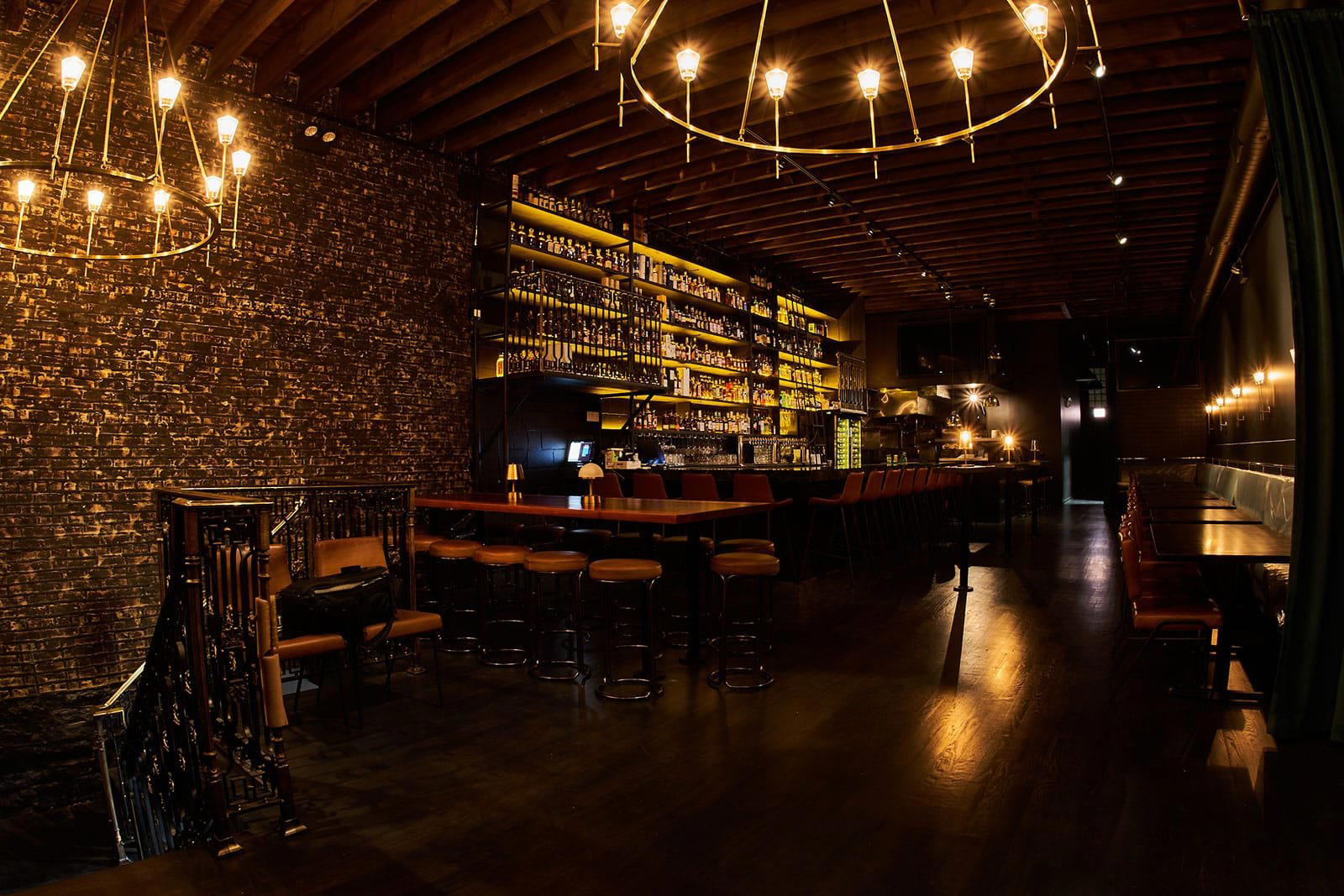
Logan Square's Bar Register, and Where Gretel Sits in It
Chicago's cocktail geography has never been especially tidy. The city's most-discussed bars cluster downtown and in River North, where volume and visibility reinforce each other. But the more considered drinking in Chicago happens in the northwest corridor — Logan Square, Bucktown, Wicker Park — where foot traffic is lower and the bars that survive do so because their regulars mean it. Gretel, at 2833 W Armitage Avenue, sits at that intersection, in a part of the city where the audience tends to arrive with a specific destination in mind rather than stumbling in from a busy street.
That neighbourhood dynamic matters when you're reading any bar in this part of Chicago. It filters the crowd before the door opens. Gretel belongs to the same general register, bars defined by editorial intent rather than scale.
The Physical Approach, and What It Signals
Armitage Avenue in this stretch is residential-commercial in the way that Chicago's northwest side tends to be: a mix of two-flats, corner shops, and the occasional bar or restaurant inserted between them without much ceremony. There is no marquee architecture here, no obvious visual declaration that this is a destination. That is, broadly speaking, a feature of how the neighbourhood's bar culture operates. The bars that have built loyalty in Logan Square and Bucktown typically communicate through their interiors and programmes rather than their frontages.
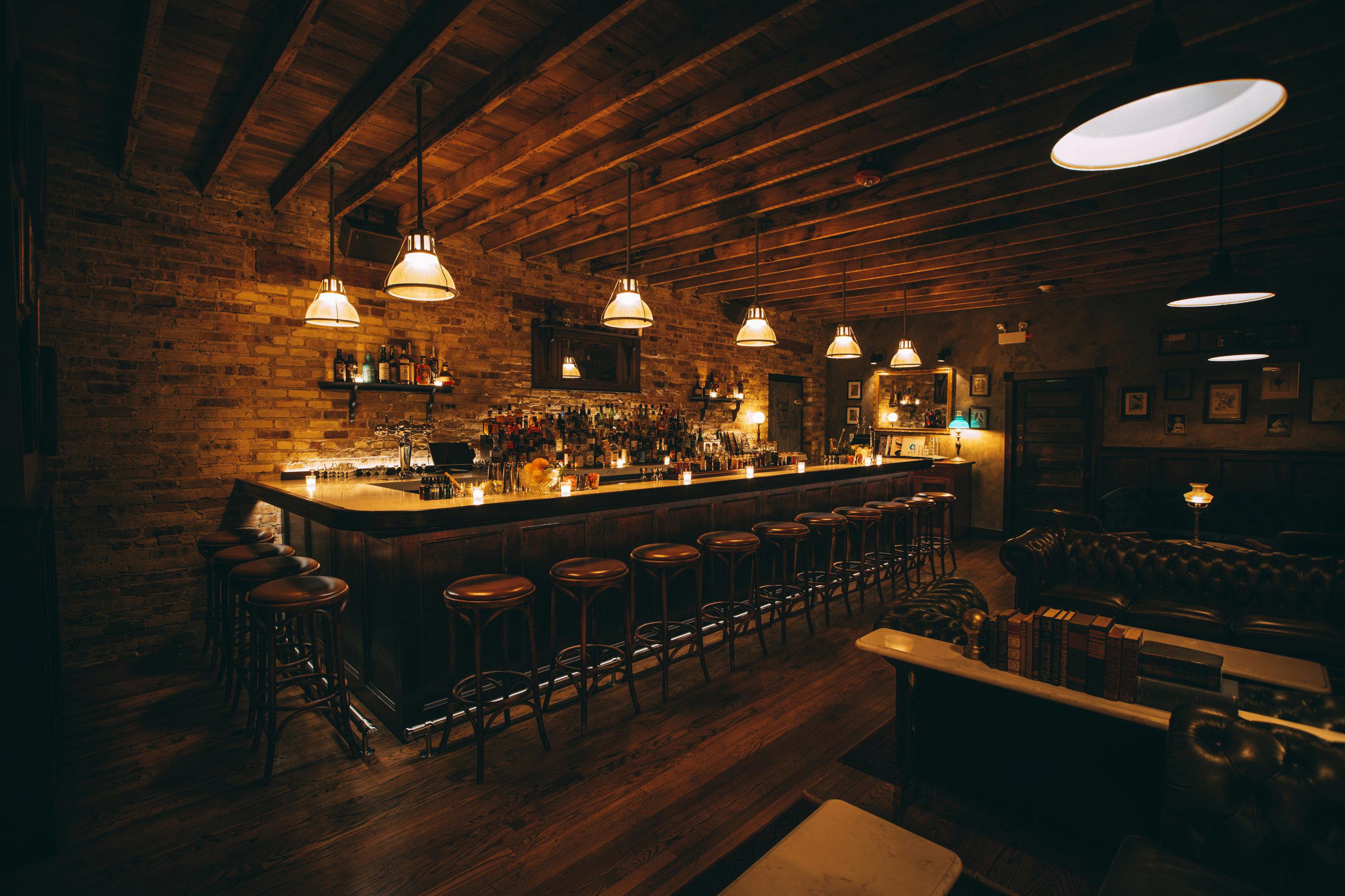
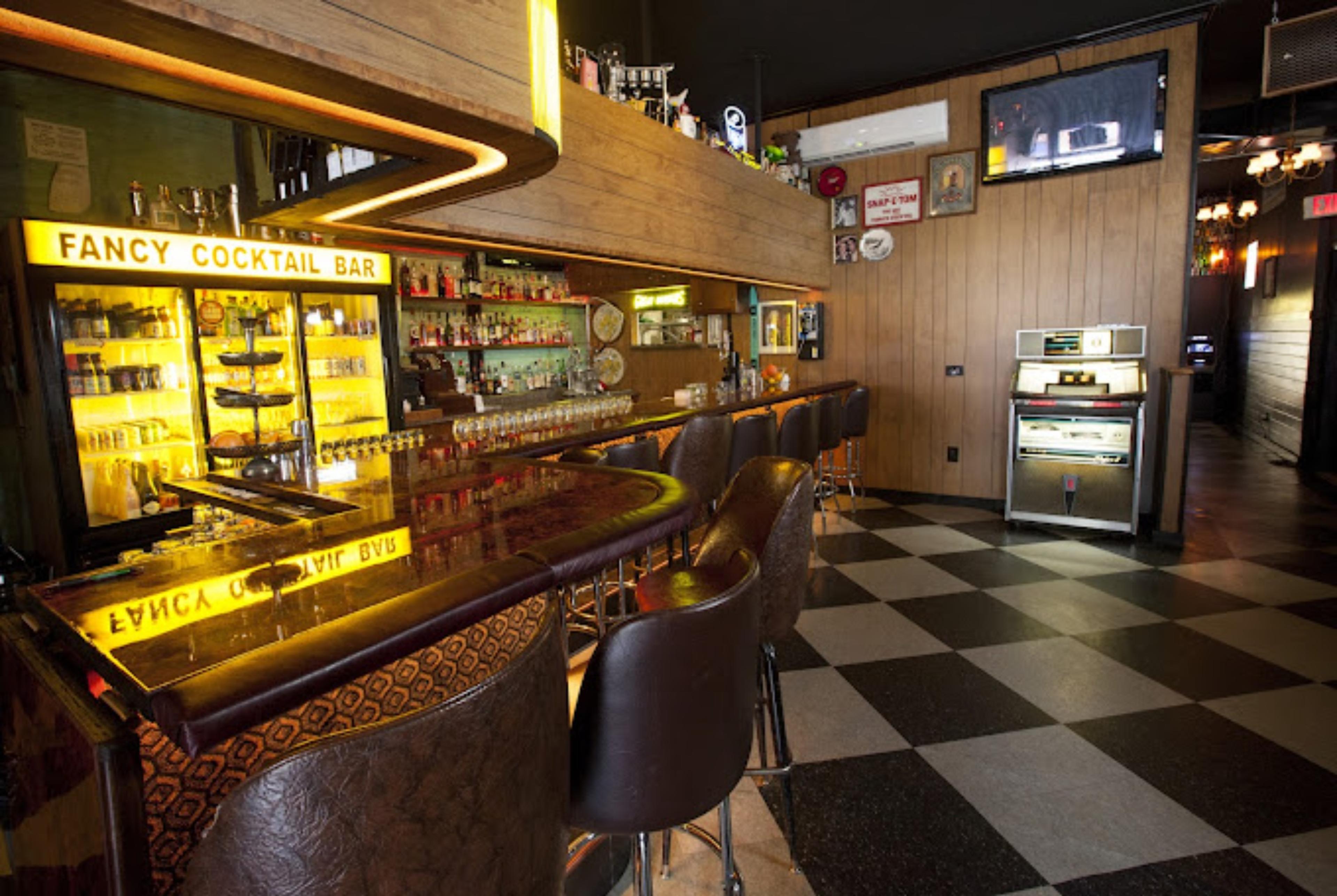
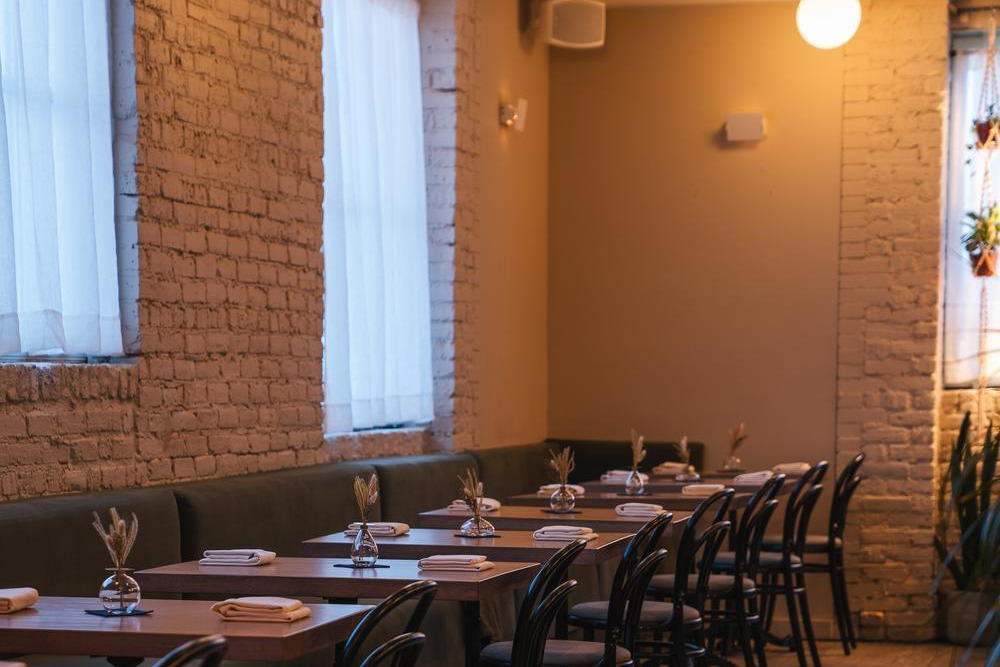
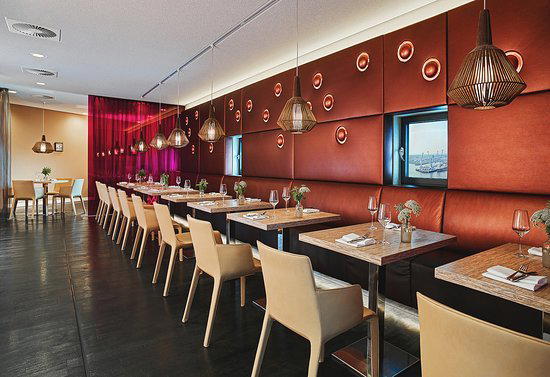
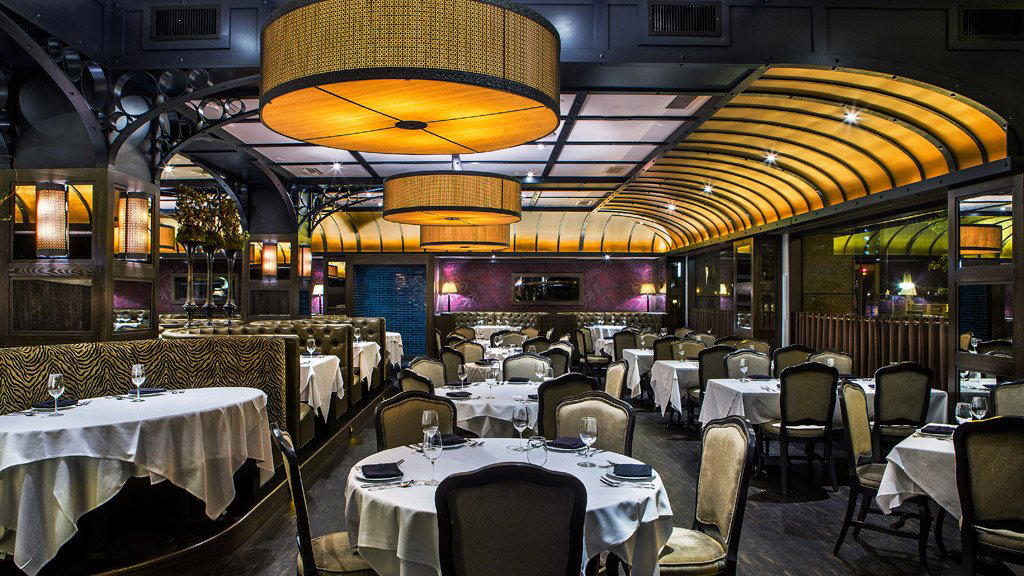
Inside, Chicago's recent bar generation has moved away from the maximalist theatrical conceits that defined the mid-2010s, the elaborate speakeasy setups, the rooms designed around a single visual gimmick. What has replaced that approach, across bars like Gretel and its neighbourhood peers, is something more settled: interiors that prioritise the drinking experience over the photographic moment, with design that reads as considered without demanding that you notice it. This is not the format pioneered by Kumiko, whose design and programme both operate at a higher plane of deliberate intention, but it draws from the same broader shift in how Chicago's serious bars think about atmosphere.
Cultural Roots: What This Style of Bar Owes to American Cocktail History
The neighbourhood bar with a serious drinks programme is an American format with a particular lineage. It does not arrive from the fine-dining adjacency model, bars positioned as extensions of a restaurant's prestige. It arrives instead from the community tavern tradition, modified by the technical ambitions of the post-2000s cocktail revival. The result, in cities like Chicago, New York, and New Orleans, is a category of bar that functions as a genuine local institution while serving drinks that would hold up in any critical context.
That cultural positioning carries real implications for how you read a bar like Gretel. It is not performing accessibility as a brand strategy, it is operating in a format where accessibility is the starting condition and quality is what you layer on leading. Comparable examples in other American cities suggest how this plays out: Jewel of the South in New Orleans operates in a similar register, rooted in a specific urban drinking culture while maintaining a programme serious enough for critics. Julep in Houston has built its reputation on a similarly grounded approach. ABV in San Francisco and Allegory in Washington, D.C. both demonstrate how bars in this category can maintain critical credibility without migrating toward the kind of formality that distances them from neighbourhood function.
Internationally, the model has analogues too, The Parlour in Frankfurt on the Main and Bar Leather Apron in Honolulu both demonstrate that the serious neighbourhood bar is less a Chicago-specific phenomenon and more a global format that Chicago happens to execute well.
The Drinks Programme in Context
What can be said with confidence is that bars operating in this neighbourhood tier of Chicago tend to build programmes around two non-negotiable axes: technical grounding in classic cocktail structure and some form of local or regional identity, whether through ingredient sourcing, reference points, or the specific literacy of the bar's regulars. Lemon, elsewhere in the Chicago bar conversation, demonstrates one version of how that balance plays out. Gretel is operating in the same general frame, if from a different address and with its own distinct audience.
Bars in this part of Chicago also tend to build menus that reward return visits more than one-time appearances. The range is typically broad enough to sustain multiple visits without repetition, and the staff familiarity with regulars creates a service dynamic that differs from the more transactional high-volume rooms downtown. That model, common across the northwest side's better bars, suits the neighbourhood's demographic, residents who have made a considered choice about where they live and apply the same consideration to where they drink.
For broader Chicago bar context, including how Gretel's neighbourhood compares to the city's other drinking districts, see our full Chicago restaurants guide. Bars in cities like New York also demonstrate what serious neighbourhood programming looks like at scale, Superbueno in New York City offers a point of comparison for how urban bars balance specificity with accessibility.
Know Before You Go
| Address | 2833 W Armitage Ave, Chicago, IL 60647 |
|---|---|
| Neighbourhood | Bucktown / Logan Square border, Chicago |
| Reservations | Contact details not confirmed, check current listings before visiting |
| Hours | Not confirmed, verify before travel |
| Price range | Not confirmed, consistent with northwest-side neighbourhood bar tier |
| Getting there | The 2800 block of W Armitage is accessible via the Western Avenue corridor; street parking available in surrounding residential streets |

At a Glance
- Lively
- Cozy
- Trendy
- Date Night
- Group Outing
- Casual Hangout
- Standalone
- Lounge Seating
- Outdoor Terrace
- Craft Beer
- Craft Cocktails
Current opening hours
- Monday
- 11 AM–12 AM
- Tuesday
- 11 AM–12 AM
- Wednesday
- 11 AM–12 AM
- Thursday
- 11 AM–12 AM
- Friday
- 11 AM–1 AM
- Saturday
- 11 AM–1 AM
- Sunday
- 11 AM–12 AM
Hours can change for holidays and private events. Last verified .
Inviting and lively with a spiffy, comfortable pub vibe.
Know Before You Go
- Getting there
- 2833 W Armitage Ave, Chicago, IL 60647, USA