Grand Central Terminal
Grand Central Terminal is one of New York City's most recognizable transit hubs and public spaces, drawing millions of visitors annually to its Beaux-Arts concourse. Beyond its architectural scale, the Terminal houses a concentrated cluster of bars and dining rooms that position it as a serious stop for drinks and food in Midtown Manhattan. The Oyster Bar, the Campbell, and a range of quick-service counters occupy different price tiers within the same limestone walls.
Pearl is the En Primeur Club membership app — saves, bookings, and concierge access live there. Same editors, same standards.
- Address
- 89 E 42nd St, New York, NY 10017
- Phone
- +1 212 340 2583
- Website
- grandcentralterminal.com
- Directions
- Get directions
 Saves & bookings on Pearl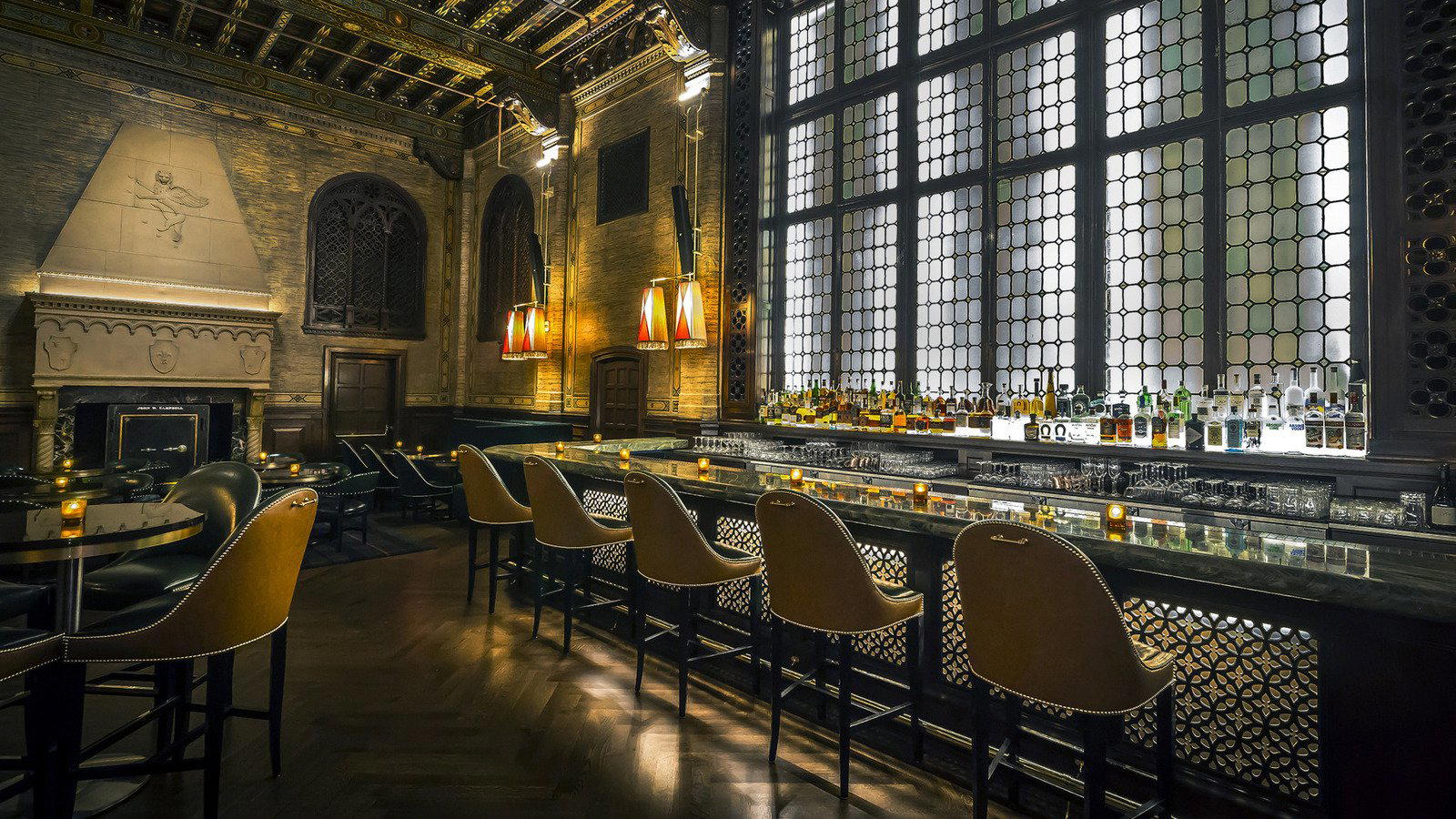
A Concourse That Functions as a Neighbourhood
Most transit hubs resolve the problem of feeding people in transit by installing fast-food chains and newsstand coffee. Grand Central Terminal, opened in 1913 at the corner of Park Avenue and 42nd Street, took a different approach: it treated the building's interior as a destination in its own right. The result, more than a century later, is a layered food and drink ecosystem that spans raw bars, cocktail rooms, wine bars, and counter dining within a single Beaux-Arts structure. For the Midtown diner or the visitor arriving by Metro-North, the Terminal functions less like an airport food court and more like a covered market district with serious options embedded in it.
That density matters in context. Midtown Manhattan's dining reputation has historically lagged behind the Village, the Lower East Side, or Brooklyn's more chef-driven corridors. Grand Central's concentrated cluster of drinking and dining venues partially corrects that imbalance, offering options that justify a deliberate visit rather than an incidental stop. See our full New York City restaurants guide for how the Terminal fits into the broader Manhattan picture.
The Architecture as Dining Context
The main concourse ceiling, painted with a Mediterranean zodiac constellation map on a cerulean ground, establishes a visual register that most restaurant dining rooms cannot match. Stone floors, arched windows admitting natural light from the south, and the low-frequency hum of foot traffic create an ambient environment that is simultaneously monumental and functional. Dining here operates inside a space that was designed for movement and scale, not for intimate seating, and that tension defines the experience throughout the building's food and drink venues.
The Terminal's lower levels shift register entirely. The dining concourse below grade is utilitarian by comparison, lit artificially and organized around counter service, but the raw volumes of the building above still exert a gravitational pull. The contrast between the grand hall upstairs and the working dining level below is a compressed version of the split that defines much of New York's food culture: spectacle above, practicality below.
The Oyster Bar and the Case for Provenance
New York has maintained a raw bar tradition that predates the current focus on local sourcing by several decades. The Grand Central Oyster Bar, operating since 1913, is the most direct expression of that tradition in Midtown. Its vaulted Guastavino tile ceiling and long counter format represent the physical template that many contemporary raw bar operators have referenced or reacted against. The sourcing model, which draws oysters from both Atlantic and Pacific growing regions, reflects the broader American raw bar practice of treating coast-to-coast provenance as a menu organizing principle rather than a local-only commitment.
That approach, sourcing from specific named growing regions and presenting them comparatively, anticipates what sommeliers now do with wine flights. The logic of tasting six oysters from six different estuaries mirrors the way that technique-driven bars such as Kumiko in Chicago or Bar Leather Apron in Honolulu approach spirits: origin, production method, and comparative tasting as the framework for the experience.
The Campbell: Historic Space, Contemporary Cocktail Context
New York's cocktail culture has moved through several phases since the early 2000s revival. The initial wave emphasized secrecy and speakeasy theatrics, producing venues behind unmarked doors and false bookshelves. The second wave, still active, moved toward transparency and technical rigor, with programmes built around clarification, fat-washing, and documented sourcing. The Campbell occupies a different position: a space with genuine historical provenance (the former private office of financier John W. Campbell, restored to its 1920s configuration) that uses the architecture as the primary experience rather than the cocktail programme.
That framing is distinct from the approach taken by technically focused New York bars such as Amor y Amargo, which organizes its entire menu around bitters and amari, or Attaboy NYC, which runs a preference-based off-menu format. The Campbell's cocktail list is competent but secondary to the room itself, which positions it closer to Angel's Share in its reliance on the physical setting to carry the evening. Visitors whose primary interest is the drinks programme rather than the room will find more technical ambition at Superbueno or at Allegory in Washington, D.C., which applies a fully narrative concept to its programme.
Technique and Tradition in the Same Building
The editorial angle that leading organizes the Terminal's food offering is the intersection of imported technical frameworks with ingredients that have deep local or American roots. The Oyster Bar's service approach, which combines European-style tableside preparation with East Coast shellfish, is an early version of what contemporary chefs now describe as local-ingredients, global-technique cooking. The same logic appears at Jewel of the South in New Orleans, where the cocktail programme uses classical preparation methods applied to Gulf Coast ingredients, or at Julep in Houston, which applies French and British historical techniques to Southern American spirits.
Within the Terminal, this tension between the formal and the vernacular plays out across price points. Counter service at the dining concourse level operates at a fast-casual register, while the upper-level dining rooms apply more structured service to the same basic proposition: transit food made worth stopping for.
Practical Planning
The Terminal sits at 89 East 42nd Street, accessible directly from the 4, 5, 6, 7, and S subway lines, and from Metro-North commuter rail. The building operates as a public space, but individual venues maintain their own hours and, in some cases, reservation requirements. For drinks on the same trip, the bars listed below represent different positions in New York's cocktail tier; ABV in San Francisco and The Parlour in Frankfurt on the Main offer useful comparative reference points for travellers benchmarking against international bar programmes.
| Venue | Format | Primary Draw | Booking |
|---|---|---|---|
| Grand Central Oyster Bar | Raw bar / full dining | Provenance-driven shellfish, historic room | Recommended for dinner |
| The Campbell | Cocktail bar | Restored 1920s office, classic cocktails | Walk-in or reservation |
| Dining Concourse | Counter service / quick dining | Range of operators, transit convenience | Walk-in only |
| Amor y Amargo (comparison) | Cocktail bar | Amaro-focused technical programme | Walk-in preferred |
| Attaboy NYC (comparison) | Cocktail bar | Preference-based, off-menu format | Walk-in only |
How Grand Central Terminal compares with similar nearby venues.
| Venue | Cuisine |
|---|---|
| Highball Ltd | Cocktails / cocktail bar |
Continue exploring
More in New York City
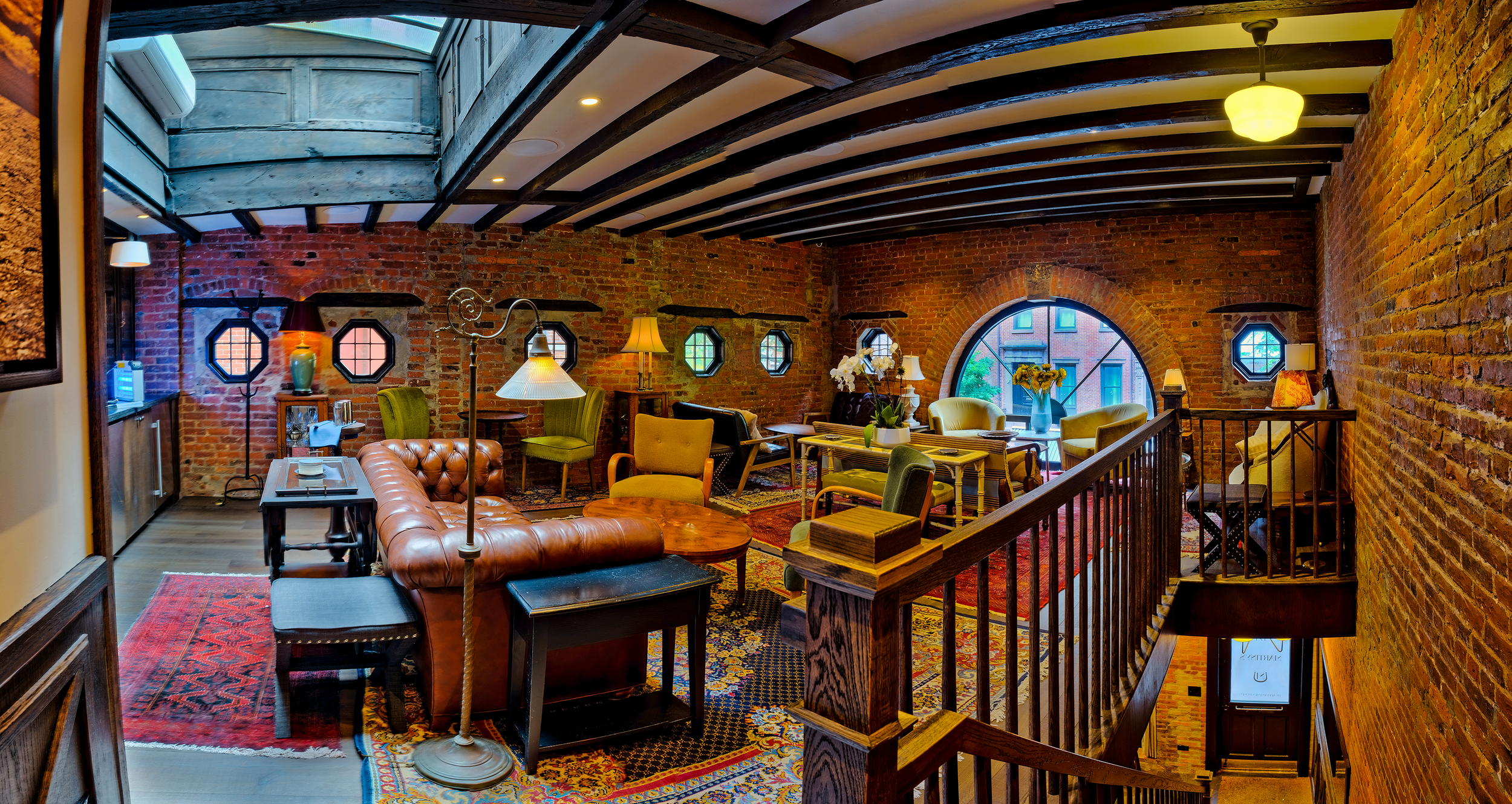
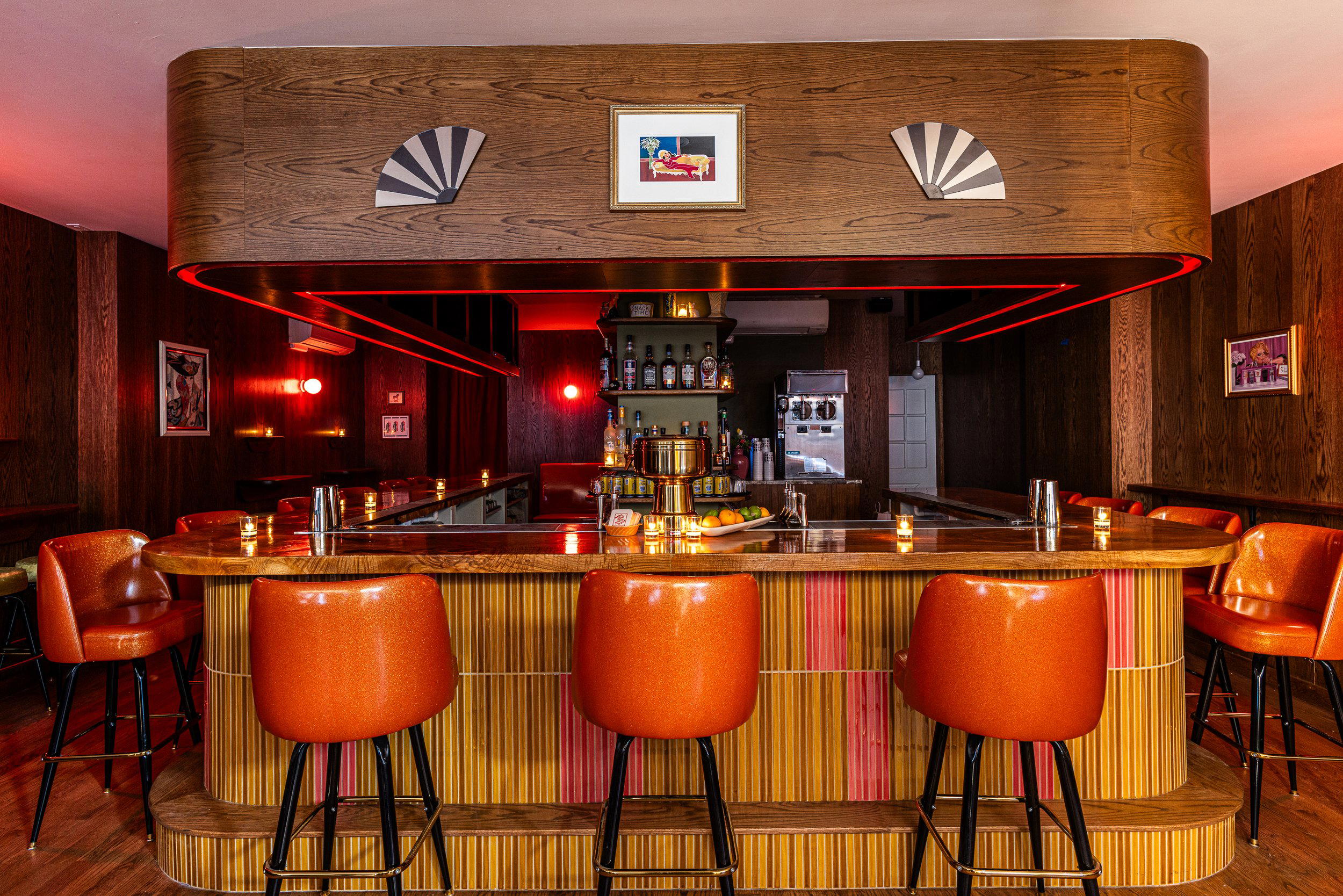
Bars in New York City
Browse all →
Restaurants in New York City
Browse all →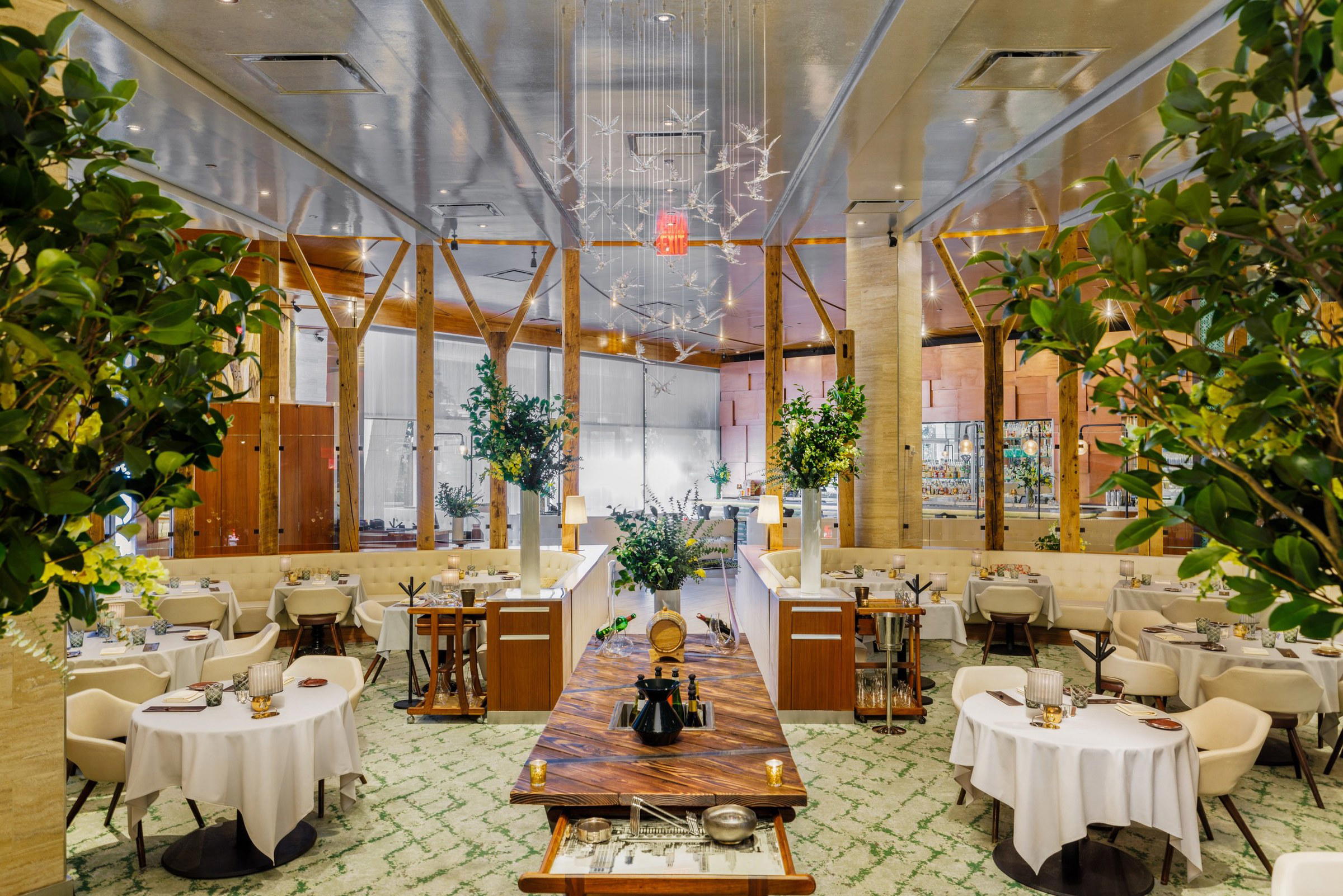
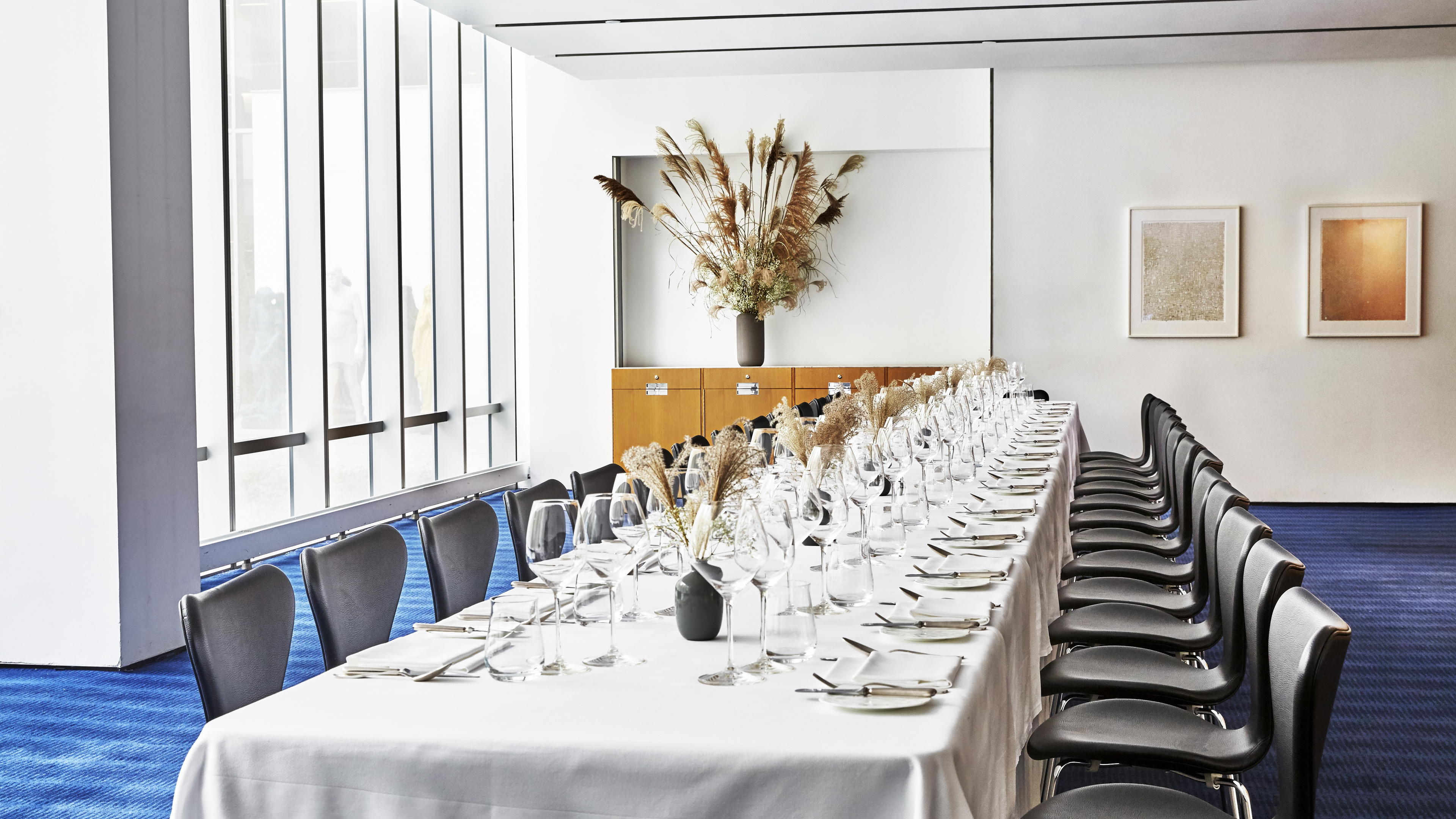
Hotels in New York City
Browse all →




At a Glance
- Well Known
- Elegant
- Sophisticated
- Historic
- Date Night
- After Work
- Special Occasion
- Historic Building
- Design Destination
- Standalone
- Seated Bar
- Lounge Seating
- Booth Seating
- Classic Cocktails
- Craft Cocktails
- Conventional Wine
Current opening hours
- Monday
- 5:15 AM–2 AM
- Tuesday
- 5:15 AM–2 AM
- Wednesday
- 5:15 AM–2 AM
- Thursday
- 5:15 AM–2 AM
- Friday
- 5:15 AM–2 AM
- Saturday
- 5:15 AM–2 AM
- Sunday
- 5:15 AM–2 AM
Hours can change for holidays and private events. Last verified .
Sophisticated 1930s-inspired atmosphere with dark paneled walls, ornate stone fireplace, and leaded-glass windows; refined yet occasionally inconsistent service and music programming
Know Before You Go
- Getting there
- 89 E 42nd St, New York, NY 10017