Gianna Restaurant
On Magazine Street in the Lower Garden District, Gianna occupies a corner of New Orleans dining where Italian-American tradition meets the city's deep appetite for hospitality and spirits. The back bar is worth the visit alone, and the room carries the unhurried energy that defines eating well in this city. Reservations are advised for evening sittings.
Pearl is the En Primeur Club membership app — saves, bookings, and concierge access live there. Same editors, same standards.
- Address
- 700 Magazine St #101, New Orleans, LA 70130
- Phone
- +1 504 399 0816
- Website
- giannarestaurant.com
- Directions
- Get directions
 Saves & bookings on Pearl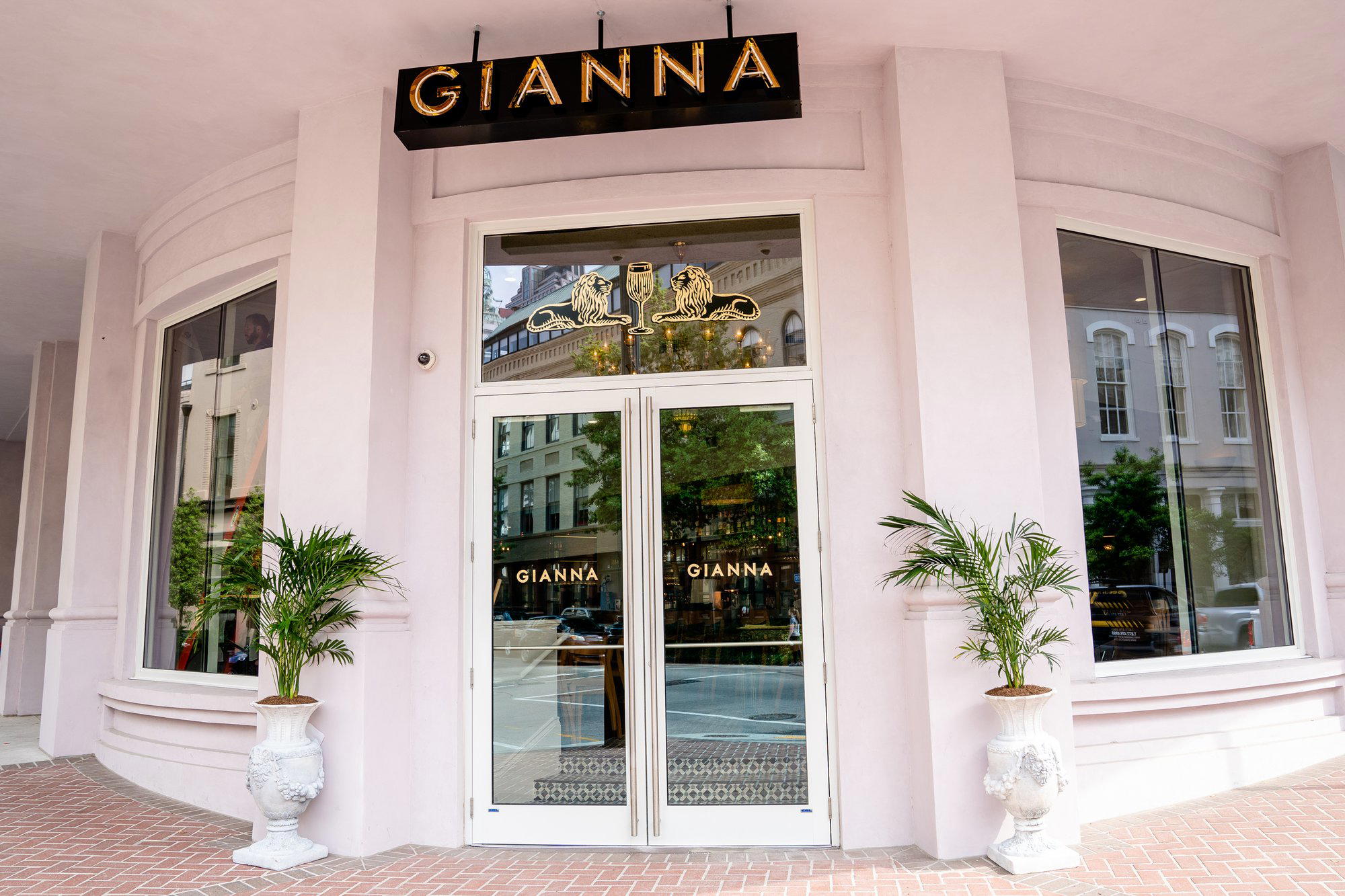
Magazine Street and the Drinks Program That Earns Attention
Magazine Street has always operated on its own register in New Orleans. The stretch running through the Lower Garden District and into the Garden District proper carries a different weight than the French Quarter's tourist-facing corridors or the tighter dining rooms clustered around Freret. The buildings are older, the pace slower, and the expectations from regulars higher. Restaurants on this block tend to survive not on foot traffic but on repeat custom, and that disciplines what ends up in the glass as much as what lands on the plate.
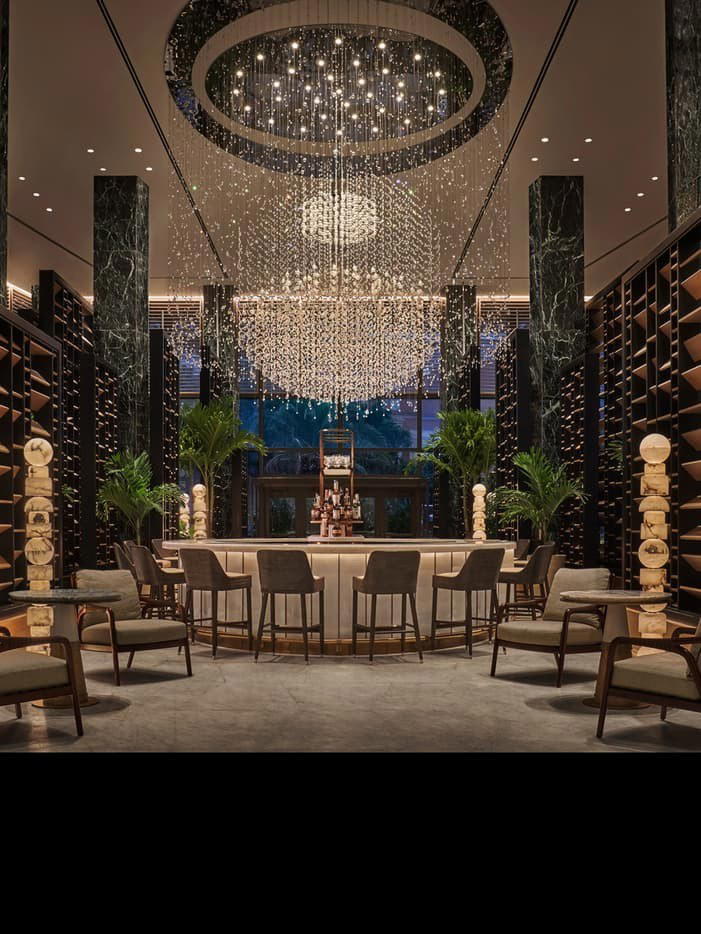
Gianna Restaurant, at 700 Magazine Street, occupies this context. The address itself signals something about the intended audience: this is a neighbourhood destination that happens to draw from across the city rather than a showpiece positioned for out-of-town coverage. What distinguishes the experience here, beyond the Italian-leaning kitchen, is a drinks program that positions the venue inside a tier of New Orleans bars and restaurants where the back bar is taken as seriously as the menu.
How New Orleans Reads a Back Bar
In a city with Jewel of the South anchoring a high-craft cocktail tradition and Beachbum Berry's Latitude 29 representing a deep-research tiki approach, the standards for what constitutes a serious spirits collection are genuinely demanding. New Orleans drinkers read bottles the way wine-literate diners read a list by producer and appellation. The presence of aged agricole rhum, obscure American whiskey, or a considered amaro selection signals intention; their absence signals an afterthought.
Gianna's spirits program fits inside the city's broader shift away from generic cocktail-forward formats toward what might be called collection-led hospitality. This is a pattern visible nationally: venues like Kumiko in Chicago, ABV in San Francisco, and Bar Leather Apron in Honolulu have each built reputations on curation depth rather than spectacle. The emphasis is on sourcing rare bottles, maintaining appropriate stock across categories, and presenting them to guests who know what they are looking at. In New Orleans, where the culture around drinking is among the oldest and most specific in the country, that approach lands differently than it does in newer drinking cities.
The Italian dining context amplifies this. An Italian-American table sets up a natural conversation between the kitchen and the back bar: amari, grappa, digestivi, aged spirits meant to close a meal rather than open it. When a restaurant understands that conversation, the drinks list stops being incidental and becomes structural. What sits on the shelves at Gianna tells you something about how the room understands hospitality from beginning to end.
Placing Gianna in the New Orleans Drinking Scene
New Orleans cocktail culture has its own gravitational hierarchy. Cure sits at the research-and-technique end of the spectrum, having spent over a decade defining what serious cocktail programming looks like in this city. Venues attached to full dining rooms operate in a different lane: the drinks program must serve the table as well as the bar, which means range matters as much as precision. Gianna operates in that lane, where the back bar should hold its own with dedicated cocktail destinations while also reading correctly against Italian food.
For context across the wider American drinking scene, the comparable frame would be places like Julep in Houston, Superbueno in New York City, or Allegory in Washington, D.C., each of which have built identities where the drinks program carries editorial weight rather than playing a supporting role. Internationally, The Parlour in Frankfurt demonstrates how a collection-oriented back bar can define a room's identity across different hospitality formats.
What separates the collection-led approach from a generically well-stocked bar is selectivity. A large back bar full of allocated bourbon and familiar labels is not the same as a considered range built around a point of view. The difference is usually visible within ten bottles: are there categories represented that most restaurants wouldn't know to stock? Is the amaro section treated as a finishing chapter or an afterthought? Are the aged spirits genuinely varied by distillery and style, or clustered around the same handful of recognizable names? Venues across New Orleans demonstrate that building a program with real depth is a deliberate choice, not a default outcome.
What to Expect in the Room
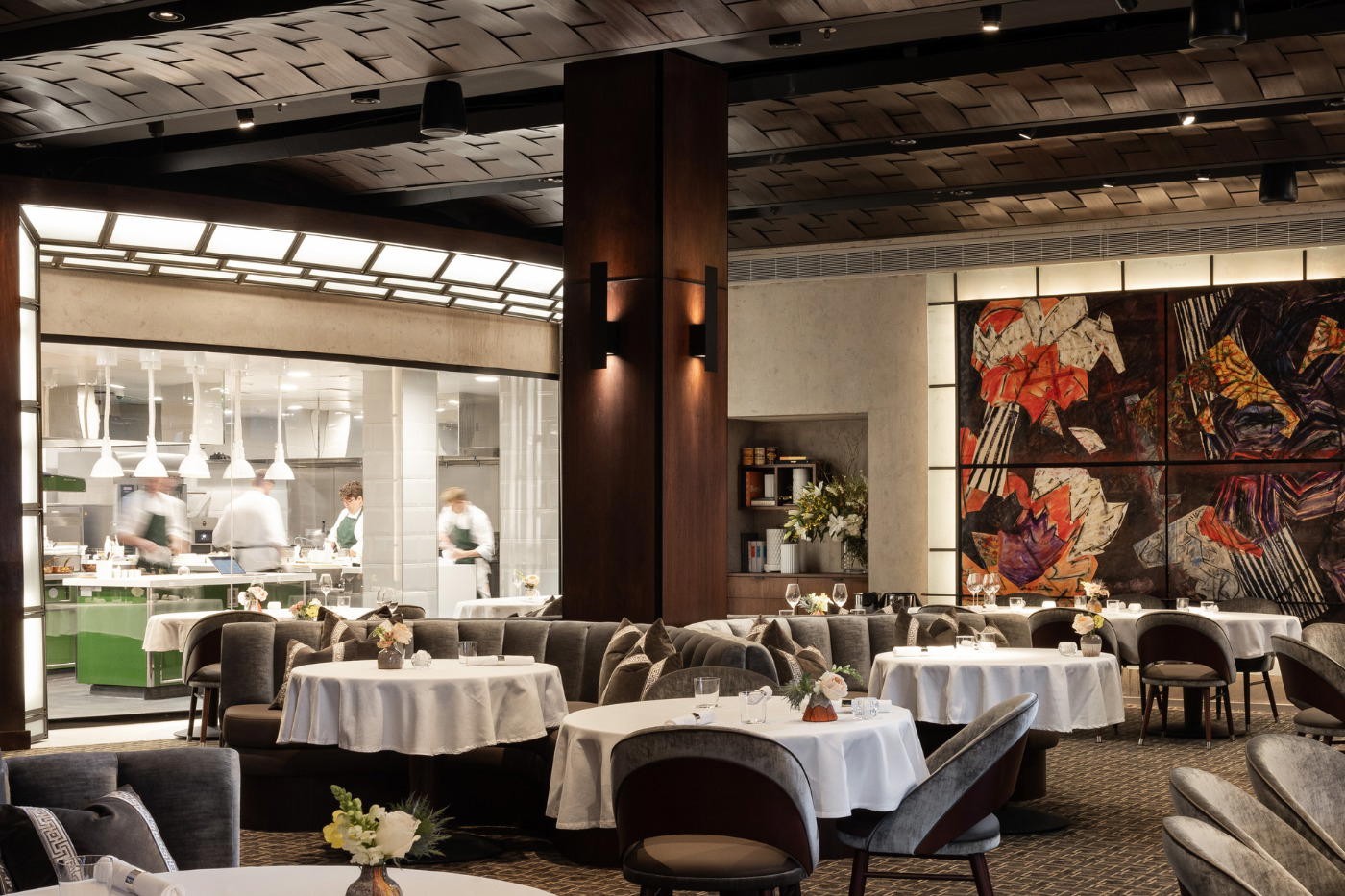
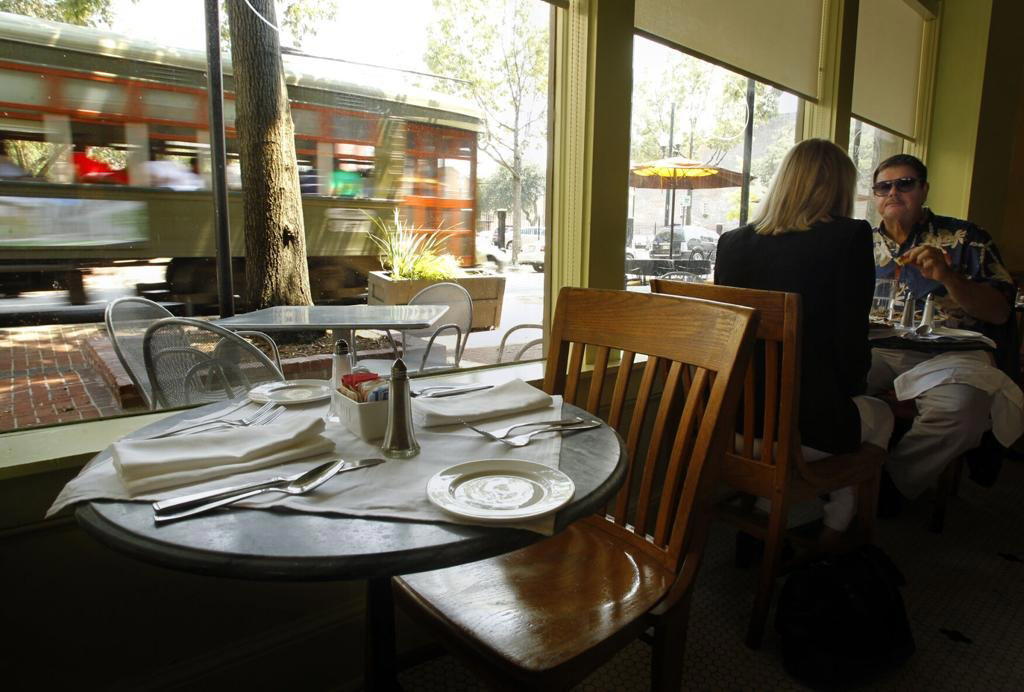
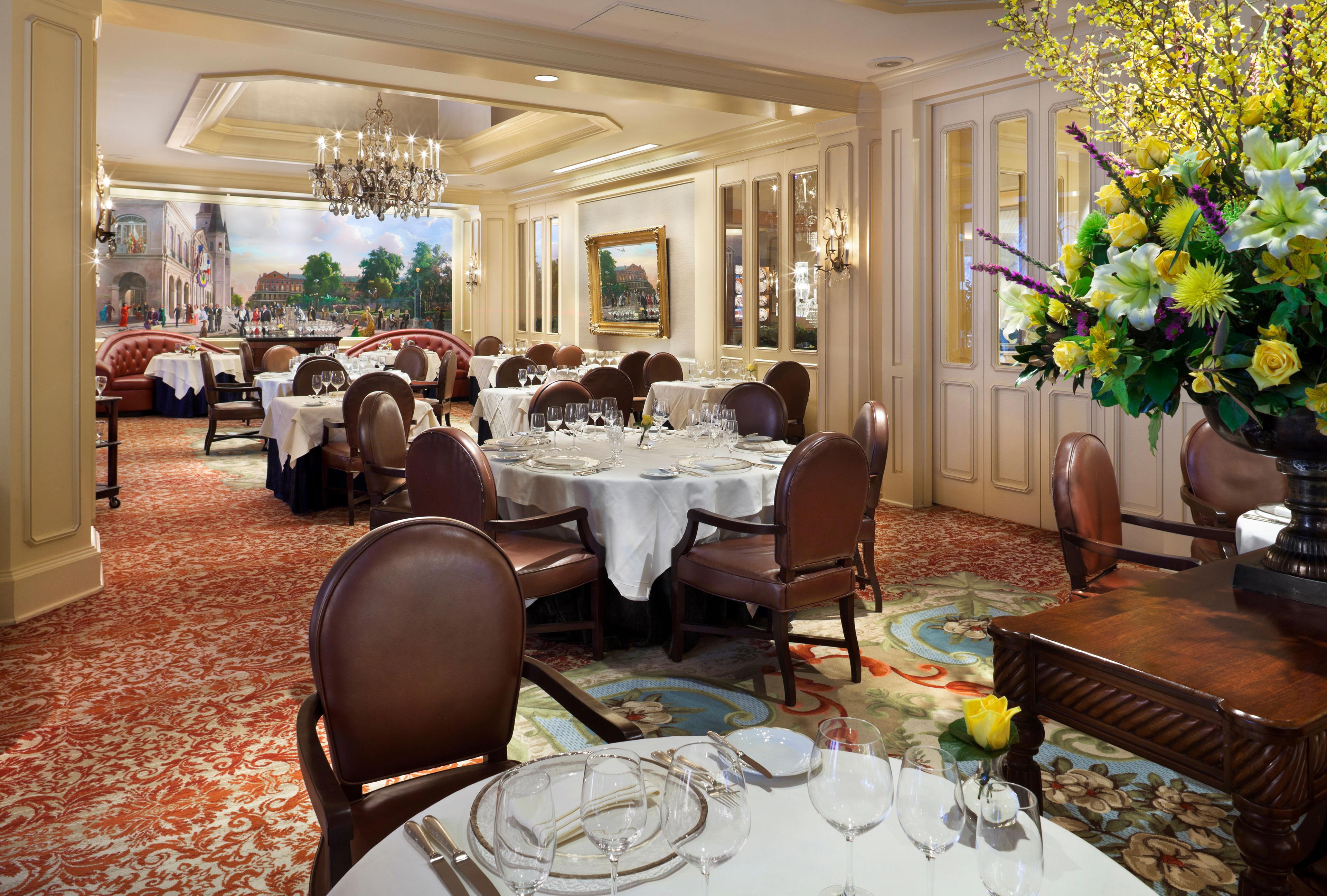
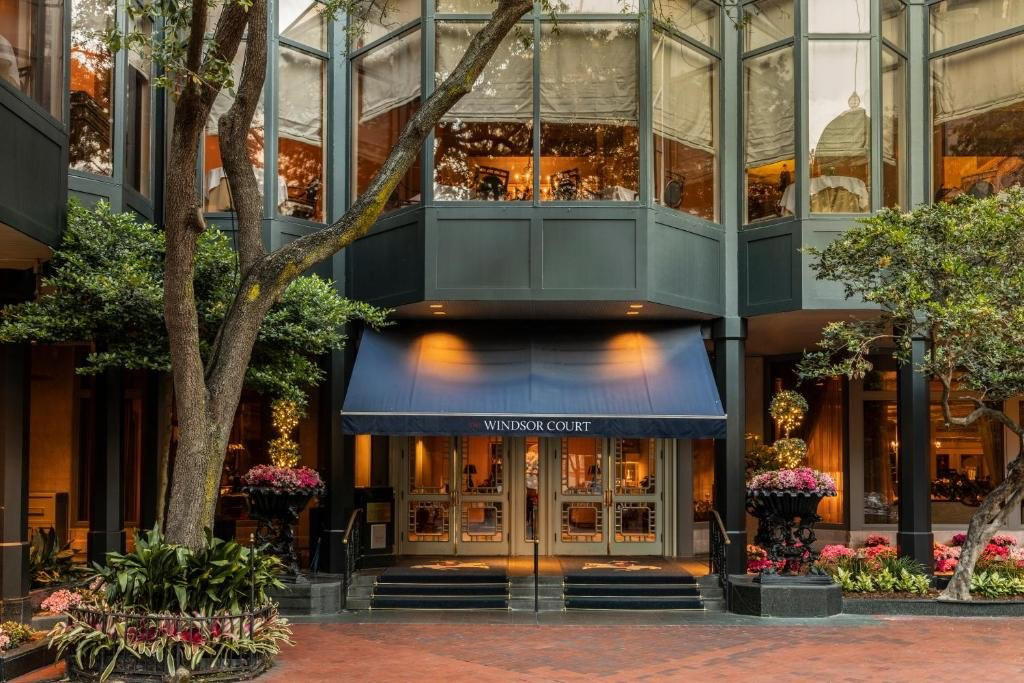
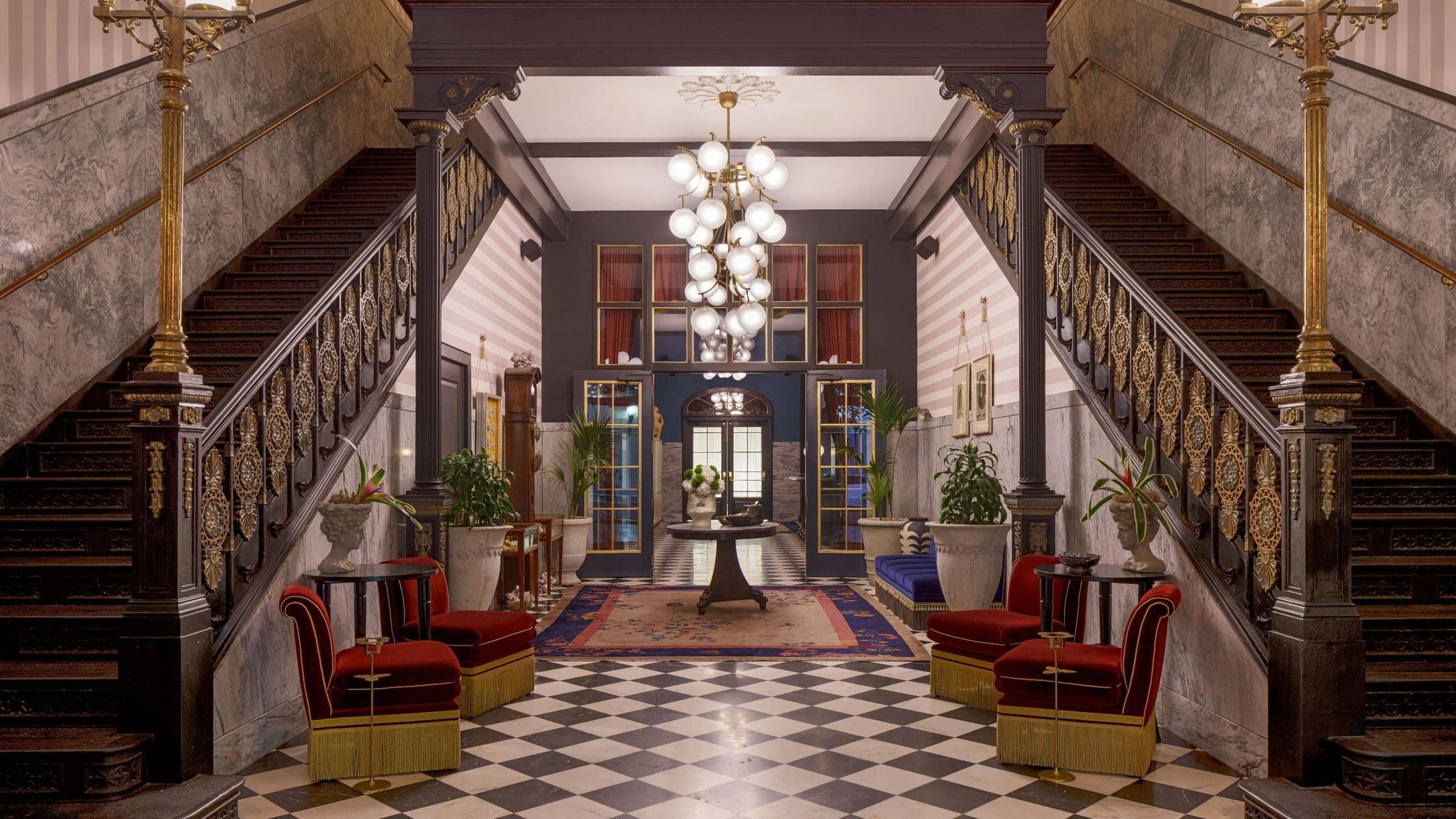
The physical environment on Magazine Street rewards arrival on foot. The neighbourhood's canopy of live oaks, the mix of residential and commercial architecture, and the low ambient noise relative to the Quarter all set an expectation of a slower, more deliberate experience. Gianna reads within that: a room that is comfortable without being theatrical, where the energy comes from the table rather than from designed spectacle.
Italian-American kitchens in serious dinner-house format tend toward the generous rather than the minimal, and the culture around the table reflects that. Long meals, multiple courses, bottles chosen to run across them. The back bar becomes relevant in that context as both a pre-dinner anchor point and a post-dinner resource, which is why the depth of spirits selection carries more meaning here than it might in a quicker-turnover format.
Planning Your Visit
Gianna is located at 700 Magazine Street, Suite 101, in the Lower Garden District. The address sits in one of the more walkable sections of Magazine Street, accessible from the CBD and the Garden District proper. For evening dining, securing a reservation ahead of time is the practical move; the neighbourhood regulars who keep this style of room running tend to fill midweek sittings as reliably as weekends. Visiting earlier in the evening gives you access to the bar as a standalone destination before the room fills for dinner service. For a wider view of where Gianna sits within the city's eating and drinking options, see our full New Orleans restaurants guide.
Continue exploring
More in New Orleans
Bars in New Orleans
Browse all →
Restaurants in New Orleans
Browse all →
At a Glance
- Rustic
- Elegant
- Cozy
- Sophisticated
- Date Night
- Group Outing
- Special Occasion
- Casual Hangout
- Standalone
- Design Destination
- Seated Bar
- Lounge Seating
- Outdoor Terrace
- Booth Seating
- Craft Cocktails
- Conventional Wine
- Craft Beer
- Low Abv
Current opening hours
- Monday
- 11 AM–10 PM
- Tuesday
- 11 AM–10 PM
- Wednesday
- 11 AM–10 PM
- Thursday
- 11 AM–10 PM
- Friday
- 11 AM–10 PM
- Saturday
- 11 AM–10 PM
- Sunday
- 11 AM–10 PM
Hours can change for holidays and private events. Last verified .
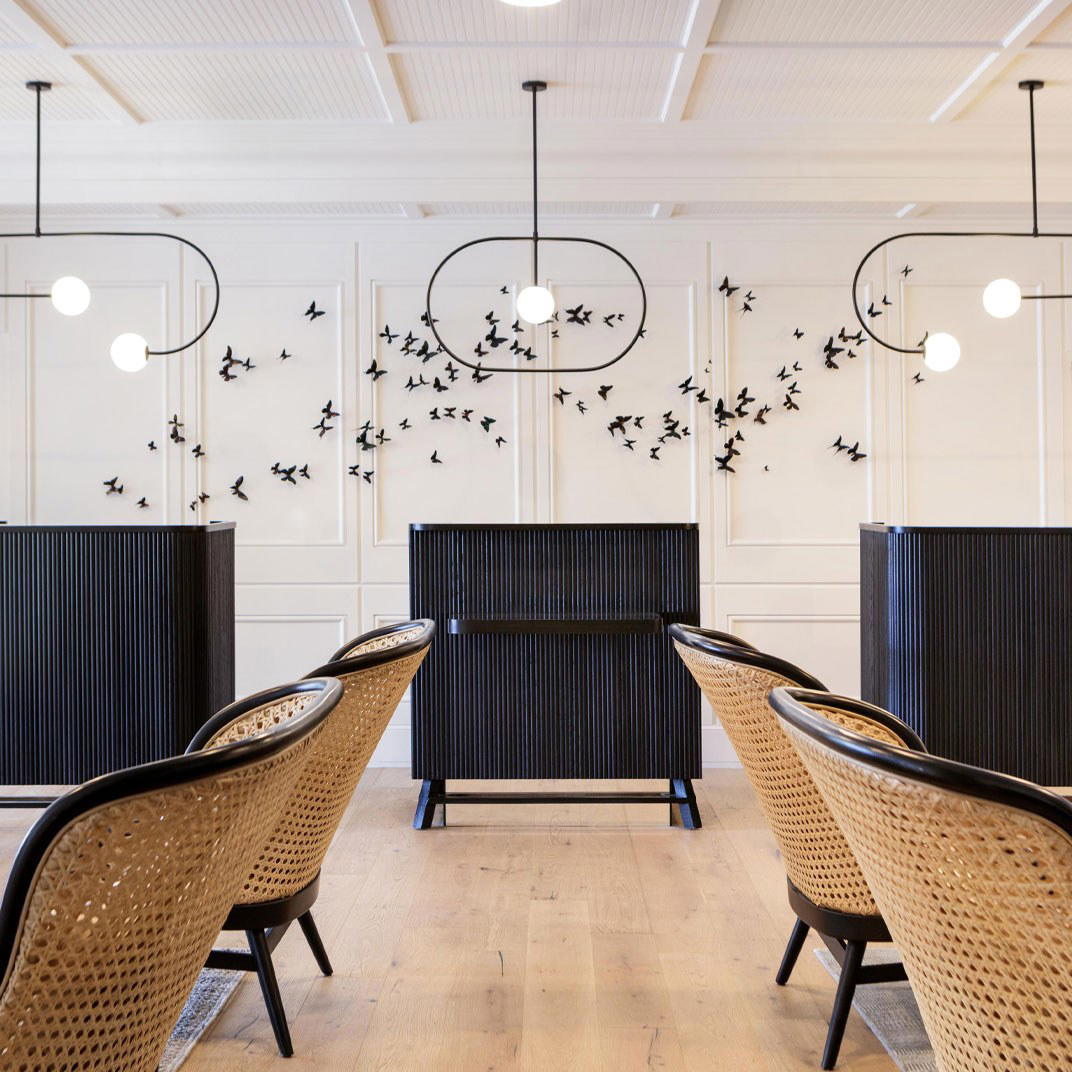
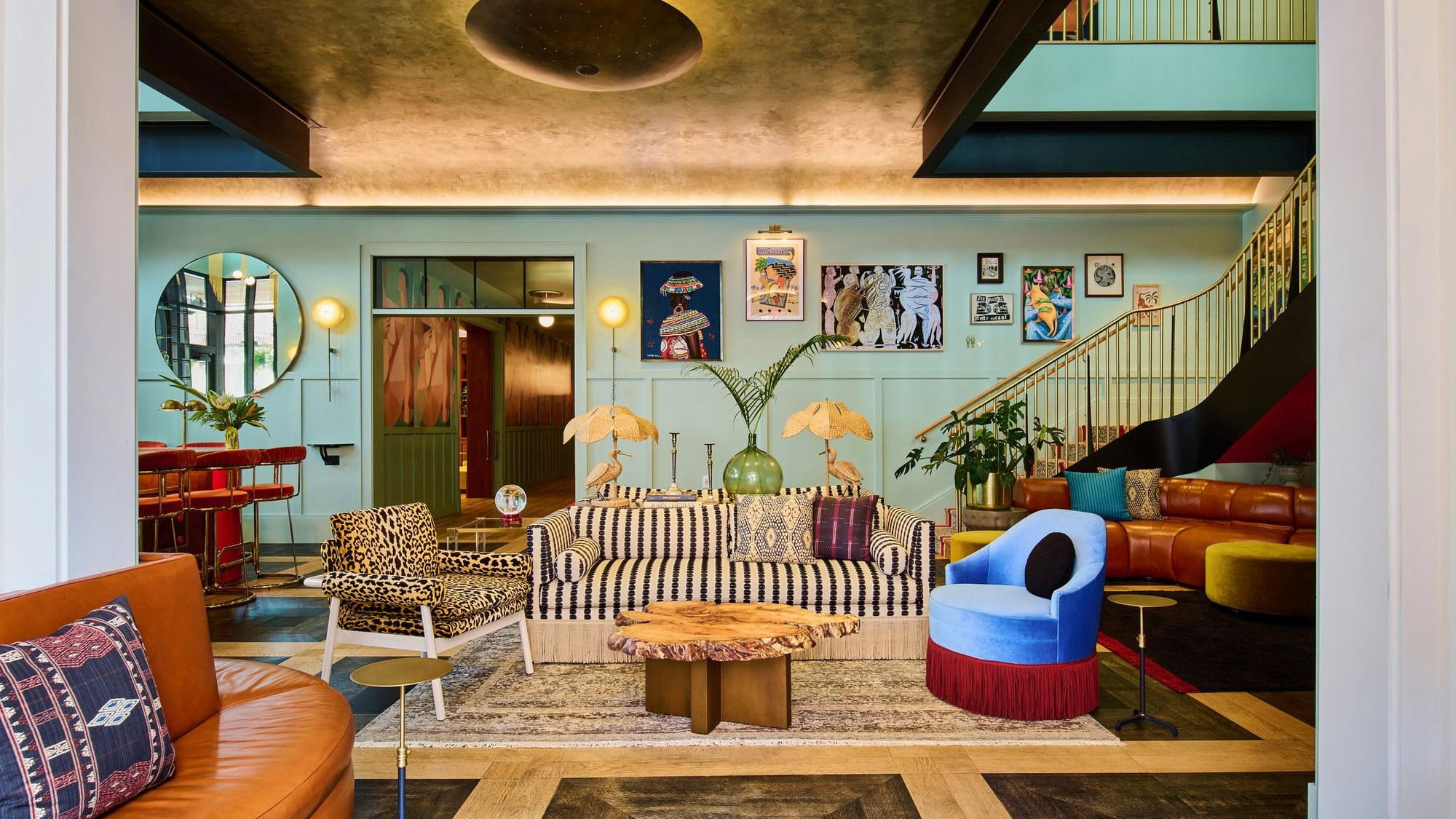
Bright, chic space with softly lit welcoming dining room, large bar as centerpiece adorned with hand-crafted floor tiles, comfortably spaced tables, and well-curated music mix.
Know Before You Go
- Getting there
- 700 Magazine St #101, New Orleans, LA 70130