Saba

Michelin Bib Gourmand
Our verdict
Saba on Magazine Street holds a 2025 Michelin Bib Gourmand, placing it among New Orleans's most considered value-tier restaurants. The kitchen works a Middle Eastern register that sits at an angle to the city's Creole and Cajun defaults, offering a genuinely different reference point on a street better known for its boutiques than its dining credentials.

Pearl is the En Primeur Club membership app, where members save venues, book tables and use the concierge.
The menu
What to order
- Hummus with mushrooms
- Wood-fired pita bread
- Lamb kofta
- Grilled Louisiana shrimp
- Harissa roasted chicken
- Salatim
Magazine Street and the Middle Eastern Counter-Narrative
New Orleans restaurants are so thoroughly defined by their Creole and Cajun inheritance that anything operating outside that tradition reads as a deliberate provocation. On Magazine Street in the Garden District, Saba does exactly that. The address, 5757 Magazine St, in the stretch of shops and converted shotgun houses that runs from the river toward Audubon Park, places it squarely in a residential corridor where the dining scene skews neighborhood-casual rather than destination-driven. That setting makes the Michelin Bib Gourmand recognition it earned in 2025 more telling than it would be for a restaurant in, say, the French Quarter: Michelin was not rewarding a famous room or a storied address. It was rewarding the food.
The Bib Gourmand category, for context, does not operate at the same tier as a starred restaurant. It flags venues where the kitchen delivers cooking of notable quality at a price point the inspector considers honest relative to the output. In New Orleans, where the starred tier includes tightly formatted tasting-menu rooms like Saint-Germain and the contemporary register occupied by Re Santi e Leoni, the Bib cohort covers a different value proposition entirely. Saba belongs to that mid-tier bracket, priced at two dollar signs against its cuisine type, accessible enough that it draws a regular neighborhood crowd while carrying credentials that bring in visitors who are tracking the Michelin list systematically.
The Iranian Culinary Tradition Behind the Menu
Middle Eastern restaurant cooking in American cities spans a broad range of regional traditions, and the distinctions matter. Lebanese mezze culture, Israeli counter-service formats, and Iranian table cooking operate from very different flavor logics and structural assumptions about a meal. The editorial angle worth noting at Saba is the depth available in the Persian register, even when a menu doesn't announce itself as specifically Iranian.
Persian cooking is built around a small number of techniques that, executed with precision, produce results that are difficult to approximate elsewhere. Tahdig, the crust that forms at the base of a rice pot when the bottom layer caramelizes against heat, is the most referenced example: a texture and flavor that takes years of repetition to calibrate consistently, involving the right amount of oil, the right heat level, and the right resting time before the pot is inverted. Khoresh-style stews, long-cooked and layered with dried fruits, walnuts, and pomegranate molasses, achieve a sweet-sour-savory complexity that operates on a different frequency than the shorter-cooked preparations more common in Lebanese or Turkish cooking. Saffron, when used seriously rather than decoratively, threads through rice and braises in a way that changes the aromatic register of an entire dish rather than simply adding color.
These techniques are not widely represented in New Orleans. The city has deep expertise in long-cooked, complex braises, gumbo and etouffée both demand patience and technical layering, but the specific idiom of Persian stewing and rice work sits outside that tradition entirely. A restaurant bringing those methods to Magazine Street is filling a gap that exists across most of the American South, not just in this city.
Where Saba Sits in the New Orleans Dining Conversation
The dominant reference points for serious eating in New Orleans remain the Creole and Cajun canon. Commander's Palace and Emeril's anchor the institutional end of that tradition. Bayona on Dauphine Street has been working a more internationally inflected New American register for decades. Zasu represents the contemporary American tier that's been expanding in the city over the last several years. None of these use the same culinary vocabulary as a Middle Eastern kitchen working with preserved lemons, sumac, fenugreek, and slow-cooked legumes.
That distinctiveness operates as both a strength and a positioning signal. Saba doesn't compete directly with the Creole establishments because it isn't attempting the same thing. It competes, more accurately, with other Bib Gourmand-level venues across a handful of American cities that are building serious Middle Eastern programs outside the major coastal markets. For comparison: the cities where this kind of cooking has developed most depth, New York, Los Angeles, Chicago, benefit from larger immigrant communities and the culinary infrastructure that follows. New Orleans is a smaller market for this cuisine, which means a restaurant executing it well carries a different weight.
The $$ price point places Saba in a bracket where it functions as a reliable neighborhood option for Garden District and Uptown residents while also meriting a specific visit from anyone eating across the city systematically. At that pricing tier, the Michelin recognition does real work: it signals that the kitchen is operating above the casual baseline that the address and format might otherwise imply.
Planning a Visit
Saba sits on Magazine Street at number 5757, in the Garden District stretch of one of New Orleans's main uptown commercial corridors. The street is walkable from the St. Charles streetcar line, which runs parallel two blocks to the east, a useful approach if you're staying closer to the French Quarter or the CBD. Magazine Street in this section runs a mix of independent boutiques, cafes, and restaurants, and the block-by-block character shifts considerably as you move uptown; the Saba block has less foot traffic than the denser retail sections further downtown on the same street.
Michelin Bib Gourmand restaurants at the $$ tier in residential neighborhoods tend to fill quickly on weekend evenings, particularly when they carry the kind of word-of-mouth that precedes and reinforces formal recognition. Planning ahead for Friday and Saturday evenings is sensible. Weeknight visits typically offer more flexibility. For anyone building a broader New Orleans itinerary, the full New Orleans restaurants guide maps the city's dining by neighborhood and price tier, and can be read alongside the New Orleans hotels guide, bars guide, and experiences guide for a fuller picture of what the city offers across categories.
Saba operates at a different scale and price register than most of that list, but the recognition places it in conversation with them as part of the same critical framework.
Frequently asked questions
What should I order at Saba?
Because Saba earned a 2025 Michelin Bib Gourmand in the Middle Eastern cuisine category, the strongest approach is to anchor the meal in whatever the kitchen is doing with its slow-cooked preparations and rice work. In a serious Middle Eastern program, those are the dishes that reflect the most technique and differentiate the kitchen from casual versions of the same cuisine. If the menu includes anything in the khoresh family of Persian stews, or rice preparations that develop a crust, those are the reference points that will tell you the most about what the kitchen does well. Dishes built around sumac, pomegranate, preserved lemon, and warm spice blends are the flavor signatures of the tradition. Mezze-style starters allow you to read the kitchen's precision across multiple preparations before committing to a main. The $$ price point means you can order with range without the meal becoming expensive, which makes it worth covering more of the menu rather than fewer dishes.
Comparable Spots, Quickly
Comparable venues nearby, for context on price, style, and recognition.
| Venue | Cuisine | Price | Awards | Notes |
|---|---|---|---|---|
| SabaThis venue (the venue you are viewing) | Israeli & Mediterranean | $30–50 | Michelin Bib Gourmand | Not listed |
| Tal's Hummus | Israeli Street Food | $10–20 | Not listed | Uptown |
| Lebanon's Cafe | Lebanese | Not listed | Not listed | Carrollton |
| Elizabeth Street Café | French-Vietnamese fusion | Not listed | Not listed | Lower Garden District |
| Molly's Rise & Shine | Modern American Breakfast Cafe | $20–30 | Michelin Plate · James Beard Award Semi Finalist | Lower Garden District |
| Willa Jean | Southern Bakery Cafe | Not listed | James Beard Award Outstanding Pastry Chef | Arts District |
Recognition history
Dated appearances from independent guides and award organizations, with the underlying list record or original source where available.
Michelin Bib Gourmand
Michelin
Continue exploring
More in New Orleans
Restaurants in New Orleans
All restaurants in New Orleans →
Bars in New Orleans
All bars in New Orleans →
Details
- Elegant
- Modern
- Sophisticated
- Intimate
- Date Night
- Group Dining
- Family
- Celebration
- Casual Hangout
- Open Kitchen
- Standalone
- Design Destination
- Craft Cocktails
- Beer Program
- Farm To Table
- Local Sourcing
- Small Plates
- Family Style
- Craft Cocktails
- Wine Selection
- Vegetarian Friendly
- Vegan Options
- Gluten Free Options
Current opening hours
- Monday
- 5–9 PM
- Tuesday
- 5–9 PM
- Wednesday
- 11 AM–9 PM
- Thursday
- 11 AM–9 PM
- Friday
- 11 AM–10 PM
- Saturday
- 10 AM–2:30 PM, 5–10 PM
- Sunday
- 10 AM–2:30 PM, 5–9 PM
Hours can change for holidays and private events. Hours as of .
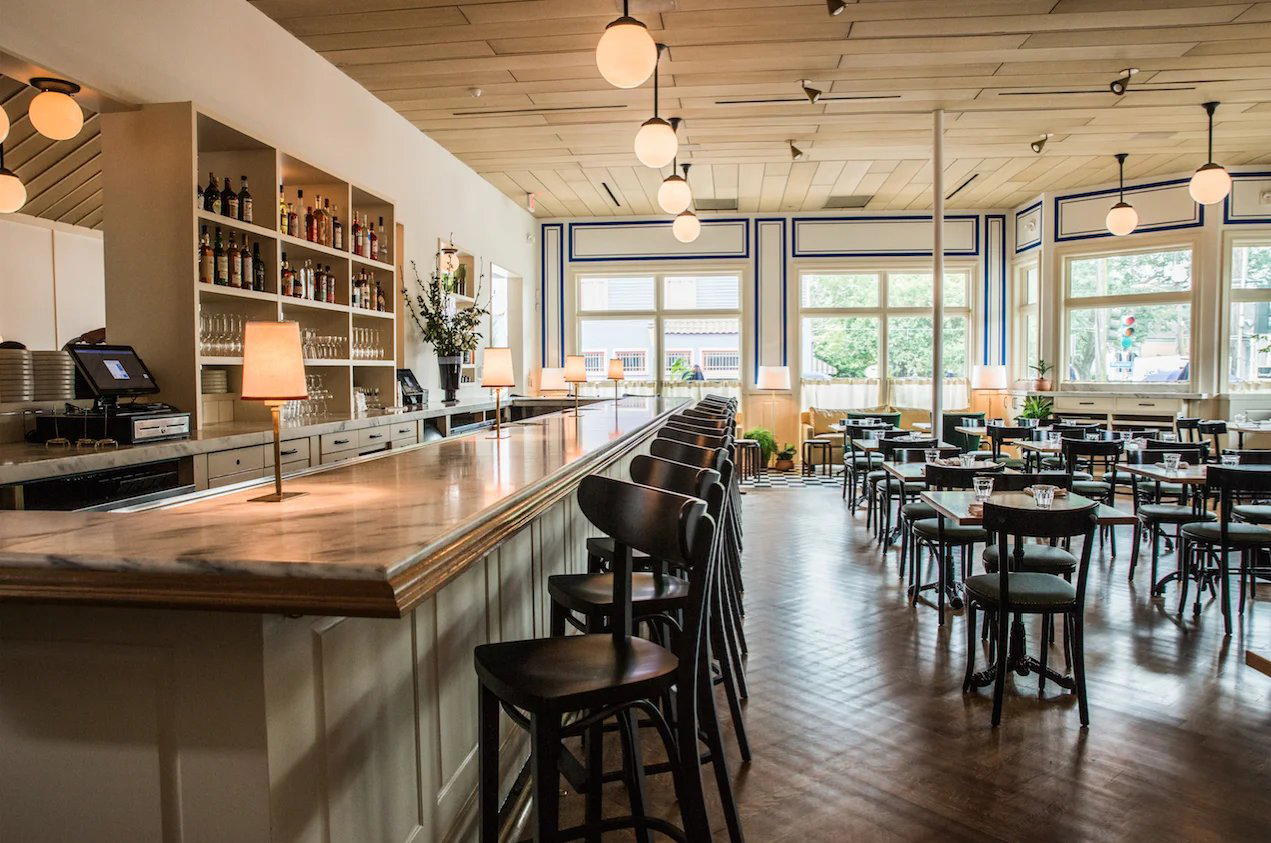
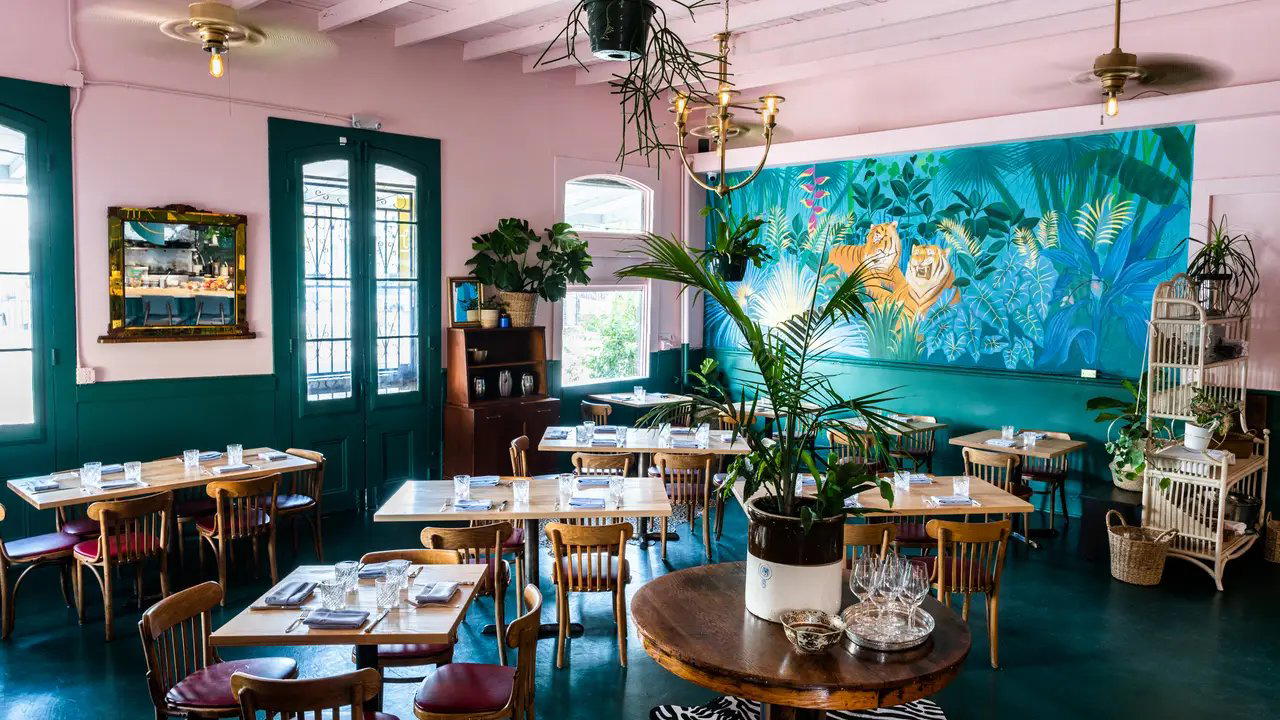
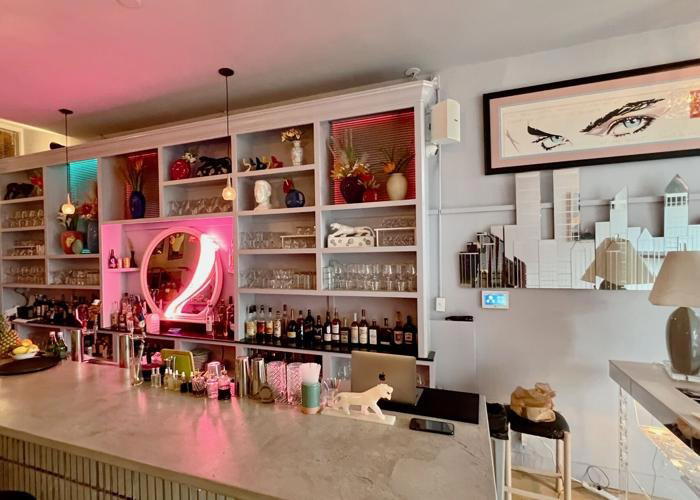
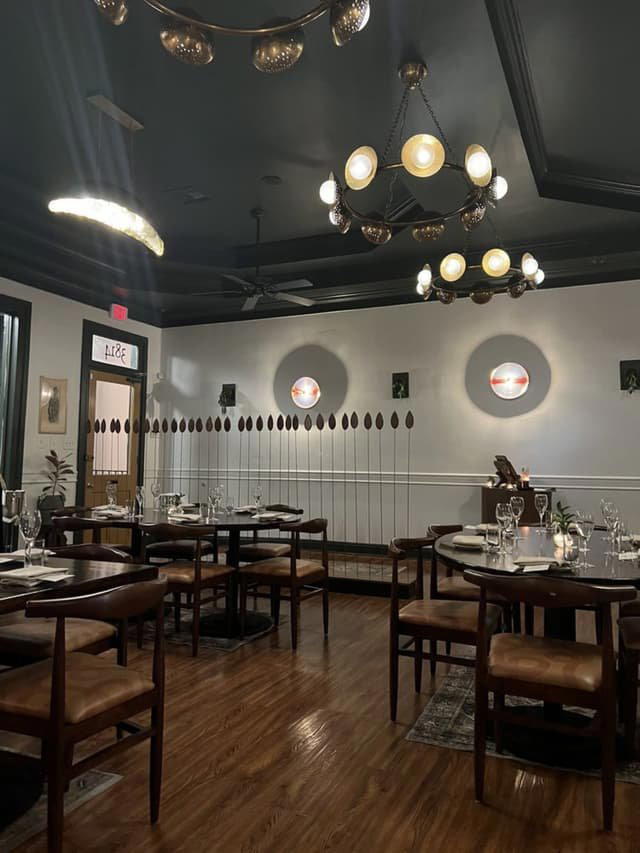
Open and charming interior with warm, soothing vibes; soft background music; lovely outdoor patio seating available; clean, inviting space with beautiful decor.