Google: 4.6 · 1,602 reviews
Geordie's at Wrigley Mansion
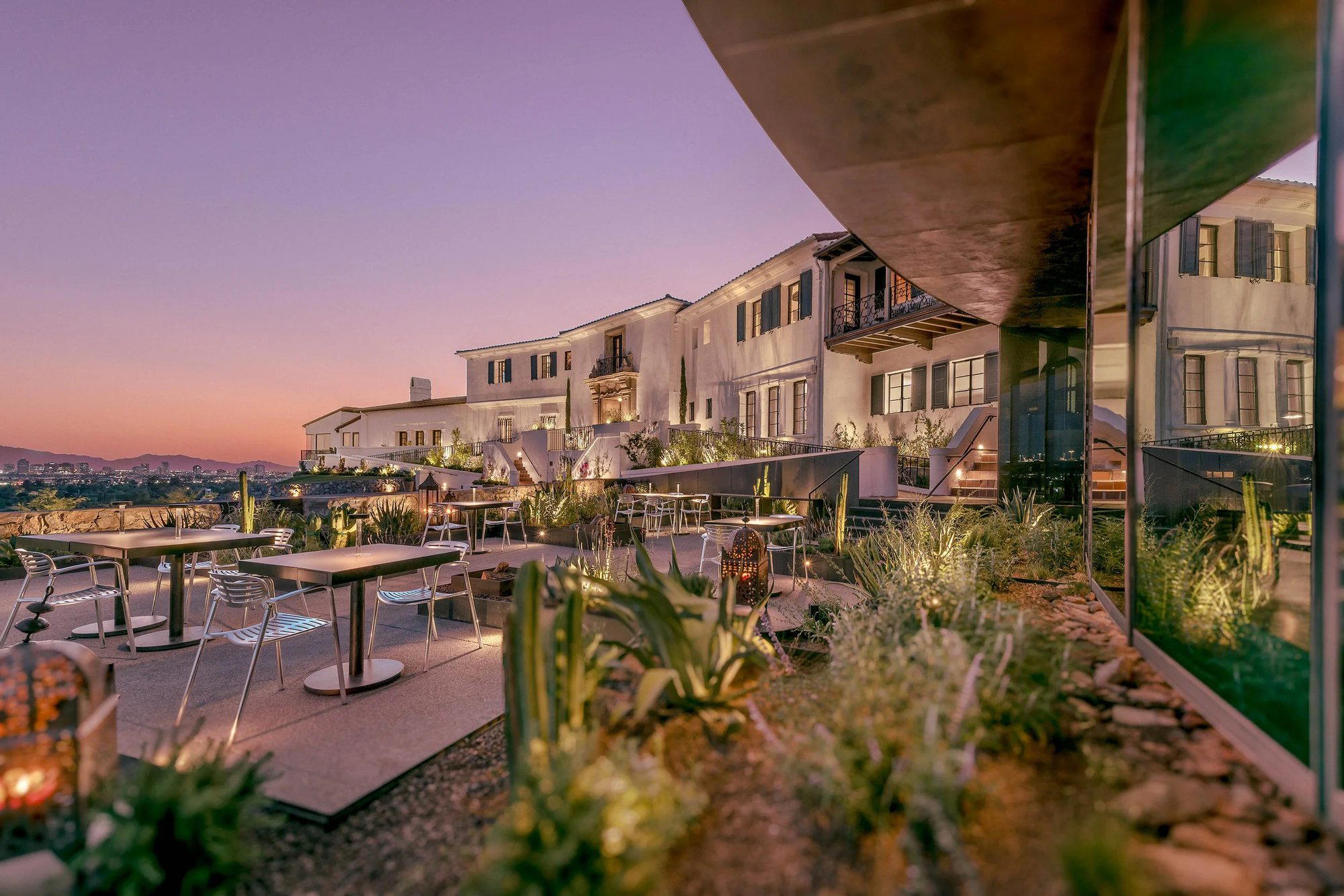
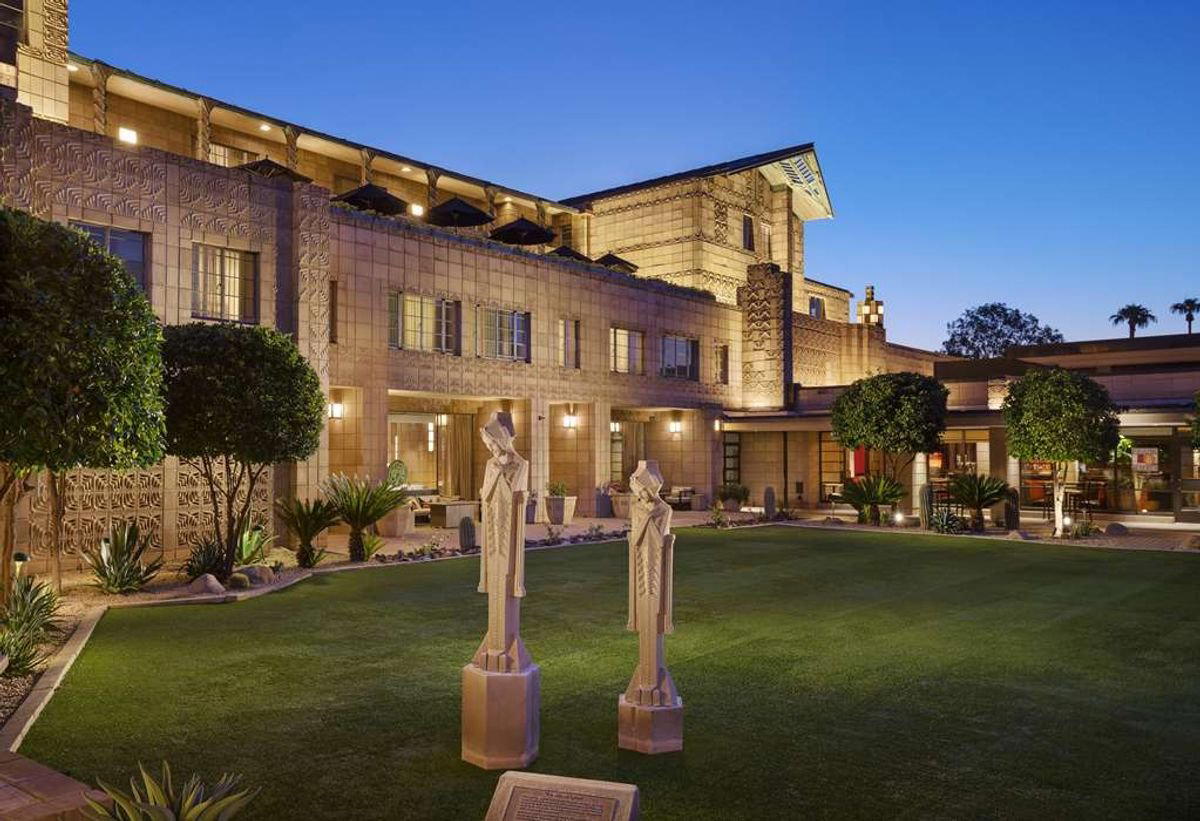
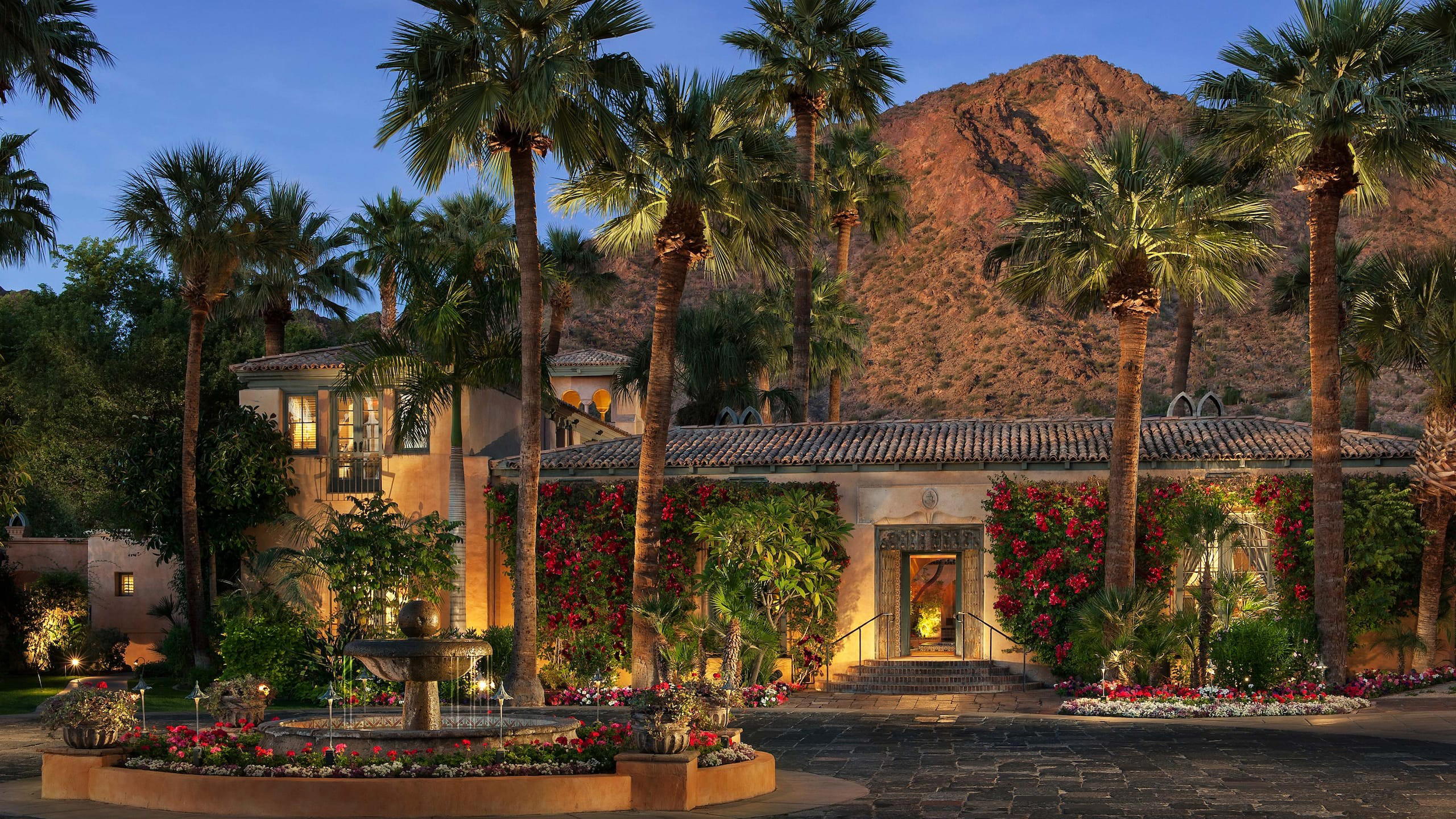
Perched on a hillside above the Biltmore corridor, Geordie's at Wrigley Mansion occupies one of Phoenix's most architecturally significant addresses — a 1930 William Wrigley Jr. estate that has cycled through several hospitality identities over the decades. The bar and dining program now anchors the mansion's current chapter, positioning it alongside Phoenix's broader movement toward destination drinking in historic settings.
 Discover on Pearl
Pearl is the En Primeur Club membership app — saves, bookings, and concierge access live there. Same editors, same standards.
A Hillside Estate and the Long Arc of Phoenix Dining
Phoenix's Biltmore corridor has always carried a different register than the rest of the city's dining scene. Where central Phoenix tends toward newer construction and chef-driven casual formats, the stretch around 24th Street and Camelback has historically housed the kind of venues that lean on architecture and occasion rather than concept alone. Geordie's at Wrigley Mansion sits squarely inside that tradition — a bar and restaurant operating out of a 1930 Spanish Colonial Revival mansion commissioned by William Wrigley Jr. as a gift for his wife. That biographical detail matters less than what the building itself communicates: elevation, scale, and the kind of permanence that new-build hospitality venues spend years trying to manufacture.
The address at 2501 E Telawa Trail places the property on a hillside above the Biltmore neighbourhood, a physical remove that shapes the experience before a guest orders anything. Historic estate venues across the American Southwest have largely bifurcated into two operating models: those that trade on nostalgia while underinvesting in the program, and those that treat the architecture as a platform for something genuinely current. Geordie's has moved between these poles more than once over its lifespan, which is part of what makes its present iteration worth examining.
Reinvention Inside a Fixed Frame
The Wrigley Mansion's hospitality history extends back decades, and the evolution of the food and beverage program has tracked broader shifts in how Phoenix understands destination dining. For much of the late twentieth century, the mansion functioned primarily as a private club and event venue, a format common to large historic properties that lack the operational infrastructure for consistent public restaurant service. The transition toward a more accessible bar and dining identity reflects a pattern visible across similar properties in cities like New Orleans, where historic buildings have been repositioned as cocktail-forward destinations rather than occasion-only spaces.
That repositioning is not cosmetic. When a historic venue moves from event-only or private-club operation toward a public bar program, it changes the competitive set entirely. Geordie's now sits in a peer group that includes Phoenix bars with serious cocktail credentials: Bitter & Twisted on Adams Street, which has built one of the Southwest's more recognised cocktail menus, and Century Grand, a multi-room venue that has pushed Phoenix's cocktail ambition toward a nationally competitive tier. The Wrigley Mansion brings something neither of those venues can offer: the physical weight of a nearly century-old estate on a hill, with sightlines across the Biltmore grid.
Comparing Geordie's to Highball or Platform 18 clarifies the competitive positioning further. Those venues operate within a more contemporary register, where the program is the primary draw and the physical space is designed to serve it. At Geordie's, the dynamic inverts: the building carries inherent authority, and the food and beverage program's job is to meet that standard rather than create one from scratch. Whether a given iteration of the program achieves that is the more useful question for any visitor to ask.
What the Setting Asks of the Program
Historic estate venues generate a specific guest expectation that casual restaurant spaces do not. Visitors arrive with an awareness of the building's age and provenance, which raises the threshold for what feels appropriate in terms of drink quality, service register, and menu ambition. This dynamic plays out across comparable American destinations: Jewel of the South in New Orleans operates within a historic building where the weight of local cocktail tradition creates similar pressure on the program, and Kumiko in Chicago demonstrates how a design-led space with clear aesthetic intention can anchor an equally serious drinks list.
The broader pattern, visible in cities from Honolulu to San Francisco, is that bars trading on atmosphere alone have a shorter shelf life than those that combine setting with program depth. Bar Leather Apron in Honolulu and ABV in San Francisco both illustrate how rigorous technical programs sustain reputation independently of physical setting. For a venue like Geordie's, the architecture provides a durable foundation, but the bar program's quality determines whether the visit holds up across repeat experiences. Julep in Houston and Superbueno in New York City similarly show how distinct identities, rooted in specific cultural or historical references, build loyalty that outlasts any single menu iteration.
Phoenix in Context
Phoenix's bar scene has undergone a significant structural shift over the past decade. The city moved from a landscape dominated by hotel bars and suburban chains toward a cluster of independent venues with genuine national credibility. That shift accelerated roughly around 2015 and has produced a downtown and midtown core worth serious attention. Geordie's occupies a different geographic node than the downtown concentration, which is itself an editorial point: the Biltmore corridor draws a different demographic and occasions a different kind of visit. Dinner before a show at the nearby theatre, a drink after a business dinner at one of the area hotels, a weekend afternoon on a terrace with views of the Phoenix Mountain Preserve — these are the use cases the location actually supports.
Visitors planning a broader Phoenix bar itinerary should treat Geordie's as a distinct excursion rather than a stop within a walkable circuit. The full Phoenix restaurants guide covers the downtown and midtown clusters in detail; Geordie's sits apart from those geographically, which makes sequencing the visit intentional rather than incidental. For international reference, The Parlour in Frankfurt on the Main offers a useful comparison point for how European venues have translated historic interiors into current hospitality formats with similar logistical considerations.
Planning a Visit
The mansion's hillside address means rideshare is the practical default for most visitors, particularly for evening visits when the terrace and interior views carry the most atmospheric return. Given the property's history as an event venue, availability can vary significantly around private functions, and checking ahead before a weekend visit saves the kind of disappointment that comes from arriving at an occupied estate. Geordie's occupies a price register consistent with the Biltmore corridor generally , expect positioning above casual midtown bars and broadly in line with hotel bar pricing at the nearby Arizona Biltmore resort.
Recognition Snapshot
A compact comparison to help you place this venue among nearby peers.
| Venue | Awards |
|---|---|
| Geordie's at Wrigley MansionThis venue — the venue you are viewing | |
| Highball | World's 50 Best |
| Bitter & Twisted | World's 50 Best |
| Century Grand | World's 50 Best |
| Platform 18 | World's 50 Best |
| Little Rituals |
At a Glance
- Elegant
- Sophisticated
- Opulent
- Iconic
- Historic
- Date Night
- Special Occasion
- Historic Building
- Panoramic View
- Lounge Seating
- Seated Bar
- Outdoor Terrace
- Classic Cocktails
- Zero Proof
- Skyline
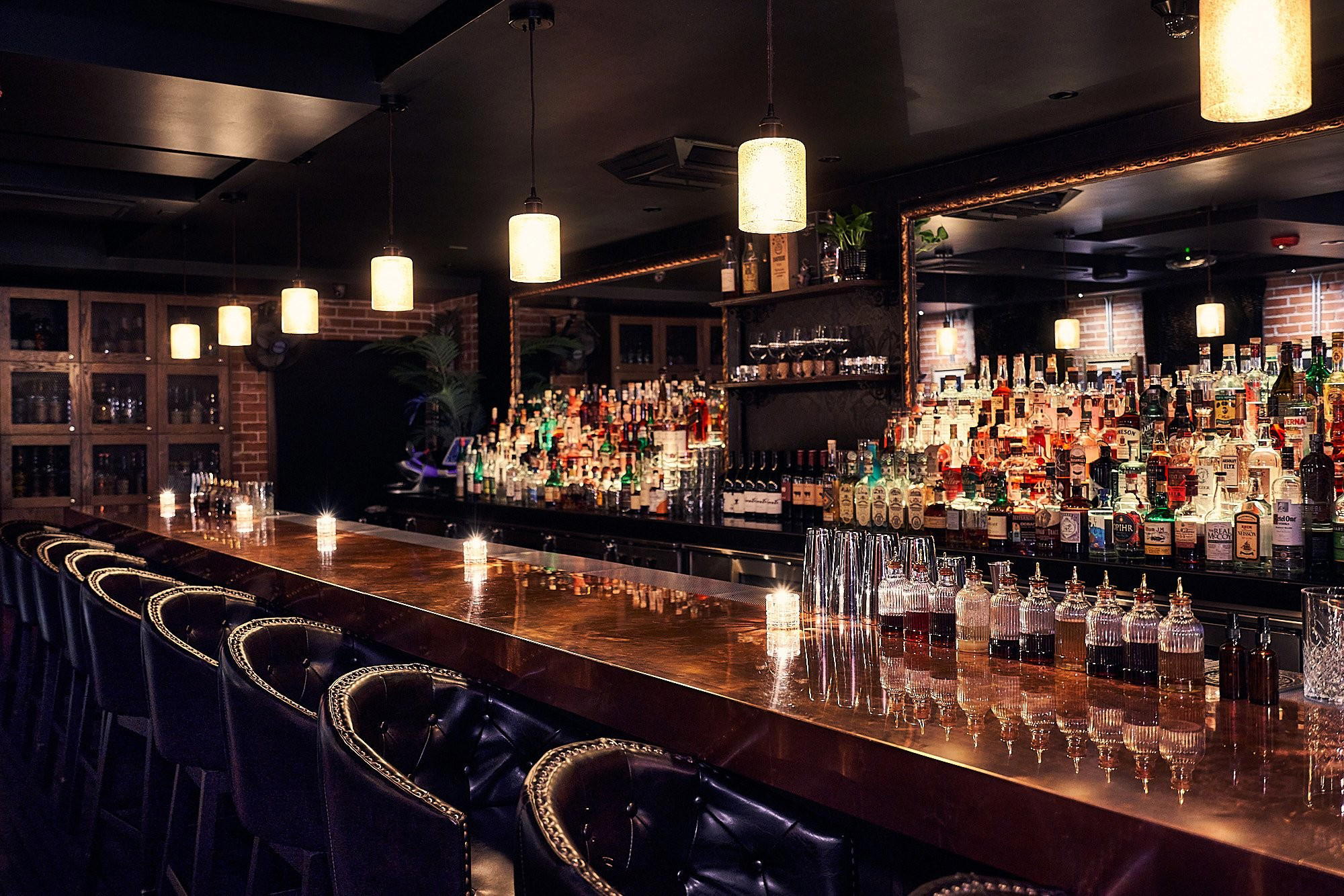
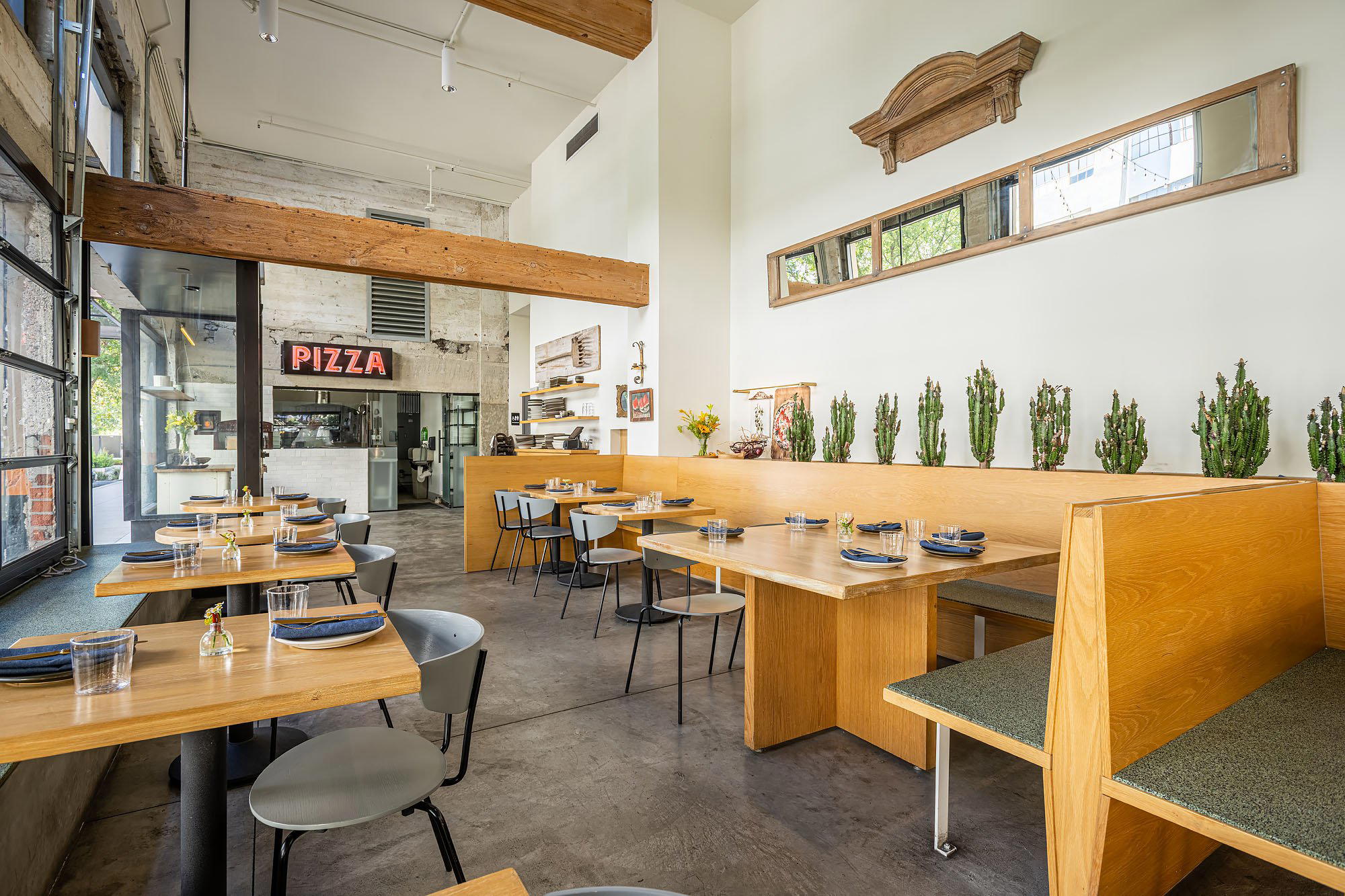
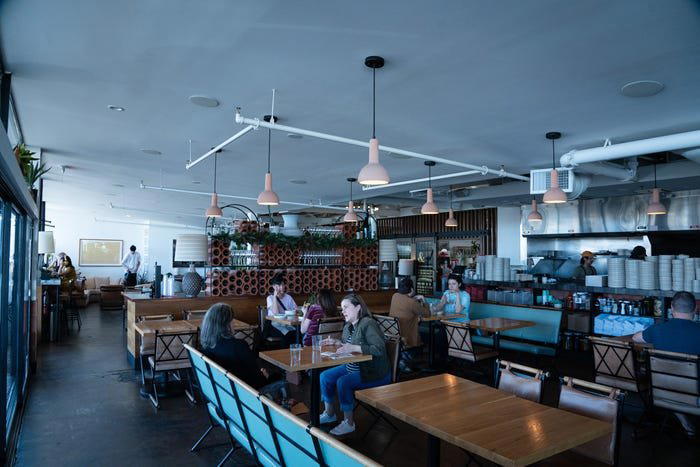
Opulent 1930s grandeur with brighter open lounge, wood accents, patio access, moody wine bar with chandeliers, fireplace, and suede seating.