Google: 4.5 · 919 reviews
Garage
On Colorado Street in downtown Austin, Garage occupies the kind of address where the city's older commercial fabric meets its newer appetite for considered drinking. The bar sits in Austin's increasingly competitive cocktail tier, where sourcing and craft now drive the conversation as much as atmosphere. Worth knowing before your next downtown evening.
 Discover on Pearl
Pearl is the En Primeur Club membership app — saves, bookings, and concierge access live there. Same editors, same standards.
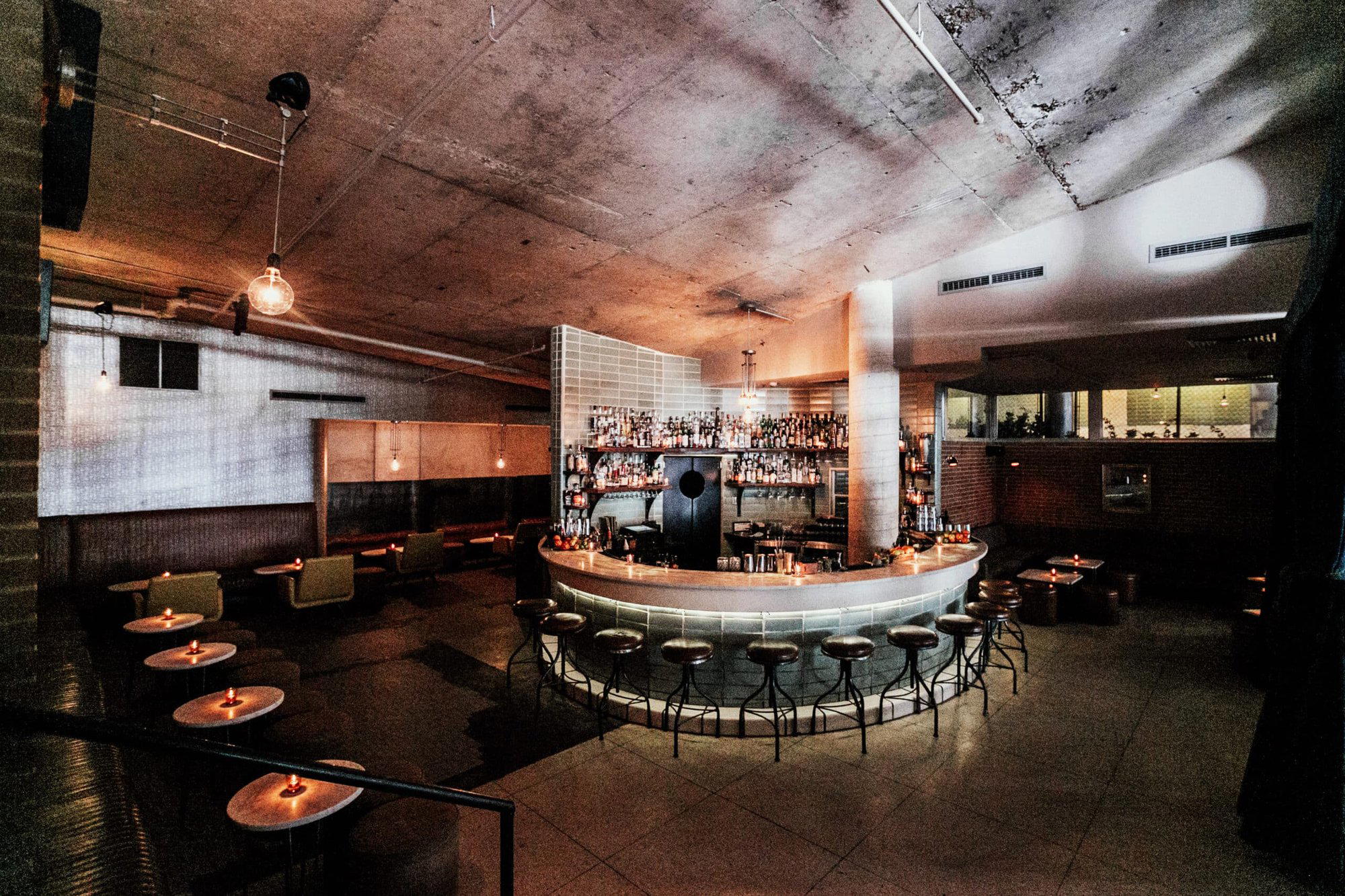
Colorado Street and the Shape of Austin's Cocktail Scene
Downtown Austin's bar scene has reorganized itself over the past decade around a clearer hierarchy. At one end sit the volume-first venues along Sixth Street's neon corridor; at the other, a smaller cohort of bars where the program is the point, and where what goes into the glass matters as much as the glass itself. Garage, at 503 Colorado St, operates in that second register, on a stretch of downtown that retains some of Austin's older commercial character without the tourist-facing density of the main entertainment strips.
Colorado Street sits close enough to the Congress Avenue corridor to draw an after-work and pre-dinner crowd, but removed enough from Rainey Street's saturation to attract guests who are there for the bar rather than the block. That positioning is not accidental. In cities where cocktail culture has matured, the most considered programs tend to locate themselves at a slight remove from the obvious, building a clientele through reputation rather than foot traffic. Austin's version of this pattern has produced a handful of addresses — Nickel City among them — that reward the guest willing to seek them out.
Sourcing as the Editorial Frame
The broader shift in American cocktail culture over the last several years has moved sourcing from a marketing footnote to a structural decision. Bars that once listed spirit brands as the primary signal of quality now increasingly foreground where base ingredients originate, how modifiers are produced, and whether house-made elements reflect a genuine point of view about provenance or simply fill a line on a menu. This shift mirrors what happened in restaurant kitchens a generation earlier, when farm-to-table became less a trend and more an operating assumption for serious programs.
Texas has particular material to work with. The state's craft distilling sector grew substantially through the 2010s, giving bars access to locally produced whiskeys, gins, and vodkas that carry a regional character unavailable from national portfolios. Citrus from the Rio Grande Valley, honey from Hill Country producers, and seasonal herbs from Central Texas farms have all become legible sourcing anchors for bars willing to build around them. The question any serious Austin bar now has to answer is not whether to engage with local supply chains, but how deliberately.
Across the wider circuit of bars where this conversation is most developed, the through-line is consistent: sourcing decisions read on the palate and in the menu's internal logic, not just in the copy that describes it. Kumiko in Chicago has built its reputation partly on the disciplined sourcing of Japanese spirits and liqueurs that most bars treat as interchangeable. Jewel of the South in New Orleans roots its menu in the historical provenance of the city's cocktail canon. Julep in Houston, Austin's nearest major-city peer, has made Southern ingredient sourcing the explicit spine of its program. These bars share a commitment to treating the supply chain as creative infrastructure, not a secondary concern.
What the Address Implies
503 Colorado places Garage within walking distance of the Texas State Capitol, the Second Street District, and the western edge of the Sixth Street corridor. For visitors staying in the downtown hotel cluster, this is a direct evening destination without requiring a rideshare. For locals, it sits in the part of downtown that draws after-work professionals and an older dining crowd rather than the late-night contingent that migrates toward Red River or East Sixth.
The practical implication is a room that likely operates at a different pace than the city's highest-volume venues. Austin's better cocktail bars have generally found their footing in formats that prioritize conversation and craft over throughput. 2500 E 6th St and Aba Austin represent different approaches to the downtown and near-east address question; Garage's Colorado Street position suggests a third answer, one oriented toward the working week rather than the weekend spike.
For planning purposes, downtown Austin bars in this tier tend to be most accessible earlier in the evening on weeknights, when the after-work wave has cleared but the late crowd has not yet arrived. Weekend evenings on Colorado Street move at a slower tempo than Red River, which benefits any visit where conversation and attention to the glass are the objectives.
The Peer Set in Context
Austin's cocktail scene remains less internationally cited than Houston's, Chicago's, or New York's, but it has developed a tier of serious programs that travel-focused drinkers now route into itineraries deliberately. Nickel City's relaxed format and tight beer-and-shot program occupies a different position from the more technically ambitious cocktail bars, but both represent a coherent point of view about what a bar should be. Antone's Nightclub anchors a completely different axis, rooted in the city's music history rather than its drinking culture. Garage's Colorado Street address places it in neither of those modes.
Nationally, the bars that most closely parallel what a considered downtown Austin cocktail program is trying to do include ABV in San Francisco, which treats the back bar as a curation exercise, and Superbueno in New York City, which builds a program around a specific regional ingredient logic. Bar Leather Apron in Honolulu and The Parlour in Frankfurt on the Main show how the same commitment to considered sourcing and format discipline translates across geographies. The common thread is a bar that has decided what it is and builds its program from that decision outward.
For a broader map of where Garage sits within Austin's drinking and dining options, our full Austin restaurants guide covers the city's current tier structure in detail.
Planning Your Visit
Garage is located at 503 Colorado St in downtown Austin, accessible on foot from most of the central hotel cluster and from the Second Street District. Current contact details and booking options are leading confirmed directly through the venue before visiting, as hours and reservation availability vary by season and day of week. Visitors combining Garage with a broader downtown evening will find it naturally sequenced before or after dinner on the Congress Avenue corridor.
In Context: Similar Options
A compact peer set to orient you in the local landscape.
| Venue | Cuisine | Awards |
|---|---|---|
| GarageThis venue — the venue you are viewing | ||
| The Roosevelt Room | ||
| Nickel City | World's 50 Best | |
| DuMont's Down Low | ||
| Eden Cocktail Room | ||
| Flourish Plant Shop & Wine Bar | Wine bar/light bites |
Continue exploring
More in Austin
Bars in Austin
Browse all →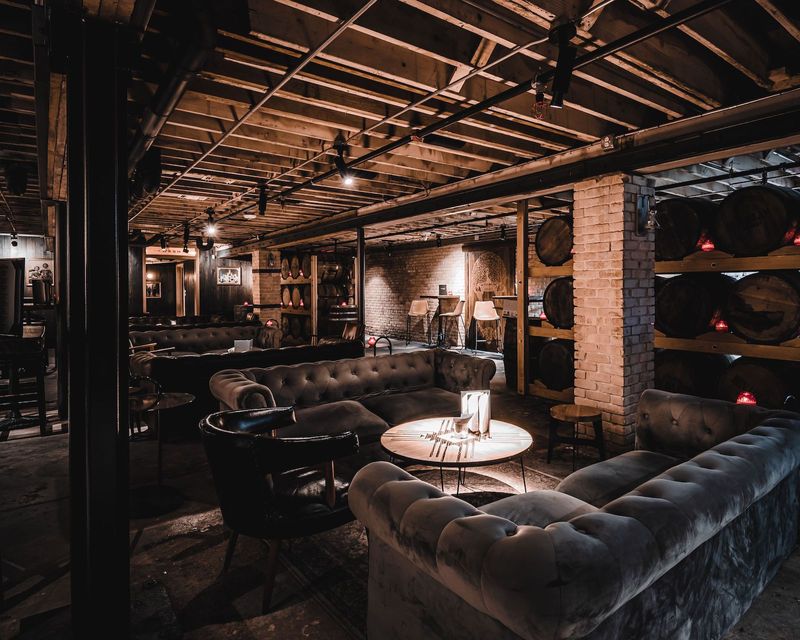
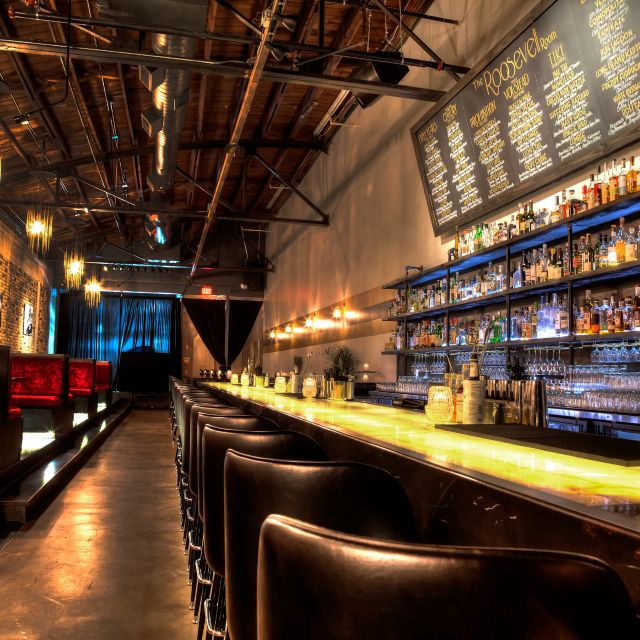
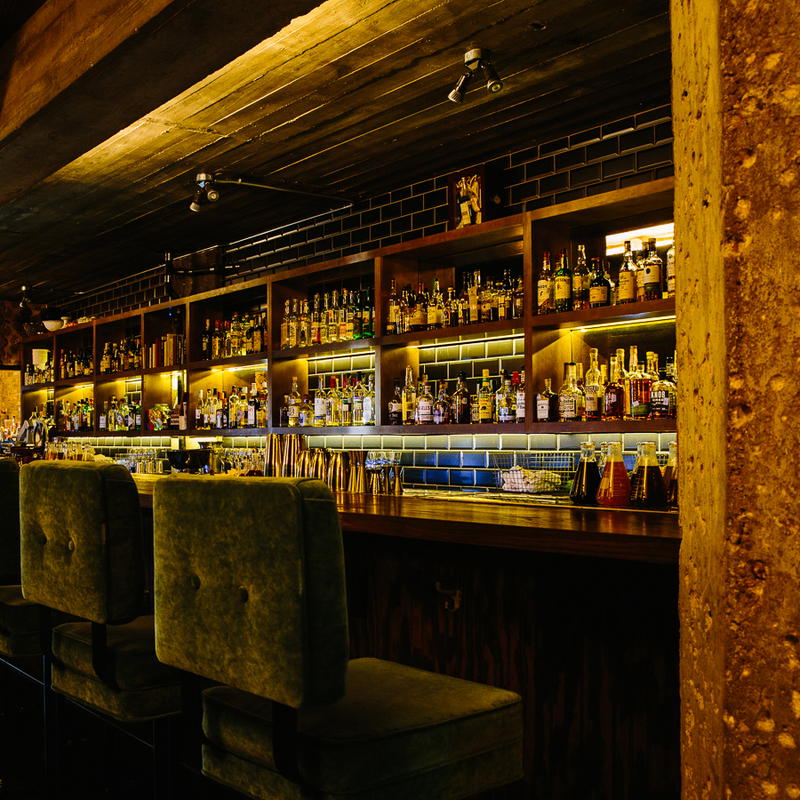
Restaurants in Austin
Browse all →
Hotels in Austin
Browse all →

At a Glance
- Hidden Gem
- Trendy
- Industrial
- Intimate
- Date Night
- Late Night
- Casual Hangout
- Speakeasy
- Design Destination
- Seated Bar
- Lounge Seating
- Craft Cocktails
- Classic Cocktails
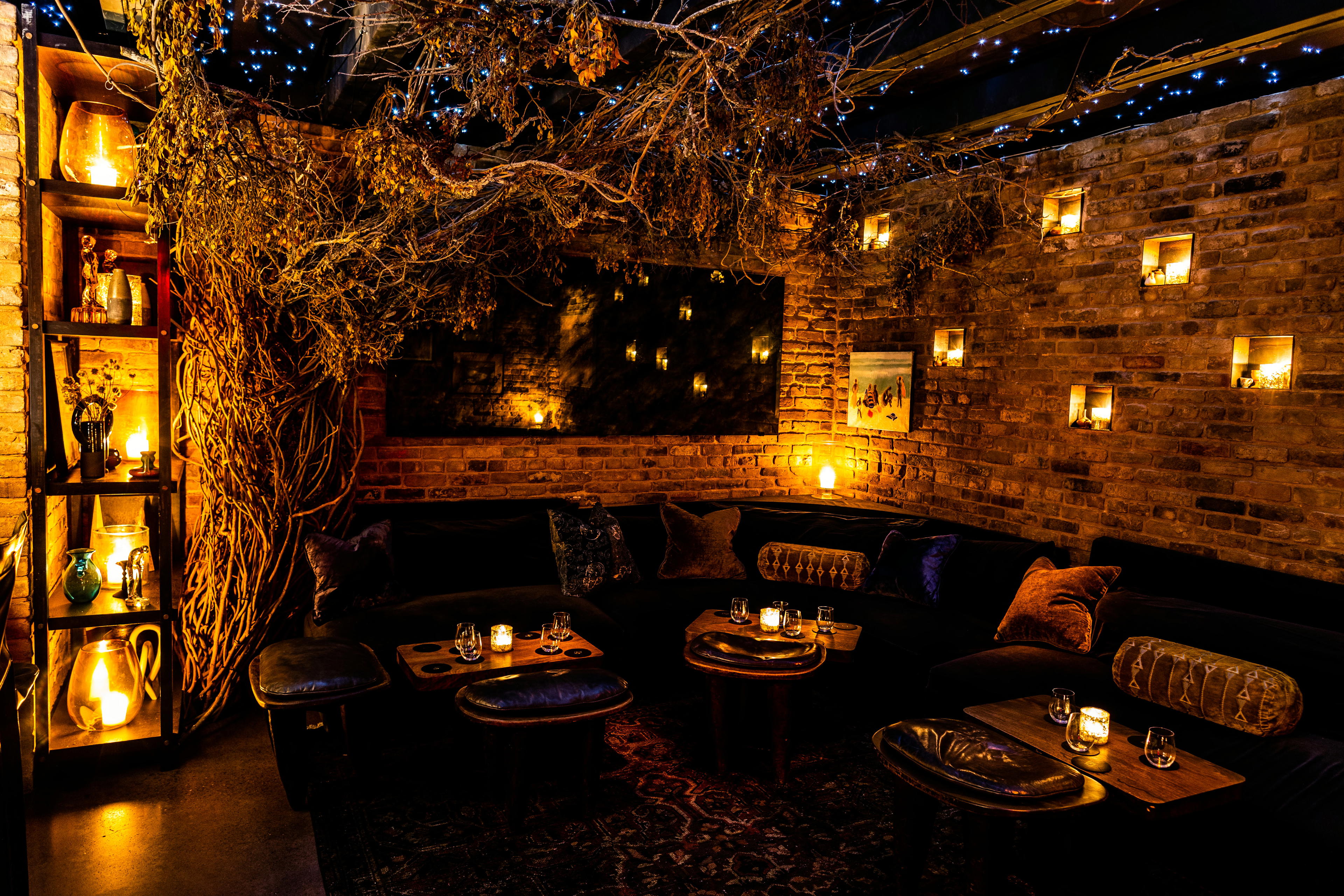
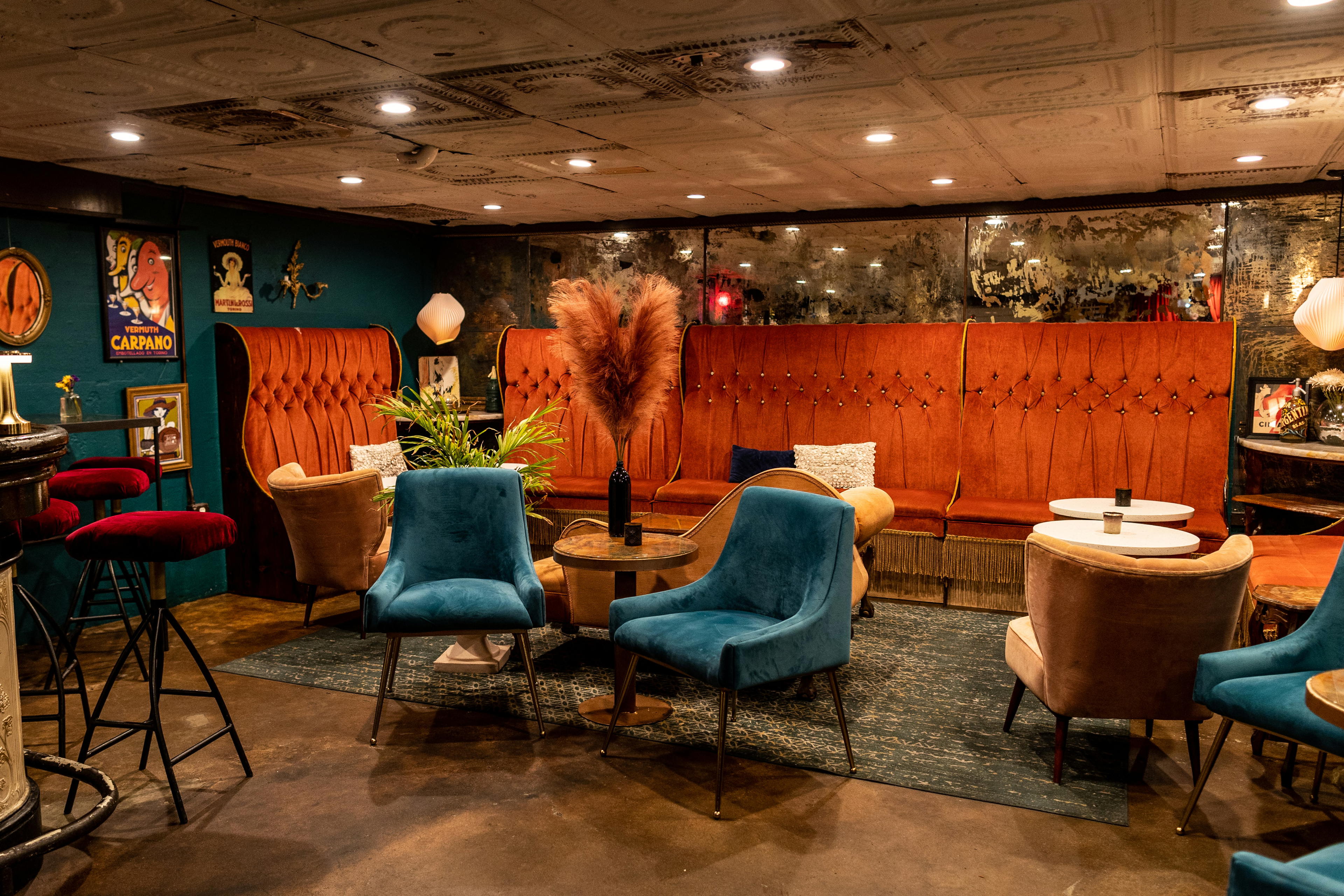
Eclectic, moody low-lit atmosphere with old Texas grandeur and industrial charm.