On Rue Keller in the 11th arrondissement, Fréquence occupies a stretch of Paris where neighbourhood bars and serious drinking destinations sit within steps of each other. The address places it squarely in the current wave of technically driven Parisian bar culture, where menu architecture and product sourcing do more work than theatrical presentation. A reservation is advisable before you arrive.

Pearl is the En Primeur Club membership app, where members save venues, book tables and use the concierge.
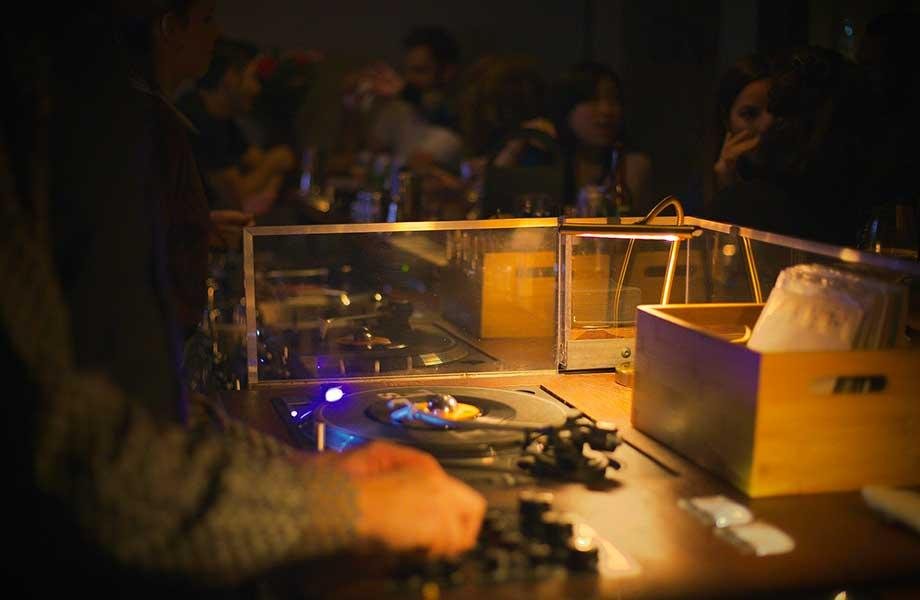
Rue Keller and the 11th's Drinking Culture
The 11th arrondissement has become the clearest expression of how Paris drinks now. The streets between Bastille and Oberkampf have, over the past decade, accumulated a density of serious bars that rival any comparable stretch in London or New York, not through a single landmark address but through cumulative weight. Rue Keller sits inside that corridor, and Fréquence at number 20 is part of a generation of venues that arrived after the city's cocktail scene shed its dependence on speakeasy theatrics and began competing on menu depth instead. Arriving on the street, the shift from the broader boulevard noise is immediate: the 11th at this register operates at a lower volume than its reputation suggests, with narrow facades and discreet signage doing more to set tone than any marquee.
Menu Architecture as the Main Argument
In Paris bars operating at this tier, the menu is rarely accidental. The structure of what a bar chooses to list, and how it groups, sequences, and describes those offerings, communicates its competitive positioning more clearly than décor or press coverage. The drift across the city's more considered venues has been toward tighter menus with longer explanations: fewer drinks, more evident craft rationale behind each. Danico, one of the most-watched addresses in Paris cocktail circles, made its name partly on this kind of editorial restraint applied to a drinks list. Candelaria built a following on the same principle applied to mezcal and agave categories specifically. Fréquence operates in this same intellectual register, where the menu is the first editorial statement a guest encounters.
What the menu architecture at this type of venue tends to reveal is a set of priorities: whether the bar leans toward classics reframed, originals with clear technique provenance, or a hybrid format where base spirits are the organising principle. The 11th's bar community has generally favoured the hybrid, menus that allow a guest to read across by ingredient rather than by occasion. Whether Fréquence follows that structural logic or departs from it is the question a first visit answers. The address on Rue Keller puts it in a neighbourhood where the expectation for menu legibility is already high.
Where Fréquence Sits in the Paris Bar Conversation
Paris's cocktail bar scene has stratified in a way that mirrors what happened in London after the Artesian era: a first tier of internationally recognised programmes, a second tier of neighbourhood-anchored addresses that locals defend with disproportionate loyalty, and a third tier of concept bars still finding their footing. Fréquence sits in the second tier's territory by geography alone, the 11th rewards repeat visitors more than first-time tourists, and the bars that thrive here tend to do so on regulars rather than walk-ins.
For comparison, Buddha Bar and Bar Nouveau represent different poles of the Paris bar offer: high-volume spectacle on one end, smaller programme-led operations on the other. Fréquence's address and the bar culture of the surrounding blocks place it closer to the programme-led end of that spectrum. The 11th is not the Right Bank's cocktail-tourism circuit; it is where Parisians with opinions about their drinking tend to go when they want to be among peers rather than crowds.
Across France, this pattern of neighbourhood-anchored bar seriousness is not unique to Paris. La Maison M. in Lyon and Coté vin in Toulouse operate with similar logic: the bar earns its position through menu discipline and a loyal local base rather than through visibility on the international circuit. Papa Doble in Montpellier, Au Brasseur in Strasbourg, and Bar Casa Bordeaux in Bordeaux follow comparable models in their respective cities, as does Le Café de la Fontaine in La Turbie at a smaller scale still. Even internationally, the contrast is instructive: Bar Leather Apron in Honolulu has built recognition on exactly the kind of technical programme and menu architecture that the 11th's leading bars practice. The format travels; the execution remains local.
Practical Considerations for a Visit
The 11th arrondissement is most directly reached from Bastille (lines 1, 5, and 8) or Voltaire (line 9), with Rue Keller sitting between the two. The neighbourhood operates at its sharpest on weekday evenings, when the after-work drinking culture that defines the area is in full effect; weekend nights bring a wider crowd and shorter attention spans at the bar. For bars at this address and positioning, arriving without a reservation on a Thursday or Friday evening is a gamble, the room sizes in this part of the 11th rarely accommodate walk-in overflow. Checking Fréquence's current booking method directly is the most reliable preparation, as this tier of Paris bar operates on reservation systems that shift between platforms. The broader Paris drinking and dining context is covered in our full Paris restaurants guide, which maps the city's neighbourhoods against their respective drinking cultures.
What to Know Before You Go
Frequently Asked Questions
- What should I try at Fréquence?
- Without a current menu to reference, the most reliable approach is to read the list on arrival as you would a short editorial document: identify which section is longest, which spirits appear across multiple drinks, and where the bar has clearly invested its structural energy. In Paris bars of this type and neighbourhood, the signature territory tends to be where the menu is most specific, tightest ingredient sourcing, most precise technique notes. Ask the bartender which section they would defend in an argument; that answer is usually more useful than a house recommendation.
- Why do people go to Fréquence?
- The 11th arrondissement at this address draws guests who want to drink in a room that is clearly thinking about what it serves. Paris has no shortage of bars that perform seriousness; the ones that hold a regular following in this neighbourhood tend to earn it through menu coherence and consistent execution rather than through critical attention or award recognition. Fréquence sits on a street where the surrounding bars set a context of expectation, and that context alone draws a guest profile that values programme over atmosphere.
- How far ahead should I plan for Fréquence?
- If you are visiting Paris specifically to include Fréquence, check the booking situation at least a week in advance for weekday visits, and two weeks or more for Thursday through Saturday. Bars in the 11th at this tier frequently operate with small capacities, and the neighbourhood's loyal regular base means that prime slots fill without relying on tourist traffic. Without confirmed hours or a booking platform listed here, contact through the venue's current channels is the safest approach before building an evening around the address.
- Is Fréquence part of a wider 11th arrondissement bar scene worth exploring in a single evening?
- The Rue Keller and surrounding blocks form one of the more walkable bar circuits in Paris, with addresses ranging from natural wine bars to spirits-focused programmes within a short radius. An evening that starts or ends at Fréquence can reasonably incorporate two or three neighbouring stops without significant travel, which is part of what makes the 11th a more rewarding destination for serious drinkers than the more dispersed Right Bank options. The concentration of intent in this part of the arrondissement is what distinguishes it from areas where individual bars operate in relative isolation.
Where It Fits
| Venue | Cuisine | Price | Awards |
|---|---|---|---|
| FréquenceThis venue (the venue you are viewing) | Not listed | $30–50 | Not listed |
| Bar Nouveau | Not listed | $30–50 | World's 50 Best #5 · Top 500 Bars Best Bars #18 |
| Buddha Bar | Not listed | $100–150 | World's 50 Best #20 |
| Candelaria | Mexican-Cocktails | $20–30 | World's 50 Best #42 · Pinnacle Guide 1 Pin |
| Danico | Not listed | $20–30 | World's 50 Best #19 · Top 500 Bars Best Bars #17 |
| Harry's Bar | Not listed | $30–50 | World's 50 Best #27 · Top 500 Bars Best Bars #60 |
Continue exploring
More in Paris
Bars in Paris
All bars in Paris →
Restaurants in Paris
All restaurants in Paris →
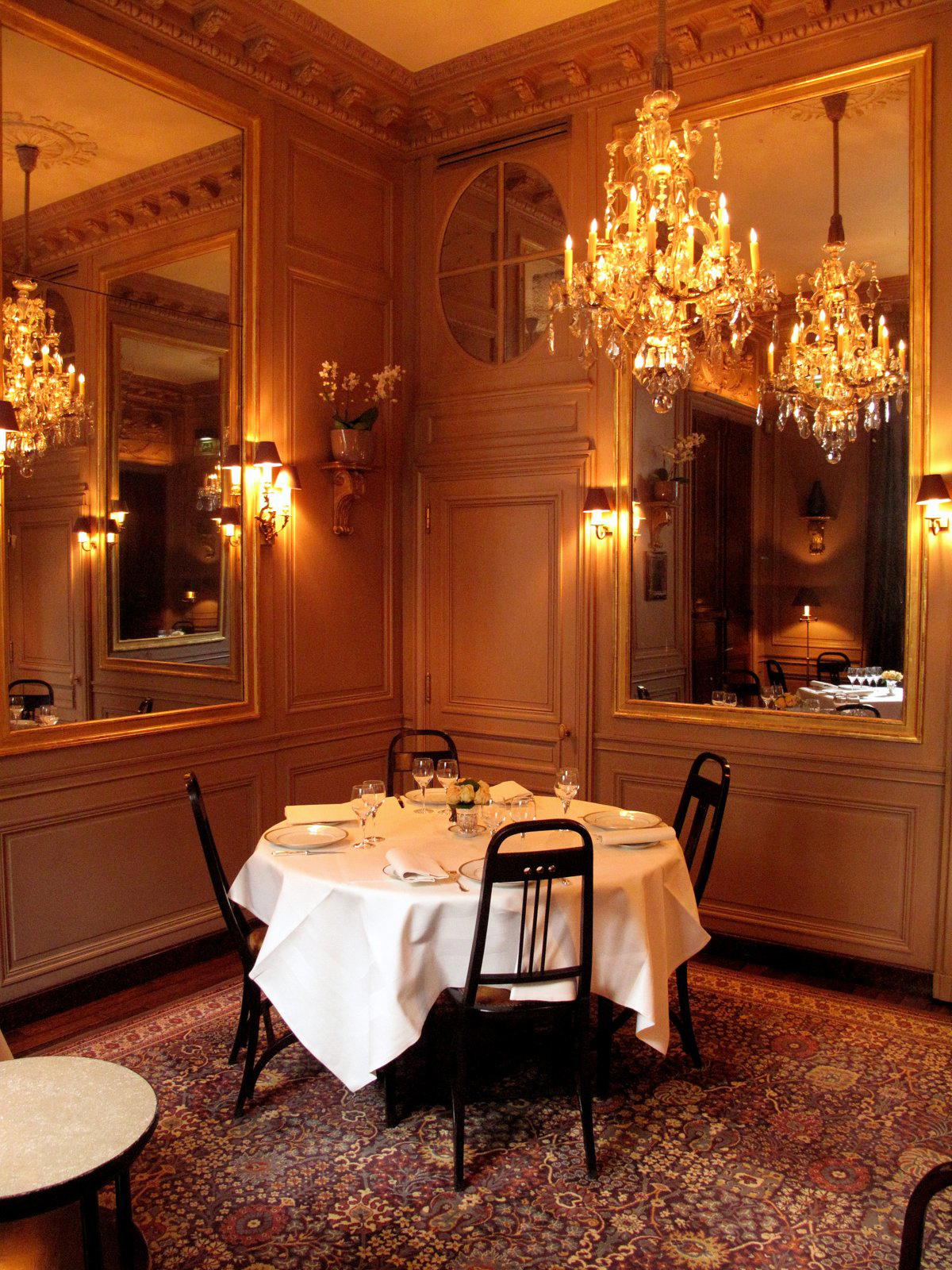
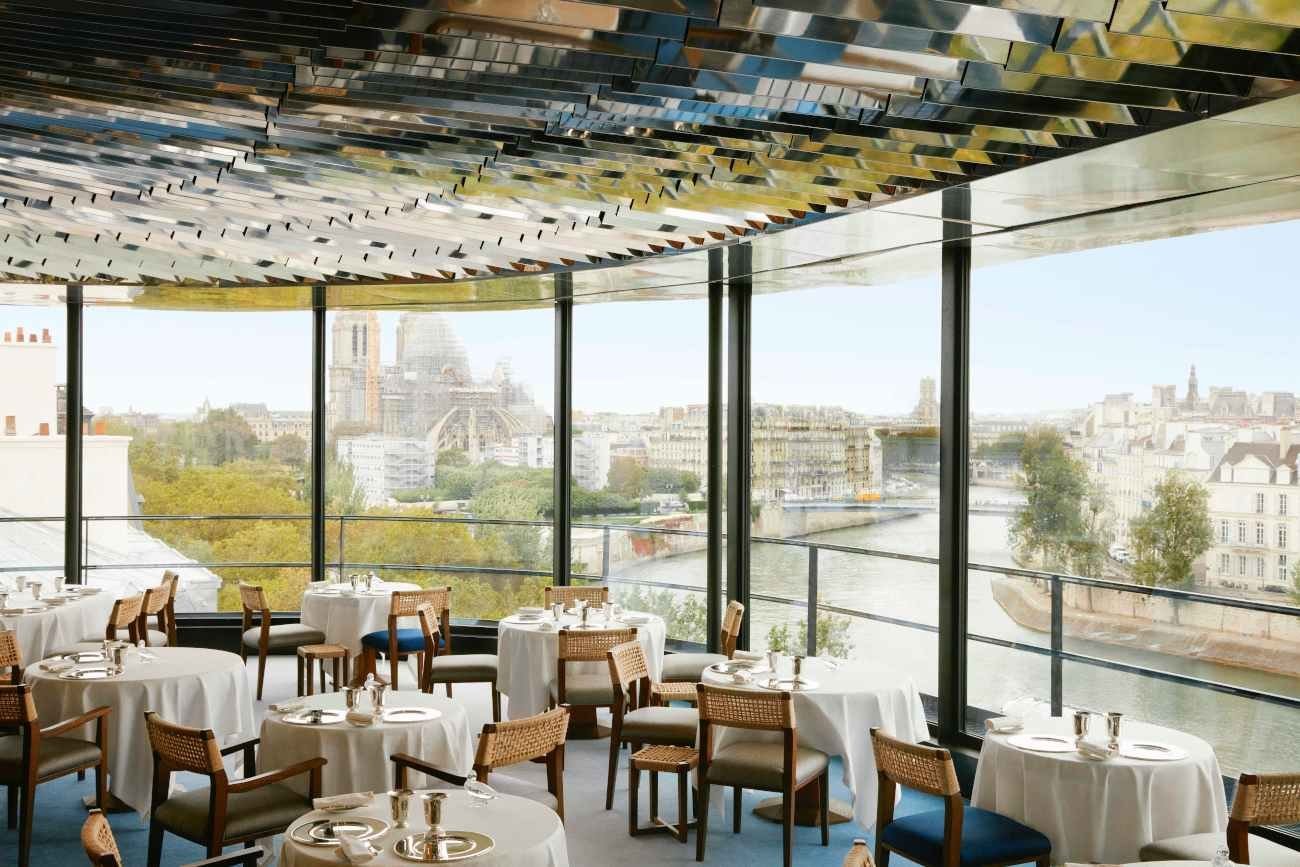
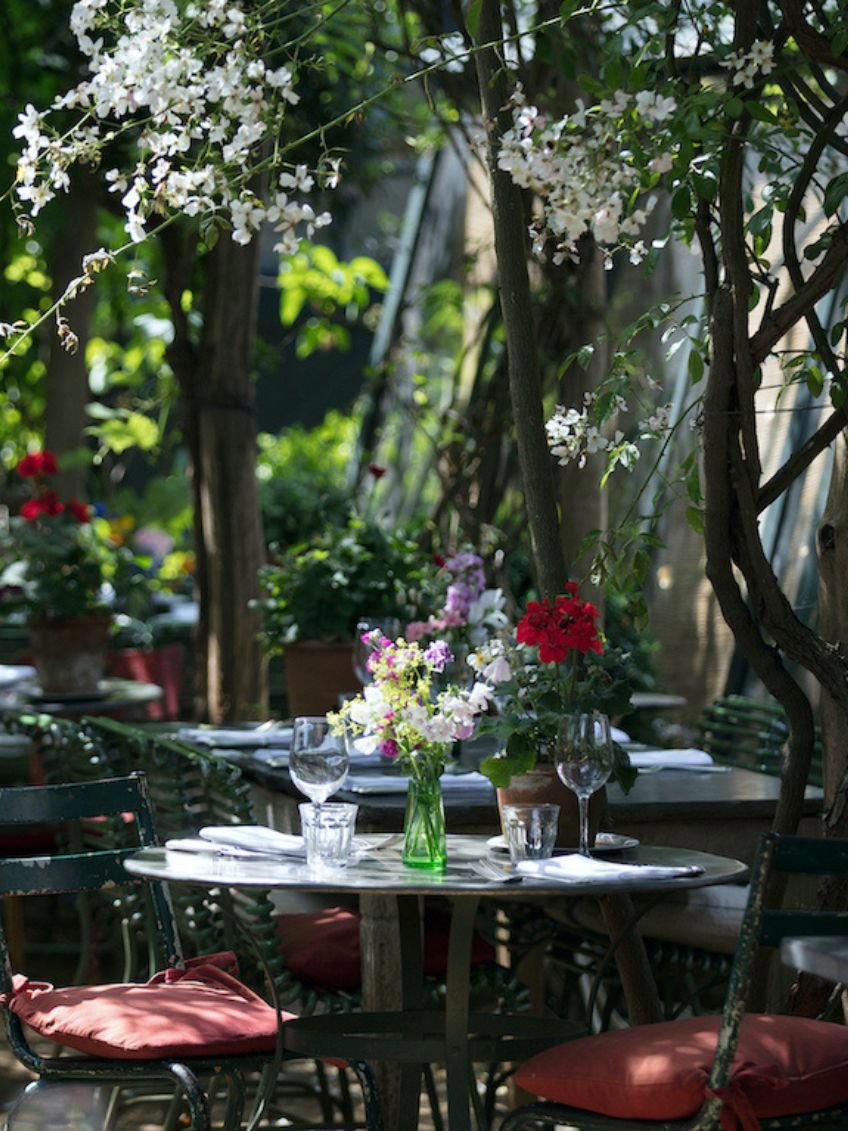
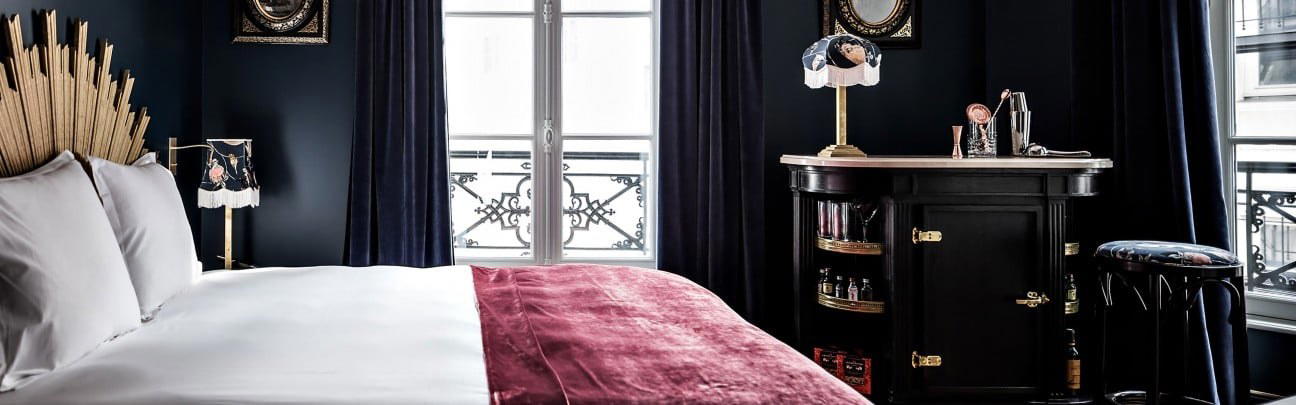

Fréquence
The drinks
- Craft cocktails
- Classic cocktails
Signature drinks: Americano Japonais, Dakkhar, Katsu Highball.
Details
- Trendy
- Intimate
- Minimalist
- Energetic
- Late Night
- Group Outing
- Casual Hangout
- After Work
- Live Music
- Standalone
- Design Destination
- Seated Bar
- Standing Room
- Outdoor Terrace
- Craft Cocktails
- Sake
- Low Abv
- Classic Cocktails
Current opening hours
- Monday
- Closed
- Tuesday
- 6 PM–2 AM
- Wednesday
- 6 PM–2 AM
- Thursday
- 6 PM–2 AM
- Friday
- 6 PM–4 AM
- Saturday
- 6 PM–4 AM
- Sunday
- Closed
Hours can change for holidays and private events. Hours as of .
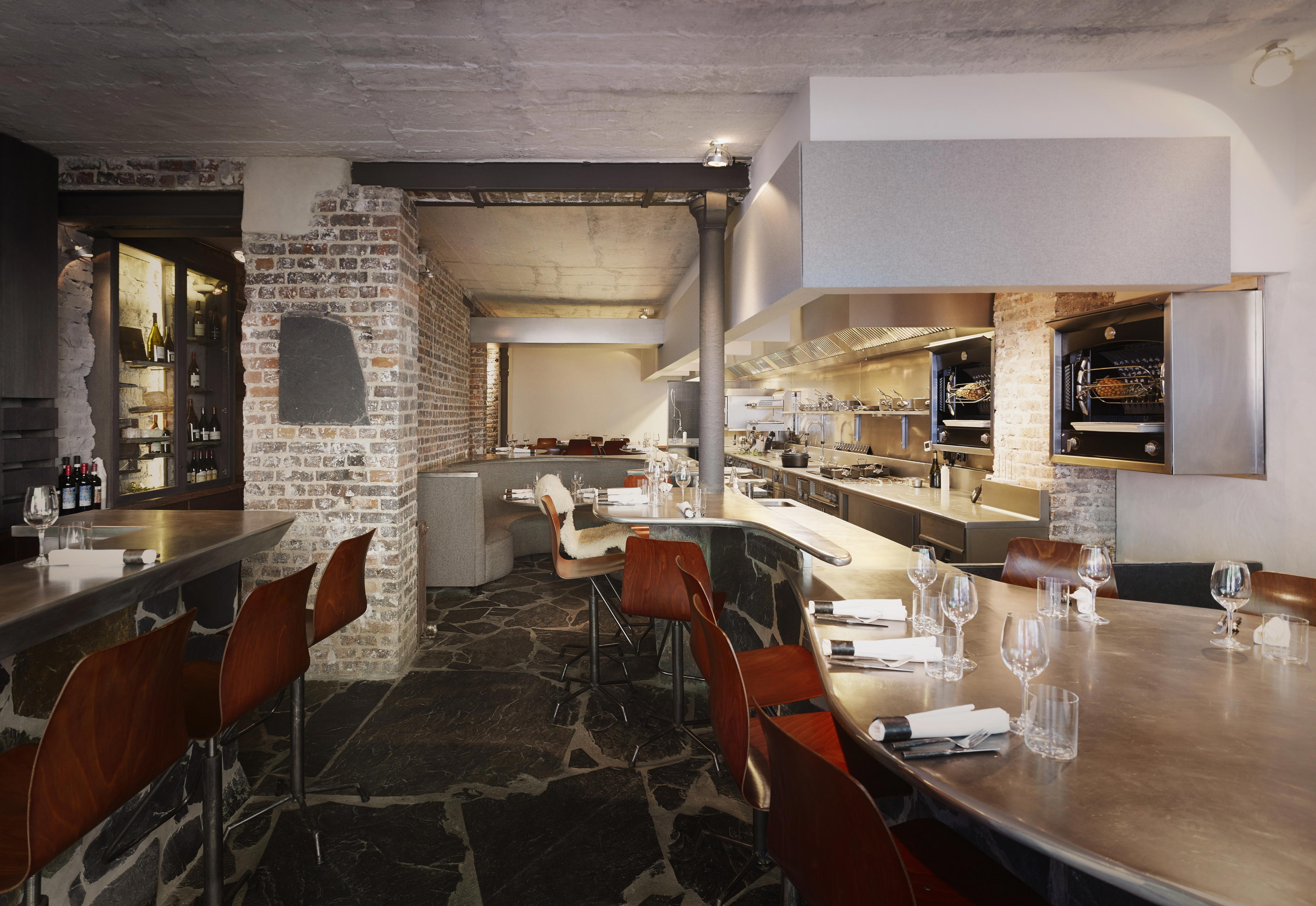
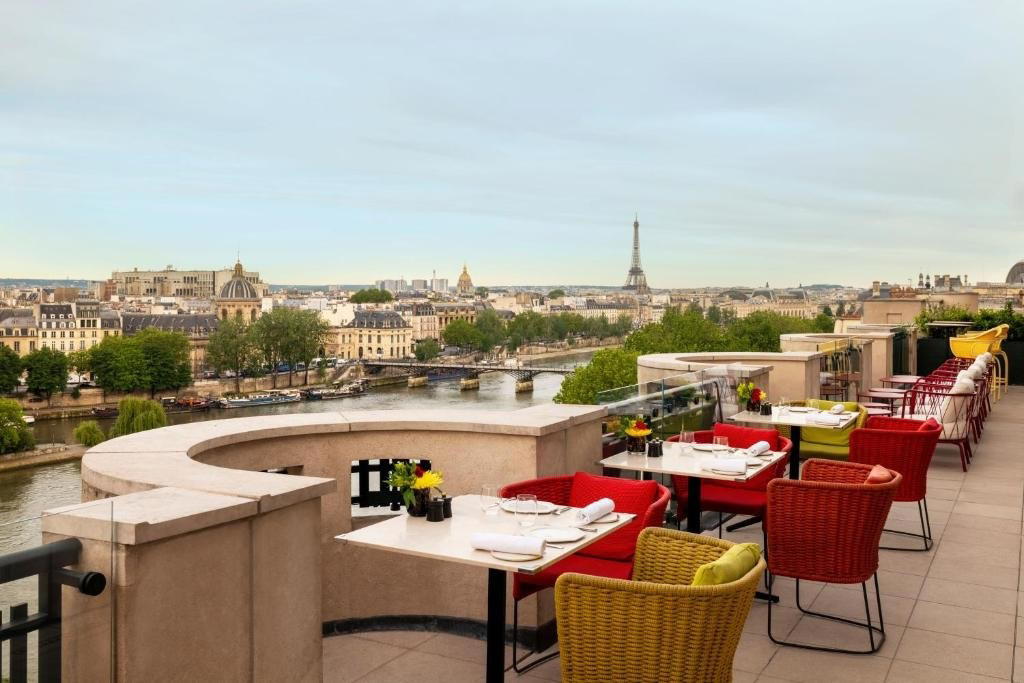
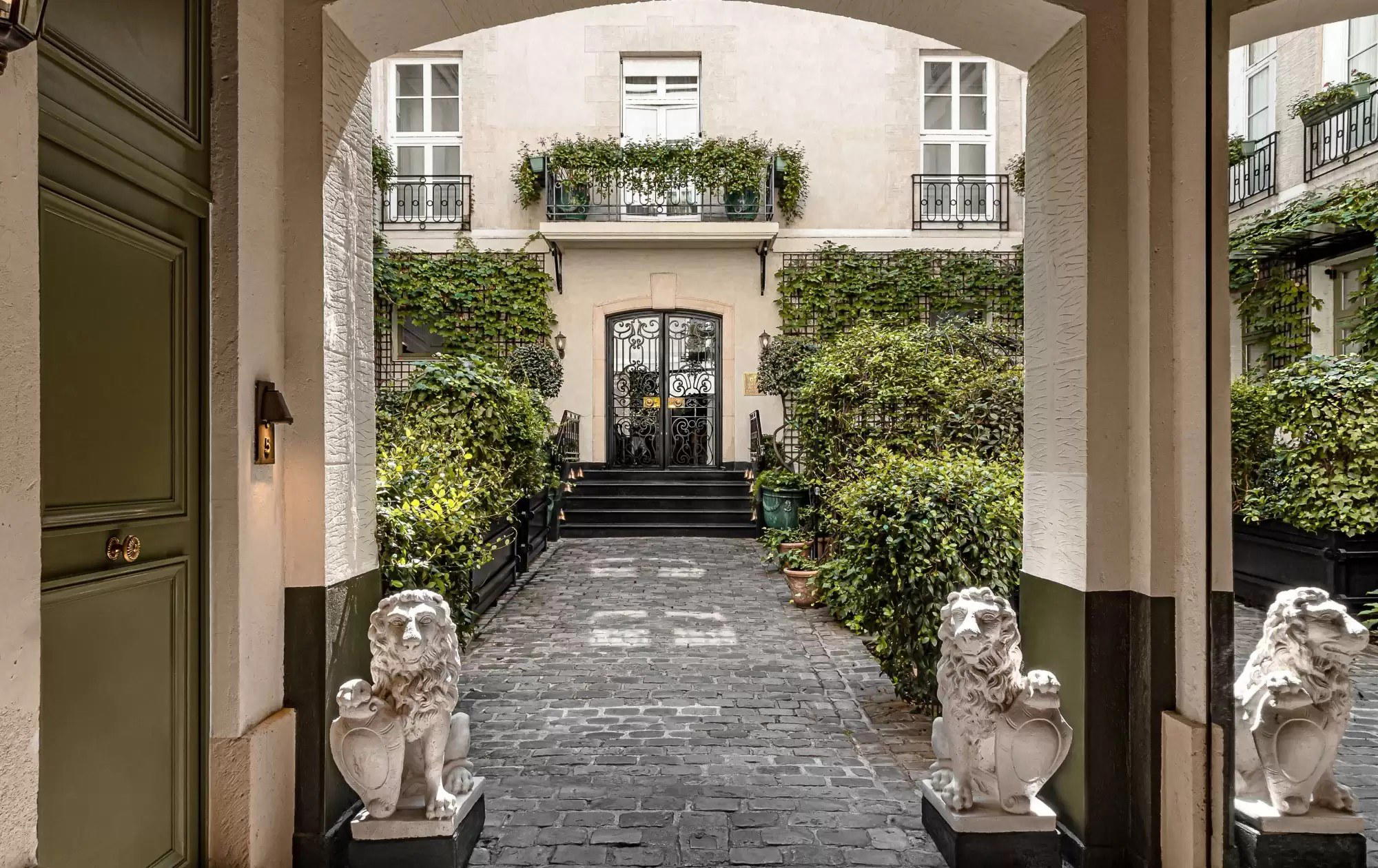
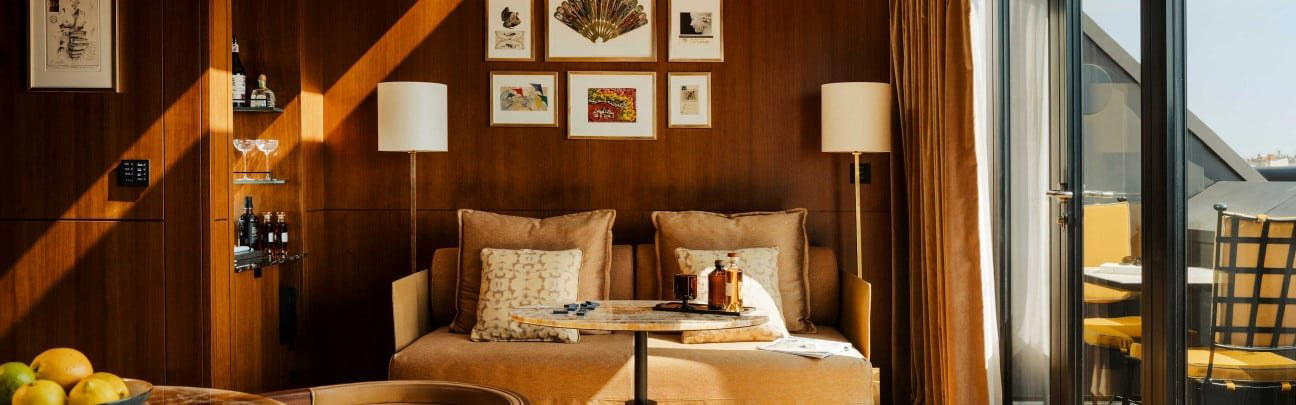
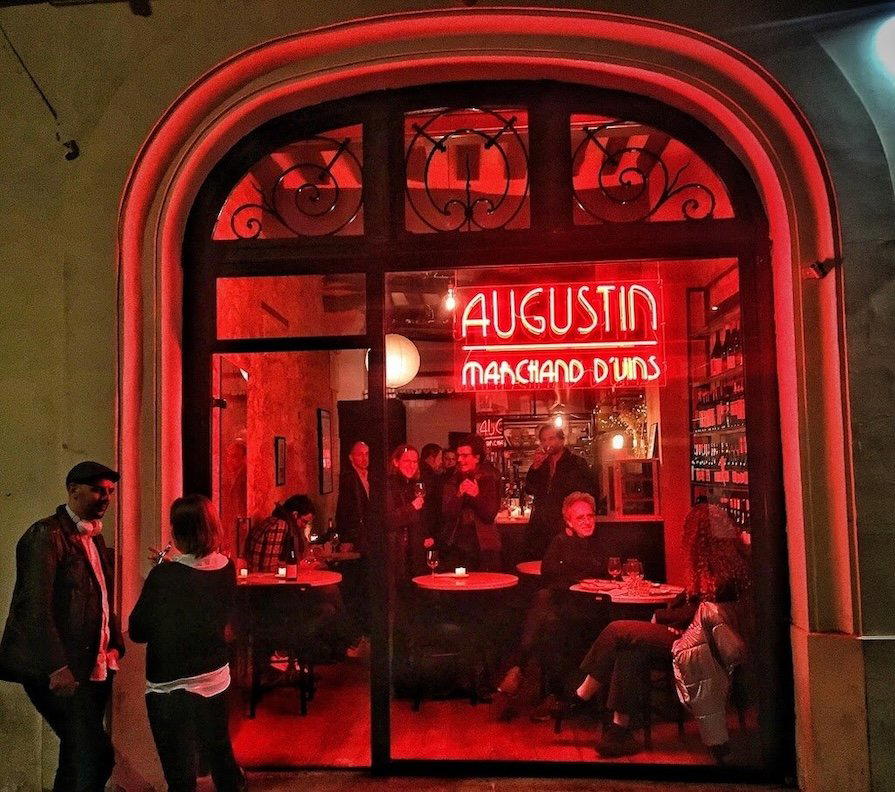
Scandinavian-inspired minimalist decor with exposed stone walls, scrubbed wooden bar, and floor-to-ceiling windows that open on warmer evenings. Relaxed and conversational on weekdays; energetic dance club atmosphere on weekends after midnight.