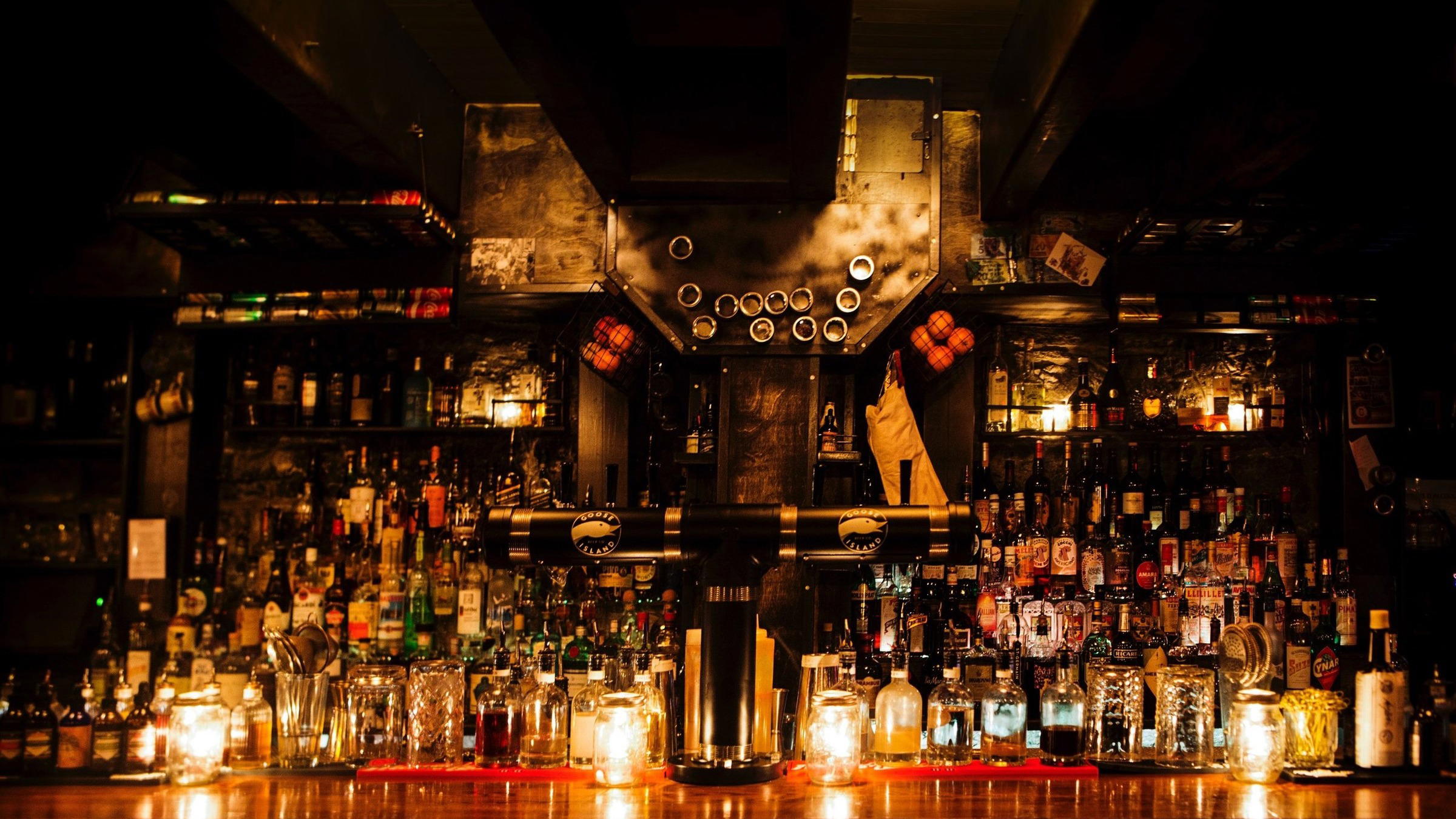
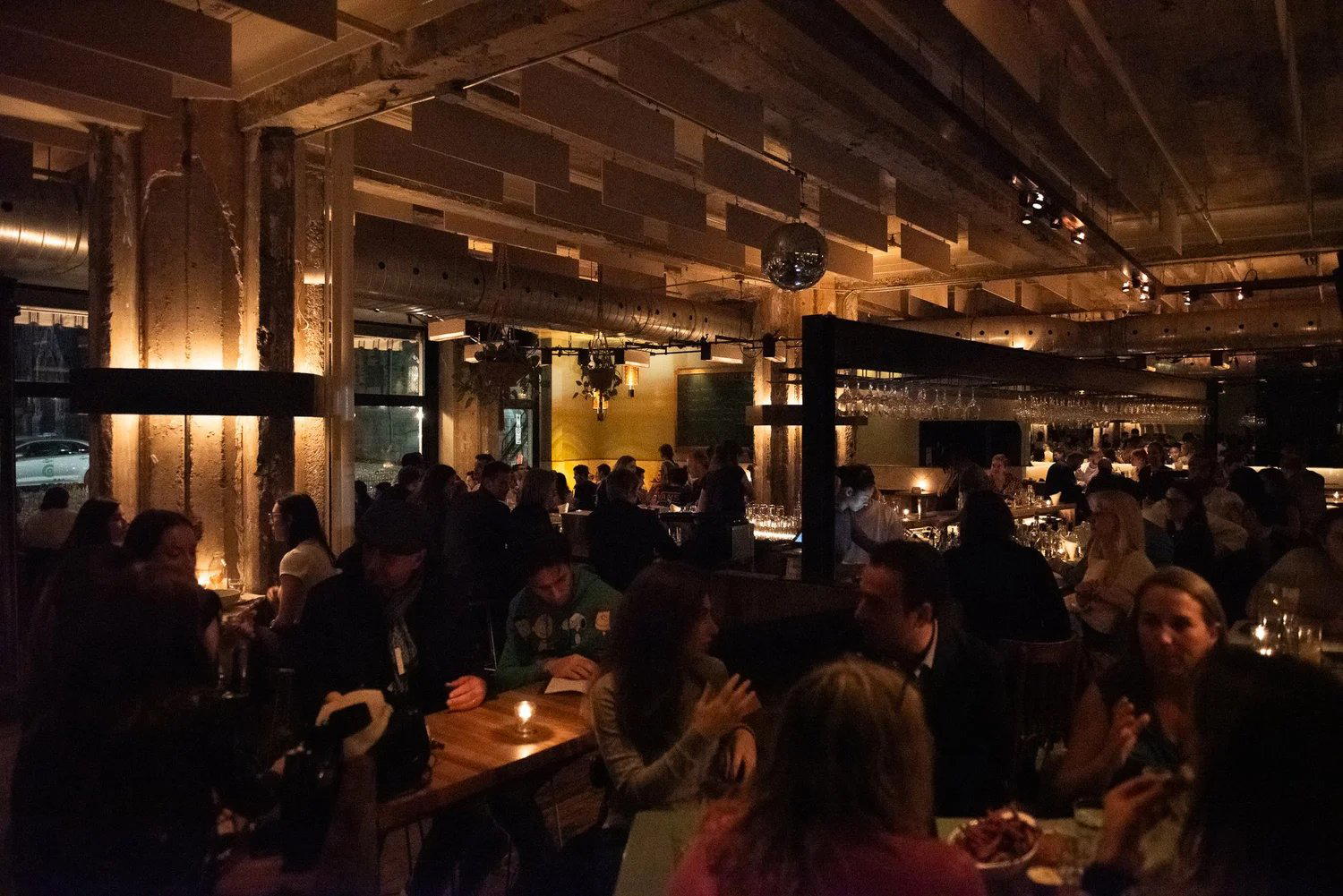
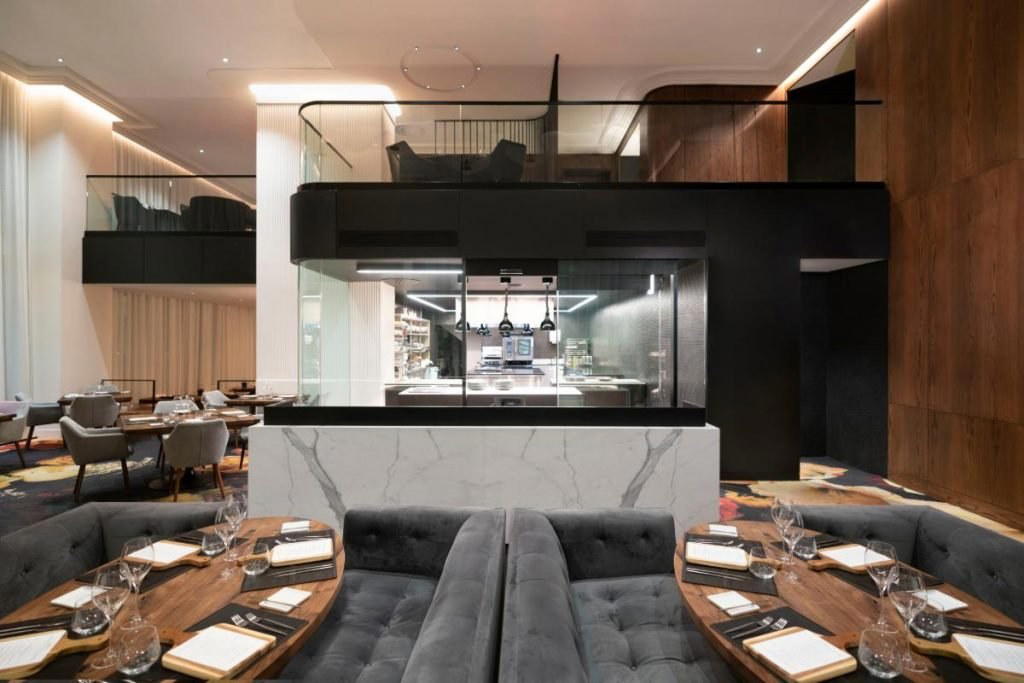
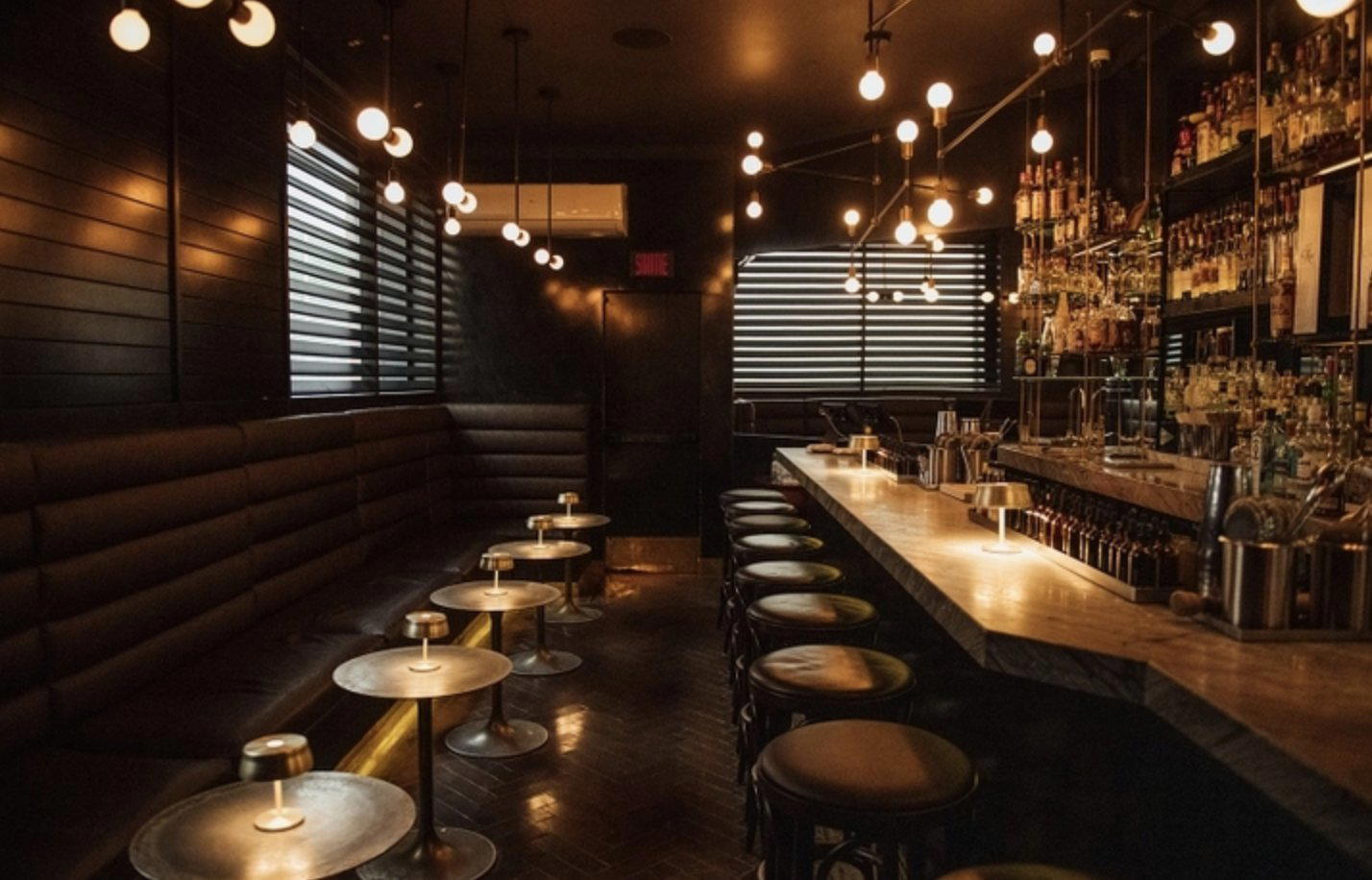
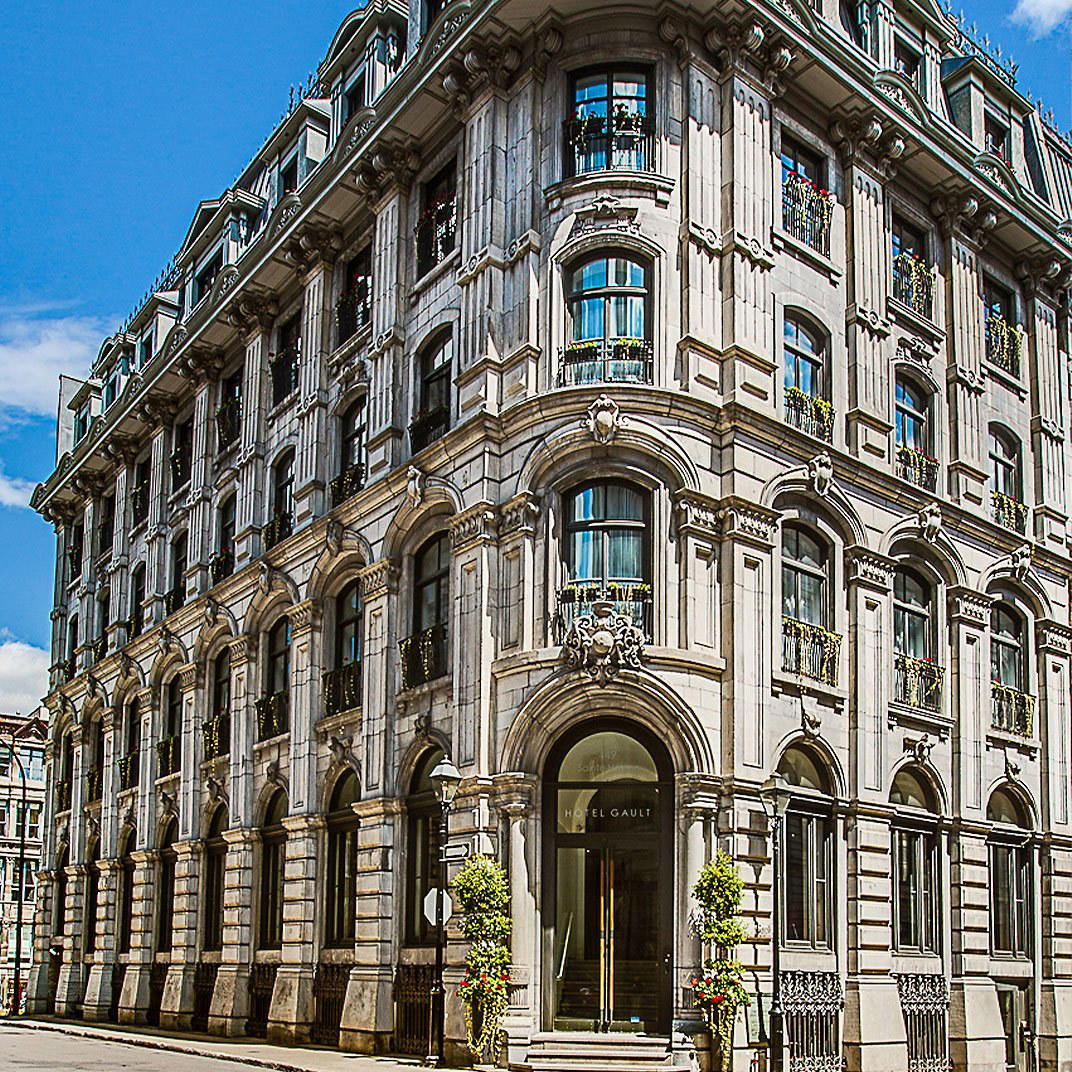
Flyjin occupies a dramatic Old Montreal address on Rue Saint-Pierre, where the neighbourhood's converted stone warehouses set the stage for one of the city's most atmosphere-forward venues. The space plays on contrast — raw heritage architecture against sleek, low-lit interiors — drawing a crowd that comes as much for the room as for what's in the glass. Reservations are advisable, particularly on weekends when the bar operates at full capacity.
Pearl is the En Primeur Club membership app — saves, bookings, and concierge access live there. Same editors, same standards.
- Address
- 417 Rue Saint-Pierre, Montréal, QC H2Y 2M4, Canada
- Phone
- +1 514 564 8881
- Website
- flyjinmtl.com
- Directions
- Get directions
 Saves & bookings on Pearl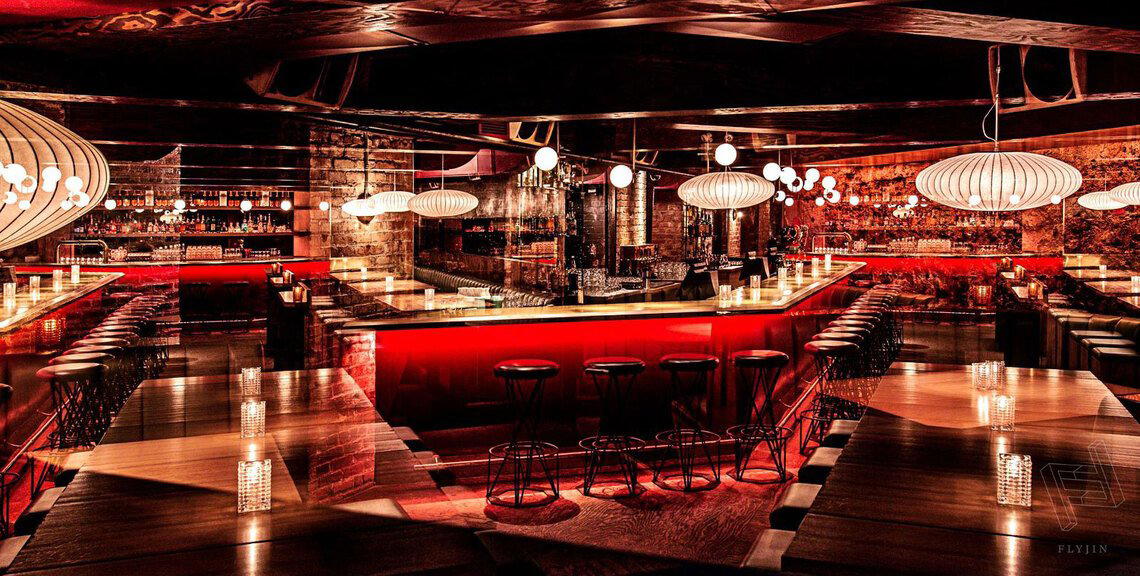
Old Montreal's Architecture of Mood
Old Montreal's Rue Saint-Pierre corridor has spent the last two decades shedding its warehouse-district identity in favour of something harder to categorise. The stone facades remain, the ceiling heights stay imposing, and the street-level light still arrives at an angle that makes everything feel slightly cinematic — but what fills those spaces now is less predictable than it once was. Flyjin sits at 417 Rue Saint-Pierre inside this tension, occupying a footprint where the bones of the building do significant atmospheric work before a single drink arrives.
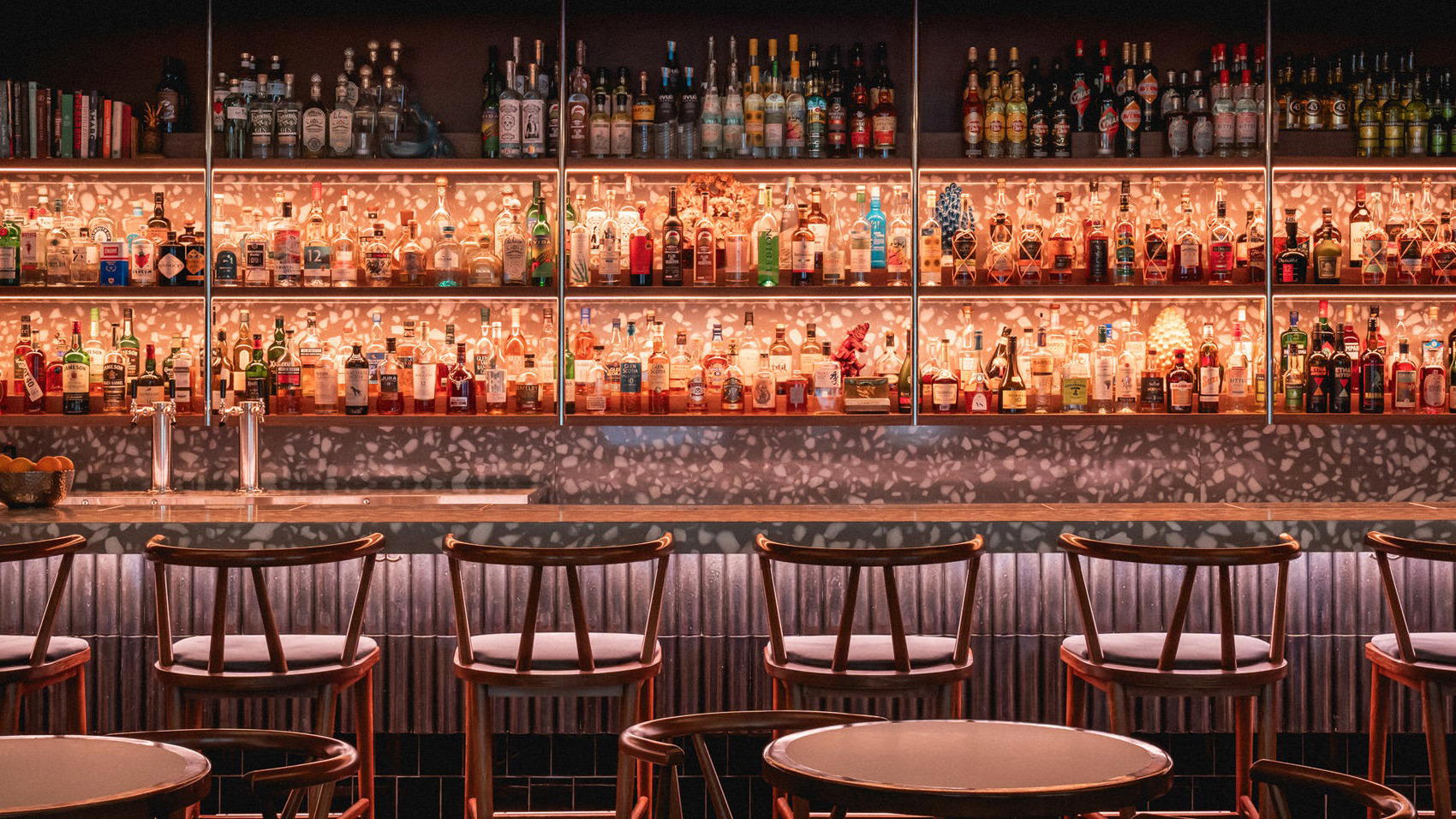
The design logic running through this part of Old Montreal tends to split between venues that lean into heritage and those that work against it. Flyjin reads as the latter: the interiors deploy darkness and contrast deliberately, letting the stripped industrial shell of the space read as backdrop rather than feature. Low lighting, close seating, and a sound profile calibrated for conversation-over-performance put it in the same register as other destination bars in the neighbourhood that prioritise density of mood over volume of spectacle.
The Room as the Argument
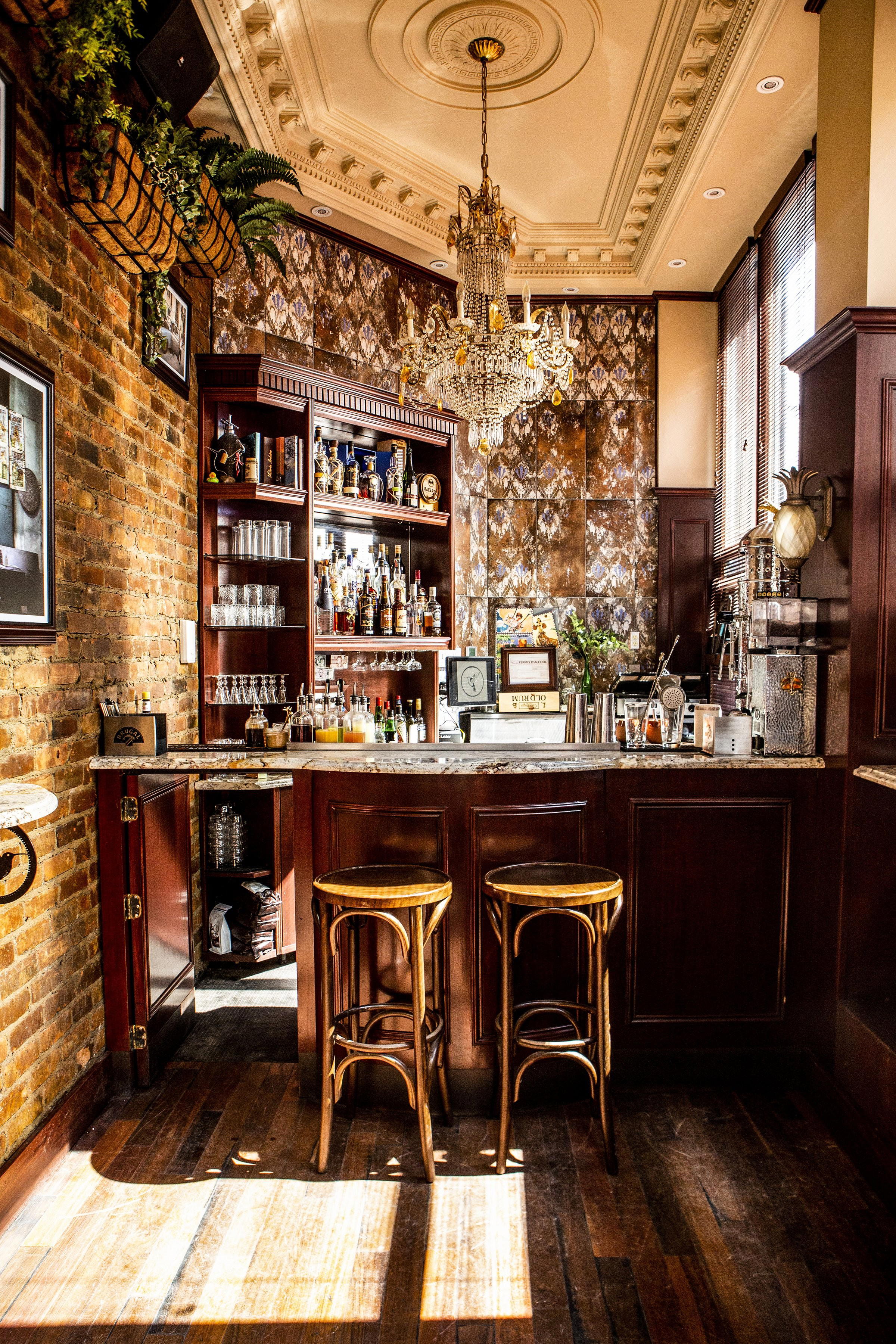
There is a category of bar that succeeds primarily because the physical space makes a coherent argument about how the evening should feel. Montreal has several of these — Cloakroom, which operates at the intimate end of the spectrum with a format built around personal attention, and Atwater Cocktail Club, which channels a different kind of considered energy, and Flyjin belongs to that cohort. The room is not incidental to the experience; it is the experience's primary frame.
What separates the stronger entries in this category from the merely stylish is whether the physical environment holds up over the course of a full evening. Spaces that rely on a single visual signature, an installation, a singular material, a statement bar back, tend to flatten as the night extends. The more durable approach layers multiple sensory registers: the temperature of the light, the proximity of tables, the way sound travels or doesn't. Rue Saint-Pierre's building stock, with its thick stone walls and asymmetric floor plates, provides raw material that is genuinely difficult to fake elsewhere in the city.
Where Flyjin Sits in Montreal's Drinking Scene
Montreal's bar scene has consolidated around a few legible tiers over the past decade. At one end, the neighbourhood cocktail bar has multiplied across the Plateau and Mile End, prioritising approachability and local sourcing. At the other end, a smaller set of destination venues in Old Montreal and downtown operate with higher price points, more deliberate design investment, and a draw that extends beyond immediate neighbourhood loyalty. Flyjin occupies the latter tier, drawing from across the city rather than serving a catchment radius.
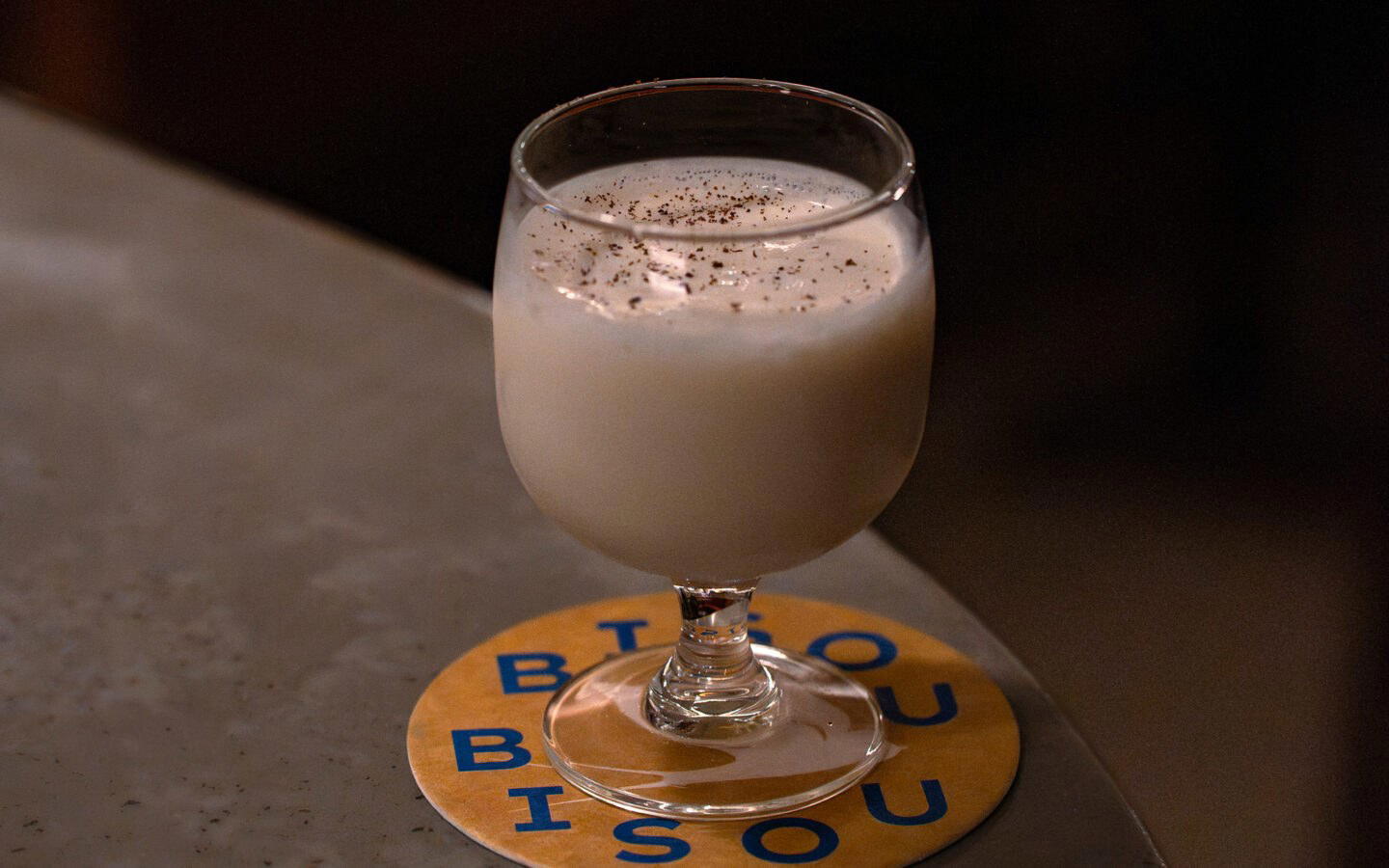
Within Old Montreal specifically, the competition is for a guest who has already decided to cross the canal or come from elsewhere in the city, which means the venue needs to justify the trip. The design-forward bars that have held their position in this neighbourhood over time, Bar Bello and Bar Bisou Bisou both operate in overlapping territory, tend to do so by maintaining a consistent atmosphere rather than cycling through trend-driven repositioning. Consistency of mood is a form of brand discipline that this part of the city's hospitality scene has learned, sometimes slowly, to respect.
Nationally, Montreal's design-led bar tier sits in a comparable position to the more technically oriented programs at Botanist Bar in Vancouver or the intimate-format focus of Bar Mordecai in Toronto, though the Montreal cohort tends to place more weight on spatial atmosphere relative to cocktail-program precision. That is not a diminishment, it reflects a different set of priorities that aligns with how the city's dining and drinking culture has historically positioned itself: pleasure first, rigour as servant to pleasure rather than its replacement. For reference points further afield, the low-capacity attentiveness of Bar Leather Apron in Honolulu or the destination logic of Bearfoot Bistro in Whistler show how atmosphere-forward venues operate when they're doing it correctly, the physical space earns the journey.
What to Drink, and How to Think About It
Old Montreal's better bars have moved past the phase where the cocktail list needed to announce itself through technical complexity for its own sake. The cleaner approach, now common across Humboldt Bar in Victoria, Missy's in Calgary, and Grecos in Kingston, is to let the drinks serve the room's register rather than compete with it. At a venue where atmosphere is the primary proposition, the drink program should reinforce rather than distract. Japanese-influenced spirits and low-intervention formats fit this logic: they tend toward restraint, they reward slow consumption, and they pair well with the kind of conversation that a well-designed room encourages.
What the venue's positioning on Rue Saint-Pierre does suggest is that the drinks list will have been assembled with the room's tone in mind. The safest approach for a first visit is to ask the bar team directly what format they're running, the answer will tell you more about whether the program is keeping pace with the design than any list description would.
Planning a Visit
Rue Saint-Pierre in Old Montreal is accessible from the Square-Victoria metro station, which puts the venue within a short walk of the station exit. Old Montreal's weekend foot traffic concentrates heavily on Friday and Saturday evenings, and the destination-bar tier in this neighbourhood operates at close to full capacity from around 9pm onward on those nights. A reservation or early arrival is the practical approach if the alternative is waiting at the door. Weeknight visits, particularly mid-week, tend to allow for a more settled experience of the room itself, which, given that the space is the primary argument, is worth considering.
For a fuller picture of how Flyjin sits within Montreal's wider dining and drinking circuit, see our full Montreal restaurants guide.
Pricing, Compared
| Venue | Price |
|---|---|
| FlyjinThis venue — the venue you are viewing | This venue |
| Atwater Cocktail Club | World's 50 Best |
| Bar Bello | World's 50 Best |
| Bar Bisou Bisou | World's 50 Best |
| Cloakroom | World's 50 Best |
| El Pequeño Bar | World's 50 Best |
At a Glance
- Trendy
- Lively
- Sophisticated
- Energetic
- Modern
- Late Night
- Group Outing
- Celebration
- Speakeasy
- Live Music
- Lounge Seating
- Booth Seating
- Private Rooms
- Craft Cocktails
- Sake
Current opening hours
- Monday
- Closed
- Tuesday
- Closed
- Wednesday
- 8 PM–3 AM
- Thursday
- 8 PM–3 AM
- Friday
- 8 PM–3 AM
- Saturday
- 8 PM–3 AM
- Sunday
- Closed
Hours can change for holidays and private events. Last verified .
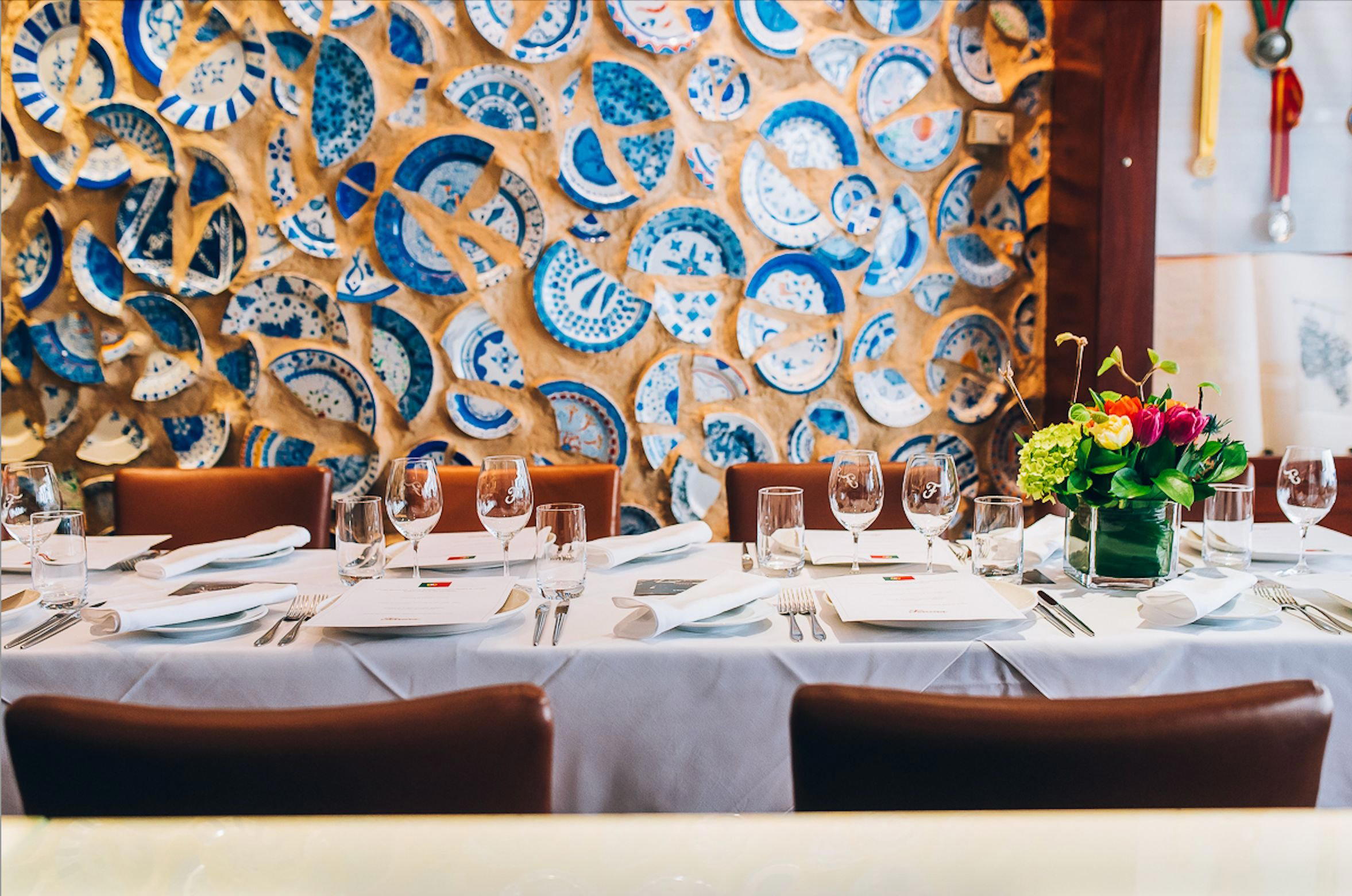
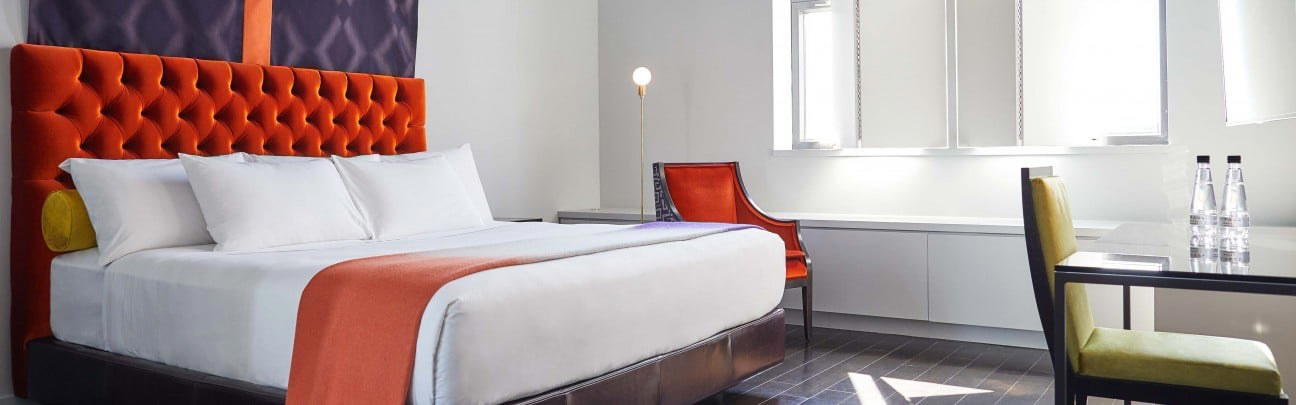
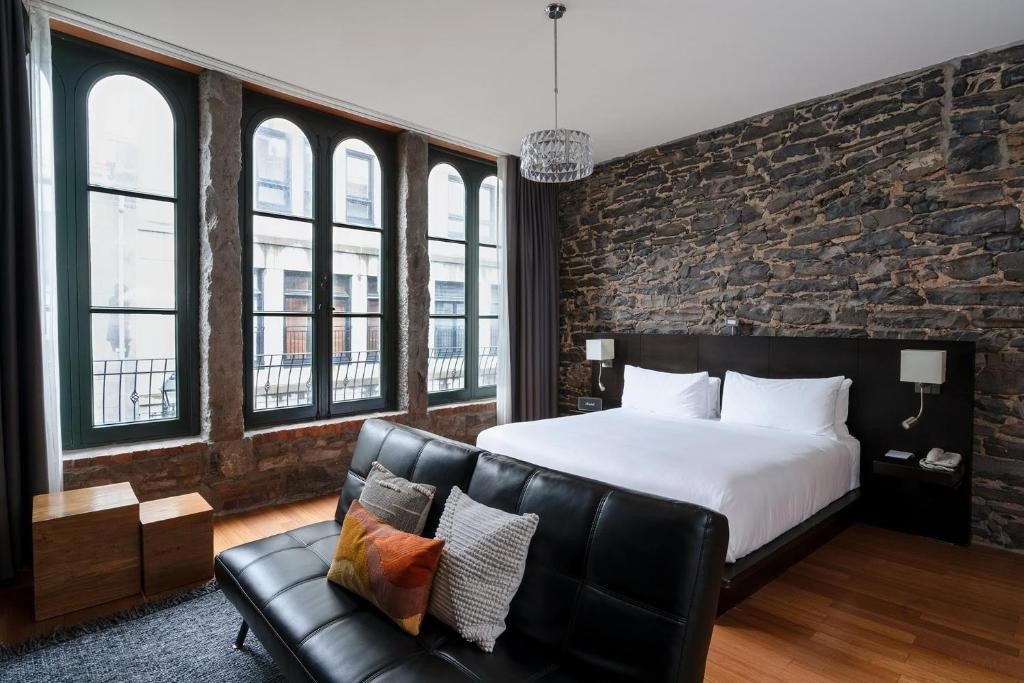
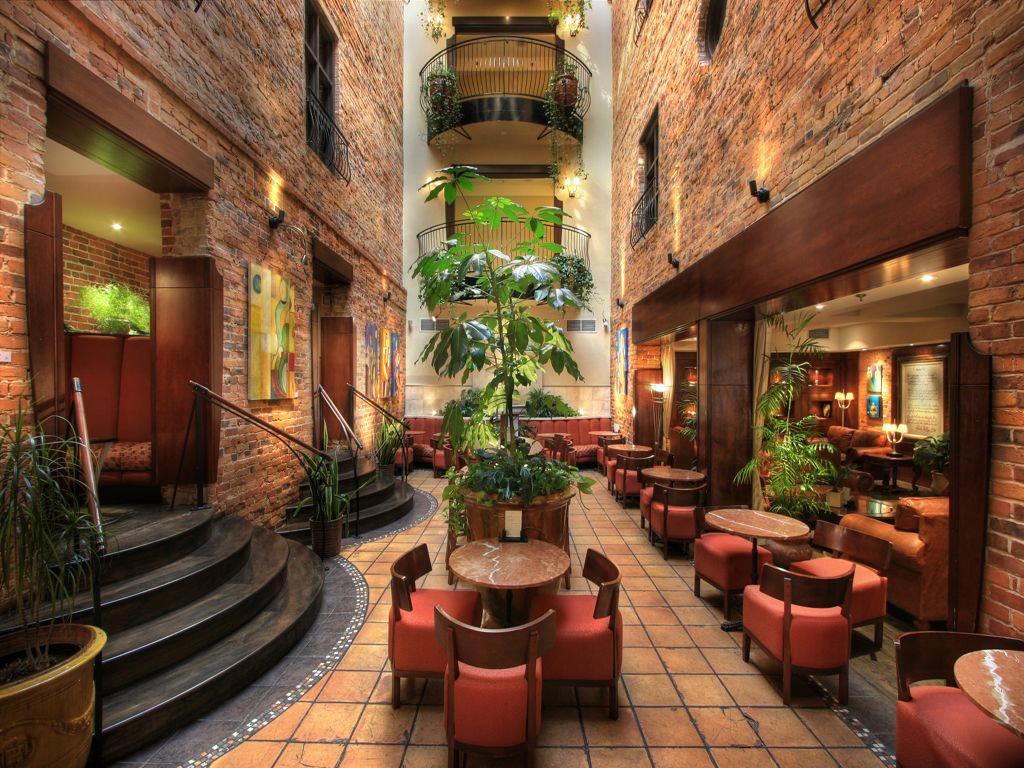
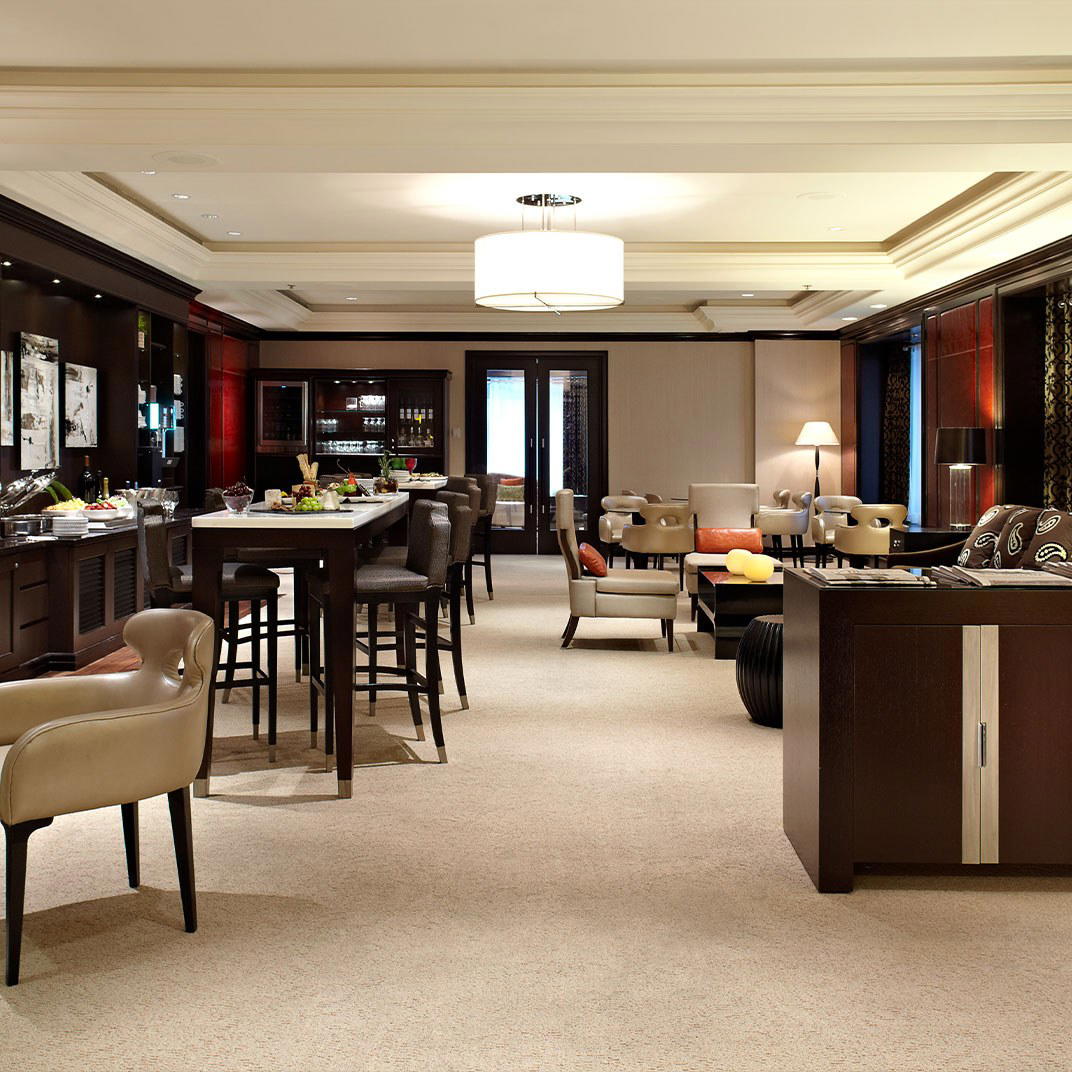
Low-lit with neon accents, bold murals, sleek modern interior evoking a mysterious and sophisticated speakeasy-izakaya atmosphere.
Know Before You Go
- Getting there
- 417 Rue Saint-Pierre, Montréal, QC H2Y 2M4, Canada