On the second floor of a Saint-Laurent Boulevard address in the heart of Montreal's Chinatown, Poincaré Chinatown occupies a corner of the city where French-Canadian and Chinese culinary traditions have shared the same block for generations. The venue sits above street level, removed from the foot traffic below, giving it a character distinct from the strip's ground-floor operations. For those mapping Montreal's dining scene, it anchors a neighbourhood worth understanding on its own terms.
Pearl is the En Primeur Club membership app — saves, bookings, and concierge access live there. Same editors, same standards.
- Address
- 1071 Boul. Saint-Laurent 2e étage, Montreal, Quebec H2Z 1J6, Canada
- Website
- poincarechinatown.com
- Directions
- Get directions
 Saves & bookings on Pearl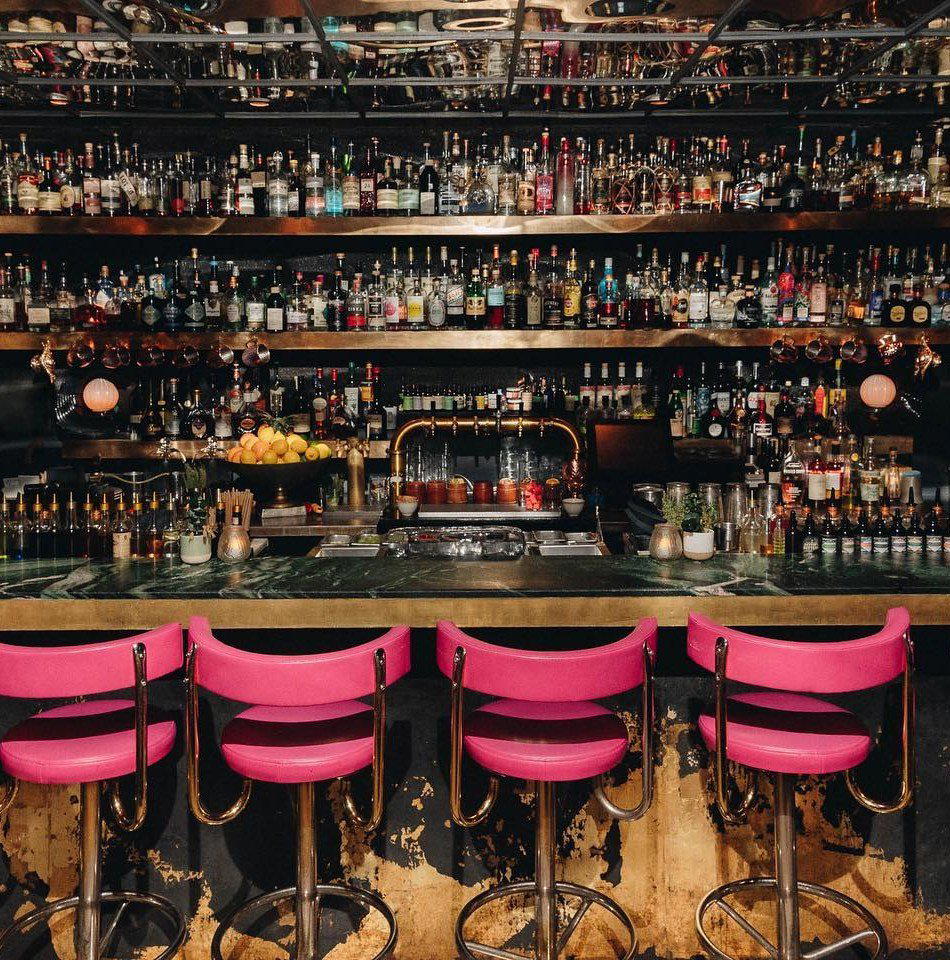
Above the Boulevard: Chinatown's Second Storey
Montreal's Chinatown is a compact district, running a few blocks along Saint-Laurent and spilling onto de la Gauchetière, but its density is deceptive. The neighbourhood has operated as a working food district for well over a century, long before the current generation of Québécois restaurants started citing Asian technique as influence. Most of the serious eating happens at street level, in rooms that prioritise turnover and volume. The second-floor address at 1071 Boul. Saint-Laurent places Poincaré Chinatown above that rhythm, in a position that draws a different kind of visitor: one who climbs stairs with some intention rather than wandering in off the pavement.
That physical remove matters more than it might seem. In a neighbourhood where the ground-floor operations compete on visibility and price signalling through laminated menus in the window, a second-floor room sets its own terms. The street noise is present but muted. The view down onto Saint-Laurent, one of the city's defining north-south arteries, gives a different orientation to the meal. This is a pattern seen in other dense urban food districts across North America: the more considered operators tend to take the stairs.
Where Chinatown Sits in Montreal's Dining Map
Montreal's dining identity is most commonly framed through its French bistro tradition, its smoked meat institutions, and a newer wave of tasting-menu restaurants that have attracted international attention over the past decade. Chinatown operates somewhat apart from those narratives, functioning as a neighbourhood with its own internal logic around value, communal eating, and produce sourcing. The leading rooms here are not chasing Michelin recognition or the kind of press that fills a reservation queue from out of town. They are serving a community that has been eating in the district for generations, alongside a growing number of curious Montrealers from other neighbourhoods who have learned to cross the tourist-heavy surface layer.
For context on how Montreal's bar and cocktail scene has developed in adjacent areas, venues like Atwater Cocktail Club, Bar Bello, Bar Bisou Bisou, and Cloakroom represent the city's technically serious drinking culture in other quarters. Chinatown runs a parallel track, where the drinks are secondary to the food and the sourcing logic is dictated by proximity to the district's own wholesale suppliers rather than by cocktail programme ambitions.
Ingredient Geography: What Chinatown's Supply Chain Actually Means
The editorial angle on any Chinatown operation worth attention is rarely the menu on paper, it is the supply chain behind it. Montreal's Chinatown has long maintained its own produce infrastructure, with suppliers on and around the strip stocking vegetables, aromatics, and proteins that do not move through the mainstream Quebec wholesale system. Bitter melon, galangal, fresh water chestnuts, and specific cuts of pork and duck that are trimmed and prepared according to Chinese culinary standards rather than French butchery conventions: these are available in the district at a density not found elsewhere in the city.
Any kitchen operating in this location has access to that supply chain as a practical matter of geography. The sourcing decisions are not a marketing position, they are the default condition of cooking in this neighbourhood. What separates the serious operations from the perfunctory ones is what they do with that access: whether the kitchen treats proximity to fresh, culturally specific produce as a baseline or as a competitive tool. The distinction shows in the food, even if it never appears on a menu description.
This is the structural advantage that operators in Montreal's Chinatown hold over ostensibly similar cuisines served elsewhere in the city, where Chinese-inflected ingredients must be sourced at greater remove from their supply point. The freshness differential on items like fresh tofu, live seafood, and specific leafy greens is not trivial, and it compounds across a meal.
Seasonal Timing and When to Go
Montreal's Chinatown operates across all four seasons but hits a particular intensity in late summer and early autumn, when the city's outdoor markets are at peak supply and the district's own vendors are stocked with warm-weather produce: long beans, bitter melon, fresh ginger root, and the seasonal seafood that moves through the area's fish supply networks. The Lunar New Year period, typically spanning late January into February, brings a different kind of energy: higher foot traffic, festive preparations in the street, and menus that skew toward celebratory formats including whole fish presentations and specific dim sum items that do not appear year-round.
Spring and early summer are the quieter entry points for a first visit: the tourist volumes that accumulate in July and August are not yet present, the weather makes the walk from the nearest metro stations (Place-d'Armes and Saint-Laurent on Line 2 are the closest options) direct, and the neighbourhood's working character is more visible without the weekend crowds on de la Gauchetière.
Poincaré Chinatown in the Canadian Context
Montreal's food culture is often compared within Canada to Toronto and Vancouver, both of which have substantially larger Chinese-Canadian populations and correspondingly larger Chinatown infrastructure. Toronto's Chinatown network, spread across multiple neighbourhoods including Spadina and Scarborough, offers greater variety and specialisation by region of Chinese cuisine. Vancouver's Richmond district is widely considered the reference point for Cantonese and Hong Kong-style cooking in North America. Montreal's Chinatown operates at a smaller scale than either, which means fewer options but also a more concentrated sense of the neighbourhood as a distinct place rather than a dispersed culinary category.
For those building a comparative picture of Canadian drinking and hospitality culture beyond Montreal, venues worth referencing include Bar Mordecai in Toronto, Botanist Bar in Vancouver, Humboldt Bar in Victoria, Missy's in Calgary, Bearfoot Bistro in Whistler, and Grecos in Kingston. For a wider international frame, Bar Leather Apron in Honolulu represents the kind of serious bar programme now appearing in cities where Pacific-facing food culture intersects with craft spirits traditions.
For a fuller account of where Poincaré Chinatown sits within Montreal's overall dining and hospitality map, see our full Montreal restaurants guide, which covers the city's major neighbourhoods and dining categories with the same level of editorial specificity applied here.
Planning a Visit
The address is 1071 Boul. Saint-Laurent, second floor, in the heart of the Chinatown district. The second-floor location means first-time visitors should look for building access rather than a ground-floor frontage. The neighbourhood itself rewards time on foot regardless: the blocks immediately surrounding the address include the district's wholesale produce vendors, bakeries, and the pedestrian stretch of de la Gauchetière that gives the clearest sense of Chinatown's density as a food district.
Comparable Spots
Comparable venues nearby, for context on price, style, and recognition.
| Venue | Cuisine | Price | Notes |
|---|---|---|---|
| Poincaré ChinatownThis venue — the venue you are viewing | pub | $$ | Not listed |
| Vin Mon Lapin | wine_bar | $$ | District de Saint-Édouard |
| Milky Way Cocktail Bar | cocktail_bar | $$ | Point-Saint-Charles |
| Bar Numero | cocktail_bar | $$ | Little Italy |
| Bar Chez Baptiste | pub | $$ | Parc-Laurier |
| BAR - Big in Japan | speakeasy | $$$ | Saint-Louis |
At a Glance
- Trendy
- Lively
- Industrial
- Bohemian
- After Work
- Late Night
- Group Outing
- Casual Hangout
- Rooftop
- Terrace
- Garden
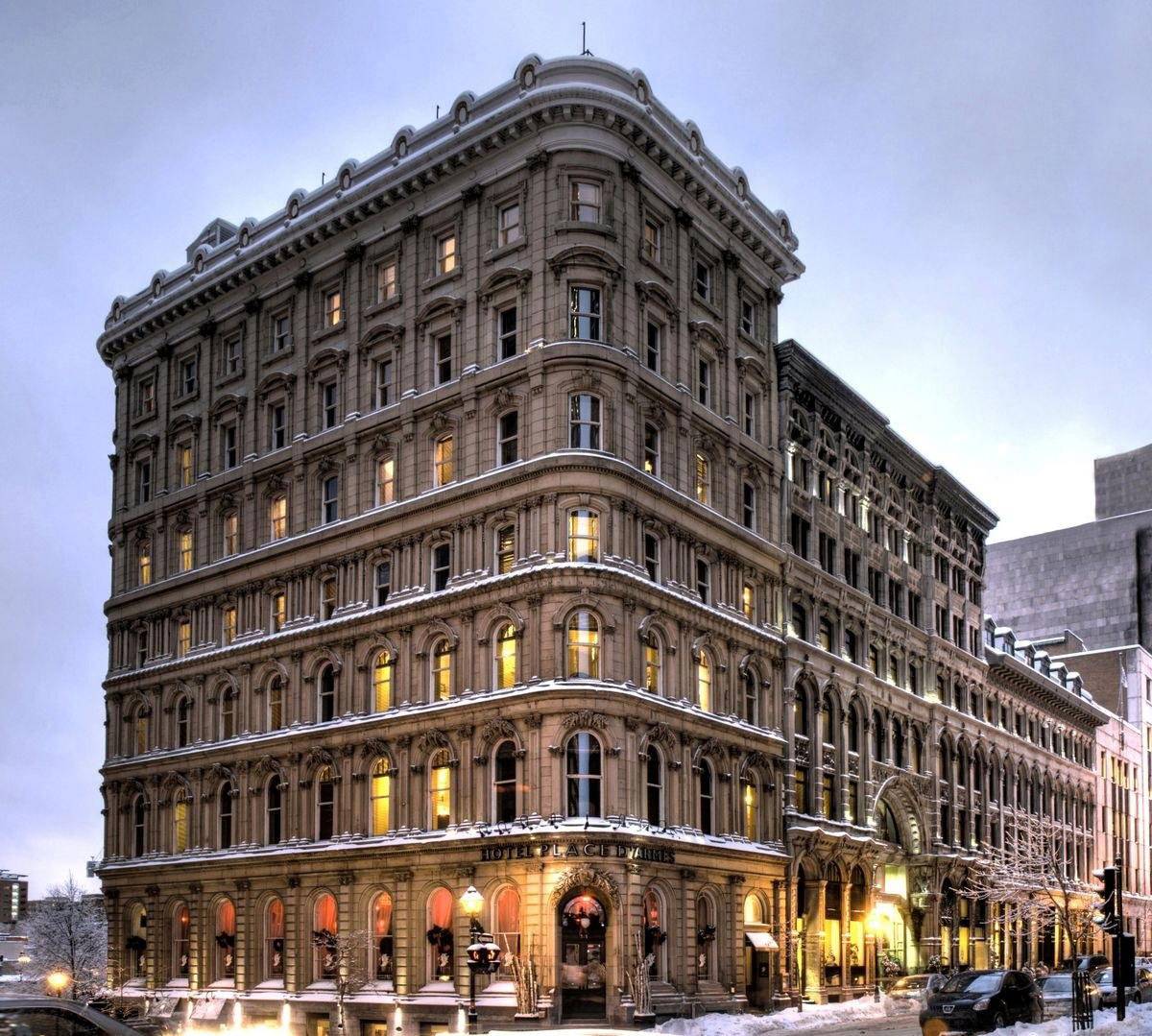
- Historic Building
- Design Destination
- Standalone
- Seated Bar
- Lounge Seating
- Outdoor Terrace
- Communal Tables
- Craft Cocktails
- Natural Wine
- Craft Beer
- Low Abv
- Garden
- Street Scene
Current opening hours
- Monday
- 4 PM–12 AM
- Tuesday
- 4 PM–12 AM
- Wednesday
- 4 PM–12 AM
- Thursday
- 4 PM–1 AM
- Friday
- 4 PM–2 AM
- Saturday
- 4 PM–2 AM
- Sunday
- 4 PM–12 AM
Hours can change for holidays and private events. Last verified .
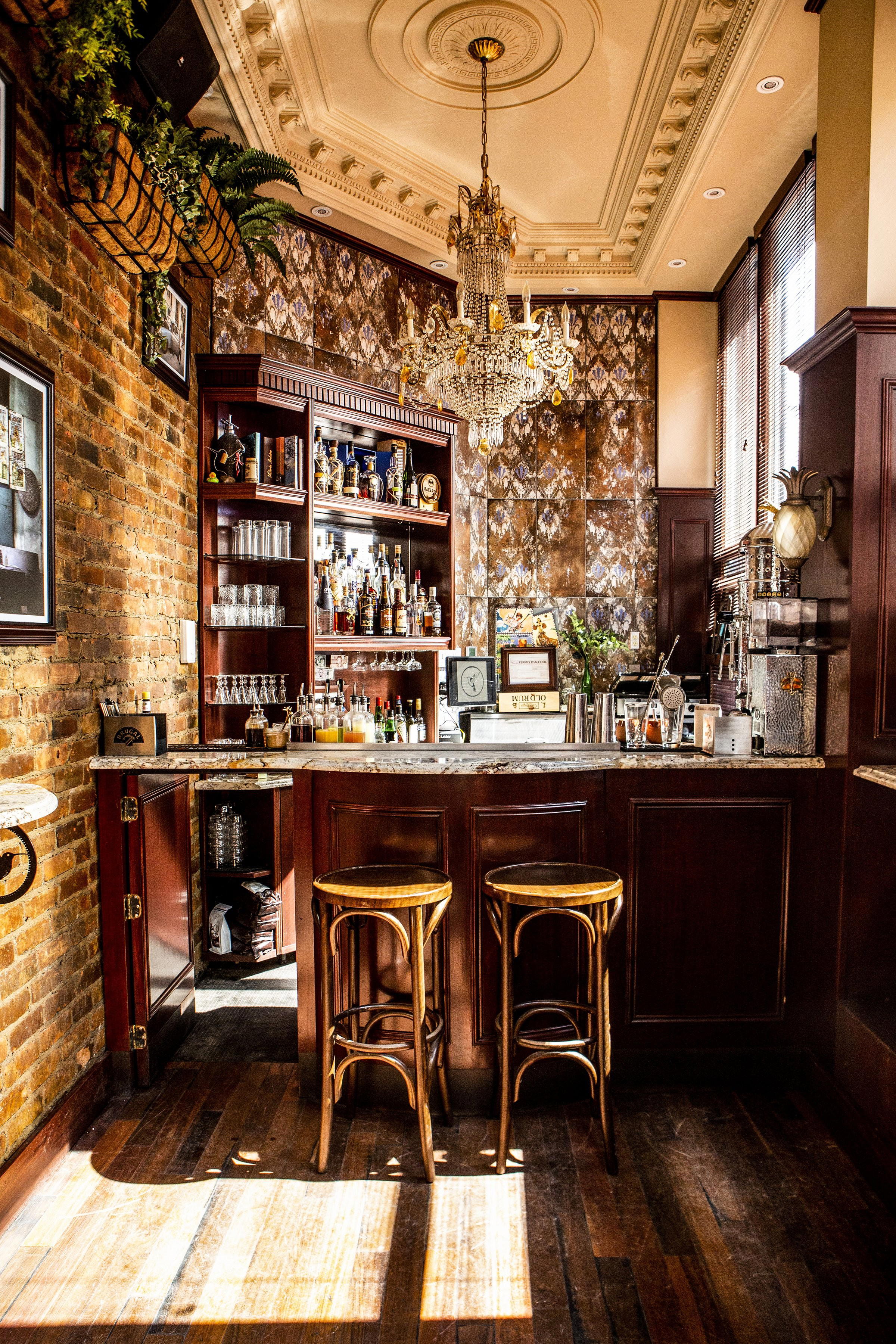
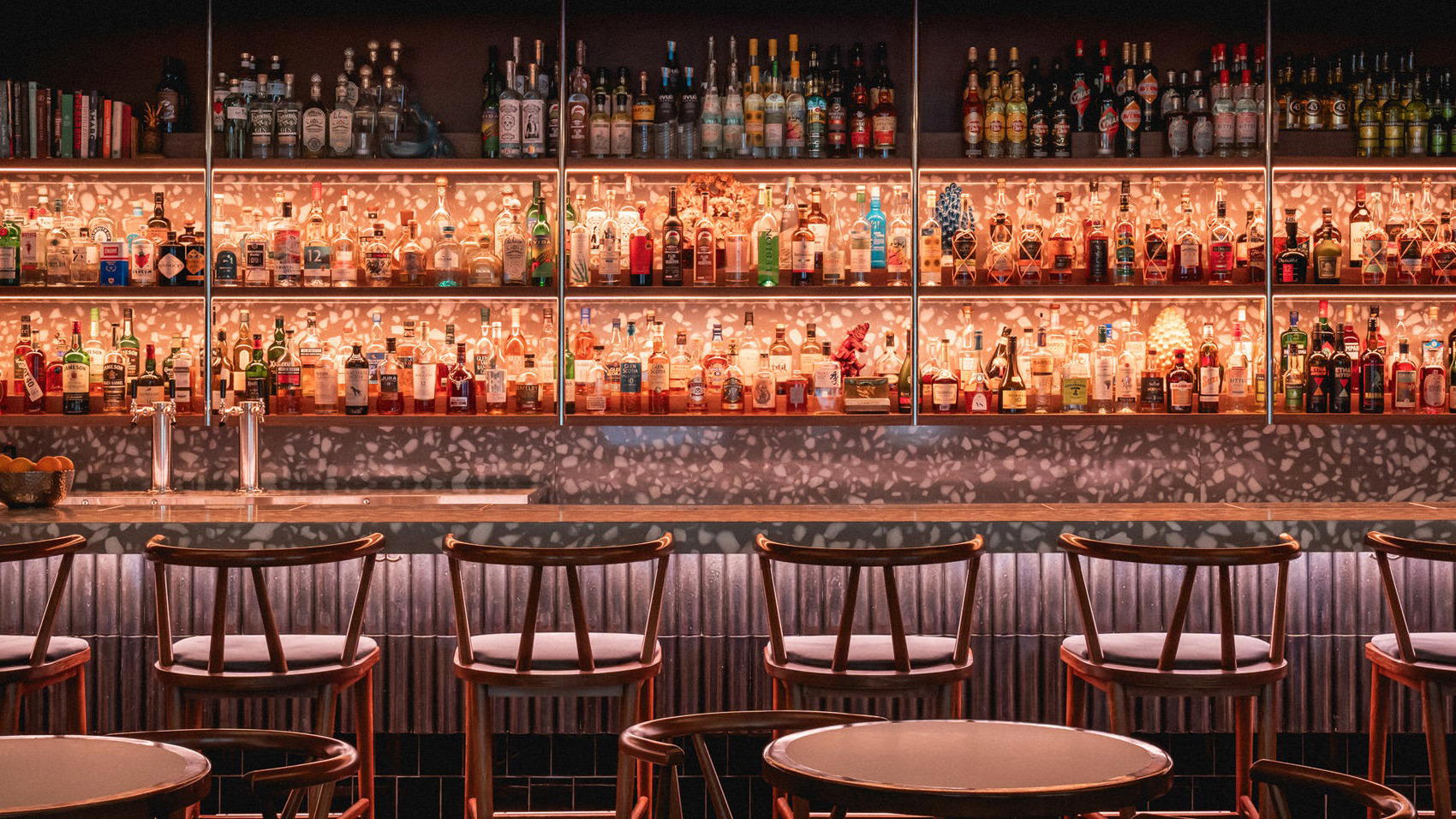
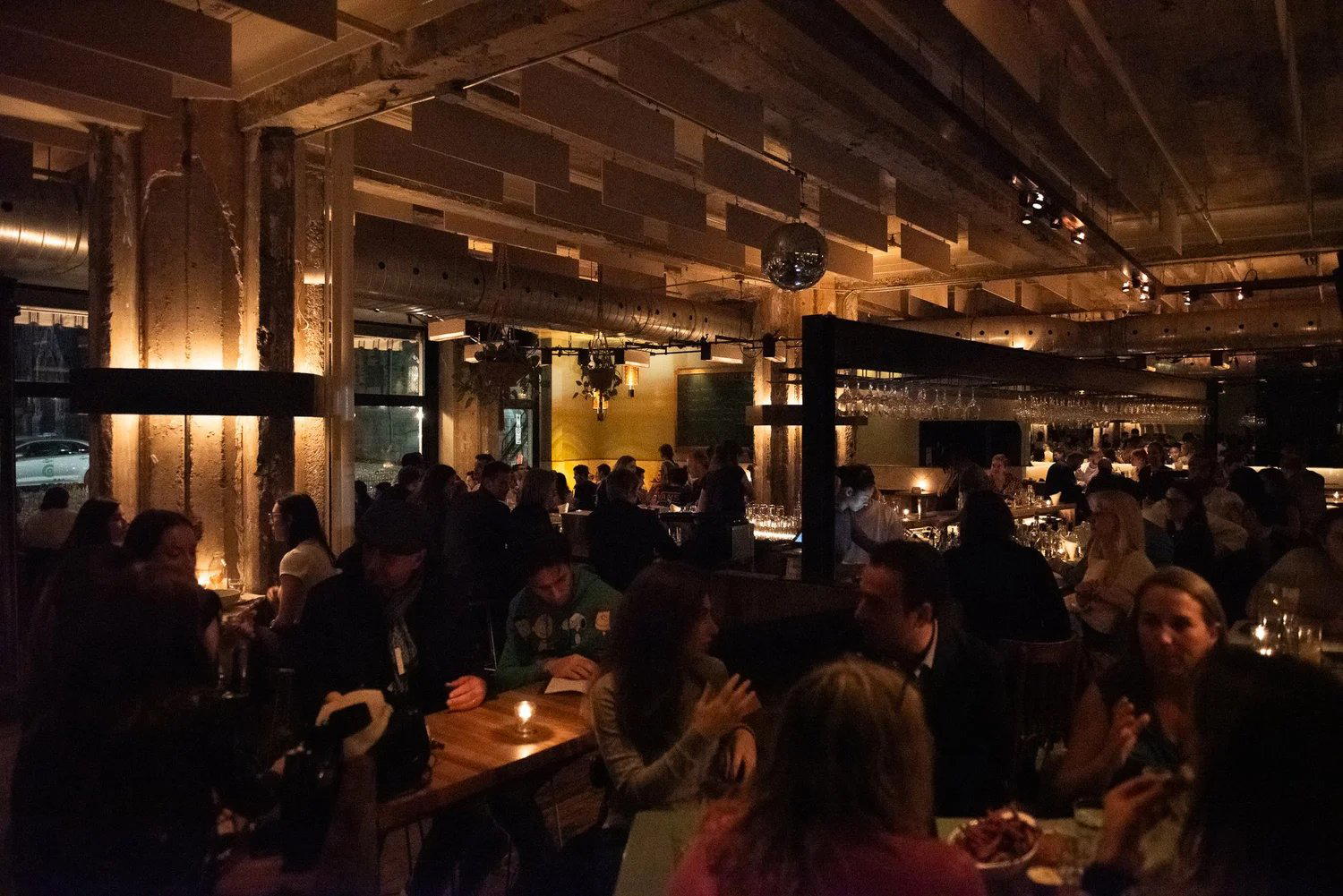
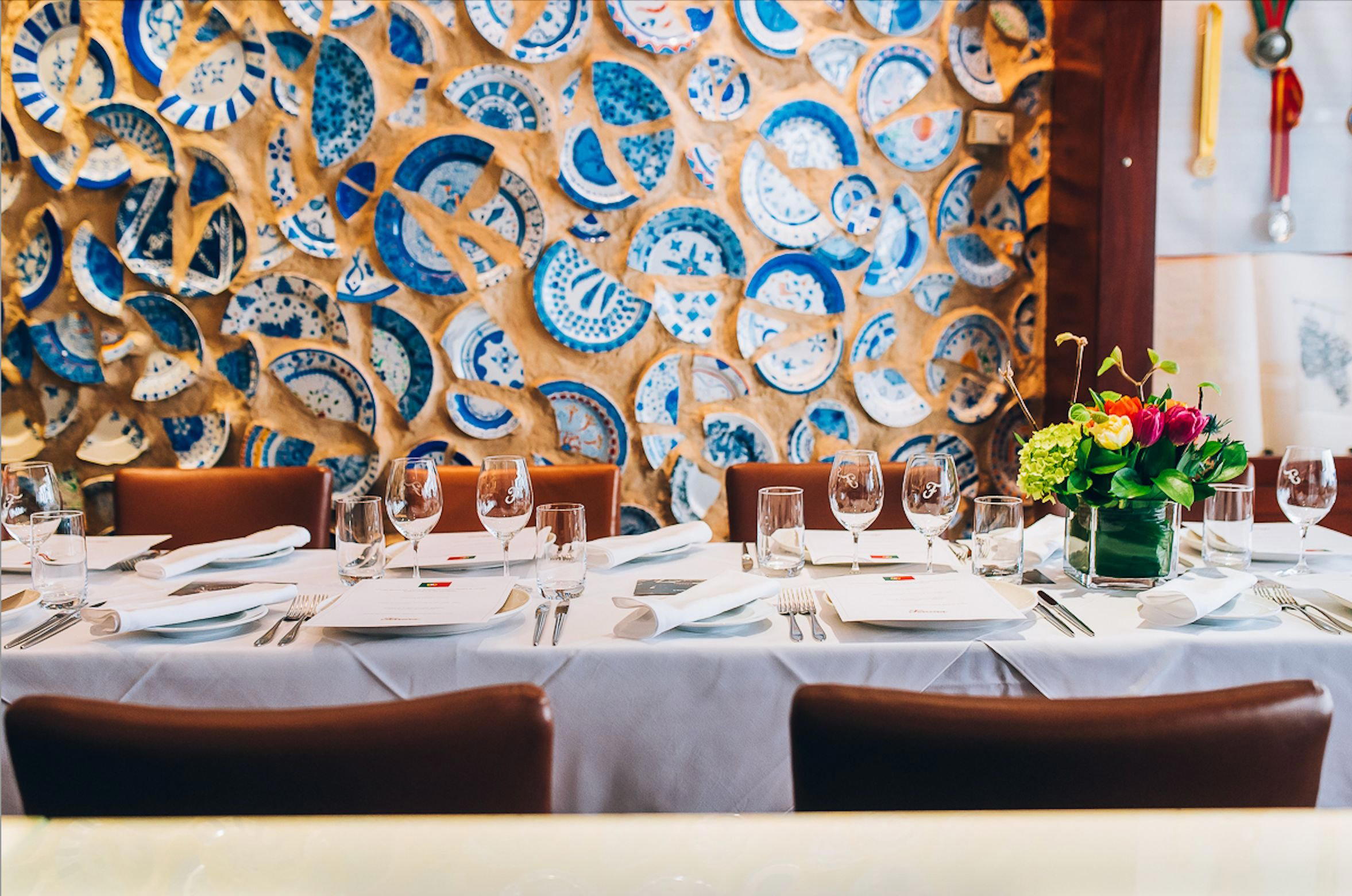
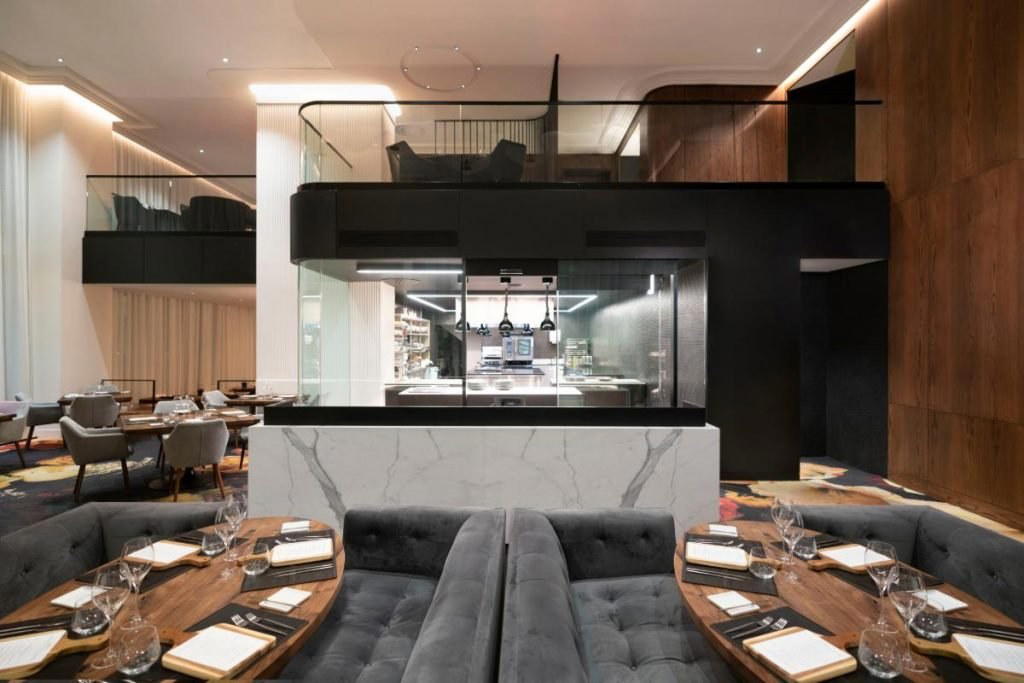
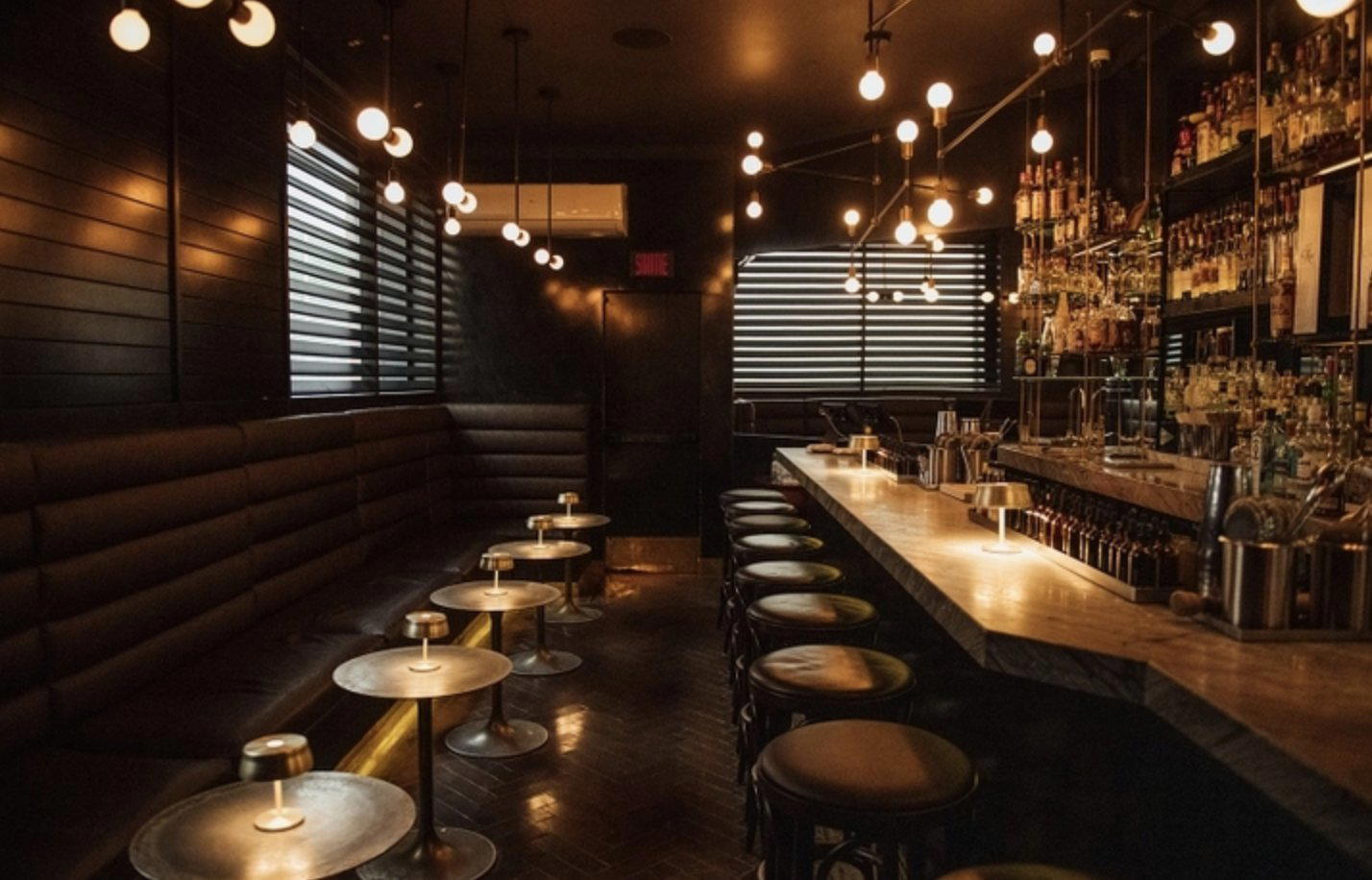
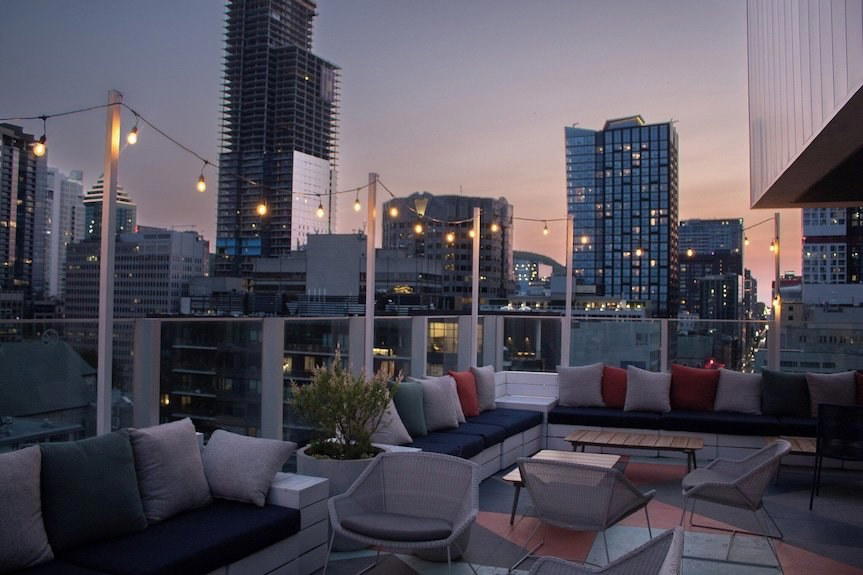
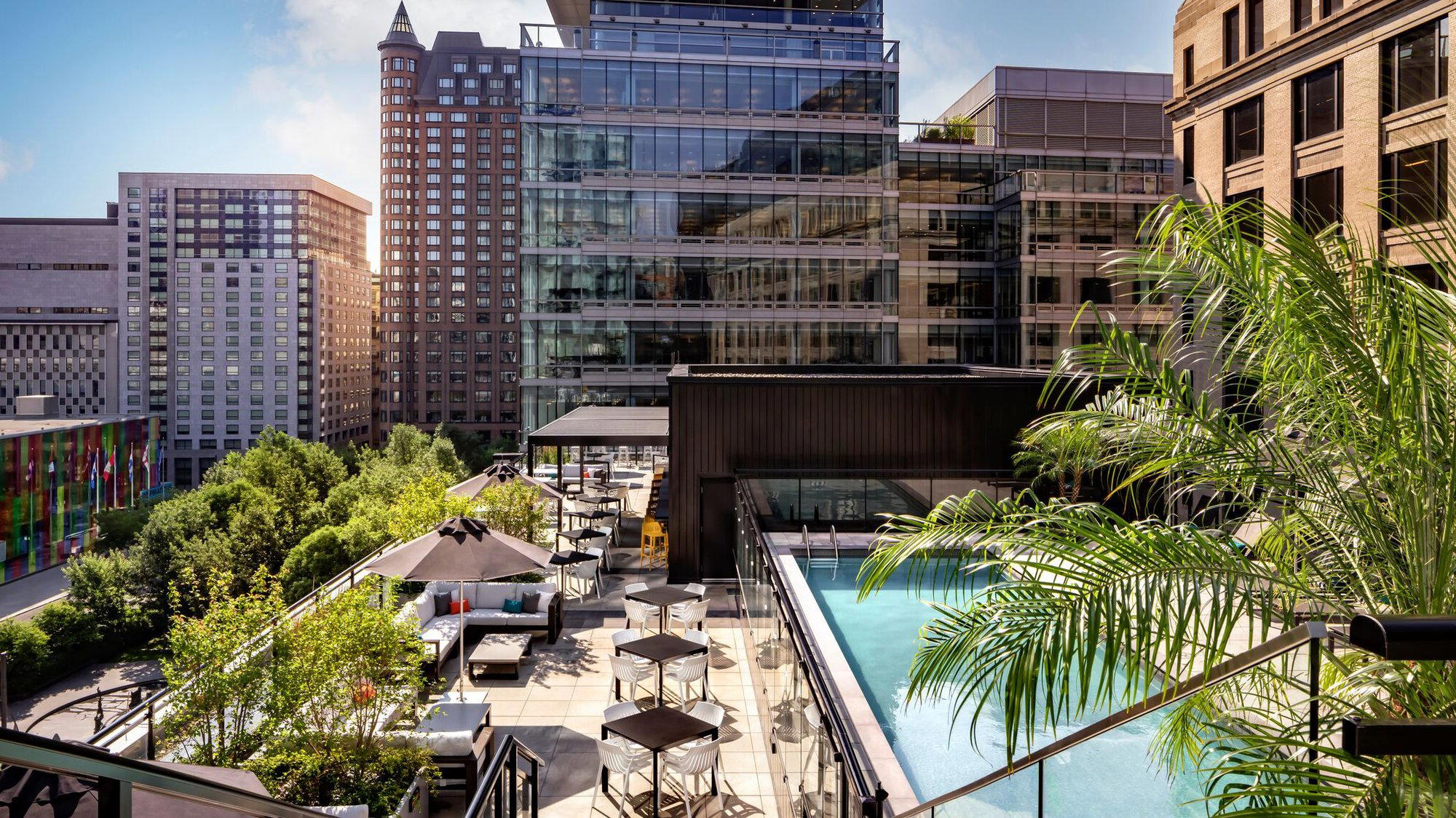
Warm, energetic, and welcoming with industrial design elements, lush rooftop garden, and a thoughtful blend of modern and neighborhood-inspired aesthetics.