This listing is retired after a June 2026 status audit found the place inactive at its stored address.
- Address
- 4427 Saint Denis St, Montreal, Quebec H2J 2L2, Canada
- Phone
- +1 514 434 6243
- Directions
- Get directions
Saint Denis and the Plateau: A Street That Sets Its Own Terms
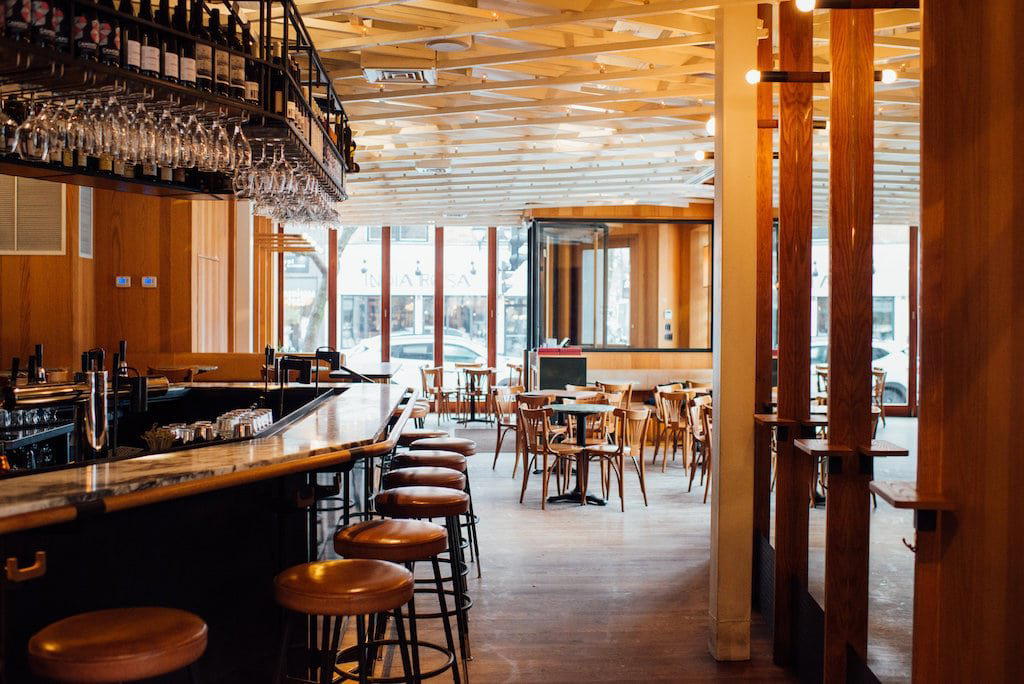
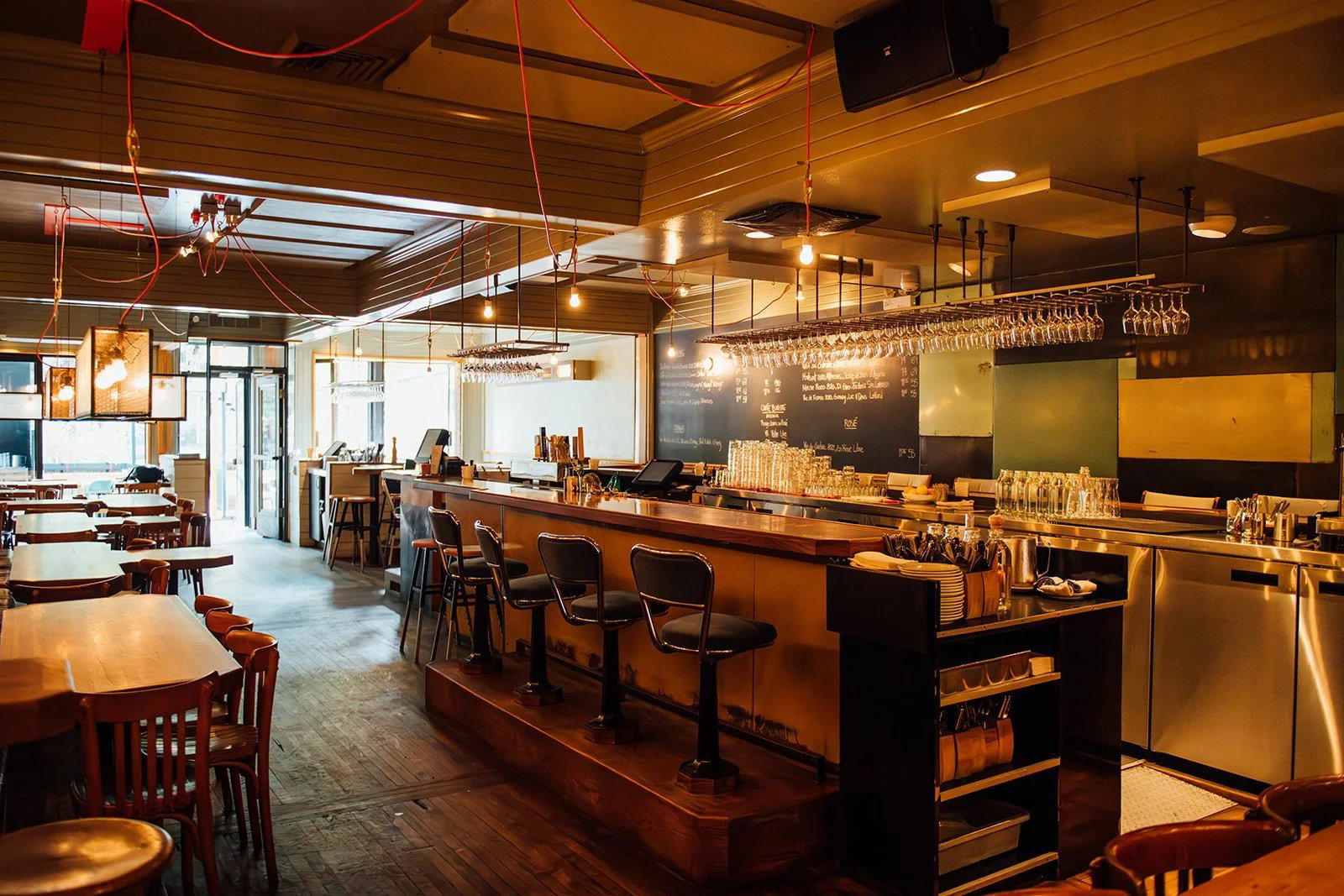
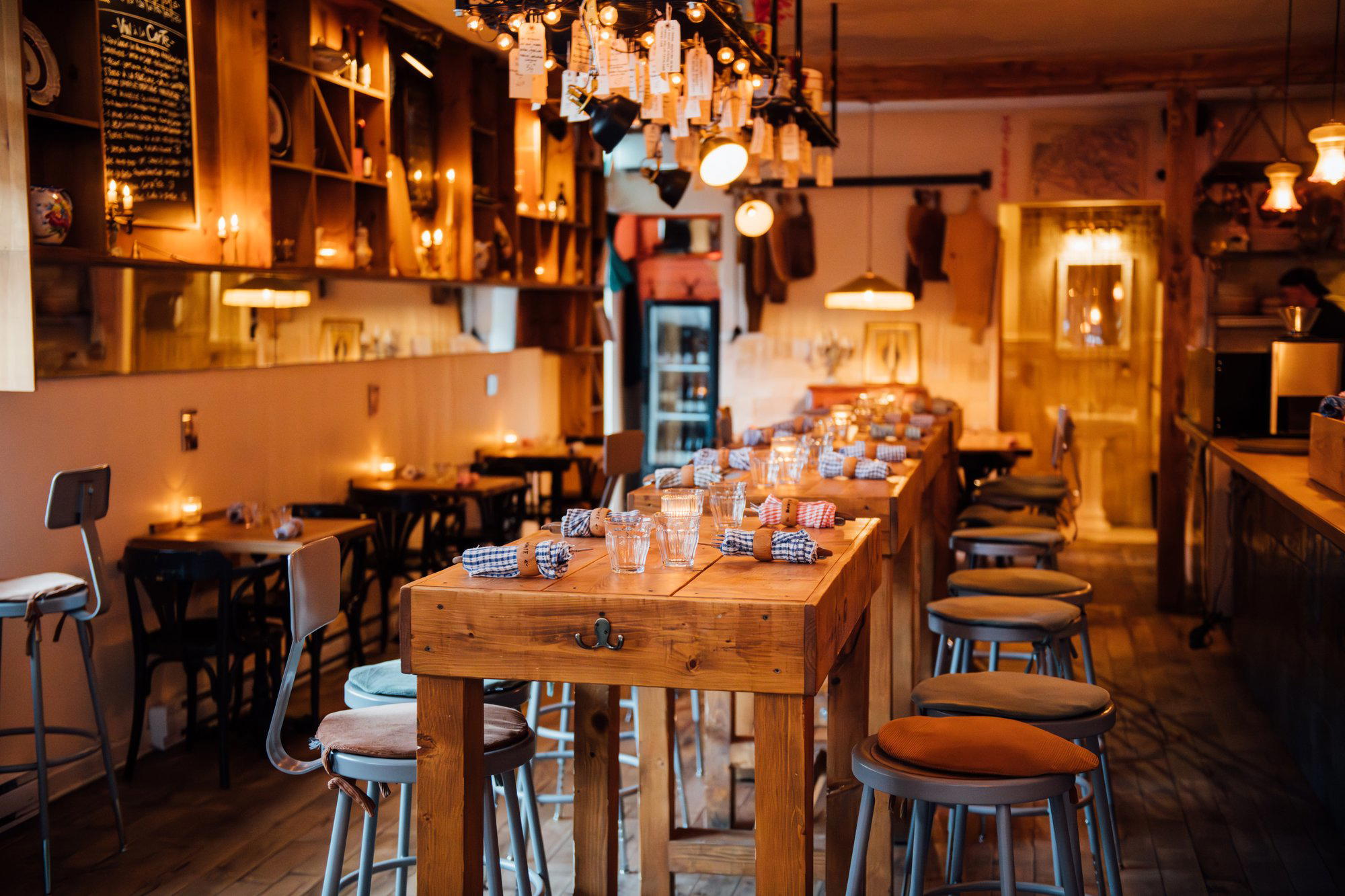
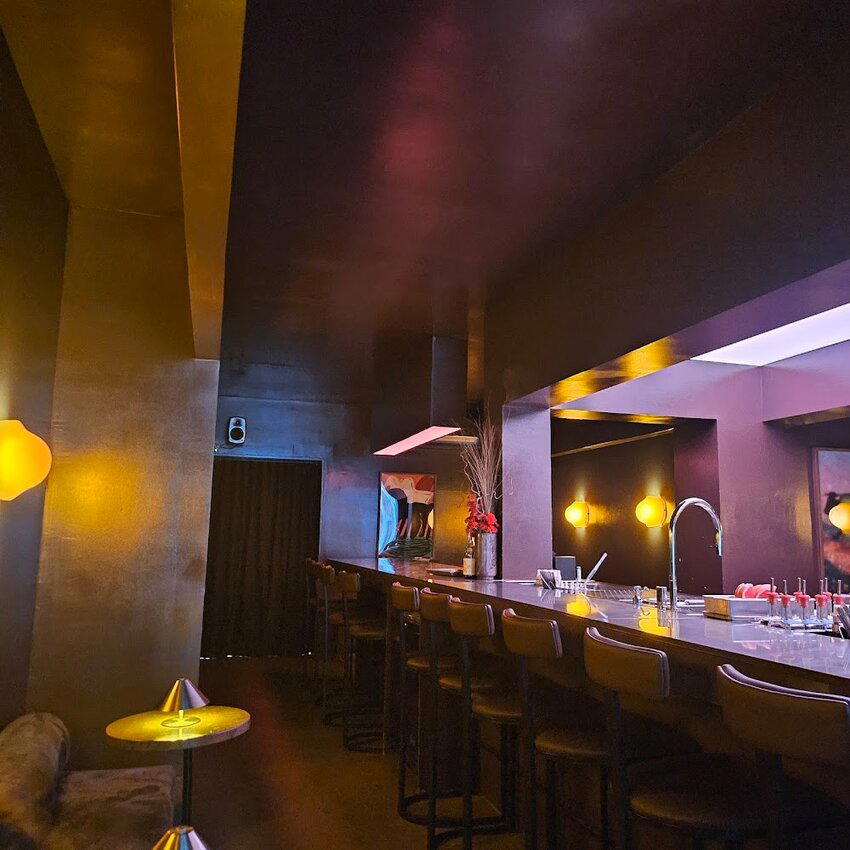
Saint Denis Street does not announce itself with the studied cool of Griffintown's converted warehouses or the see-and-be-seen positioning of Old Montreal's cobblestone terrasses. The Plateau-Mont-Royal stretch runs on a different logic: independent operators, long leases, and a neighbourhood clientele that tends to punish self-conscious posturing and reward consistency. At 4427 Saint Denis, Paradis Montreal occupies that territory, on a block where the density of independent bars and restaurants makes comparison inevitable and quality legible without much effort from the visitor. Paradis Montreal is a bar in Montreal at 4427 Saint Denis St, offering a casual setting with reservations recommended and an average spend of about $25 per person.
For anyone building a Montreal evening around the Plateau, the address itself is useful information. The neighbourhood sits between the festival corridors of downtown and the quieter residential grids to the east, which means foot traffic is genuinely mixed: regulars, spillover from nearby venues, and visitors who have been told, correctly, that this is where the city's bar culture does some of its more considered work. Neighbouring bars like Bar Bello and Bar Bisou Bisou operate within the same frame, and the Plateau's collective identity as a destination for mid-to-late evenings is well established enough to support an itinerary built around the street rather than a single address.
How Montreal Frames the Local-Technique Question
The intersection of local Quebec ingredients and externally acquired technique is not a novelty in Montreal, it has been the default position of the city's more serious kitchens and bars for the better part of two decades. What has shifted is the specificity. Earlier iterations of the local-sourcing argument tended toward broad gestures: Quebec maple, Laurentian game, Charlevoix cheese. The current iteration is more granular, with operators identifying particular producers, specific growing regions, and seasonal windows that shape what goes on a menu or into a glass week by week.
Montreal's winter changes the calculus in ways that visitors from warmer climates sometimes underestimate. From November through March, the city's most coherent bars lean into preservation techniques, ferments, syrups, tinctures prepared during harvest months, rather than abandoning local sourcing when fresh product disappears. This is a discipline that separates venues running a genuine local program from those using the language of terroir for marketing. The Plateau's bar scene, taken collectively, has enough of the former to make it a productive area for understanding what Quebec-inflected hospitality actually looks like in practice, rather than in press materials.
For comparison points further afield: the tension between local product and imported method plays out differently in Vancouver's Botanist Bar, where Pacific Northwest botanicals meet an elaborate technical apparatus, and in Honolulu's Bar Leather Apron, where Japanese precision frames tropical product. Montreal's version tends to be less theatrical about the technique and more matter-of-fact about the sourcing, a style that suits Saint Denis's particular register.
Energy and Register: What the Plateau Expects
The Plateau's bar culture skews conversational over performative. This is not a neighbourhood that rewards elaborate cocktail theatre or tableside spectacle, and venues that have tried that approach on Saint Denis have generally found a cool reception. The baseline expectation is a well-made drink, a room with some character, and staff who can hold a conversation without interrupting it with sales language. Montreal's broader cocktail scene, which includes technically sophisticated operations like Atwater Cocktail Club in the Sud-Ouest and the more intimate format of Cloakroom in the downtown core, runs across a wider energy spectrum. The Plateau operates at the lower-key end of that range, which is a feature rather than a limitation for the visitor who has spent the day covering significant ground.
Paradis Montreal fits within that neighbourhood register. Saint Denis at this block is not a late-night acceleration zone; the rhythm is more settle-in than pass-through, which shapes how the space functions across the course of an evening. Visitors arriving from Toronto's Bar Mordecai or Calgary's Missy's will find Montreal's Plateau scene notably less driven by nightlife convention and more structured around the extended sitting, which has its own logic once you adjust to it.
Planning an Evening: Practical Orientation
The Saint Denis corridor in the Plateau is walkable from major metro stops on the orange line, with Mont-Royal station placing visitors within easy reach of the block. For a Canadian bar comparison that requires more logistical planning, venues like Bearfoot Bistro in Whistler or Humboldt Bar in Victoria demand dedicated travel; the Plateau does not. It rewards the kind of evening where the plan is loose and the itinerary is built by walking the street and reading which rooms have the right energy on a given night.
Seasonal timing matters in Montreal more than in most Canadian cities. Spring and fall represent particularly productive windows for a Plateau evening, warm enough for terrasse seating, cool enough that the rooms do not overheat, and aligned with the sourcing calendar that drives the more ingredient-focused operators. Midwinter visits require a different mental adjustment: the cold is serious, the terrasses close, and the better bars respond by making interior spaces warmer in both senses. Summer brings festival congestion downtown but leaves the Plateau comparatively settled, which suits the neighbourhood's character.
Montreal's version, on Saint Denis particularly, carries more accumulated context and more implicit expectation from its clientele, which tends to produce better results when the operator is paying attention.
Nearby-ish Comparables
Comparable venues nearby, for context on price, style, and recognition.
| Venue | Cuisine | Price | Notes |
|---|---|---|---|
| Paradis MontrealThis venue — the venue you are viewing | Bar | $$ | Not listed |
| Mano Cornuto | cocktail_bar | $$ | Griffintown |
| September Cafe | beer_bar | $$ | Petit Bourgogne |
| Bar Chez Baptiste | pub | $$ | Parc-Laurier |
| Bar Henrietta | cocktail_bar | $$ | Mile End |
| Le Ballpark | lounge | $$ | District de Saint-Édouard |
At a Glance
- Cozy
- Casual Hangout