Fiya
Fiya sits on North Clark Street in Andersonville, Chicago's most quietly serious dining corridor above the tourist circuit. The address alone signals intent: this is a neighborhood that rewards specificity over spectacle. Expect a program built around sourcing and fire, positioned in a local tier that prizes ingredient transparency over celebrity cachet.
Pearl is the En Primeur Club membership app — saves, bookings, and concierge access live there. Same editors, same standards.
- Address
- 5419 N Clark St, Chicago, IL 60640
- Phone
- +1 773 543 7074
- Website
- fiyarestaurant.com
- Directions
- Get directions
 Saves & bookings on Pearl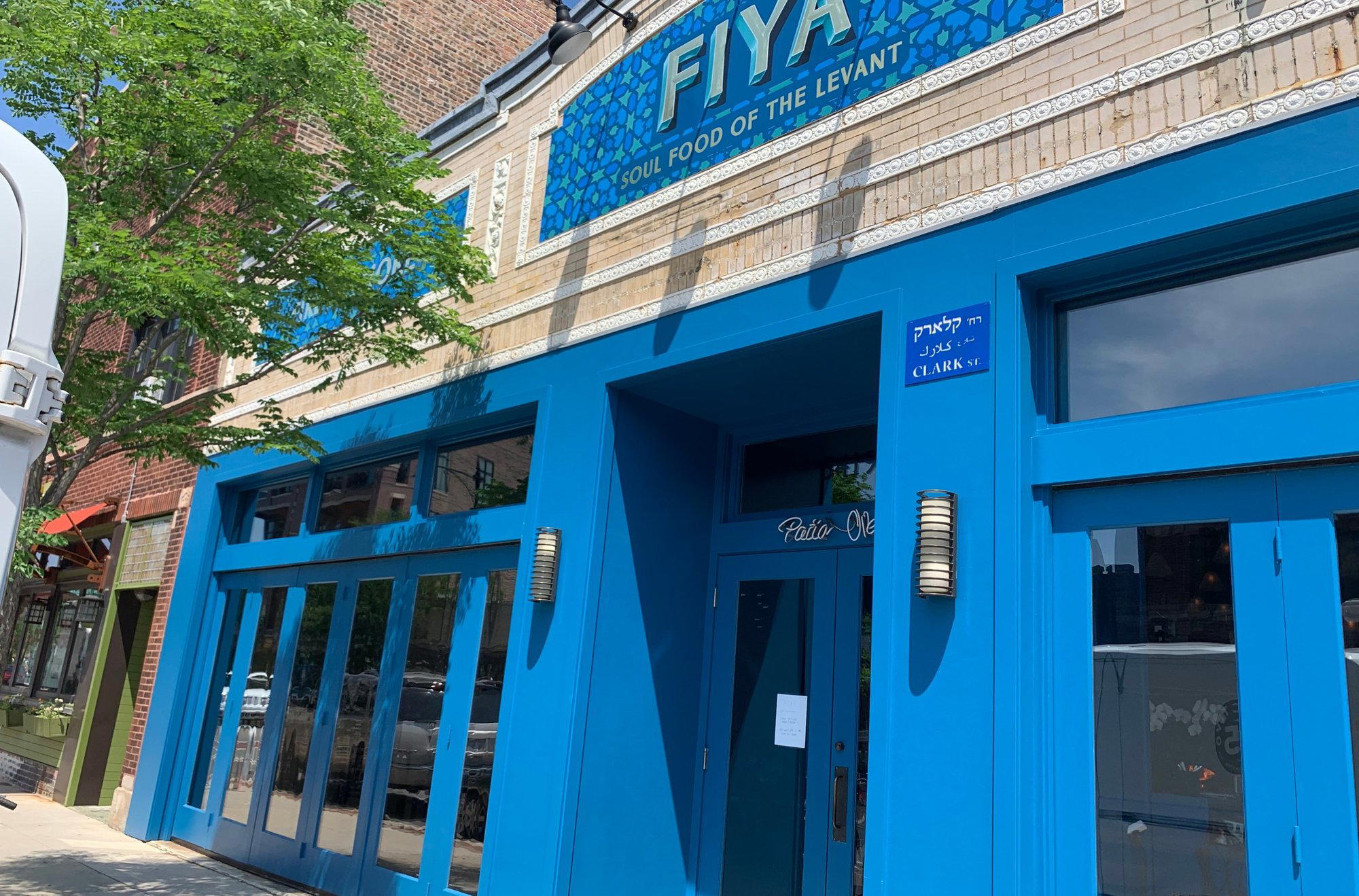
Andersonville After Dark: What Fiya Adds to the Block
North Clark Street in Andersonville has a particular rhythm after 9 p.m. The Swedish-American neighborhood has been quietly accumulating serious bars for several years, drawing drinkers willing to travel past the Loop and Wicker Park in exchange for lower noise floors, more considered programs, and rooms that feel like someone actually thought about them. It fits that pattern: an Andersonville address that signals neighborhood commitment over visibility, in a part of Chicago where that trade-off tends to produce better drinking.
The highest-profile tier clusters downtown and in the West Loop, where venues like Kumiko and The Aviary operate as destination programs with national recognition and booking windows to match. A second, often more interesting tier spreads through the neighborhoods: spots like Leading Intentions and Bisous that run serious programs without the pressure of a downtown address. Fiya occupies that neighborhood tier, where the competitive set rewards quality and consistency rather than spectacle.
The Sustainability Frame: Sourcing, Waste, and What It Signals
Across American cocktail culture, the bars generating the most sustained critical attention are increasingly those with a coherent position on ingredients: where they come from, what happens to the parts that don't go into the glass, and how those choices shape the flavor of what arrives in front of you. Bars that enforce tight sourcing discipline tend to produce more consistent drinks, because the ingredient quality doesn't vary by delivery day. Bars that take waste reduction seriously tend to develop more technically sophisticated programs, because turning citrus husks or spent herbs into usable components requires actual culinary knowledge.
In cities like New York, San Francisco, and Chicago, this has become a differentiating signal rather than a nice-to-have. ABV in San Francisco and Superbueno in New York City both operate with ingredient programs that treat provenance as a flavor variable, not a marketing angle. The expectation is spreading outward from those coasts. A Andersonville bar in 2024 that isn't thinking about these questions is behind the curve; one that has a legible answer to them is, by that fact, better positioned.
Fiya's North Clark Street location places it in a neighborhood with a track record for this kind of independent, sourcing-conscious operation. Andersonville has historically supported businesses with community accountability, partly because the customer base is residential and returns frequently enough to notice when standards slip. That dynamic rewards operators who build durable programs over those who chase opening-week press.
Andersonville in the Chicago Bar Conversation
To understand where Fiya sits, it helps to understand what Andersonville is not. It is not River North, where volume and tourism drive most programming decisions. It is not Logan Square, where a decade of rapid bar openings created a saturated, competitive market that has since thinned. Andersonville is quieter and more settled, a neighborhood where a bar on North Clark has a genuine local constituency and where word-of-mouth carries more weight than a splashy launch.
That context shapes the kind of bar that can succeed here. Lemon, operating in the same neighborhood context, illustrates what staying power looks like on this stretch: a program built on repeatability rather than novelty. Fiya occupies similar ground, where the question is not whether you can generate a line on opening night but whether the neighborhood comes back on a Tuesday in February.
Nationally, the bars that have aged leading in comparable neighborhood positions share a few characteristics: they have a clear identity that doesn't depend on a single drink or trend, they maintain staff long enough for the program to develop depth, and they have some relationship with the ingredients and producers that supply them. Jewel of the South in New Orleans and Julep in Houston both demonstrate what that combination produces over time: bars with genuine regional identity that have become reference points for their respective cities.
Chicago in the National Cocktail Context
Chicago occupies a specific position in the national bar conversation: large enough to support multiple distinct tiers of program, connected enough to national talent circuits that its leading bars benchmark against New York and Los Angeles, but with a local culture that is somewhat less interested in trend-chasing than either coast. That combination tends to produce bars that are technically serious without being precious, and that prioritize the experience of sitting and drinking over the experience of being photographed doing so.
Allegory in Washington, D.C. and The Parlour in Frankfurt on the Main both represent what happens when a bar program commits to a clear conceptual identity in a city that rewards that kind of seriousness. Chicago has enough of those examples, from Kumiko's Japanese-inflected precision to Three Dots & a Dash's tiki-lineage commitment, that a new entry needs a position that doesn't duplicate what's already on the map. An Andersonville address, combined with a sourcing-forward approach, carves out that position. Bar Leather Apron in Honolulu is another reference point for what a neighborhood-rooted, ingredient-conscious program can produce when it isn't chasing the downtown spotlight.
Comparable Spots, Quickly
| Venue | Awards |
|---|---|
| FiyaThis venue — the venue you are viewing | Not listed |
| Kumiko | World's 50 Best |
| Bisous | World's 50 Best |
| The Aviary | World's 50 Best |
| Three Dots & a Dash | World's 50 Best |
| Best Intentions | World's 50 Best |
At a Glance
- Cozy
- Trendy
- Date Night
- Casual Hangout
- Design Destination
- Seated Bar
- Booth Seating
- Craft Cocktails
- Natural Wine
Current opening hours
- Monday
- Closed
- Tuesday
- Closed
- Wednesday
- 5–8 PM
- Thursday
- 5–8 PM
- Friday
- 10:30 AM–2:30 PM, 5–9 PM
- Saturday
- 10:30 AM–2:30 PM, 5–9 PM
- Sunday
- 10:30 AM–2:30 PM, 5–8 PM
Hours can change for holidays and private events. Last verified .
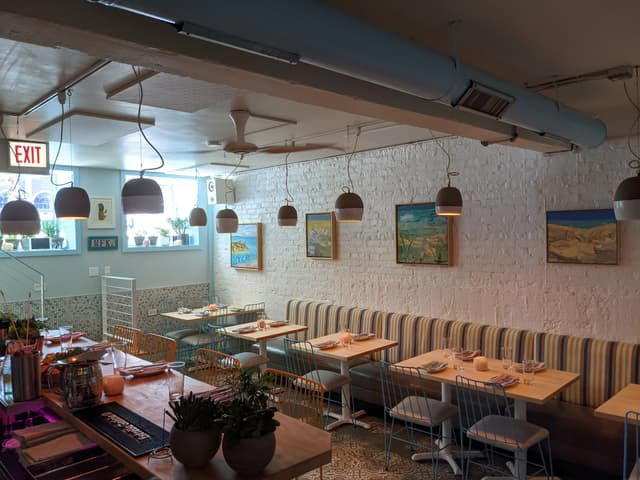
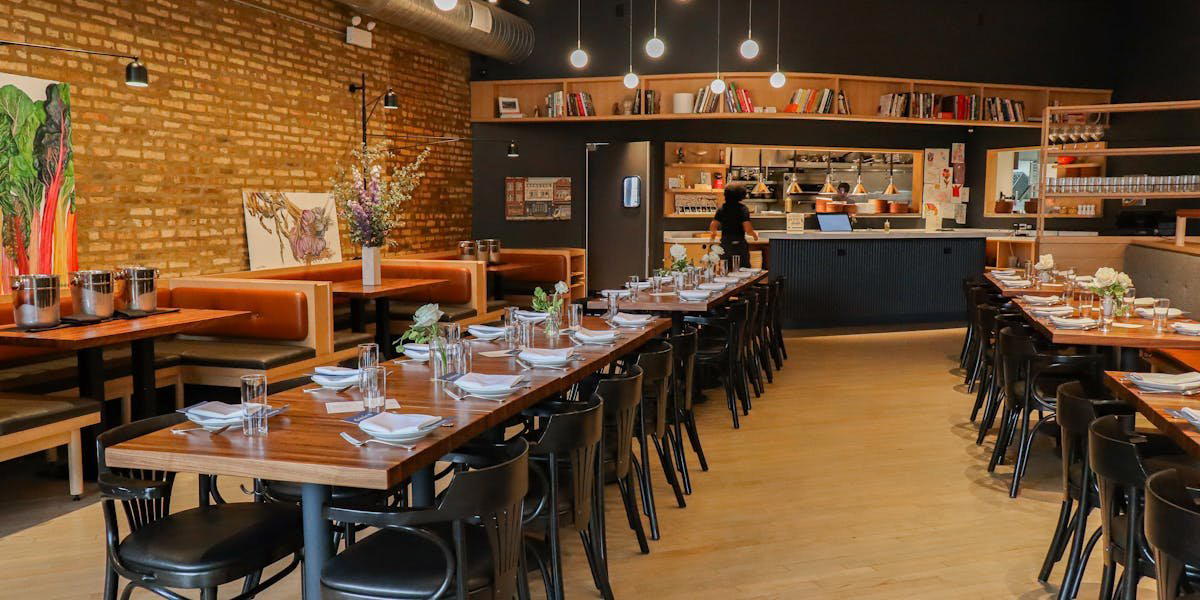
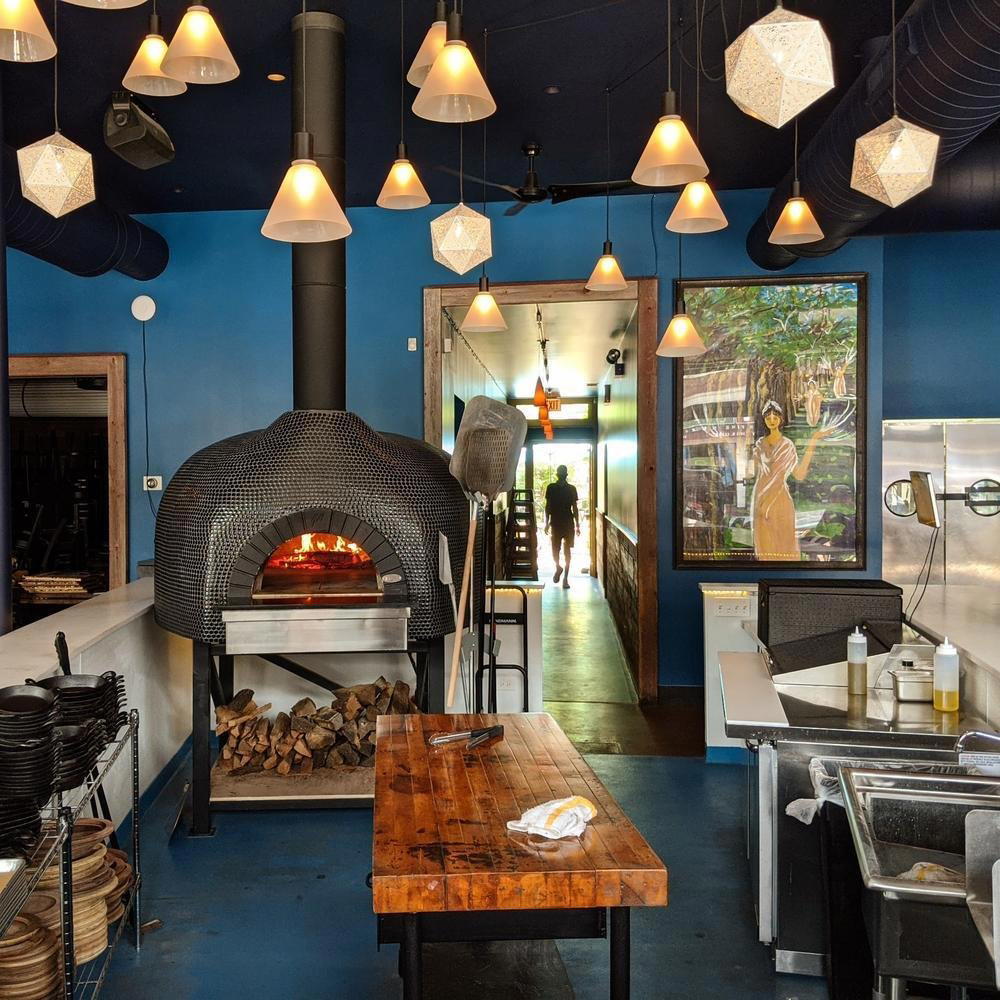
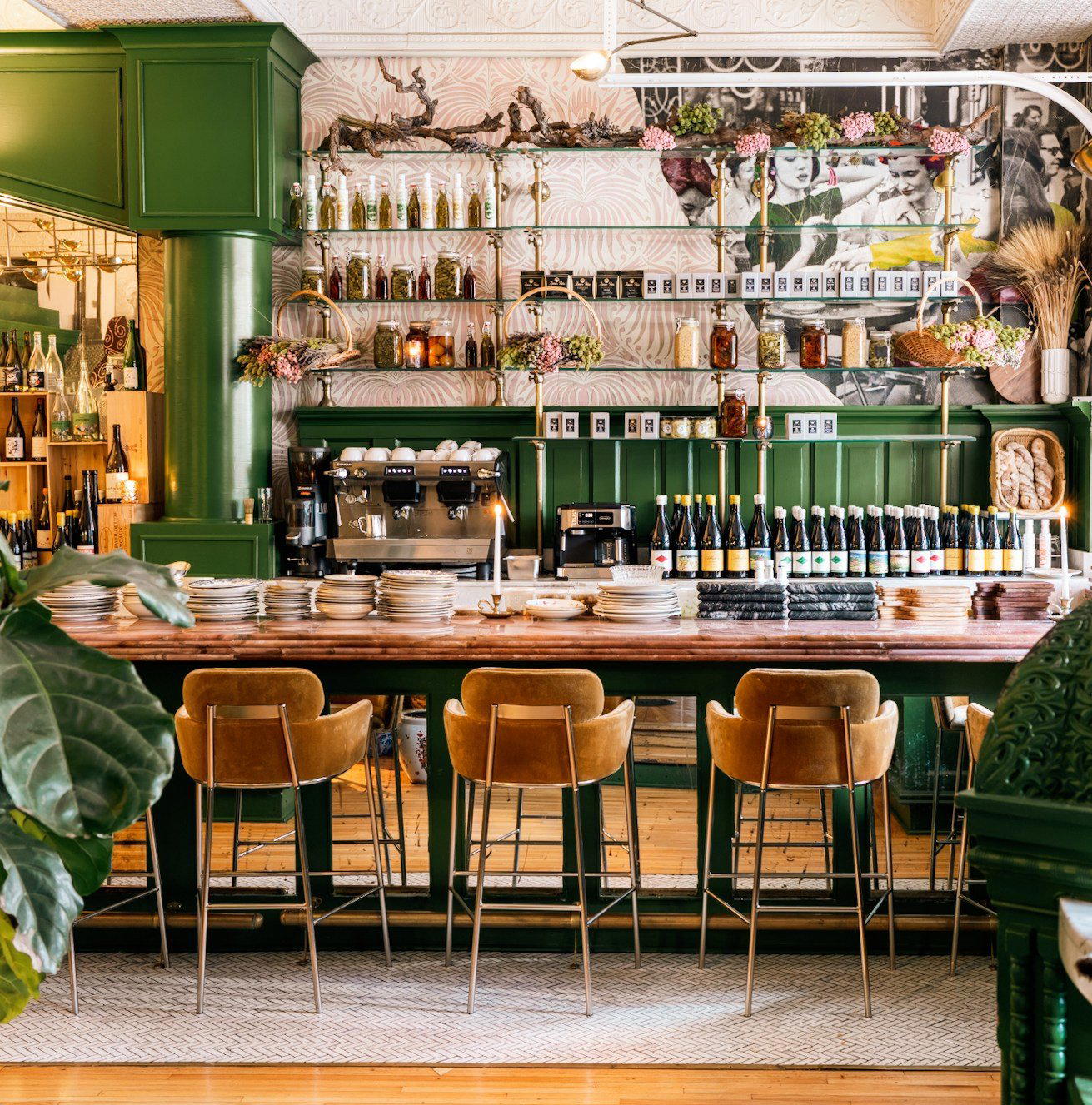
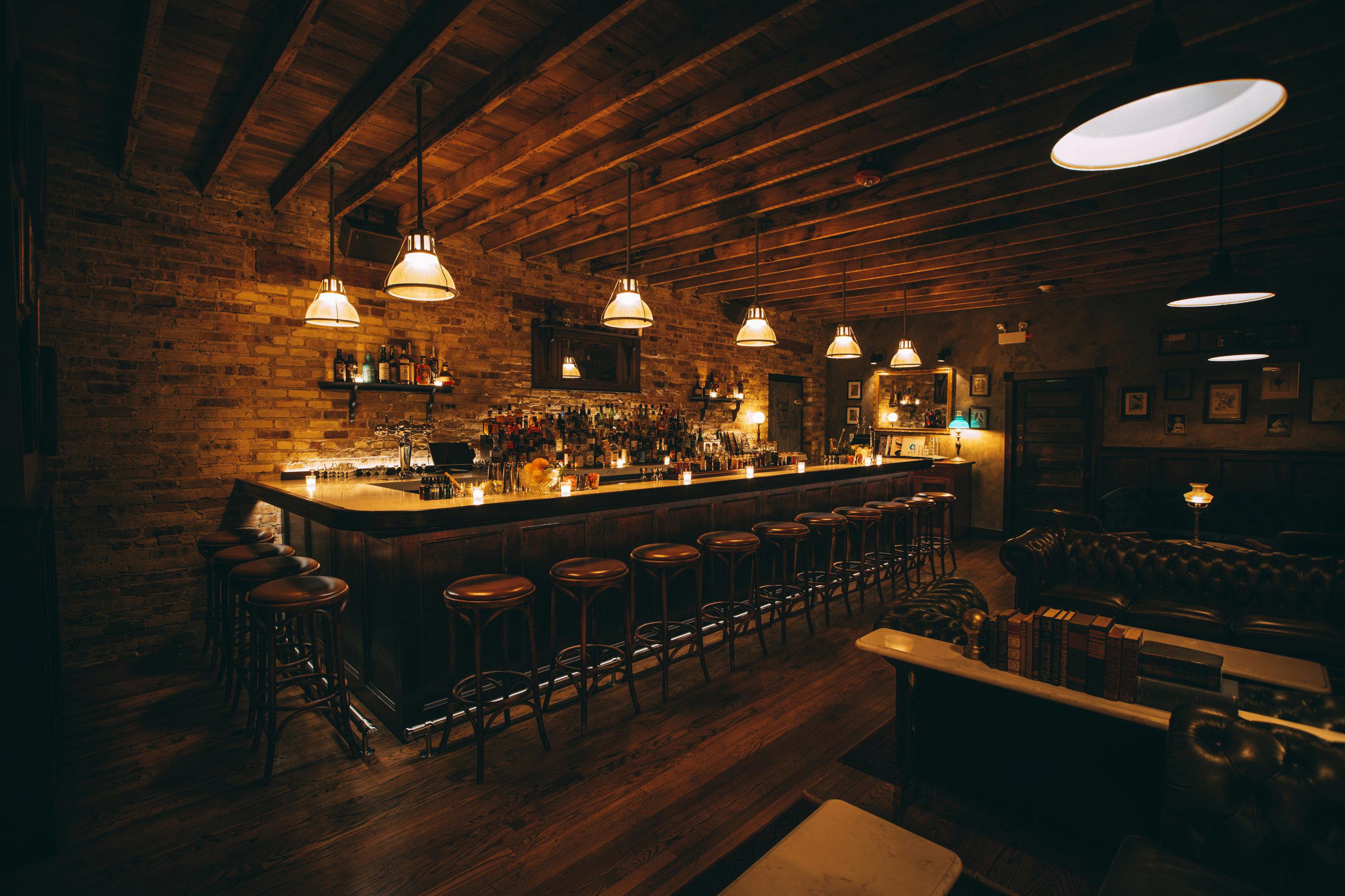
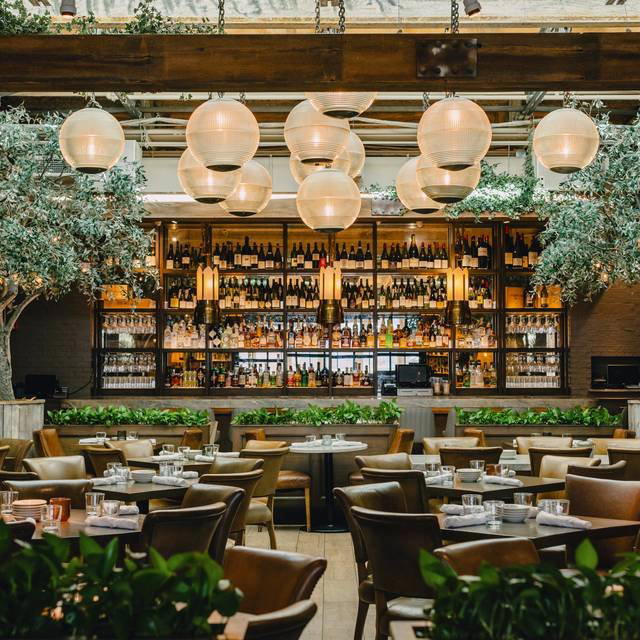
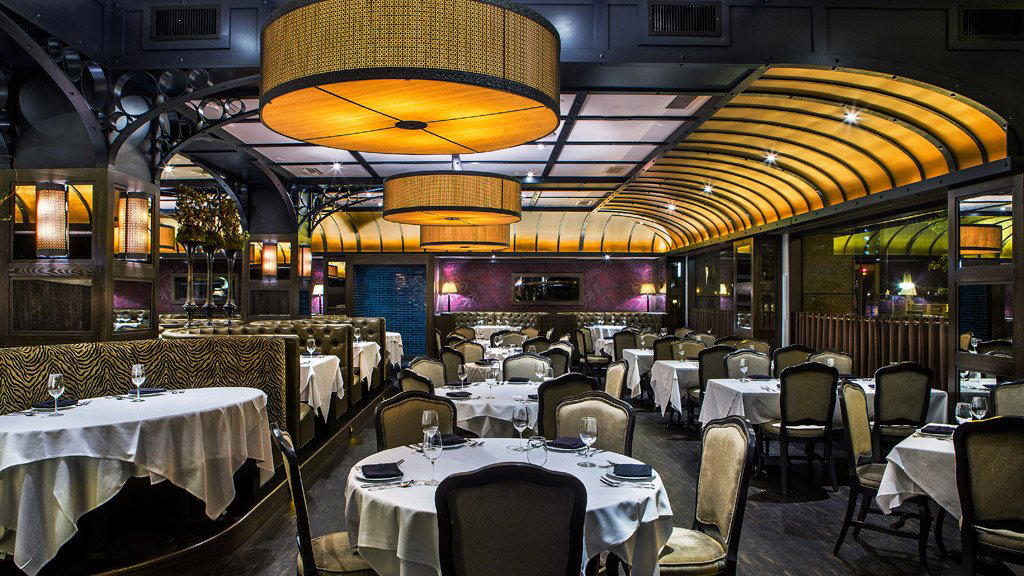
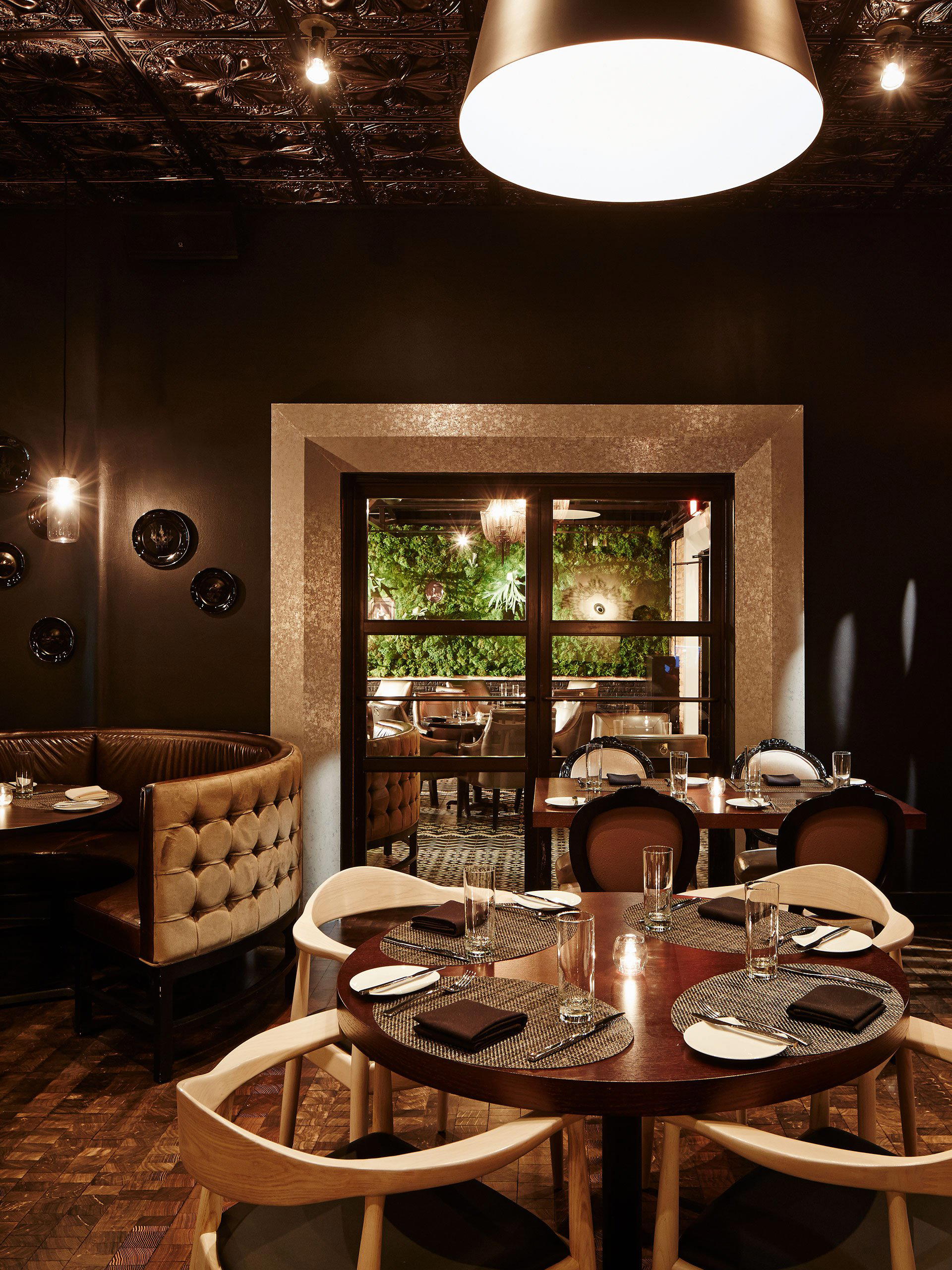
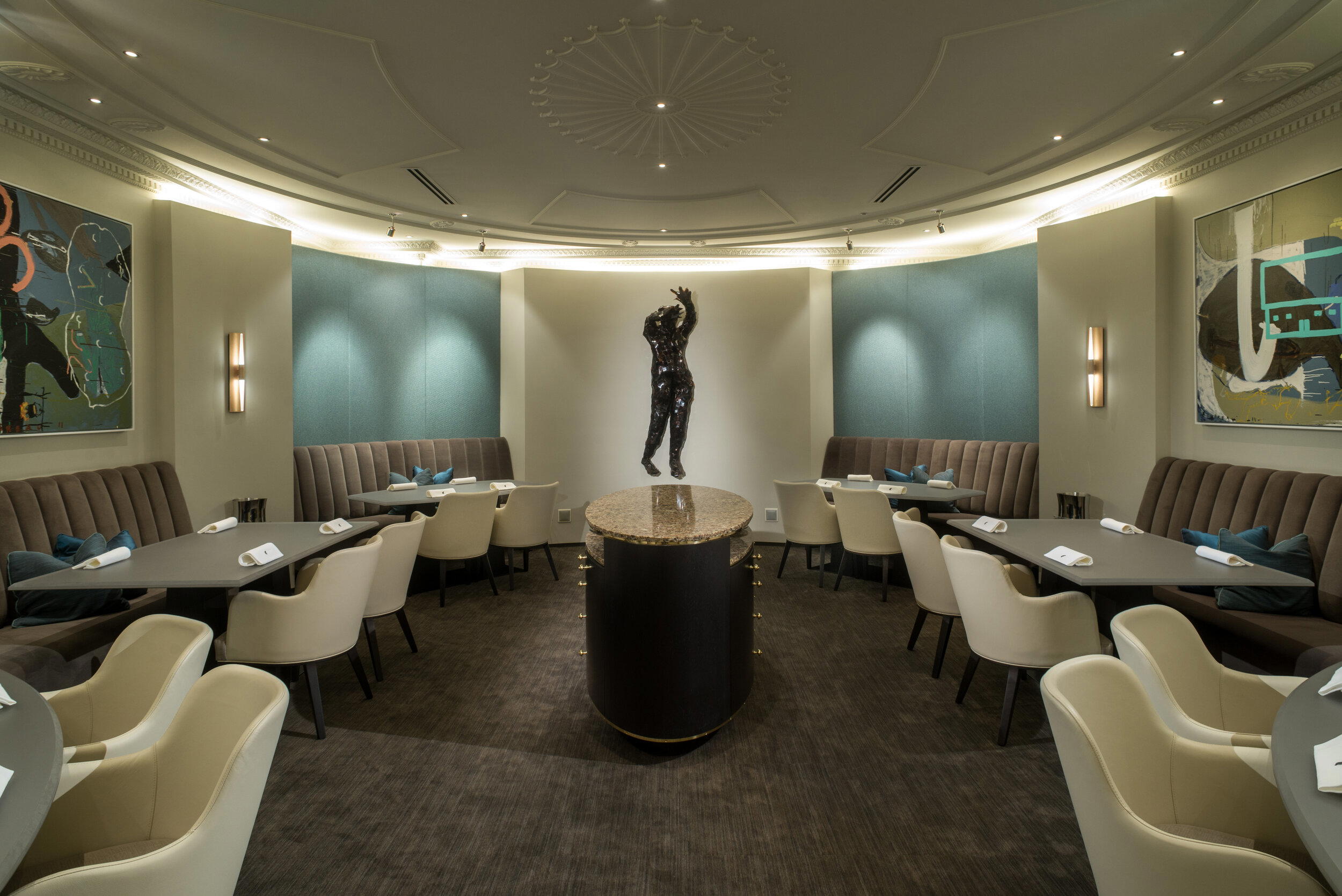
Cozy atmosphere around the wood-burning oven with relaxed, open dining room.
Know Before You Go
- Getting there
- 5419 N Clark St, Chicago, IL 60640