Google: 4.7 · 1,722 reviews
Los Poblanos Historic Inn \u0026 Organic Farm

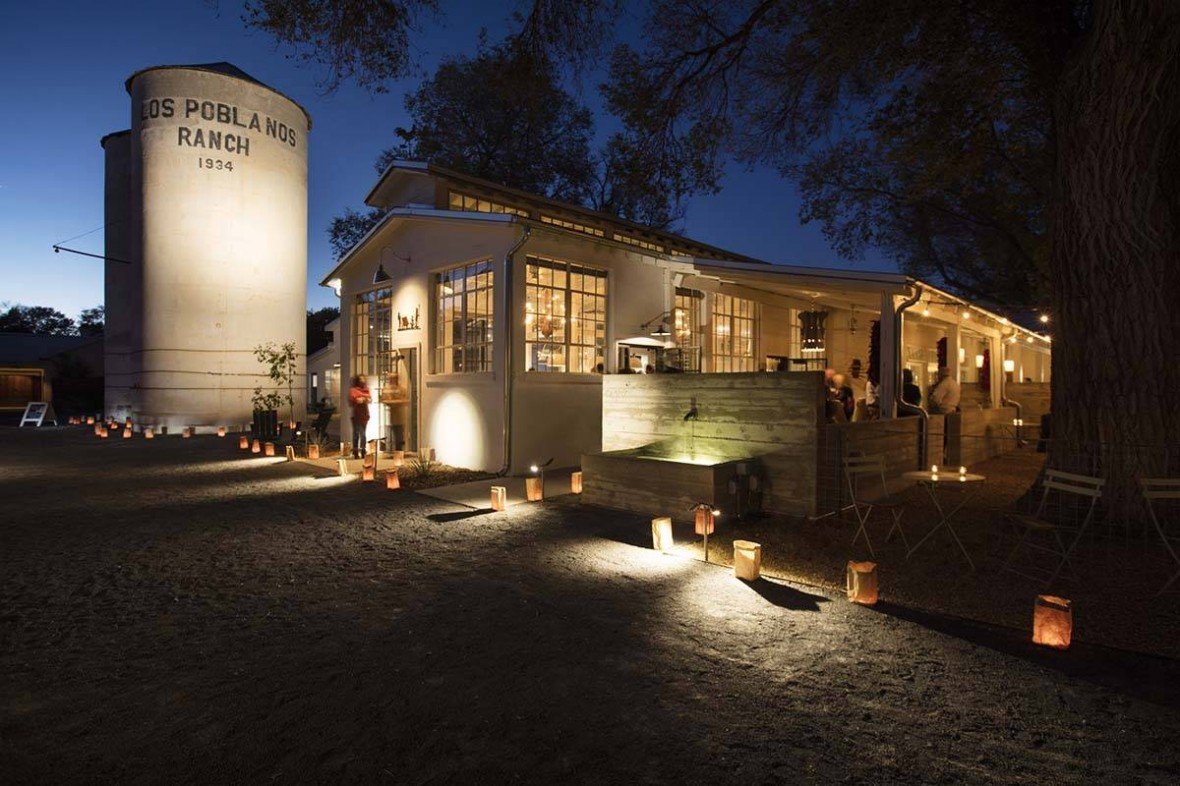
A Two MICHELIN Keys historic inn set on a working organic farm along the Rio Grande, Los Poblanos is one of Albuquerque's most architecturally significant stays. The 1930s John Gaw Meem-designed property pairs Spanish Colonial Revival buildings with lavender fields and farm-to-table hospitality, occupying a category that sits well outside the standard Southwest resort circuit.
 Discover on Pearl
Pearl is the En Primeur Club membership app — saves, bookings, and concierge access live there. Same editors, same standards.
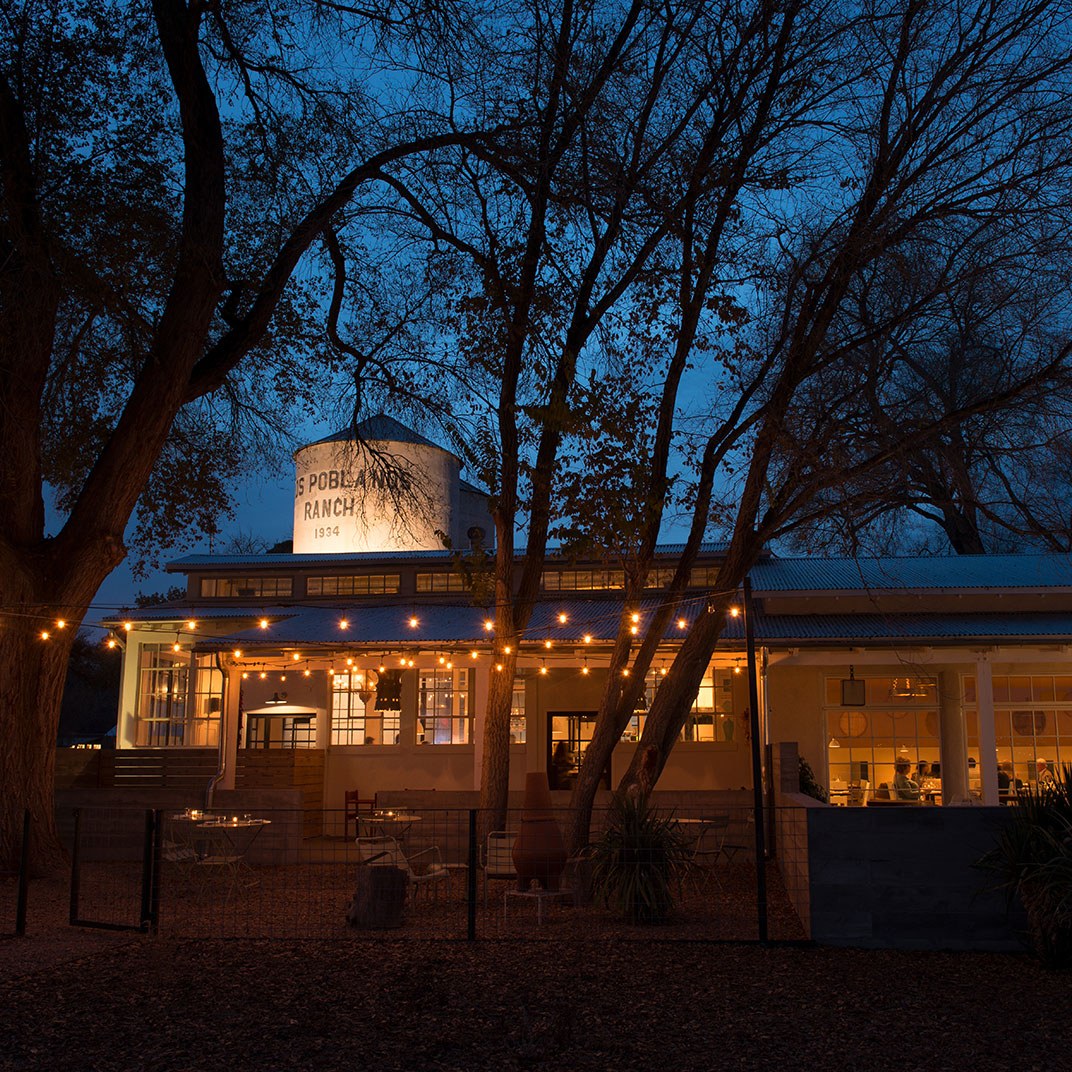
Where the Rio Grande Valley Shapes the Stay
The approach to Los Poblanos along Rio Grande Boulevard, NW, tells you something about how the property positions itself against the broader Southwest hospitality market. There is no resort gate, no grand porte-cochère angled for arrivals. Instead, cottonwood trees line the road, lavender fields open to one side, and the low-slung silhouette of Spanish Colonial Revival architecture appears as an extension of the landscape rather than an imposition on it. That understated entry sequence is not accidental — it reflects a design logic that has governed this property since the 1930s and that continues to separate it from the adobe-themed resort tier that dominates Albuquerque and Santa Fe.
The Michelin Guide awarded Los Poblanos Two MICHELIN Keys in its 2025 hotels listing, placing it in the upper tier of recognized American stays and in direct company with properties that lead on design coherence, sense of place, and guest experience rather than amenity volume. In the American Southwest, that two-key designation is held by a small number of properties. The award confirms what the architecture has always argued: this is not a hotel that competes on square footage or facilities count.
John Gaw Meem and the Architecture That Still Defines the Property
Physical fabric of Los Poblanos is the work of John Gaw Meem, the architect most responsible for codifying New Mexico's Pueblo Revival and Spanish Colonial Revival styles in the mid-twentieth century. Meem's projects — the University of New Mexico campus buildings, the La Fonda on the Plaza in Santa Fe, and a sequence of private commissions across the Rio Grande Valley , established a regional architectural language that drew on Territorial, Pueblo, and Spanish Colonial precedents without collapsing into pastiche. Los Poblanos was among his private commissions, and the property retains the hallmarks of his approach: thick-walled adobe construction, heavy vigas crossing plastered ceilings, portal arcades that shade exterior walkways, and a courtyard geometry that organizes movement through the grounds.
What distinguishes the Meem buildings at Los Poblanos from the broader Pueblo Revival market is their relationship to agricultural function. The inn began as a working farm estate, and the architecture was designed around that reality: service corridors connect to working spaces, the scale of the rooms reflects domestic use rather than hospitality maximalism, and the site plan orients the buildings toward the fields rather than toward a pool or spa complex. Guests staying here are inside a preserved working estate, not a reproduction of one. That distinction matters to the experience in ways that are immediately legible , the proportions feel calibrated for habitation, not performance.
The interiors carry the same discipline. Adobe walls, hand-crafted tile work, and locally sourced materials appear not as decorative gestures but as structural logic. Design-led rural properties across the American West have increasingly adopted a similar vocabulary , Dunton Hot Springs in Dunton and Sage Lodge in Pray both build identities around regional materials and landscape integration , but few operate within a documented historic fabric of this age and architectural pedigree. The difference between a property designed to look rooted and one that actually is rooted is most visible in details: the depth of a window reveal, the weight of a door, the way light moves across a plastered wall at different hours.
The Farm as Program, Not Backdrop
Los Poblanos operates as a certified organic farm alongside the inn, and the fields of lavender, heritage crops, and kitchen gardens are not ornamental. The agricultural operation anchors the property's identity in a way that separates it from properties that use farm imagery as branding without agricultural substance. Comparable farm-anchored hospitality models in the United States , SingleThread Farm Inn in Healdsburg and Troutbeck in Amenia both build programming around working land , reflect a broader shift in premium hospitality toward properties where the setting generates the experience rather than simply containing it.
At Los Poblanos, the lavender harvest is the most visible agricultural event, typically occurring in late June through July and drawing visitors specifically for that window. Booking for that period runs well ahead of arrival, and guests planning around the harvest should treat it as a seasonal constraint rather than an optional detail. Outside the harvest, the fields and gardens remain active and accessible, and the farm's produce informs the property's food programming across the year.
Placing Los Poblanos in the Broader American Inn Category
The American inn and historic property tier has expanded considerably over the past decade, with Michelin Keys providing a framework for distinguishing design-led independent properties from the broader boutique hotel market. At the Two Keys level, Los Poblanos sits alongside properties that command attention for sense of place rather than brand affiliation. The comparison set is instructive: Meadowood Napa Valley in Napa anchors its identity in vineyard landscape; Post Ranch Inn in Big Sur operates through landscape drama; Amangiri in Canyon Point deploys architecture against geological scale. Los Poblanos does something different from all three: it works through agricultural intimacy and historic preservation within an urban-adjacent setting, on the northwest edge of Albuquerque along the Rio Grande bosque.
That urban adjacency is worth noting. Unlike destination wilderness properties that require a significant travel commitment to reach, Los Poblanos sits within the Albuquerque city limits, accessible from the Albuquerque International Sunport without a multi-hour transfer. For guests building a broader New Mexico itinerary that includes the city's dining and cultural programming, the property functions as a base as much as a destination. The full picture of what Albuquerque offers in food, art, and neighbourhood character is covered in our full Albuquerque restaurants guide.
Within the Albuquerque accommodation market, Los Poblanos occupies a category by itself. ARRIVE Albuquerque represents the design-forward urban hotel option in the city, but the two properties address different travel intentions. Los Poblanos is a reason to visit Albuquerque independently; ARRIVE serves guests whose primary purpose is the city itself.
Planning the Stay
The property sits at 4803 Rio Grande Blvd., NW, in the North Valley, roughly fifteen minutes from the airport and from the city's Old Town and Nob Hill districts. Room categories span historic inn rooms in the original Meem buildings and a range of farm-adjacent accommodations across the grounds; the historic rooms in the main casa carry the densest architectural character and the most direct connection to Meem's original program, making them the logical choice for guests whose primary interest is the property's design legacy. Bookings should be made well in advance for the lavender season window, and the property's direct channel is the appropriate starting point given its independent status outside major hotel groups.
For those building a wider Southwest circuit, the region's premium property tier includes Canyon Ranch Tucson in Tucson and Amangiri in Canyon Point as natural companions at different price points and experience formats. Internationally, the design-heritage hotel category that Los Poblanos occupies has peers in properties like Aman Venice in Venice and Badrutt's Palace Hotel in St. Moritz , both properties where the physical fabric predates the hospitality program and the architecture is the primary credential.
Quick Comparison
A fast peer set for context, pulled from similar venues in our database.
| Venue | Cuisine | Price | Awards | Notes |
|---|---|---|---|---|
| Los Poblanos Historic Inn \u0026 Organic Farm | This venue | |||
| Aman New York | Michelin 3 Key | |||
| The Beverly Hills Hotel | Michelin 3 Key | |||
| Amangiri | Michelin 3 Key | |||
| Hotel Bel-Air | Michelin 3 Key | |||
| The Carlyle, A Rosewood Hotel | Michelin 2 Key |
Continue exploring
More in Albuquerque
Hotels in Albuquerque
Browse all →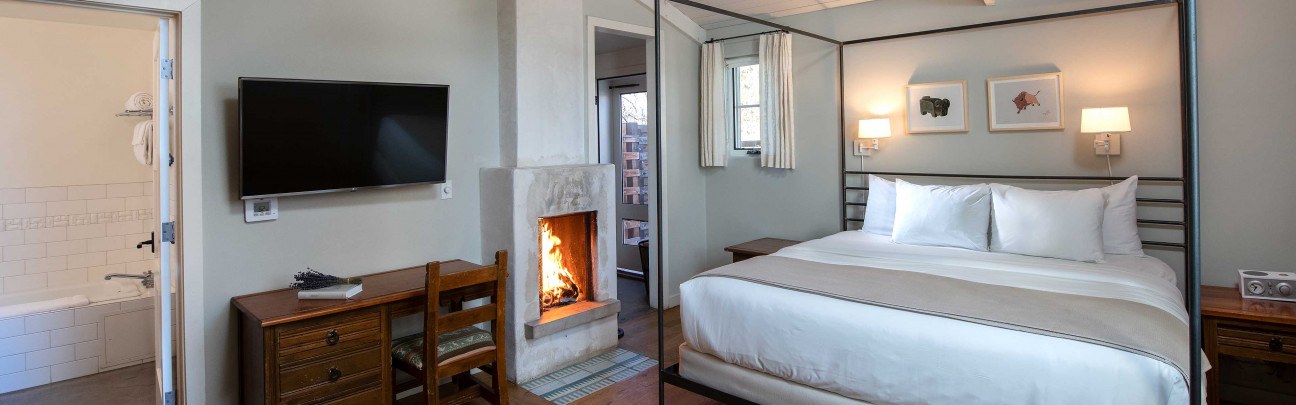
Bars in Albuquerque
Browse all →
At a Glance
- Romantic
- Scenic
- Elegant
- Classic
- Intimate
- Quiet
- Romantic Getaway
- Anniversary
- Wellness Retreat
- Destination Wedding
- Historic Building
- Garden
- Terrace
- Panoramic View
- Destination Spa
- Spa
- Pool
- Restaurant
- Organic Bedding
- Farm Access
- Retail Shop
- Garden
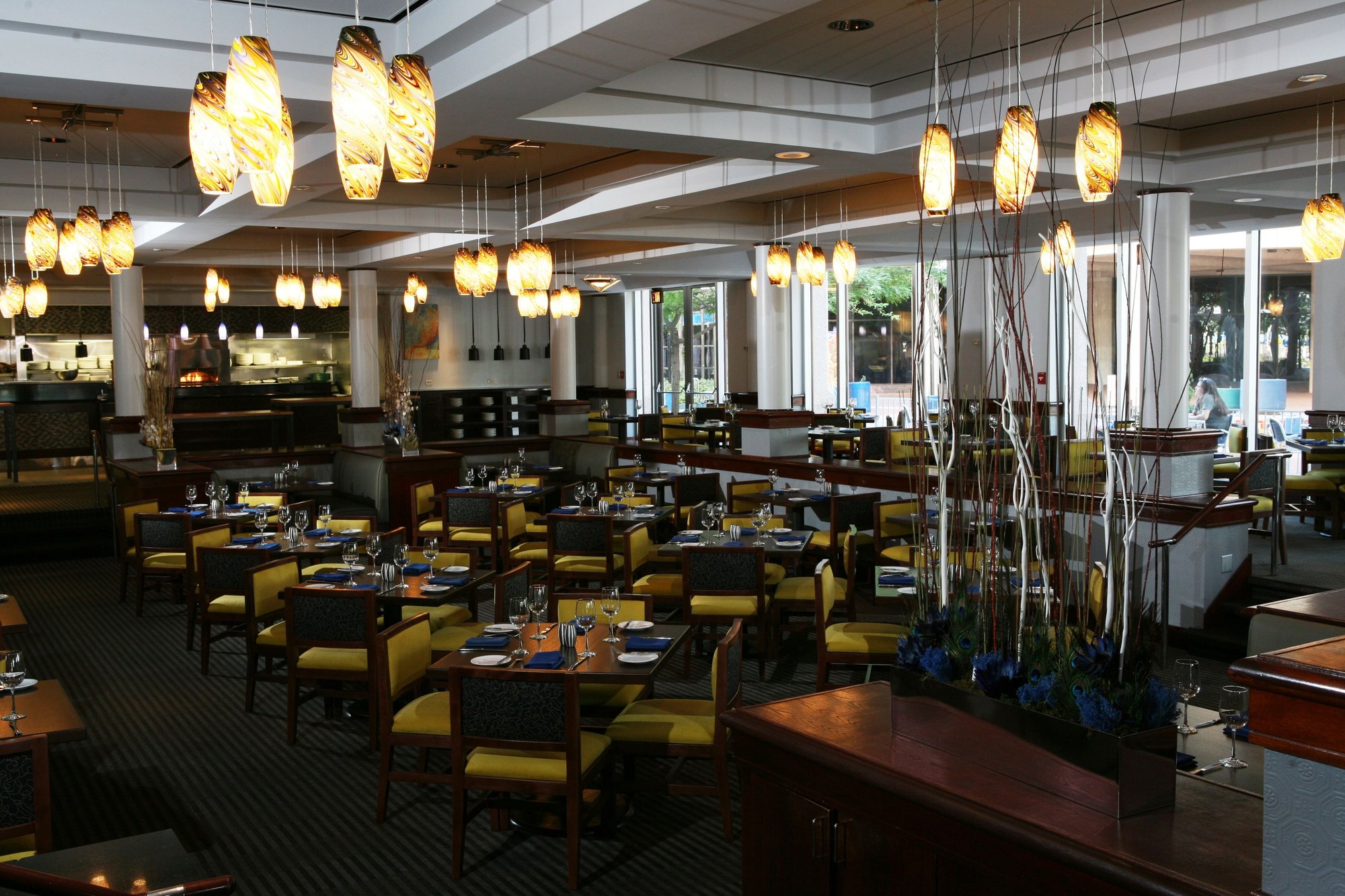
Serene and refined, with period details including hand-carved beams, wood-burning fireplaces, and original artwork throughout; peacocks roam the grounds creating a whimsical, pastoral atmosphere.