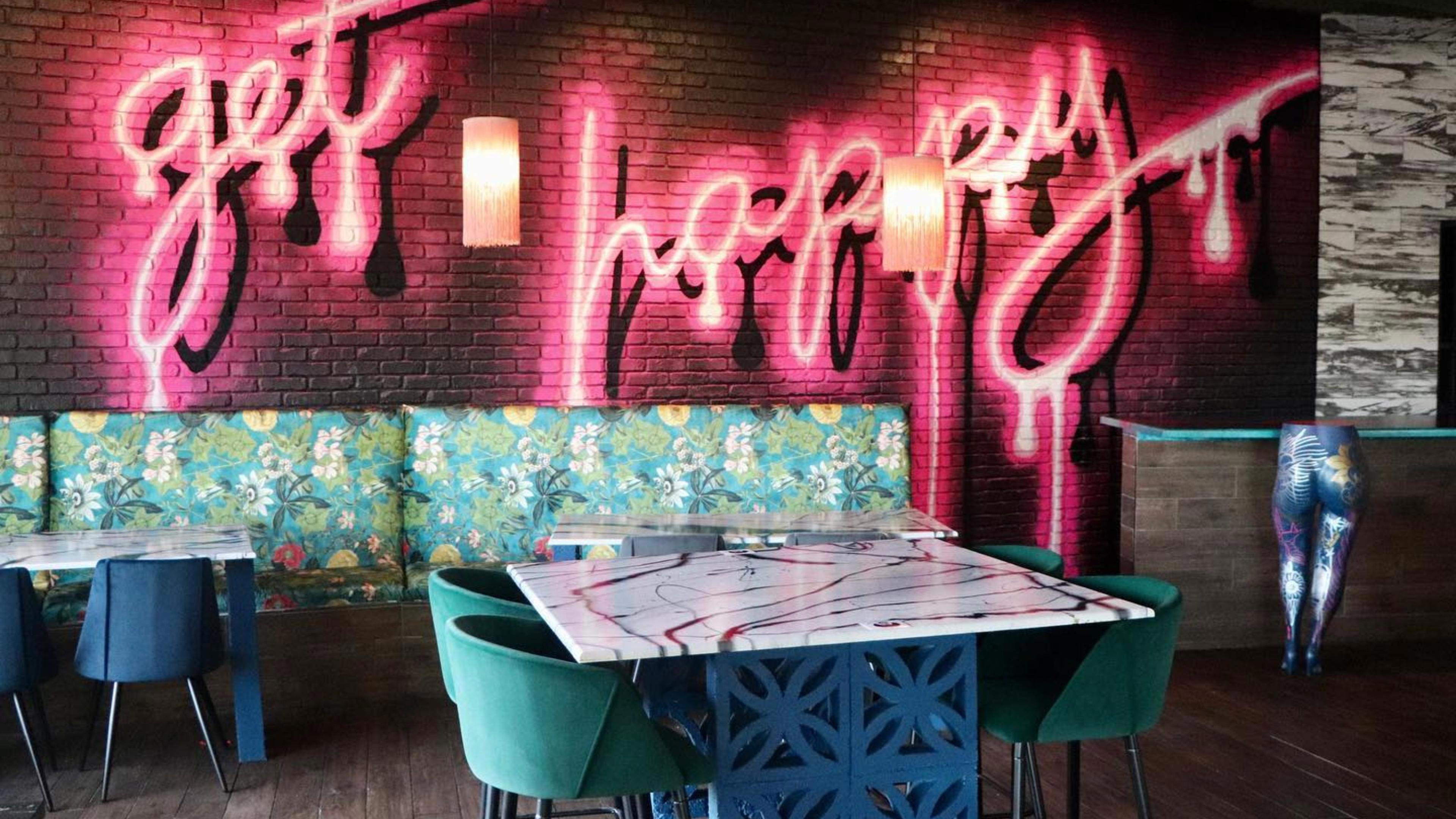
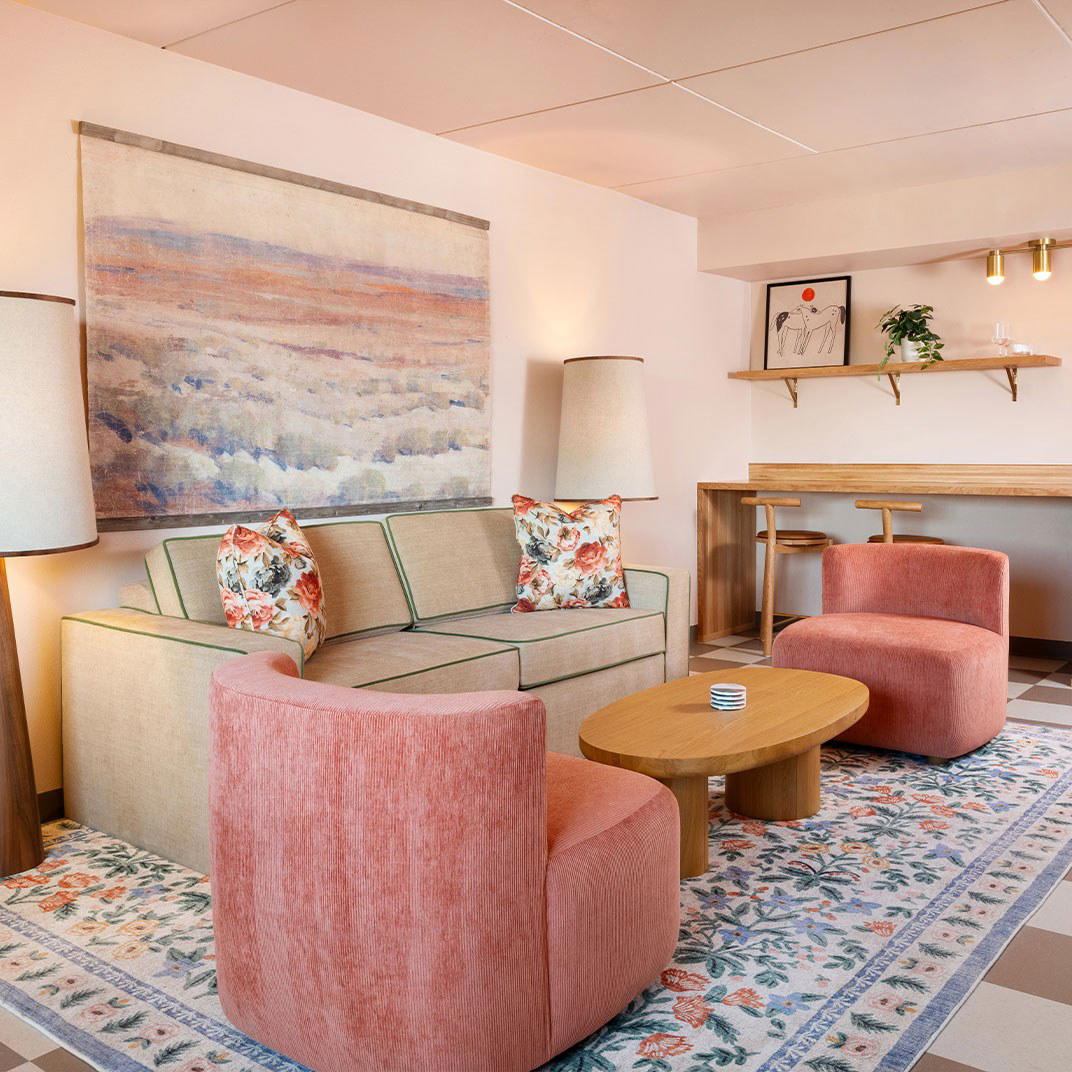
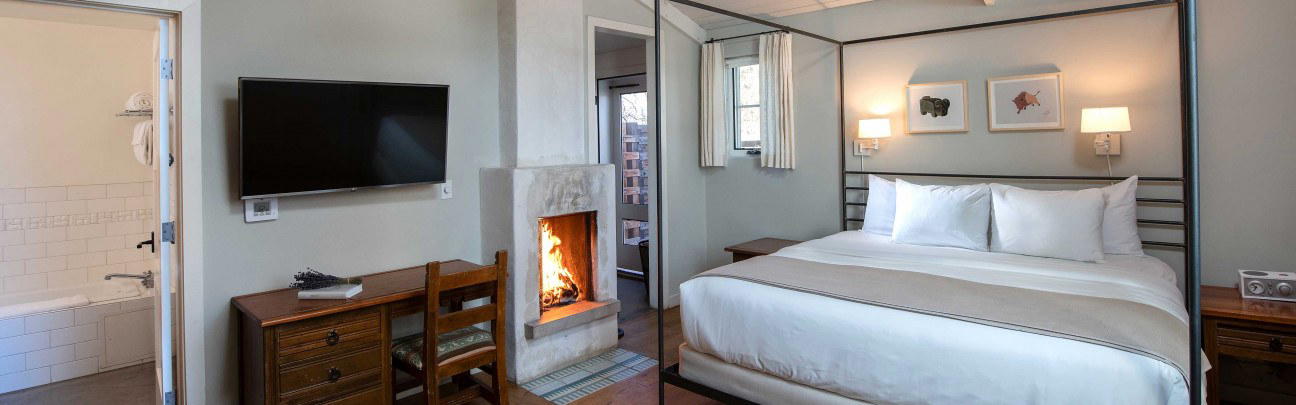
Char
Our verdict
Char occupies a downtown Albuquerque address at 125 2nd St NW, positioning itself within a city whose dining scene has grown increasingly attentive to sourcing and regional identity. The name signals an approach built around fire and direct heat, a technique that rewards quality raw material above all else. For visitors exploring Albuquerque's evolving restaurant corridor, Char represents a reference point in the conversation about where the city's food is heading.

Pearl is the En Primeur Club membership app, where members save venues, book tables and use the concierge.
The menu
What to order
- Filet Mignon
- Ribeye Steak
- New York Strip
Fire, Sourcing, and the Downtown Albuquerque Dining Conversation
Downtown Albuquerque has spent the better part of a decade consolidating its identity as a place where serious restaurants take root. The corridor along 2nd Street NW sits at the centre of that shift, within walking distance of the convention centre and the emerging arts district, making it a practical choice for visitors and a proving ground for concepts that want both foot traffic and a neighbourhood audience. Char, at 125 2nd St NW, occupies that contested middle ground: a downtown address that carries commercial expectations but serves a city increasingly interested in provenance and technique.
The name itself is a culinary statement. Char, as a cooking result, is what happens when direct heat transforms the surface of an ingredient, concentrating sugars, driving off moisture, and creating flavour compounds that no sauce or seasoning replicates. It is a technique that rewards sourcing discipline above almost anything else: you cannot char your way to a good outcome with indifferent raw material. That implicit argument about ingredient quality runs through the broader category of fire-forward American restaurants, a format that has grown from the margins of steakhouse culture into one of the more interesting areas of contemporary dining.
Where Char Fits in Albuquerque's Sourcing Story
New Mexico's agricultural calendar gives any restaurant in the state an unusual set of options. The Hatch Valley's chile harvest, which runs through late summer and early autumn, is arguably the most documented regional food event in the American Southwest, and its produce has shaped local cooking at every price point for generations. Restaurants in Albuquerque that engage seriously with local sourcing do so against that backdrop, whether they are working with green chile, heritage beef from the high desert ranches north of Santa Fe, or the stone fruit and corn that the Rio Grande valley produces through the warmer months.
That context matters when thinking about a concept named for the act of charring. The fire-cooking format, at its most considered, is an argument for letting the ingredient speak: a well-sourced chile or a properly aged cut of beef benefits from restraint, not elaboration. Restaurants operating at this intersection, across the country and within New Mexico, have found that the sourcing conversation and the technique conversation are the same conversation. Blue Hill at Stone Barns in Tarrytown made that argument at the highest institutional level; Single Thread Farm in Healdsburg embeds it into a farming operation. Closer to Albuquerque's price register and scale, the question is how a downtown restaurant holds that discipline without the infrastructure of a dedicated farm or the budget of a destination tasting menu.
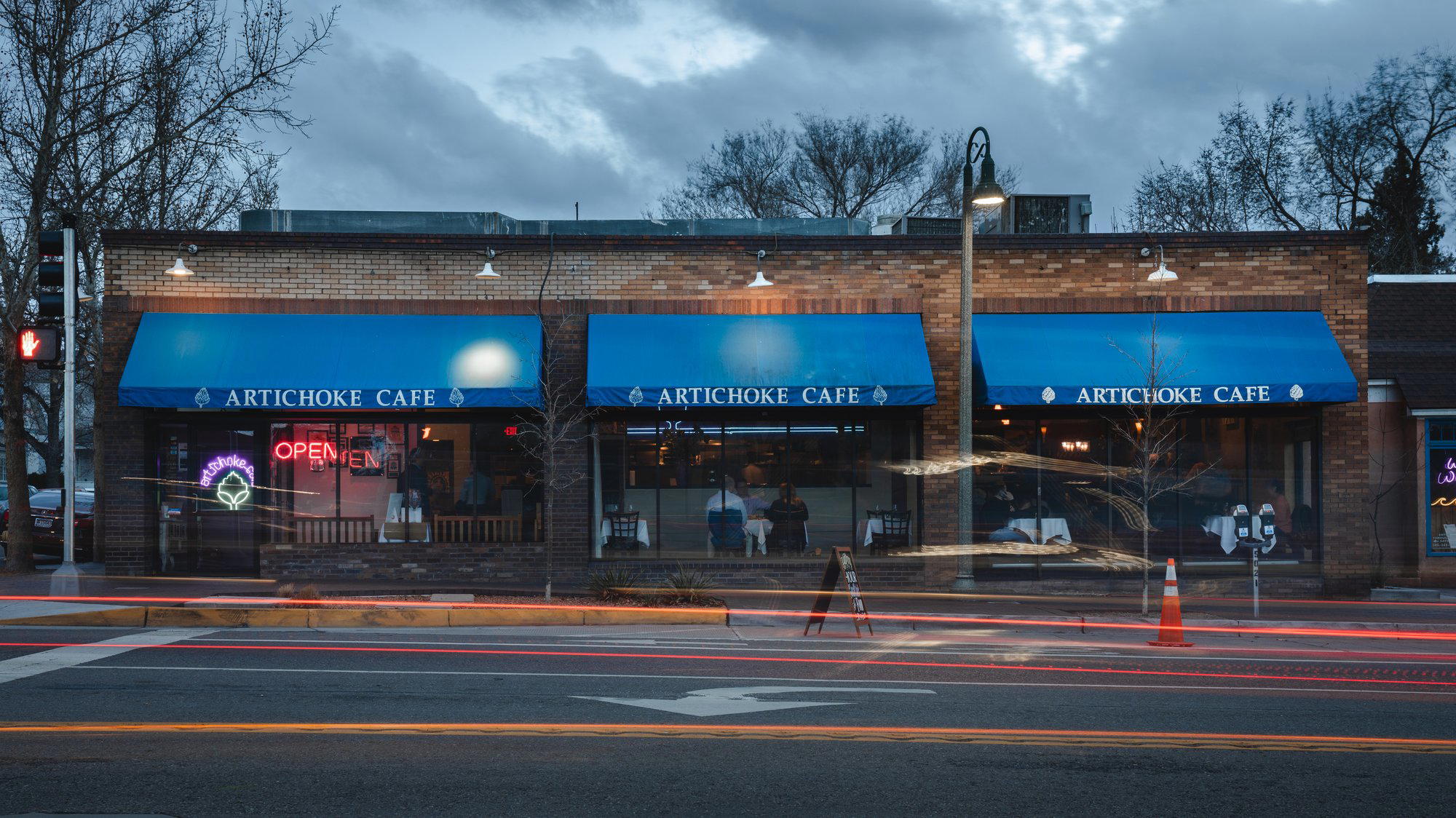
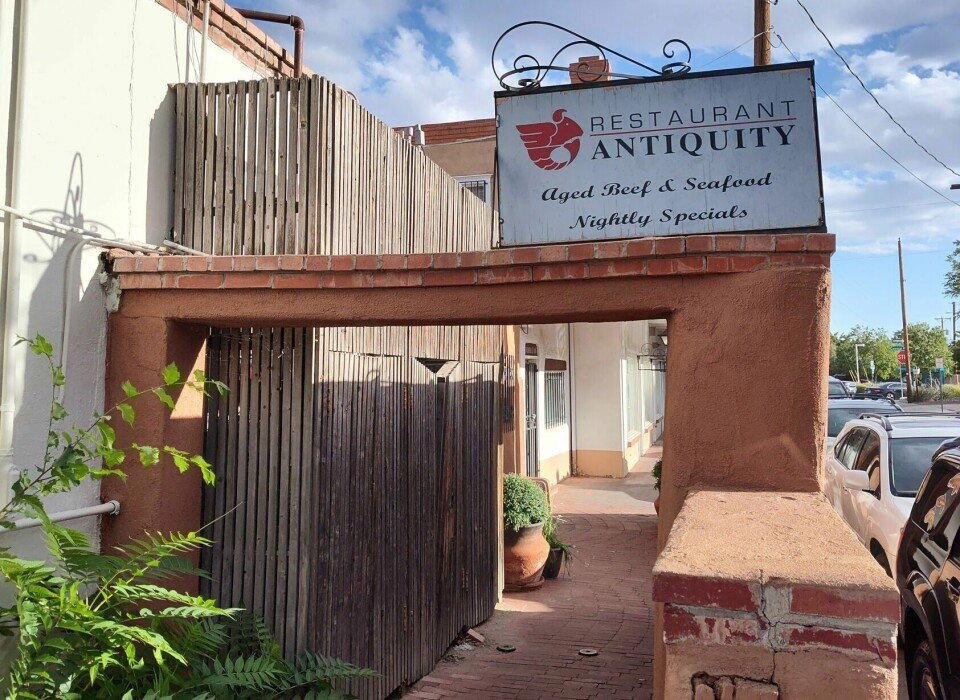
Albuquerque's comparison set includes restaurants working across different registers of that local-sourcing question. Indian Pueblo Kitchen makes Indigenous ingredients and agricultural traditions the explicit subject of its menu. Artichoke Cafe, one of the longer-running serious restaurants in the city, has maintained a sourcing-conscious approach across decades of the downtown corridor's evolution. Antiquity Restaurant represents an older model of fine dining that predates the current sourcing conversation but has survived by holding to its own standards. Each occupies a different moment in the city's restaurant history; Char enters a scene where those reference points already exist and readers who know them will arrive with calibrated expectations.
The Fire Format in American Fine Dining
The broader national shift toward wood-fire and char-based cooking has produced some of the more interesting restaurant openings of the past decade. Lazy Bear in San Francisco built a communal-table format around fire-forward technique and earned Michelin recognition doing it. Smyth in Chicago integrates live-fire cooking into a tasting menu format that has held two Michelin stars. Emeril's in New Orleans established the template of a chef-driven restaurant that uses technique as a regional identity marker. Even at the rarefied end, The French Laundry in Napa and Le Bernardin in New York City share with far more casual fire-cooking restaurants the same foundational principle: technique clarity requires ingredient quality as its prerequisite.
Albuquerque does not have a deep bench of Michelin-tracked restaurants, and the city sits outside the primary circuits that produce national critical attention. That creates space for concepts that might read as derivative in a more saturated market to develop on their own terms, with a local audience that is not constantly comparing every plate to a review it read last week. Addison in San Diego, Providence in Los Angeles, and Atomix in New York City all operate in cities where critical density is high and positioning is constant. Char's downtown Albuquerque address places it in a different conversation, one where the local audience's frame of reference includes places like Monica's El Portal, Mary & Tito's Cafe, and 5 Star Burgers, meaning the bar for satisfying the local palate runs through authenticity and portion honesty as much as through technique.
Planning a Visit
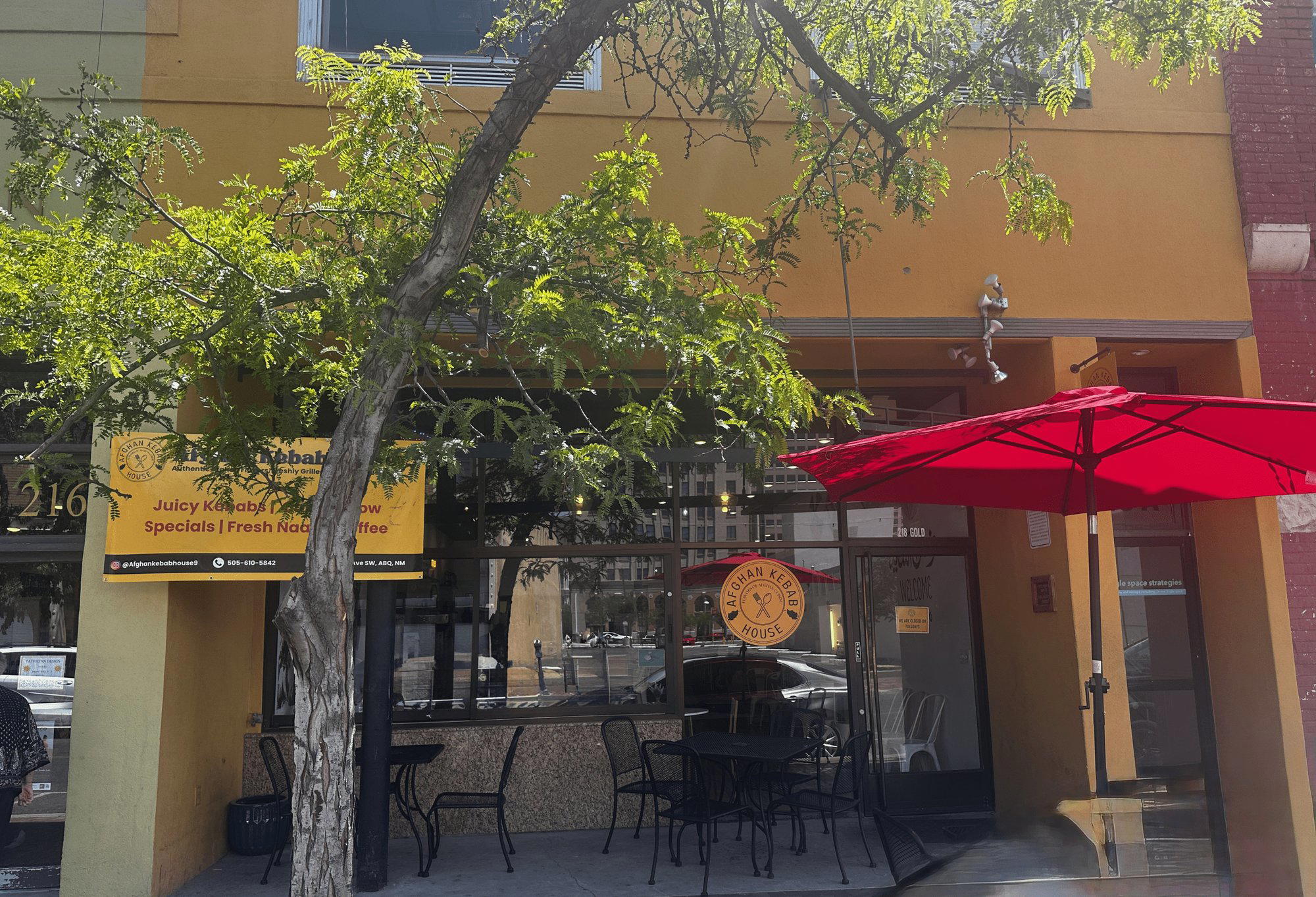
Char sits at 125 2nd St NW in Albuquerque's downtown core, accessible on foot from the major downtown hotels and a short drive from Old Town and the Nob Hill district. For visitors arriving during the late summer and early autumn months, roughly August through October, the overlap with New Mexico's green chile season makes this the most interesting window to eat across the city's sourcing-conscious restaurants: produce quality is at its peak and menus tend to reflect that. The Afghan Kebab House and Azuma Sushi & Teppan round out a downtown dining circuit for those spending multiple evenings in the neighbourhood. For a broader orientation to the city's restaurant options across neighbourhoods and price points, the full Albuquerque restaurants guide provides comparative context. Specific hours, current booking method, and pricing for Char are best confirmed directly with the venue, as those details vary with season and format changes.
Frequently asked questions
What's the overall feel of Char?
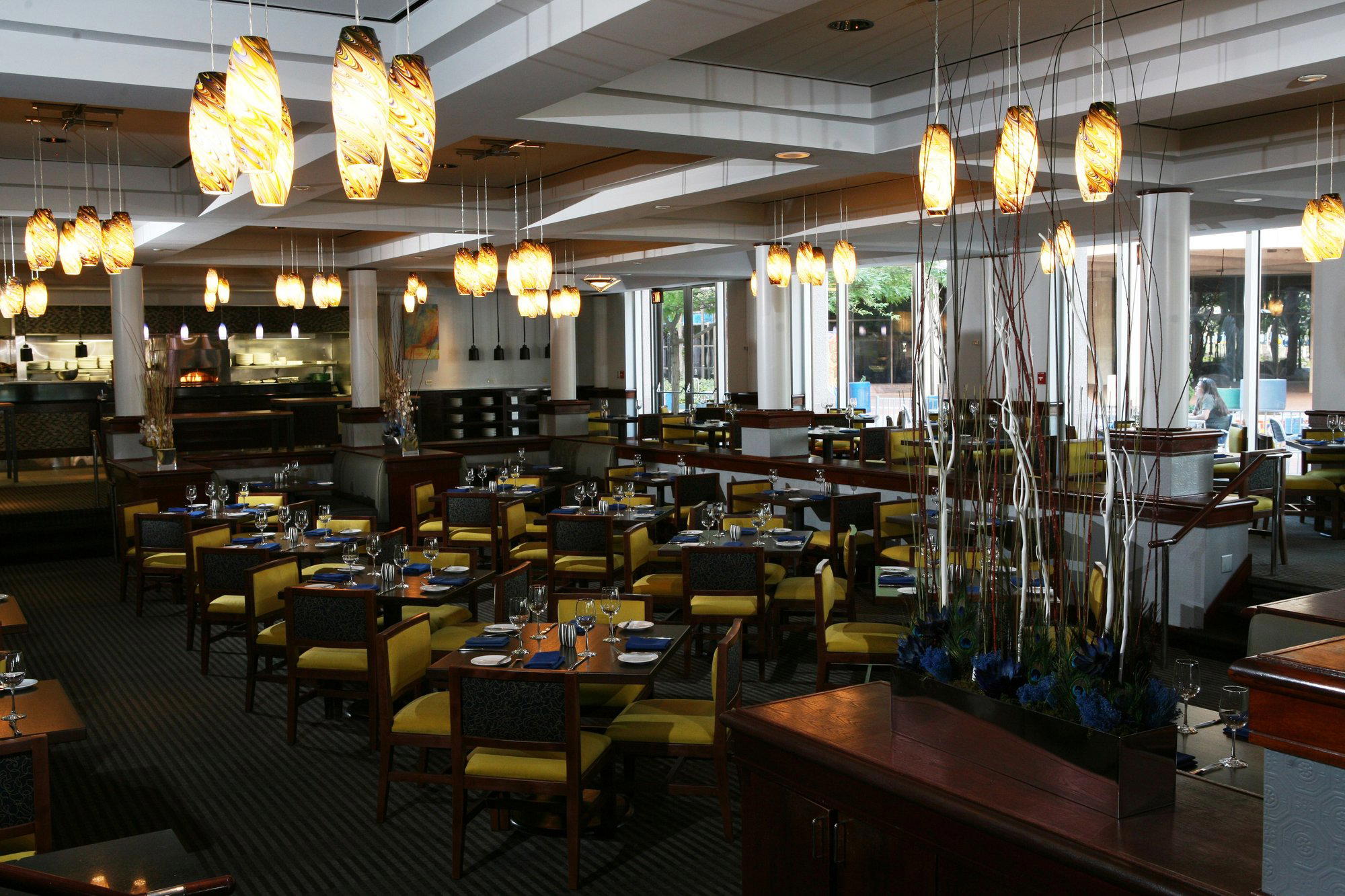
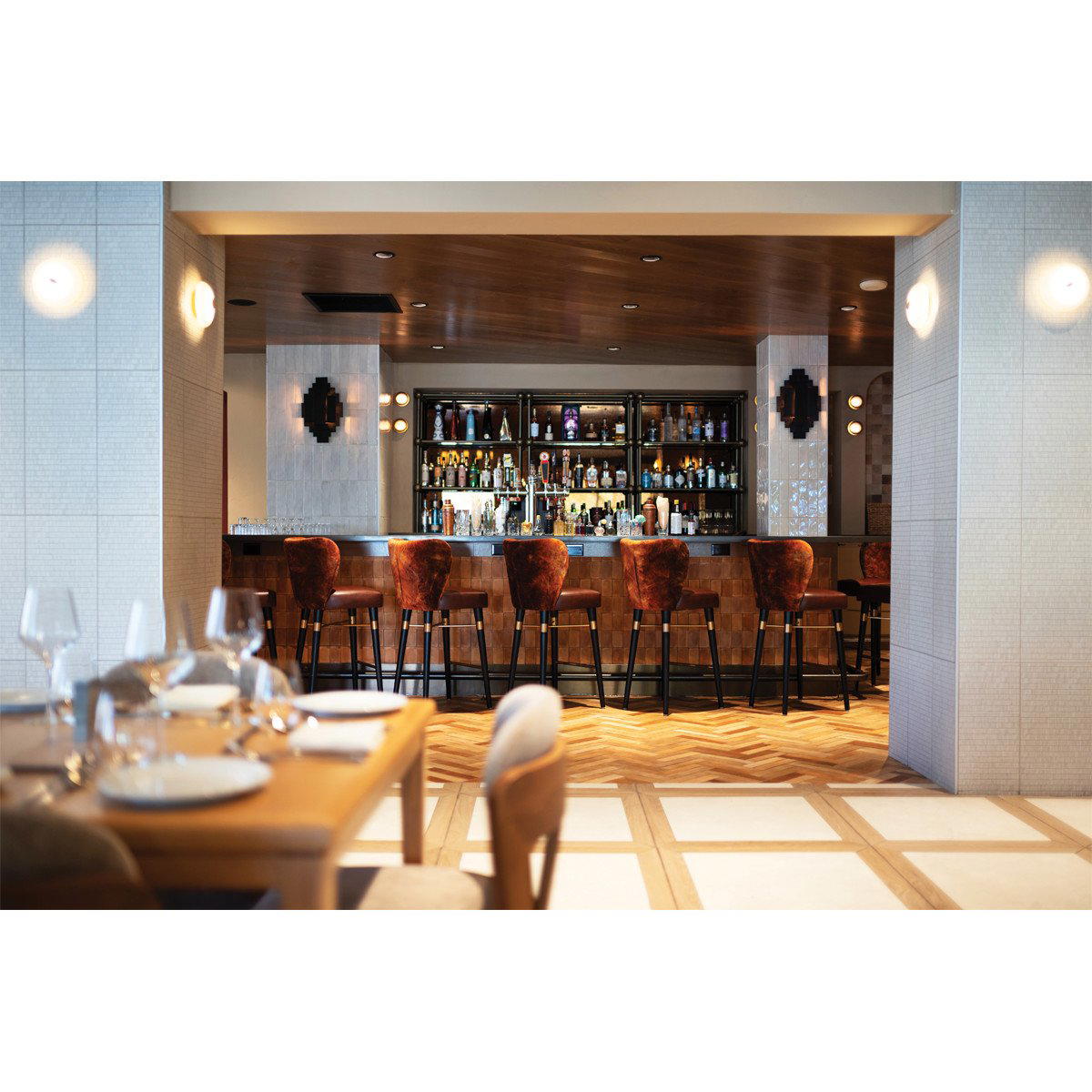
Char occupies a spot in downtown Albuquerque's core at 125 2nd St NW, putting it squarely inside the corridor where the city's more serious restaurant openings have concentrated over the past decade. The format centers on fire and sourcing, which pulls the room toward focused, ingredient-driven dining rather than anything casual or sprawling. Expect a deliberate atmosphere rather than a loose neighborhood-bar setup.
How do I find Char?
Char is located at 125 2nd St NW, Albuquerque, NM 87102, Albuquerque.
Is Char in Albuquerque a good option for a dinner near downtown hotels?
Char at 125 2nd St NW is within walking distance of the main downtown Albuquerque hotel cluster, which makes it a practical choice for guests who want to avoid driving. The restaurant's fire-cooking format and local sourcing focus position it at the more intentional end of the downtown dining options, rather than the quick-service end. Confirming hours and reservation availability directly with the venue before arrival is advisable.
What do people recommend at Char?
Char's menu is built around wood-fire and char-based technique, so anything that passes through the flame is where the kitchen's identity shows most clearly. New Mexico's Hatch Valley chile harvest gives the restaurant a seasonal sourcing window that few states can match, and dishes that draw on that agricultural calendar tend to reflect the kitchen's strengths. Specific current dishes are best confirmed directly with the restaurant before visiting.
Can I walk in to Char?
Char sits in Albuquerque's downtown core and is accessible on foot from the major downtown hotels. Walk-in availability at fire-forward restaurants in active dining corridors tends to vary sharply by day and season, so contacting the venue ahead of your visit is the practical approach. The downtown location at 125 2nd St NW means foot traffic is consistent, particularly on weekends.
What is Char known for?
Char is identified with open-flame cooking in a downtown Albuquerque dining scene that has spent several years attracting restaurants with defined culinary points of view. The wood-fire format places it alongside a national wave of fire-led kitchens, though the New Mexico context adds a regional sourcing dimension, particularly around the state's chile production, that distinguishes the local execution. It operates at 125 2nd St NW, making it one of the more accessible addresses in the city's central dining corridor.
Comparable Spots
Comparable venues nearby, for context on price, style, and recognition.
| Venue | Cuisine | Price | Awards | Notes |
|---|---|---|---|---|
| CharThis venue (the venue you are viewing) | Modern New Mexican Steakhouse | Not listed | Not listed | Not listed |
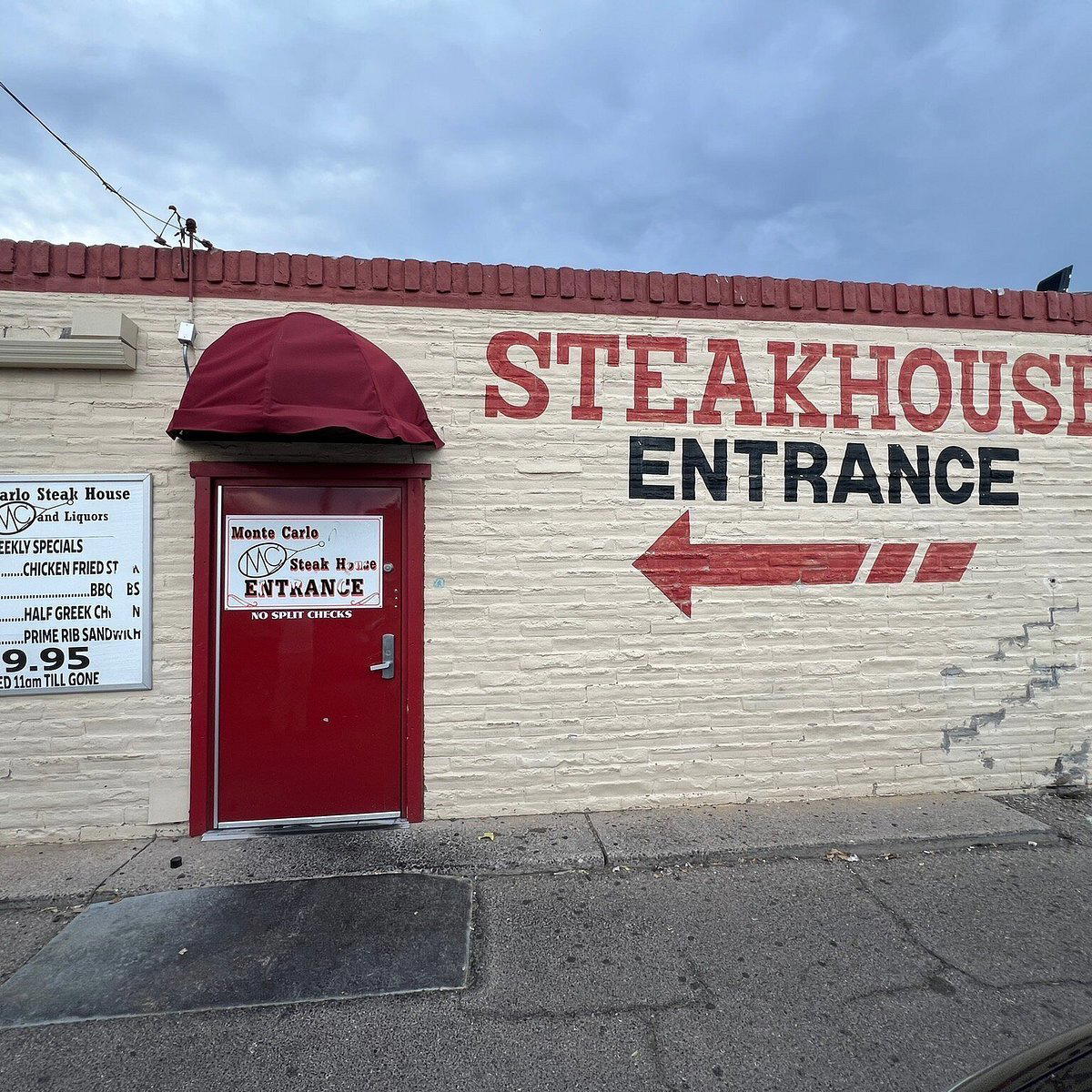
| Monte Carlo Liquors & Steak House | Classic American Steakhouse | $30–50 | Diners, Drive-Ins and Dives Featured Bar | Southwest Albuquerque |
| La Salita Restaurant | Authentic New Mexican | $10–20 | Not listed | Northeast Heights |
| High Noon | New Mexican Steakhouse | $30–50 | Not listed | Old Town |
| Pelican's | Seafood & Steakhouse | $30–50 | Not listed | Northwest Albuquerque |
| Range Cafe Downtown | New Mexican Comfort Cafe | Not listed | Not listed | Downtown |