On Rue Saint-Sauveur in Paris's 2nd arrondissement, Experimental Cocktail Club helped establish the template for serious craft cocktail bars in France when few others were paying attention. The bar trades in technically precise, ingredient-driven drinks within a room that rewards slow evenings and repeat visits. It remains a reference point for understanding how Paris's cocktail scene developed over the past decade.
Pearl is the En Primeur Club membership app — saves, bookings, and concierge access live there. Same editors, same standards.
- Address
- 37 Rue Saint-Sauveur, 75002 Paris, France
- Phone
- +33 1 45 08 88 09
- Website
- experimentalcocktailclub.com
- Directions
- Get directions
 Saves & bookings on Pearl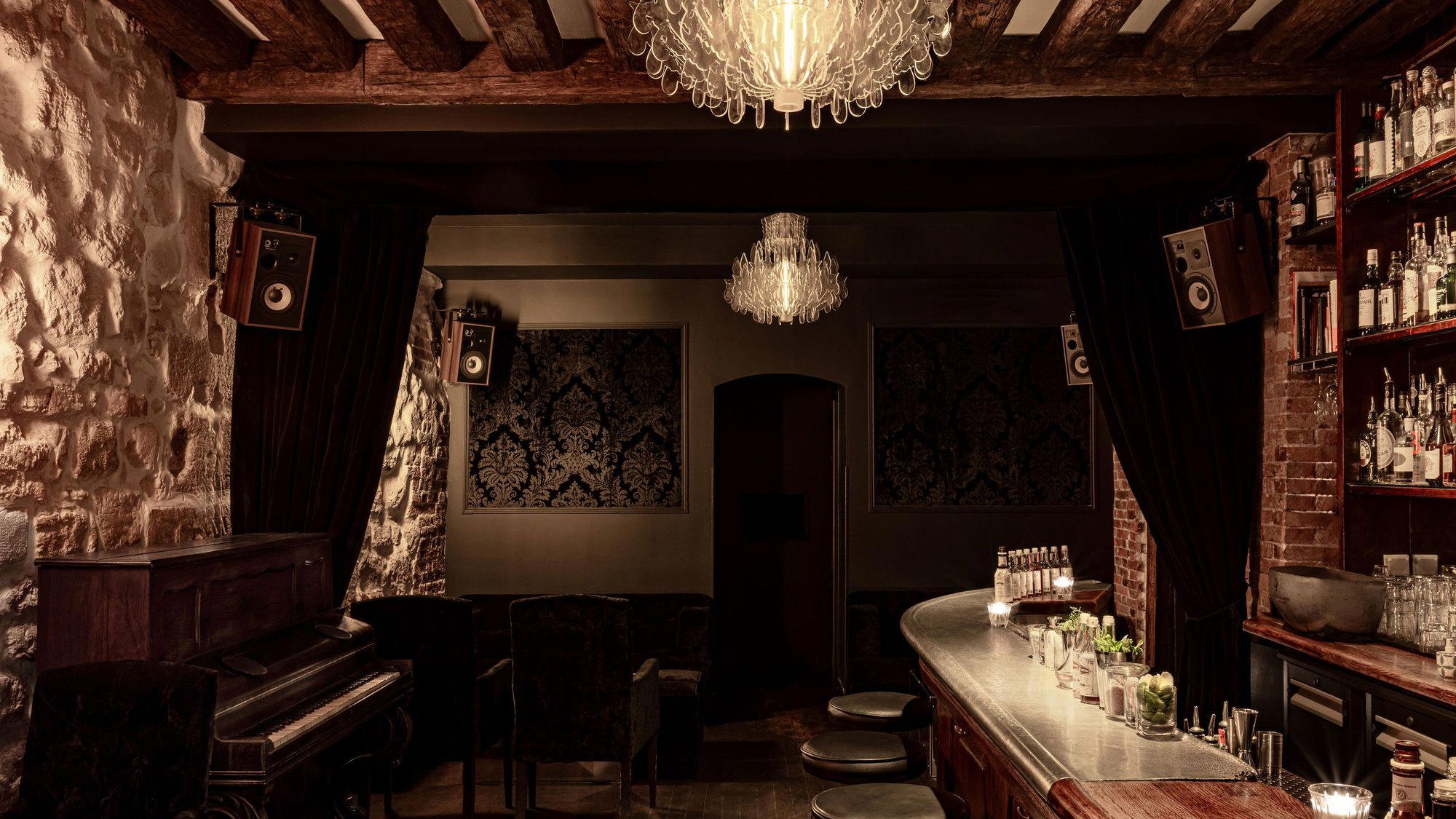
Where Paris's Cocktail Conversation Shifted
Rue Saint-Sauveur sits in the 2nd arrondissement, a stretch of central Paris that spent years as a wholesale district before creative businesses began filling the gaps between shuttered fabric merchants and produce suppliers. The street has an unhurried quality at odds with the busier arteries nearby, and that friction between workaday Paris and something more considered is part of what makes arriving at number 37 feel purposeful rather than accidental. The building's exterior gives little away — deliberately so. European craft bars of the early 2010s operated on a logic of restraint, and Experimental Cocktail Club was among the bars that established that grammar in Paris.
When ECC opened, the Paris bar scene was still largely divided between hotel lounges running classic French drinks lists and neighborhood cafes indifferent to what was in the glass. The concept that a cocktail bar could anchor itself around sourcing, technique, and seasonal produce — and find a paying audience for that proposition, was not obvious. ECC helped prove it was possible, and the bars that followed in subsequent years, including Candelaria and Danico, built on a foundation the earlier generation had laid.
Ingredient Logic as Editorial Stance
The clearest through-line in Paris's craft cocktail movement is an insistence on treating spirits and modifiers the way serious kitchens treat produce: sourcing with intent, rotating with the seasons, and resisting the generic. For a city with centuries of market culture, where a chef's credibility is partly measured by who supplies their vegetables, applying that same reasoning to a bar program was a natural extension rather than an import. ECC operates within this tradition, constructing drinks around the quality and provenance of their components rather than around the personality of a signature serve.
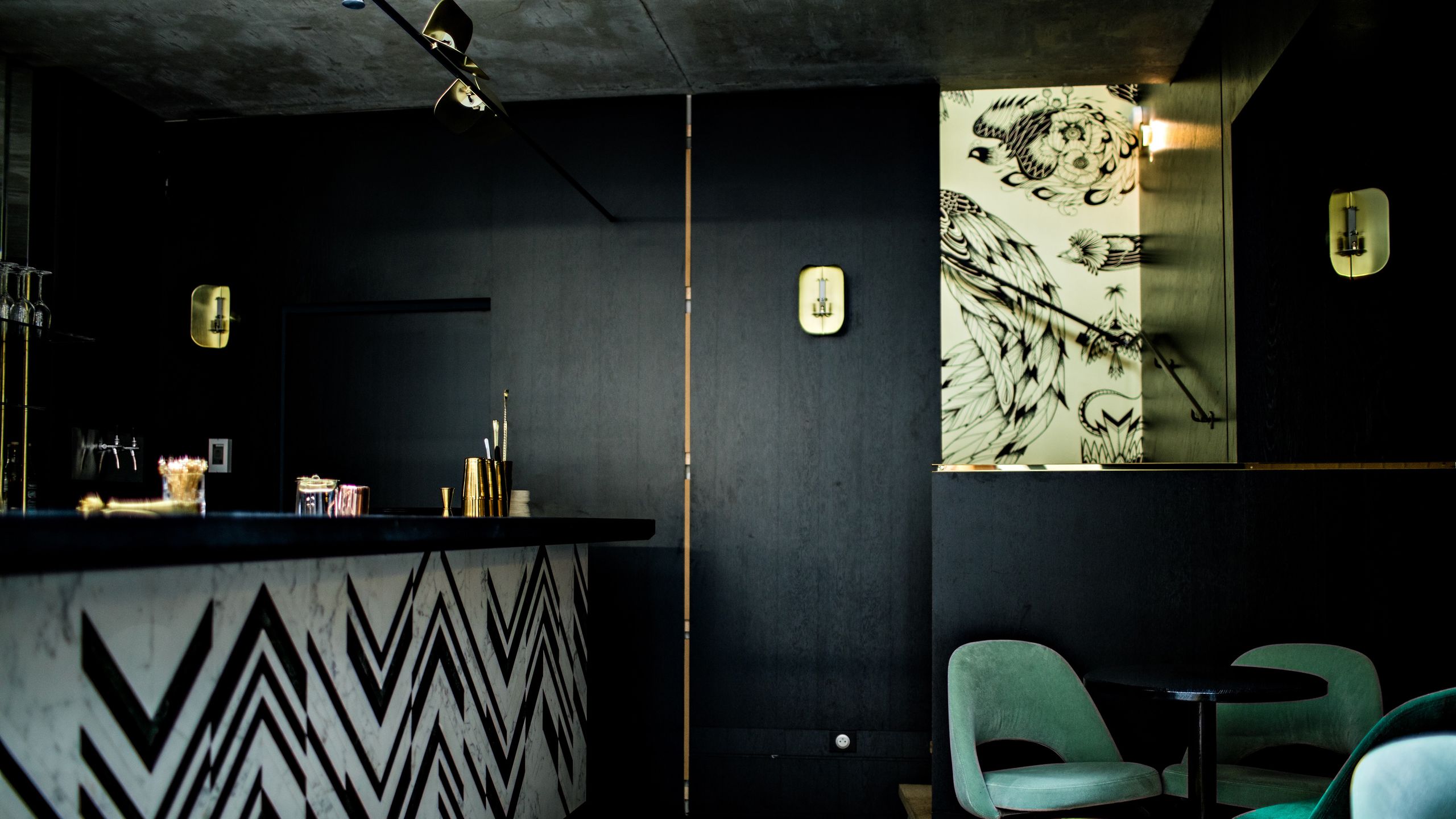
This ingredient-led approach contrasts with the cocktail bars that built their identity around spectacle: smoke, theatrical service, or historically costumed staff. Paris's most durable bars from this era tended toward material quality over experience packaging. The room at Rue Saint-Sauveur reflects that priority, the environment is considered but not theatrical, the kind of space where what's in the glass carries the conversation.
For visitors comparing Paris's craft bar offer against what they might encounter at Bar Leather Apron in Honolulu or French regional programs like La Maison M. in Lyon or Papa Doble in Montpellier, ECC represents the Parisian version of a particular argument: that a bar's credibility rests on what it sources and how it deploys those materials, not on how loudly it announces itself.
The 2nd Arrondissement Context
The bar's address places it within a neighborhood that has accumulated a density of independent hospitality over the past fifteen years. The Grands Boulevards area and the streets threading south toward the Sentier quartier now hold a range of bars at different price points and with different orientations, see Bar Nouveau for a sense of the more recent wave, or Buddha Bar for the older, larger-format end of the spectrum. ECC sits between these registers: neither the scale of a destination venue nor the micro-capacity of a tasting-room bar, but a mid-size room where the program remains the organizing logic.
The 2nd arrondissement rewards walkers who navigate by instinct rather than by itinerary. Arriving at ECC from the direction of Rue Montmartre or cutting through from the covered passages nearby means passing through a part of the city that still operates on older rhythms, where the urban grain is fine and the scale of buildings remains human. That particular approach to the bar, on foot, without having committed to a specific arrival time, suits the format well.
How ECC Fits into the Paris Bar Conversation Now
A decade-plus after the first wave of Paris craft bars, the city's bar scene has stratified considerably. There are now bars with serious competition placements and internationally recruited bar teams, bars focused on natural-wine-adjacent low-intervention spirits, and bars exporting their concepts to other cities. ECC belongs to the founding generation of this ecosystem, which gives it a different status than newer arrivals: its significance is partly historical, partly ongoing.
That founding generation credibility means ECC is frequently cited when tracing how Paris moved from a city with interesting hotel bars and brasserie wine lists to a city with a recognizable craft cocktail identity. Bars like Coté vin in Toulouse, Au Brasseur in Strasbourg, and Bar Casa Bordeaux in Bordeaux developed their own regional versions of this argument, but Paris served as the proving ground, and ECC was among the venues that absorbed the initial risk.
For a broader orientation to what Paris offers across restaurants and bars, the EP Club Paris guide maps the full picture. ECC's placement within that guide sits comfortably in the craft-bar tier, not the high-volume entertainment end, and not the micro-experimental end either, but the range where the program is serious and the room is built for staying.
For a comparable reference closer to ECC's format and philosophy, Le Café de la Fontaine in La Turbie offers an instructive counterpoint: a different setting, different scale, but a similar argument about quality of material over quantity of spectacle.
Planning Your Visit
Rue Saint-Sauveur is direct to reach from central Paris, the Réaumur-Sébastopol or Bonne Nouvelle metro stops put it within a short walk, and the 2nd arrondissement's compact geography means combining a visit here with dinner or an earlier drink elsewhere in the neighborhood requires minimal logistics. The bar draws a mix of industry regulars and travelers who have done their research, which means weekend evenings tend to fill steadily; midweek visits or arriving before 9pm typically offer more room to settle in. Booking ahead where possible reduces the chance of waiting, though the bar's format accommodates walk-ins during quieter periods. Given the absence of a confirmed booking platform in current public information, checking the venue directly before a special occasion visit is the practical move.
How Experimental Cocktail Club Paris compares with similar nearby venues.
| Venue | Cuisine |
|---|---|
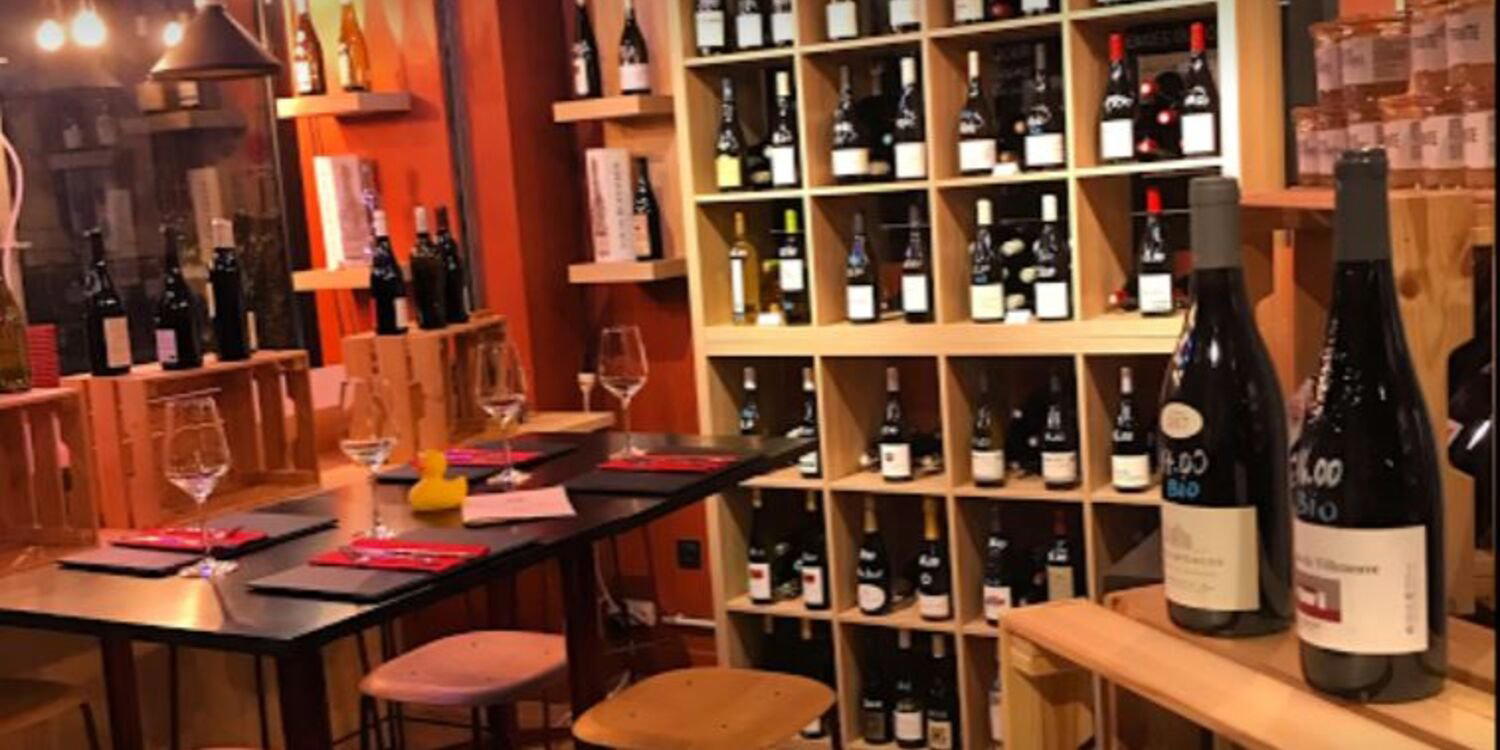
| Cave De Vie | Hybrid retail and bar (part of De Vie) |
Continue exploring
More in Paris
Bars in Paris
Browse all →
Restaurants in Paris
Browse all →
Hotels in Paris
Browse all →
At a Glance
- Intimate
- Trendy
- Sophisticated
- Date Night
- Late Night
- Special Occasion
- Speakeasy
- Seated Bar
- Lounge Seating
- Craft Cocktails
- Classic Cocktails
Current opening hours
- Monday
- 7 PM–2 AM
- Tuesday
- 7 PM–2 AM
- Wednesday
- 7 PM–2 AM
- Thursday
- 7 PM–2 AM
- Friday
- 7 PM–4 AM
- Saturday
- 7 PM–4 AM
- Sunday
- 8 PM–2 AM
Hours can change for holidays and private events. Last verified .
Intimate underground speakeasy with warm, elegant lighting and a lively atmosphere fueled by good music.
Know Before You Go
- Getting there
- 37 Rue Saint-Sauveur, 75002 Paris, France