Glass sits on Rue Frochot in Paris's 9th arrondissement, operating as one of the quarter's most consistent late-night bars. The room draws a local crowd from the surrounding Pigalle and South Pigalle neighbourhoods, where the bar functions less as a destination and more as a reliable anchor for the area's bar-going regulars. Expect a focused drinks program and the kind of unhurried atmosphere the 9th does well.
- Address
- 7 Rue Frochot, 75009 Paris, France
- Phone
- +33 1 48 78 37 14
- Directions
- Get directions
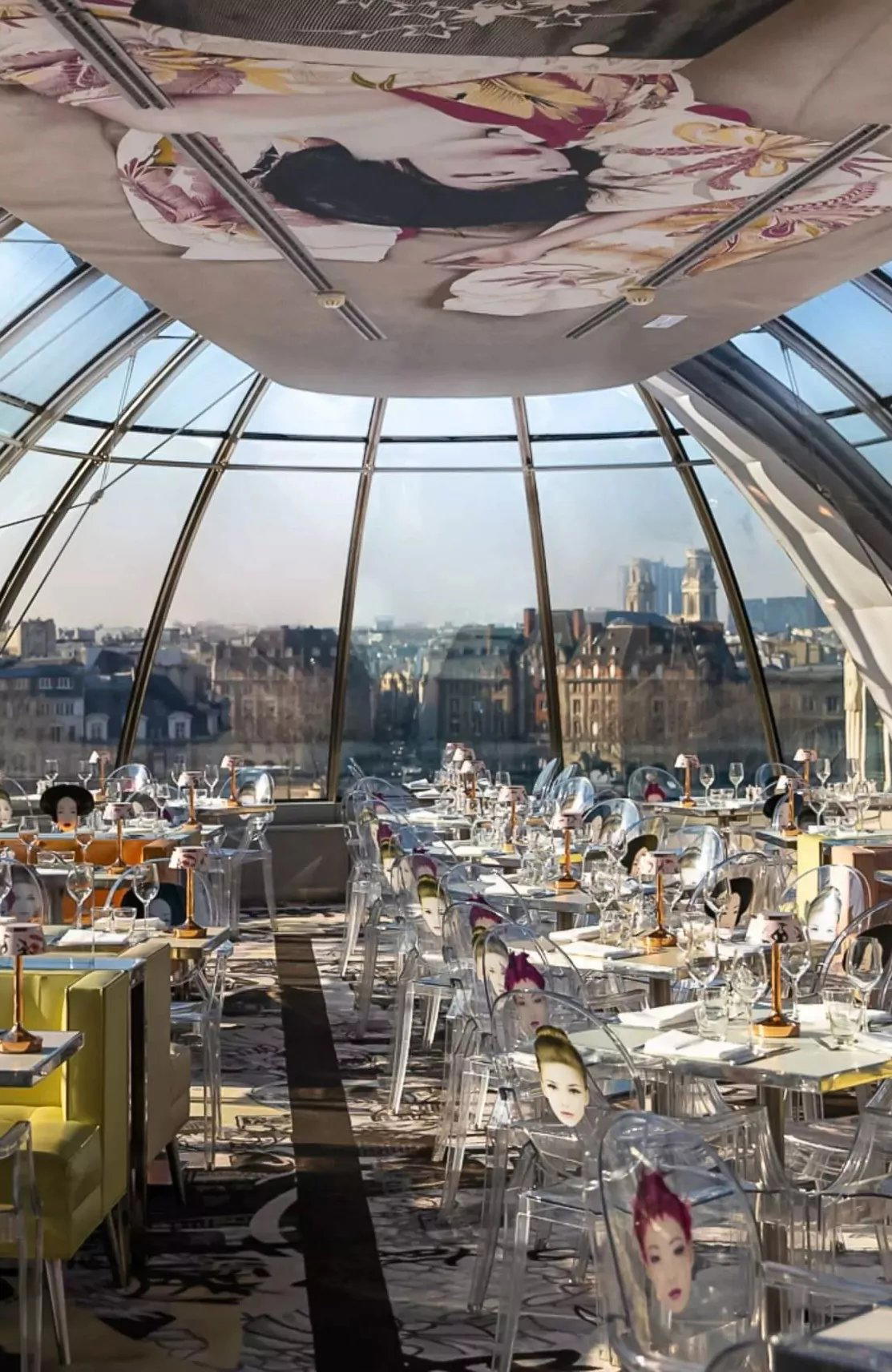
The 9th Arrondissement After Dark
South Pigalle, the wedge of Paris's 9th arrondissement that stretches between Rue des Martyrs and the foot of Montmartre, has spent the better part of a decade becoming one of the city's most coherent bar neighbourhoods. The area's bars tend toward the intimate and the specialist: rooms where the drink comes first and the décor serves the atmosphere rather than competing with it. Glass, at 7 Rue Frochot, sits inside that tradition. The street itself runs one block south of Place Pigalle and carries the kind of low-key residential character that keeps venues on it honest. There is no tourist infrastructure here, no queue management outside, no photographer's backdrop. The bar earns its crowd through repetition, not novelty.
That positioning matters when mapping the 9th's drinking options. The neighbourhood now supports a range of formats, from the taco-and-mezcal model that Candelaria has defined in the nearby Marais-adjacent corridor, to the technical precision-led programs at counters like Danico. Glass occupies a different position in this map: the neighbourhood watering hole that regulars return to not because of a rotating menu concept but because the room holds. That is harder to sustain in Paris than it sounds, in a city where bars cycle through identities as quickly as fashion labels.
What the Room Signals
Rue Frochot is a quieter address than the main arteries of the 9th, and the bar reads accordingly. Walking in, the expectation is of a space that operates at human scale: a counter-forward layout, lighting calibrated for conversation rather than atmosphere performance, and a crowd that skews toward people who live within a ten-minute walk. This is not the grand-room formality of the Right Bank hotel bars, nor the high-volume energy of a venue designed to maximise covers. The 9th's bar character, particularly in the South Pigalle pocket, has drifted toward this mode: rooms that hold a neighbourhood's social life without trying to hold the city's attention.
By contrast, the larger-footprint venues that occupy other parts of the Paris bar scene, places like Buddha Bar in the 8th, operate on an entirely different register: spectacle-first, destination-driven, priced and staffed for international visitors as much as Parisians. Glass represents the opposite end of the format range, and that opposition is part of what defines it.
The Drinks Program in Context
Paris's cocktail culture has matured considerably since the mid-2010s, moving from a posture of catching up with London and New York toward a distinct local identity built around French spirits, wine-influenced aperitif formats, and a willingness to be slower and more deliberate about the drinking occasion. The bars that have earned sustained local followings have tended to anchor their programs in something specific: a spirit category, a technique, a regional identity. Bar Nouveau has worked within that current too, representing how the 9th's bar scene continues to produce venues with considered programs rather than generalist menus.
Glass operates within this broader shift. The bar's position on Rue Frochot places it in a part of the city where the after-dinner crowd and the late-night regulars overlap, and a drinks list calibrated for that dual function makes sense. The venue's drinks approach is not one that requires a destination rationale: you do not make a reservation and cross the city for it. You find it because you are nearby, or because someone who lives nearby told you about it, which is the more reliable form of recommendation in any city.
Paris supports several tiers of bar experience, and understanding where a given venue sits helps frame the visit. At the top of the formal end, long-established names like Harry's Bar anchor a tradition of professional bartending built on consistency and classical formats. At the creative-technical end, venues that have drawn international attention for their methodology and sourcing represent a category unto themselves. Between these poles, a large middle tier operates on the logic of place and regularity: bars whose value is in being reliably there, in being part of a neighbourhood's rhythm.
Glass belongs to this middle tier, and the peer comparison that matters most is not with the city's award-trailing cocktail programs but with the other bars on the streets of the 9th that a local might name as their regular. For comparison across French cities, the model is recognisable: La Maison M. in Lyon and Coté vin in Toulouse occupy similar positions in their respective cities, bars that hold a neighbourhood's social function without requiring a broader reputation to justify the visit. Au Brasseur in Strasbourg and Bar Casa Bordeaux in Bordeaux operate on the same principle: consistency and local anchoring over destination ambition. Even further afield, Papa Doble in Montpellier represents how this neighbourhood-first bar format sustains itself in smaller French cities, while internationally, Bar Leather Apron in Honolulu and Le Café de la Fontaine in La Turbie demonstrate how bars in their respective cities build equivalent roles as community-anchored drinking rooms.
Planning the Visit
Glass is at 7 Rue Frochot in the 9th arrondissement, a short walk from Place Pigalle and accessible from the Pigalle metro station on lines 2 and 12. The surrounding blocks of South Pigalle have enough bar and restaurant density that an evening in the area tends to carry its own momentum: dinner nearby followed by drinks, or drinks that extend into the neighbourhood's later-night options. The bar functions well as a first stop or a final one. Given the venue's local-regular character, walk-ins are the natural format, though on busier evenings, particularly weekends, arriving early in the session gives better access to a seat at the counter. There is no published booking infrastructure for a bar of this type, which is itself part of the point: the 9th's neighbourhood bars operate on presence, not reservation. For broader orientation on Paris's drinking and dining scene, the EP Club Paris guide maps the city's bar tiers and neighbourhoods in fuller detail.
Recognition Snapshot
A compact comparison to help you place this venue among nearby peers.
| Venue | Cuisine | Price | Awards |
|---|---|---|---|
| GlassThis venue — the venue you are viewing | Not listed | Not listed | Not listed |
| Bar Nouveau | Not listed | $30–50 | World's 50 Best #5 · Top 500 Bars Best Bars #18 |
| Buddha Bar | Not listed | $100–150 | World's 50 Best #20 |
| Candelaria | Mexican-Cocktails | $20–30 | World's 50 Best #42 · Pinnacle Guide 1 Pin |
| Danico | Not listed | $20–30 | World's 50 Best #19 · Top 500 Bars Best Bars #17 |
| Harry's Bar | Not listed | $30–50 | World's 50 Best #27 · Top 500 Bars Best Bars #60 |
Continue exploring
More in Paris
Bars in Paris
Browse all →
Restaurants in Paris
Browse all →
Hotels in Paris
Browse all →



Details
- Date Night
- Special Occasion
- Design Destination
- Hotel Bar
- Lounge Seating
- Craft Cocktails
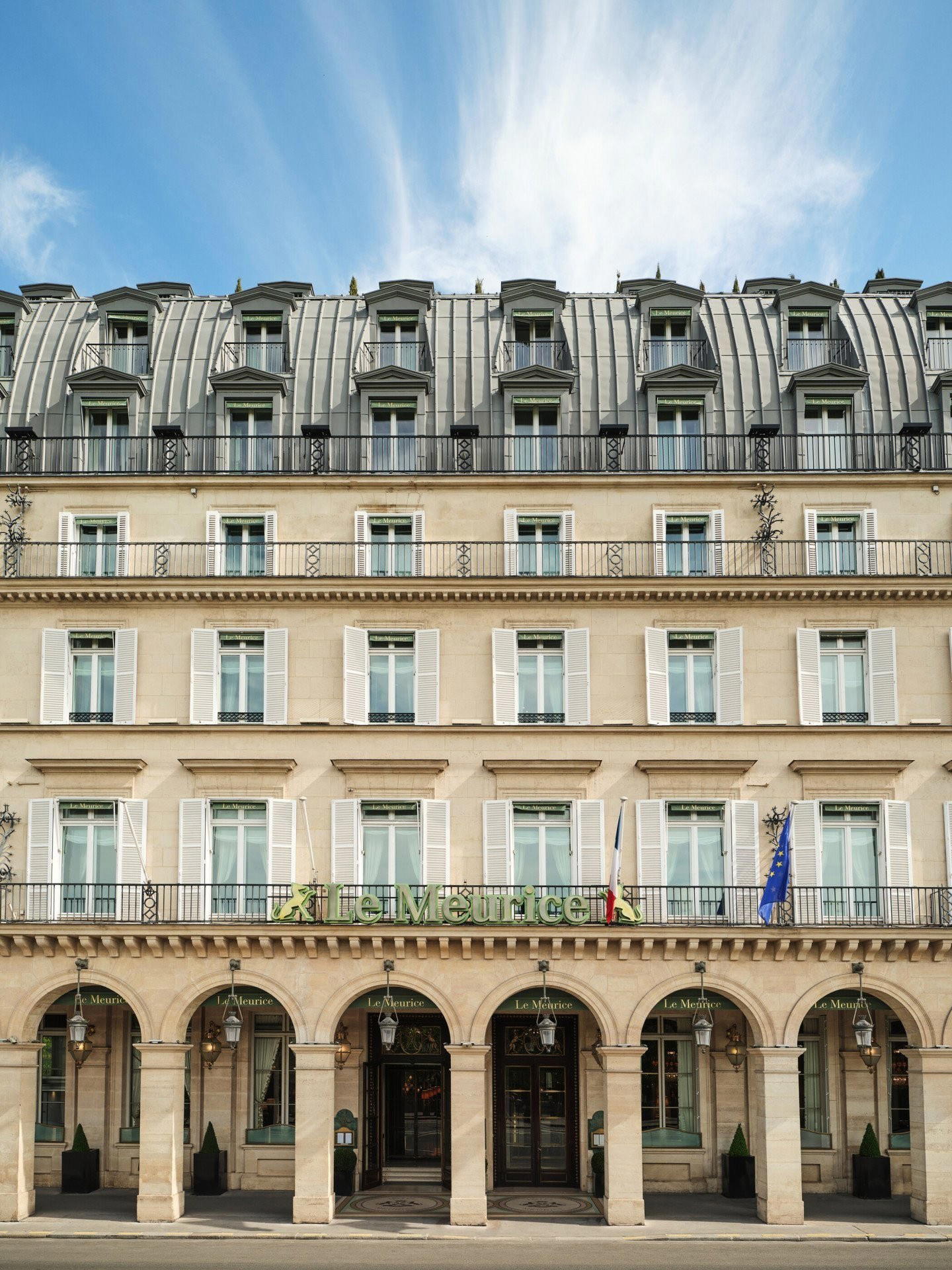
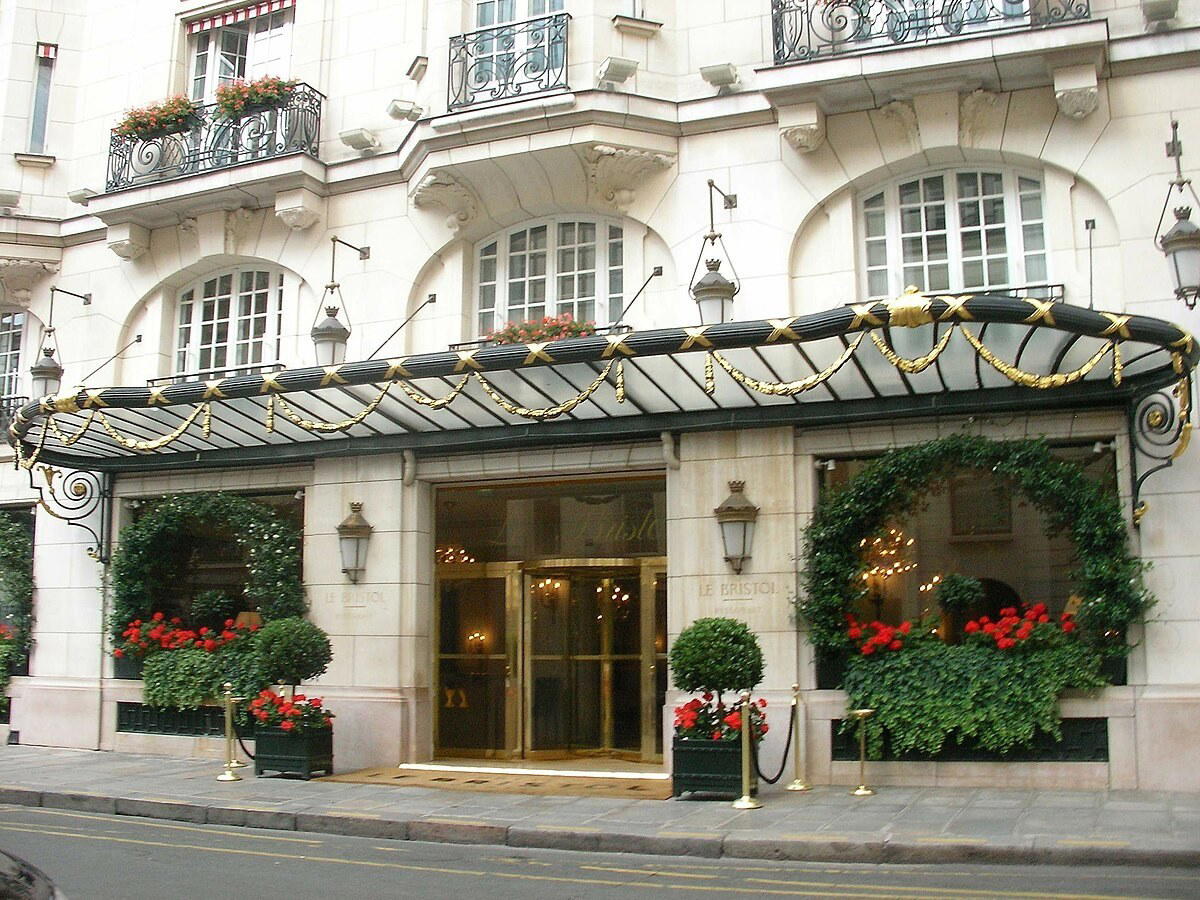
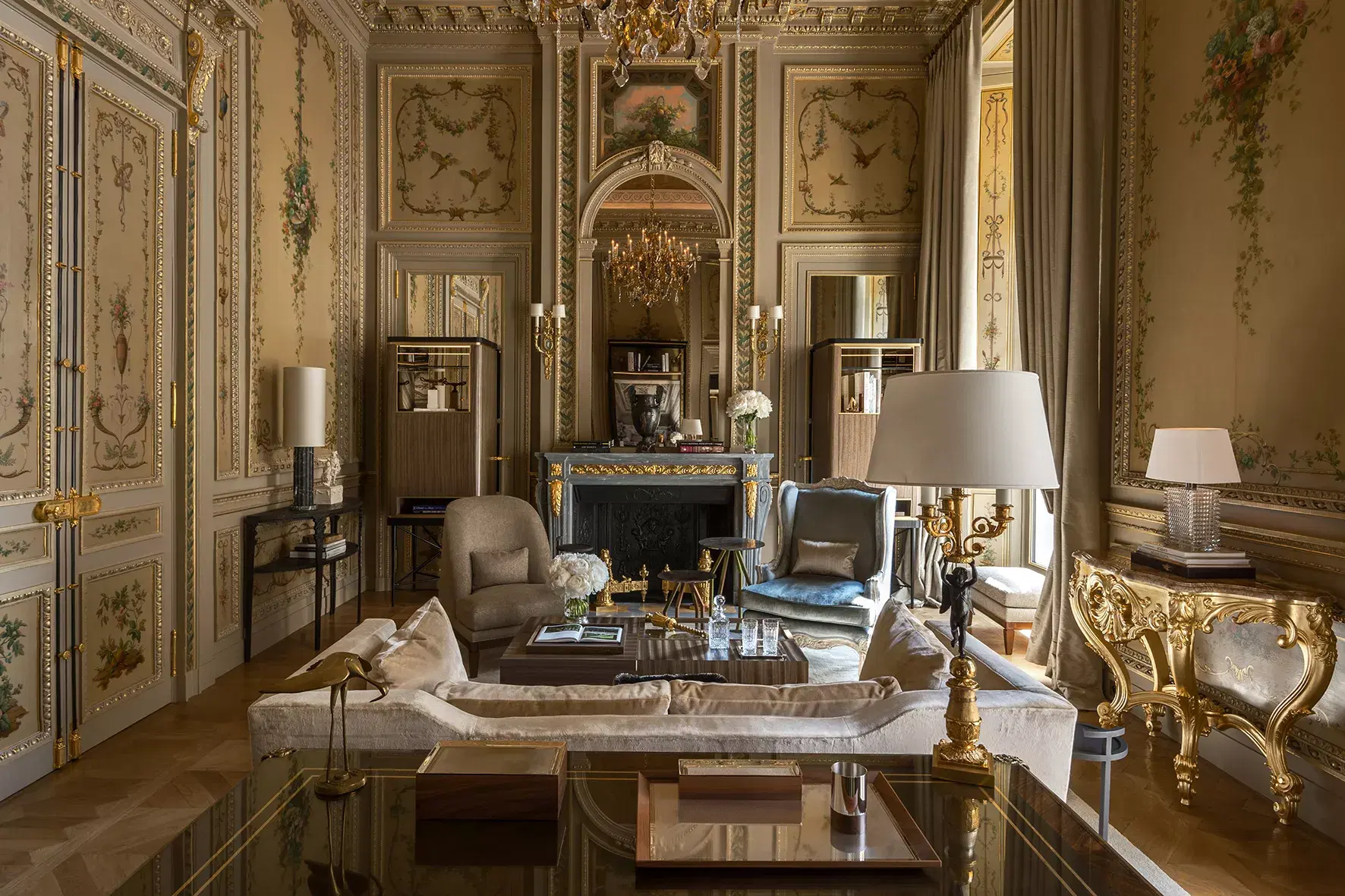
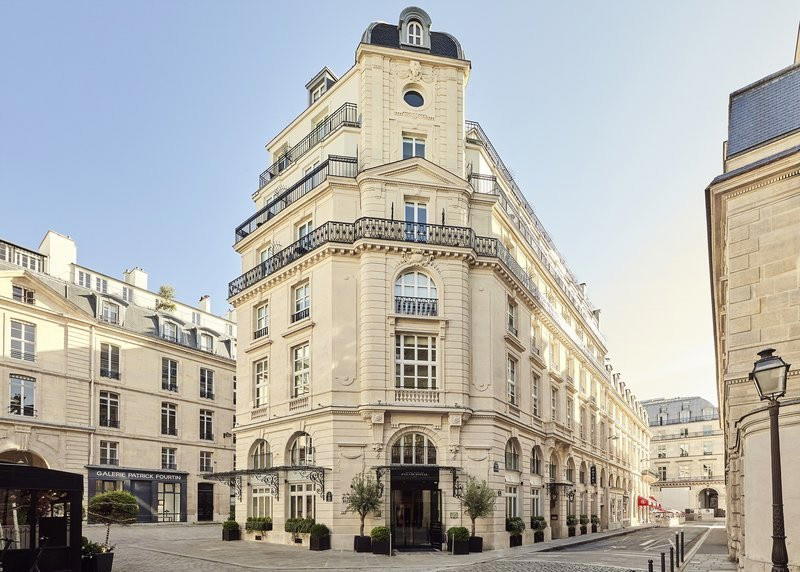
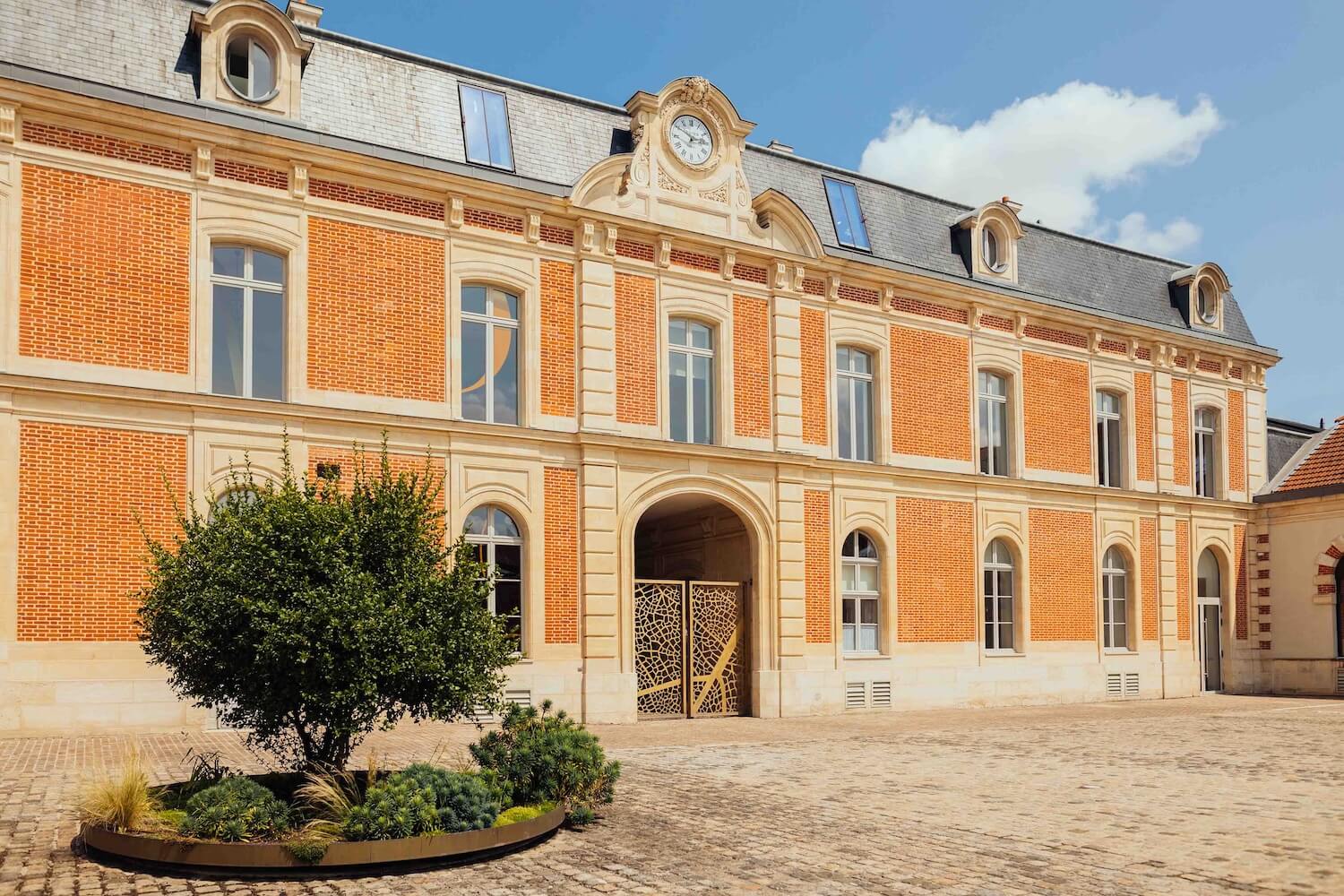
Elegant atmosphere with shimmer of crystal glasses, stained glass light dancing across the floor, inviting for cocktails and conversation.