Doc Sullivan's
Doc Sullivan's sits on Abbott Road in Buffalo's South Buffalo neighborhood, a working-class strip where the regulars define the room as much as the bar does. The kind of place where the same faces occupy the same stools across decades, it represents a strain of Buffalo tavern culture that persists quietly alongside the city's newer dining wave. Plan accordingly: come as a curious outsider, order what the room orders, and stay longer than you intended.
Pearl is the En Primeur Club membership app — saves, bookings, and concierge access live there. Same editors, same standards.
- Address
- 474 Abbott Rd, Buffalo, NY 14220
- Phone
- +1 716 436 3302
- Website
- docsullivansbuffalo.com
- Directions
- Get directions
 Saves & bookings on Pearl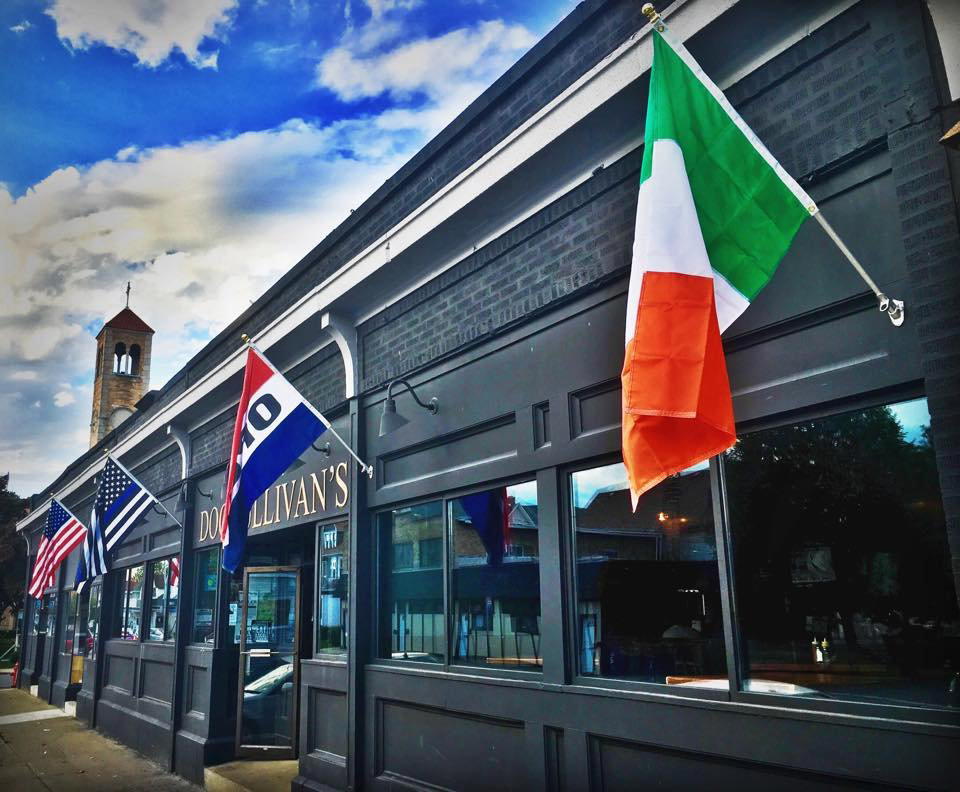
Abbott Road and the Tavern That Stays Put
South Buffalo has a particular relationship with its neighborhood bars. Unlike the Allentown spots that reinvent themselves with each ownership change, or the Elmwood corridor places that angle toward a transient crowd of students and newcomers, the bars along Abbott Road are built around permanence. The regulars are the institution. Doc Sullivan's at 474 Abbott Rd fits that pattern precisely: a tavern whose identity is less about what's on the menu and more about who walks through the door and how long they've been doing it.
Buffalo's South Buffalo neighborhoods have long sustained this kind of place. The area's Irish-American working-class roots created a tavern culture where the local bar serves as a genuine community anchor rather than a destination for outsiders. That context matters for understanding Doc Sullivan's, because arriving without it means misreading what you're looking at. This is not a concept bar. It is not positioning itself against the craft cocktail programs you'd find at Allen St Hardware Cafe further north, nor does it compete on the same frequency as the tourist-facing legacy of Anchor Bar. Doc Sullivan's competes on loyalty and longevity, which is a different game entirely.
The Room as a Document of the Neighborhood
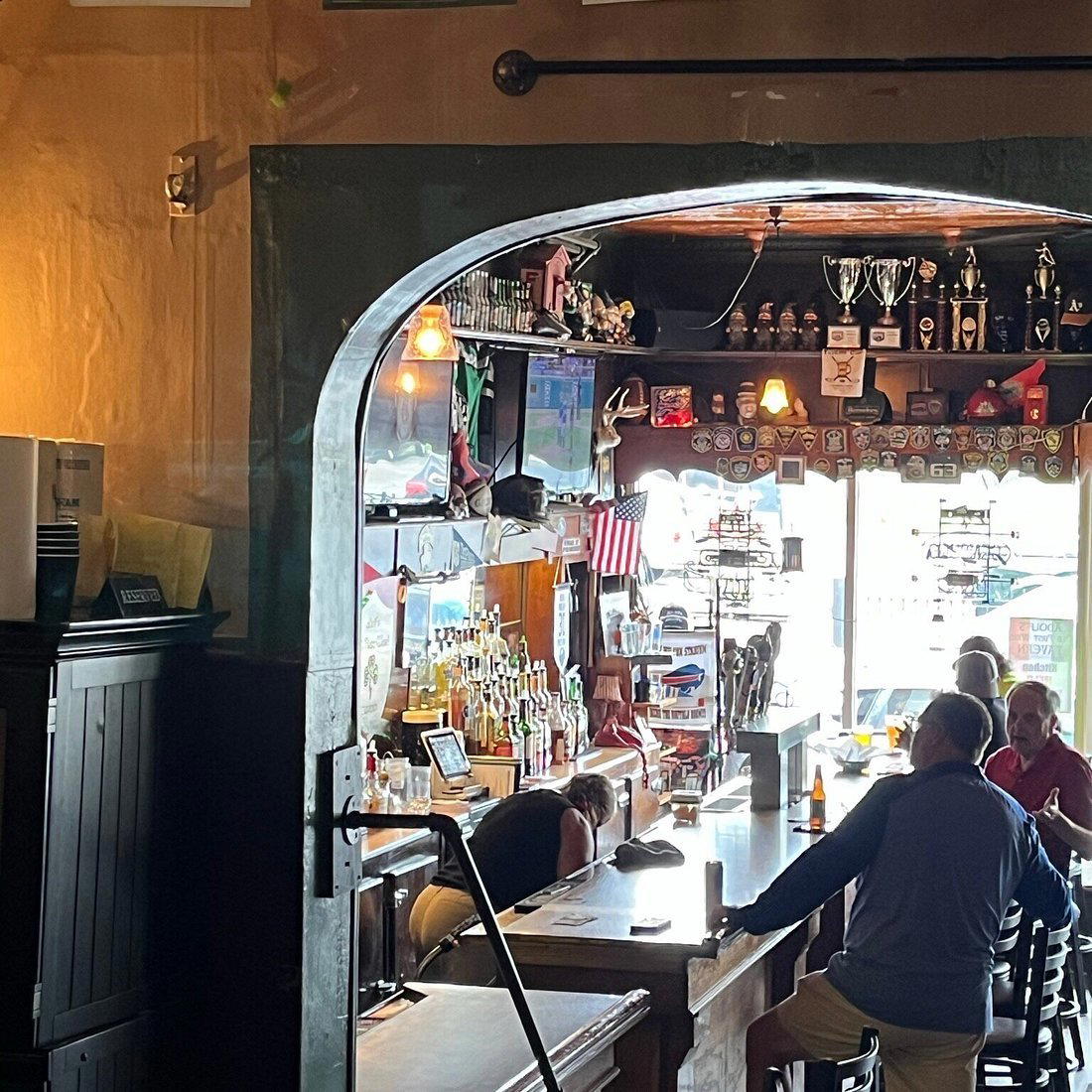
Walk into a South Buffalo tavern on a Tuesday afternoon and you understand immediately that the space is doing social work that extends beyond hospitality. The bar counter functions as a meeting point, a news exchange, and a slow-burn gathering that happens to involve drinks. Doc Sullivan's, as a representative of this type, is leading understood through that lens. The regulars are not there because the cocktail list is inventive or because the kitchen is pushing boundaries. They return because the place knows them, because the social fabric of the room is itself the product.
This is a category of bar that exists across American rust belt cities but has thinned considerably in the last two decades as neighborhoods gentrify and ownership turns over. Buffalo has retained more of these establishments than many comparable cities, partly because the pace of gentrification has been slower, and partly because South Buffalo specifically has maintained demographic continuity in a way that sustains these institutions. For anyone documenting American bar culture at the neighborhood level, this stretch of Abbott Road is worth attention precisely because it hasn't been optimized for the visitor.
Where Doc Sullivan's Sits in the Buffalo Bar Conversation
Buffalo's drinking culture spans a wide range of formats. At one end, places like Betty's have carved out a progressive, eclectic identity that appeals to the city's arts-adjacent crowd. At the other end, the Old First Ward taverns exemplify a different kind of loyalty-based bar, with Adolf's Old First Ward Tavern representing that tradition clearly. Doc Sullivan's on Abbott Road occupies a similar position to the Old First Ward taverns, but in a South Buffalo context: the geography differs, the specific community differs, but the underlying function is the same.
Nationally, the neighborhood tavern format has seen a revival framed around craft and nostalgia, with bars in cities like Chicago, New York, and San Francisco repositioning themselves as artisanal versions of the working-class local. Kumiko in Chicago, Superbueno in New York City, and ABV in San Francisco each represent the polished, program-driven end of bar culture that has grown in parallel. What Doc Sullivan's represents is something different: the un-repositioned original, a bar that did not need to be reframed because it never lost its reason for existing in the first place.
That contrast extends internationally. Cities like Frankfurt maintain their own versions of the neighborhood local, and bars like The Parlour in Frankfurt on the Main show how different cities handle the intersection of neighborhood identity and bar culture. Closer to home, the craft-forward cocktail bars of cities like Honolulu (Bar Leather Apron), New Orleans (Jewel of the South), and Houston (Julep) represent the opposite end of the spectrum from Abbott Road. Neither end is wrong; they serve different needs and different communities.
The Regulars' Logic
What keeps a regular returning to a place like Doc Sullivan's is not mystery. It is familiarity operating at a level that most hospitality businesses cannot manufacture. The bartender who knows your drink before you sit down. The seat that is understood, through years of unspoken convention, to be yours on certain nights. The conversation that picks up from where it left off two weeks ago. These are not amenities that can be put on a menu or conveyed in a listing. They accumulate over time and belong to the community as much as to the establishment.
For the occasional visitor, understanding this dynamic is partly about managing expectations and partly about etiquette. South Buffalo taverns operate by different social codes than destination bars. Arriving with a group of out-of-town visitors and treating the room as a spectacle to be consumed is the fastest way to find yourself outside the invisible perimeter that regulars maintain. Coming alone, sitting at the bar, and letting the room set the pace is the correct approach. Order what's being ordered around you. Do not photograph the interior without reading the room first.
Planning a Visit to Abbott Road
Doc Sullivan's address at 474 Abbott Rd puts it in a part of Buffalo that requires a car or a deliberate transit plan; this is not a walk from downtown or from the Elmwood Village. For visitors building a broader South Buffalo itinerary, Abbott Road sits within reach of other neighborhood anchors, and the area rewards slow exploration on foot once you arrive. The bar's operational hours are not publicly listed in centralized databases, which itself tells you something about who the bar is built for: regulars know the hours because they are part of the rhythm of the place. A phone call ahead or a check of local knowledge is advisable before making the trip specifically for this stop.
For a broader picture of Buffalo's bar and dining scene across neighborhoods, the EP Club Buffalo guide covers the range from South Buffalo taverns through the Allentown craft scene to the Elmwood and Hertel Avenue dining corridors. Buffalo in 2024 is a city whose food and drink scene is in genuine transition, with new investment and new concepts arriving without having yet displaced the neighborhood institutions that have defined the city's hospitality character for generations. Doc Sullivan's is part of that older layer, and that layer is worth documenting before it thins further.
Continue exploring
More in Buffalo
Bars in Buffalo
Browse all →
Restaurants in Buffalo
Browse all →
Hotels in Buffalo
Browse all →

At a Glance
- Cozy
- Classic
- Rustic
- Casual Hangout
- Group Outing
- Historic Building
- Seated Bar
- Craft Beer
Current opening hours
- Monday
- 11 AM–2 AM
- Tuesday
- 11 AM–2 AM
- Wednesday
- 11 AM–2 AM
- Thursday
- 11 AM–2 AM
- Friday
- 11 AM–2 AM
- Saturday
- 11 AM–2 AM
- Sunday
- 11 AM–2 AM
Hours can change for holidays and private events. Last verified .
Charming, stuck-in-time neighborhood pub with wood paneling, well-worn bar chairs, and a shuffleboard table.
Know Before You Go
- Getting there
- 474 Abbott Rd, Buffalo, NY 14220