

Star Wine List · Falstaff Restaurant - 87 Falstaff Points
Der Weinlobbyist on Kolonnenstraße sits inside Berlin's persistent shortage of serious wine bars — a gap a prominent critic called worse than expected for a city of this gastronomic ambition. The format is specialist and low-key, placing it closer to the intimate European wine-bar tradition than to any cocktail-forward Berlin drinking scene. Booking details and hours are best confirmed directly via the address.

Pearl is the En Primeur Club membership app — saves, bookings, and concierge access live there. Same editors, same standards.
- Address
- Kolonnenstraße 62, 10827 Berlin, Germany
- Phone
- +49 30 30640772
- Hours
- Mon 5–11 PMTue–Wed ClosedThu 5–11 PMFri–Sat 5 PM–12 AMSun 5–11 PM
- Website
- derweinlobbyist.de
- Directions
- Get directions
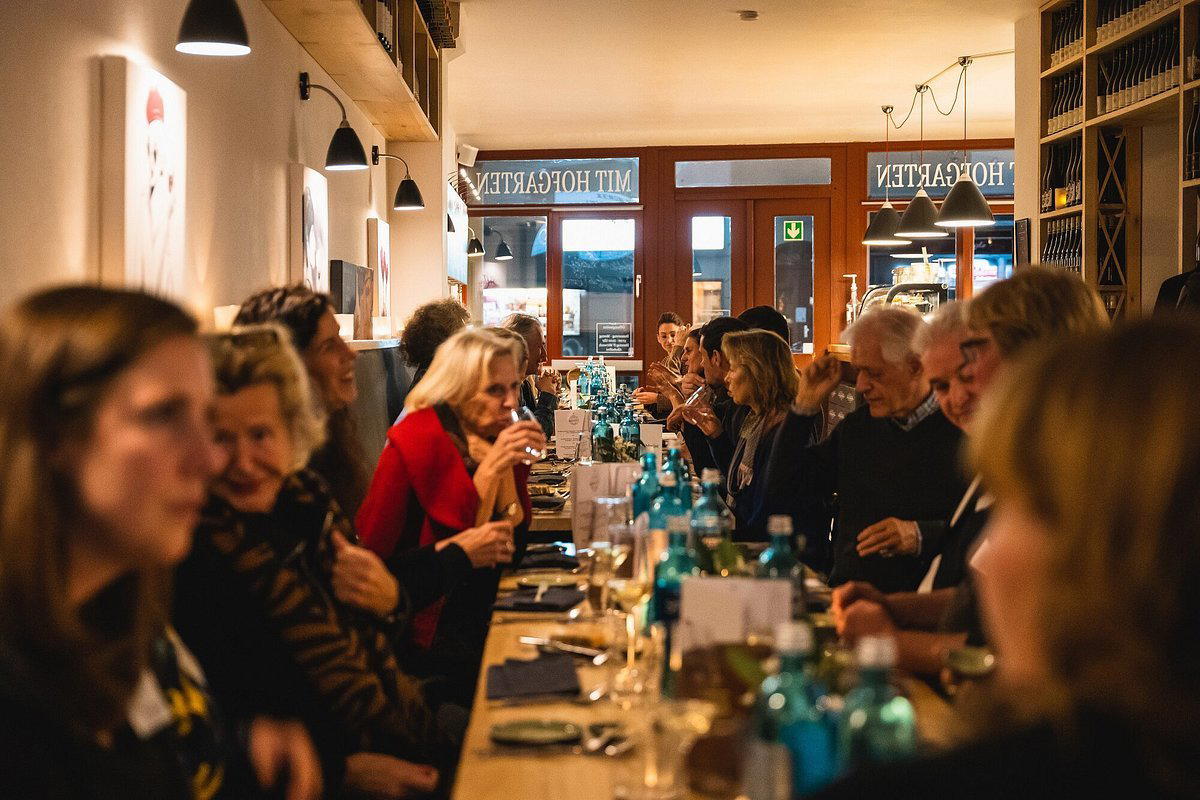
The Wine Bar Problem Berlin Has Always Had
Berlin has long carried a reputation as one of Europe's more adventurous drinking cities, but that reputation rests almost entirely on its cocktail bars and its beer culture. The wine bar, in the serious European sense — a place where the glass list is the whole point, where a knowledgeable host can steer you through growers you haven't encountered, where the room is sized for conversation rather than volume — has remained stubbornly rare. Critic Sylvia Jost captured the gap precisely: "There should be good wine bars in the gastronomic metropolis of Berlin like the proverbial sand by the sea. Well, more like amber from the Baltic Sea, I was looking for it in vain recently." That observation frames der Weinlobbyist at Kolonnenstraße 62 in Schöneberg more accurately than any venue description could: it exists inside a deficit, not a crowded field.
Schöneberg as Context
Kolonnenstraße sits in a part of Schöneberg that doesn't attract much drinking-scene tourism. It's a residential corridor, functional rather than fashionable, the kind of street where a serious wine bar can operate without the pressure of being a destination address in a competitive strip. Across European cities, the wine bars that develop the sharpest reputations tend to occupy exactly this kind of neighbourhood, away from the obvious circuits, drawing a local crowd that returns often rather than a tourist crowd that visits once. The address is easy to reach from central Berlin but doesn't announce itself as a night-out destination, which is generally a reliable structural condition for a place that wants to be about the wine rather than the scene.
For context on how Berlin's broader drinking culture is organized, cocktail-focused venues like Buck & Breck, Lebensstern, Stagger Lee, and Velvet define the city's better-known bar register. Der Weinlobbyist operates in a different category entirely, closer to a specialist wine-retail and tasting format than to any of those cocktail programs.
The Wine Bar as Cultural Form
The wine bar as a format has a specific cultural logic that differs from both the restaurant wine list and the cocktail bar. In France, Italy, and Spain, the equivalent formats, the bar à vins, the enoteca, the tasca, developed as working institutions: places where wine was the primary product, where the host's knowledge was part of the transaction, and where food, if present at all, existed to support the glass rather than the other way around. Germany has historically struggled to produce this format at scale, partly because its drinking culture organized itself around beer halls and partly because its own wine regions, the Mosel, the Rheingau, the Pfalz, were better represented in formal restaurant wine lists than in dedicated retail-tasting spaces.
That structural gap is what makes a place like der Weinlobbyist relevant beyond its address. It isn't filling a slot that already exists in Berlin's hospitality map; it's attempting to establish a format that the city has been slow to develop. The comparison set isn't other Berlin bars. It's the wine bar traditions of Frankfurt, where specialist formats have a longer history, or Hamburg, where venues like Le Lion Bar de Paris have pushed the city's drinks culture in a more considered direction.
What the Format Implies
A specialist wine bar at this scale, low-profile address, no listed group affiliation, no publicized chef or sommelier, typically operates on a tight selection philosophy. The constraint of a small room and a curated list forces clarity: you can't cover every region, so you make choices, and those choices are the editorial statement. In the better European examples of this format, that selectivity is what builds the return clientele. Regulars come back not because the list is comprehensive but because it reflects a consistent point of view about what's worth drinking.
Germany's own wine regions offer natural material for this kind of curation. Riesling from the Mosel and Nahe, Spätburgunder from Baden and the Ahr, Silvaner from Franconia, these are varieties with serious international standing that remain underrepresented in most European wine bars outside Germany. A Berlin address with access to growers in these regions has a curatorial opportunity that equivalent venues in London or Paris don't have in the same way. Whether der Weinlobbyist pursues that opportunity specifically isn't confirmed in available data, but the format makes it a reasonable expectation for what a serious Berlin wine bar should be doing.
Planning a Visit
Der Weinlobbyist is located at Kolonnenstraße 62, 10827 Berlin. The Schöneberg location is accessible from the city centre without difficulty. For visitors building a broader Berlin itinerary, our full Berlin restaurants and bars guide maps the city's drinking and dining options by neighbourhood and format.
Travellers comparing the wine bar format across German cities may also find it useful to reference Goldene Bar in Munich, The Parlour in Frankfurt, and Bar Trattoria Celentano in Cologne as points of comparison across different German city drinking cultures. Further afield, Uerige in Düsseldorf, Kieler Brauerei am Alten Markt in Kiel, and Bar Leather Apron in Honolulu each represent specialist drinking formats worth understanding on their own terms.
Cost Snapshot
Comparable venues nearby, for context on price, style, and recognition.
| Venue | Cuisine | Price | Awards | Notes |
|---|---|---|---|---|
| der WeinlobbyistThis venue — the venue you are viewing | Not listed | $50–100 | Star Wine List · Falstaff Restaurant - 87 Falstaff Points | Not listed |
| Bar Elisabeth | Not listed | $20–30 | Star Wine List | Wedding, wine_bar |
| Muret La Barba | Not listed | $30–50 | Star Wine List | Mitte, wine_bar |
| Der Kleine August | Mitte, Bar | $30–50 | Star Wine List | Not listed |
| Becketts Kopf | Prenzlauer Berg, speakeasy | $10–20 | Top 500 Bars Best Bars #346 · Falstaff Bar - 94 Falstaff Points | Not listed |
Recognition history
Dated appearances from independent guides and award organizations, with the underlying list record or original source where available.
Star Wine List
Star Wine List
Falstaff Restaurant - 87 Falstaff Points
Falstaff
Continue exploring
More in Berlin
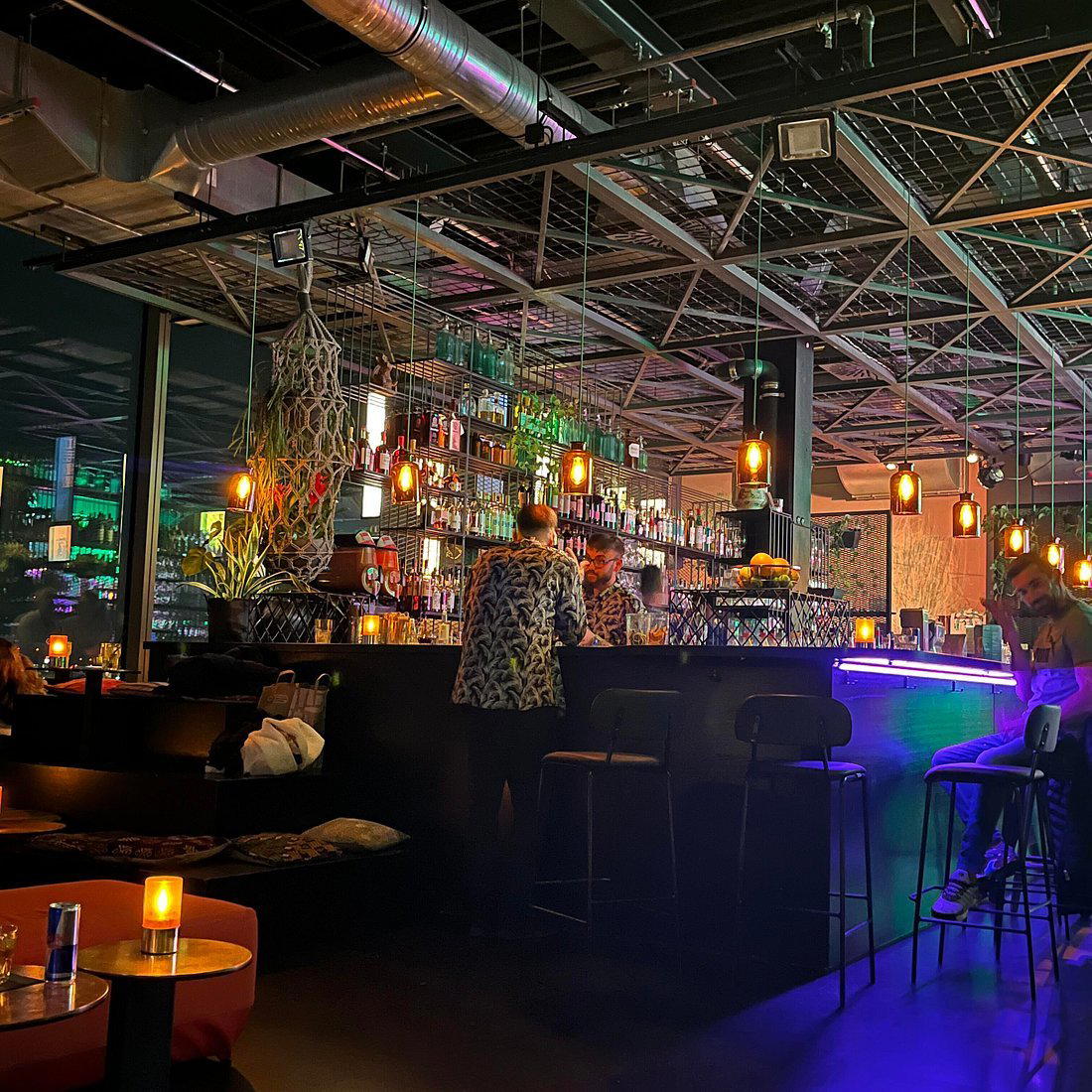
Bars in Berlin
Browse all →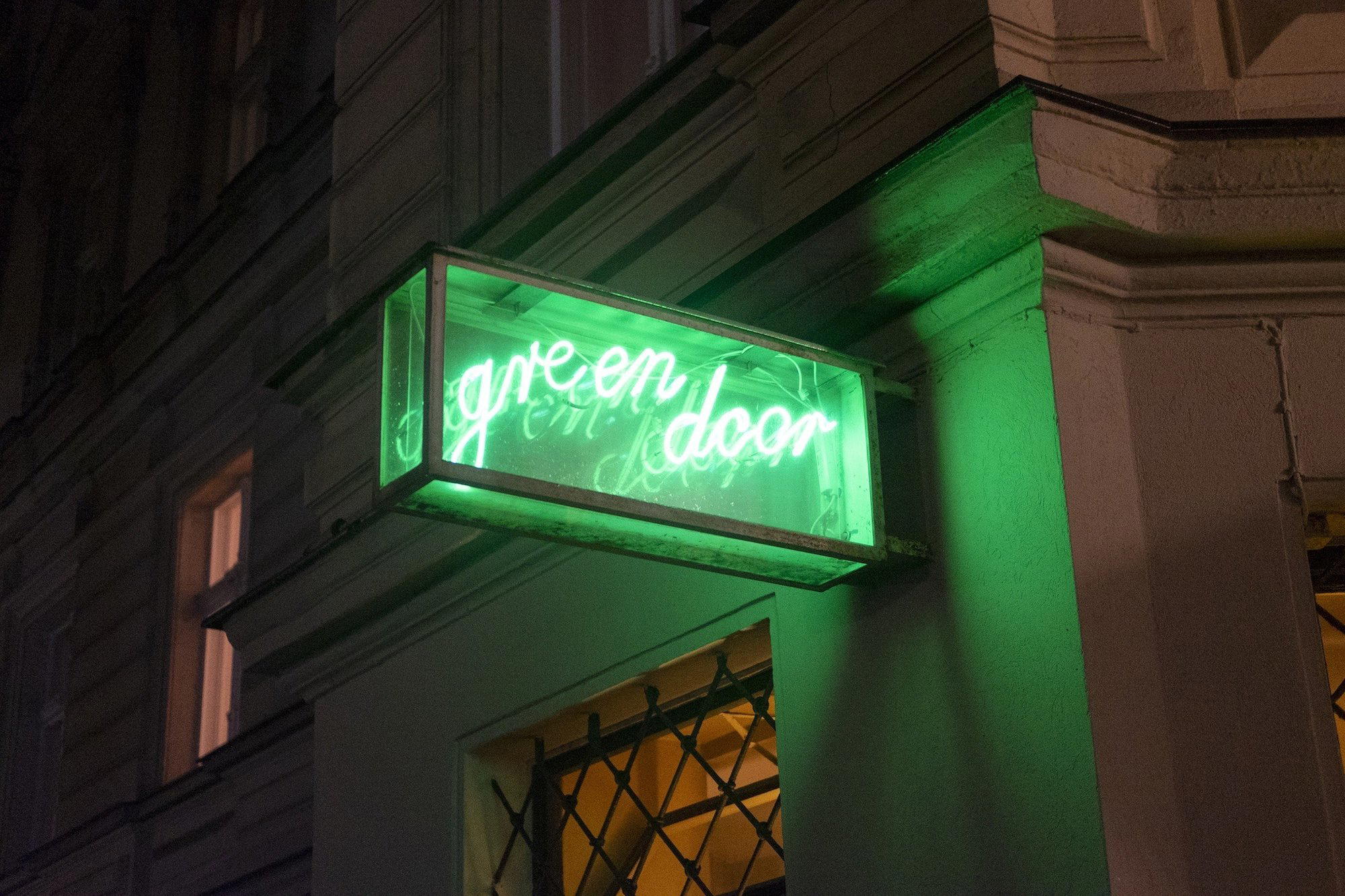
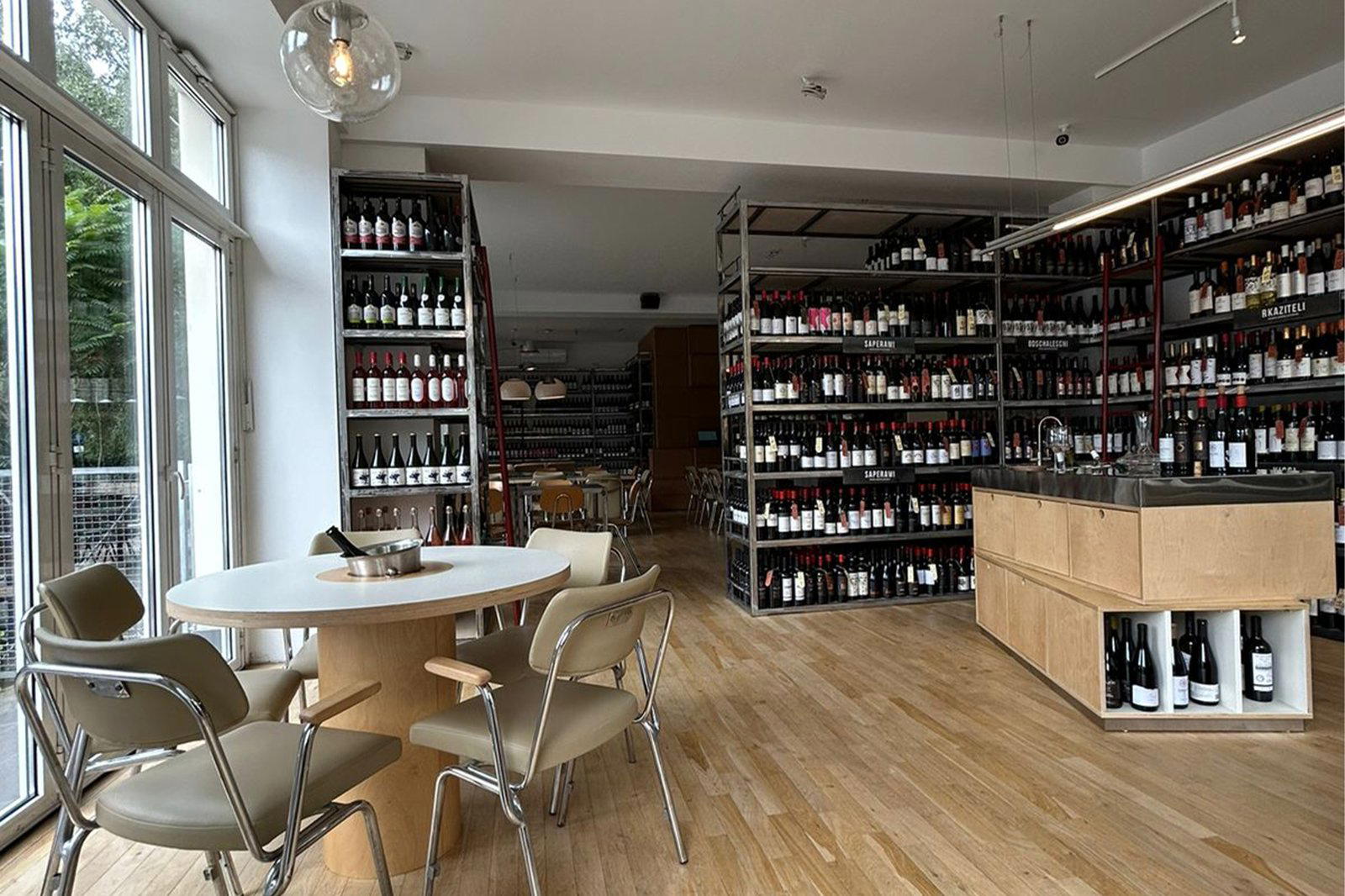
Restaurants in Berlin
Browse all →
Hotels in Berlin
Browse all →

Details
- Cozy
- Elegant
- Intimate
- Romantic
- Date Night
- Casual Hangout
- Courtyard
- Lounge Seating
- Conventional Wine
Current opening hours
- Monday
- 5–11 PM
- Tuesday
- Closed
- Wednesday
- Closed
- Thursday
- 5–11 PM
- Friday
- 5 PM–12 AM
- Saturday
- 5 PM–12 AM
- Sunday
- 5–11 PM
Hours can change for holidays and private events. Last verified .
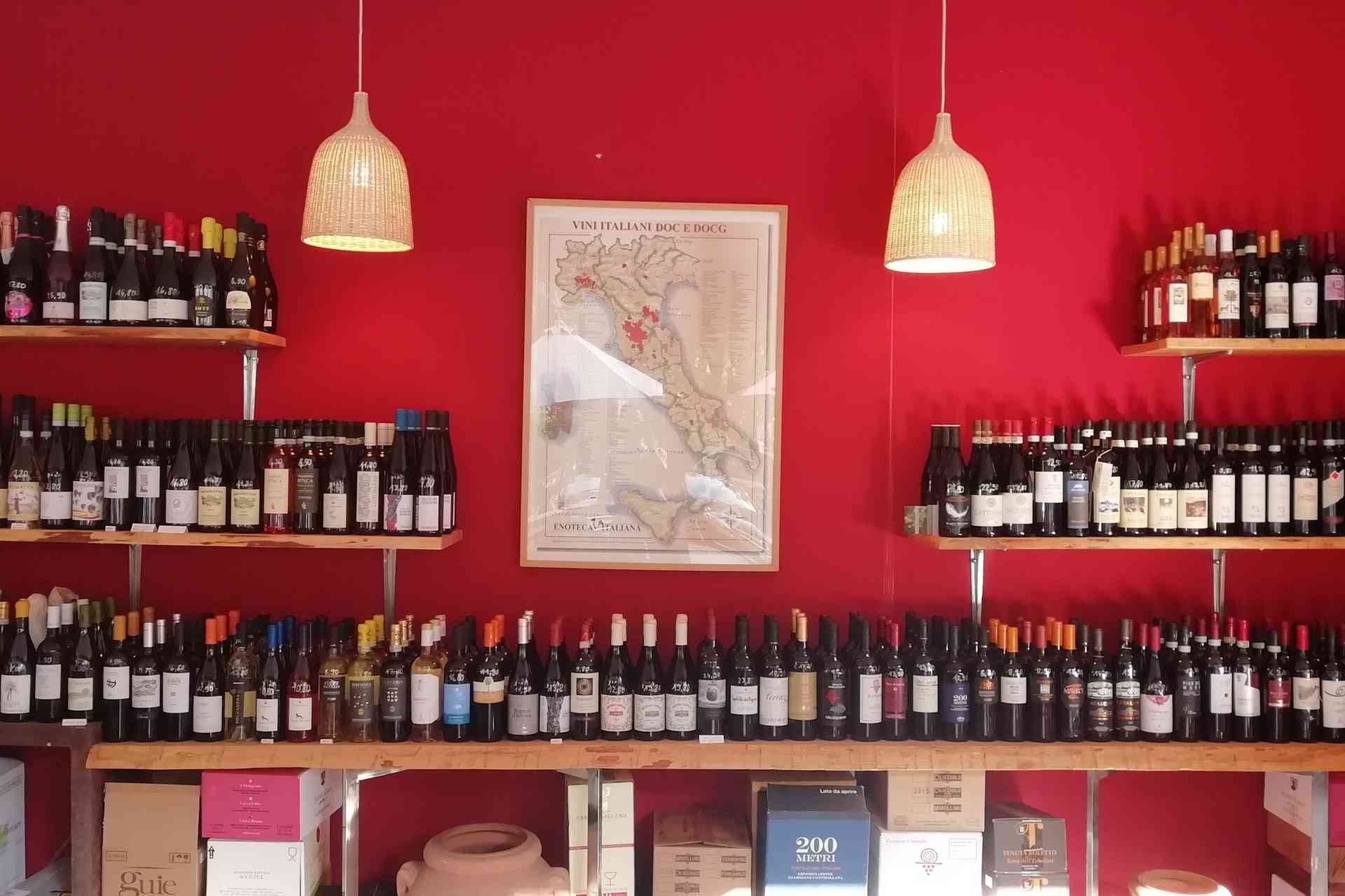
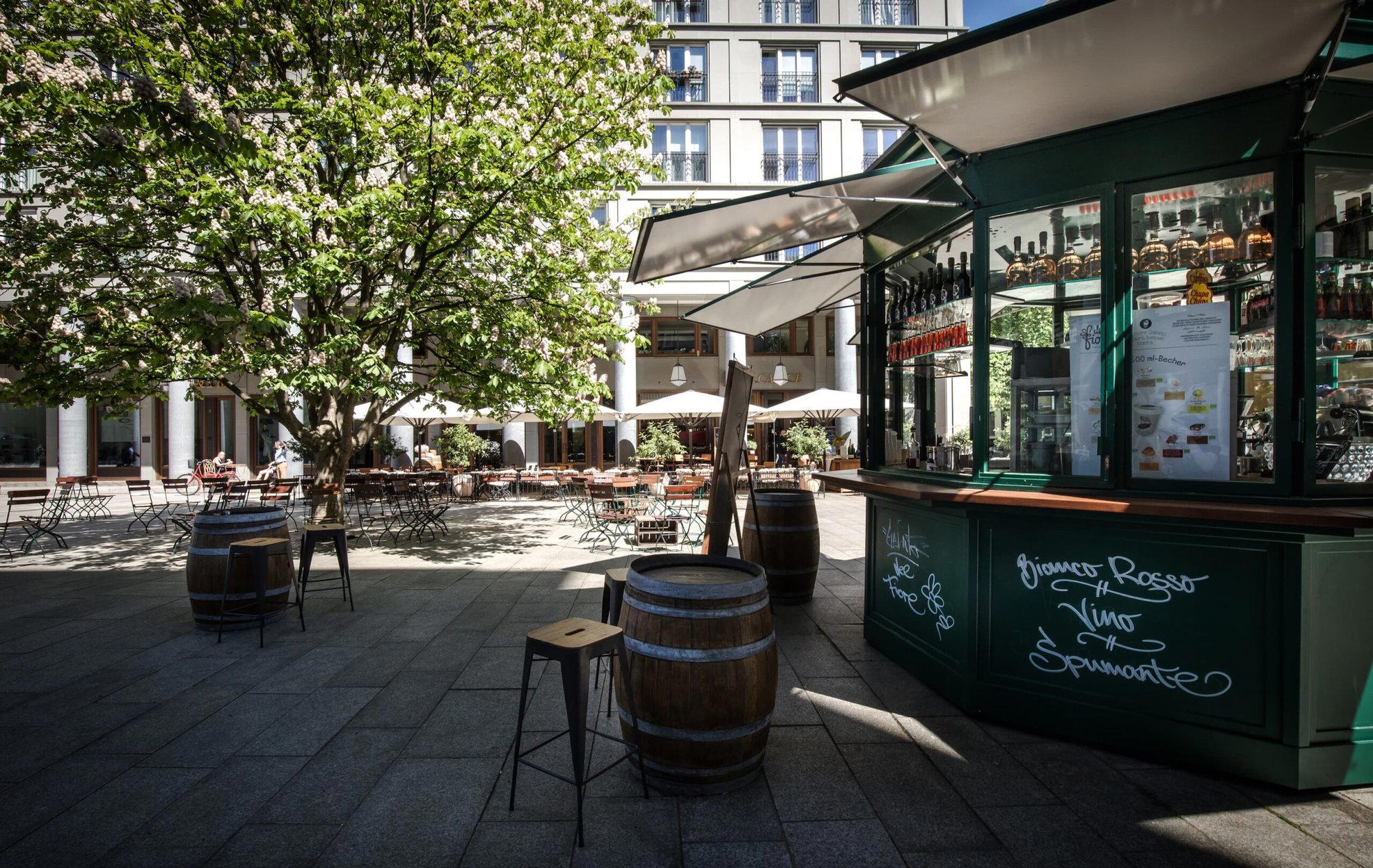
Subdued lighting, tasteful furnishings, cozy and welcoming with a subtle musical background.