On Calle Saphy, one of Cusco's quieter colonial streets, Cantina Vino Italiano occupies a niche that few bars in the Andean highlands attempt: an Italian-inflected drinks program set against the city's increasingly serious cocktail scene. The address alone places it in good company, and for travelers moving between Cusco's bolder Pisco-forward venues and something more measured, it functions as a useful counterpoint.
 Discover on Pearl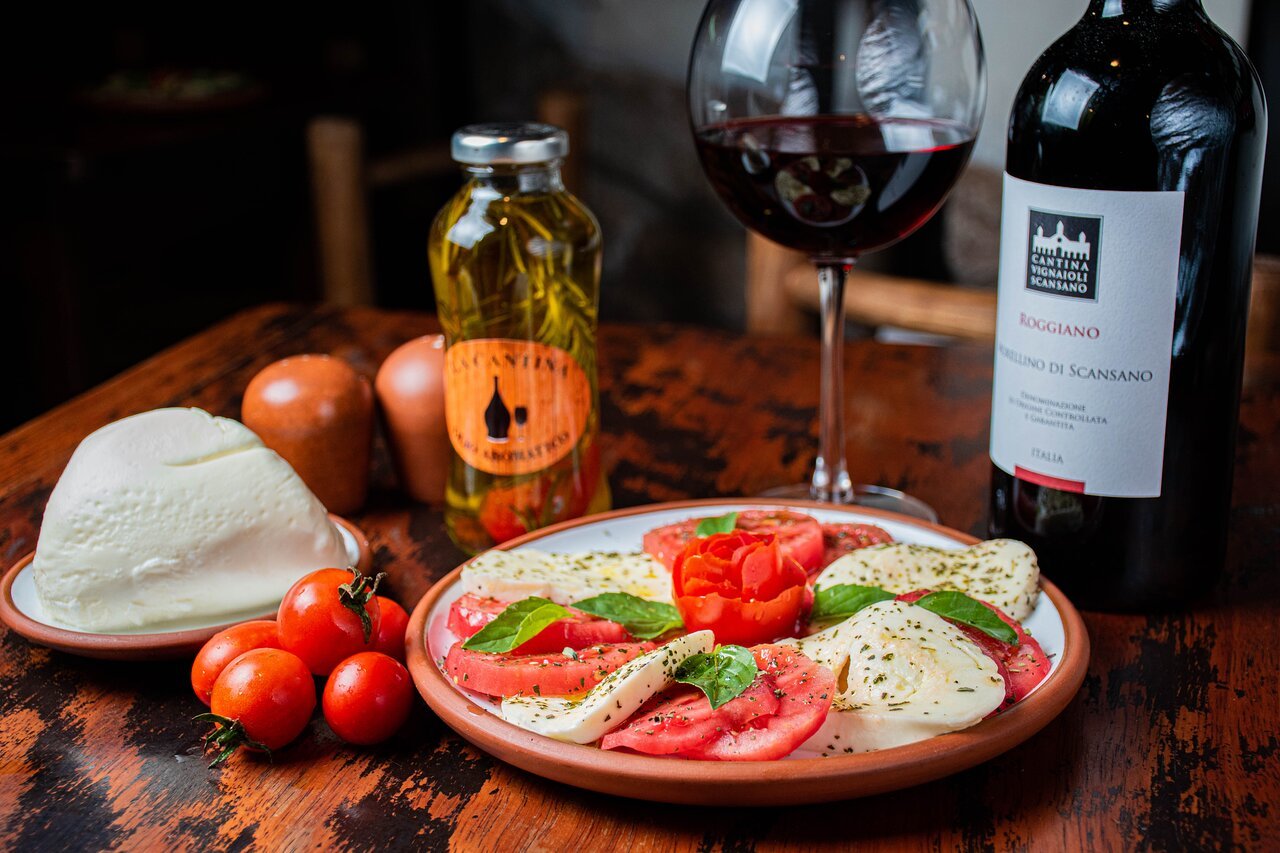
Italian Bottles at Andean Altitude: Where Cusco's Drink Scene Gets Specific
Calle Saphy runs northwest from the Plaza de Armas in a direction most tourists don't follow for long. The street's colonial stonework is intact but its atmosphere is calmer, more residential in character than the souvenir-dense blocks closer to the square. It is the kind of street where a bar anchored in Italian wine and spirits can exist without competing for foot traffic with the chicha and Pisco operations a few hundred meters away. That positioning is not accidental. Cantina Vino Italiano at C. Saphy 554 sits in a niche of the Cusco drinks market that has become more legible in recent years as the city's bar culture has diversified beyond its Andean defaults.
Cusco's cocktail scene has shifted meaningfully over the past decade. The city was long defined by Pisco Sour tourism, a format that rewards volume over precision and suits high-turnover venues near the main plaza. What has emerged alongside that is a smaller cohort of bars that operate with more specificity: either a deeper focus on local botanicals and ferments, or, in Cantina Vino Italiano's case, an imported European framework applied at 3,400 meters above sea level. The altitude factor matters more than most visitors account for. Alcohol absorbs differently at elevation, spirits interact with the palate in ways that are physiologically distinct from sea-level drinking, and a venue that understands this is working with a variable that purely destination-themed bars often ignore.
The shortlist, unlocked.
Hard-to-book tables, cellar releases, and concierge-planned trips.
Get Exclusive Access →The Italian Framework in a Peruvian Context
The broader Italian drinks tradition that a venue like Cantina Vino Italiano draws from is one of Europe's most formally structured: Aperitivo culture with its bitter-sweet aperitifs, a deep amaro canon running from alpine digestifs to southern Italian liqueurs, and a wine geography that spans 20 regions and more native grape varieties than any other country on the continent. Importing that framework into a Cusco setting is an act of curation rather than transplant. The interesting editorial question is not whether the Italian repertoire belongs in Peru, but how a venue selects from it for an audience that is partly international traveler, partly Cusqueño, and partly in transit to Machu Picchu.
Across South America's more ambitious cocktail programs, the pattern that has emerged most clearly is one of deliberate hybridization: local spirits and ferments meeting European structure. In Lima, bars like Carnaval in Lima have pushed that synthesis toward something nationally distinctive. Cusco's geography and its visitor profile make a different kind of hybrid possible, one that leans more heavily on imported reference points while using the Andean setting as context rather than ingredient. A cantina model, as opposed to a cocktail bar with aspirations, implies a certain informality and depth of wine selection rather than elaborate mixed drinks. Whether Cantina Vino Italiano operates closer to the wine-bar end or the cocktail-focused end of that spectrum is the kind of distinction that rewards a visit on its own terms.
How Cusco's Drink Venues Compare on Specificity
The useful frame for placing Cantina Vino Italiano in its peer set is the axis between generalist hospitality and focused program depth. High-volume venues near the Plaza de Armas optimize for accessibility: short menus, familiar formats, fast table turns. Venues that occupy a more specific lane, whether that specificity is amaro-driven, wine-forward, or regionally focused, tend to attract a different pace of visitor and a different conversation at the bar. Internationally, bars that have built reputations on program discipline include Amor y Amargo in New York City, which operates entirely within a bitter-spirits framework, and Kumiko in Chicago, where Japanese ingredients and European structure coexist with formal rigor. The common thread is commitment to a single conceptual axis rather than attempting broad appeal.
Cusco has its own version of this split. On the more accessible end, the city's established Pisco venues and tourist-facing restaurants handle volume well. On the more specific end, venues like Cantina Vino Italiano are attempting something that requires more from both the operator and the guest: a working knowledge of Italian wine geography, an appreciation for bitter aperitifs, and some patience with a format that may not front-load with the most immediately crowd-pleasing options. That is not a criticism. It is the condition under which most interesting bar programs anywhere in the world operate. For further reference on how technically committed programs read in their local markets, the approaches taken by ABV in San Francisco, Allegory in Washington, D.C., and The Parlour in Frankfurt on the Main each offer instructive parallels.
Planning a Visit: Logistics on Calle Saphy
Cantina Vino Italiano's address on C. Saphy 554 places it within a ten-minute walk of the Plaza de Armas for most visitors staying in the centro histórico. The street is navigable on foot and connects to the broader Cusco walking circuit that most travelers cover during their first day in the city. For those arriving from the Sacred Valley or transiting through before a train to Aguas Calientes, the venue sits on the logical path rather than requiring a detour. Booking details and current hours are leading confirmed directly with the venue, as operating schedules in Cusco can shift seasonally, particularly around the June high season when the city sees its densest tourist concentration. Altitude acclimatization is worth factoring into any drinking itinerary: most advisories suggest 24 to 48 hours of adjustment before consuming alcohol at elevation, and a wine-forward venue where pacing is natural is a more forgiving introduction than a high-ABV cocktail bar. For travelers moving beyond Cusco, La Boulangerie de Paris Machupicchu in Urubamba is worth noting for the Sacred Valley leg of the itinerary.
For context on what serious bar programs are doing in cities with comparable ambitions to Cusco's emerging scene, the programs at Jewel of the South in New Orleans, Julep in Houston, Bar Leather Apron in Honolulu, and Superbueno in New York City each demonstrate how specificity of concept sustains a venue's reputation beyond its immediate geography. Cantina Vino Italiano is operating in a city where that kind of specificity is still being established. Its presence on Calle Saphy contributes to a diversification of Cusco's drink culture that rewards visitors who come with more than a single-venue itinerary. For a broader orientation to where the city's food and drink scene is heading, our full Cusco restaurants guide maps the current options across price points and formats.
Frequently Asked Questions
- What should I expect atmosphere-wise at Cantina Vino Italiano?
- Calle Saphy's character as a quieter colonial street sets the register before you arrive. The cantina format implies a more relaxed pace than the high-energy venues near the Plaza de Armas, and an Italian-inflected program suggests a preference for conversation over spectacle. Cusco's centro histórico venues in this bracket tend to draw a mix of international travelers and local residents who want something more specific than the tourist-circuit defaults.
- What's the leading thing to order at Cantina Vino Italiano?
- Without verified menu data it would be misleading to name specific dishes or drinks, but the Italian drinks canon that a venue like this draws from includes aperitifs, amari, and regional wines that reward engagement with the list rather than defaulting to familiar formats. Asking the staff for guidance on Italian regional wines or bitter-led aperitivo options is typically the most productive approach at cantina-format venues.
- What is Cantina Vino Italiano known for?
- The venue's identity is anchored in its Italian wine and spirits focus, a relatively uncommon specialization in a Cusco bar scene that defaults to Pisco. Its location on C. Saphy 554 places it slightly off the main tourist circuit, which tends to filter toward visitors with a specific interest in the format rather than passing foot traffic.
- Is Cantina Vino Italiano a good option for visitors who want to avoid the altitude effects of stronger spirits?
- A wine-forward cantina format is, in practice, one of the more altitude-conscious choices available in Cusco. Wine consumed at measured pace over an evening creates less acute elevation-related discomfort than high-ABV cocktails, and the Italian aperitivo tradition, built around lower-ABV bitter drinks like Aperol or Campari served with food, aligns well with the standard acclimatization advice of drinking lightly during the first 48 hours at Cusco's 3,400-meter elevation. C. Saphy 554 is accessible on foot from the main plaza, making it a practical first-evening option rather than a special-occasion detour.
Peer Set Snapshot
These are the closest comparables we have in our database for quick context.
| Venue | Cuisine | Price | Awards | Notes |
|---|---|---|---|---|
| Cantina Vino Italiano | This venue | |||
| Carnaval | World's 50 Best | |||
| Lady Bee | World's 50 Best | |||
| Curador | ||||
| Sastrería Martinez | ||||
| Sayani |
Need a Table?
Our members enjoy priority alerts and concierge-led booking support for the world's most difficult bars and lounges.
Get Exclusive AccessThe shortlist, unlocked.
Hard-to-book tables, cellar releases, and concierge-planned trips.
Get Exclusive Access →