In the Sacred Valley town of Urubamba, Mapacho Craft Beer Restaurant occupies a distinct position: a venue that takes Peruvian craft brewing seriously in a corridor better known for Inca ruins and trekking logistics. The address on Imperio de los Incas places it squarely in the town centre, making it a practical and substantive stop for travellers passing between Cusco and Aguas Calientes.
 Discover on Pearl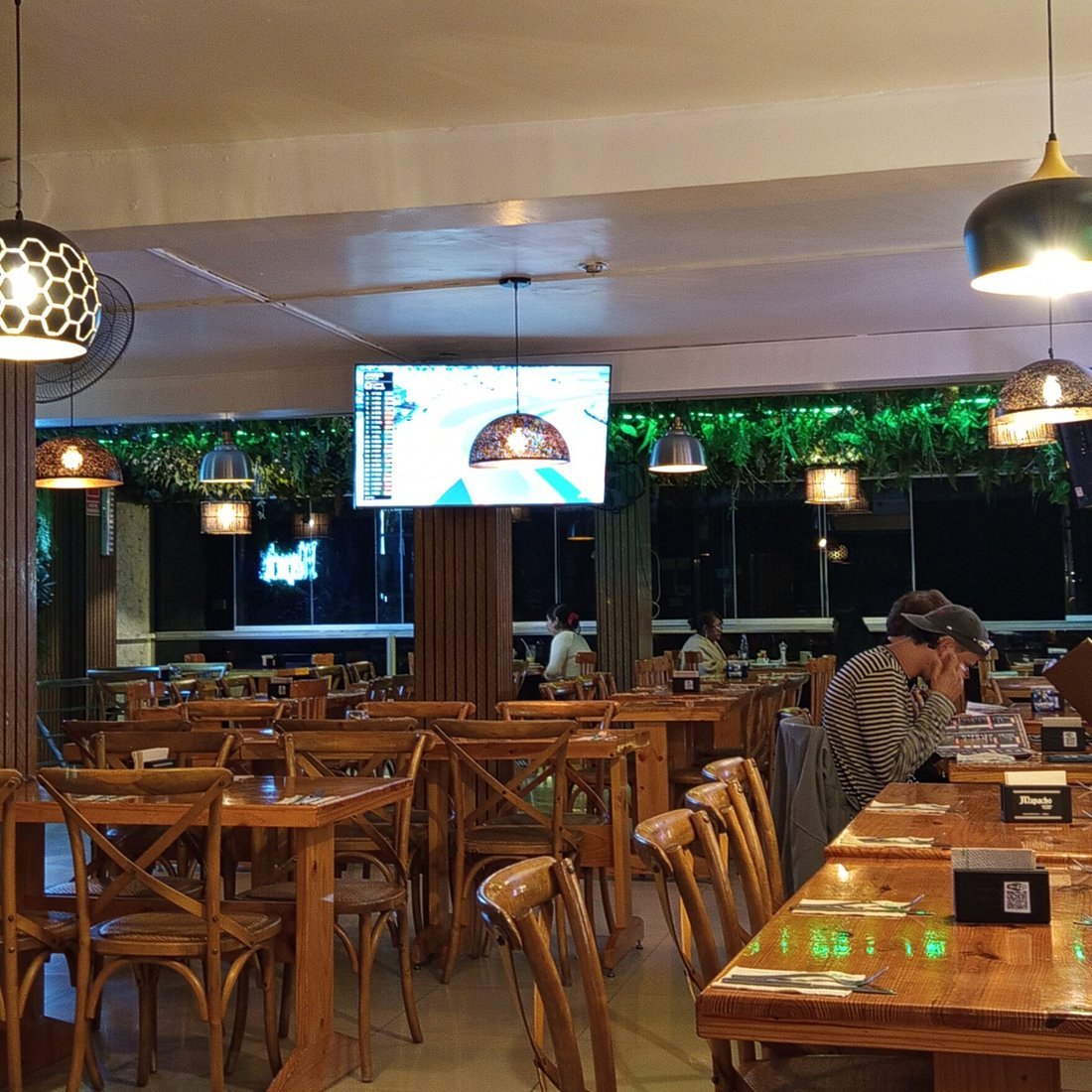
Craft Beer in the Sacred Valley: A Different Kind of Bar Program
Peru's craft beer movement arrived later than its cocktail renaissance, and it has developed unevenly across the country. Lima consolidated the scene first, with a cluster of brewpubs and specialist taprooms that emerged alongside the city's broader gastronomic expansion in the 2010s. The Sacred Valley followed its own timeline, shaped less by urban drinking culture and more by the particular demands of a region that hosts altitude-adapted travellers, agricultural communities, and a steady stream of international visitors who have already spent considerable time at elevation before they arrive. In that context, a venue that anchors its identity to craft beer is making a specific curatorial argument: that the beer itself is worth the same attention that Cusco's wine bars and cocktail rooms direct at their respective programs.
Mapacho Craft Beer Restaurant, on Imperio de los Incas in central Urubamba, sits inside that argument. The name Mapacho references the unprocessed tobacco used in Amazonian and Andean ceremonial traditions, a signal of regional specificity that distinguishes the venue from the generic craft beer branding that followed the category's expansion elsewhere in Latin America. Whether the tap list reflects that specificity in terms of Peruvian craft producers, regional ingredients, or altitude-adapted brewing is the operative question for any visitor with a serious interest in the category.
The shortlist, unlocked.
Hard-to-book tables, cellar releases, and concierge-planned trips.
Get Exclusive Access →The Back Bar as Editorial Statement
In craft beer venues across South America, the depth of the program tends to reveal itself not in the number of taps but in the curation behind them. A short, rotating list of well-sourced Peruvian microbrewery releases communicates more than a long tap wall of international brands available at any airport. The distinction matters in Urubamba because the town sits at roughly 2,870 metres above sea level, a detail with direct consequences for both fermentation and palate: carbonation reads differently at altitude, and lighter, more aromatic styles often perform better than dense, heavily hopped formats that can feel aggressive in low-oxygen conditions.
Peruvian craft brewers have been working with this altitude variable for years, and the breweries operating in the Cusco region, including those producing in or near the Sacred Valley, have developed styles that account for it. A venue that sources deliberately from that regional ecosystem is offering something that cannot be replicated by importing bottles from Lima or Santiago. For visitors comparing options in the area, this is the relevant question to bring to any conversation with staff: which producers are local, which styles were brewed with altitude in mind, and what is rotating versus fixed on the list. That conversation, more than any single pour, is the indicator of whether a craft beer program has genuine depth.
Urubamba's Position in the Sacred Valley Drinking Scene
Urubamba is the administrative and logistical hub of the Sacred Valley, positioned between Pisac to the east and Ollantaytambo to the west, with direct road access to Cusco roughly 57 kilometres away by the main highway. Most travellers pass through rather than stop, which has historically suppressed the development of a durable hospitality scene. That is changing. The town now has a range of food and drink operations that go beyond the utilitarian, and venues like Mapacho are part of that shift, offering something that rewards a deliberate stop rather than a transit meal.
For context on the broader drinking culture of the region, our full Urubamba restaurants guide maps the town's current options across categories. Visitors who want to extend their Sacred Valley itinerary into Machu Picchu territory can consult La Boulangerie de Paris in Machupicchu for a sense of how that end of the valley handles the tourist-to-local ratio in its hospitality offering.
Cusco itself anchors the region's more developed bar scene. Cantina Vino Italiano in Cusco represents the wine-led end of that spectrum, and the contrast between a focused wine room in the city and a craft beer operation in the valley tells you something about how drinking culture in this part of Peru is fragmenting productively by geography and format.
Craft Beer as a Global Category, Applied Locally
To appreciate what a craft beer program in Urubamba is doing, it helps to hold it against the more mature craft bar formats operating in other parts of the world. Programs like ABV in San Francisco and Bar Leather Apron in Honolulu have built their reputations on deep curation and format discipline. At the spirits-forward end, venues like Kumiko in Chicago, Jewel of the South in New Orleans, and Allegory in Washington, D.C. demonstrate what happens when a back bar is treated as a research program rather than a stocking exercise. Julep in Houston, Superbueno in New York City, and The Parlour in Frankfurt extend the comparison across different city contexts and category focuses.
None of these venues operate at altitude, in a UNESCO-proximate agricultural valley, or within a tourism corridor as logistically demanding as the Sacred Valley. That context is not an excuse for a thinner program; it is the reason a well-curated one carries more editorial weight. Lima's bar scene, represented at its cocktail-forward end by Carnaval in Lima, has the density and competitive pressure that drives continuous program improvement. Urubamba has different pressures and different opportunities, and venues that read those conditions correctly tend to develop more coherent identities than those that simply import a capital-city format and apply it unchanged.
Planning Your Visit
Mapacho Craft Beer Restaurant is located at Imperio de los Incas 614 in Urubamba, Cusco region. Phone and website details are not confirmed in current listings, so the most reliable approach is to visit directly or inquire through your accommodation in town. Urubamba is accessible by shared collectivo from Cusco's Pavitos terminal, by private transfer, or as a stop on a Sacred Valley tour circuit. Travel time from Cusco runs approximately 90 minutes by road depending on route and traffic. Given the altitude (Urubamba sits lower than Cusco at around 2,870 metres, which is a meaningful difference for acclimatisation), this end of the valley is often a more comfortable first stop for visitors arriving from sea level.
Pricing and hours are not confirmed in current data, so treat any secondary-source information on those points with appropriate scepticism and verify on arrival. For visitors building a drinking itinerary across the Sacred Valley and Cusco, sequencing Mapacho as an early-evening stop in Urubamba before continuing toward Cusco or Ollantaytambo gives the visit the right weight without forcing it into a rushed transit context.
Frequently Asked Questions
- What's the leading thing to order at Mapacho Craft Beer Restaurant?
- The operative move at any serious craft beer venue is to ask which producers are local and which styles are currently rotating. In the Sacred Valley context, lighter and more aromatic styles tend to read well at altitude. Start with whatever is listed as a regional Peruvian release and work from there rather than defaulting to internationally familiar styles.
- What makes Mapacho Craft Beer Restaurant worth visiting?
- Urubamba has historically been a transit town rather than a destination in its own right. A venue with a named craft beer identity represents a shift in that dynamic, and the combination of Sacred Valley positioning, regional naming (Mapacho references Andean ceremonial tobacco), and a beer-forward format makes it a substantive stop rather than a generic one. For travellers spending time in the valley rather than simply passing through, that distinction matters.
- Do I need a reservation for Mapacho Craft Beer Restaurant?
- Phone and website details are not confirmed in current listings, which makes advance booking difficult to arrange remotely. Visiting directly or asking your accommodation in Urubamba to make contact on your behalf are the most reliable approaches. Given the town's size and the venue's format, walk-in access is likely during standard hours, but verifying locally before making a dedicated trip is advisable.
- Is Mapacho Craft Beer Restaurant better for first-timers or repeat visitors?
- First-time visitors to Urubamba and the Sacred Valley tend to move quickly through the standard circuit, which can leave this kind of venue under-visited. Repeat visitors who have already covered the main sites and want to slow down and engage with the town on its own terms will get more from a deliberate stop here. That said, any visitor who arrives with a genuine interest in Peruvian craft beer rather than a generic need for refreshment will find the category itself worth engaging with regardless of how many times they have been to the region.
- Does Mapacho reflect specifically Peruvian or Andean brewing traditions in its tap selection?
- The name Mapacho draws directly from Andean and Amazonian cultural vocabulary, which signals an intention toward regional identity rather than generic craft branding. Peru's craft brewing sector has grown substantially since the early 2010s, with producers operating across Cusco, Lima, and the Sacred Valley working with local ingredients including native corn varieties and altitude-adapted fermentation methods. Whether the current tap list at Mapacho reflects that regional sourcing specifically is leading confirmed on arrival, but the framing of the venue places it within that Peruvian craft conversation rather than outside it.
Price Lens
A fast peer set for context, pulled from similar venues in our database.
| Venue | Price | Awards | Notes |
|---|---|---|---|
| Mapacho Craft Beer Restaurant | This venue | ||
| Carnaval | World's 50 Best | ||
| Lady Bee | World's 50 Best | ||
| Curador | |||
| Sastrería Martinez | |||
| Sayani |
Need a Table?
Our members enjoy priority alerts and concierge-led booking support for the world's most difficult bars and lounges.
Get Exclusive AccessThe shortlist, unlocked.
Hard-to-book tables, cellar releases, and concierge-planned trips.
Get Exclusive Access →