Dear John's
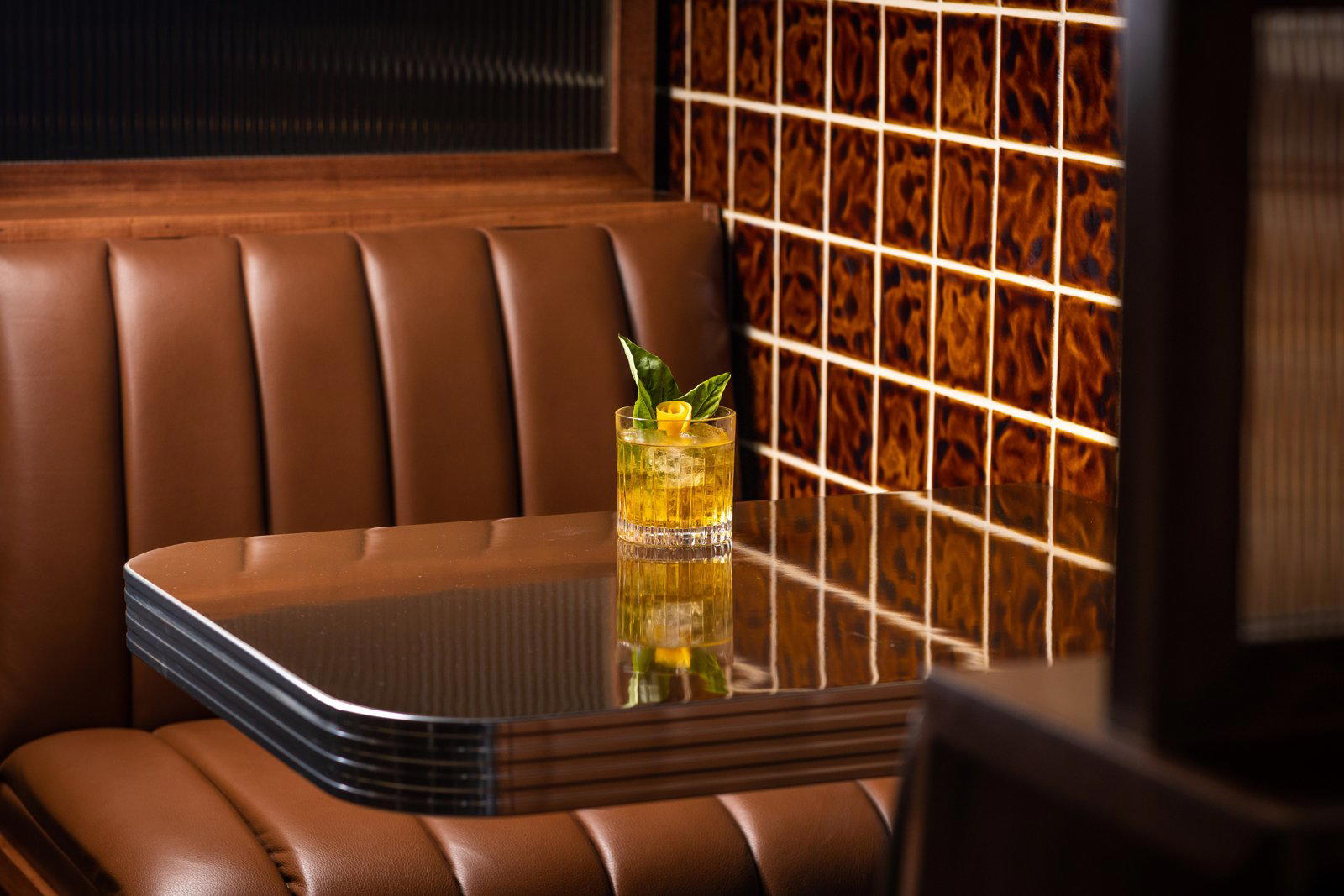
Dear John's occupies a quiet stretch of Culver Boulevard where the bar program does the heavy lifting. The room reads mid-century California casual, but the drinks lean toward the kind of craft-forward precision more common in Chicago or New York than in LA's westside. For Culver City, it sits near the upper end of the neighborhood's serious cocktail options.
Pearl is the En Primeur Club membership app — saves, bookings, and concierge access live there. Same editors, same standards.
- Address
- 11208 Culver Blvd, Culver City, CA 90230
- Phone
- +1 310 881 9288
- Website
- dearjohnsbar.com
- Directions
- Get directions
 Saves & bookings on Pearl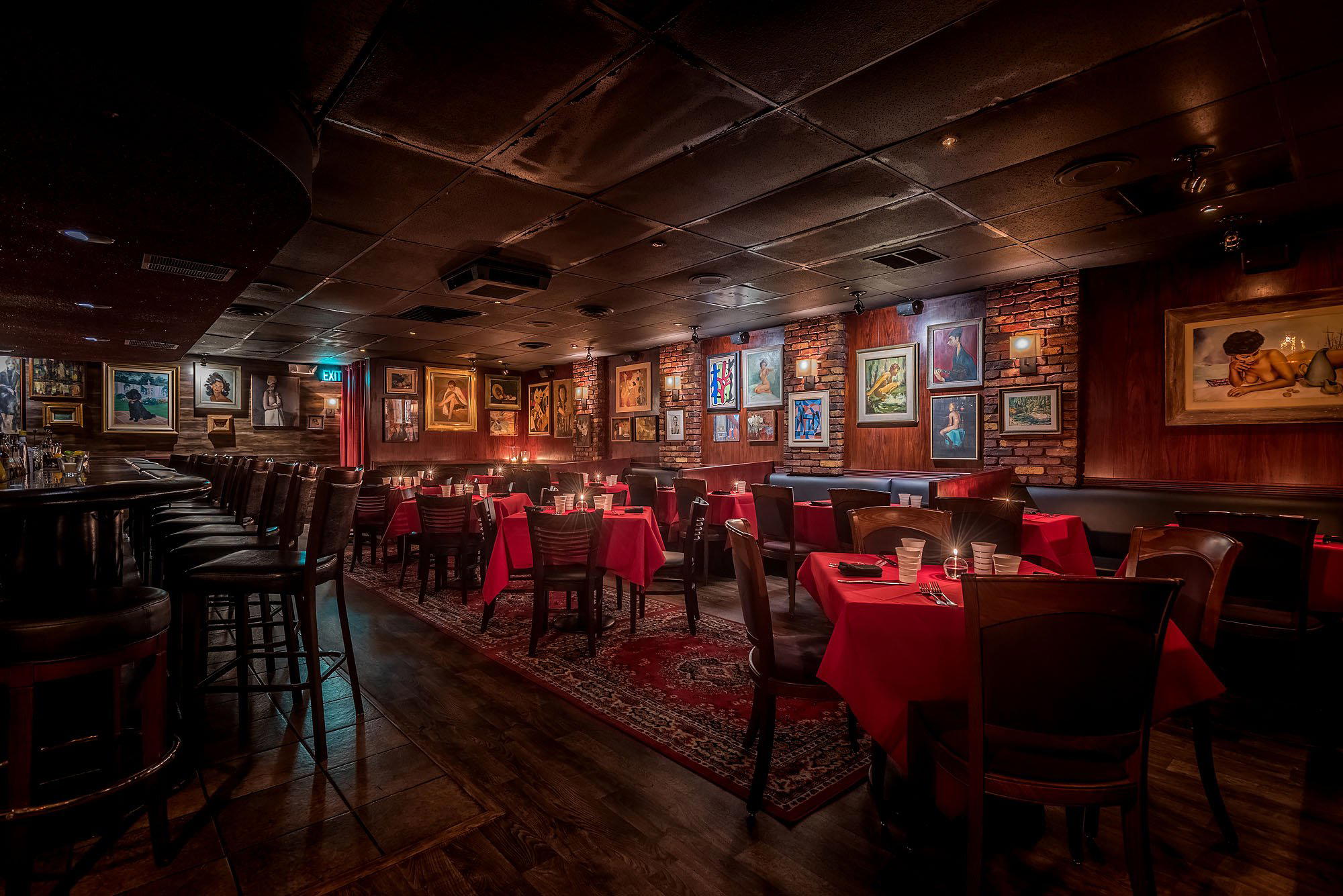
Where Culver City's Bar Scene Gets Serious
Culver Boulevard between the old Sony lot and the Helms Bakery district has developed a specific kind of bar identity over the past decade: rooms that look approachable but drink well above their visual register. Dear John's at 11208 Culver Blvd fits that pattern. The exterior signals neighborhood bar. The interior follows through with a mid-century California warmth that keeps things from feeling precious. But the gap between how the room presents and how the program actually performs is where Dear John's earns its position in Culver City's drinking conversation.
That gap matters in context. Culver City's bar scene has matured faster than most LA neighborhoods that aren't West Hollywood or Downtown. Hatchet Hall anchors the neighborhood's Southern-influenced drinking end. Alibi Room and Bar Bohemien serve different corners of the casual-to-considered spectrum. Dear John's lands in the zone where a genuine bar program meets a room that doesn't require you to dress for it, a combination that LA has historically underdelivered on outside of a few exceptions.
The Craft Behind the Counter
The bartender-forward model that distinguishes the bar reflects a broader shift in American cocktail culture. Through the 2010s, the serious cocktail bar identity was built on speakeasy theatrics and elaborate garnish work. The current generation of programs, from Kumiko in Chicago to Jewel of the South in New Orleans, has moved toward a different standard: technical depth expressed through the glass rather than through production design. The bar belongs to that cohort on the West Coast.
The craft-bar tradition that underlies this approach has firm roots in the post-Prohibition revival movement, but what differentiates the current wave is an emphasis on hospitality as a skill rather than a posture. Bars like Bar Leather Apron in Honolulu and Julep in Houston have built their reputations on the quality of the interaction as much as the quality of the ice program. What the person behind the bar knows, and how they translate that knowledge into the experience of a specific guest on a specific evening, defines the category. The bar operates in that register.
For drinkers accustomed to the more theatrical end of the LA bar market, the restraint here can read as understatement. That's deliberate. The room doesn't compete on spectacle, which means the program has to justify itself through execution alone. Compared to ABV in San Francisco, which built its reputation on a similarly no-theater-required approach, the bar shares the instinct that a well-made drink in an accessible room is a more honest proposition than a well-made drink wrapped in excessive concept.
Placing Dear John's in the LA Craft Bar Conversation
Los Angeles has always had a complicated relationship with serious drinking. The car-dependent geography works against the kind of neighborhood bar culture that sustains program-driven rooms in denser cities. Culver City, partly because of its walkability relative to surrounding neighborhoods and partly because of the creative-industry employment base around it, has developed more of that sustained regulars culture than most LA districts. That's the environment the bar draws from.
The comparison set for the bar extends beyond Culver City. On the West Coast, the craft cocktail conversation connects venues like ABV in San Francisco's Mission district and the bar through a shared rejection of the velvet-rope bar model. Internationally, rooms like The Parlour in Frankfurt and Superbueno in New York City illustrate how different cities have arrived at similar conclusions about what a serious bar program looks like without formality as scaffolding. The bar fits that pattern at the Culver City scale.
The neighborhood's other serious drinking options each carve out distinct territory. Hatchet Hall leans into wood-fired Southern food and whiskey. Alibi Room handles the classic neighborhood-watering-hole function. Bar Bohemien occupies the wine-forward corner. The bar covers the craft cocktail ground with a room temperature that feels like it belongs on the block.
Planning Your Visit
The bar sits on Culver Boulevard, which is walkable from the Culver City metro stop on the E Line, giving it better transit access than most LA bar destinations. The neighborhood fills on weekend evenings when the studio-adjacent crowd moves through, so weeknights tend to offer more counter time and more unhurried interaction with the bar program.
A Tight Comparison
Comparable venues nearby, for context on price, style, and recognition.
| Venue | Cuisine | Price | Notes |
|---|---|---|---|
| Dear John'sThis venue — the venue you are viewing | Not listed | $$$ | Not listed |
| Maple Block Meat Co. | Not listed | $$ | Culver City, beer_bar |
| Margot | Not listed | $$$ | Culver City, rooftop_bar |
| Hatchet Hall | Culver West, lounge | $$$ | Not listed |
| Alibi Room | Culver West, pub | $$ | Not listed |
| Bar Bohemien | Not listed | $$ | Downtown, rooftop_bar |
Continue exploring
More in Culver City
Bars in Culver City
Browse all →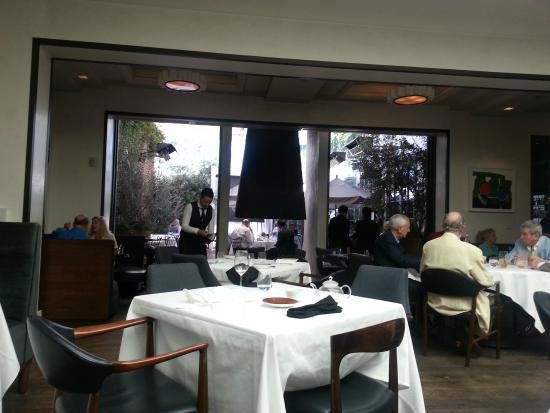
Restaurants in Culver City
Browse all →
Hotels in Culver City
Browse all →
Wineries in Culver City
Browse all →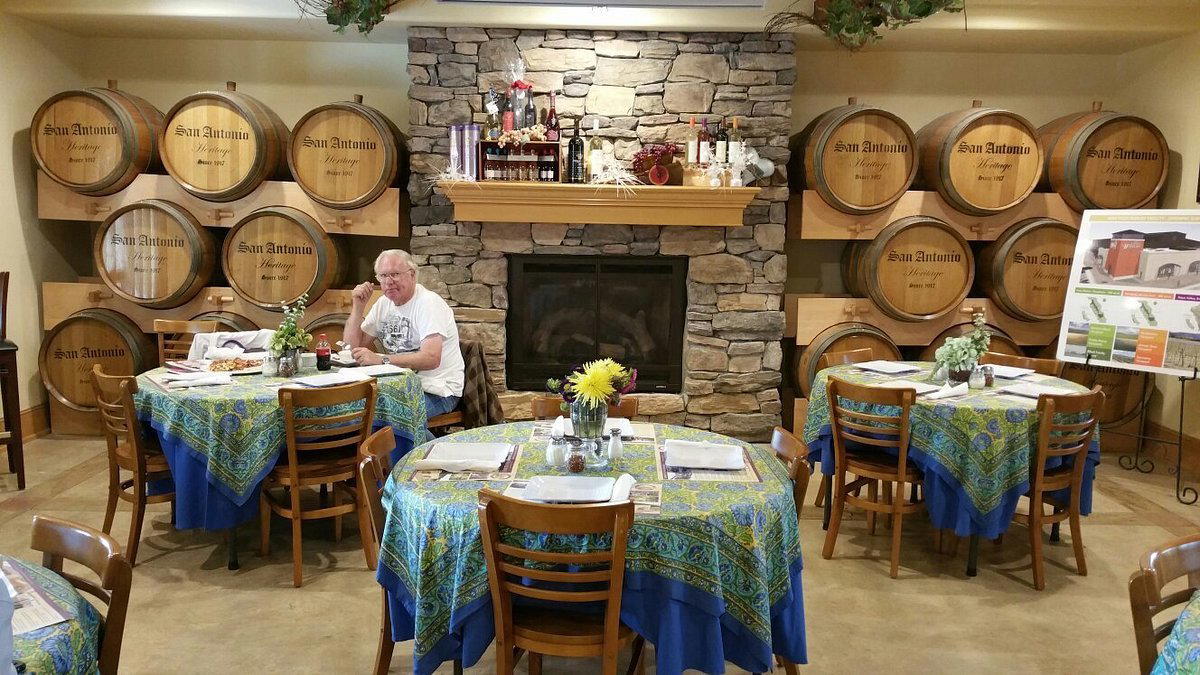
At a Glance
- Classic
- Elegant
- Intimate
- Well Known
- Date Night
- Special Occasion
- Historic Building
- Seated Bar
- Lounge Seating
- Booth Seating
- Classic Cocktails
Current opening hours
- Monday
- Closed
- Tuesday
- 5:30–9:30 PM
- Wednesday
- 5:30–9:30 PM
- Thursday
- 5:30–9:30 PM
- Friday
- 5:30–9:30 PM
- Saturday
- 5:30–9:30 PM
- Sunday
- Closed
Hours can change for holidays and private events. Last verified .
Dark brick walls, stylish decor with white tablecloths and black leather chairs creating a cozy, romantic 1940s atmosphere.