DAIKAYA
A two-floor ramen and izakaya destination on 6th Street NW, DAIKAYA brings the structured rhythms of Japanese casual dining to Penn Quarter. The ground floor runs a focused Sapporo-style ramen counter; the upstairs izakaya moves at a different pace, built for longer, drink-anchored evenings. Together they make one of D.C.'s clearer arguments for Japanese food beyond sushi.
Pearl is the En Primeur Club membership app — saves, bookings, and concierge access live there. Same editors, same standards.
- Address
- 705 6th St NW, Washington, DC 20001
- Phone
- +1 202 589 1600
- Website
- daikaya.com
- Directions
- Get directions
 Saves & bookings on Pearl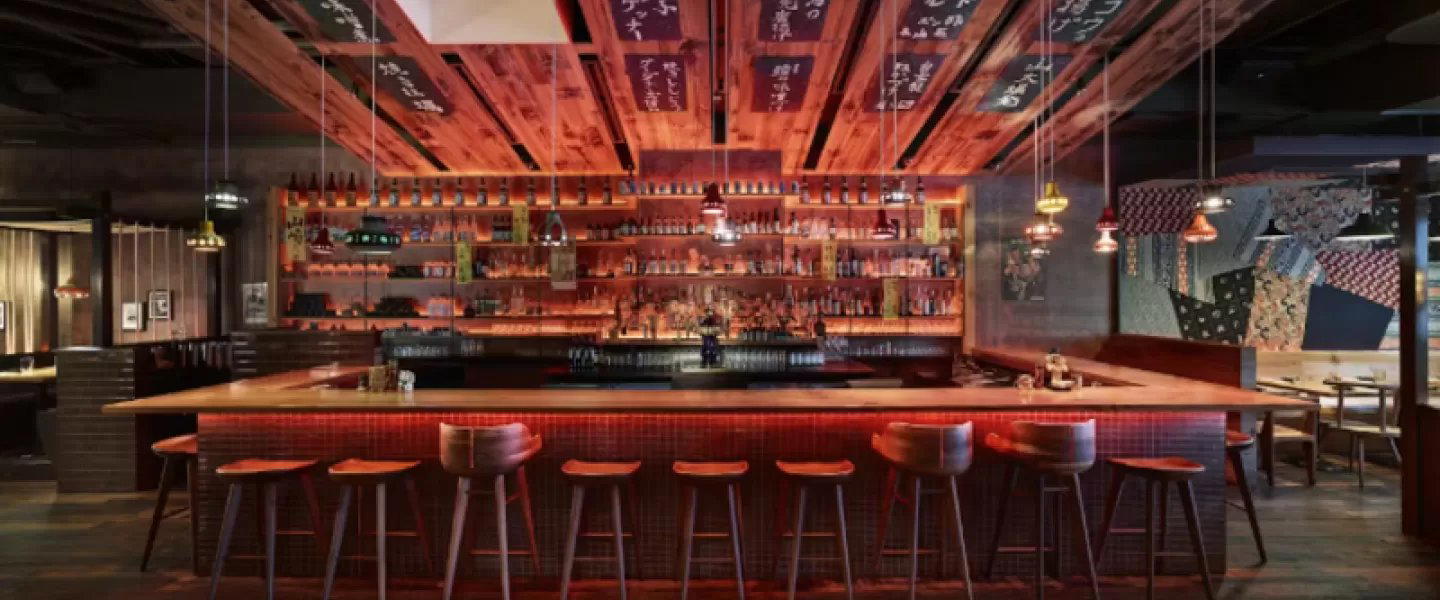
Two Floors, Two Rituals
Penn Quarter has spent the better part of two decades becoming a reliable dining district rather than a tourist corridor, and the block around 6th and F streets NW reflects that shift more clearly than most. DAIKAYA occupies 705 6th St NW in a format that is relatively rare in American cities: a ground-floor ramen counter with a separate upstairs izakaya, each operating according to its own pace and logic. The distinction matters. These are not interchangeable rooms with the same kitchen in two moods. They represent two genuinely different dining rituals imported from Japanese urban food culture, and understanding which one you are walking into changes everything about how the meal unfolds.
The Ground Floor: Ramen as Discipline
Sapporo-style ramen has a specific character that sets it apart from the Tokyo or Fukuoka traditions more commonly exported to American cities. The style centers on miso-based broths, often with a heavier body and a cold-weather practicality that reflects Hokkaido's northern climate. Where Hakata tonkotsu rewards speed and volume, Sapporo ramen rewards attention. The bowls arrive complete; the etiquette is to eat without extended interruption, because noodles continue cooking in hot broth and the window between optimal and overdone is narrow. D.C.'s ramen tier has grown meaningfully in the past decade, but the Sapporo reference point remains less crowded than tonkotsu-led alternatives, which gives the ground floor at DAIKAYA a reasonably distinct position in the local category.
Counter seating in a ramen shop is a format with its own social contract. You are not there to linger. The exchange is efficient by design, not by indifference. This is worth knowing before you arrive, particularly during lunch hours when turnover is the operating assumption on both sides of the counter. The experience is closer to a Japanese kissaten or standing soba bar than to a full-service restaurant, and visitors who approach it on those terms tend to leave more satisfied than those expecting a leisurely table-service meal.
The Upstairs Izakaya: A Different Gear
The izakaya tradition occupies a specific social function in Japanese dining culture: it is the format for after-work unwinding, for small dishes ordered in rounds, for drinking that anchors rather than accompanies eating. The pacing is deliberate and accumulative rather than linear. You do not move through courses so much as build an evening from components, reordering as conversation dictates. In American adaptations, this rhythm sometimes gets compressed into something closer to a conventional shared-plates dinner, but the better versions preserve the open-ended quality that makes the format distinct.
Upstairs at DAIKAYA operates in that izakaya register. The drink program is central rather than supplemental, which reflects how the format is supposed to work. Japanese whisky, shochu, sake, and beer are the expected pillars, and in an izakaya context the choice of drink shapes the food order as much as the reverse. This is the floor where a visit can extend naturally without feeling like you are overstaying; the format accommodates it. Planning-wise, the izakaya upstairs lends itself to later evenings, after the Penn Quarter theatre and arena crowds have moved through and the pace of 6th Street settles.
Where DAIKAYA Sits in D.C.'s Japanese Food Context
Washington D.C.'s Japanese restaurant tier has historically been thinner than cities like New York, Los Angeles, or even Chicago, but it has expanded and sharpened over the past several years. The ramen category in particular moved from novelty to genuine competition, with several operations now tracking Sapporo, Tokyo, and Fukuoka styles with varying degrees of fidelity. DAIKAYA holds an early-mover position in that arc, having established the Penn Quarter location before the category became crowded. Its two-floor model also gives it a structural advantage: the ramen counter captures a lunchtime and quick-dinner audience that would not typically visit an izakaya, while the upstairs captures an evening demographic that wants more than a bowl and a departure.
For a broader orientation to where D.C.'s dining sits across categories, our full Washington, D.C. restaurants guide maps the scene across neighbourhoods and cuisine types. Penn Quarter specifically has enough density at this point that a single evening could move from ramen to cocktails without leaving a four-block radius.
Drinking in the Izakaya Register
The drink culture that surrounds DAIKAYA is worth considering in its own right. Penn Quarter has developed a cocktail bar scene with genuine depth: Allegory runs one of D.C.'s more technically disciplined programs, Silver Lyan brings international recognition to the neighbourhood's bar tier, and Service Bar approaches cocktail-making with a rigor more common in culinary kitchens than in bar programs. 12 Stories adds another option within reach. The presence of these programs means that an evening anchored at DAIKAYA can extend into considered drinking without requiring a long commute across the city.
For comparative context on what Japanese-inflected drinking looks like at its most developed, Kumiko in Chicago runs one of the most fully realized sake and Japanese spirits programs in the country. On the West Coast, ABV in San Francisco represents the technically transparent end of American cocktail culture. Further afield, Bar Leather Apron in Honolulu and Jewel of the South in New Orleans each demonstrate how regional identity can anchor a serious drink program without sacrificing precision.
Planning Your Visit
DAIKAYA sits in Penn Quarter at 705 6th St NW, walkable from Gallery Place-Chinatown Metro (Red, Yellow, and Green lines). The ground-floor ramen counter is the more time-sensitive option: arrive early or expect to wait during peak lunch and dinner windows, since the format does not encourage extended occupancy. The upstairs izakaya is better suited to reservations if available, particularly on weekends when the broader Penn Quarter area draws crowds from Capital One Arena events. Visiting on a weeknight allows the izakaya rhythm to settle into its natural pace without competition from arena traffic. Whether you start downstairs with ramen and migrate up, or commit the evening to the izakaya floor, knowing which ritual you are entering makes the difference between a meal that feels right and one that feels misread.
At-a-Glance Comparison
A quick snapshot of similar venues for side-by-side context.
| Venue | Cuisine | Awards |
|---|---|---|
| DAIKAYAThis venue — the venue you are viewing | Not listed | Not listed |
| Allegory | Not listed | World's 50 Best |
| Service Bar | Not listed | World's 50 Best |
| Eebee’s Corner Bar | American (burgers, bar food) | Not listed |
Continue exploring
More in Washington DC
Bars in Washington DC
Browse all →
Restaurants in Washington DC
Browse all →
Hotels in Washington DC
Browse all →
At a Glance
- Trendy
- Lively
- Modern
- After Work
- Late Night
- Group Outing
- Casual Hangout
- Live Music
- Standalone
- Design Destination
- Seated Bar
- Lounge Seating
- Outdoor Terrace
- Craft Cocktails
- Sake
- Whiskey
- Zero Proof
Current opening hours
- Monday
- 11:30 AM–9 PM
- Tuesday
- 11:30 AM–9:30 PM
- Wednesday
- 11:30 AM–9:30 PM
- Thursday
- 11:30 AM–9:30 PM
- Friday
- 11:30 AM–10:30 PM
- Saturday
- 11:30 AM–10:30 PM
- Sunday
- 11:30 AM–9 PM
Hours can change for holidays and private events. Last verified .
Red-lit bar with eclectic decor and an edgy, hip urban feel; described as the type of place other chefs visit after work, with an authentic and contemporary aesthetic.
Know Before You Go
- Getting there
- 705 6th St NW, Washington, DC 20001