Tai Tai Japanese
Tai Tai Japanese sits on East Hampden Avenue in Denver's south corridor, where the city's appetite for Japanese cuisine has grown well beyond the standard sushi format.

Pearl is the En Primeur Club membership app, where members save venues, book tables and use the concierge.
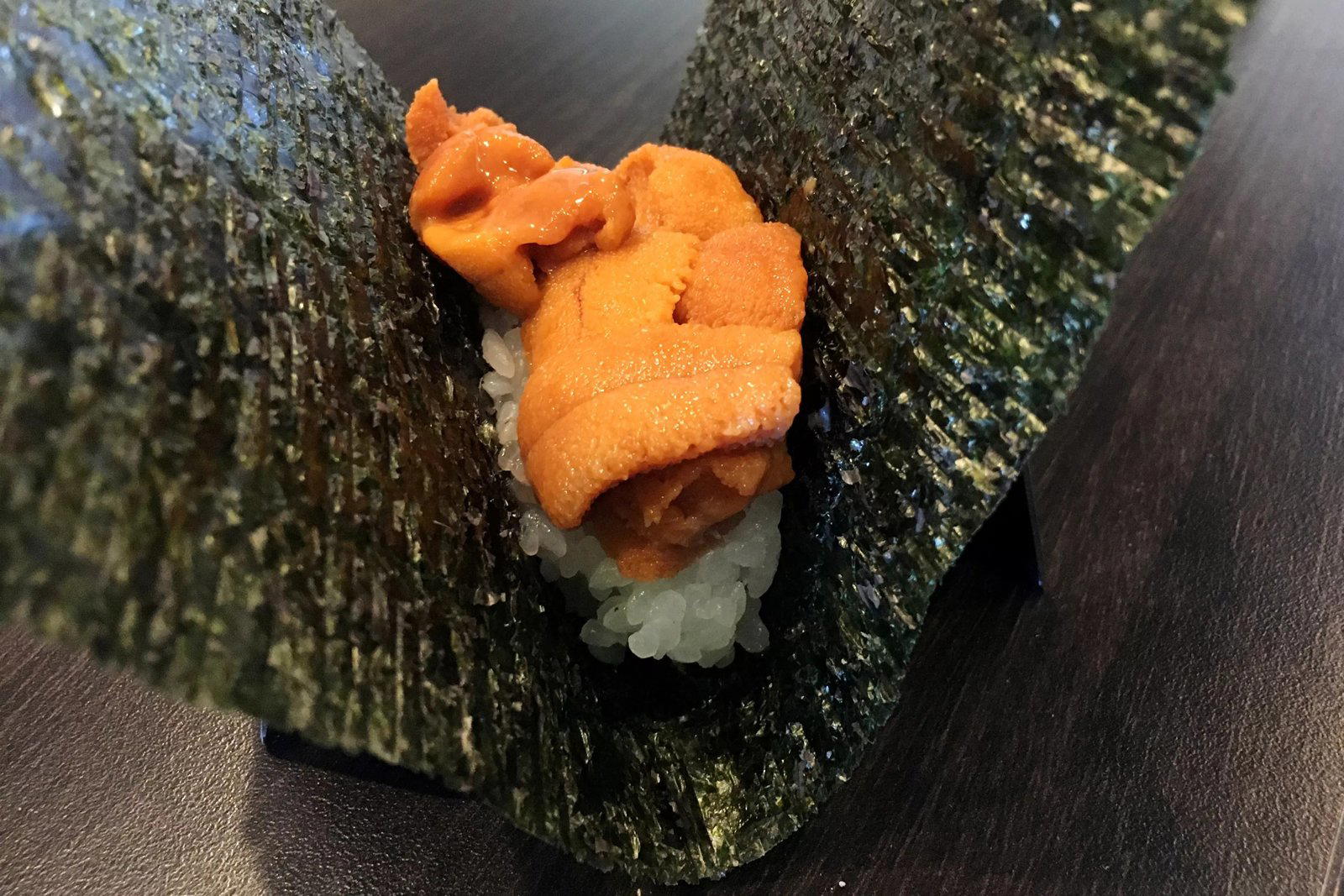
This kind of low-profile geography is not unusual for cities where the leading Japanese cooking has historically lived outside the tourist circuit. The reader who already knows Denver's dining geography will recognize the pattern immediately.
How Japanese Restaurants on Denver's South Side Price and Position Themselves
Across Denver's Japanese dining tier, the gap between entry-level sushi and the more considered formats has widened over the past several years. The city now supports a small number of omakase-style counters operating at premium price points, alongside a much larger category of neighborhood Japanese restaurants that function as reliable weekly destinations rather than occasion dining.
For context, Denver's more technically ambitious Japanese programs tend to cluster closer to the central neighborhoods: the RiNo corridor, Capitol Hill, and Cherry Creek carry most of the city's higher-profile Japanese addresses. South Denver operates differently, with a dining culture shaped more by convenience and consistency than by destination-specific draw. That doesn't mean the cooking is less serious, neighborhood Japanese restaurants in cities across the United States have produced some of the category's most technically precise work, but the context shifts what a first visit should expect.
The Drinks Question: What a Wine List Tells You About a Japanese Kitchen
Japanese restaurants in mid-tier American markets face a structural choice on the drinks side: stock a sake program that most local guests won't order, build toward wine pairings that do more commercial work, or default to a beer-and-spirit list that keeps the ticket simple. The more considered operations, even at neighborhood scale, tend to make that choice deliberately rather than by default. Denver's better Japanese rooms have generally moved toward sake programs with some depth, not the trophy-bottle approach of a high-end omakase counter, but enough selection to signal that the kitchen takes its rice-based pairings seriously.
Wine programs in Japanese restaurants across the United States have also shifted. Where a decade ago the pairing logic was loose at leading, a growing number of kitchens are building lists around wines with the acidity and textural restraint to work against dashi-based broths, raw fish, and fermented elements. Burgundy, Champagne, and high-acid German whites appear more frequently in this context, not as status markers, but as functional pairings that the kitchen can stand behind. Whether Tai Tai Japanese has committed to that model isn't publicly documented, but the question is worth raising directly with the room when you visit. It's one of the more useful signals about how seriously a Japanese kitchen is thinking about the full experience.
For Denver diners who want a reference point on what a serious drinks program looks like at a Japanese-adjacent bar, Kumiko in Chicago has set a high standard for how Japanese ingredient logic can translate into cocktail and spirit programming. Closer to home, Denver's own Williams & Graham and Death & Co (Denver) represent the city's most technically developed drinks thinking, even if the format is cocktail-focused rather than sake-led. Bar Leather Apron in Honolulu offers another useful comparison for how Japanese cultural reference points can anchor a bar program with real precision.
Denver's Broader Japanese and Asian Dining Context
The spread of Japanese cooking styles in Denver mirrors what's happened in mid-sized American cities more broadly: ramen shops opened first and built the audience, sushi followed in multiple formats across every price tier, and a smaller group of more specialized operators, izakaya-style kitchens, robata-focused rooms, omakase counters, arrived once the market could sustain them.
For diners who want to map the broader Denver dining picture before visiting Tai Tai Japanese, our full Denver restaurants guide covers the city's key neighborhoods and category leaders. Denver's cocktail scene also has relevant entries worth knowing: Yacht Club and Ace Eat Serve both represent Denver's more playful, genre-crossing approach to drinks and food programming. Beyond Denver, readers curious about how Japanese culinary logic travels into bar and restaurant formats elsewhere in the United States might look at Jewel of the South in New Orleans, Julep in Houston, Superbueno in New York City, ABV in San Francisco, and The Parlour in Frankfurt on the Main for a sense of how genre and geography interact in premium bar programming globally.
Know Before You Go
Where It Fits
A quick peer reference to anchor this venue in its category.
| Venue | Cuisine | Price | Awards |
|---|---|---|---|
| Tai Tai JapaneseThis venue (the venue you are viewing) | Not listed | Not listed | Not listed |
| Death & Co (Denver) | Not listed | $50–100 | World's 50 Best #36 |
| Williams & Graham | Not listed | $30–50 | World's 50 Best #50 · Top 500 Bars Best Bars #352 |
| Yacht Club | Not listed | $20–30 | World's 50 Best #67 · James Beard Award Semi Finalist |
| Vaultaire | French-inspired small plates | $30–50 | Star Wine List |
| Keepers Cocktail Lounge | Cocktail lounge, small plates | Not listed | Not listed |
Continue exploring
More in Denver
Bars in Denver
All bars in Denver →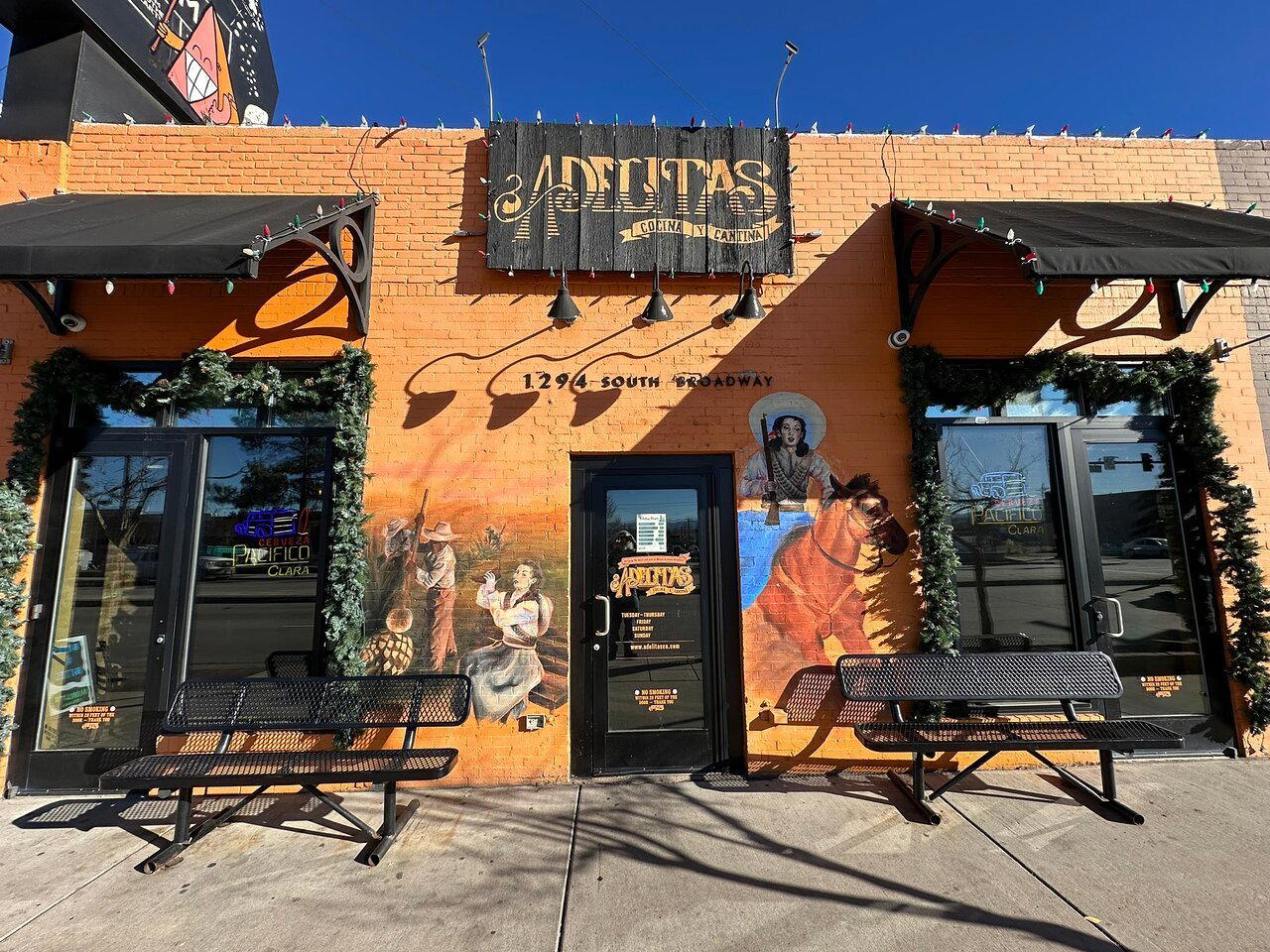
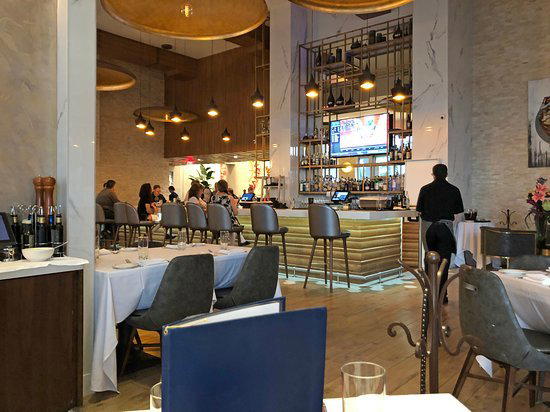
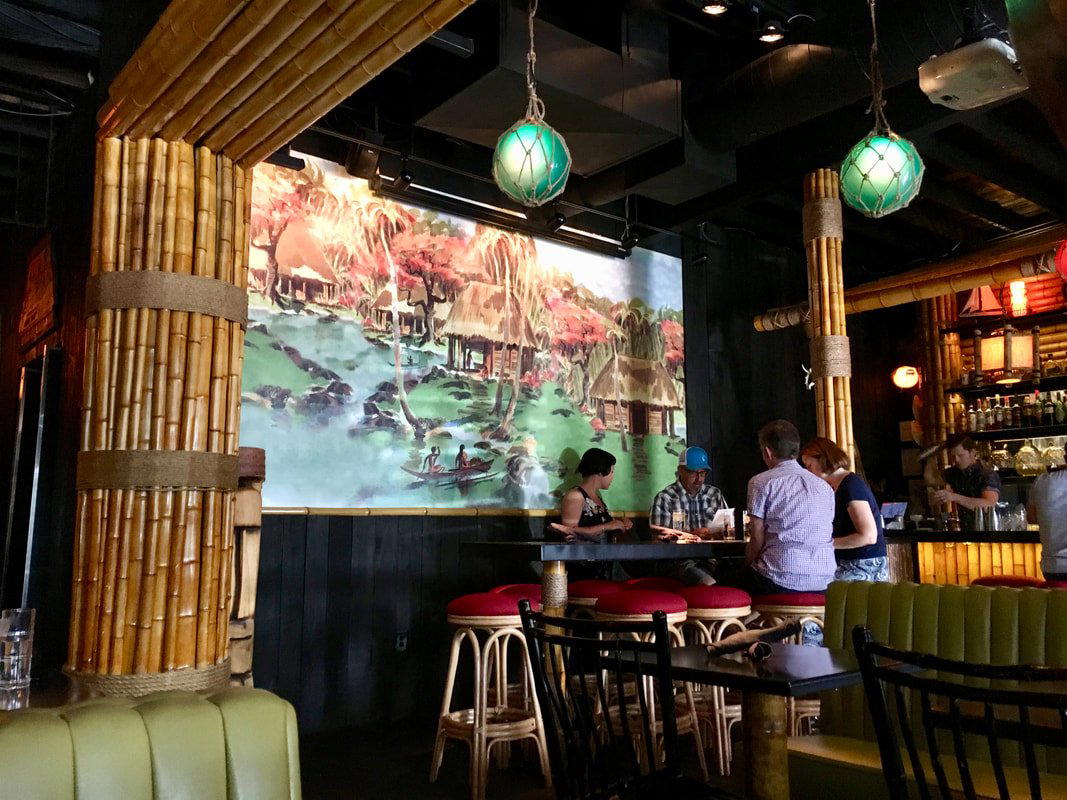

Restaurants in Denver
All restaurants in Denver →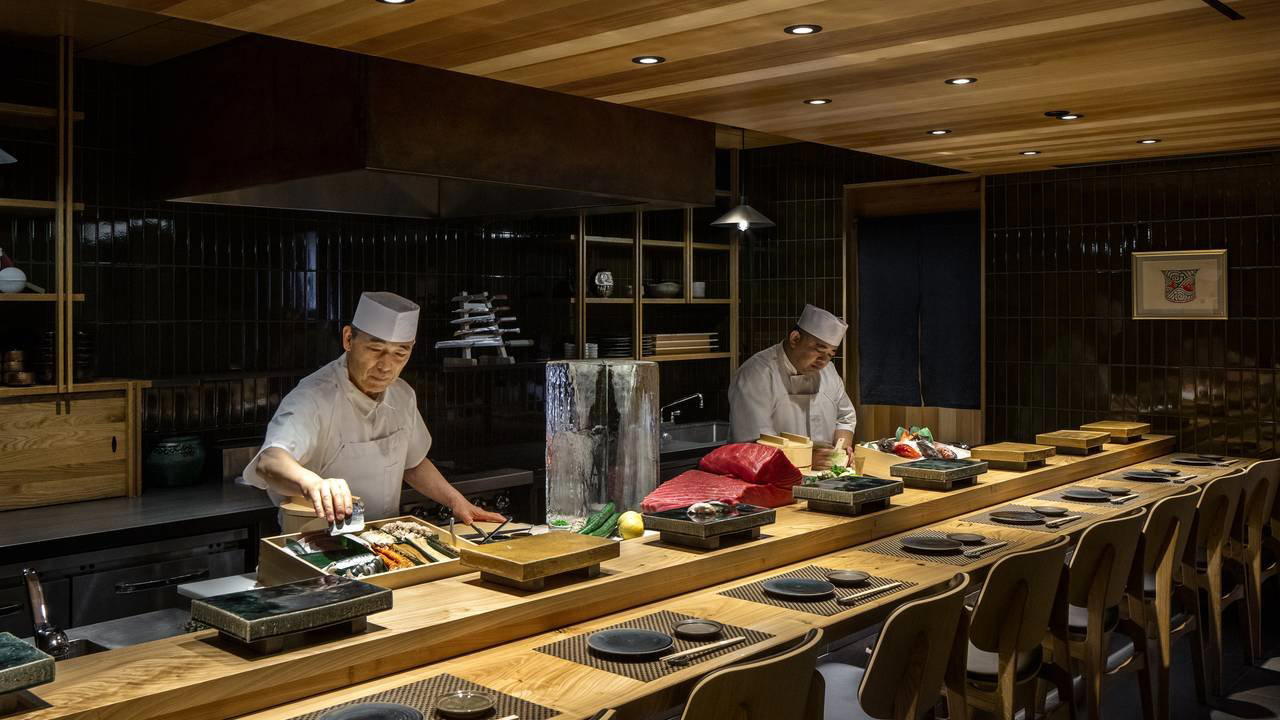



Tai Tai Japanese
The drinks
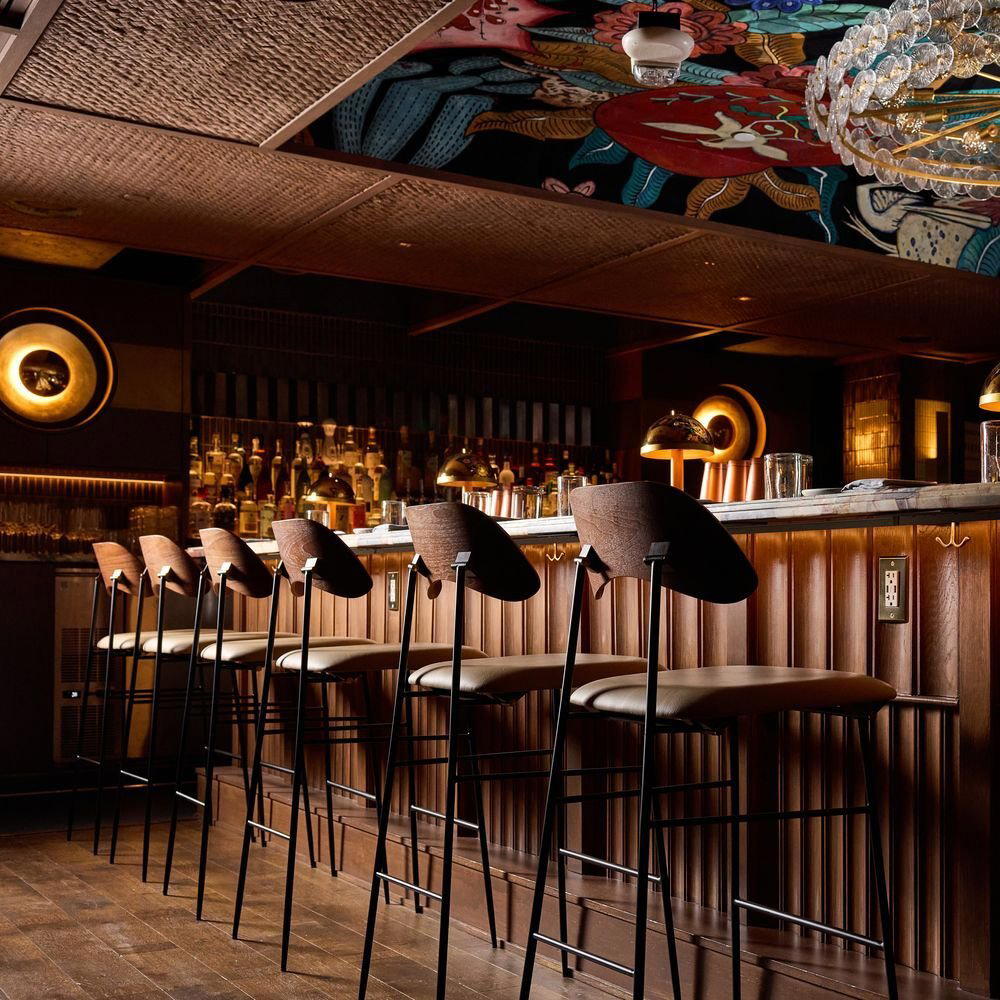
- Craft cocktails
Signature drinks: Death in the afternoon.
Details
- Casual
- Modern
- Intimate
- Date Night
- Casual Hangout
- Standalone
- Seated Bar
- Counter Only
- Sake
- Craft Cocktails
Current opening hours
- Monday
- 11:30 AM–2:30 PM, 5–9 PM
- Tuesday
- 11:30 AM–2:30 PM, 5–9 PM
- Wednesday
- 11:30 AM–2:30 PM, 5–9 PM
- Thursday
- 11:30 AM–2:30 PM, 5–9 PM
- Friday
- 11:30 AM–2:30 PM, 5–9 PM
- Saturday
- 11:30 AM–2:30 PM, 5–9 PM
- Sunday
- 11:30 AM–2:30 PM, 5–9 PM
Hours can change for holidays and private events. Last verified .
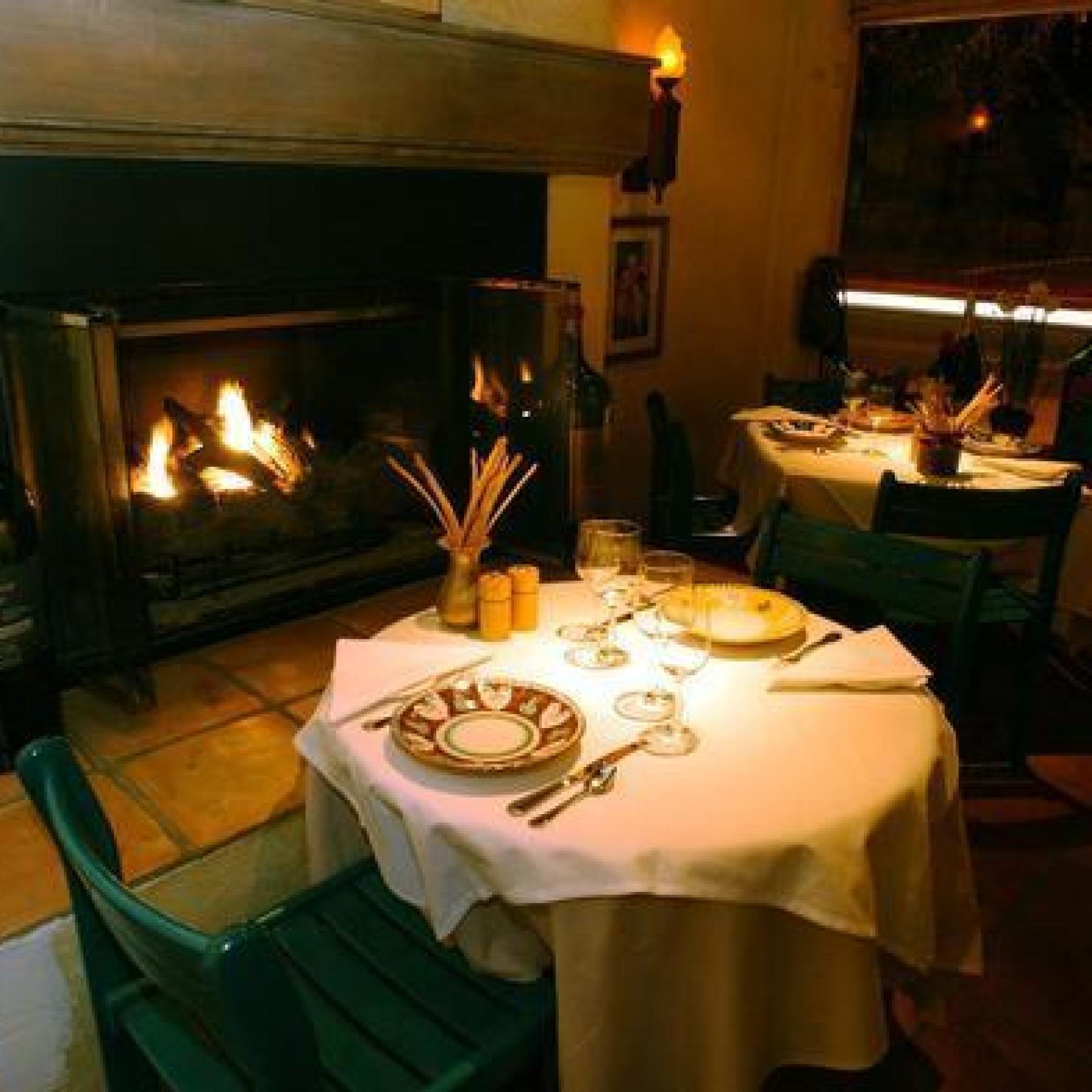
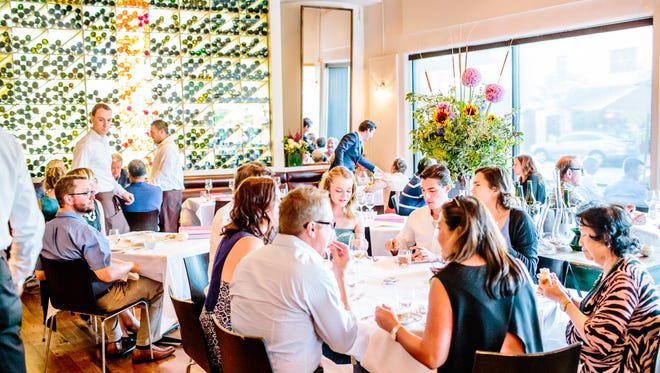
Casual and intimate with a sushi bar focus and comfortable seating.