Coquette
On Magazine Street in the Garden District, Coquette sits in a tier of New Orleans restaurants where the kitchen and bar operate as a single programme rather than separate departments. The food menu reads as a companion to the drinks list, and that coordination gives the room a coherence that separates it from the city's more compartmentalized dining options. A reference point for how Southern cooking absorbs broader American fine-dining technique.
 Discover on Pearl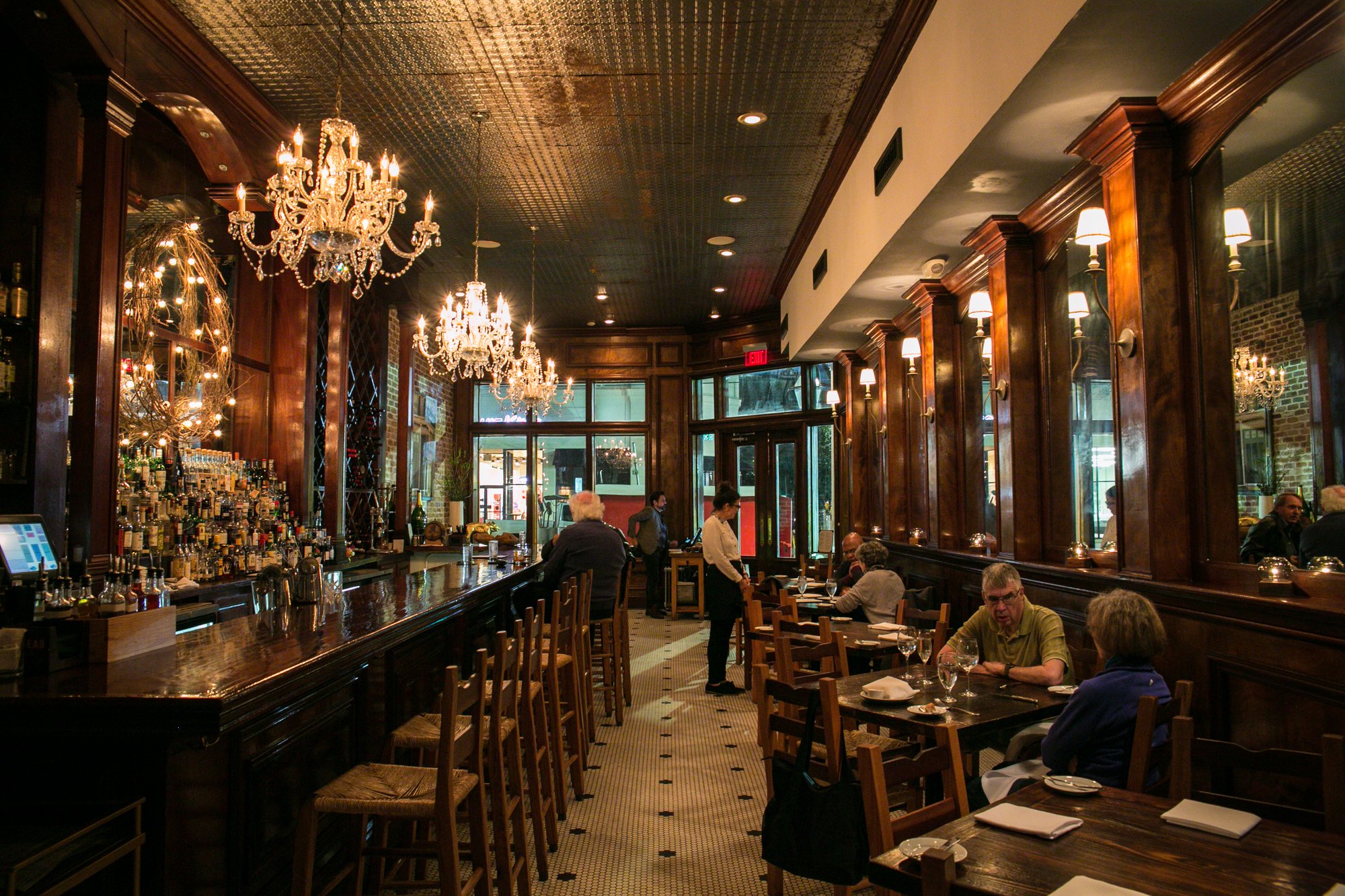
Magazine Street and What It Asks of a Restaurant
Magazine Street runs through the Garden District as one of New Orleans' more consequential dining corridors, and the restaurants that hold ground there over time tend to share a quality: they know exactly what they are. The address at 2800 places Coquette in a stretch of the street that mixes neighbourhood regulars with visitors who have done their research. This is not the French Quarter, where foot traffic fills rooms regardless of reputation. Survival here requires a consistent reason to return, and for Coquette, that reason has consistently been the relationship between what arrives in the glass and what arrives on the plate.
New Orleans occupies a complicated position in American restaurant culture. The city has one of the most deeply codified culinary traditions on the continent, with dishes and techniques that predate most of the country's fine-dining vocabulary by generations. Restaurants that work here either lean into that tradition or find a way to sit alongside it without appearing to ignore it. The more interesting venues manage to do both, using classical Louisiana foundations while applying a technical literacy that connects them to the broader national conversation. Coquette operates in that space.
The shortlist, unlocked.
Hard-to-book tables, cellar releases, and concierge-planned trips.
Get Exclusive Access →The Pairing Premise: Kitchen as Bar Programme Partner
Across the United States, a growing cohort of restaurants has moved away from treating the bar as a revenue supplement and towards treating it as a co-equal department with its own culinary logic. In cities like Chicago at Kumiko, San Francisco at ABV, and Washington D.C. at Allegory, the drinks list is constructed with the same ingredient discipline and seasonal awareness that the kitchen applies. New Orleans, with its deep cocktail heritage, is a natural home for this model, and Coquette is one of the local venues where the pairing logic runs through the full experience rather than stopping at a dedicated cocktail section of the menu.
The city's cocktail identity is broad enough to support multiple approaches. Jewel of the South works from a historically grounded New Orleans spirits vocabulary. Beachbum Berry's Latitude 29 operates as a committed tiki programme. Cure, on Freret Street, has built its reputation around precise, technique-forward cocktails that have earned the bar national recognition. Coquette's position in this ecosystem is distinct: it is a restaurant where the bar programme serves the table rather than functioning as a standalone destination, which places different demands on how both menus are constructed.
When food and drink are genuinely integrated, the kitchen has to account for what a cocktail or wine does to a dish's flavour register, and the bar has to account for what the kitchen's seasoning profile asks of a drink. This is a harder coordination problem than it appears. Southern cooking at its most technically serious tends toward fat, acid, and layered spice, which makes demands on the drinks side that a purely decorative bar programme cannot meet. The result at Coquette, when it works, is a table experience where neither element feels like an afterthought.
Sourcing, Seasonality, and the Louisiana Context
Louisiana's agricultural calendar gives kitchens working in the Southern tradition more seasonal material to work with than most parts of the country. Gulf seafood has its own rhythms, distinct from the Atlantic or Pacific coasts. Produce from the region arrives with a humidity-inflected character that affects how it behaves under heat. Restaurants in New Orleans that source with attention to these cycles produce food that tastes specific to a time of year and a place, rather than generic fine dining that could be served in any American city.
This specificity matters to how the bar side responds. When a kitchen is rotating through genuinely seasonal sourcing, the drinks list has to move with it or risk becoming disconnected from what the kitchen is actually producing. The bars that have built reputations for serious food pairing, from Bar Leather Apron in Honolulu to Julep in Houston to Superbueno in New York City, tend to share this quality: the drinks are not static while the kitchen changes season by season. At Coquette, the Garden District address reinforces rather than dilutes this local character; the neighbourhood is residential enough that the clientele tends to be invested in the actual food rather than the theatre of eating somewhere famous.
Who Comes Here and Why
The Garden District restaurant audience is a specific one. It skews toward local professionals and serious visitors who have moved past the French Quarter circuit and are looking for the kind of meal that requires prior knowledge to find. This is also the demographic that tends to engage with bar programming as part of the dining experience rather than a prelude or postlude to it. At venues like Coquette, the aperitif, the wine-by-glass list, and the digestif are all part of the same conversation as the food, and the room reflects that: it is a place where people are paying attention to what they are drinking as much as what they are eating.
For comparison, plant-forward alternatives in the city like 2 Phat Vegans and internationally minded bar programmes like The Parlour in Frankfurt illustrate how different venues calibrate the food-drink relationship for different audiences. Coquette's calibration reads as Southern technique with national fine-dining fluency, aimed at an audience that is comfortable in both registers.
Planning Your Visit
Coquette's Magazine Street address puts it in the Garden District, walkable from the streetcar line that runs along St. Charles Avenue, which makes it accessible without a car from most central New Orleans accommodation. The neighbourhood is quiet enough that evenings at the restaurant feel removed from the denser tourist activity of the Quarter and the Marigny. For a fuller picture of where Coquette fits within the city's dining and bar options, the EP Club New Orleans guide maps the scene by neighbourhood and category, which is the most useful frame for planning a multi-day visit where you want to understand the relationships between venues rather than treating each one in isolation.
Frequently Asked Questions
- What drink is Coquette famous for?
- Coquette is not primarily known as a cocktail destination in the way that Cure or Jewel of the South are in New Orleans. Its reputation rests on a drinks programme designed to work alongside the kitchen's output, which means the wine-by-glass list and cocktail selection are shaped by what the food demands rather than built as standalone showcases. It sits closer to the table-driven bar model than the destination cocktail bar model.
- What should I know about Coquette before I go?
- Coquette is a Garden District restaurant that requires a short trip from the French Quarter, most practically via the St. Charles streetcar. It operates at a price point consistent with serious New Orleans fine dining, meaning it sits above the city's mid-range bistros but below the most formal white-tablecloth houses. The food and drink are meant to be experienced together, so arriving with the intention of working through a full menu rather than eating quickly will make better use of what the restaurant offers.
- How hard is it to get in to Coquette?
- Coquette draws both neighbourhood regulars and visitors with specific intent, which means availability varies more by day of week and season than at the city's most aggressively booked spots. New Orleans' dining calendar tightens significantly around Jazz Fest, Mardi Gras, and the holiday period; outside those windows, the restaurant is generally more approachable. Checking availability in advance and booking ahead is advisable for weekend evenings.
- Who tends to like Coquette most?
- Diners who get the most from Coquette tend to be interested in how the bar and kitchen operate as a coordinated programme rather than separate departments. This is a restaurant that rewards attention to the full table experience, including what you drink and when, rather than visitors focused primarily on a single signature dish. It draws a local professional audience alongside out-of-town guests who have already covered the French Quarter circuit and are looking for a more neighbourhood-rooted meal.
- Is Coquette a good option for experiencing Southern cooking with serious bar pairings?
- For diners specifically looking for a Southern-rooted kitchen that pairs its food menu with a considered drinks list, Coquette is one of the more coherent examples in New Orleans. The Garden District setting gives it a different energy from the city's French Quarter dining rooms, and the food draws on Louisiana's seasonal ingredient calendar rather than a fixed, tradition-bound menu. It occupies a space between neighbourhood restaurant and destination dining that makes it relevant to both local regulars and first-time visitors who have done enough research to find it.
Where the Accolades Land
A quick comparison pulled from similar venues we track in the same category.
| Venue | Awards | Cuisine | Notes |
|---|---|---|---|
| Coquette | This venue | ||
| Jewel of the South | World's 50 Best | ||
| Beachbum Berry's Latitude 29 | World's 50 Best | ||
| Cure | World's 50 Best | ||
| Cane & Table | |||
| The Carousel Bar |
Need a Table?
Our members enjoy priority alerts and concierge-led booking support for the world's most difficult bars and lounges.
Get Exclusive AccessThe shortlist, unlocked.
Hard-to-book tables, cellar releases, and concierge-planned trips.
Get Exclusive Access →