Colonial Kitchen and Bar Thai Restaurant
Colonial Kitchen and Bar sits along Roswell Road in Sandy Springs, positioning itself within the neighbourhood's expanding Thai dining conversation. The kitchen draws on Southeast Asian technique in a setting that reads more bar-forward than the typical suburban Thai room, giving it a different footing from the area's more direct Thai houses.
Pearl is the En Primeur Club membership app — saves, bookings, and concierge access live there. Same editors, same standards.
- Address
- 5600 Roswell Rd suite a110, Atlanta, GA 30342
- Phone
- +1 404 600 5632
- Website
- colonialkitchenatlanta.com
- Directions
- Get directions
 Saves & bookings on Pearl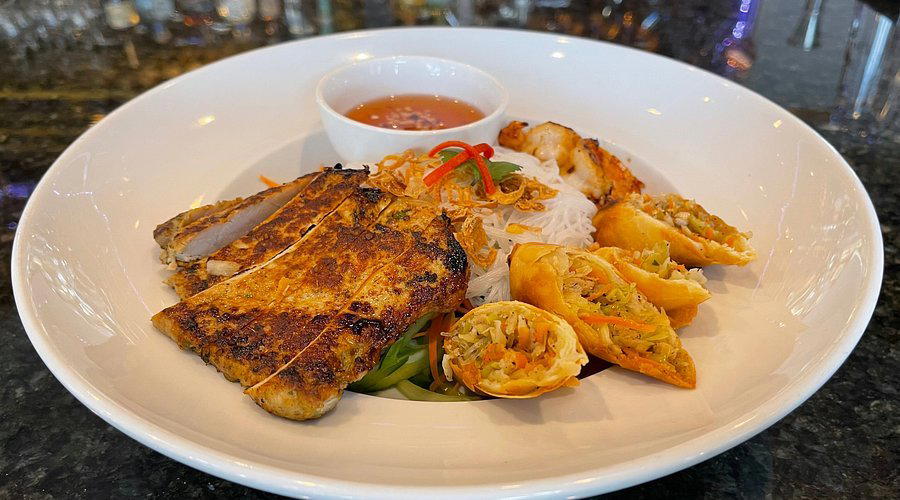
Where the Bar Shapes the Room
Along the Roswell Road corridor in Sandy Springs, the dining register tends toward the accessible and broadly crowd-pleasing. Colonial Kitchen and Bar Thai Restaurant is a Thai restaurant and bar at 5600 Roswell Road in Sandy Springs. The interior emphasis on a fully considered bar program sets it apart from Thai restaurants that treat drinks as an afterthought. In a city where Thai cuisine has historically been absorbed into the suburb's generic pan-Asian dining pool, a place that takes its bar seriously alongside its kitchen signals a different set of intentions.
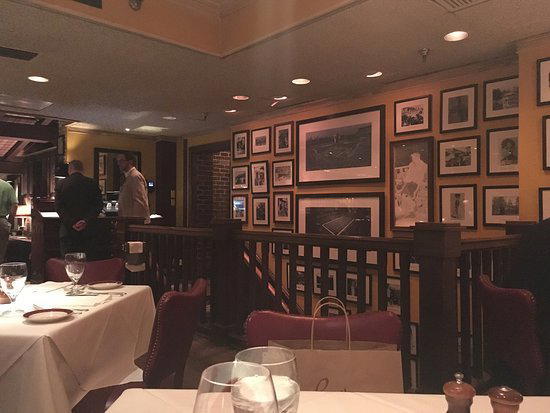
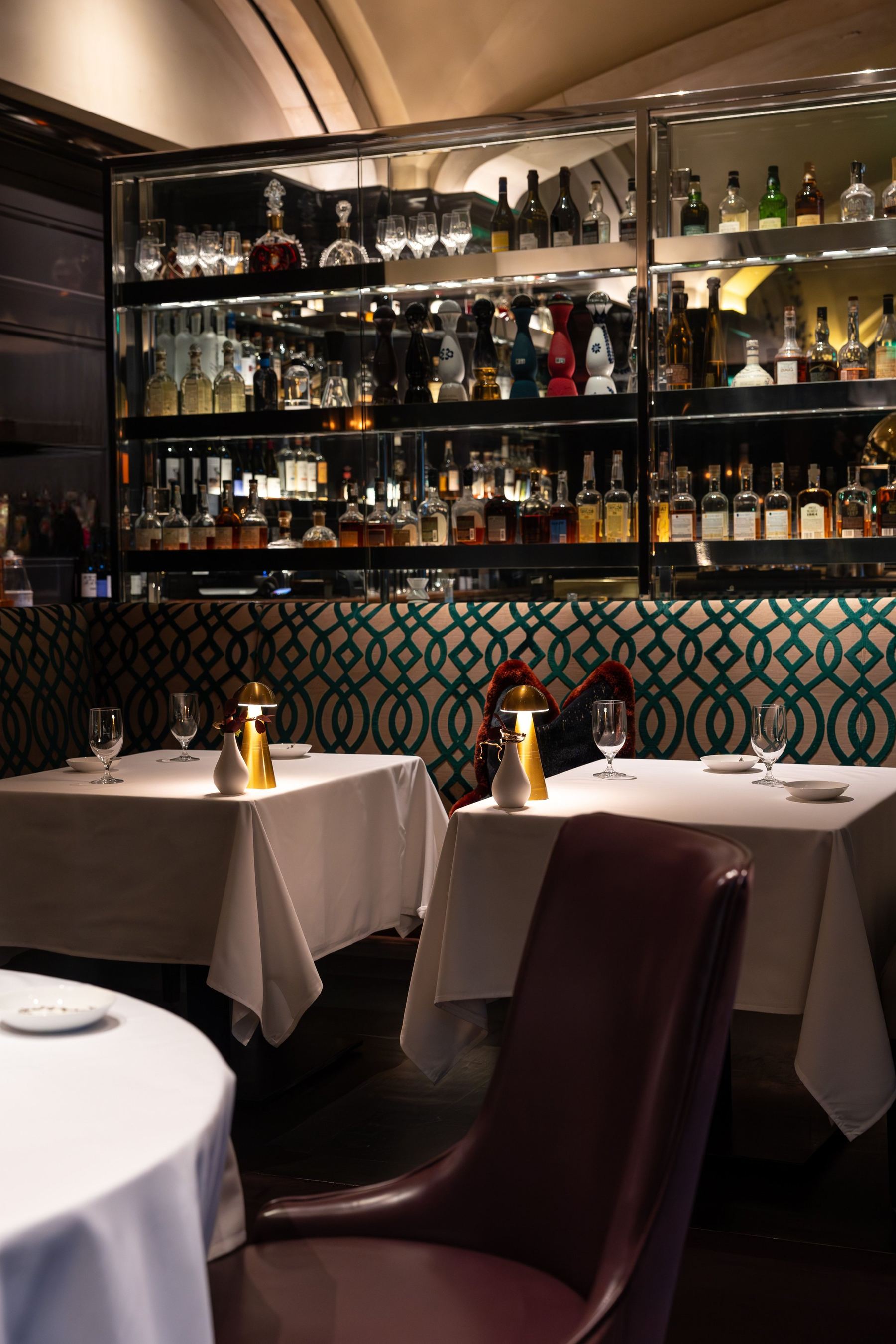
The physical environment reflects that duality. You sense it before the menu arrives: the room is arranged with the kind of spatial logic that treats the bar as a destination in itself, not a holding pen before a table opens. That distinction matters in a neighbourhood where the default for Thai dining is a purely food-forward room, drinks arriving as an obligation rather than a considered part of the experience.
The Bartender's Position in Thai Dining
The bar program at venues like this one exists inside a broader shift that is reshaping how Thai restaurants in the American South are understood. For much of the last two decades, suburban Thai dining operated under a fairly rigid format: a wine list of modest ambition, a short list of bottled beers, and a handful of cocktails built around citrus and chilli that gestured at Southeast Asian flavour without committing to it. Increasingly, Thai restaurants operating in mixed dining-and-drinking formats have begun to take the bar as seriously as the wok.
This is the territory Colonial Kitchen and Bar occupies. The bar-and-kitchen pairing is not incidental to the concept; it is the concept. Across American cities, the bars that have earned lasting attention — Bar Leather Apron in Honolulu, Kumiko in Chicago, and Jewel of the South in New Orleans — have done so by treating hospitality and craft as inseparable. The bartender's role in those rooms is not simply to pour; it is to set the tone for the entire visit. At Colonial Kitchen, the dual name signals exactly that kind of intent, where the bar is positioned as co-equal with the kitchen rather than subordinate to it.
That framing connects to a wider trend visible from Julep in Houston to ABV in San Francisco to Superbueno in New York City and The Parlour in Frankfurt on the Main: craft bar programs are now expected to cohere with the kitchen's cuisine, not simply coexist alongside it. A Thai kitchen that draws on the aromatics of lemongrass, galangal, and kaffir lime gives a thoughtful bartender considerable material to work with.
Sandy Springs and Its Thai Dining Moment
Sandy Springs sits north of the city proper, a municipality with its own dining identity that has grown considerably more competitive over the past decade. The Roswell Road strip specifically has accumulated a range of options that span cuisines and price points, making it one of metro Atlanta's more active suburban dining corridors. Thai restaurants are well represented in this environment, and the competitive field is not shallow.
[Bangkok Thyme]() has staked a position in the neighbourhood. [Casi Cielo]() addresses a different culinary register. C&S; Seafood and Oyster Bar pulls a crowd oriented around coastal American. Food Terminal operates in a hawker-inspired format that speaks to a more globally travelled diner. In this context, Colonial Kitchen's bar-forward positioning functions as a clear point of differentiation, particularly for diners who want Thai food and a considered drink in the same sitting without crossing into the city for it.
The neighbourhood's dining culture skews toward convenience without sacrificing quality expectations, which makes the bar-and-kitchen pairing a logical offering. A diner finishing a work day in Sandy Springs who wants pad see ew alongside a properly built cocktail can find that combination here.
Thai Technique and the Suburban Room
Thai cooking in American suburban contexts has long faced a particular challenge: the pressure to moderate heat, dilute complexity, and soften aromatics in service of broad accessibility. The better Thai restaurants in metropolitan Atlanta have pushed back against that tendency with varying degrees of success. The kitchen's alignment with a bar program that takes flavour seriously suggests Colonial Kitchen is not interested in the lowest-common-denominator approach. A bar that works with Southeast Asian aromatics and a kitchen that uses them well are natural partners, each reinforces the credibility of the other.
In practical terms, this means a diner can reasonably expect the kitchen to hold its position on flavour rather than rounding everything toward the gentle. Whether that expectation is met on any given visit is a matter of kitchen consistency, but the structural alignment of the concept points in that direction.
Planning Your Visit
Colonial Kitchen and Bar Thai Restaurant is located at 5600 Roswell Road, Suite A110, in the Sandy Springs section of metro Atlanta, Georgia 30342. The Roswell Road address is accessible by car from both the city and the northern suburbs, and the strip itself has parking relative to its mixed-use format. Given the bar-forward positioning, the room functions well for both early-week visits when the pace is measured and weekend evenings when the bar element comes into its own.
At a Glance
Comparable venues nearby, for context on price, style, and recognition.
| Venue | Cuisine | Price | Notes |
|---|---|---|---|
| Colonial Kitchen and Bar Thai RestaurantThis venue — the venue you are viewing | Sandy Springs, Bar | $$ | Not listed |
| Magnolia’s Kitchen & Cocktails | Not listed | $$ | Sandy Springs, cocktail_bar |
| NoriFish Sandy Springs | Not listed | $$$ | Sandy Springs, cocktail_bar |
| Nori Nori | Sandy Springs, Bar | $$ | Not listed |
| Mandolin Kitchen & Shisha Bar | Sandy Springs, lounge | $$$ | Not listed |
Continue exploring
More in Sandy Springs
Bars in Sandy Springs
Browse all →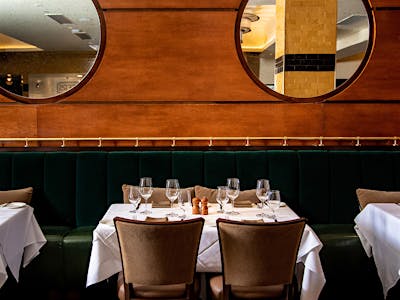
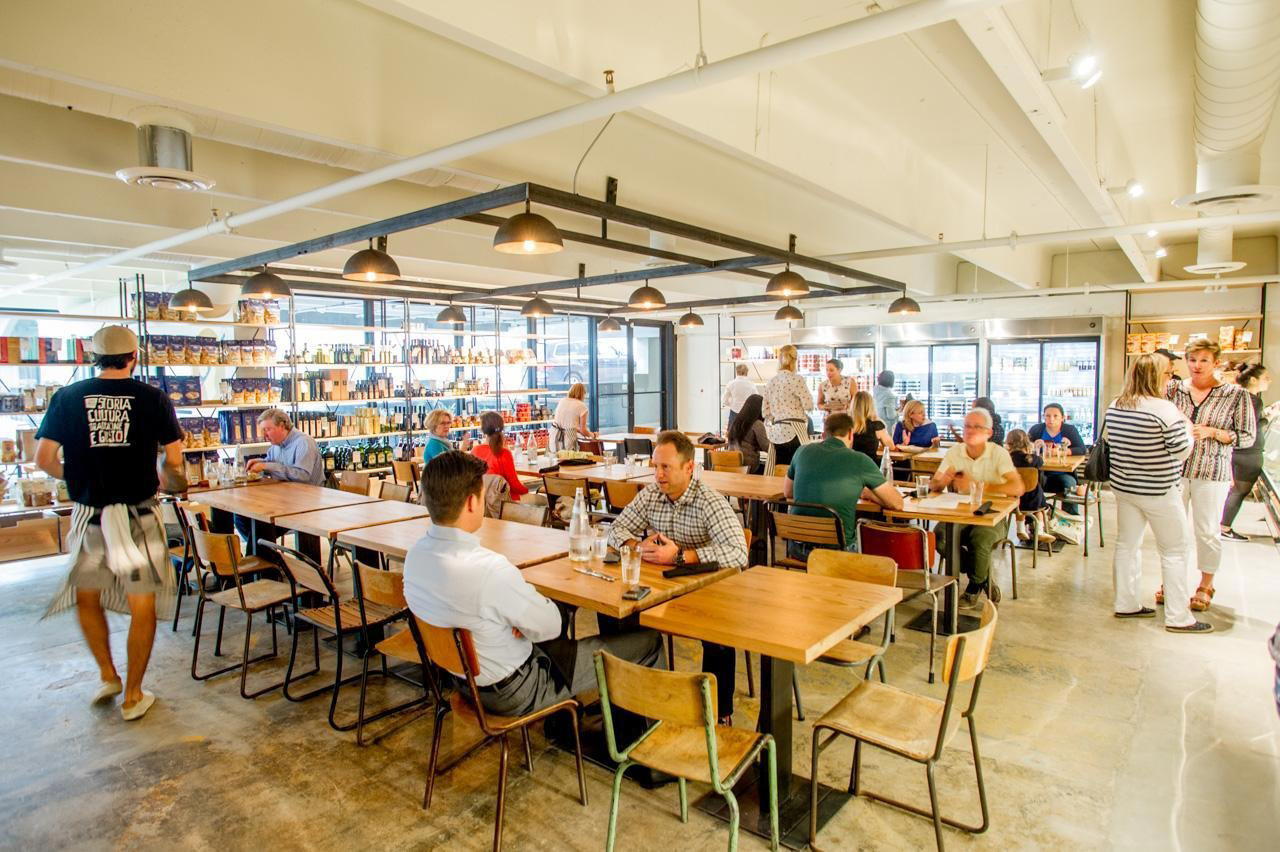
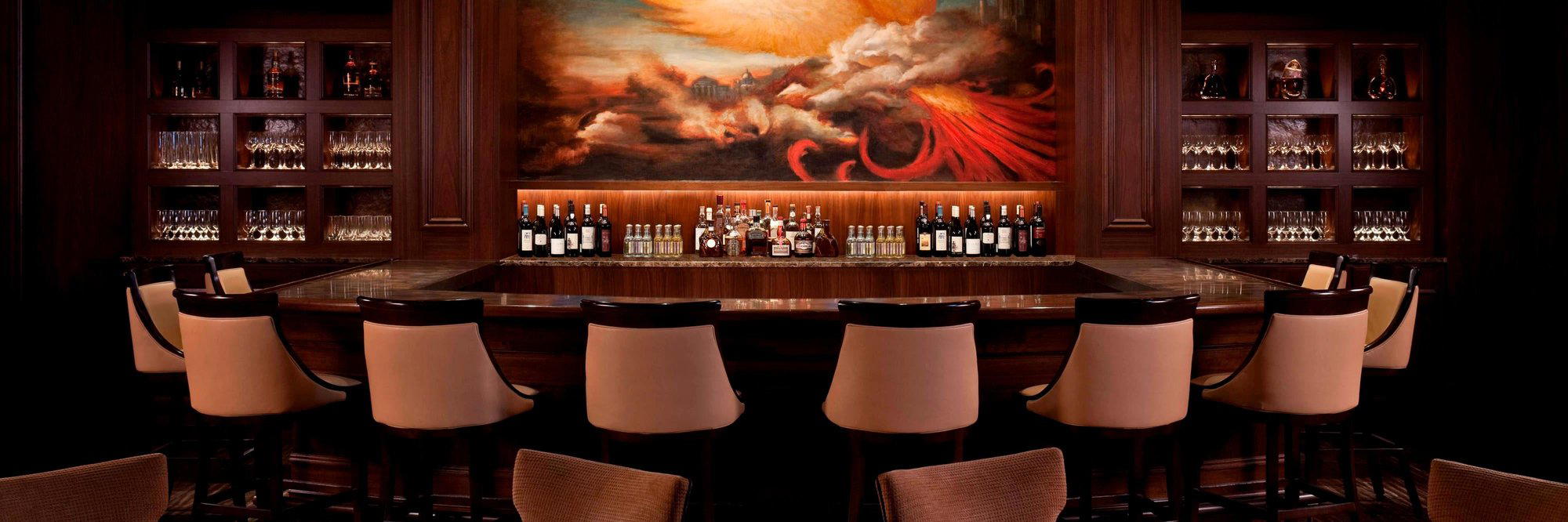
Restaurants in Sandy Springs
Browse all →

At a Glance
- Cozy
- Casual Hangout
- Live Music
Current opening hours
- Monday
- 11 AM–9:30 PM
- Tuesday
- 11 AM–9:30 PM
- Wednesday
- 11 AM–9:30 PM
- Thursday
- 11 AM–9:30 PM
- Friday
- 11 AM–10:30 PM
- Saturday
- 12–10:30 PM
- Sunday
- 12–9:30 PM
Hours can change for holidays and private events. Last verified .
warm ambiance