Antojitos Mexicanos
A roadside Mexican spot on McCracken Road in Westley, California, Antojitos Mexicanos sits at the kind of working-highway junction where Central Valley agricultural life and Mexican food traditions meet without pretense. The menu draws from a regional cooking tradition that runs deep through the San Joaquin Valley, where proximity to some of California's most productive farmland shapes what ends up on the plate.
Pearl is the En Primeur Club membership app — saves, bookings, and concierge access live there. Same editors, same standards.
- Address
- 7154 McCracken Rd, Westley, CA 95387
- Phone
- (209) 894-3330
- Directions
- Get directions
 Saves & bookings on Pearl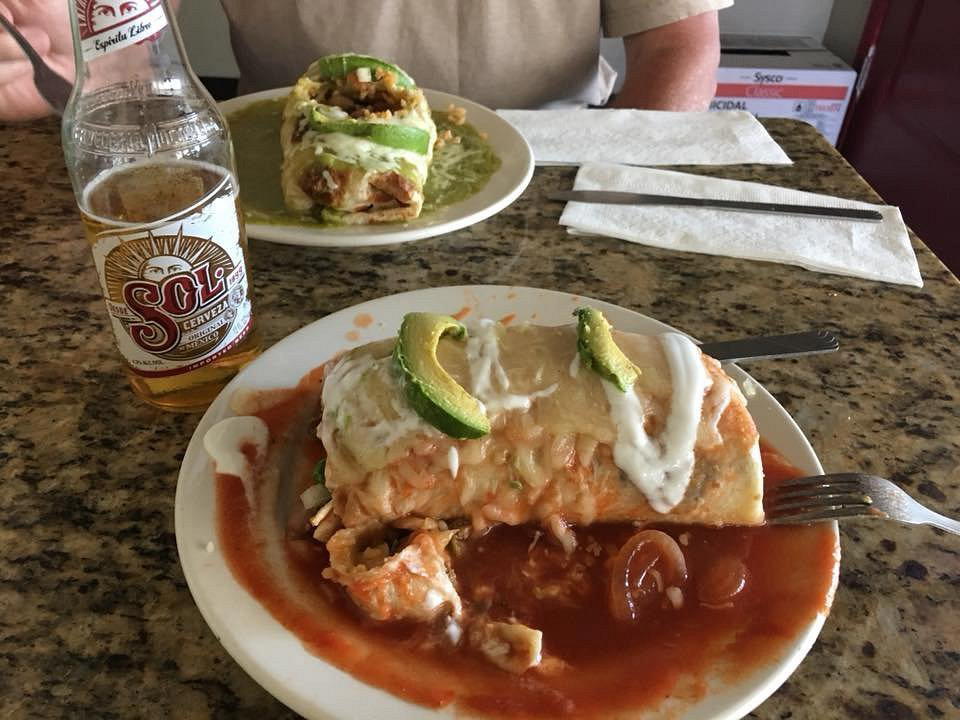
Where the San Joaquin Valley Meets the Mexican Table
Antojitos Mexicanos is a casual restaurant in Westley, California, serving authentic home-style Mexican food at 7154 McCracken Rd. Interstate 5 cuts through Stanislaus County with functional speed, and the exits here serve truckers, commuters, and agricultural workers rather than destination diners. That context matters. Antojitos Mexicanos, at 7154 McCracken Road, exists within a food tradition that predates California's farm-to-table marketing apparatus by generations: the Mexican roadside antojitos counter, where the supply chain runs short because the farms are, quite literally, across the road.
In the Central Valley, the phrase "ingredient sourcing" rarely appears on a chalkboard. It doesn't need to. The San Joaquin Valley produces a significant share of the United States' tomatoes, stone fruits, peppers, garlic, and leafy greens. For the Mexican-American communities that have worked and settled across Stanislaus and surrounding counties, cooking has always started with whatever the season and the land immediately offer. That culinary habit, building from local agricultural surplus rather than imported or shelf-stable inputs, is, in formal dining terms, farm-driven. In antojitos culture, it's simply how food is made.
Antojitos as a Food Category, Not Just a Venue Name
The word "antojitos" translates loosely as "little cravings" and refers to a category of Mexican street and market food that spans masa-based preparations, salsas, grilled meats, and fresh-assembled dishes. Across Mexico and Mexican-American communities in the United States, antojitos counters function as a culinary connective tissue between the home kitchen and the street market. They are rarely precious about technique, but strong examples among them are specific about sourcing: the right dried chile, the correct variety of corn, tomatoes that carry enough acid to anchor a salsa without added vinegar.
In the San Joaquin Valley, this specificity takes on geographic meaning. Farms growing chiles, tomatillos, and multiple tomato varieties are concentrated within driving distance of Westley. The agricultural infrastructure that feeds much of the American produce aisle runs through this corridor. A kitchen drawing on local suppliers here has access to a produce calendar that few urban restaurant districts can match in raw volume or variety. What restaurants in San Francisco pay premium prices to source, and what spots like Single Thread Farm in Healdsburg have built formal programs around is simply the regional baseline here.
California's Farm-Driven Dining Spectrum
California's most discussed farm-to-table restaurants sit at the higher end of the price spectrum. Blue Hill at Stone Barns in Tarrytown and its California-adjacent peers have made ingredient provenance a central part of their critical identity. The French Laundry in Napa and Addison in San Diego operate with named suppliers and seasonal menus that shift around harvest schedules. Further afield, Lazy Bear in San Francisco and Providence in Los Angeles carry this approach through tasting-menu formats with significant price points.
The antojitos counter operates at the other end of that spectrum without being its opposite. The philosophy of building food around what's grown nearby doesn't require a prix-fixe format or a Michelin citation. At the roadside end of California's farm-driven dining spectrum, the connection between agricultural production and plate is often more direct and less mediated by supply-chain complexity than in premium urban settings. Ingredient provenance here is structural, not aspirational.
The Roadside Dining Tradition in California's Agricultural Interior
California's interior, the corridor from Stockton south through Fresno and beyond, holds a dense concentration of Mexican and Mexican-American food operations that rarely appear in mainstream dining coverage. That absence doesn't reflect the quality or depth of cooking in the region; it reflects the guide's urban bias and the demographics of its primary readership.
Roadside spots in agricultural communities like Westley serve a population whose food expectations are set by Mexican regional cooking traditions rather than by California-cuisine conventions. The result is a category of restaurant that competes on authenticity of preparation and freshness of ingredient rather than on room design, tasting-menu architecture, or wine program. Compared to the formal credential-building that defines celebrated spots like Smyth in Chicago, Atomix in New York City, or Le Bernardin in New York City, the roadside antojitos counter operates in a parallel value system where the metrics are different but no less demanding.
Planning a Stop: What to Know
Westley sits along Interstate 5 in Stanislaus County, making it a practical stop for travelers moving between the Bay Area and Southern California, or cutting across to the Sierra Nevada foothills. McCracken Road is accessible from the main highway interchange. Antojitos Mexicanos is open Monday through Friday from 8:30 AM to 9 PM and closed Saturday and Sunday. Walk-in is the standard format for antojitos counters of this type; advance booking is not typically part of the model.
The broader context of where this kind of eating fits for traveling diners: if you're building a California food itinerary around ingredient-driven cooking at multiple price points, the Central Valley corridor offers a ground-level view of where much of California's restaurant produce begins. Operations like this one sit at the source end of a supply chain that feeds everything from food trucks in Oakland to the tasting-menu programs at Frasca Food and Wine in Boulder and Bacchanalia in Atlanta.
Additional reference points for ingredient-focused dining across different formats and regions: Oyster Oyster in Washington, D.C., The Wolf's Tailor in Denver, ITAMAE in Miami, Emeril's in New Orleans, The Inn at Little Washington, and Atelier Moessmer Norbert Niederkofler in Brunico each represent different approaches to the same core question: where does the food start?
- Super Burrito
- Chile Rellenos
- Wet Burritos
- Torta Cubana
- Burrito de Milanesa
- Green Chilaquiles and Eggs
Side-by-Side Snapshot
Comparable venues nearby, for context on price, style, and recognition.
| Venue | Cuisine | Price | Notes |
|---|---|---|---|
| Antojitos MexicanosThis venue — the venue you are viewing | Authentic Home-Style Mexican | $$ | Not listed |
| Carlito’s Barbecue Taqueria | Barbecue taco taqueria at Newark Airport | $$ | Newark Airport |
| La Guerrera’s Kitchen | Authentic Guerrero Mexican Coastal | $$ | Old Oakland |
| Casa Azteca | Traditional Mexican | $$ | Milpitas |
| Casa Bernal Taqueria | Mexican Taqueria | $$ | Downtown Berkeley |
| Vientos Mexican Grill | Traditional Mexican Grill | $$ | Greenhaven-Pocket |
Continue exploring
More in Westley
Restaurants in Westley
Browse all →

Bars in Westley
Browse all →
Hotels in Westley
Browse all →
At a Glance
- Rustic
- Casual
- Casual Hangout
- Family
- Group Dining
- Solo
- Standalone
- Beer Program
Current opening hours
- Monday
- 8:30 AM–9 PM
- Tuesday
- 8:30 AM–9 PM
- Wednesday
- 8:30 AM–9 PM
- Thursday
- 8:30 AM–9 PM
- Friday
- 8:30 AM–9 PM
- Saturday
- Closed
- Sunday
- Closed
Hours can change for holidays and private events. Last verified .
Simple, casual, and welcoming with minimal decor; bright daylight, counter-service format with limited seating; focused on efficient food processing rather than ambiance.